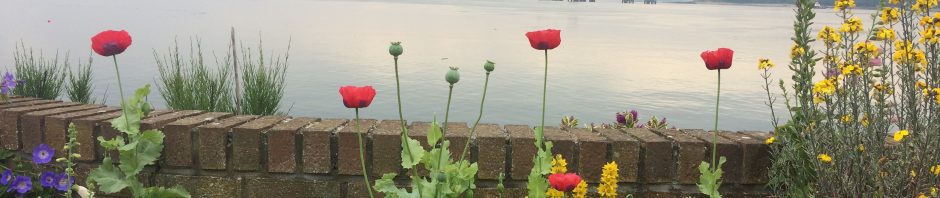
I have just come back from the wild empty spaces of the Isle of Lewis in the Outer Hebrides. So different from here, where streets are uniform, houses form rows in tidy estates, and gardens are laid out with a kaleidoscope of roses and mature trees. I sped up to the Highlands on the Inverness train from Perth. We chugged past familiar townships and villages, and the train window framed the autumn picture of scarlet berries, feathery seed pods of the willow herb and the constant profusion of red, gold and yellow leaves. The dark looming shapes of Ben Alder framed the hamlet of Dalwhinnie, where I based my village in my book Where the Golden Oriole Sang. I have changed but the scenery is still as stark and empty as it has always been. ‘See that hill there?’ my Aunty Mary used to say. ‘Old Jock from up the glen used to drone on his bagpipes at the foot of it, and the sheep would come down for their feed.’ Ghosts of the past drifted round the station, and later we passed the graveyard in Kingussie that holds so many of my closest relatives, including my mother. The sun shone into the grey walled cemetery. Silent with no visitors.
I have been thinking a lot about the next stage in life’s journey. Many years ago in London I went to see the Art Gallery on the South Bank of the Thames. There was a picture depicting the disintegration of a plate of fruit. As you watched, the animators had made the fruit rot with a special zipped up camera, so you saw the ripe, plush peach turn brown, then eventually decay and fall into the plate as dust. It was obviously very memorable and made quite an impression on me because now as I get older, I am seeing the tell-tale signs of ageing. Skin is getting thinner, veins are appearing on my legs, and although I am still fit and healthy and walk for miles, other little niggles are appearing. I developed scleritis in my right eye whilst in France. Horrible thing, so painful and I was so nauseous. The French ophthalmologist asked me if I had been abroad or had had Lupus or rheumatoid arthritis. I had been abroad, of course, to Kuching in the early part of the year. Anyway, when I eventually returned home and my eye was clearing, the scleritis then spread to the other eye. The Scottish doctor ordered blood tests, and I was shocked to learn that I had TB in my blood. A possible link to the autoimmune condition that might have caused the scleritis. I am still awaiting consultations and so on. It’s all very weird. It seems the TB has been dormant in my system all my life and has chosen to reappear now, but I have no symptoms and it’s not infectious. So that’s good.
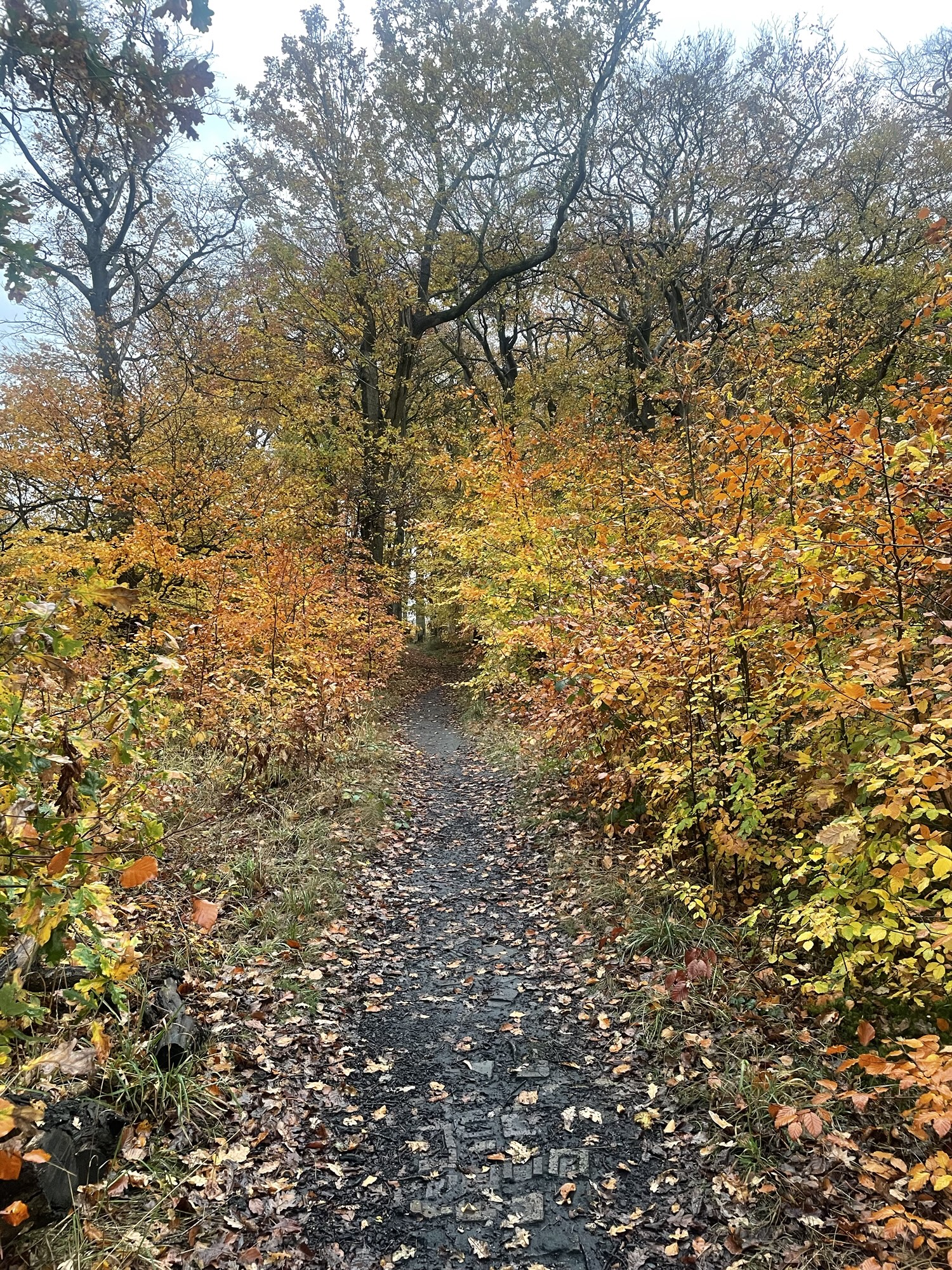
But you can see why I am looking at autumn leaves and decaying fruit. It’s the march of time which doesn’t stop or slow down. Things change, and I can’t help saying when I look at all the obvious signposts like papery skin, ‘How very dare it!’
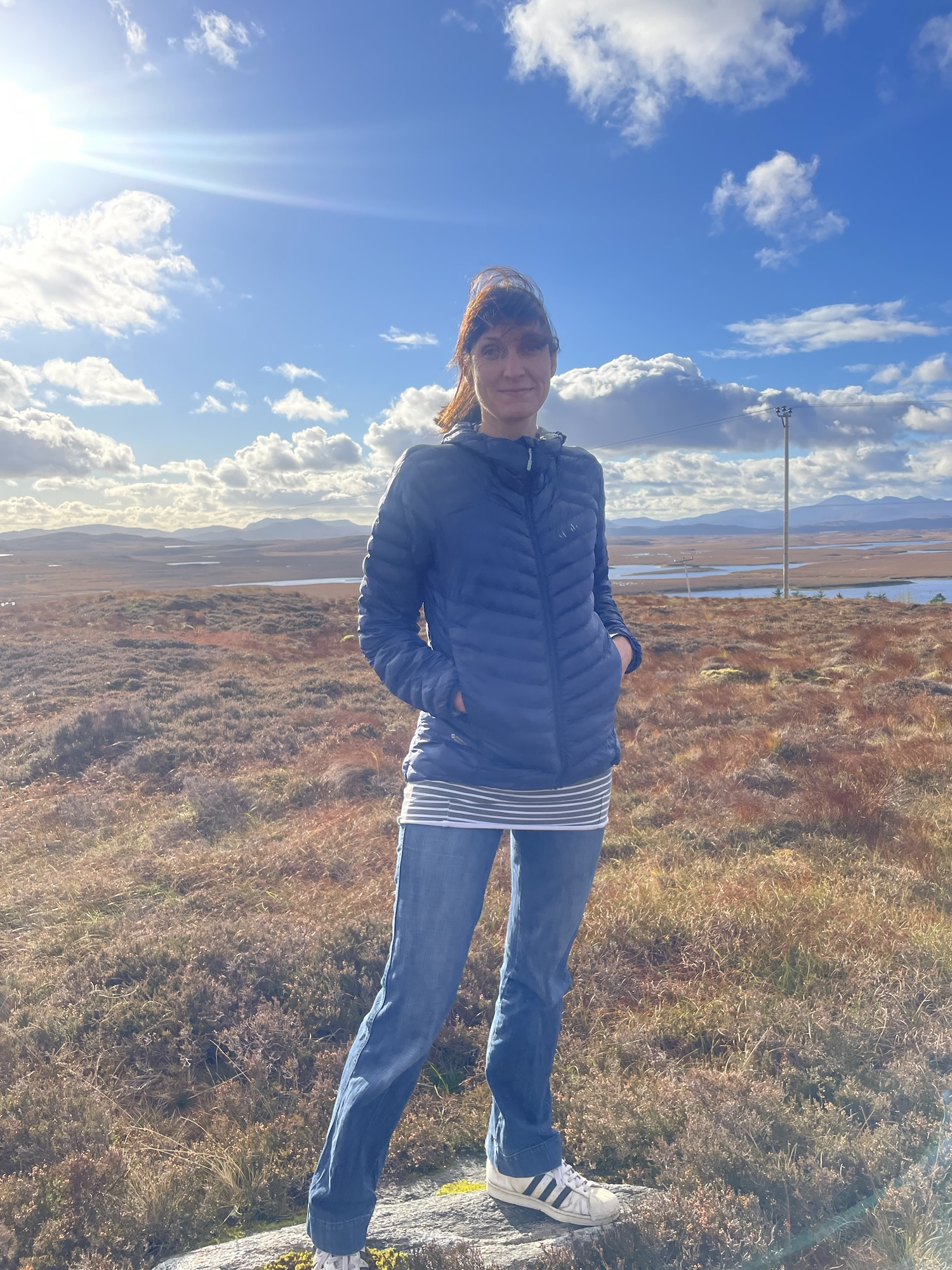
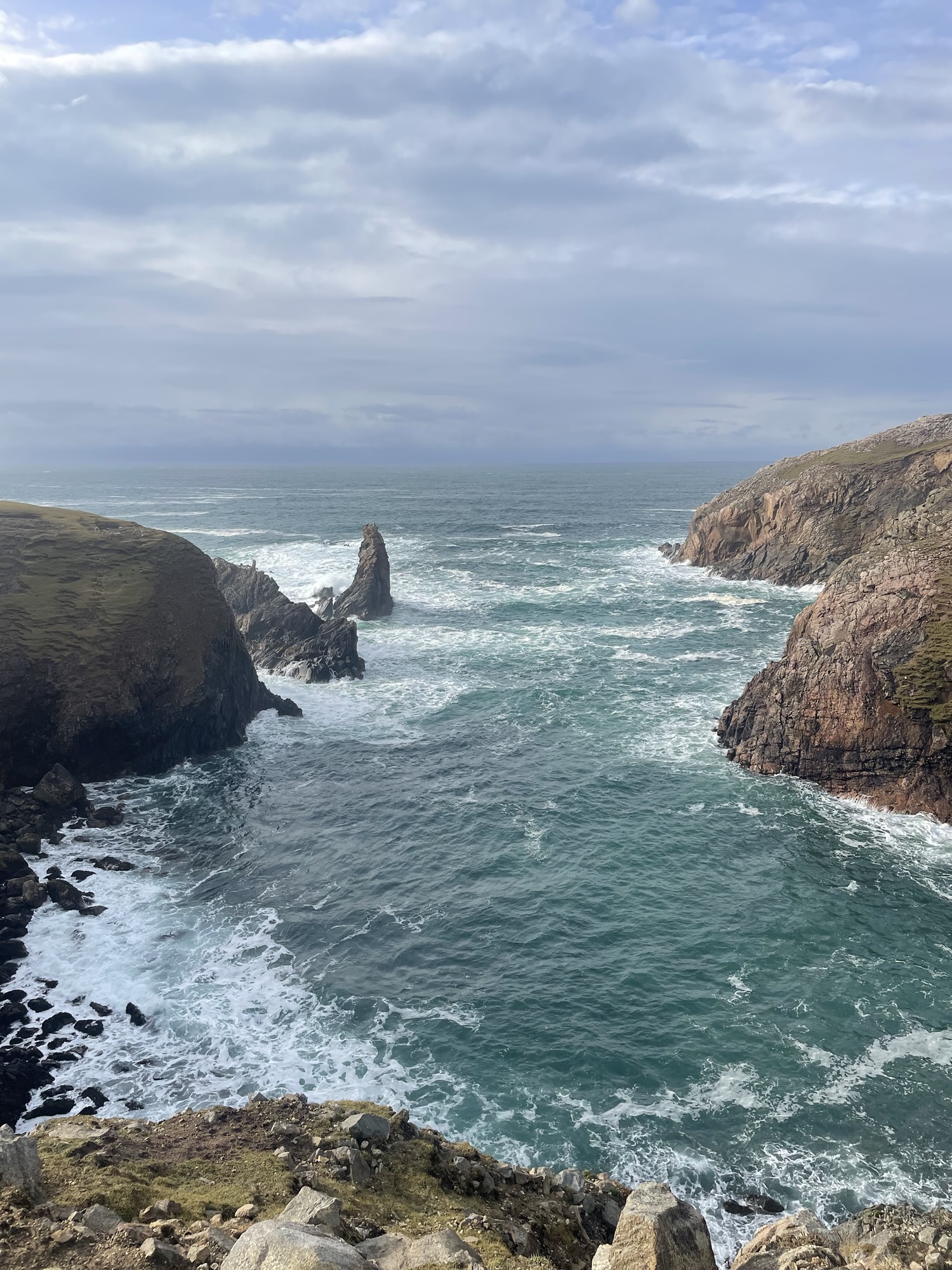
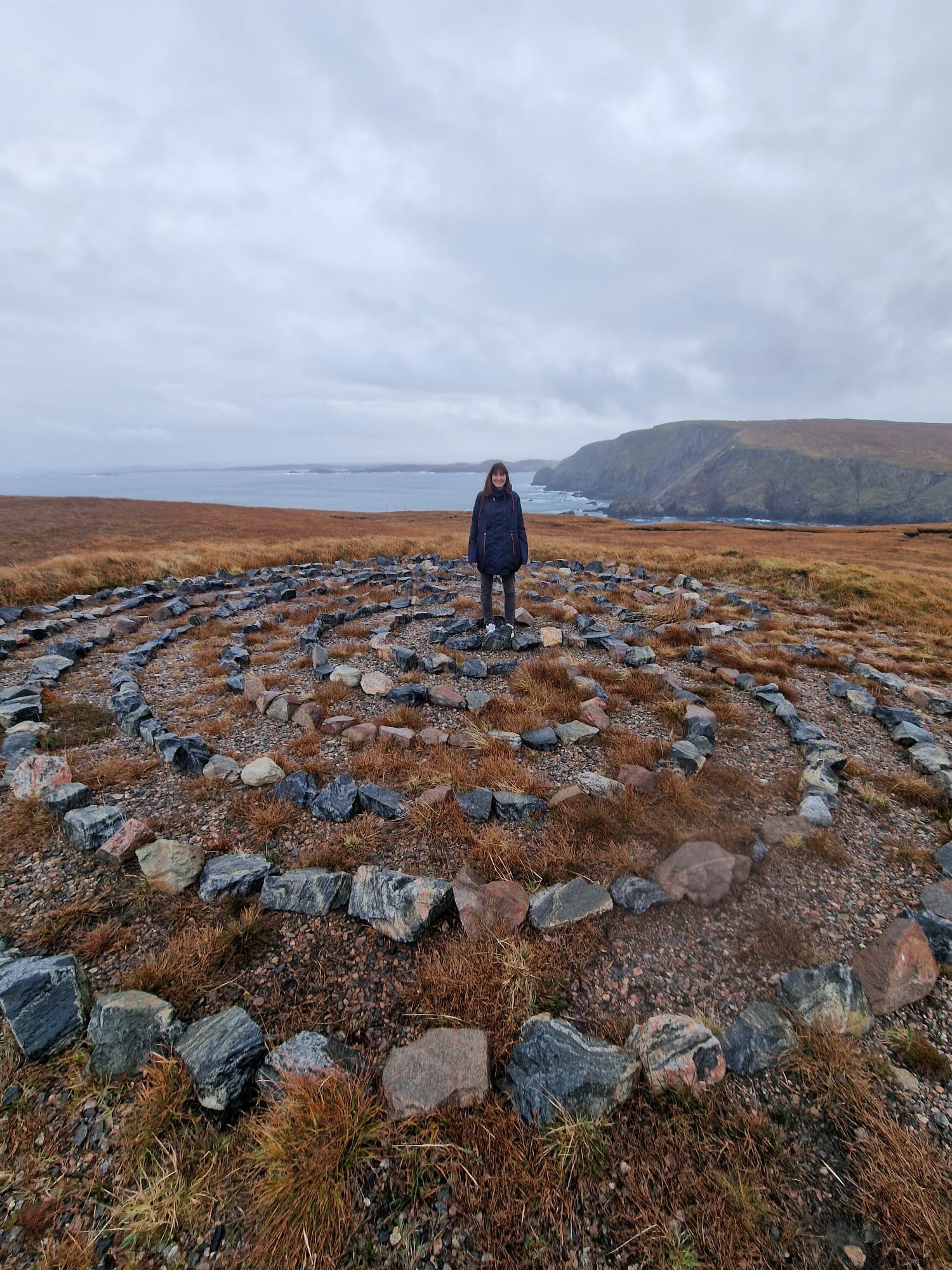
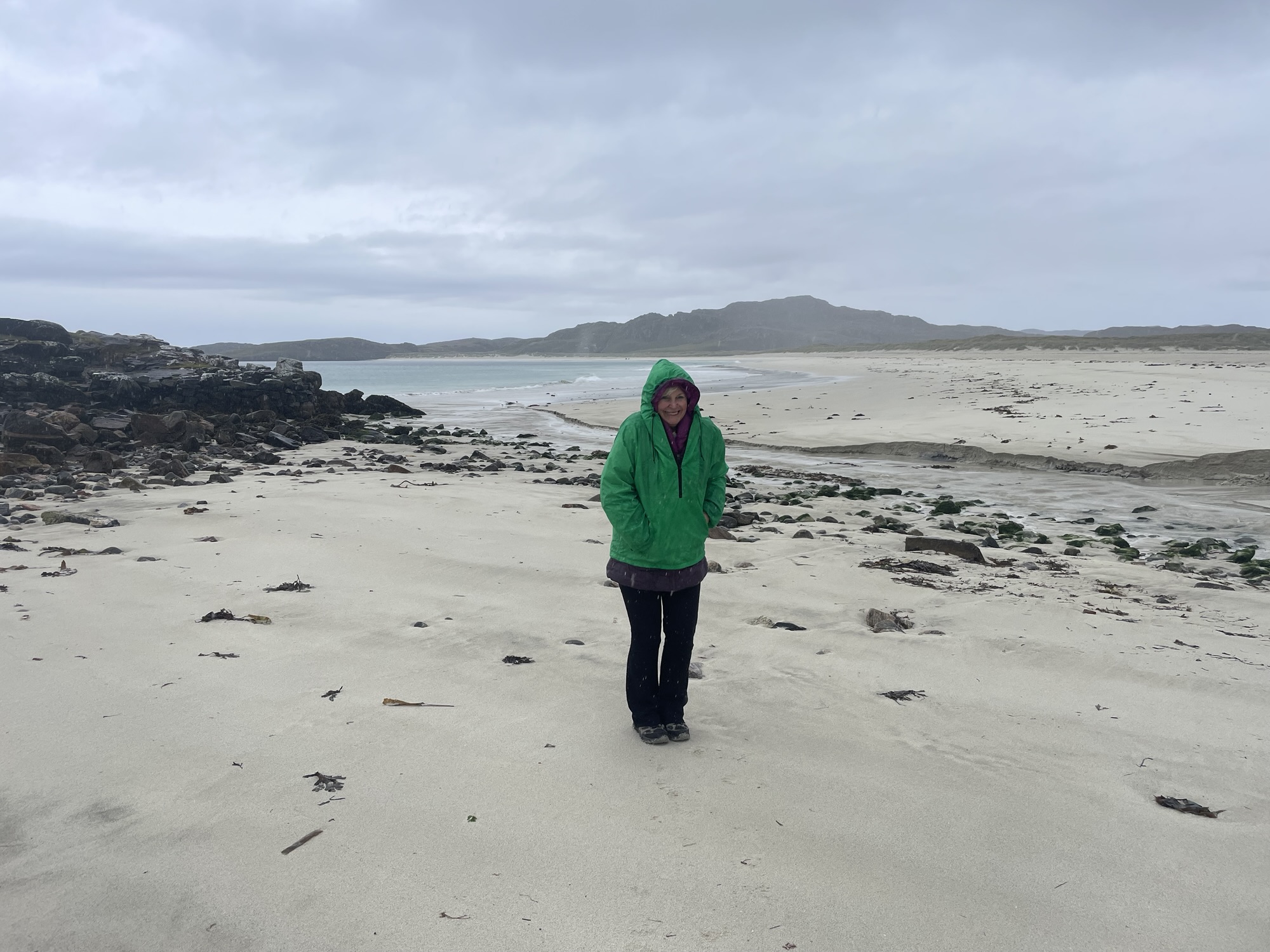
I had a wonderful week with Natasha and the girls on the Isle of Lewis. The Atlantic Ocean surged around us, sunlight came and went, as did the showers. She proudly showed me the croft where they will build their house in the New Year. We posed on the beach and climbed up through the heather to see a submerged circle of stones.
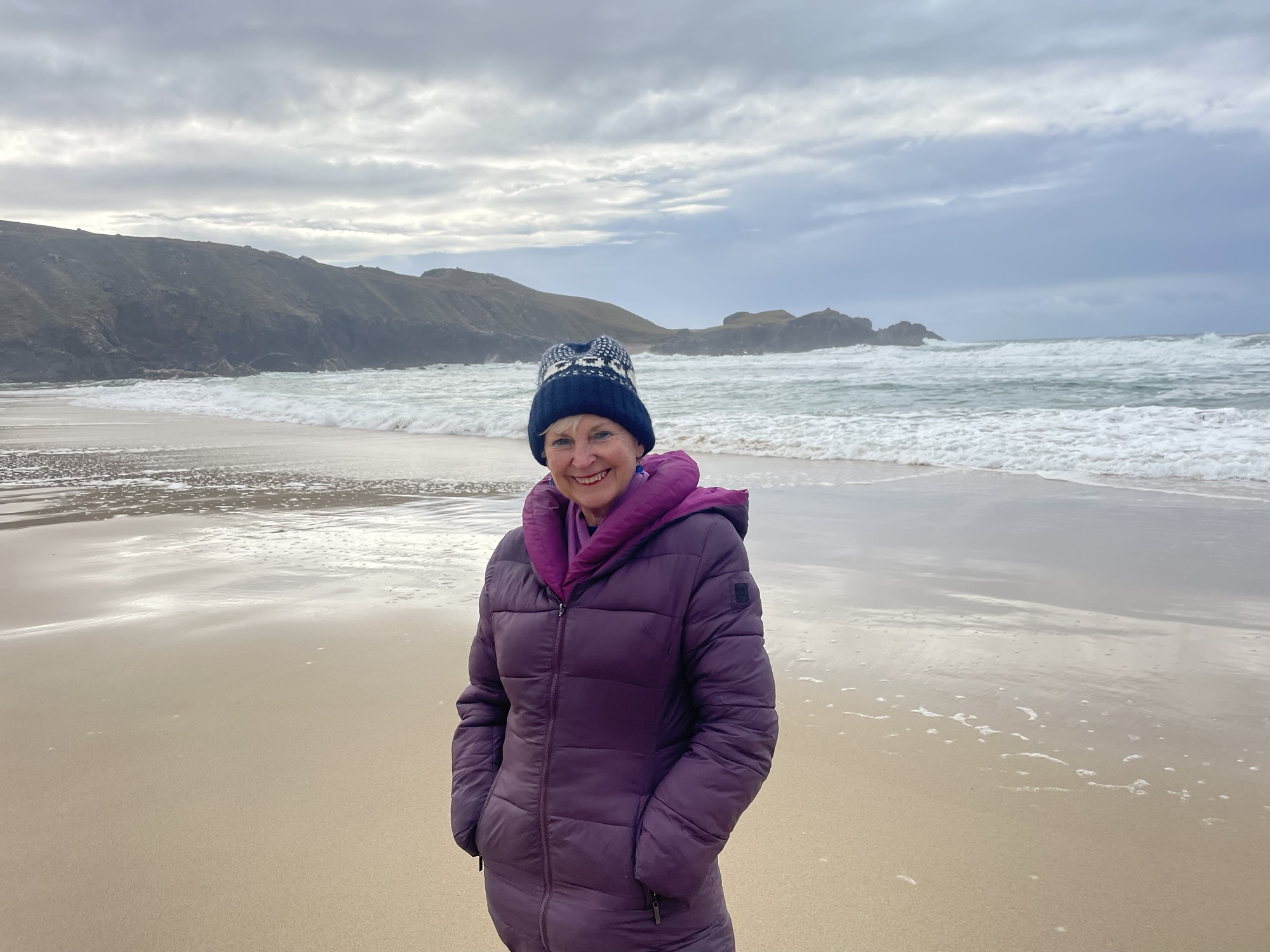
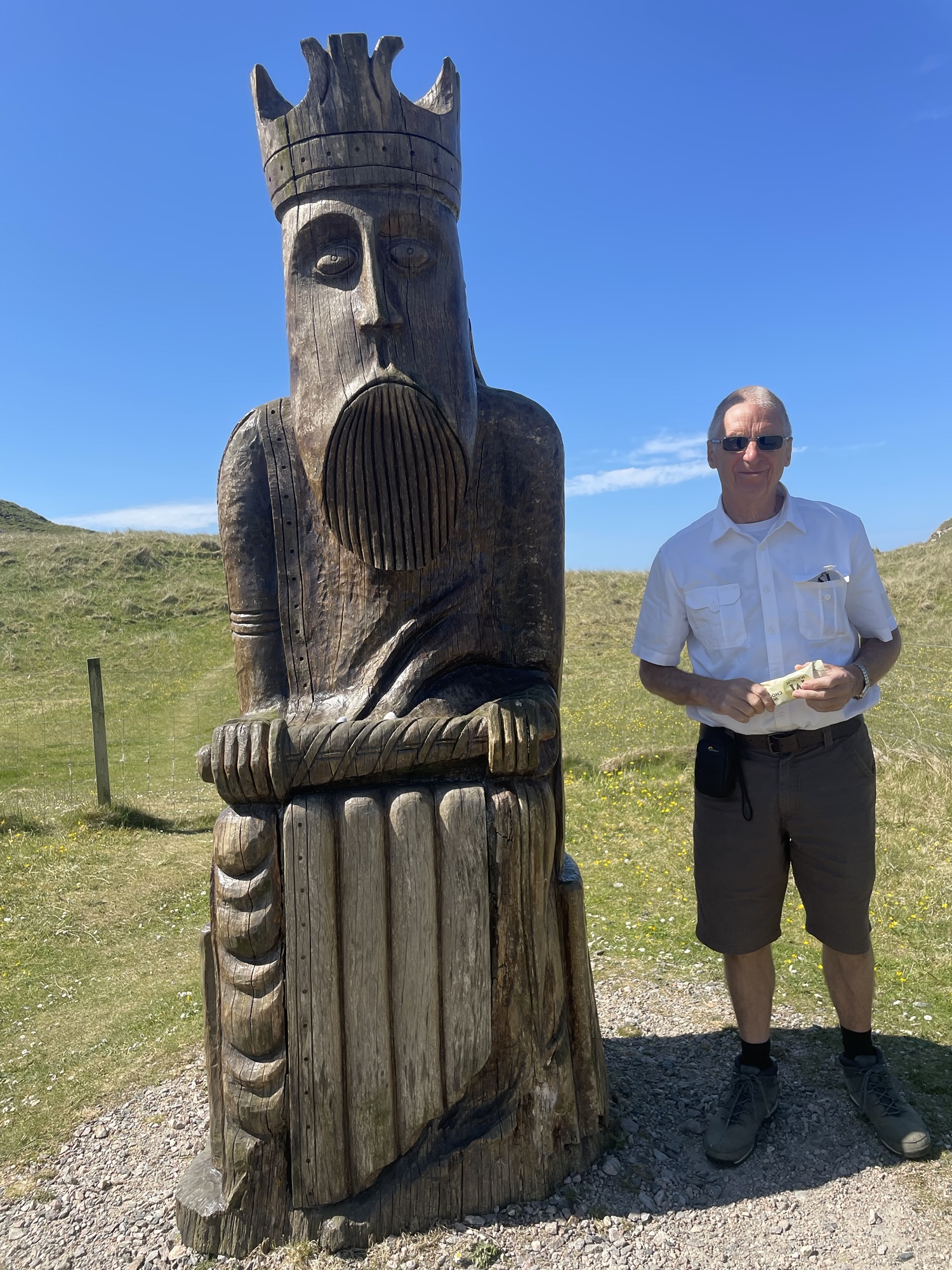
As the named storm finally reached the island we set out in the blinding rain to have coffee with her new friends. Their croft looked down on the beach where once the Lewis chess men were found in the sand dunes. They are now on display in the National Galleries in London and Scotland. I asked Hazel who found them and got a long precise tale about ‘some dude murdered another dude and buried his body, and they were found.’ The academics believe they originated from the invading Norsemen. I liked her story better!
We parked the car and bent our heads into the lashing rain and ran up to the house. I noticed in passing a dry-stone dyke that was half finished. I had to stop and look with awe. The wall was being built with granite boulders of immense dimensions. It was as if the Norse God, Thor had decided to do a bit of hard landscaping. Nearby was a JCB digger so obviously the man of the house was a mere human and did have a bit of help. It was warm inside and we were made welcome. The family had been on the island for many years, raising their four children. They were quite matter of fact when describing their earlier days on the croft. All six of them had lived in a bus for seven years whilst their house was being built. They had even planted a small copse of trees, which is almost unheard of, on this barren peat land. The lady said she used to rush and check after a storm to see if the saplings had survived. Each tree had a name! Now that is devotion. And of course there were the pet lambs. With a flock of three hundred ewes, I suppose there would be a few orphans that spent their early days in a carboard box in front of the fire.
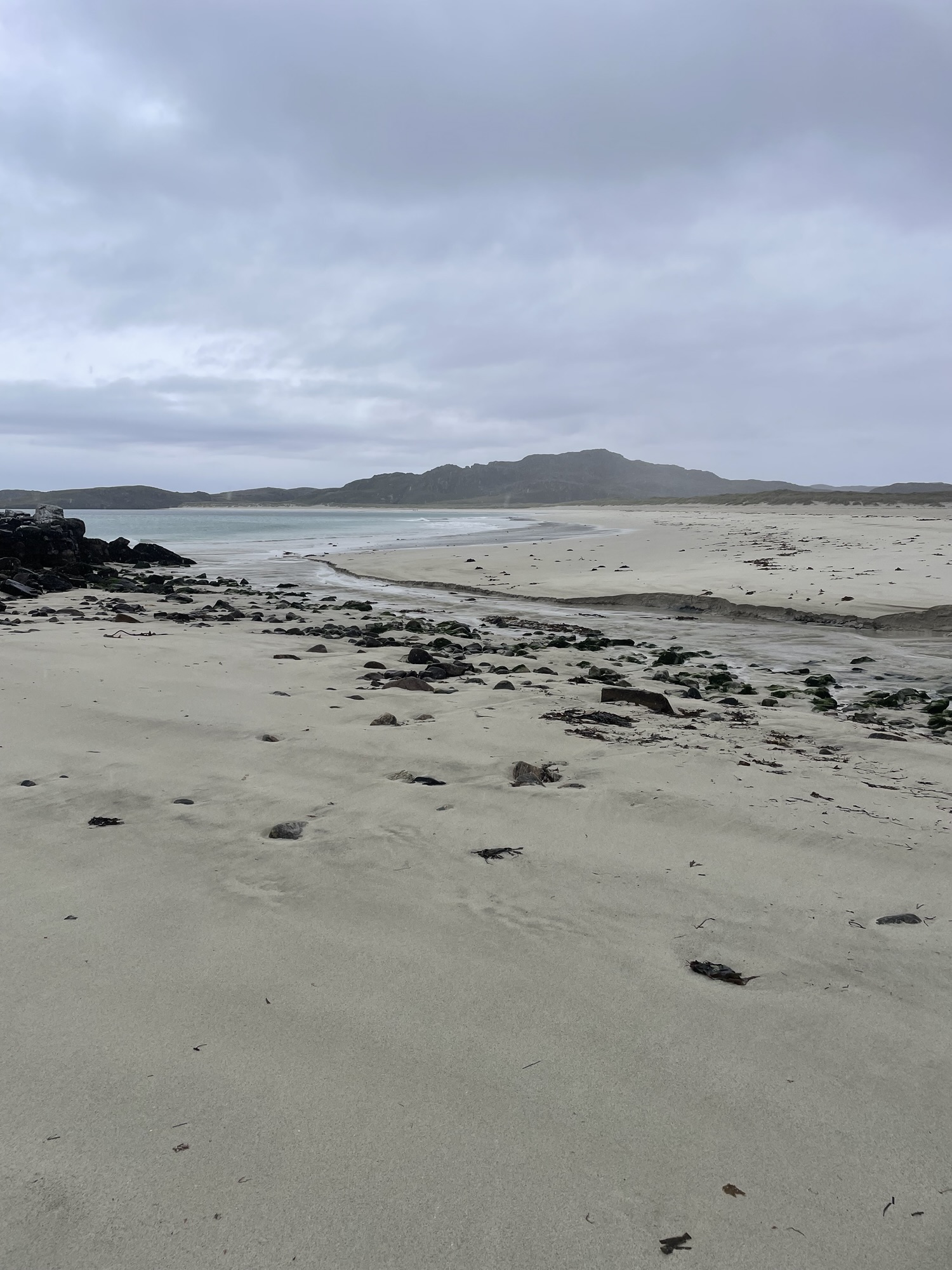
The following day the storm had abated a bit, so we drove over the hill to another beach. It was long, white and deserted, with stones and colours reminiscent of the Scottish Colourists who painted on the Island of Iona and other places on the West Coast. This beach could have been the subject of a Peploe painting. I could just see his pallet knife smearing the sands and the colours of the changing colours of the sea. Beautiful. Further on, a man was out alone, in the drizzle with his golf clubs, whacking balls the length of his croft. Around were ravens eyeing the balls. Did they think they were edible?
I did make it home eventually, after two days of cancelled ferries and my return journey took me back on the Inverness train to Perth. It was late, and I could see nothing except the lit-up stations and pin pricks of lights in passing dwellings. We approached Kingussie and I imagined the cemetery somewhere there in the darkness. It reminded me of that famous passage from The Dubliners by James Joyce, in the story of The Dead.
“He watched sleepily the flakes, silver and dark, falling obliquely against the lamplight… it was falling, too, upon every part of the lonely churchyard on the hill where Michael Furey lay buried. It lay thickly drifted on the crooked crosses and headstones, on the spears of the little gate, on the barren thorn. His soul swooned slowly as he heard the snow falling faintly, like the descent of their last end, upon the living and the dead.”
All my own people are gone and are lying under the black blanket of night in this Highland cemetery, and all their individual stories will never be told. The train hurtled on, uncaring.
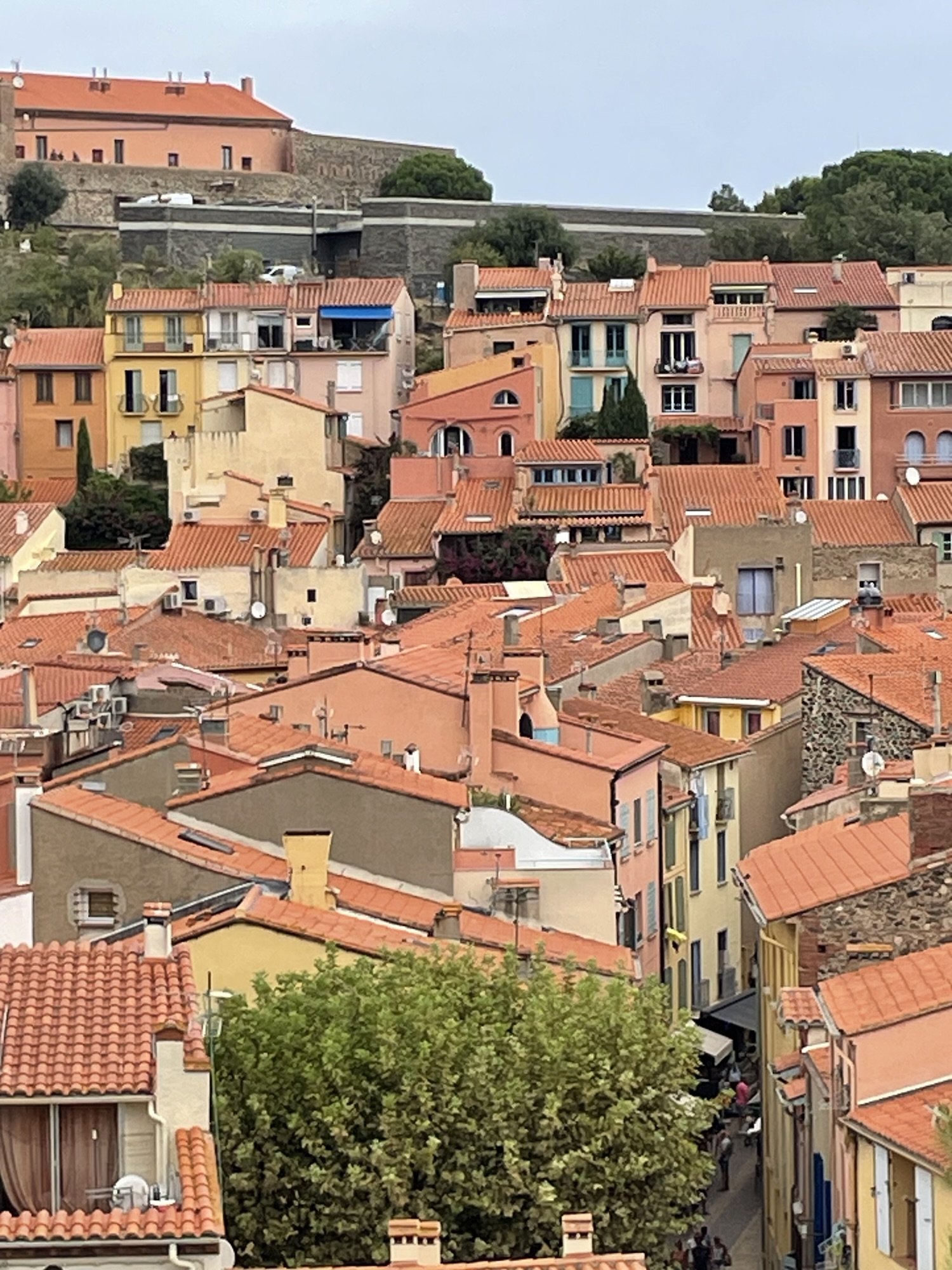
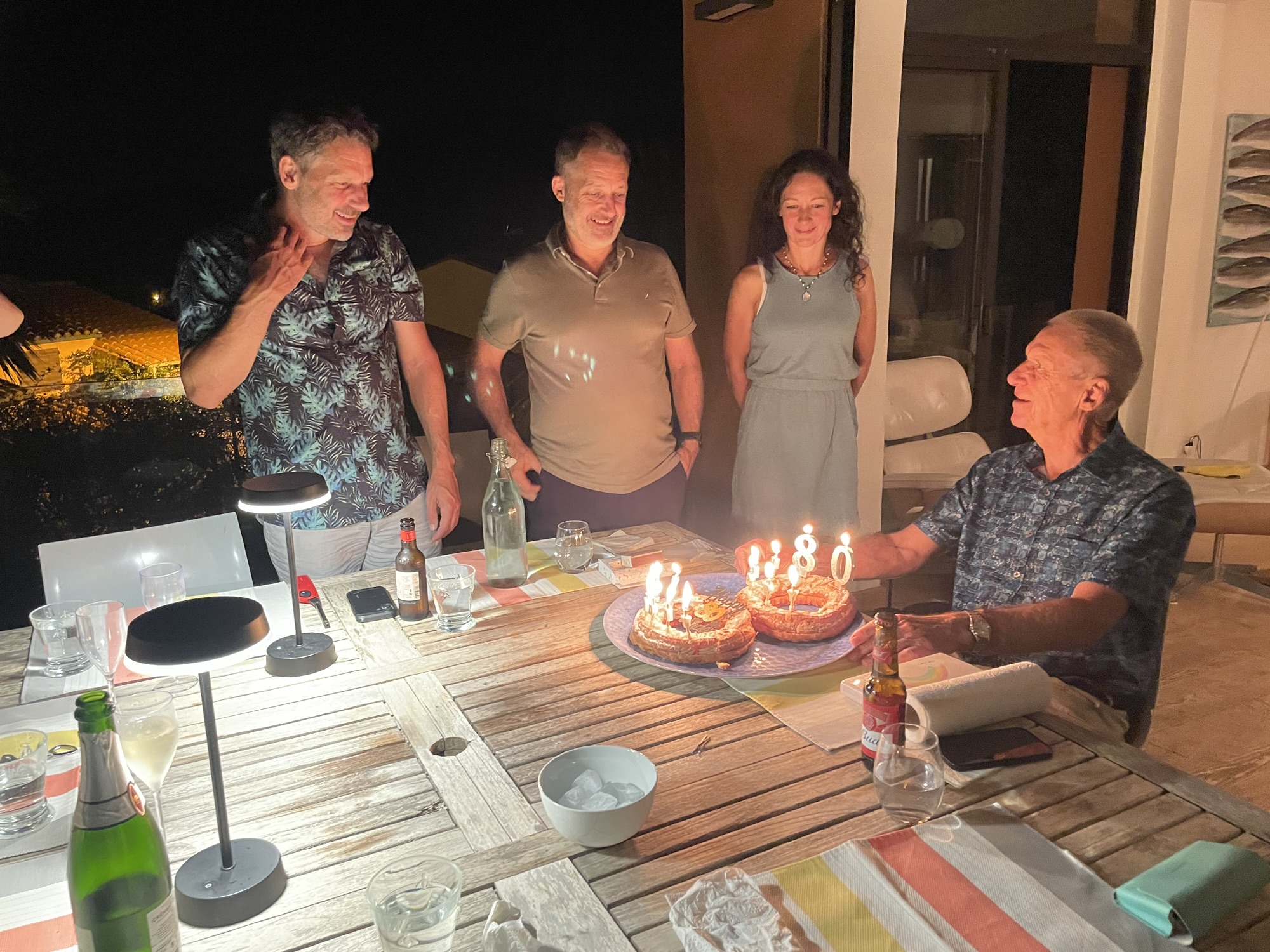
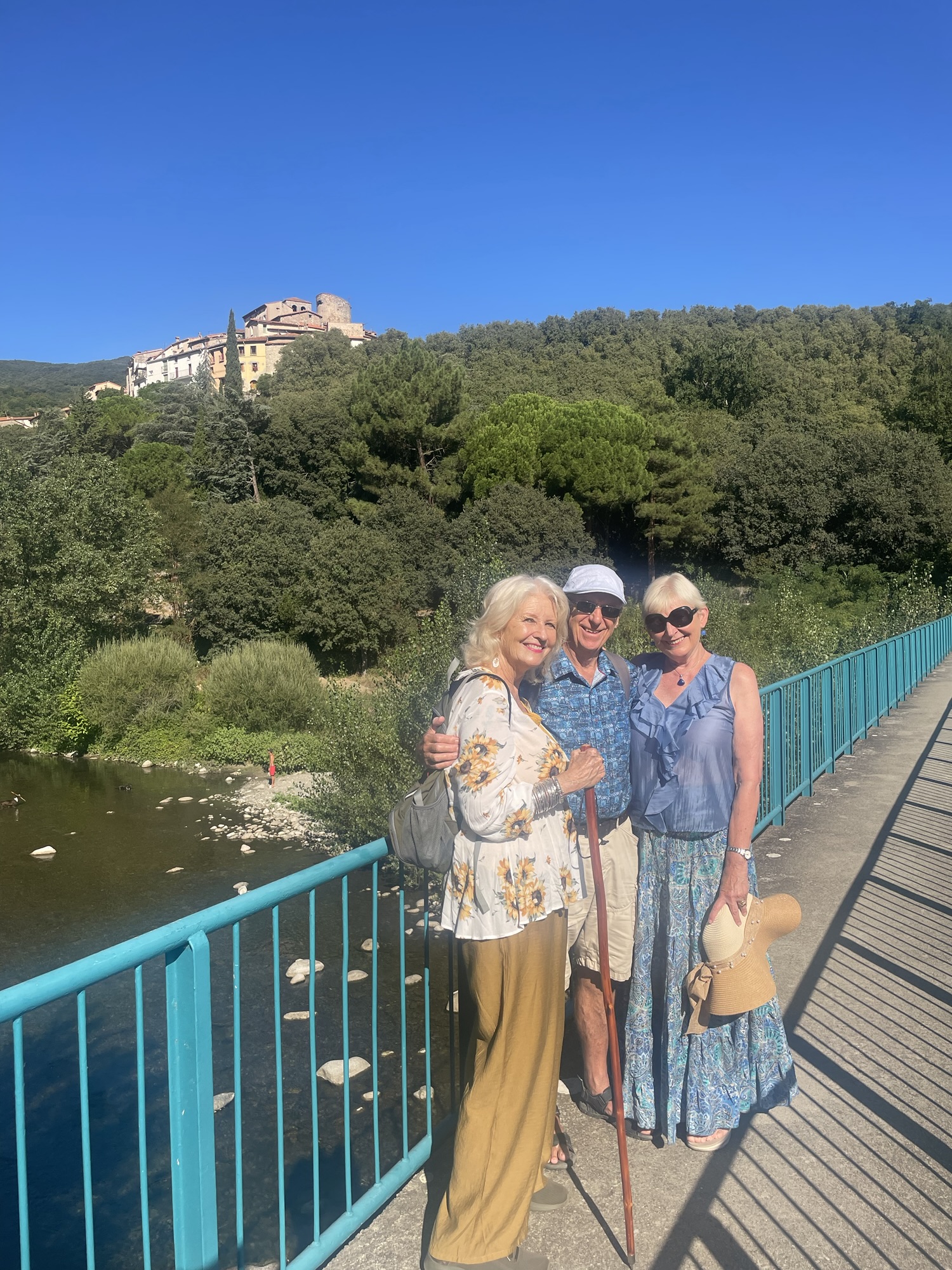
John celebrated his very big birthday in Collioure in the South of France this year. We shared a villa with all his family, and we were like colourful butterflies in our bright summer clothes as we mingled with the holiday makers and sheltered from the Mediterranean sun in cafes and restaurants. It was the most perfect place. After a day of celebrating, we sat on our decking overlooking the town and the sea and saw in the distance the high mountains of the Pyrenees. Here Monet and Picasso lived and painted. It was the light they said. Their paintings are red and ochre with the seas so deep a blue that you can feel the warmth emanating from the canvas. So different from the stark blues and blacks of the Scottish artists.
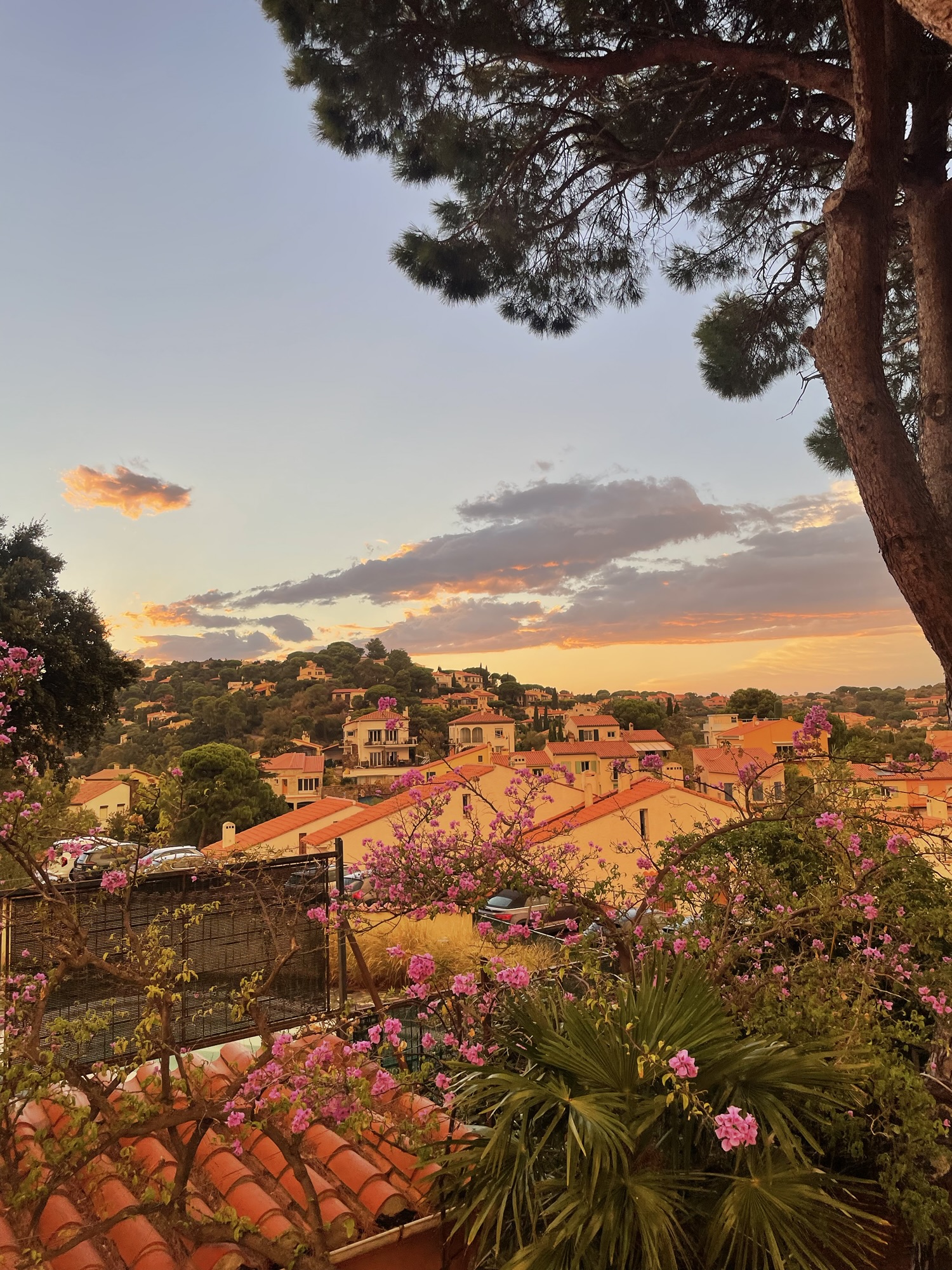
We sat by candlelight under the starts, and John’s family each asked him a question about his life. Unusual for John, he didn’t laugh or make a joke but instead gave each question consideration. It was a special time, and each of us learnt snippets of his life that we didn’t know.
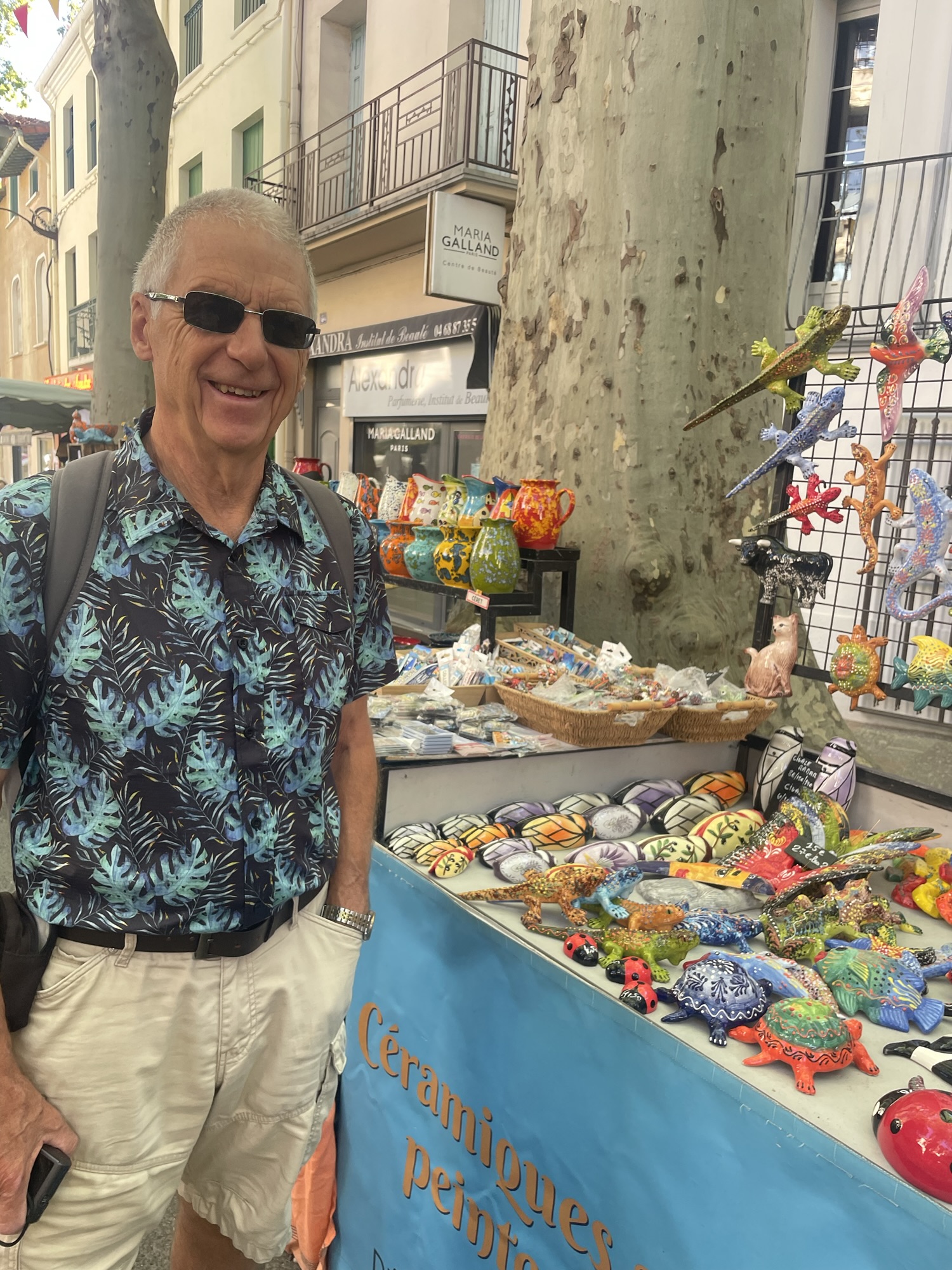
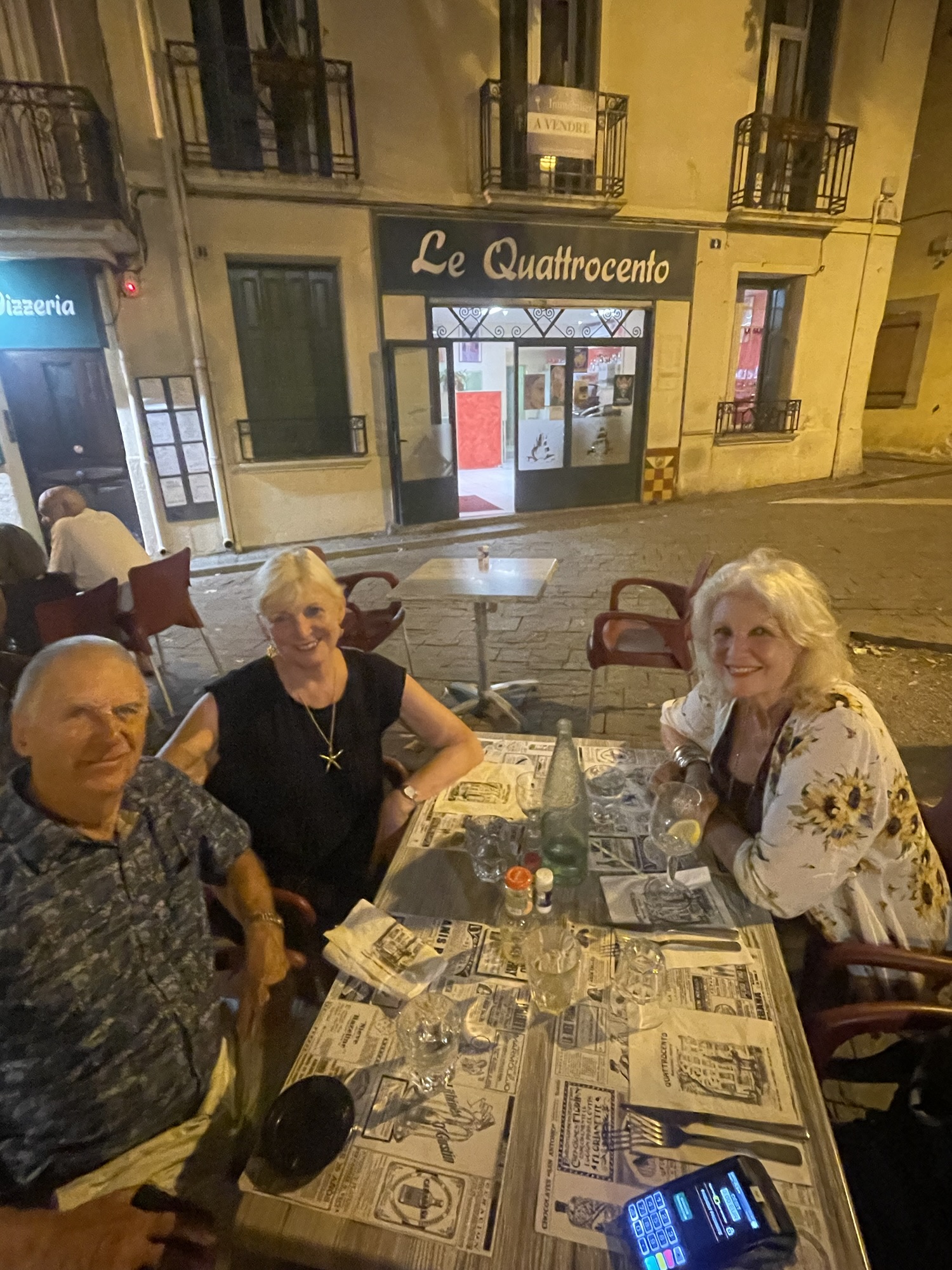
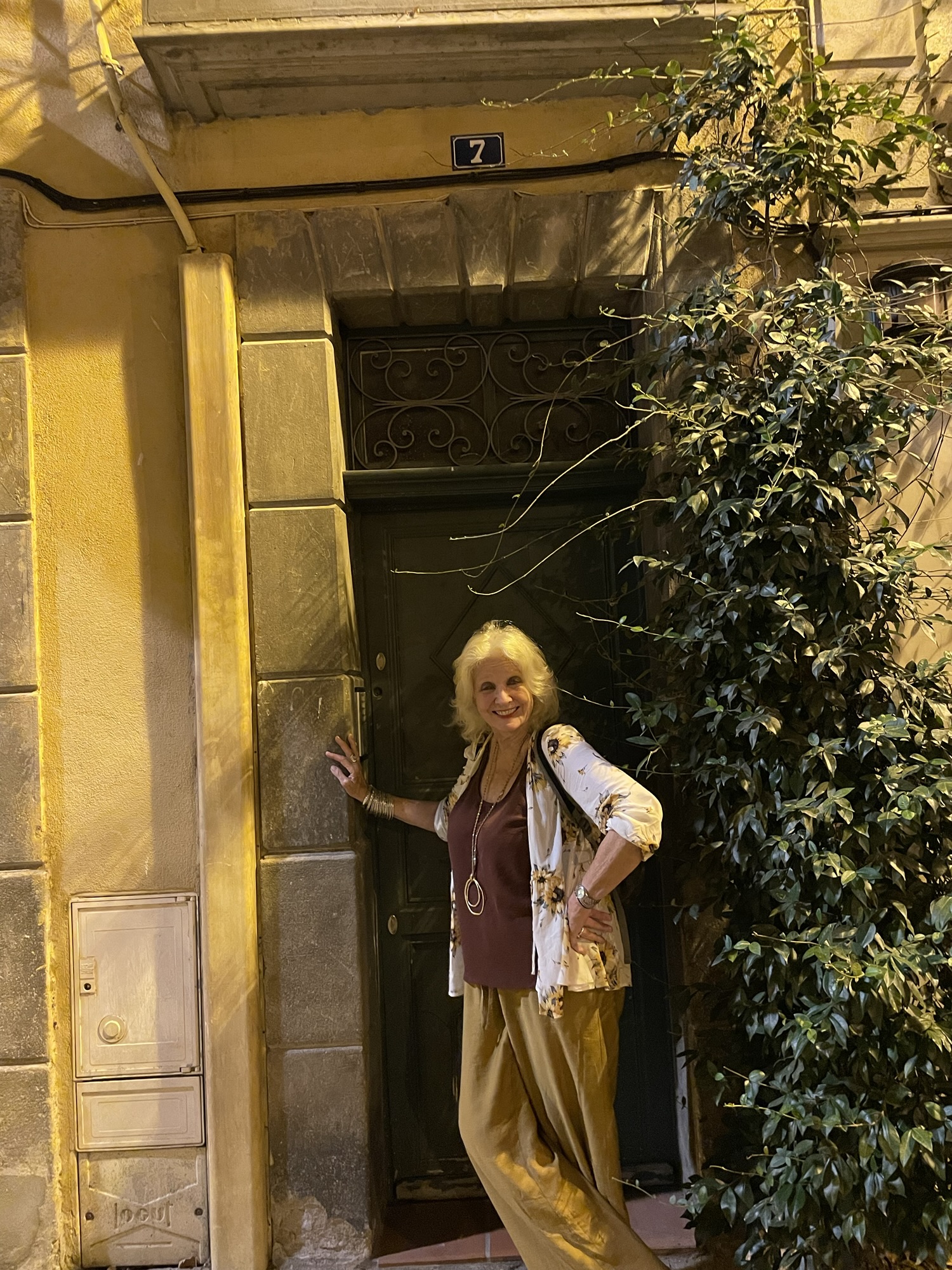
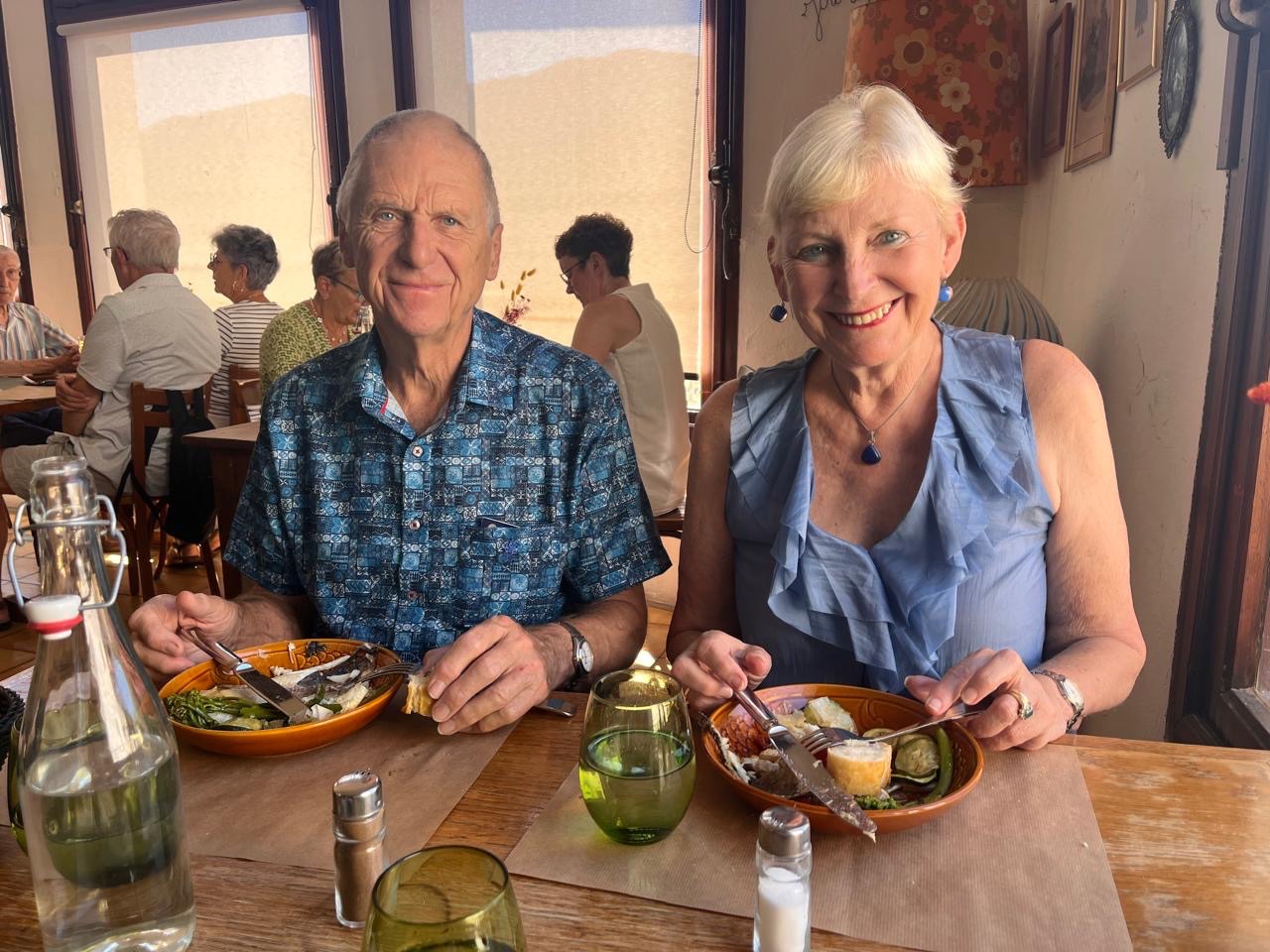
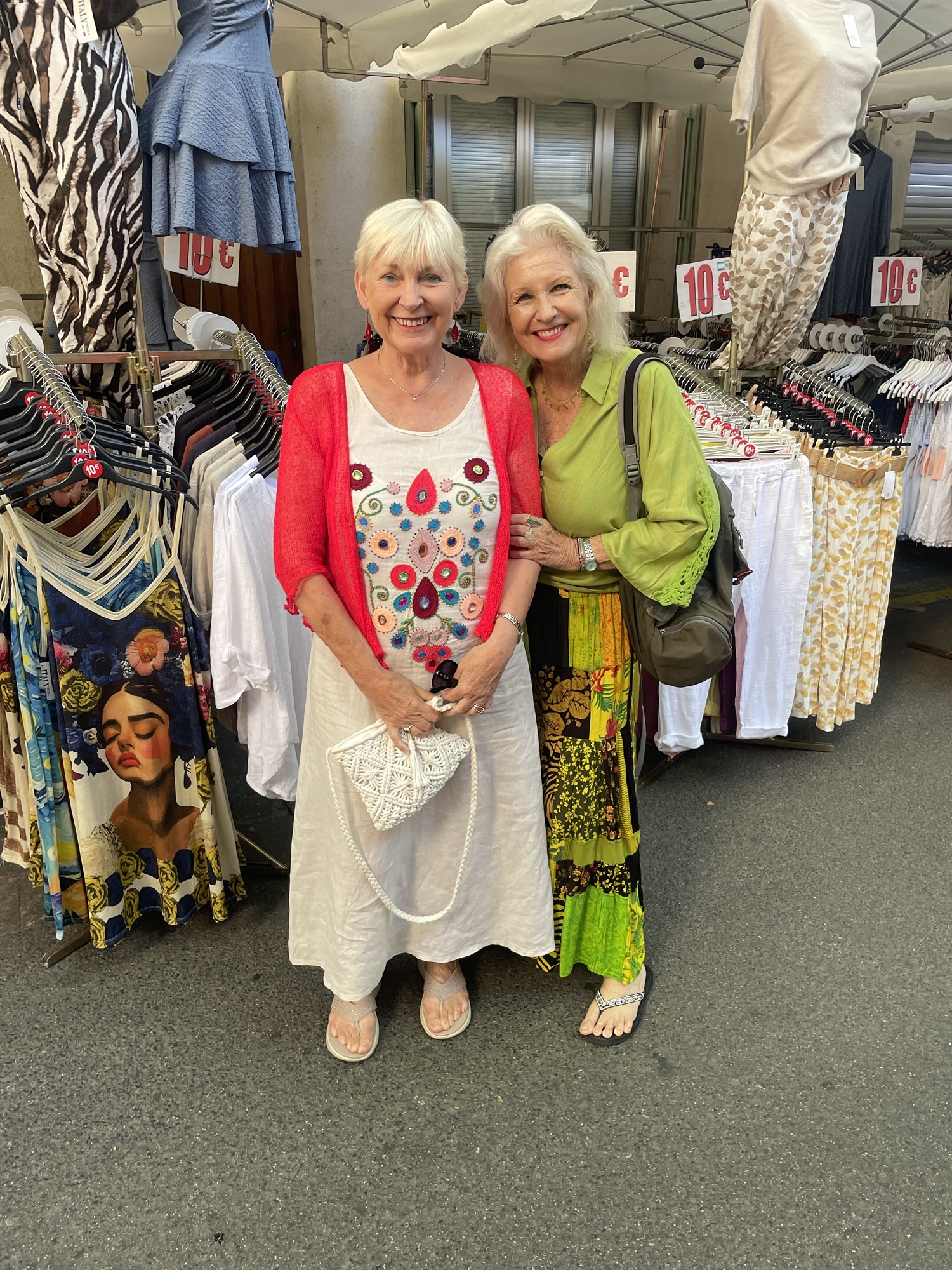
After the birthday week we parted from the family, and John and I returned to Ceret and rented a house there and met up with my friend Gerry who was over from Kenya. The three of us sat under plane trees and ate delicious food and walked through ancient streets and fantasised about buying a little house in this beautiful town. It was an idyllic week, with French markets full of everything that was desirable. We even went to an Art show depicting some of the current artists in residence. I was particularly drawn to the quirky humour of Jonathan Everitt, who made me smile with his flying ladies and clouds and other amusing subjects. I did buy a few prints, maybe they can hang near the painting of sunflowers by the artist Puig that we bought last year in Ceret.
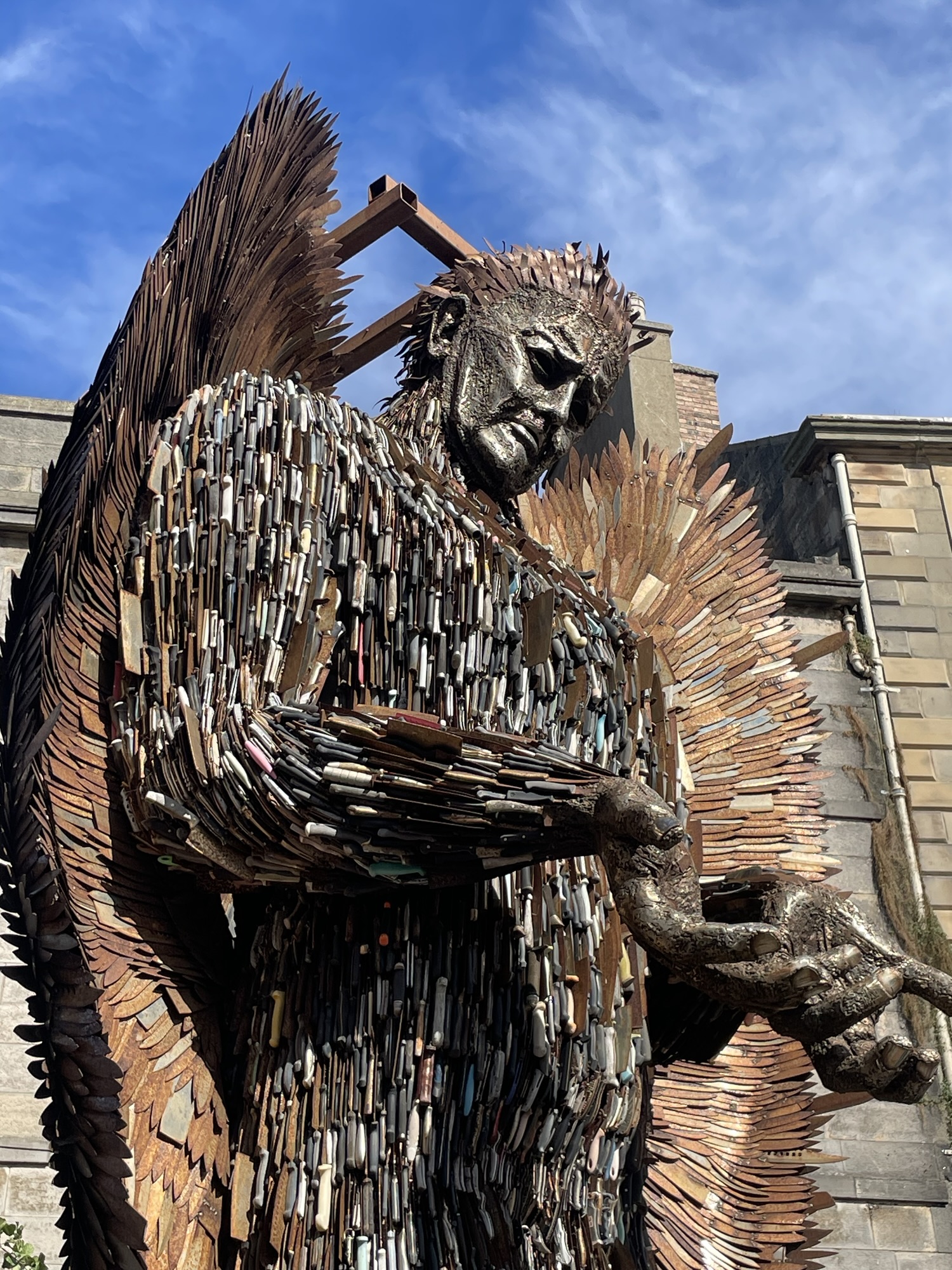
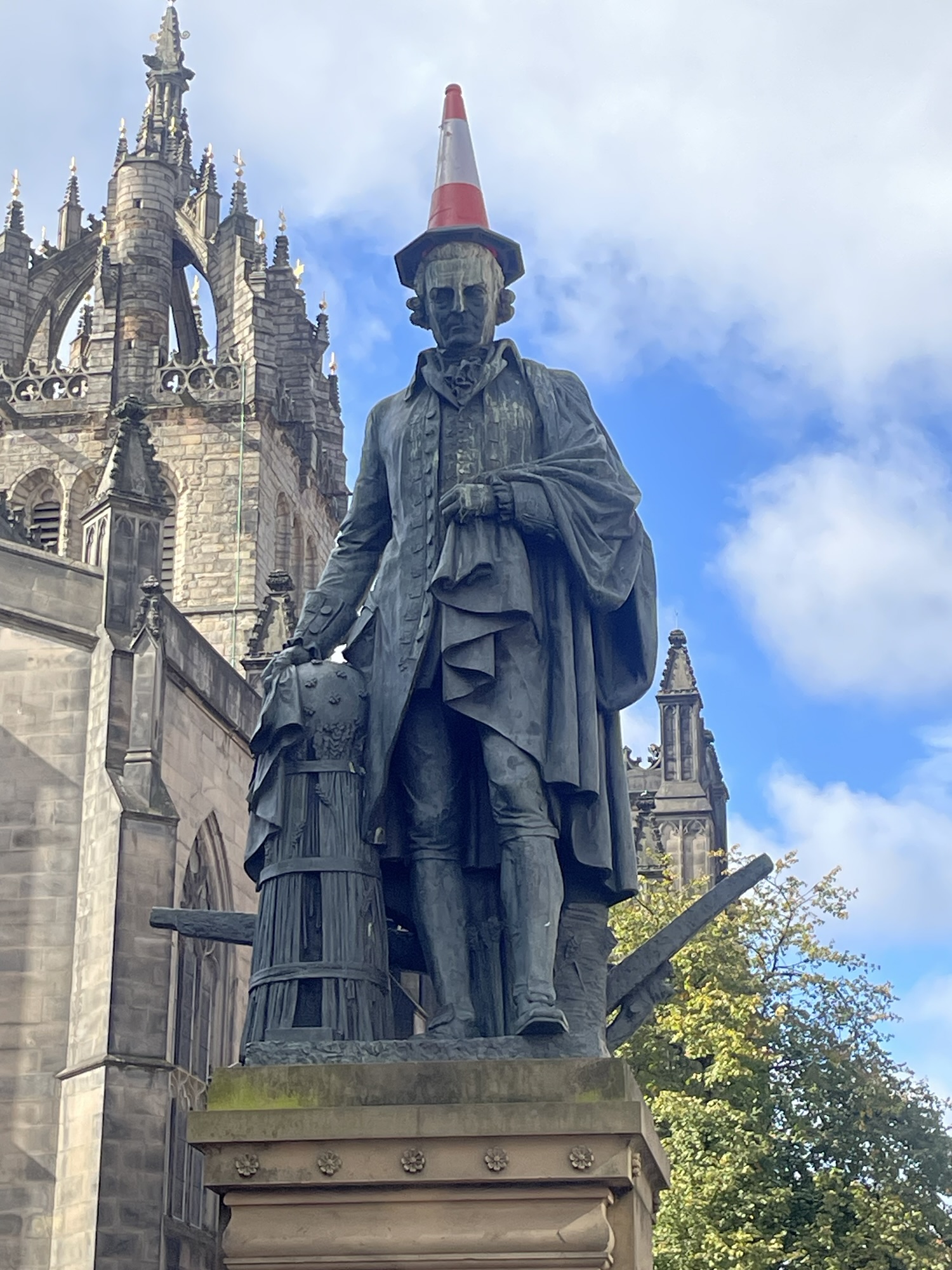
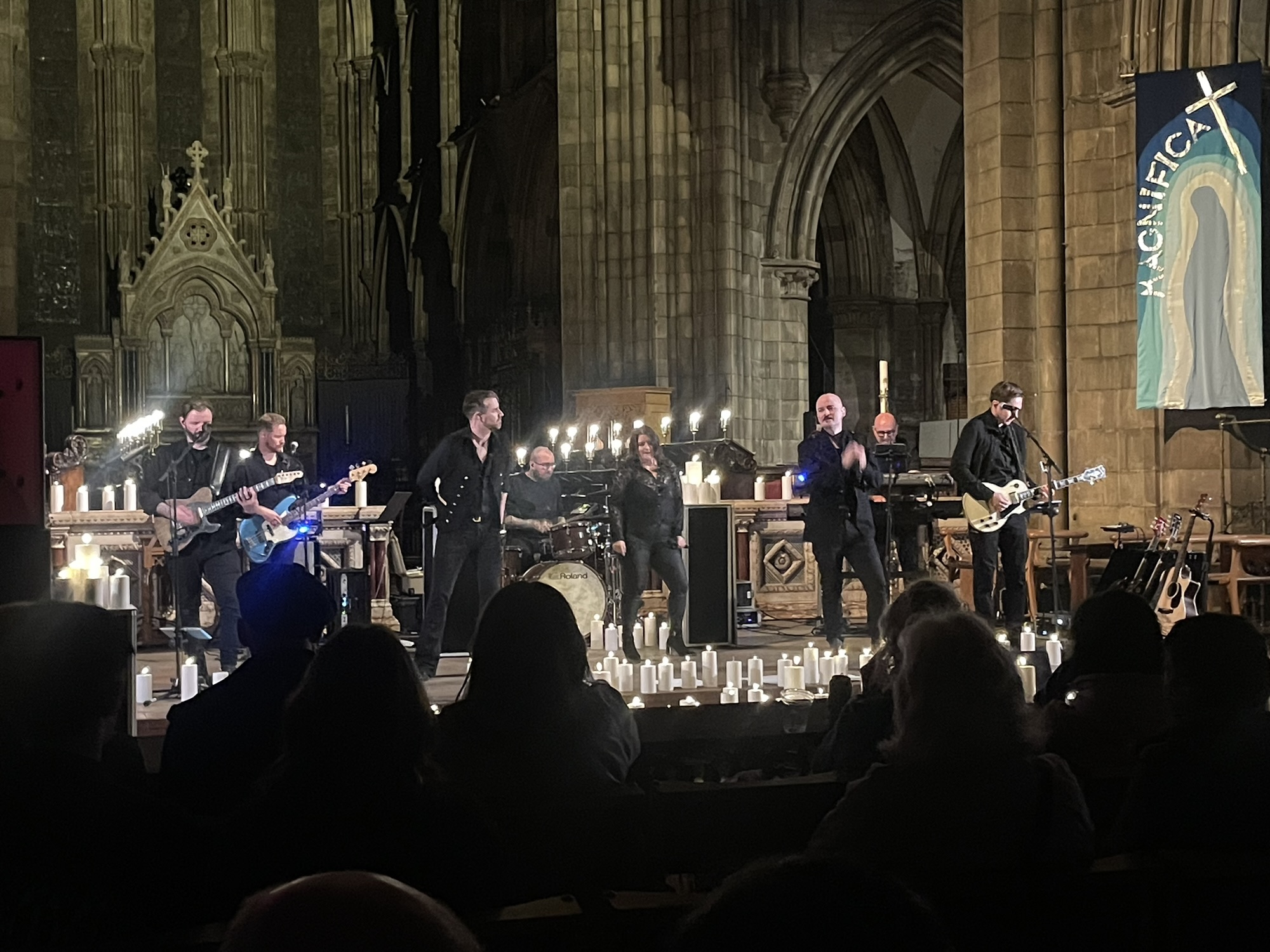
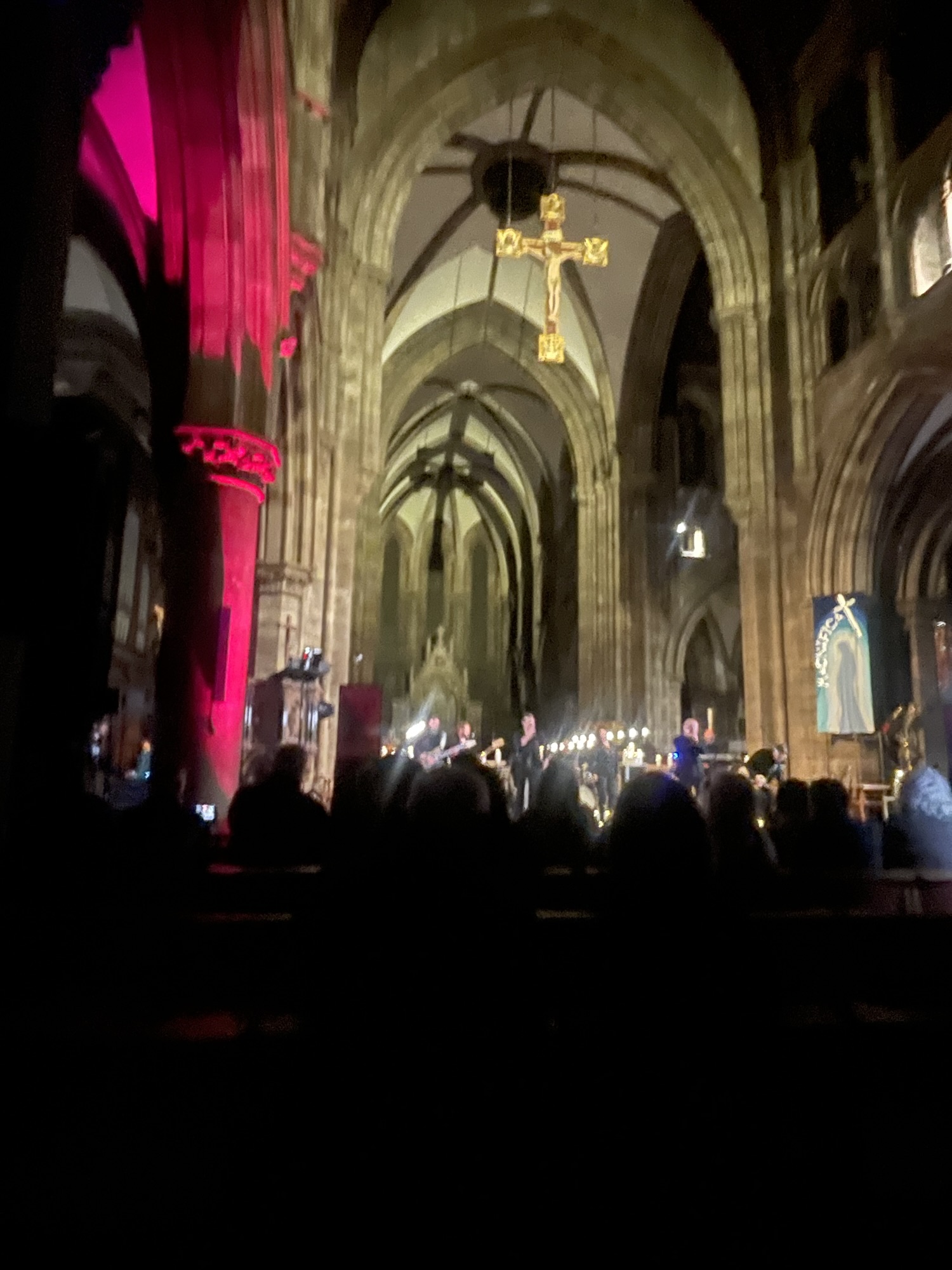
And now the year is ending, summer with visits from Gerry and the children, the garden and walks and the vibrant life of the city of Edinburgh has kept us busy. Only last week we went into see a concert by the tribute band, The Eagles in the beautiful St Mary’s Cathedral. It seemed a little odd to see the hard rock band pounding out their music under a giant hanging crucifix.
Dilly and I have resumed our studies at the University, and this term we are learning about the Vikings. A subject I only knew a tiny bit about. The lecturer is fantastic. At half time, I turned to Dilly and just said, ‘Wow!’ Let’s hope some of his knowledge and enthusiasm sticks! At least I am not suffering from memory loss in this downward spiral I have been describing… yet!
Adieu.


