Today is Chinese New Year, the Year of the Horse. This day also coincides with the start of Ramadan and Shrove Tuesday. I love the colours of Chinese New Year, the noise of the fireworks, the lion dances and pavements strewn in carpets of spent red streamers from the firecrackers.
We arrived back from Kota Kinabalu in Sabah yesterday, and after unpacking we dashed to the supermarket very afraid that we might starve throughout all this celebration with the Chinese shops closed and the Muslims fasting. All very worrying for the inner woman. It has also been worrying trying to find brandy in these cities of KK and Kuching, where the prices are aimed at millionaires only. £90 for a bottle of whisky or brandy? The duty on alcohol is ferocious. We did hear of a certain grocer that might have some smuggled bottles of Japanese gin, going for a song. We raced across the city and came back triumphant. The gin did taste OK, but the whisky John got was reminiscent of drain cleaner and promptly was hurled down the sink. Too many bad stories coming out of Thailand and Laos to risk a dodgy wee dram.
Our time here is zooming by. The first month we still felt very connected to home and our thoughts were constantly subtracting eight hours and imaging what everyone was doing and feeling just a little homesick. After the first month Kuching became normal and we felt we were part of the daily life here, with no need to rush about doing tourist trips. We have eaten in all the local restaurants – noodles, rice, curry and even pizza made by Alex who is from Montenegro and came out as a chef in a hotel but now works for himself.
We have befriends Kim who owns the charming coffee and noodle shop in Kai Ju lane. Best coffee we have tasted, but the cups have been there since they opened eighty years ago!
When we visited Liz and Clement in Kota Kinabalu last week, we booked into the Jesselton Hotel where my dad once stayed back in the 1970s when he was building the golf courses in KK and in Sandakan. The hotel is old and charming and sits on Gaya Street just along from the old Post Office. I lived in KK with my family back in the 1980s and my daughter Natasha was born there. So many memories. John and I took a boat out to Manukan island and although it was quite overrun with tourists from mainland China, all photographing themselves from every angle, we did find a place to look out at the sea and eat mandarin oranges. We avoided swimming as there were a lot of sea urchins about. The monsoon rain drove us all into the restaurant where we were given an outside table protected from the rain only by a red umbrella. We tried to eat satay and mango salad, until we got soaked in the deluge.
Oh my! It certainly can rain. They eventually found space for us inside.
Liz and Clement drove us up to Kudat, about three hours’ drive from KK and passing through sporadic villages and past fruit stalls laden with durian, rambutans and papaya. These villages were predominantly Christian with giant crucifixes attached to the tops of telegraph poles. No doubt for lost wayfarers who might need a sign from above. There were schools dedicated to St Benedict, St Joseph, St Thomas and St Aloysius and I had to smile as we passed a convent or some religious compound, when I saw a green cement building with the sign ‘Secret Beauty Salon’ written on a dodgy piece of wood.
We drove to our destination, the Tip of Borneo, where the South China Sea and the Sulu Sea converge. It was magical and we posed for photographs and ate egg sandwiches beside bushes laden with the beautiful Bunga Raya flowers or the red hibiscus.
All the way Liz peppered the journey with tales of people we had jointly known or some who we didn’t. She and Clement have been in KK for fifty-four years. I couldn’t help thinking how we all live parallel lives. They had bought a new car quite recently and their mechanic, nicknamed ‘Dirty Wong’ due to the grease marks on his face and hands because he was always wiping the sweat from his eyes, had damaged their new engine by not replacing the oil cap. The engine had to be shipped to Kuala Lumpur where another friend, James, the mechanic for Rolls Royce at the Formula 1 racetrack, stripped it all down and returned it. She went on to tell us that another friend, called Fatty Wong was not to be confused with Dirty Wong. Fatty Wong was a lovely chap, who had gone on a diet thirty years ago, but was now skinny. His name remained. I tried hard to keep up.
Later we went to the Yacht Club and met Captain Alan, a retired airline pilot, and another chap who owns a lot of property as well as five cars and five motorbikes. Posh cars. Posh motor bikes. There was another friend who had bought an island and made it into the most luxurious resort, and they all thought nothing of drinking beer or whisky. I doubt they did mad dashes to dodgy grocers who hid their supplies under the counter.
Sunday lunch was at another friend’s place. A New Zealand chap, who is now about eighty-six and who had acquired the land about thirty years ago and had built a restaurant with chalets and a big area for entertaining and weddings etc. The long veranda of the upstairs is cooled by fans and the sea breeze. Palm trees fringe the shore; the South China sea washes the yellow beach which effortlessly gives on to the green grass. No concrete walls or fences offend the eye. It was all so peaceful. These businessmen, who built hotels, and designed water and sewage works way back in the day, made their money and can now sit back with a whisky, enjoying the fruits of it all in their own private luxury kampongs. What a wonderful way to end one’s days.
Ming and I have been trying to find a venue for my book-launch talk for The Fish in the Tree. It is not looking promising. So many of the places and hotels are asking too much. We did find one place we both liked, run by a very enterprising Sarawakian group promoting culture of all sorts. Rusydie was keen but wanted me also to do the talk in a shopping mall, at the same time as a troop of indigenous dancers and random members of the public dropping by to view some new paintings. I wasn’t very enthusiastic. I did like the upper room where their organisation used as an office, but Rusydie was keen that people sat on floor mats. Most of the expat people here that I have met are over seventy and many have had knees operated on. I doubt they would be able get up afterwards. So, the search continues.
John has had a few days jogging along the waterfront with the other keen runners early in the morning. He keeps an eye on the water as when we were out the other day on a sampan, we saw a giant 3 metre crocodile just resting on the edge of the river.
Today he was hoping to get his hair cut in the barbers down India Street. They charge a couple of quid for Grade 2 all over. We both have had massages from Ming’s friend, Sophia. She specialises in deep tissue massage and each time I go I wish I had a stick between my teeth. Pain, but afterwards, worth it! (I think!) She tsks with her tongue when she attacks my shoulders. Spending hours hunched up over the computer does me no favours. But my new book which I shall call ‘The Highland Curse’ is coming on. I have written 22,000 words already. It is set in the north of Scotland. Seems strange dredging up thoughts and scenery whilst living here. I have introduced a new character to my highland village; his name is Lord Dalwhinnie. He makes me smile just to think of him marching about in his yellow corduroy trousers and his tattersall shirt.
It’s coffee time now, and then later we are having dinner with Ming and Philip at the Telang Usan hotel where they specialise in the local Iban food from the jungle. My favourite is raw red snapper marinated in lime juice, garlic, chili and red onion and possibly coriander. It is just too good!
It is Thursday, our fourth day in the rainforest, and slowly our eyes are getting used to the leaves and rustles and twitches of vines and grasses. Could it be a monkey, a lizard, a bird? We were getting blasé with our views of the proboscis and silver leaf monkey families that swung about in the trees, but it was with much trepidation that we signed up for the night walk in the jungle. Talk about a baptism of fear.
We met our guides, ‘Chief instructor’ and ‘Instructor’ were written on the back of their yellow T shirts. They had strong torches, making our head torches seem very feeble indeed. Still, we were ready, trousers tucked into socks, and ‘Good morning’ towels wrapped round our necks. It was pitch black and at the entrance to the trail, ‘Instructor’ stopped us and pointed to the large flat leaves growing about him and which lined the path. ‘Don’t touch those, don’t go near, keep in the middle of the track, pit vipers sit there. Very lazy snake, they can stay there sometimes for a week waiting for prey. They lie in an S shape like a spring with their tail wrapped around the stem, ready to leap and bite a bird or lizard. If you are bitten you can be saved with a serum within thirty minutes, but the hospital needs to know what type of snake it is so they can use the correct serum. OK, let’s go.’
And we did. We were immediately engulfed with a swarm of buzzing insects attracted to our head torches. We opted to carry them instead. John wafted his own new jasmine perfumed insect repellent around – it smelt very strong and sickly. I hoped that it wouldn’t attract any hornets.
We climbed over fallen trees, insect-eaten branches, crossed a river on wobbly, slippery rocks, hanging on to a guiding rope. Around us huge trees grew up harbouring further creatures. On the ground we encountered a ghost crab, scorpions and worst of all a hammerhead worm with its long black slimy body. A huntsman spider poised on a branch and a large tarantula crouched in the cosy base of a tree, totally camouflaged amongst the leaf litter. I particularly liked the blue-eyed angle-headed lizard. We saw a few of these and they didn’t seem to mind their tails being twitched.
The stick insects were diverse. One in particular looked extremely spooky, as though he was from a scene from Indiana Jones and the Temple of Doom.
John got snagged on a spike from the rotan. Horrible things, but the rotan’s diversity is amazing for survival in the forest. ‘Chief Instructor’ demonstrated how two successive slashes on a branch, about half a meter apart, can trap the water between the severed cuts. You must do this quickly because if you don’t, the tree will suck up the sap like a straw and there will be no water to stave off your thirst.
‘Chief Inspector’ then gallantly picked up a giant ant and told us the mandibles can be used as sutures for an open wound in the jungle. ‘First, let the ant bite the wound, then twist off the body leaving the head, and you then have a perfect stitch to pull the open wound together.’
It all sounded so simple. I couldn’t help wondering how I might position these giant ants and get them to bite the correct place without biting me first. A lot to think about. The night was black; the humidity was fierce and the noises of the forest sounded quite loud and menacing. John and I were scanning the branches as well as the track. It was hot and humid; sweat was dripping down our faces and necks. A horrid wasp came near and settled on the towel around my neck. I hurried away, and fortunately it flew off. ‘Instructor’ informed me he had been bitten on the neck during his last trip. It was very painful. Obviously, the jasmine repellent was working well for John.
So many snakes lurk in the forest, but they don’t hang about – python, cobra and all the long tree snakes. They do come near the tree houses apparently but so far, we haven’t seen anything, just one sloughed skin.
The night walk was a revelation and gave us a suitable frisson of fear and we were delighted to have seen the insects and small creatures that we did. The next morning, we walked down toward the beach and saw our two instructors. ‘Chief instructor’ called us over and took us to a plant with big wide leaves, just at the side of the road. There, poised and ready for action was a pit viper! Oh my, it was so bright and beautiful.
I am glad we saw it, and in the morning, and not in the blackness of night!
Day six in the Permai Rainforest
I sit here gazing at the panorama view from the treehouse, it is like staring at wallpaper in a hundred shades of green. We are both tired.
We trekked through the forest to the waterfall yesterday, and it was quite challenging although we have done it twice before in previous years, but each time we struggle with the heat and humidity as we scramble ever upwards through the trees, looking down to the level of the ants. We didn’t see any of the insects we saw the other night by torch light. In fact, we saw very little wildlife, but we had to stay alert for twisted vines and fallen-down insect-infested tree trunks that we had to climb over or duck under.
John had a close encounter with the hereafter as he did trip and fall on a stake. Fortunately, he wasn’t impaled but managed to roll off the spike. He did lie for a few seconds inert amongst the leaves. It was quite scary and I was relieved to see him move. On examination, he was lucky to only had a graze and a bruise.
There was no need to bang on the flying buttress roots of the massive trees that ‘Chief Instructor’ had told us to do in an emergency – like jungle drums. Imagine, morse code amongst the chorus of cicadas that never cease their racket. No one would hear my cry for help with that din going on.
Trudging on, I thought of the Biblical King Saul, opting to fall on his sword after being mortally wounded by the Philistine archers. His armour bearer saw his King die, so he fell on his sword too. And apparently the only way to kill a vampire is with a stake through his heart, later popularised by Bram Stoker’s ‘Dracula’. John’s stake was duly photographed.
The things I think about as I dodge vines and creepers and balance on rope bridges and avoid nasty rotan thorns (which are always at arm level) when I need to clutch a sapling for support.
We arrived at the waterfall after an hour, soaked in sweat. It was blissful sitting on a rock by the gushing water nibbling longans, rambutans and bananas. It was deserted and we were content to sit and watch the sunlight on the rocks and to be part of it all for a while.
The path out of the waterfall was vertical, but with a rope left by rangers, we were able to scramble up the hillside to the top. We felt quite exultant. The path back down was quite steep in places, and I could feel my knee begin to twinge. The last time we were in Permai, John and I did ‘The blue pool walk’, a much harder challenge involving huge mountainous rock faces that need to be assailed with ropes and often the sides of the path disappeared into deep drops where you could disappear. The blue pool itself was beautiful, but when I got back my knee had blown up with fluid and I needed an hour with a chiropractor in Kuching with her clever hands and expensive machines to get me well again. So – with that memory quite fresh in my mind I took it slowly on the descent.
When we did get back to the beach and civilization, having seen no insects or hammerhead worms we were suddenly treated to the family of silver leaf monkeys cavorting on the sand having a day out. It was magical.
We drank fresh coconuts before returning to our treehouse. Imagine our surprise when we were treated to a visitor on the steps, a paradise tree snake idly basking in the sunshine. As we approached it wriggled into a multiple group of S’s and went over the side. They can glide from tree to tree it seems.
It has been so wonderful being here. Neither of us want to leave. It is enough to just be immersed in this magical place and eat simple food, walk in the jungle or along the beach and look out at Turtle Island.
How long it can retain this tranquillity, who knows? The money men are building hotels and already to the left of Permai is a new resort spoiling the night sky with their artificial lights.
I hope this piece of paradise gets to survive a little longer, and the proboscis monkeys can continue to roam in the tree canopies, their youngsters learning to live alongside the snakes and lizards and birds and butterflies.
But our time is up. We are returning to Kuching for a different adventure. We will be living in an apartment on the bank of the wide brown Sarawak River and will melt into the delights of urban living. As we walk under the shade of the flame trees by the river and smell the spices of India Street, we won’t forget the sights of Permai – the huge fiscus trees or Asian banyans, the sago ferns and bushes with purple flowers and yellow and black butterflies and the noise of the ceiling fan in the tree house, and the wash of the waves down on the beach and the sight of the mighty mountain, Santubong, soaring above us all in the morning sunlight.
Sarawak, land of the head-hunters of old, of tribes who moved like shadows through the dense jungle, using knife nicks on trees as a means of passing on information. Perhaps signalling direction, danger, water and other such necessities. Nowadays those tribes are identified under the umbrella name of Dayaks and form the backbone of Christianity in this land, where in fact the official religion is Islam.
And here we are, away from Kuching and living in a tree house about ten metres up in the canopy. Around us are leaves, branches and about fifty different species of trees all fighting for light. The constant noise of cicadas and the beat of the ceiling fan keep us company, along with the roar of the breaking waves of the South China Sea.
It is the monsoon season so it is very wet and we are treated to regular downpours. Walking along the path through the rainforest huge leaves drip moisture and we are wary of the carpet of mushy vegetation on either side of us. Yesterday a big monitor lizard was sunbathing at the foot of our stairs.
A large black spider had spun its web across the path and proboscis monkeys showed off their one-armed hanging skills in the leafy canopy. Juvenile groups of monkeys race through the treetops like any group of adolescents, bouncing on leaves as though they were mattresses. Babies hang precariously while stuffing their mouths with leaves with their free hand. Black and yellow butterflies flit through the flowering bushes, and we were treated to a snakeskin on our veranda.
This is our third time coming to Permai rainforest and in the previous visits we have ventured into the forest on specified trails to see waterfalls and blue pools and we loved the adventure and feeling the frisson of fear as we trudged through the unknown. This time, it is very wet and the trails are slimy and slippery. We shall wait and see if they dry enough to be safe. But we are planning to do the night walk with a guide to see by torchlight what is lurking in the dark. Stick insects, spiders of course and who knows what else?
We flew into Kuching, the capital of Sarawak, less than a week ago and survived the ghastly journey involving three flights and tedious transit times. We did meet a Malaysian man who was returning to his native land from his home in Mexico. He was quite derisive about Kuching: ‘Very quiet, not much happening, what are you going to do there? Are you missionaries?’ We were quite taken aback by that judgement, but on arrival we found out that the seventh day Adventists cycle around the streets in white shirts and sandals. We were sort of dressed for the part!
We met Norman, the Chinese porter in our hotel, a grumpy sort of chap. We asked if we needed to use our room card to operate the lift, ‘No Lah, this not five star, only three star, just push OK’, as he rolled his eyes! A couple of days later he was on door duty and was quite sullen.
‘Hello Norman, how are you?’ John asked.
Norman rolled his eyes again. ‘So-so, had day off and did nothing. Just supermarket to buy food. Now raining, ai yah!’
Ming and Francis, our friends from Hanoi days, drove us to this Permai rinforest resort, stopping off at an archaeological site to examine rock carvings and see the shrine where the headless Bhudda had been discovered by Tom Harisson, the famous curator of the Kuching Museum in 1946. I looked up at the mighty mountain, Santubong, which I wrote about in The Fish in the Tree, but I couldn’t see its peak as it was wreathed in cloud and mist. It was at the foot of this mountain and near the mouth of the river where explorers and archaeologists had first made their discoveries.
Francis parked the car and we made our way to Sungai Jaong and walked through the mangrove forest. Immediately about a million mosquitos settled on our arms. (How did those original explorers cope, without paths, without previous knowledge, without mosquito spray?)
We found the place with a human-like figure carved on a boulder. Fascinating. Then we went to Bongkissam and Bukit Maras where the shrine containing the headless buddha was found and which had a silver ritual deposit box containing 142 gold foil figures representing Hindu-Buddhist traditions. It was quite amazing. Real treasure.
Three years ago when we visited, these museums didn’t exist. There were only grasses and an old government colonial style rest house on the site. Ming told me that when she was a child the only way to get to Santubong village was by boat, along the Sarawak River in Kuching to the sea then round the coast and into this inlet, taking two hours of a winding river route. Now it takes half an hour by highway. I bet the naturalist Alfred Russel Wallace in 1854 had a different experience as he embarked on expeditions exploring the biodiversity of Sarawak.
We felt suitably primed to enjoy our time here in the rainforest. Scotland seems so far away, and Christmas and the daily routines of home seem to belong to another world. I am hot, suffering a little with the humidity and heat, but John made the walk alone yesterday to Santubong village to buy some beer and crisps. He had to pass some squawking monkeys which was a bit alarming but I’m glad he did as we took our cans and made our way down through a precarious path to the most beautiful secluded beach and sat on a rock and watched the sun set. It’s always five o’ clock somewhere as they say. And as our friends and family at home were just waking up, we were saying ‘Cheers!’ It is good to be back.
I have had a huge problem with uploading the pictures, so apologies for getting them in the wrong place.
I am sitting here, drinking home-made apple cider which I made in the slow cooker yesterday. I have so many apples this year and have made cakes and crumbles and filled about six bags for the freezer. But I must say, this apple juice is maybe the best. It’s not alcoholic, well not that I have noticed. It’s tart and almost Christmassy with flavours of cinnamon and nutmeg. Outside it is dreich, the sea unsightly with clumps of seaweed and the odd tree and log floating in and out with the tide, obviously washed down the river from somewhere. The garden is neat and tidy, bulbs planted, roses pruned, everything waiting to be beaten and flattened and drowned by the winter storms and spray.
I have just come back from church where we paid tribute to the day of remembrance, then afterwards I trudged down in the rain along the coastal path, rain falling on the fallen leaves, it was all very therapeutic. Because of the timing, I decided to go and stand for a further fifteen minutes in the pouring rain at the war memorial where we were treated to the full ceremony of remembrance again. The bugle played, the hymn was sung and our paper sheets disintegrated in our hands. But the poppy wreaths were placed at the foot of the memorial. All over the country we were united. And the rain fell.
I am re-reading the Bible and have just finished the book of Ecclesiastes, supposedly written by the great wise King Soloman. I couldn’t help recalling his words in Chapter 1:
‘What has happened will happen again, and what has been done will be done again, and there is nothing new under the sun. Is there anything of which one can say, ‘Look, this is new?’ No, it has already existed, long ago before our time. The men of old are not remembered, and those who follow will not be remembered, and those who follow will not be remembered by those who follow them… ‘I have seen all the deeds that are done here under the sun; they are all emptiness and chasing the wind.’
But we do think of those that are gone, and in our lifetimes, we do try to remember. Sadly, Leitheatre came together to say farewell Mike Paton, a long-time member and a wonderful actor and friend. It was sad, unexpected and as always, the one we would have loved to see at the funeral was missing.
So much has been happening. We have been walking and revisiting old haunts We watched the summer turn to autumn, and the geese fly away and the eight baby cygnets on the Dundas Estate grow and finally leave their devoted parents. My succulent plant which is a Mexican Rick Rack Cactus suddenly burst into flower with the most awesome blossoms. Obviously happy.
I foraged for brambles and poured brandy and sugar over them and left them in a dark room to turn into a sublime liqueur. We shall sample sparingly over the festive period. Leo found a William III silver sixpence on a ploughed field down in Wales. A very exciting find, but Natasha couldn’t help feeling just a little peeved considering all the hours she has spent metal detecting and suddenly he sees the glint in the sunshine and the treasure is just lying on the top of the soil.
John and I went for a flying visit up to Glenelg where we spent the night with Catriona. The mists were down and there was a constant drizzle, but it didn’t matter. It was so nice to meet up with her and Mary and Bo, my friends from long ago. It didn’t matter that all our kids were grown up, and neighbours had passed on, many of whom I visited lying side by side in the graveyard, it was just good to hear their voices, share the memories and spend a little time together.
My friend Gerry whom we stayed with in Kenya visited us for a week. I discovered a new style of shopping and followed in her wake as we went from shop to shop in Stockbridge in Edinburgh. Here is the lady who is not keen on walking through oak and beech forests or along the coastline but can walk us all into the ground with unbelievable energy if shopping is the objective. I was impressed, and even more impressed with the exquisite lapis ring and pendant she found in a charity shop. Now, why can’t I find things like that?
John and I walked from Lower Largo to Elie passing Daniel Defoe’s statue of Robinson Crusoe and we climbed up over the hills looking out at the Bass Rock and the perfectly blue seas and sky. It was a good day.
I remember ages ago we were having coffee in the Robinson Crusoe Hotel and I saw a lone lady check out with her little over night bag. I was intrigued. I wondered why she had chosen this small coastal village for a night away. Was she having an affair? Was she a school inspector or a bird watcher? I have often thought about her. I threaten John when the world gets too much for me that I shall take myself off the Robinson Crusoe for a break!
It is just so lovely at this time of year, it’s hard to imagine life where there are wars and hunger and fear and oppression and hate. I haven’t the words to express my thoughts but the poets do. I have a book which is quite dog-eared now and which opens at Donne’s Holy Sonnet:
‘Death be not proud, though some have called thee
Mighty and dreadful, for thou are not so;’
I had to learn that for a production of ‘Wit’ that we did in Hanoi. I didn’t really understand the words then, but over the years I think I have come to see what the poet was saying:
‘One short sleep past, we wake eternally,
And death shall be no more, Death thou shalt die.’
And this week we had a mighty autumnal moon called the Beaver Moon which we didn’t see as we were under thick cloud, but it did look nice in the pictures. And we look up there at the skies at night and imagine all the people that have gone before us looking for signs or directions. I love this poem by Norman MacCaig, well especially the last verse. Who could say it better? Here are the last two verses of Stars and Planets:
‘They seem so twinkle-still, but they never cease
Inventing new spaces and huge explosions
And migrating in mathematical tribes over
The steppes of space at their outrageous ease.
It’s hard to think that the earth is one –
This poor sad bearer of wars and disasters
Rolls-Roycing round the sun with its load of gangsters,
August in the South of France – probably madness for the temperature was high and the earth baked and the bushes and cacti dusty and in need of a good wash. The sky and buildings of soft pink and ochre seemed to blend in soft pastels, and the street smells were different somehow; warm pungent peaches and apricots and the intoxicating aroma of fresh bread and patisseries emanating from shops as we passed by.
Bonjour! Bonjour! How lovely. Everywhere we went. Marseille was everything and more than we imagined. A city surrounding an ancient port, dating 2,600 years, and with the proximity to North Africa, the streets reflected the mixture of different races. A true melting pot of humanity.
We walked down to the old port, under the plane trees and beside the dress sellers, everything on the rack for 10 euros!
And we purchased our tickets for the toy train that takes people through the town, past the island of Chateau D’If where Alexander Dumas based his story of The Count of Monte Christo and finally up the steep hill to the church that symbolises the city. The Basilica Notre Dame de la Garde. The commentary was in French, followed by a loose translation in English. Imagine my surprise when we were told to look out for the gilded ‘Holy Virgin and the Kid’ on the roof! I had to turn to the American lady behind me and ask, ‘Did she really say that?’
The church was impressive, and the golden domes and artwork were heavily gilded in golden mosaic. John and I sat down to spend a few moments of quiet. We had to smile as we watched two nuns photograph themselves. They were obviously having a nice day out, maybe they were pilgrims from far away and wanted to show their sisters their travel snaps. Not what Audrey Hepburn would be doing in the Nun’s Story.
We dined on bouillabaisse alongside the marina; it was so good that afterwards we had to retire to our hotel to have a sleep and escape the heat for a few hours.
We ventured out later to explore the once dodgy area of Marseille, The Panier, which is the oldest part of the city. It was just so picturesque with amazing street art, restaurants and curio shops. I saw a shirt in a vintage shop with all the characters from the once famous Twin Peaks. Another shop held relics from all over the world including a pair of riding boots from 1812. I touched them reverently, just in case they had marched with Napoleon. We got lost but somehow found the Cathedral and the fortress that guards the harbour. We were exhausted. We had walked 12km and the temperature hadn’t dropped below 35C. We gobbled a crepe to end the day. It was a good beginning.
The following morning, we found a market and had a coffee. All around us people swarmed. I felt as though I were in Africa, Morocco or the Middle East. Spices, dates, peaches lay alongside cakes of lavender and almond soap. Of course we bought them all. Then on to meet our friends Trysh and Marcel and pass over the exquisite necklace that we had brought back from Malindi in Kenya. A gift from Gerry to her sister. We ate in a Tunisian restaurant and learnt about Trysh and Marcel’s life in the south of France and how latterly they had been event planners in Marseille, welcoming groups of dignitaries from afar. The best story was of an event organised for a group of Japanese businessmen. Mikhail Baryshinov danced for them exclusively in the Opera House in Paris. The Japanese men were so jet lagged they slept through it all so Trysh and Marcel were treated to the most exquisite performance of Debussy’s L’Apres Midi d’un Faune.
Later in the afternoon we got the train for Sete. What a nightmare! The train broke down so we were all decanted out and transferred to another one, then a huge electric storm damaged overhead cables and phone lines and the signals weren’t working. All the way through the drama, the conductor, who had the diplomatic skills of a saint and a spontaneous translator from the UN. He rushed to tell us what was happening and of the latest catastrophe and how he had his doubts if we would make our connection. People were stressed; there was a feeling of panic and unease but all the way through this conductor kept rushing back to give us all the updates (in English). He had managed to communicate with the Perpignan train, and he was quite jubilant that it was going to wait for us. He treated us as though we were members of the British Royalty, it was quite amazing, though a little disconcerting as he had a chunky golden torque through the end of his nose – yes, his nose, he had a ring at the end of his nose!
We finally arrived in Sete, the busy harbour city that is so reminiscent of Venice with all its canals and boat traffic. We had stayed there two years ago so it was nice to return. Of course, our first mission on the first morning was to rush to Les Halles market and see all the fish and tomatoes and olives and smell the freshness of the produce. We decided to have oysters for lunch, as Sete is the biggest producer of oysters in the whole of France. A little white wine would go nicely.
‘Wait! Attendez 10 minutes, I must clean!
We waited as the maestro smeared a damp cloth across the table. The restaurant was run by ‘Joe the Cooker’ – could this be him?
‘Sit! Now what you dreeenk?’
‘Wine.’ I said.
‘Yes, yes, but what?’
‘White.’ I replied.
‘Oui, I understand, but what?’ He tsked with his tongue.
‘Cold,’ I said, ‘White and cold.’
‘Oh la la!’ He flounced off and came back and plonked a bottle on our table. The label read: ‘Addict’…
Hmmm. Anyway, it was good, as were the oysters. Then we met a middle-aged couple eating stuffed squid; they were Scottish and celebrating. They had just completed a cycle run from Switzerland following the route of the Rhone to the sea. It had taken them seventeen days, travelling 60-90 km a day in scorching heat on hired bikes. I was impressed. I also couldn’t help admiring the lady’s bronzed biceps.
In the next few days, we walked and walked in sizzling heat; it was as though we were training to be Spartans, frequently rewarding ourselves with glasses of icy cold citron presse.
We visited an art gallery where the main exhibition for the summer months was focussed on the tissue paper that wraps oranges. I had no idea there were so many, from so far afield and with such pretty designs. There were also the boxes the oranges were transported in, the trucks and their advertising logos. Why had I never given these a thought before?
I found a shop specializing in Madeleines, and immediately I thought of Marcel Proust and his epic work, In Search of Lost Time. We bought six of the little cakes and later nibbled them with some tea. To me the texture and taste reminded me of Madeira cake, the kind I always used as a base for making trifle. To Proust, the taste of Madeleines transported him back to Combray, where he used to go as a child. He explores the effect of smell, taste and sounds that bring back emotional memories of long ago. So begins the first book, Swan’s Way. I nibbled my madeleine and was taken immediately to the afternoon I started reading his first chapter, that was the beginning of a major time in my life.
We did climb up Mont St Claire, stopping off to visit the Marin Cemetery. I was intrigued at the warmth and intimacy of the tombs, with family groups all together, complete with photographs. Laughing ladies, handsome gents, and there was a proud picture of ‘Michel’ playing boules or petain. Real people, not the sombre stones of olden day Scotland that we have been visiting recently with their skulls and crossbones and hopeful messages to the Almighty and austere quotations from the Psalms.
Each morning, we would walk the walk to the square dominated by the giant octopus and eat petit dejeuner surrounded by street art. Pigeons were often a nuisance, especially when they discovered the crumbs of discarded croissants. Our waiter was quite the vigilante and would come running at a large group of the birds with a vengeance, aiming the odd kick, like the professional pigeon kicker that he was. He so reminded me of Doris Lessing in the Golden Notebook. I will have to look it up again.
I loved the beach in Sete, of course it was too hot, but the sea was perfect, and we both swam and skulled under a perfect sky. The next few days my stomach was protesting from the effort; the neglected muscles had been forced to work. Not such a bad thing.
We finally left Sete on the Perpignan train, which was uneventful this time, there were no helpful conductors, and no incidents where we needed running translations. Instead, we found our way to the bus station and caught the bus that took us to Ceret. A jewel of a town, set in the Pyrenees Orientales. Mountains, pointy Mediterranean Cyprus trees and a myriad of streets replaced our sea views. It was all quite magical. Our apartment was on the third floor with panoramic views and overlooking the ‘Pont Diablo’. Of course we walked along the river, explored the streets, drank coffee and ate what we thought was a ‘beeeg cheeeken’ but translated as a guinea fowl with a forest sauce (mushrooms).
The Art Museum boasts pictures by Picasso, Dali, Chagal and Matisse – all who lived and worked here, when taking a break from Collioure on the coast. Nowadays modern artists are still ‘arting’ away and are given great respect. We browsed the Saturday market and bought anchovies, tomatoes, bread and peaches and took them back to our apartment to drink with cold Collioure rose, not at all the drink of an Addict!
We did visit Collioure for John’s birthday and were utterly bowled over by its beauty, busyness and charm. Shops with dresses, soaps and jewellery and a hundred other temptations wove themselves into the tangled streets.
We ate the birthday lunch beside the deep blue waters of the Mediterranean. We had heavenly fish, loup and thon and salads and wine, served by a waiter who made us laugh. It was hard to leave such a perfect place. I remember having been there thirty years ago but had only had time for a coffee. I was bewitched then as now, and I even wrote about the town in ‘When the Golden Oriole Sang’ giving Freya and Amina a house up on a hill overlooking the sea. John and I didn’t even look at house prices – way out of our league I would say.
We came back to the quiet of the Pont Diablo and watched the sun set over the mountains of the Pyrenees and the pointy trees turn into a black silhouette. There was a quietness and serenity about the place.
Before we left, we did succumb to buying an oil painting of sunflowers by a Ceret artist. It is quite beautiful, painted in 1989. The artist is Adrien Puig and he was well known in the town and in France. We hauled it up to the third floor and admired it in the afternoon light. The problem was to get it home safely. It was oil on canvas and needed protecting for the flight home. John decided that he would somehow construct a covering for it with cardboard and bubble wrap. He set off on a mission to buy rope, plastic carrier bags and to find some stiff cardboard. Before he left, he looked up the French word for cardboard. It was ‘boite en carton’. Well, when he got back to the flat, he was hysterical. Apparently, he had gone into Carrefour supermarket and asked the young man at the till for ‘un boite en carton’. The lad looked at him strangely and asked, ‘petit?’
‘Non, non,’ said John, stretching his arms wide, ‘Grande, plus grande!’. The lad scurried off then proudly presented him with a box of Durex, Large size!
John nearly collapsed laughing, ‘Non, non, I want cardboard box!’ By this time everyone in the shop was in stitches. John left the shop laughing his socks off, only to see a skip outside full of discarded cardboard boxes, dry and clean. He lugged some back to the flat and taped the cardboard around the painting. Thankfully, the picture made it home, and now we are looking around for a frame.
We left Ceret with our added luggage and retraced our steps to Perpignan and then on to Beziers. Oh my! What a beautiful city, so grand and elegant with plane trees and a cathedral to swoon over. Sadly, the history is a little dark, as Beziers saw its fair share of bloodshed during the awful murders and sieges due to the Cathar and Albigensian Crusades. The church of the Magdalene was the scene of one of the bloodiest events of the crusade and it is said the crusade army massacred 7,000 people in 1209.
The famous quote ‘Kill them all; God will know his own’ was uttered by an abbot before the massacre of Beziers. He didn’t know how to distinguish between Cathar heretics and Catholics so they were all slaughtered – the city’s entire population.
We also discovered the amazing Canal du Midi, built in the time of Louis XIV linking the Atlantic to the Mediterranean. Our Beziers man Pierre-Paul Riquet was responsible for the design of the nine locks. We stood, us modern day tourists, and marvelled at one of the most amazing feats of engineering of the 17th century. We idly walked along part of the way, and in the distance, we saw the huge cathedral of Nazaire dominating the landscape under a dark, moody sky.
We had seen so much. We had walked and shopped; swam and learnt about the places we visited. We were charmed by the warmth and kindness of the people we met. And now we have our painting, some lavender soap, and so many photographs. The South of France in August? Yes please! I would do it all again!
I can’t believe it, ‘The Fish in the Tree’ is out there, and my latest book was launched in style last Sunday in the Community Centre here in the village. And later the Dunfermline Press covered the story and gave me a good write up and photo on the front page as well as page two so I was very pleased about that.
The actual day was just perfect. I made a speech, John did the photo presentation onto a giant screen, then there were cups of tea and festive cakes while ladies wearing floral dresses in pastel shades intermingled with old friends and others from the village. The sun shone and people from all walks of life chatted away. I sat at a table and signed my books with a shaky hand I was so nervous. Apart from selling not just my new book, ‘The Moon in the Banyan Tree’, ‘Where the Golden Oriole Sang’, ‘The Highland Games’ and ‘The Highland Rocks’ also went home with new owners. It was a very good feeling. It was also good to see friends who had made the journey to be with me on my special day.
We still have Gerry, Darcey and Dillon staying and John and I are bemused as our otherwise quiet and tidy house has turned into a chattering space of ‘Minecraft’, making pompoms, toys left at the edge of the carpet ‘tidied up’ and Barbie dolls just left abandoned on the rocks outside. Felt tips are left on the kitchen table for ‘just in case’.
It is good having Gerry here and we have ventured out to Edinburgh, Falkland Palace and the nearby beaches. They have gone visiting old friends today and I am faced with a brand-new laptop computer. I am full of trepidation. John does nothing but shake his head at the state of my (non-existent) filing system. My beloved Apple Mac become obsolete/’vintage’ for updating and now I am forced to re-learn the old windows style. I will, but I hate change. My next challenge is in the kitchen as we have Natasha, Leo, Bonnie and Hazel arriving tomorrow so we shall have an even fuller house. Two vegans, a vegetarian and a variety of other dietary requests. I have to prepare a lasagna, a tajine, a rhubarb fool and an apple crumble. Then I need to write up the new Act 3 for ‘Piping for Victory’, my play about Bessie Watson, the youngest suffragette. More challenges ahead to get that play out into the world. Oh my, all my tasks are lining up whilst outside the garden is flourishing, swathes of pink and pots of white lilies. So beautiful. Instead of doing anything I think I’ll go out and dead head the roses, deep red, pink and climbing yellow, pull out an errant weed or two, or I might just listen to the constant hum of the bees in the hebe bushes. It is also exciting to watch the terns dive bombing into the sea and sometimes a sea trout rises and flips over, making a whirlpool of ripples. Now, about those tasks in the kitchen. I think I hear ice clinking in glasses – it must be that time of day… It’s all about priorities and sometimes it’s just time to stop for a while and take the weight off your feet and let the rest of the day take care of itself. Maybe someone, somewhere, right now, is reading my book, and maybe, hopefully will write a good review on Amazon. I can only hope.
We left the pristine luxury of the White Sands Hotel and re-entered the chaos and bone-rattling reality of the potholes leading out of Mombasa. The Chinese have the contract to improve this coastal road, so all I can say is, ‘Hurry up!’
We eventually arrived in the village where we were instructed to turn left off the main road, through fields of saisal then along a shaded avenue of raintrees. We came to the entrance to the enclosed paradise where guards man the gates of the 2,000 acre estate where giraffe, zebra, eland, oryx and wildebeest roam free. Beautiful houses encircle an emerald green golf course.
My best friend Gerry, whom I met fifty-seven years ago at school in Crieff, lives here with her husband, Sergio.
For all the years I have known her, I have grown up with stories of Mombasa, Kilifi, Nairobi, Dar-es-Salaam and Zanzibar. I remember her telling me of the night she and her elder sister sat with their father in a restaurant in Mombasa. They were sitting outside under the stars and he had his brandy and ginger ale. ‘This is the life, girls, nothing can beat it.’ To me, at that time, it painted a romantic picture of such an exotic life.
Now, here I was, with her at last, living the dream.
John and I fell in love with her house. It is so beautiful and built in the style of Moroccan elegance. It is airy, with stone and wood latticework and carvings and artefacts from old Marrakesh and Zanzibar. We were just mesmerised and also very pleased that her washing machine worked. After a week of laterite dust our clothes alone told the story of our safari.
That first afternoon, Gerry took us out for a walk. We were aghast – for just across the road were zebra and the eland (who the residents have named George and who seems to think he is a zebra). Were we safe just to walk about? ‘Just keep walking this side and we’ll be fine.’ I was secretly relieved when after a drink at the Sundowner Bar at the Golf Club Sergio came to collect us in his car.
During our stay Gerry had us tramping through the mango forest where the undergrowth was covered in thick vegetation. The path was patterned with the imprints of giraffe and oryx. How could we be safe? She did casually mention that the last time she was there with her son, they had seen a puff adder underneath some dry leaves. I tried very hard to be brave.
But not so much later on when we met a baboon spider lurking on our mosquito net. John was quite amazing evicting the monster from our room. They are known to be quite aggressive and will jump apparently.
Most days we lay down by the Kiriweto Beach Club, where Bianca took care of us, bringing us fresh mango juice. I lay back under the casuarina trees totally in heaven.
Gerry snorkels there three times a week, and she had us out, exploring the reef which has undergone massive regeneration work to revitalise the dying coral. King Charles visited last year and commissioned a royal plaque under the sea. It became our mission to try and spot it. We did find it and saw the shiny crest with the crown glimmering under the waves. We also saw millions of fish, but sadly not the resident octopus or lionfish and scorpionfish. I’m sure they saw us so that would explain why they were hiding!
Gerry also drove us to Malindi, about 100kms north. It took us nearly two hours due to crazy traffic, speed bumps, heavy rain and potholes. Where the road was clear and straight (thanks to the Chinese road building project) we were being overtaken from left and right by speeding vans (matatu buses) and motorbike taxis (bodda). Gerry was calm and drove steadily and just chattered away as the car rocked to the sounds of her music, Blue Velvet, Van Morrison, Tina Turner and Chris Isaac’s Wicked Game. Over it all she kept up a running commentary explaining the sights we passed.
‘That’s the huge cement factory, you get a fantastic free vegetarian curry if you visit. And those are saisal plants, and there’s a whole village that houses the workers for the plantations. Sergio’s father came out in the 1940s to work on them in neighbouring Tanzania, and look over there at the baobab trees, you can get really good jam from them.’ Gerry just chatted on as we drove. ‘But first I have to go to Watamu to get my chair fixed by Peter and we’ll have coffee there.’
Saying that she turned down a busy road, passing ladies in flamboyant colours, ladies carrying buckets on their heads, ladies sitting guarding their goods, and goats and other animals just walking about. I just wanted to stop and snap. Instead I had to blink and try and preserve the memory. Blink Blink Blink. I’m sure I looked suspicious.
We pulled into a dusty building just off the road. Inside were bits of dusty wood and furniture.
‘We’re here!’ said Gerry, jubilantly. John and I looked into the dark interior, trying to keep an open mind. Where were the tables and chairs and cups and little cakes? Where, more importantly was the coffee?
Peter came out, with a large bandage on his hand, and Gerry and he had an animated chat in Swahili. She explained the chair needed fixing, he explained how a knife had slipped and injured his hand. Anyway the outcome was that the chair would be fixed and would be sent back on the bus. I did wonder if it would have its own seat!
Peter was obviously thrilled to see Gerry, she has been a wonderful customer, commissioning him to make all her beds and various other things in her house. The bed John and I were sleeping on was one of his creations. It is very well made, in four poster style with rubbed down white paint to give it the ‘shabby chic’ look.
We quietly sighed with relief as she roared off to the real coffee shop. We pulled into a gated complex supporting the jewellery shop (‘Keep your eyes averted, not now, we’ll be back later’), also the Blue Marmalade supermarket (‘best cards and wrapping paper’) and finally the Italian coffee shop. We gorged on freshly made doughnuts stuffed with jam and brioche stuffed with patisserie cream. Oh my. They were good.
‘Hellooooo!’ cried our hostess. ‘It’s my physiotherapist, Ammar.’ They proceeded to have a quick consultation over the cappuccino and then Gerry went off to the chemist to get something for the back pain that has been plaguing her for days. She was pain free for the rest of the journey. Magical.
Then on to Malindi and the chaos, the heat, the traffic and the motorbikes. We made a purchase of beautiful beaded mats from an absentee seller.
‘Where is she?’
‘Don’t know, Mama.’
‘Well we’ll just take them all or I shall sell them for her,’ offered Gerry.
Miraculously a very pretty dolly bird emerged from the ladies room. She had been putting on her false eyelashes and reduced the total price by £6. Very good.
We noticed string-vested, elderly Italian men sitting about reading newspapers. They were nut brown from a life time in Kenya. There were so many Italian businesses, we visited the supermarket, the cheese making factory and coffee shops dotted around Malindi. It was like Little Italy.
A heavy downpour had flooded the roads, Gerry laughed saying a guy had recently attached a rope to his friend’s car and had water-skied through the immense puddles. I could believe it. But that didn’t stop the valiant seller of three-piece-suites. The water sloshed about the chairs as he sat quite relaxed waiting for the water to recede.
We left the craziness of Malindi and drove back to Watamu to visit Anita’s second-hand clothes shop. What a paradise for shoppers. Mostly new, some designer and a lot of linen and for next-to-nothing prices. Big bags of clothes that are left over from the season in Europe are sent to Africa. We now had the pick of this store. John grumbled about not needing anything, but was persuaded by a blue, purple and white striped shirt. Gerry and I nearly had a battle over a pair of palazzo pants. ‘I saw them first.’ ‘I’ll try them, I love them.’ ‘I love them, but not the colour.’ Anyway, they came home with us, together with a white dress, a linen blouse and John’s shirt.
Lunch was an escape from the noise and crazy confusion. We ate fish and watched a guy sculpt a dolphin in the sand.
The drive back was into the setting sun, kids walked home in school uniforms, mangoes were piled in bamboo cages at the road side, motorbikes weaved around us and Gerry sang along to her music. I blinked as scenes whizzed by. How can you record so much with a click.
‘This is where I come to buy my eggs, sadly the lady is dead now. She was Lady Marian Langham, from Langham Square in London.’ I heard the story of a love affair of long ago, and how the couple came to Kenya to get away from it all. Lady Langham kept chickens and created a garden and became president of the horticultural society of Kilifi. We whizzed by and I pondered about how we all live our lives and some are blessed with such magical places to conduct the business of living. I thought of the book, ‘The Bolter’ by Frances Osborne, telling the story of the ultimate hedonist, Idina Sackville who personified the whole Happy Valley Set of Kenya back in the 1930s and of John ‘Chupps’ Ramsden. He built a house called Clouds, where Lady Idina lived with three of her five husbands.
And we drove on, the sun set over the saisal plantation and we turned into Gerry’s home drive. The zebra and oryx and eland were nibbling and frolicking on the putting green and grasses of the golf course. Gerry told us about one of her friends, quite inebriated, who had tried to persuade George the eland not to attempt to mate with a zebra. Stupidly he had tried to touch the animal’s head. The man was gored and left for dead. Surgeons said he was lucky as there was no damage to the vital organs. He was three weeks in intensive care.
Later that night I lay on the beautiful bed (made by Peter) listening to the sounds of the cicada outside. We were going to see a film tomorrow about the reef protection. What should I wear? Perhaps the new white dress. I lost the battle of the palazzo pants.
On our last day, soft rain fell on the swimming pool, tiny coloured birds clustered in the hibiscus bushes and John and I sat by the turquoise mosaic pots full of ferns. The two weeks had gone so quickly.
Captured with VisionCamera by mrousavy
Just for a while we became part of Gerry’s life, sharing the shopping experiences with Wilson the tailor, Anthony the carver (who made John the most exquisite ebony rung, the Maasi weapon) and listening to her various phone calls with Bernard, Eric and Lawrence. It was sad to say goodbye to Cathy, who cooked for us, Helen who looked after our room, and Kennedy who kept the garden so perfect. But it was particularly sad to leave my beautiful friend, framed in her doorway, who had made her Africa real to us. As the taxi neared the gateway and slowed down a giraffe appeared. We gasped as he ambled towards the car and bent down to the window. His face was huge, and we looked into the big brown eyes. He may have been coming to say goodbye. I like to think so.
I am home. The laundry is done, the garden has been tamed and finally I can look at the notes I have been keeping over the last month. Here I look outside at the sea, calm as silk, with an ominous dark cloud on the horizon. The garden is loud with the sound of bees. Poppies are dense in the flower beds. Summer is not complete without them. I find my notebooks.
Thursday 12th June.
I am lying beside the pool in the most beautiful hotel in Mombasa where we ate breakfast by a tree full of African yellow weaver birds. The man-made river that runs through the hotel is teeming with Koi carp and the sea and silver sands are fringed by coconut palms. This could be the start of a romantic novel, instead it’s the conclusion of a long arduous journey.
There is no rush this morning, no need to get to the truck by 7.30 a.m. Instead I look back through my photos and there we are, just arrived in Nairobi full of excitement. A new adventure: Kenya and a safari in three major national parks.
We woke at dawn on our first day and after breakfast we met Aziz, our tour guide, and our fellow travellers. We were eight in all, split between two large Toyota Landcruisers. We were given a crash course in basic Swahili – jambo (hello), hakuna matata (no worries) and assanti sana (thanks very much) and already familiar to us, courtesy of The Lion King.
Leaving Nairobi (a city of five million people, Kenya has fifty million in total), we started on the main highway north. The traffic was intense with lorries laden with cargo from the busy port of Mombasa, all driving in convoy taking goods to all the neighbouring landlocked countries, Uganda, Rwanda, Congo, Ethiopia and Sudan.
As we drove north of Nairobi it was cold and we passed kids in bobble hats and warm jackets on their way to school.
Advertising billboards along the road were in English, the main language, although most people speak in many dialects of Swahili. We smiled at the shop signs as we passed: ‘The Lord’s Super Butchery and Restaurant’, a rickety wooden shack in a street which also boasted ‘God’s Favourite Hotel’. Further along we saw a sign for ‘Furniture and Funeral Support Shop’, whilst another proclaimed ‘Welcome to Slaughter House’. The road climbed higher into the hills and Aziz finally stopped and we clambered out to behold the Great Rift Valley, some call it the cradle of humankind as a skull was once found there from a million years ago. What kind of X-Ray machine measures such information? The road itself was built by Italian prisoners of war and they added a little chapel to keep their spirits up whilst they were toiling. That reminded me of Orkney. These Italians have a gift for leaving their artwork for us to enjoy. From the very mighty creations in Rome to the very humble creations of prisoners. Nice.
Aziz recognised early on my interest in trees. ‘That is the euphorbia candelabra tree, and I duly noted it down. Along the way I would see hundreds of them, some against sunset skies and some framed against the dawn but one of the first I remember was where two elderly gentlemen were sitting beneath the branches. They seemed somehow elegant, with their legs crossed demurely on a makeshift bench. They might have been having a smoke. Beside them was a goat and there was a tin shack a little way away. I wondered about them and what they had seen and experienced over their long lives. It looked a nice place to sit and watch the world pass by.
On the outskirts of Narok, a busy little town sporting a Kentucky Fried Chicken and a large supermarket. One of the hoardings advertised ‘Ready to Ride and Kiss Condoms’. Mannequins in the shops were built to mirror the African ladies of traditional build which is comforting. I see Marks and Spencer are now copying this trend and modelling a more realistic shape for women to buy their clothes. The shop with the models on parade outside was called, ‘Upholding of God’s Boutique’.
We continued north passed fields of maize and there was a steady stream of farmers herding cows, sheep and goats. Then suddenly in a field beside such ordinary animals we saw our first zebra! It reminded us of why we had come.
Finally after six hours of driving we arrived at the Muthu Keekorok Lodge in the Maasai Mara Game Reserve.
Hot towels and juice preceded lunch then we walked to our chalet-style house through a verdant garden alive with cheeky monkeys. There was no fencing and wild animals apparently roam free at night. We had to be accompanied to and from the restaurant by an elderly Maasai retainer with a torch and a feeble looking stick. As John and I looked about in the darkness, just a little bit wary, our warrior scanned the paths and bushes. We didn’t realise then but he was on the lookout for puff adders, a nasty snake that lurks about and you only have about fifteen minutes to live if it attacks you. Saying that, as John put the key into the door, he was savagely stung by an African paper wasp. The raised sting lasted the whole seven days we were away.
That afternoon we went on our first safari. Aziz shouted the names of the acacia trees we passed (there are eighty three species) and we searched across the waving lush grasses at a massive sky. Where do you start looking for animals? Then it became clear. Other safari trucks passed each other, rather like ants passing on their information in their column. ‘Jambo bro – blah blah blah. And Aziz is suddenly very excited. ‘Leopard! Let’s go!’
And there it was, such a beautiful animal and you would think it was tame as it made its way through the pile up of parked vehicles with scores of eyes marking and photographing its every move. We are hunters still, but at least we don’t kill. The number of safari holidaymakers is increasing and it did make us uncomfortable the way we were corralling this beautiful animal, but without our money there would be no salaries to pay the Rangers and Conservation agencies and the poachers would have free range to shoot and kill.
I had to take comfort from that, and also the fact that the leopard genuinely didn’t seem to care less. It just walked off into the long grasses.
We turned away and the ‘Jambo Bro’ telegraph informed us that lions had been sighted about twelve miles from the border of the Serengeti National park in Tanzania. The animals are not aware there is a border and apparently it makes it difficult to record accurate numbers for elephants or lions in the Maasai Mara.
The lions we saw were quite elusive, lying on a rock in a picturesque way. A male and some females. My phone camera found it hard to capture them but John’s clever zoom was able to record in detail the male’s grooming practices. The big beast was totally relaxed, enjoying the sunset and giving himself a manicure and pedicure.
Aziz helpfully told us that the male lion has a fearsome sex drive, he will have a go every fifteen minutes over a period of three to seven days. He is definitely determined to impregnate the lioness of his choice while she is in a receptive mood. Impressive and probably explains why he looks so wiped out most of the time.
Absorbing all of this we headed back to our lodge as the sun was setting. Elephants stood framed in the grasses, two hyenas posed for us and two jackals leapt away from the truck. It was all just magical.
That night we lay and listened within the safety of our room. There was a snorting and a grunting noise… hippo? We were too tired to get out of bed to have a look.
The paper wasp sting was red and raised but there were no other side effects. John just swallowed another antihistamine tablet whilst we passed the leaping monkeys and set forth to meet a new day and who better to meet it with but with Mr Elephant. Huge and mighty, it was as though he was wishing us ‘Good Morning.’
Then the bush telegraph began, ‘Jambo Bro, blah blah blah,’ and off we went. Cheetah had been spotted. We passed herds of Thompson’s gazelles, impala, giraffe, zebra, cape buffalo, all busy eating the lush grasses. The sky was blue, the area immense, only an umbrella acacia dotted the horizon. But there! Suddenly two heads popped up. Cheetah!
So beautiful. They looked about, curious then flopped down to sleep again. Luckily John’s zoom lens captured them.
We drove on to meet two of our party who had gone on the Dawn Hot Air Balloon trip. They had been treated to a luxurious bush breakfast with champagne. We turned up very thankful to be allowed to use their temporary bush facilities. I stared out of the flap of the tent. A little room with the most perfect view. There was even a place to hand sanitize and an attendee to help. It was all so very civilized and very welcome.
The grasses were bathed in pink light, swifts dived about and guinea fowl scuttled amongst the bushes. We drove past wildebeest and zebra and came to the Mara River where animals migrate in their yearly epic journey. Crocodile and hippo lurked in the shallow water. We posed, snapped and left.
Our friends in the car ahead spotted a massive black mamba on the side of the road. It took off like a streak into the grasses. Its name comes from the black colour of the inside of its mouth though I don’t think I would like to spend time checking, another case of one bite and you start counting. Aaargh!
I loved the emptiness of the scenery, the wide spaces and sage coloured grasses. I was in a dream when suddenly Aziz stopped the car.
‘Look! A leopard is coming towards us!’ And there he was, and like the big cat that he was, he dutifully sprayed the grasses on either side of the road. Then he disappeared into a clump of bushes and we lost him. He was totally camouflaged.
As I write this here by the pool, a domestic pussy cat just walked up to me… so uncanny.
But back to the day where even the birds became exotic, from crowned cranes to ostrich, to abandoned weaver birds’ nests and always the pied crows. And best of all, the lilac-breasted roller bird. So beautiful.
I took photos of a picture hanging in the lodge depicting two jumping Maasai warriors in their red tartan table cloths and fancy glittery and beaded jewellery, and also of the ‘Big Five’ which are in fact the animals which are most difficult to kill whilst on foot, from the bad old days of the trophy head hunter.
Then it was goodbye to the Maasai Mara and as we were driving Aziz shouted, ‘Gael, look! Look at that acacia, it is called a whistling acacia. The tree has small black balls on it, the residences for ants, and when the winds blow through the tree there is a whistling sound. The giraffes don’t like them so don’t eat them, so the tree is safe.’
We drove and drove and passed lands now cultivated by farmers. I looked out at washing thrown over bushes to dry, corrals for animals made from any old sticks hammered into the ground.
It was Saturday so it was market day. Goats and cows and sheep were herded towards the town, some tied on the back of motorbikes and some were strapped on to the tops of vehicles. It was chaotic, colourful, busy and just the place to pick up a bargain. Sandals, bras? Something for everyone.
We drove back through Narok, stopping this time to get coffee and petrol and some sugary supplies from the supermarket. Then we were on our way, but as we left the town, on the outskirts I noticed the last brown shack had the sign ‘Hustlers Corner Hotel’ proudly above the door. Hope they had a good supply of the ‘Ready to ride and Kiss Condoms’!
We eventually arrived at our next destination at Lake Naivasha. Who knew that this area was home to the Land of Roses? There were greenhouses everywhere and it is the fourth largest flower grower in the world and 60% of the roses are exported to the UK. I shall pay attention when I buy my next bunch from Tesco.
In the distance the mighty Mount Longonot crater rose 2,700 m into the clouds. We were definitely at a much higher altitude. We pulled into the Lake Naivasha Country Club, an oasis of calm – well we thought that until we saw the signs peppered around the gardens. ‘Beware of Wild Animals’.
We took a boat ride out on to the lake to hopefully see hippo and fish eagles but the sky turned grey, the lake choppy and we literally saw nothing. Our boat man was very unforthcoming, just stating the obvious, ‘fish eagle’ and we duly snapped. I was glad when we returned to the shore and was a bit grumpy until someone said, ‘Zebra, loads of them in the garden!’ The lawn was covered in a small herd of wild animals and a herd of giraffe were milling about in the car park. Monkeys were frolicking everywhere and later as we ate dinner that night hippos lurched out of the lake to graze on the lawn. It was quite awesome. We had a guard to escort us back to our rooms at night. I sort of imagined that this trip would be free from any imminent danger.
The days were going so fast, suddenly it was Sunday and we were on the road again, heading south to Amboseli, passing the African tulip tree, heavy with orange blossoms, and the pepper acacia. ‘Did you see that, Gael? Shall I stop, take a picture?’
We passed people going to church and saw girls dressed in pink lace and white socks. Christianity is the major religion and everywhere there are churches, all very well attended. I had to smile as Aziz pointed out the Sodom apple tree with small yellow fruits. The Maasai use these as antidotes for snake bite and so many other remedies. John and I knew immediately the reference to the Biblical text of Sodom and Gomorrah but our two young travelling companions hadn’t a clue. These wonderful stories from the Old Testament are being lost.
And so we finally came to Amboseli. The place was a dust bowl, salty dust swirled down from the neighbouring Mount Kilimanjaro. We took refuge in the luxury of the Serena Lodge, pretty rooms with murals on the walls, lush gardens and wide open views. Our safari later in the afternoon passed birds, storks, zebra when suddenly the word was passed around, ‘Lion!’.
Off we zoomed and joined the crowd, hustling to find a good position to view. But where? ‘I can’t see anything.’
‘Maybe we wait,’ said Aziz, ‘best to be patient.’
The sun was setting. There was huge expectation. A hush.
Then suddenly, there she was, a lioness.
She was followed by another, then another. Two more came, playing and pawing each other, they looked quite young. And finally one more. Six lions. I am so glad Aziz cautioned us to be patient.
The lions sat facing the sunset. Were they testing the wind, waiting for a signal? Who knew?
Then two hyena appeared. One of the lionesses turned and walked toward us then strolled past our truck and across the road to the wide expanse of grasses. She was followed by a mean scarred juvenile male, then the rest followed. I made a video. We were all in awe. Finally the hyenas crossed as well. The scene was set. Mount Kilimanjaro rose mightily in the setting sun. The lions kept walking. We had to go. As we returned towards the lodge a great herd of wildebeest came running, the sound was like thunder. They were literally running for their lives. Six lions need a big animal to eat.
And the sun finally set over the candelabra trees.
We can imagine the ending but for us it was time to shower and perhaps have a Tusker beer.
After visiting Amboseli we stopped for a visit to a Maasai village. We were welcomed by the deputy chief, the real one had just died (and was sleeping in the earth) and the heir apparent was in Tanzania. But our deputy was very enthusiastic and introduced us to his red tartan table clothed tribe (the red colour is to frighten wild animals). We were treated to a dancing show, first by the papas then by the mamas, they all ‘hoo hoo hood’ to a regular beat then did a community conga thing, then of course they invited us to join in. We were very willing, especially John, and we dance and hoo hoo hood with the best of them.
Afterwards we sat down under an acacia tree (naturally) where we met the medicine man who demonstrated the use of different tree barks. One for rheumatism, another which is similar to Viagra but we were cautioned that only one sip is sufficient. I did wonder about spells, but didn’t ask. I know they make potions to aid abortion and still birth and some for curing more serious illnesses. Our medicine man and his chum went on to make fire with sticks in the traditional way. I was just entranced with his ears.
We visited their manyatta or houses made out of mud and cow dung and built in a circle, all enclosed by a thorny hedge. The precious cows of course were corralled in the centre of the village. We sat inside on a bed covered with cow leather and struggled with the smoke from an open fire. Only tiny slits in the wall gave any ventilation. We heard about their diet of blood and milk and our deputy dismissed our interest in a little kitten running in with a mouse in its mouth. We asked if it had a name. Well, he nearly cracked up, ‘You name your cats? Why?’ He was shocked that we named animals at all. ‘Name for cat! HA HA HA!’ Imagine how he would react if we told him about Bambi and Daisy and Primrose the cow.
Of course we were treated to ‘the shop’. Handmade beaded necklaces and bracelets and trinkets were spread out for our inspection. I befriended a warrior and bought a necklace and earrings. John was bemused.
After the long drive along what felt like a dried-up river bed we came to the most tranquil idyllic place on earth, The Kilaguni Serena Safari Lodge in Tsavo West National Park.
A man-made lake just below the lodge was framed by the Chyulu hills where zebra, elephant and wildebeest were drinking. Giraffes came and joined the party. It could have been a jigsaw puzzle.
We ate lunch, the usual – rice, dahl, vegetables and either meat or fish (same everywhere, maybe the same caterer?) followed by creamy deserts and exotic mousses. There was cheese cake and ginger sponge on the menu that day.
In the afternoon after a siesta (waking to see an elephant approach the water hole) we went on foot to visit the Mzima springs, a collection of crystal clear lakes and home to crocodiles and hippos (such unlikely bed fellows). We were led by a ranger who casually held his AK47 as though it were a twig – we felt a little vulnerable without the protection of the vehicle. I was enthralled by the yellow bark acacia tree (or fever tree). Apparently elephant rip the bark, insects move in and eat the pulp and inevitably the tree falls down. Two African ladies who were with a different group were chatting. The one in the denim with long dreadlocks looked very intense. I imagined she was discussing the huge crocodile just down from her, but no… it was, ‘Did you have the cheese cake? It was very good.’ ‘No,’ said her companion, ‘I tried the ginger sponge, maybe I’ll try the cheese cake for dinner.’
On our way back we came across the most beautiful leopard lying by the side of the road. I did wonder if it might jump onto the bonnet as they don’t seem to have any fear of our trucks.
When we moved on, with much regret from our paradise lodge, we were cheered to see that the day was beautiful with sunshine and blue skies and we were able to see Mount Kilimanjaro in all its glory, its snows glistening in the distance. A giant baobab tree stood sentinel in the foreground, about four to five hundred years old.
We were entranced with the Chyulu hills until we found they had been used as look out posts by the British during the first world war. Here I was, afraid to leave the vehicle, but those young men, British, African, Australian and Indian had clambered through the bush, fighting illness, disease, safari ants (that tunnel up the nostrils and into the eyes) and goodness knows what else, as well as avoiding German fighting troops with guns. And what about the leopards and puff adders? As I thought of all this we drove through a swarm of tsetse flies, many who had managed to get inside the van. Ugh Ugh Ugh!
We drove on over the laterite roads surrounded by thick vegetation. Bushes and grasses in hues of sage to emerald. The road was dotted with elephant droppings and millions of animal prints of gazelles and cats.
We stopped at Tsavo River Bridge, built originally in WW1, but the carnage of the heavy rains from last year had felled so many trees. It was peaceful, apart from the grunting and snuffling noises from five resident hippo.
We spent the afternoon lounging by the pool at the Taito Hills wildlife sanctuary, then went on our last safari. We drove round and round in ever decreasing circles as the ‘Jambo Bro’ network was not working. There wasn’t even a zebra to be seen, just grey herons and an ostrich.
The Salt Lick Lodge in Tsavo West was a weirdly beautiful place and as we settled into our new lodgings Aziz was treated to five lions casually walking in front of him as he drove back to his camp.
The last morning came and the sun rose over the vastness of the plain and two giraffes came to say goodbye.
After our trip it is easy to see how so many people have fallen in love with the wildness of this part of Africa. I only know of Karen Blixen from Out of Africa and Joy and George Adamson and the cub Elsa from Born Free but I do remember reading Something of Value and Uhuru by Robert Ruark who painted pictures of this vast wonderful place and the fight the people had to get their freedom. The love they had for this country shines through their writing.
A week of safari, dollars spent in gift shops, photographs taken and for a brief few days John and I too were part of it all, hopefully without doing any harm. For the last time we drove as a group south to Mombasa, past the signs, ‘Repent! Repent! Jesus is coming to judge the world’ and drove parallel to the railway that links Mombasa with Nairobi. We drove past fields of saisal plants used for mat weaving and rope, ‘Gael, have you got that? Write it down!’
And now here we are in this beautiful hotel where the palms are swaying and a gentle wind is blowing in from the sea. We shall drink a Tusker beer and relax, for tomorrow a new adventure awaits.
I walked 12km on Saturday, criss-crossing Edinburgh. The day was hot, ladies wore pastels and showed off their white legs, and the gardens frothed with blossoms and colour. Dogs of every breed were walking the pavements. It was all so summery. Such bliss after the cold winter winds.
I began what I now think of as a Pilgrimage, or perhaps more simply a walk down memory lane but with the aim not of visiting an ancient relic but to view a play by the Leitheatre group. I had to be there by 2.30.
Last week my friend Dilly and I attended a class at the University. It was about Pilgrimage in late medieval Scotland, taking in St Ninian, the island of Iona, Holy Island and of course the routes to St Andrews. We learnt about the reasons why many travelled to shrines or cities or even countries. What were their motives? Were they hoping to build up credits in order to stave of hell and damnation, or to make deals with God, perhaps to atone a sin, or save someone from a terminal illness? There are so many reasons and even now people still travel to Santiago Compostela in Spain, not just for the amazing walk through beautiful countryside but each with their own private motives. Some years ago when John and I completed the last 100 mile section and attended the Mass in the Church of St James in Santiago, there was indeed a very strong sense of the spiritual.
I have just acquired a book called The Fife Pilgrim Way which starts in the pretty village of Culross and ends in St Andrews. John and I have plans to complete this new challenge and will do it mainly for the walk, as we did the Camino, but there is no denying that when you do embark on such a challenge tramping along ancient ways where so many have gone before, being close to nature and talking to fellow travellers, the highlight is not the destination but the memories made along the way. I am sure we will find the same as we travel the less well known pathways of Fife.
But on Saturday as I said, my walk was one that encompassed my many previous years that I have spent in Edinburgh. I got off the train at Haymarket and walked down the path beside the Water of Leith, a walk I must have done hundreds of times in all weathers to school or to visit friends. I saw Anthony Gormley’s statue in the river, valiantly standing while the current of brown water rushes past him.
I wandered about Stockbridge and dipped into the odd shop before making my way to Edinburgh’s Botanic Garden where I got lost in azaleas and blue poppies and had to stop and gaze up at the mighty trees with their name tags pinned neatly to their barks.
Then up through the New Town, with the classically built houses of King Street and Royal Circus and Drummond Place, and on towards busy Princes Street, dominated by the massive statue of Walter Scott. He was so well thought of that they even named the busy mainline railway station after his novel, Waverley. I walked onwards and upwards, past the tourists wheeling their luggage to that very station and then up to the Royal Mile where I lunched on Eggs Florentine; it seemed apt since Edinburgh is twinned with that very pretty city in Italy.
Refreshed, I continued up past the Childhood Museum, John Knox’s house and past rows of cashmere and fudge shops. Street theatre was going on as always and beside the jugglers a lonely accordionist was playing Hallelujah by Leonard Cohen in the shade of St Giles Cathedral. I did stop and gaze up the statue of Adam Smith in his wrinkled tights and very stern face. A man from Fife and a genius in logic and metaphysics. He laid the foundations of the study of economics and showed how the interaction of mutual self-interest and competition can lead to prosperity.
Then on past St Giles Cathedral with its wondrous stained glass windows to the statue of David Hume, right outside the High Court Building. He is seen as a giant of the Scottish Enlightenment. Dressed partially naked in a Roman toga he dangles his big toe provocatively over the side of his plinth, encouraging visitors to touch it. The polished toe is a testament to the superstition that the action will bring good luck – rather ironically as Hume’s philosophical views on cause and effect and his scepticism towards superstition makes it a nonsense.
He argued that ideas are not innate and people only had real knowledge of things they directly experience. Ethics were therefore not based on a set of moral principles, but on feelings. He had a huge influence on Albert Einstein and Immanuel Kant.
I pondered all of these things and imagined the criminals and bewigged judges who would pass through these doors in the coming week. A piper played a rousing tune and tourists clicked, a fleeting memory of their time in the capital.
I looked down the Royal Mile with its teeming crowds, the higgledy piggeldy high buildings and dark closes, the Palace of Holyrood at the bottom and the castle at the top. So much to look at but today I was on a mission, there was somewhere I had to be, and the clock was ticking. I kept going and passed over the George IV bridge taking in the Elephant House where JK Rowling once wrote about a boy wizard, and glancing in to see the statue of Bobby in Greyfriars Kirkyard then on down through Middle Meadows Walk. Cricket was being played, young people lay prone in the sunshine, hopefully with more sense than my generation. We too used to lie amongst the daisies smeared in baby oil and dollops of Nivea. Now we have the scars from the odd basal cell carcinoma to remind us of our ignorance.
I came out of the green wonderland of the Meadows and walked through the streets of Marchmont, past James Gillespie’s High School, once the setting for Muriel Spark’s The Prime of Miss Jean Brodie and where two of my children once attended.
They had come down from schools in Portree and Glenelg where the Art Departments encouraged kids to draw what they saw, and they drew the Cuillen Ridge, old croft houses beneath the Quirang on Skye. In contrast the Art department in James Gillespie showed canvasses depicting the ancient stones of the Flodden Wall and the shadowy wynds on the Royal Mile – all Scottish subjects but each so different. What is the REAL Scotland? Is it the looming skyline with Edinburgh castle and the buildings on the Mound, or the windswept beaches of the west or fields of sodden sheep?
I walked through Bruntsfield and got lost in the streets of the Grange where the beautiful houses home some of the very wealthy inhabitants. Huge Scots pines and ancient Cypress trees grew tall within the walled gardens. There was a feeling of hush and respect as I passed the locked gateways. It was another world.
Finally I emerged on to the busy Morningside thoroughfare and reached my destination, the Churchill Theatre in time for curtain up. I was glad of the coolness of the theatre, and the play and friends who were caught up in the common group achievement of producing a live performance.
It was better than a pilgrimage, it was a journey of memories of friends alive and gone, of lives lived, houses that were once home and schools I once taught in.
I once wrote about Wordsworth’s poem to Lucy Gray, a beautiful tribute to a child who had gone out one evening in a storm and died, but how the narrator believed that she wasn’t gone, she lived on in the essence of the trees and in the wind. Imagine my surprise when talking about the poem to my friend Irene. We were sitting in her garden, the sun was hot, and her koi carp fish were swimming in their pond. We were remembering a friend who had recently died, and I mentioned Wordsworth and the poem. She suddenly sat up, cleared her throat and began reciting. She had remembered her mother reciting it to her. It was just too beautiful.
The other night I made laksa, well when I say I made laksa, I opened a packet that I purchased in Sarawak before I left after our last visit. You add the bean sprouts, noodles, prawns, chicken and egg then add the packaged ingredients. The smell was wonderful and the taste just whips you back and you are sitting not in a kitchen overlooking the Firth of Forth but in a café, restaurant or market stall in Kuching. We spent nearly three months in Kuching in 2023 and then again in 2024.
It had been so long since we strolled down the streets of South East Asia; so much had changed, we had got older and the cities were more modern but the smells are always the same, the heat and colour and vibrancy are the same, so in many ways it felt comforting to be back amongst the familiar.
We arrived in Kuching and waltzed into our hotel room. A giant picture window framed the Sarawak River and the pineapple dome of the Sarawak State Assembly Building and also Fort Margherita, named after the wife of the white Rajah, Charles Brook. In the distance, balancing a fluffy cloud on its head, is the giant Mount Santubong.
It was just magical, as well as the crazy kitschy cat monuments featured on roundabouts as we approached our hotel. The Malay word for cat is Kuching, and my word, they really milk it.
John and I went exploring, naturally in the midday sun, along the promenade by the river to Old China town and Jalan India. We posed by displays of spices – the colours of a painter’s palette, turmeric, chili, cumin and the rest, and the smells rose up and tickled our fancies. We ate roti paratha freshly made with a bowl of chicken curry sitting alongside lots of Malay ladies, obviously out for lunch and a good blether.
We were invited to dinner with Ming and Frances (friends from Hanoi days) and Philip Wong and two others… it was a meal to die for, exquisite Chinese fare and very funny conversation. Philip was a master story-teller, and we were in stitches with his story of a baby orangutan rescued from the forest by ‘Caroline’ who instead of passing him to the rescue centre kept him for herself. She kept him for a few days, then a few weeks then a few years. By this stage the orangutan was getting big, and James, a colleague of Philip’s, said he should take him instead. So the orangutan moved in with James Ritchie for a few weeks and then a few months. Finally Philip insisted that the animal really needed to be reinstated into the rescue centre and learn to live with his own kind. So there he went, but James insisted that the animal would be called Ritchie after himself. The orangutan is still there and is now the Alpha Male, but has been known to terrorise his keepers and is very unpredictable. John and I visited him at the Semenggoh Nature Reserve.
We eventually moved into an apartment, right on the river bank. That was our home for the duration of our visits. We did spend a couple of weeks in the Permai Rainforest, high up in a tree house overlooking the beach and under the magnificent Mount Santubong. We woke up each morning to the hairy faces of the proboscis monkeys and walked up the scary mountain trails in the scorching heat to visit the waterfalls.
After visiting the Borneo Cultures Museum and the Ethnology Museum we learnt what is around. Exciting stuff. These are the skeletons of orangutans and proboscis monkeys. Hopefully not Ritchie – yet.
During both of our visits I wrote my book The Fish in the Tree in a windowless spare room in our apartment. There was a dressing table where I had my laptop and we covered the mirror with a patterned ceremonial cloth called a Pua Kumbu that we bought from the longhouse at Batang Ai. The cloth was woven in the traditional style by an old Dayak lady and would have been used as a ceremonial receptacle for severed heads in the time of the headhunters.
The story I wrote has similarities with my own life in the sense that I am torn between two countries and the love that I feel for the worlds that have influenced me the most: Scotland and Malaysia.
Every morning John would swim or shop for papaya and dragon fruit while I typed madly in my tiny space.
I would come out at lunch time, blinking into the sun and watch sampans drifting down the brown river. ‘Where were you today?’ John would ask me and I would tell him that I had been describing the cold wind and the lashing waves of the North Sea or the smell of gorse and the feel of the course grain of an ancient stone dyke on Scotland’s east coast.
But now, we are home here in Scotland, and I just count the months until we can go back and eat roti canai and smell the spices as we walk down the crowded pavement of the Grand Bazaar.
John and I have talked of joining the expatriates who have chosen to make Malaysia their home, but it always comes back to family. How could we not be in Scotland for so long, to watch grandchildren grow and be part of their lives? We have been over to Ireland to visit daughter Gerry in her new house and to help her hang pictures and plant trees, and I have just come back from Wales where I was in charge of my two granddaughters for nearly two weeks. (Natasha and Leo were in Vietnam). I was nearly worn out, but I haven’t laughed so much for ages. It was just me and Bonnie and Hazel, and every day was an adventure.
Spring has sprung and yes, the gorse is in full bloom and the apple and cherry blossom are like white puffy clouds along the pathways.
I am happy, but yet – the smell of laksa is so powerful. I wonder how Ming and Francis are, I wonder if James, Linda and Robyn are meeting at the Bing Café, and wonder if the monsoon has passed yet? Are the seas still stormy at Damai Beach and have there been any crocodiles venturing up the river?
Rice and noodles. Always the conundrum. You choose one, but you want the other.
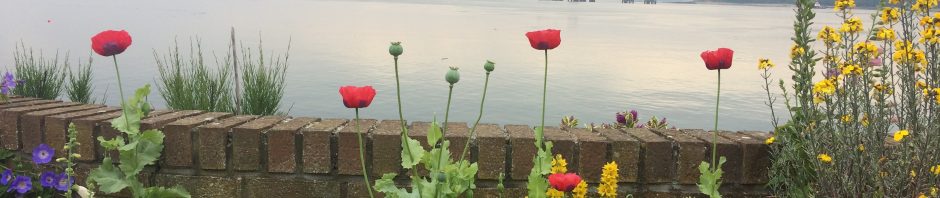
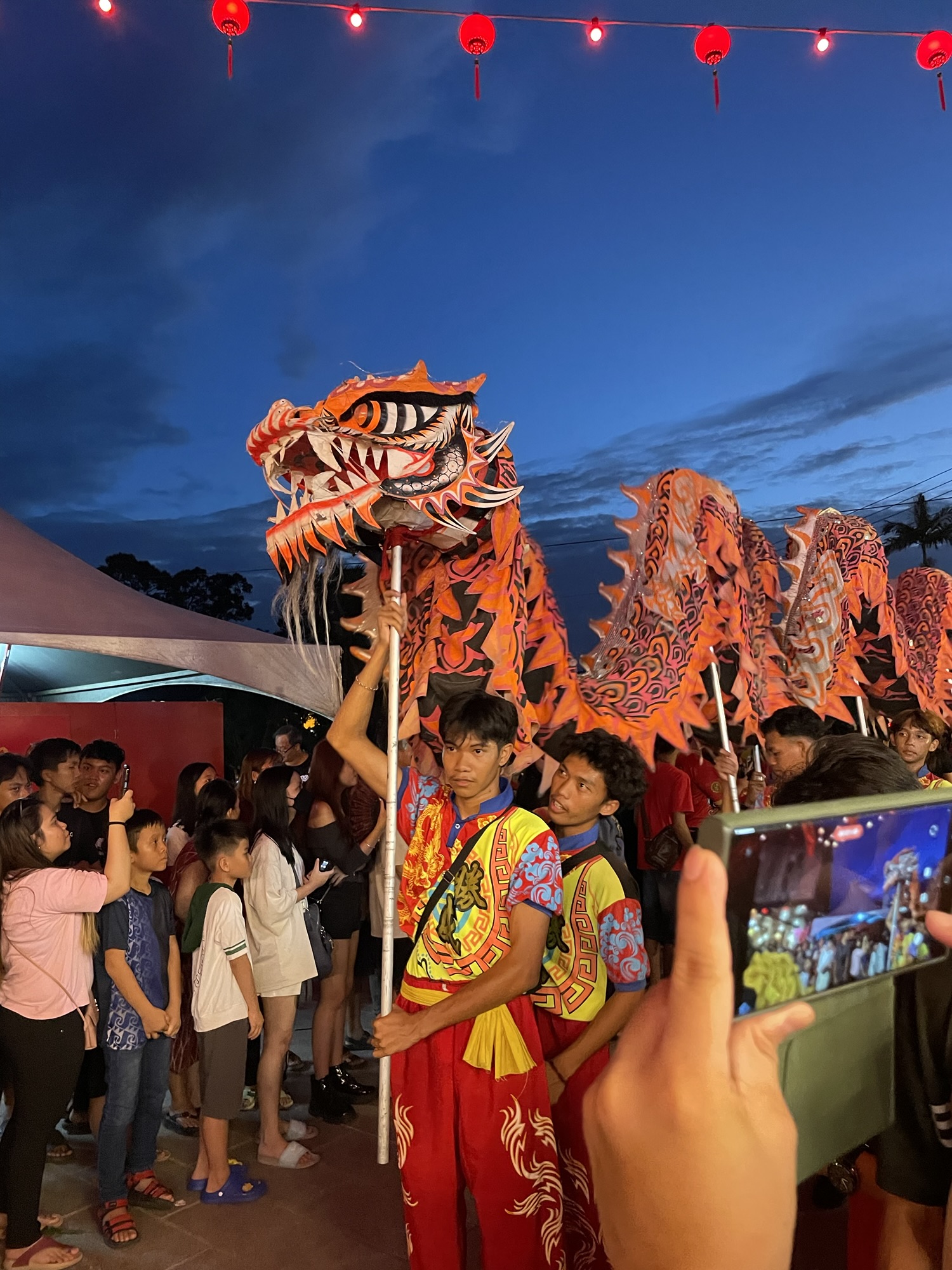
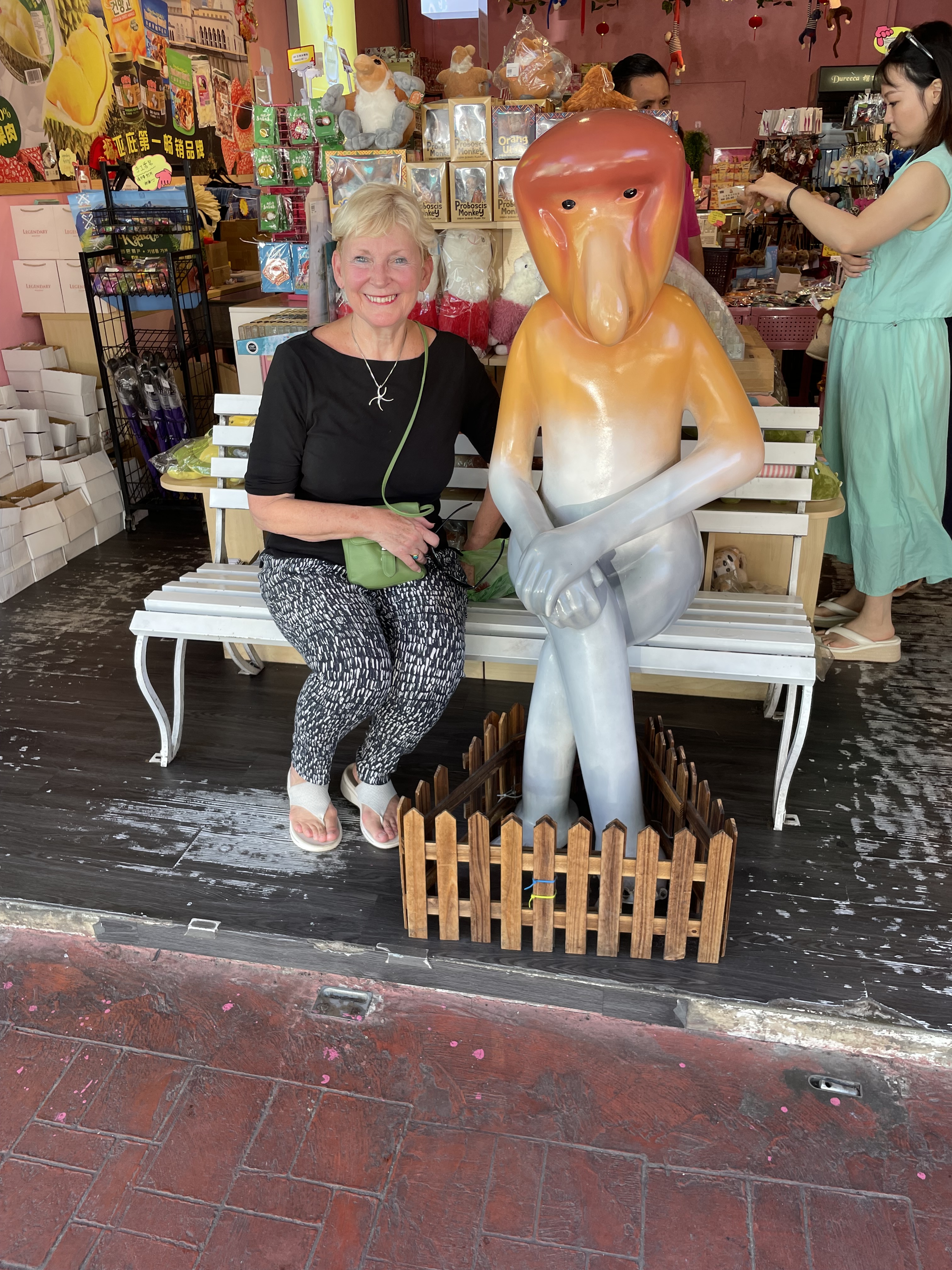
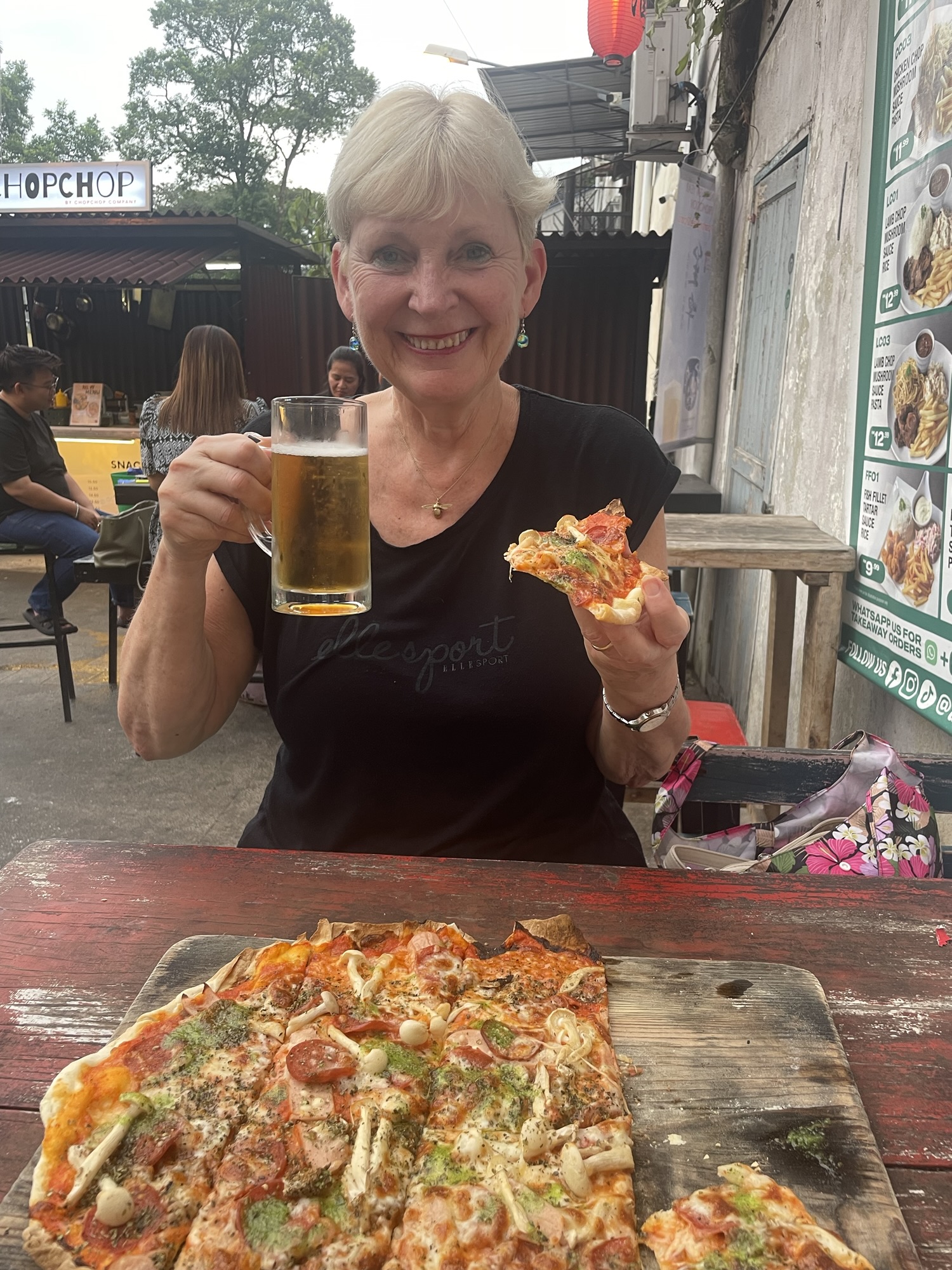
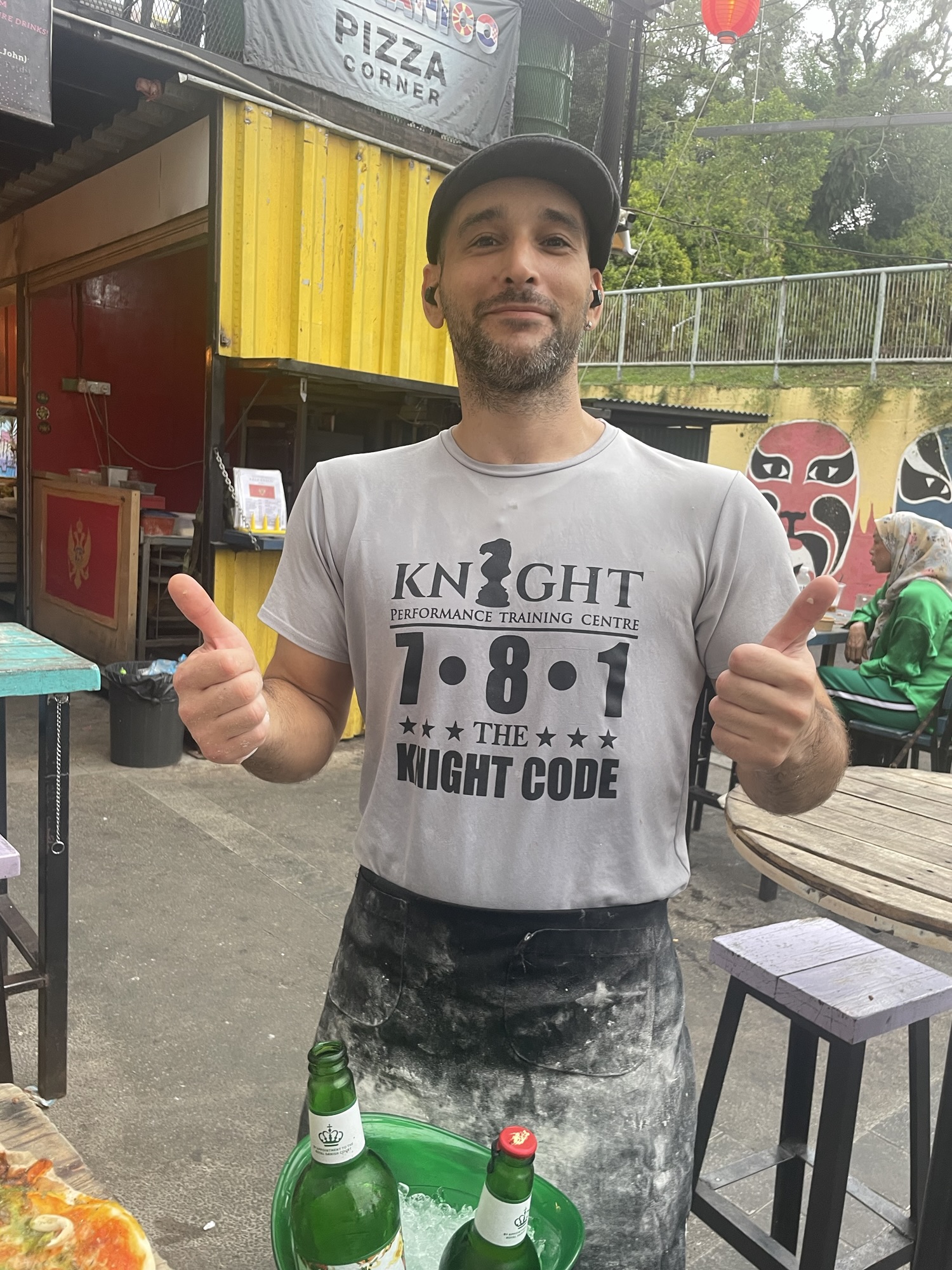
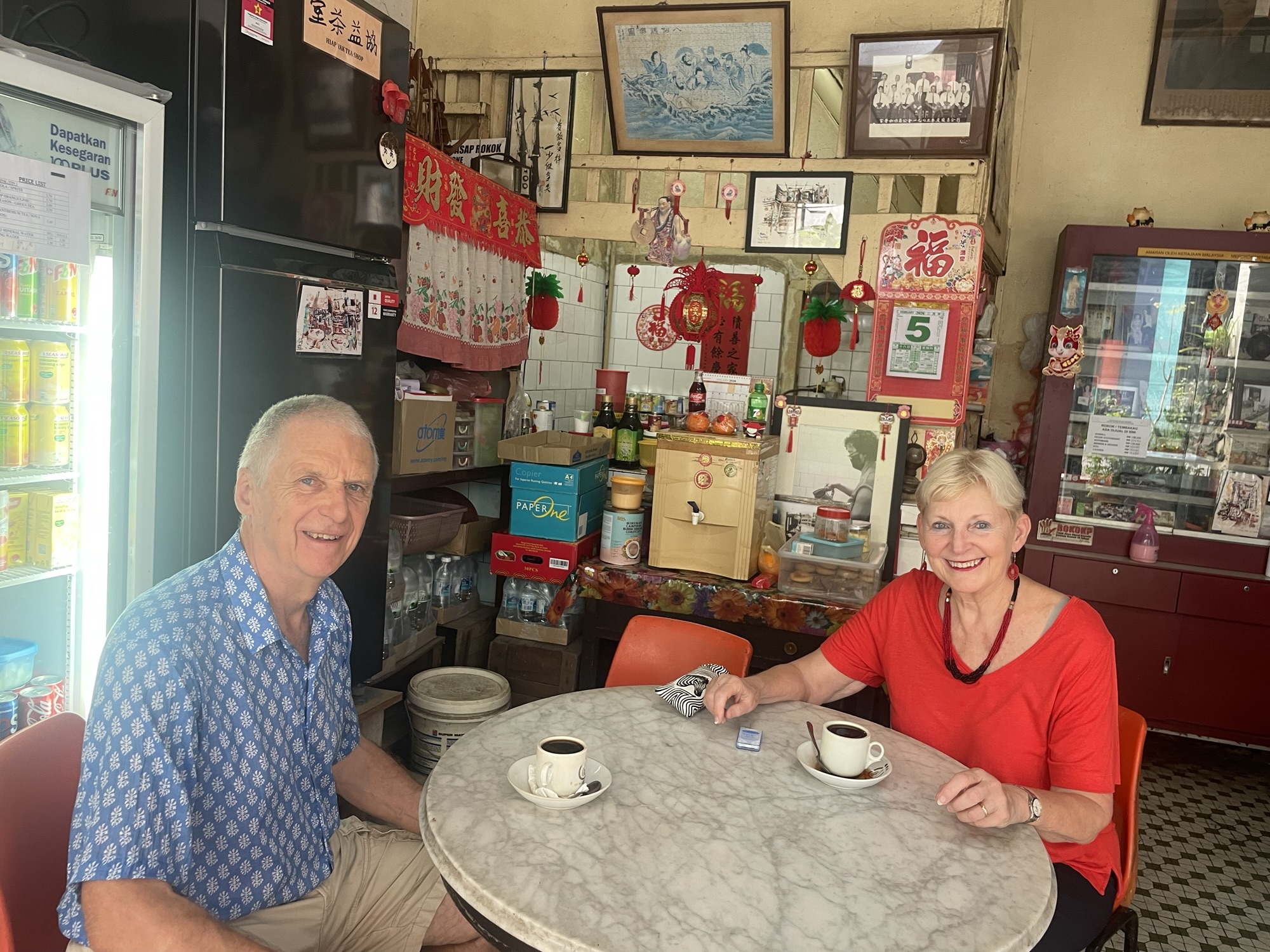
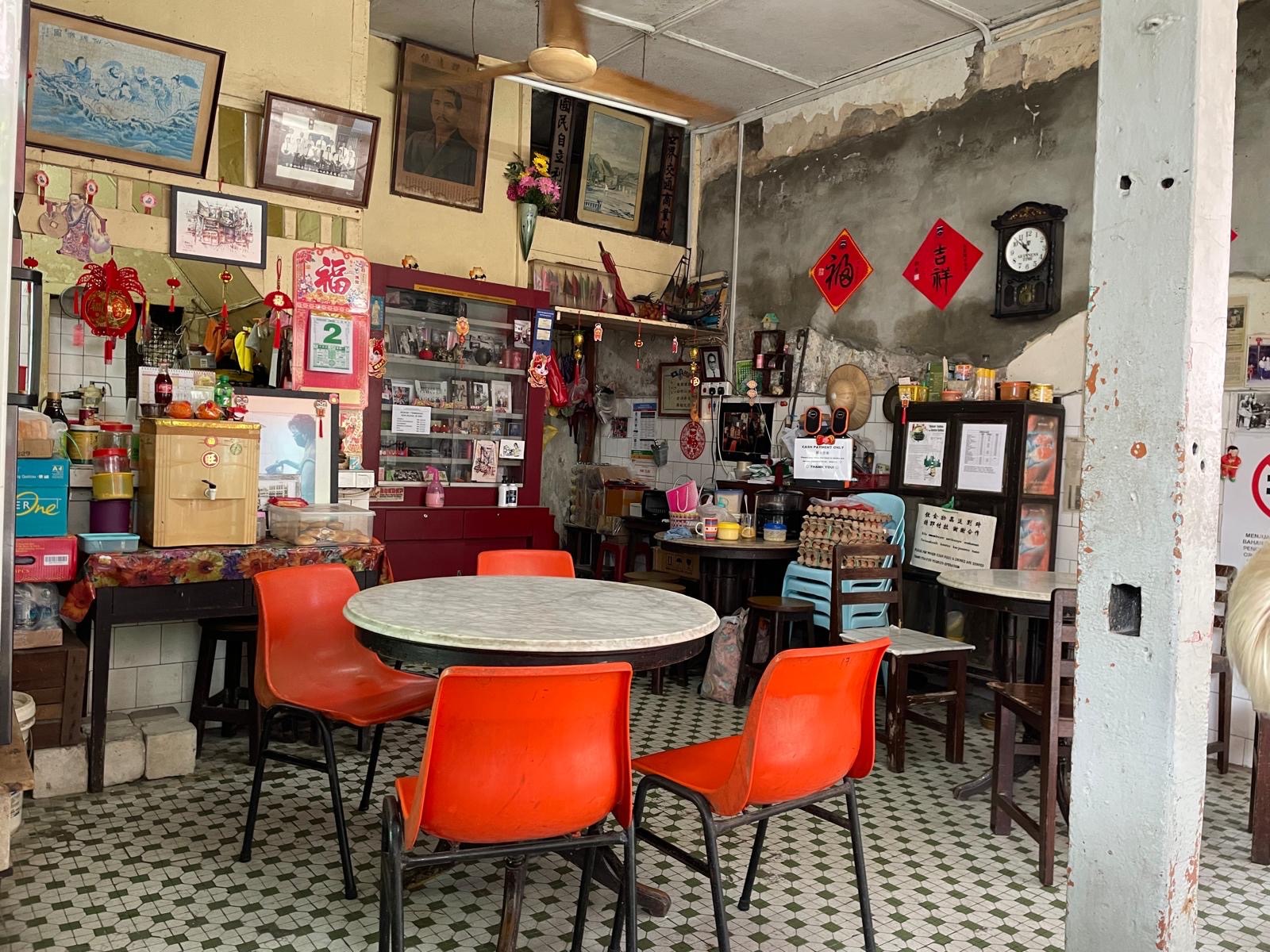
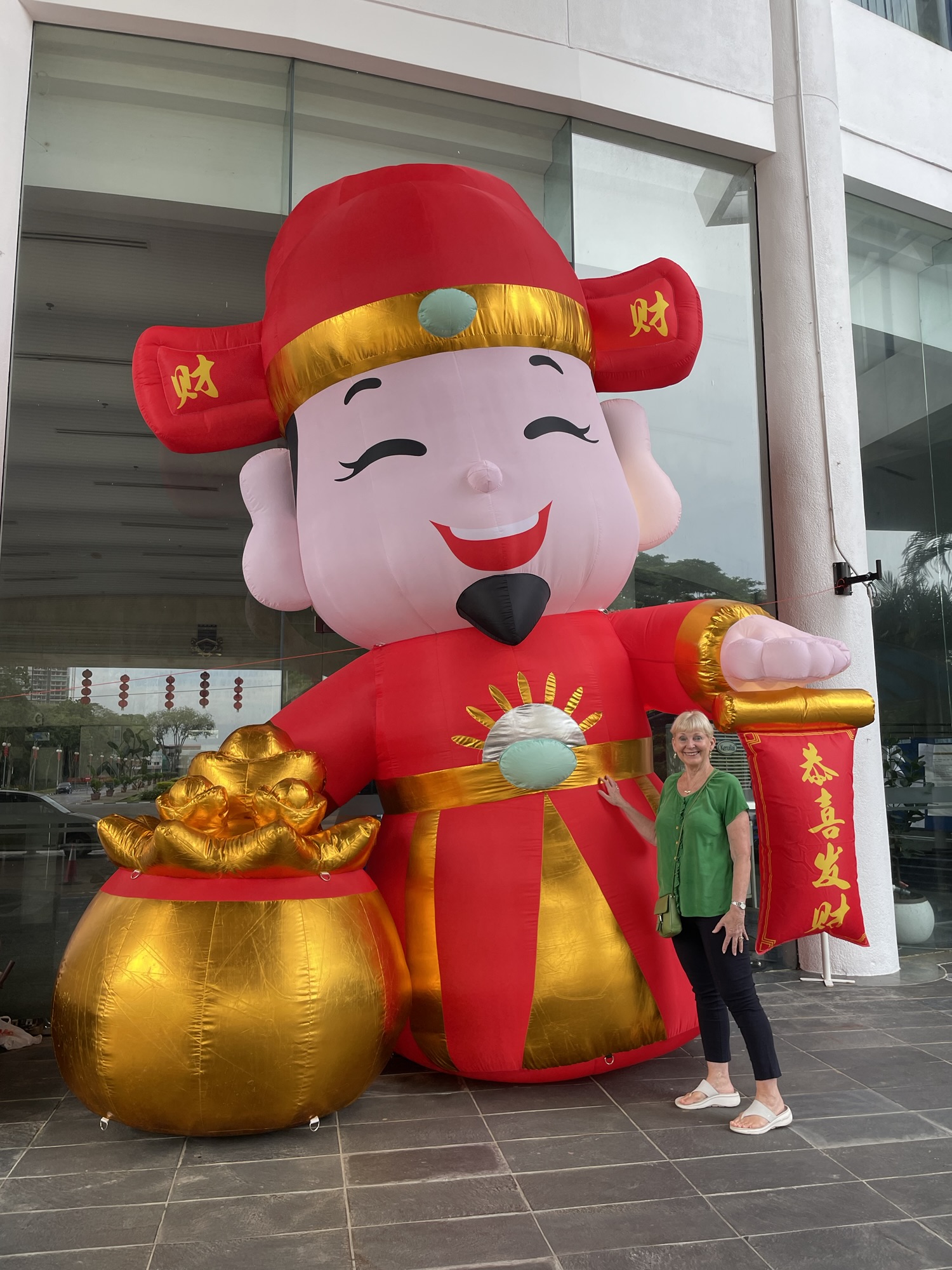
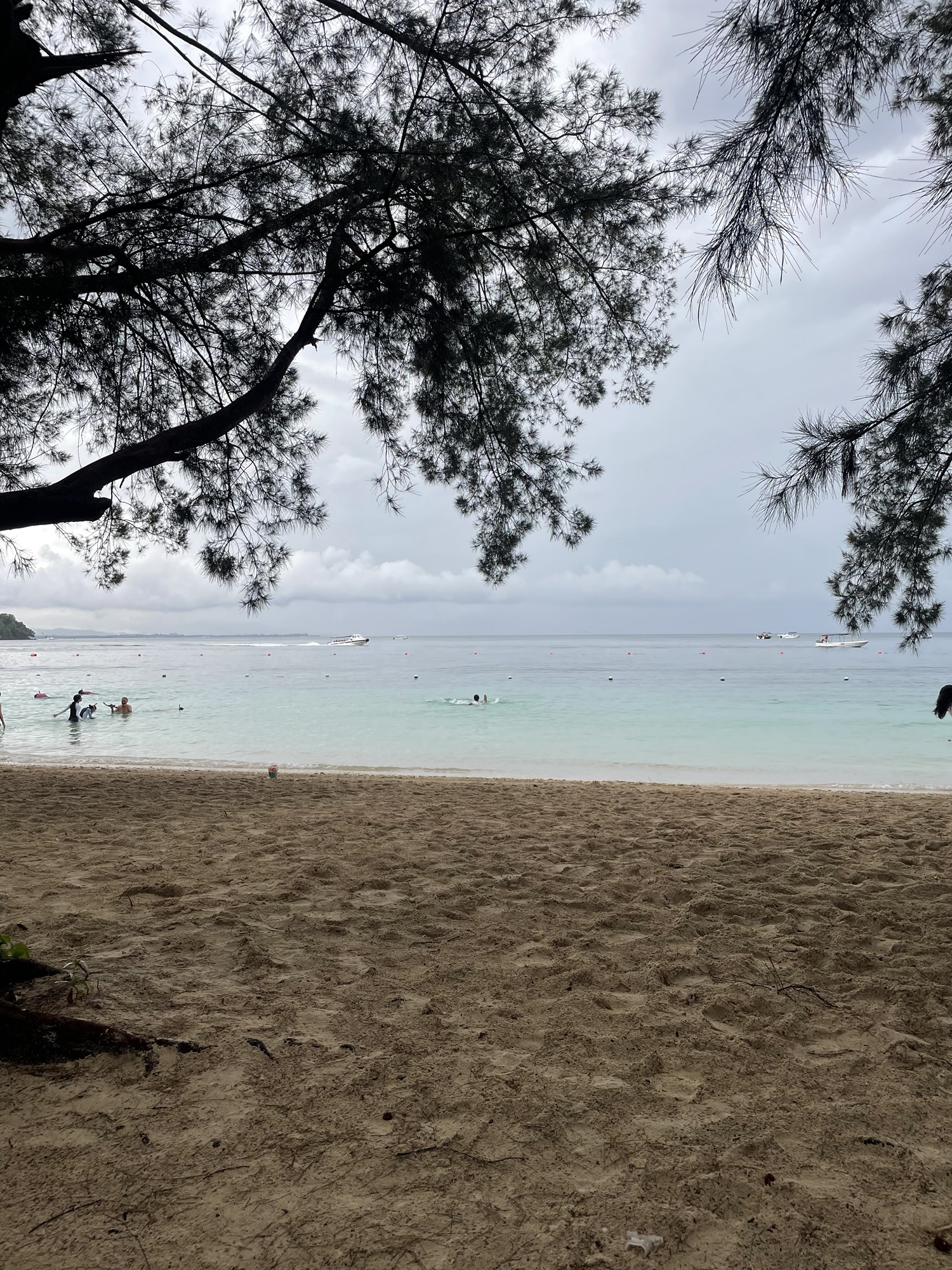
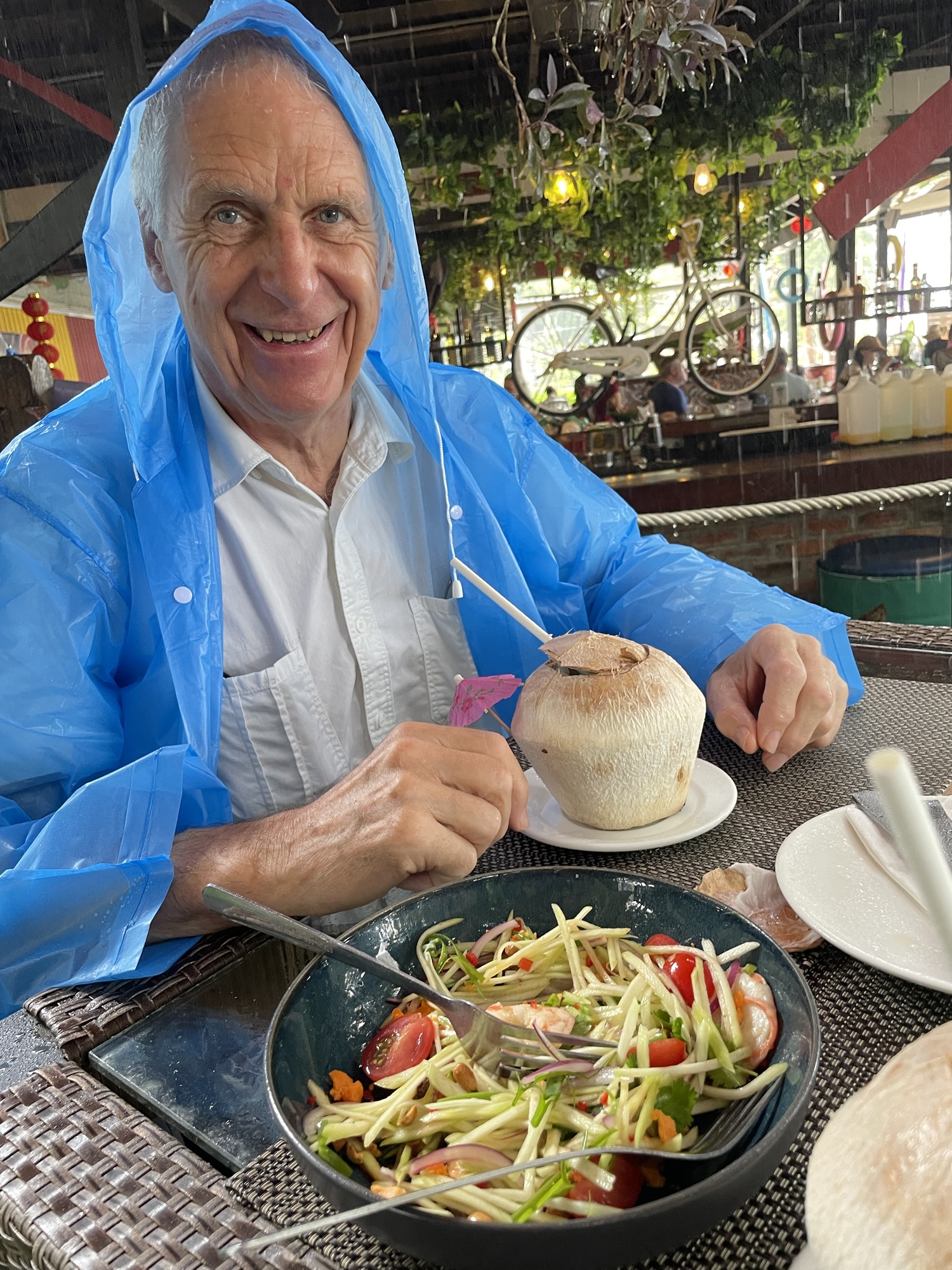
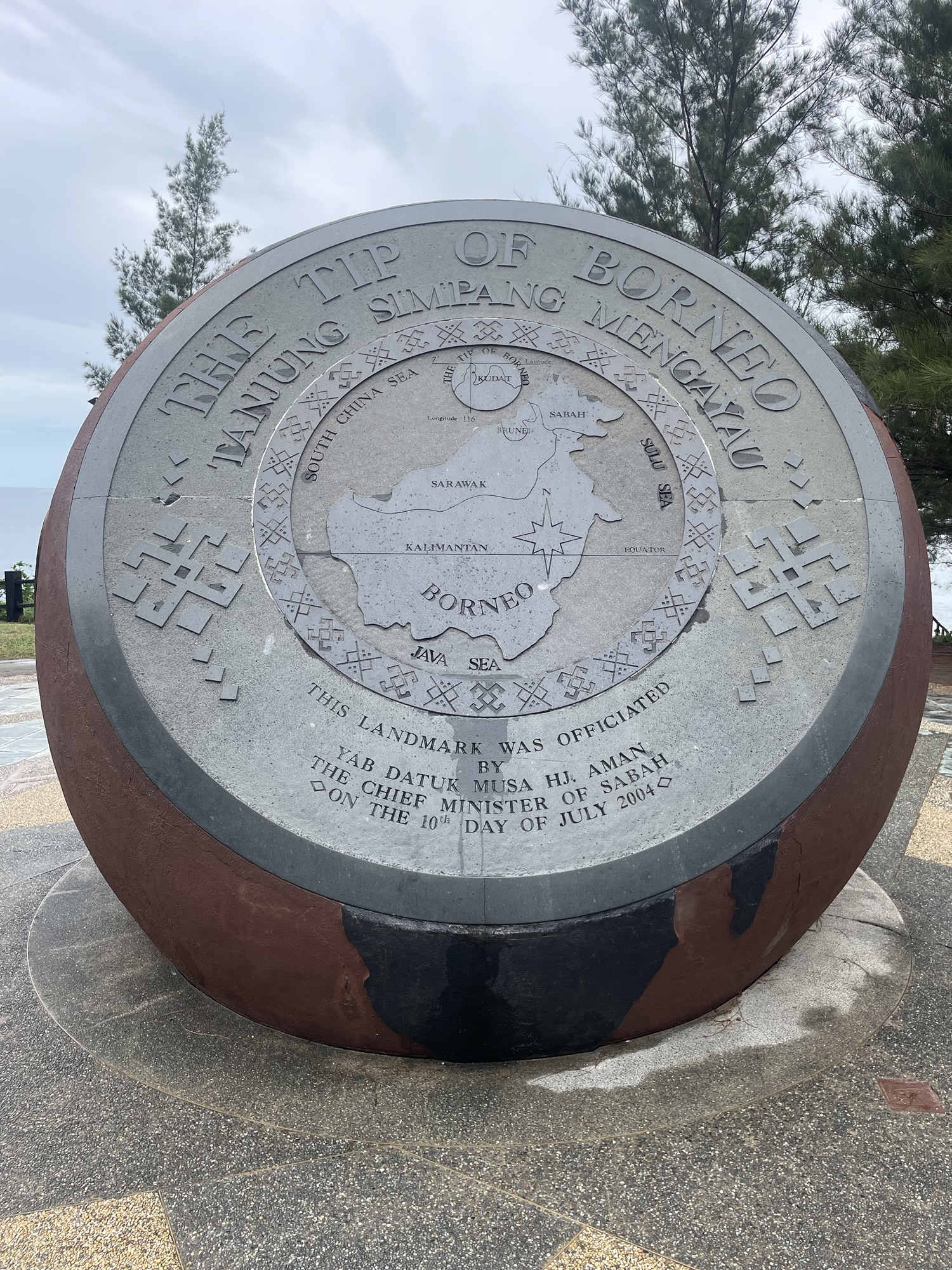
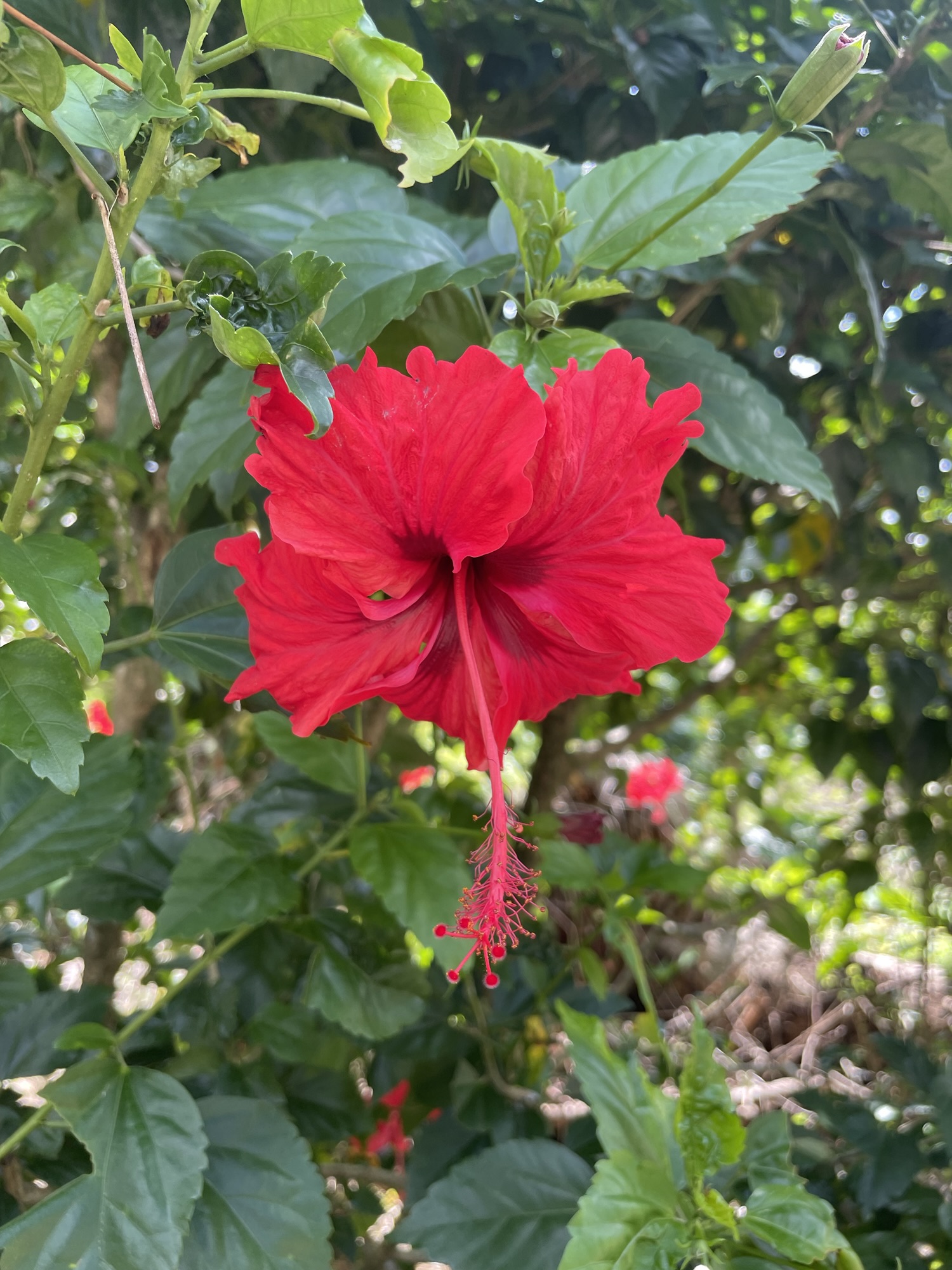
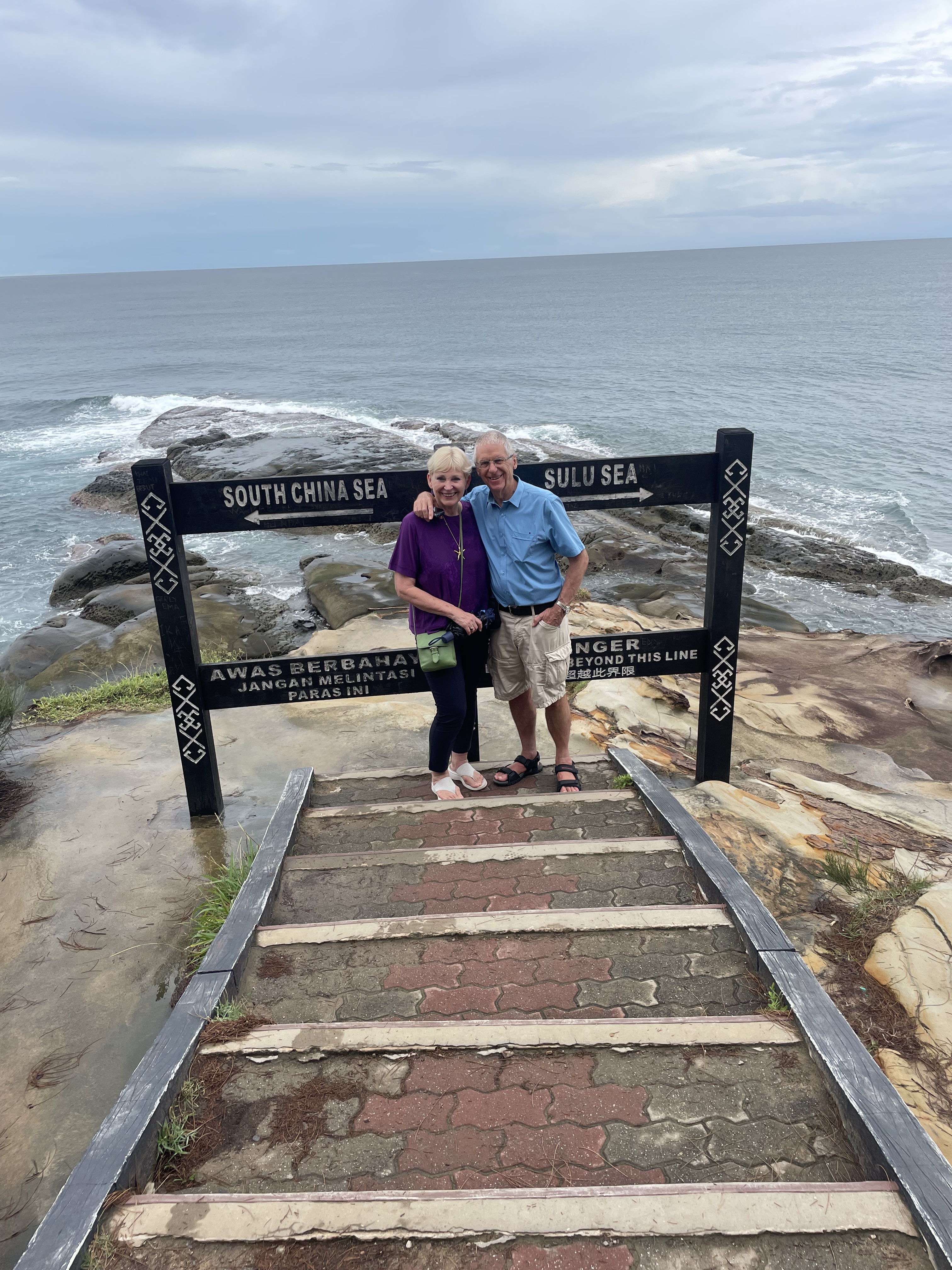
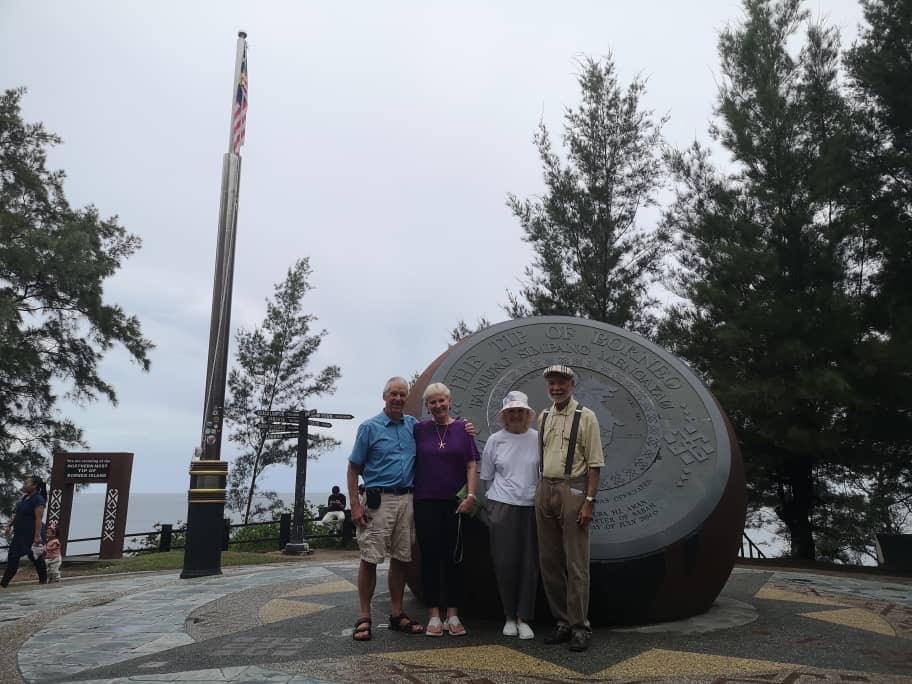
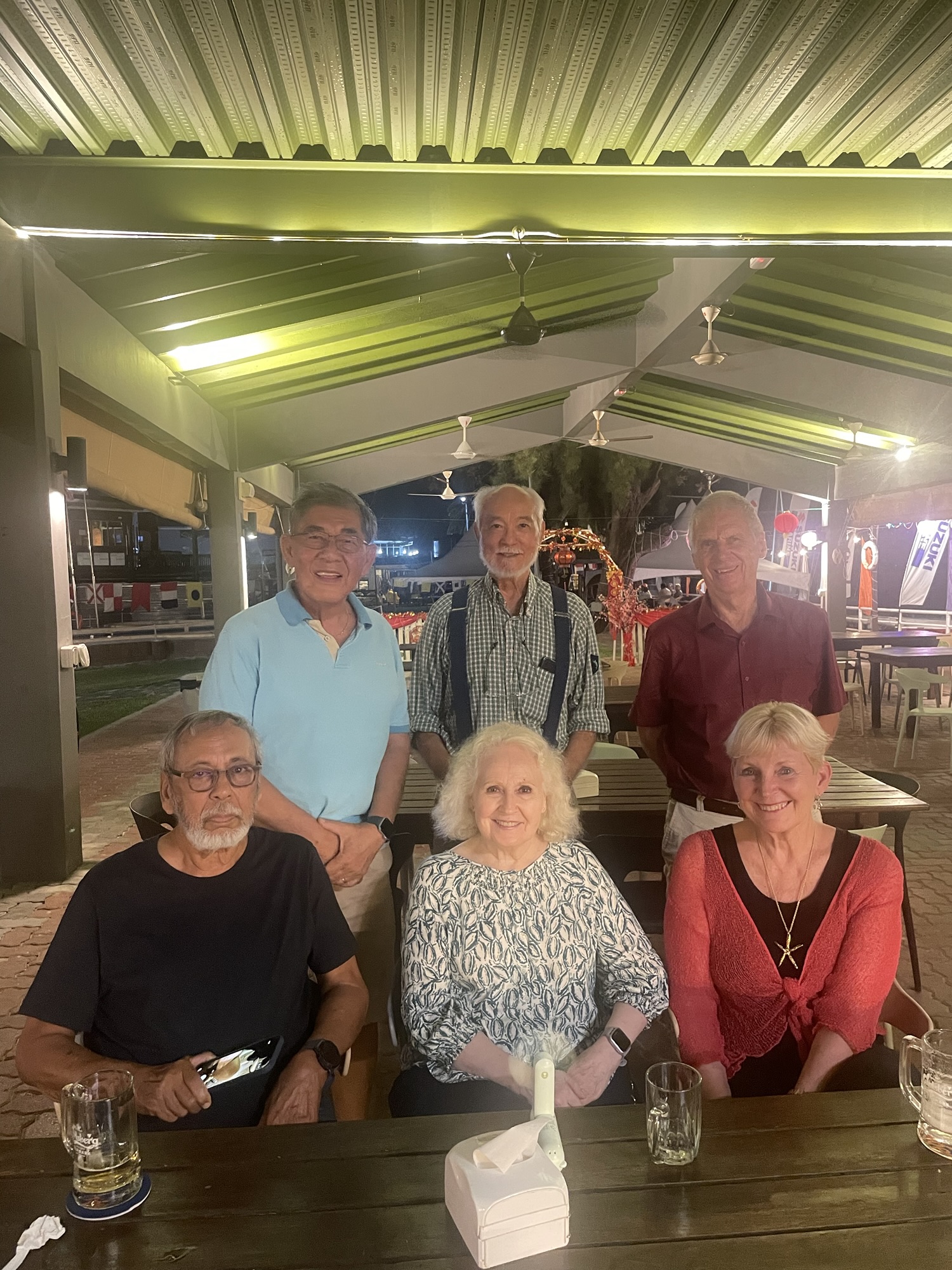
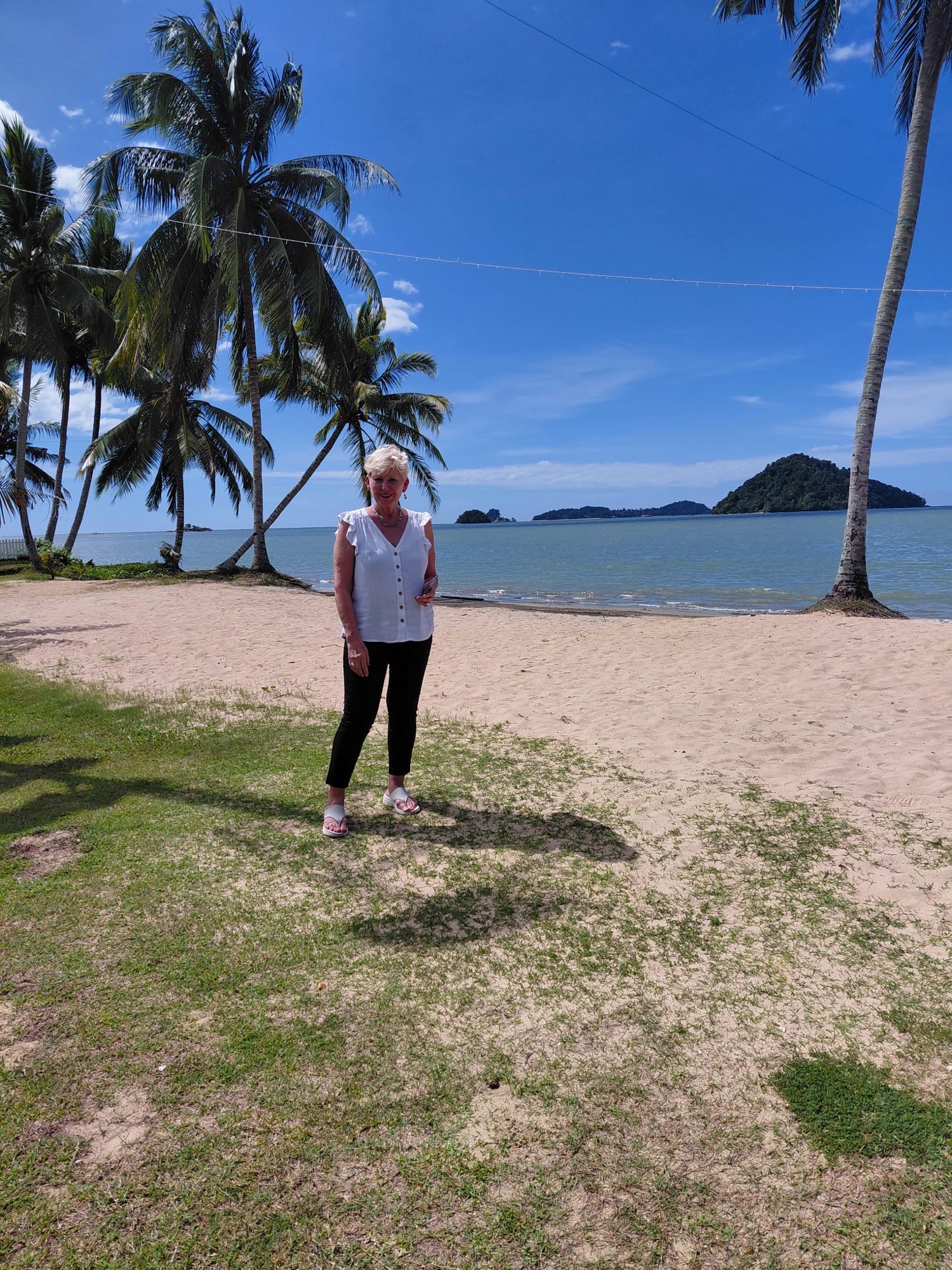
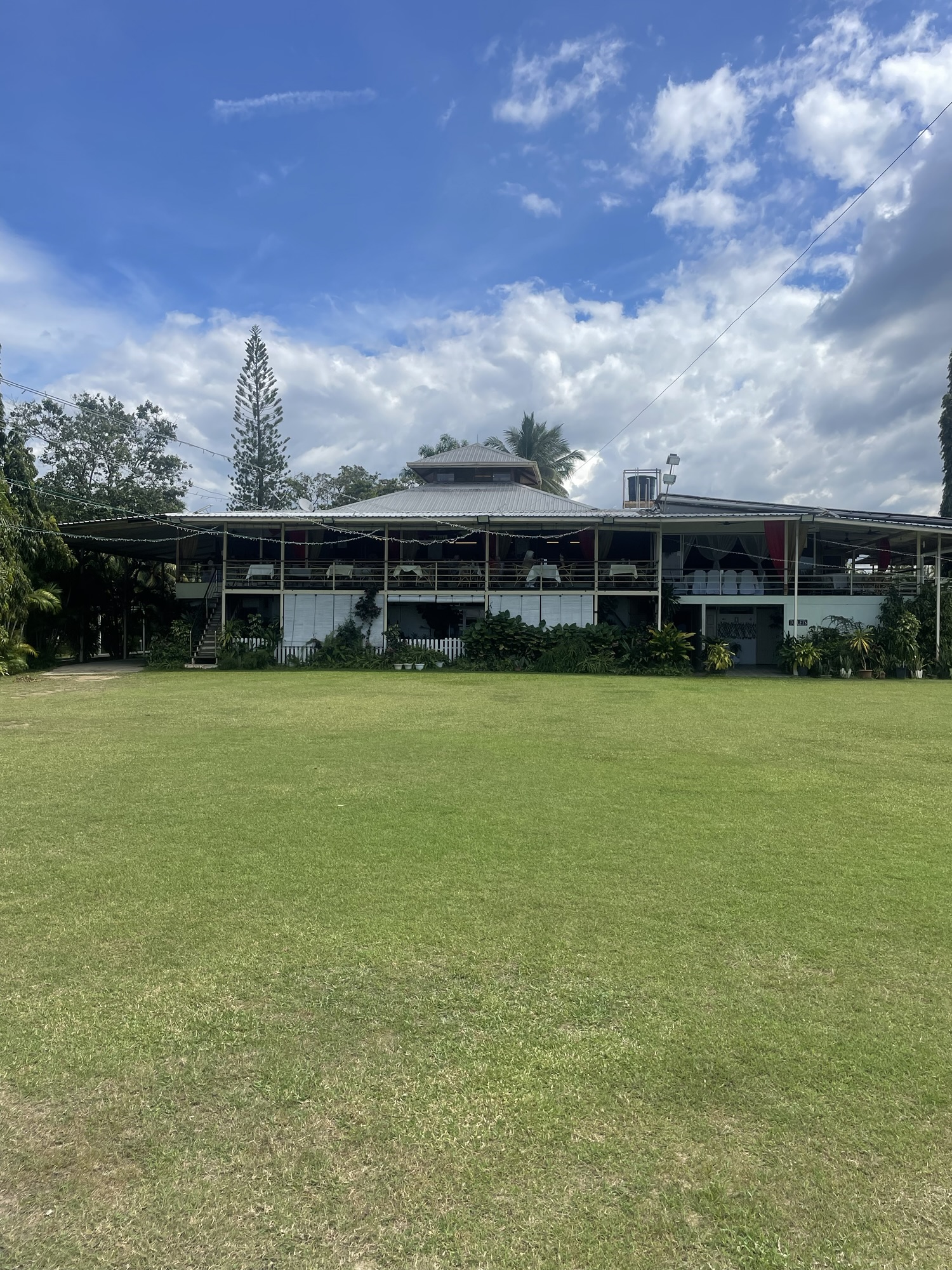
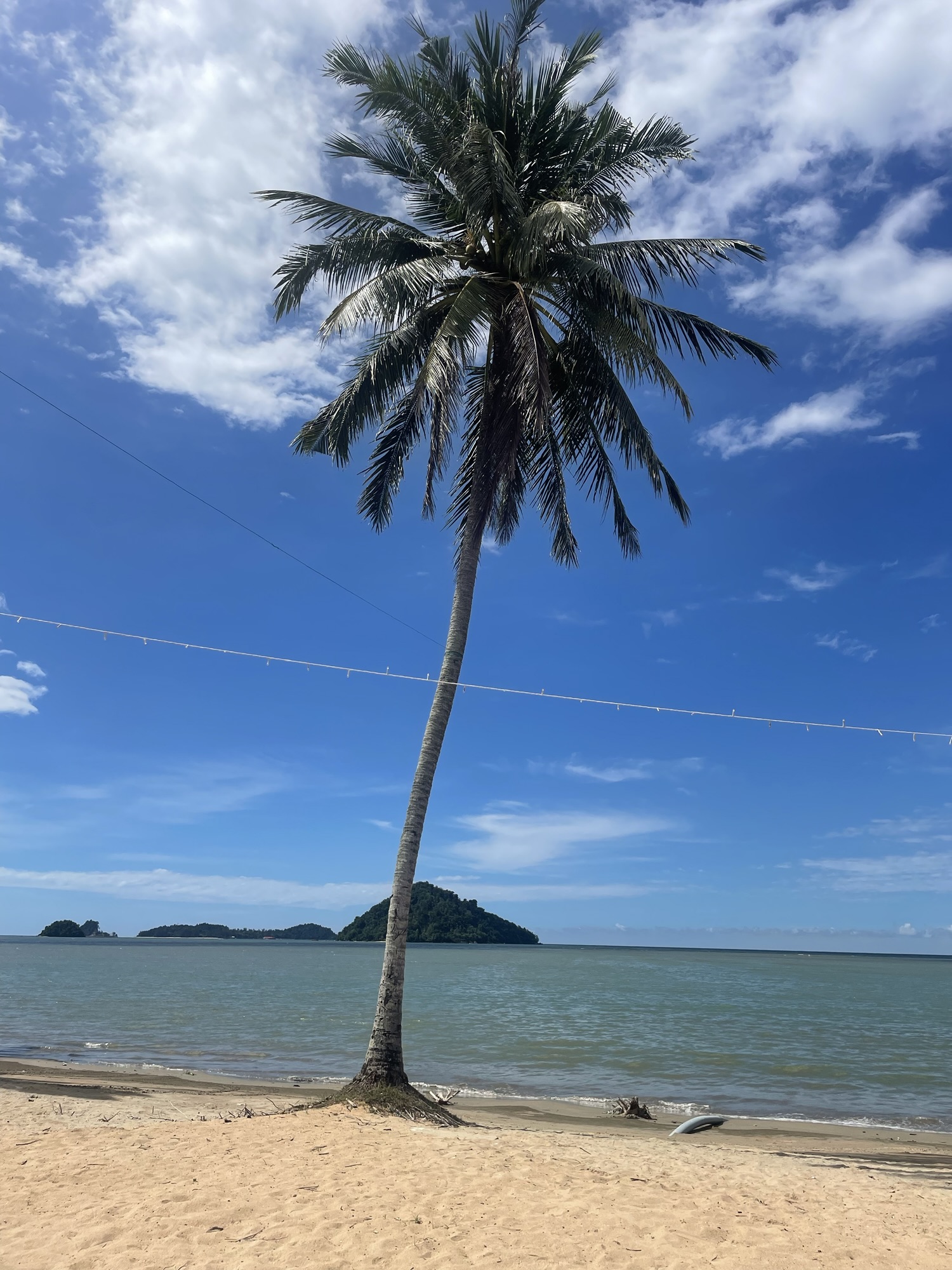
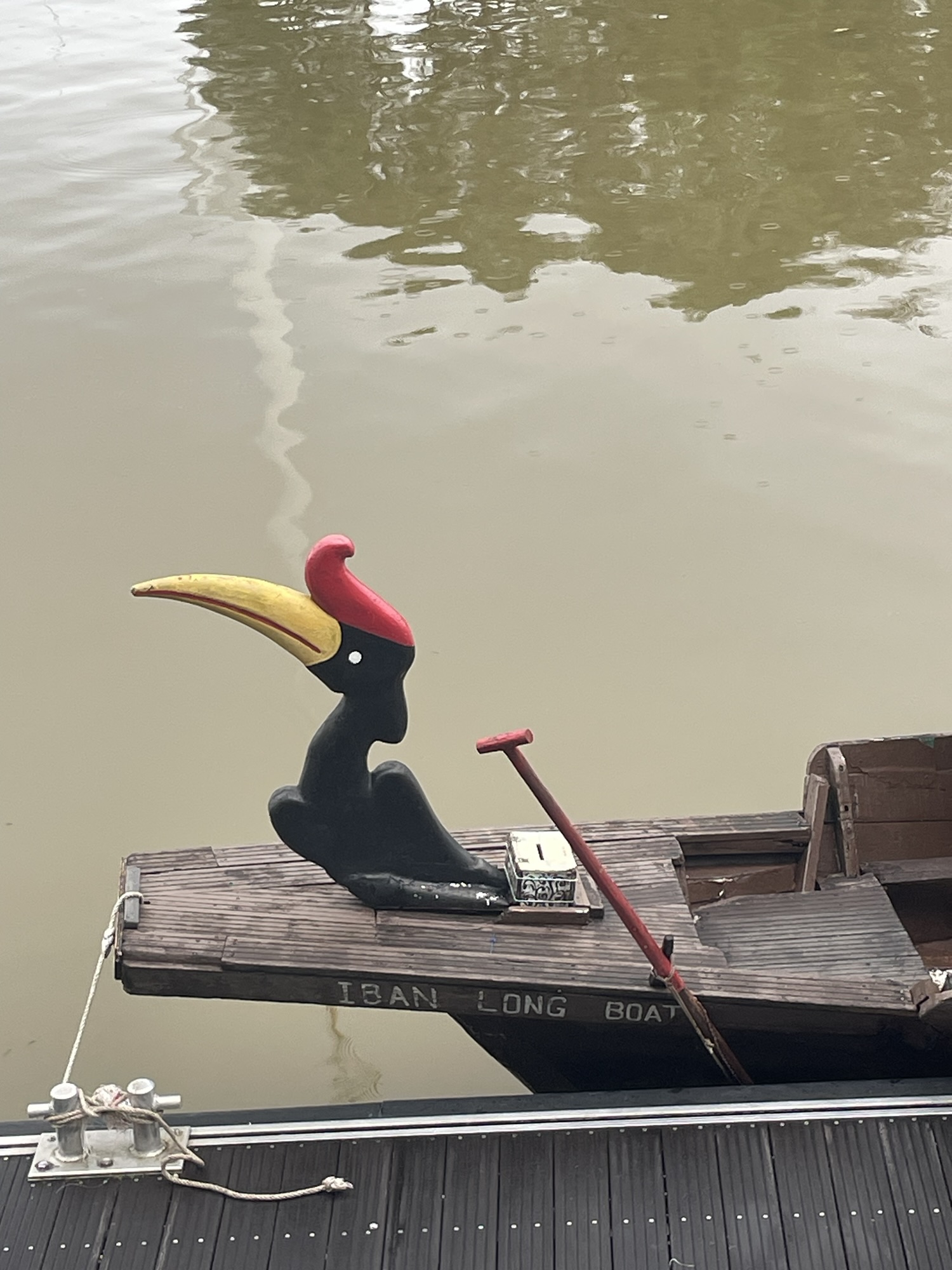
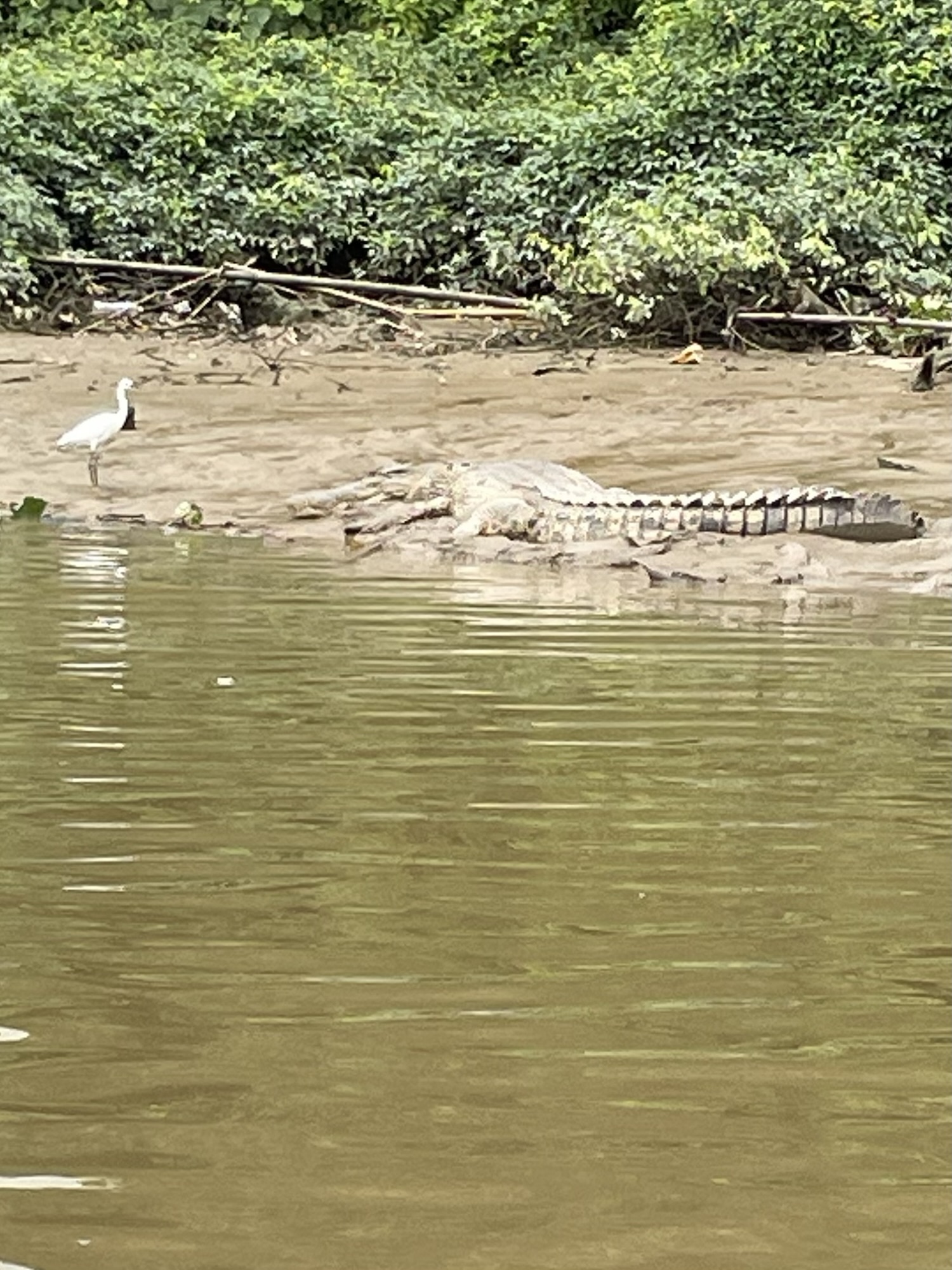
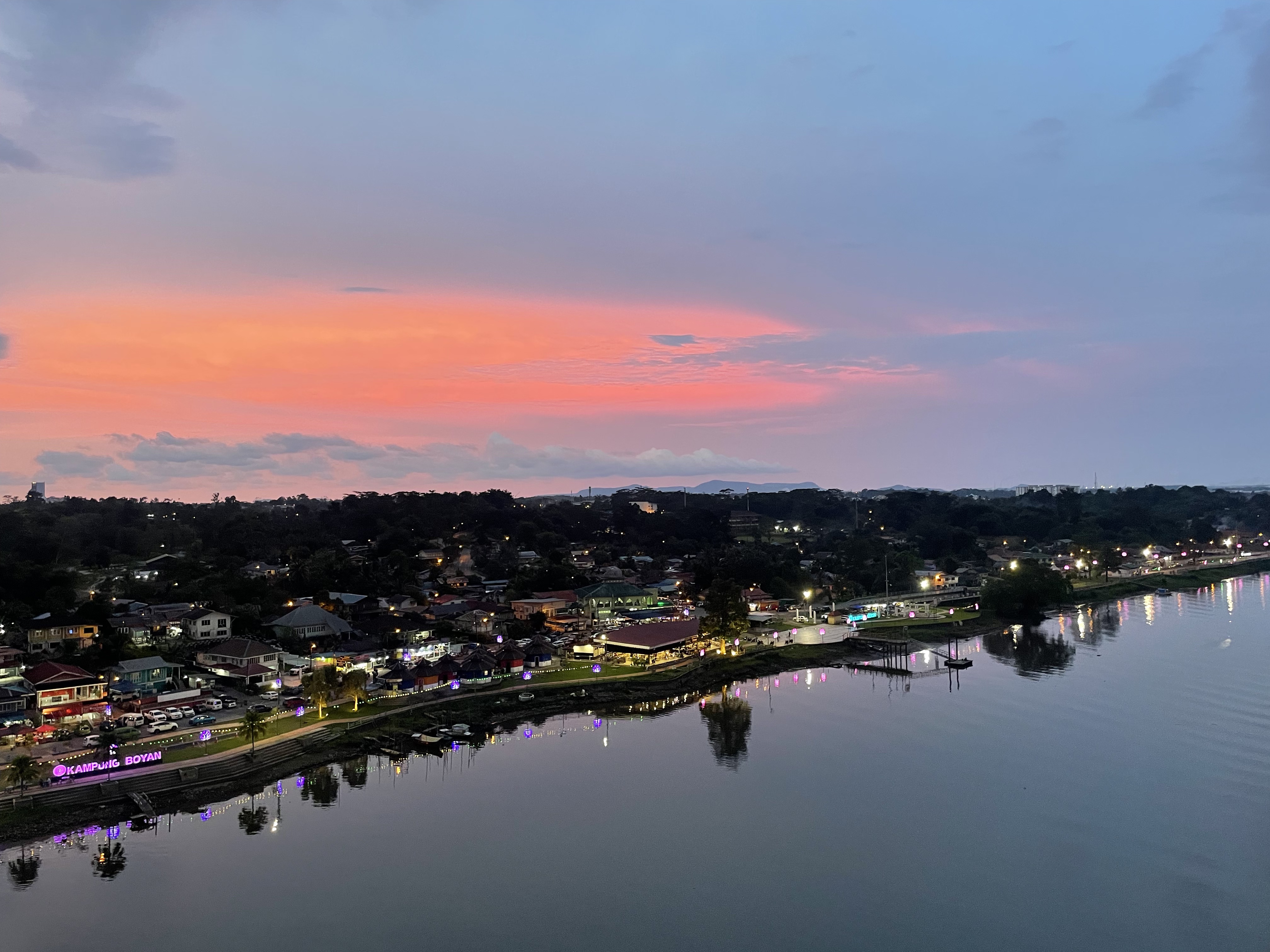
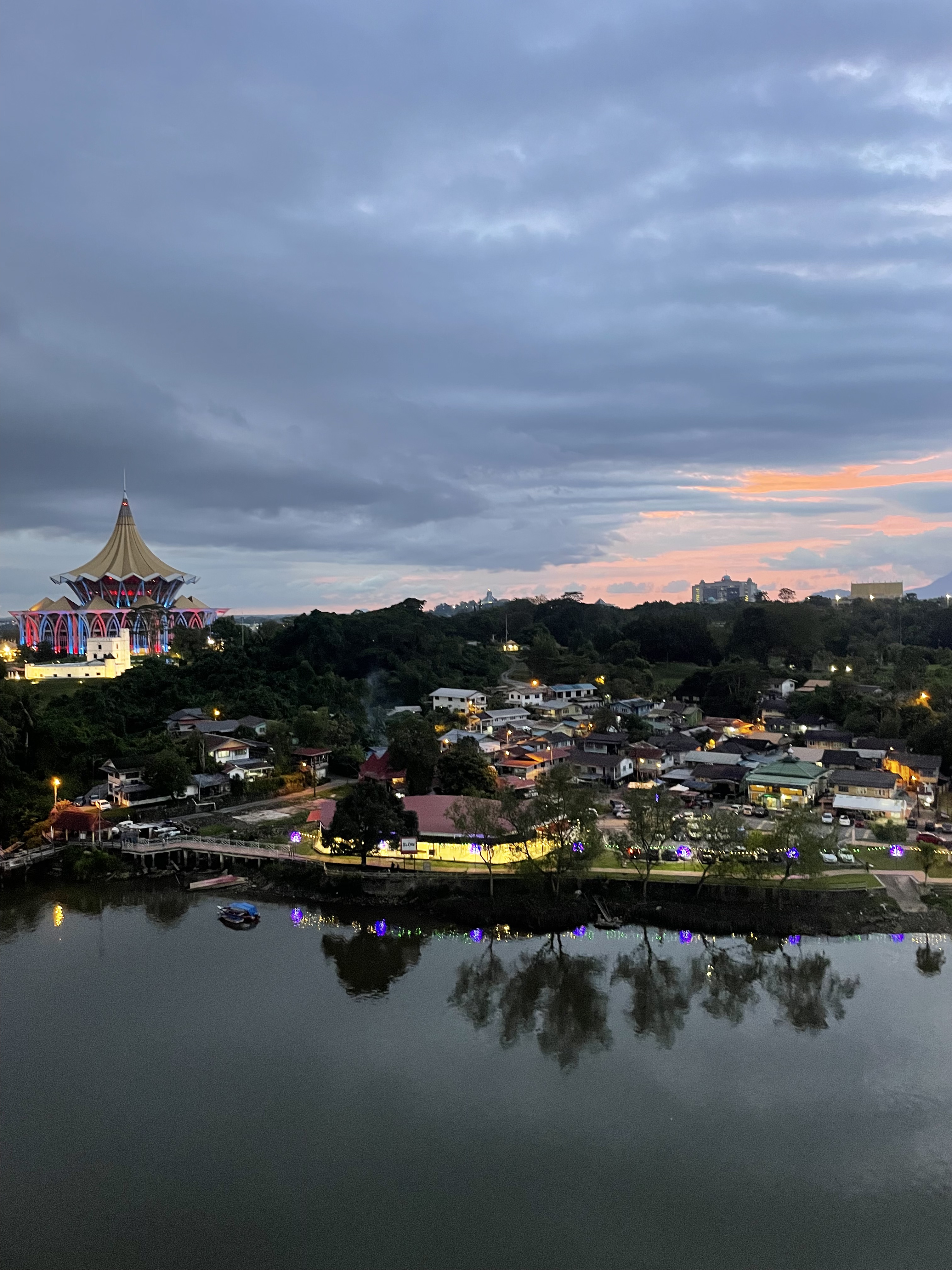
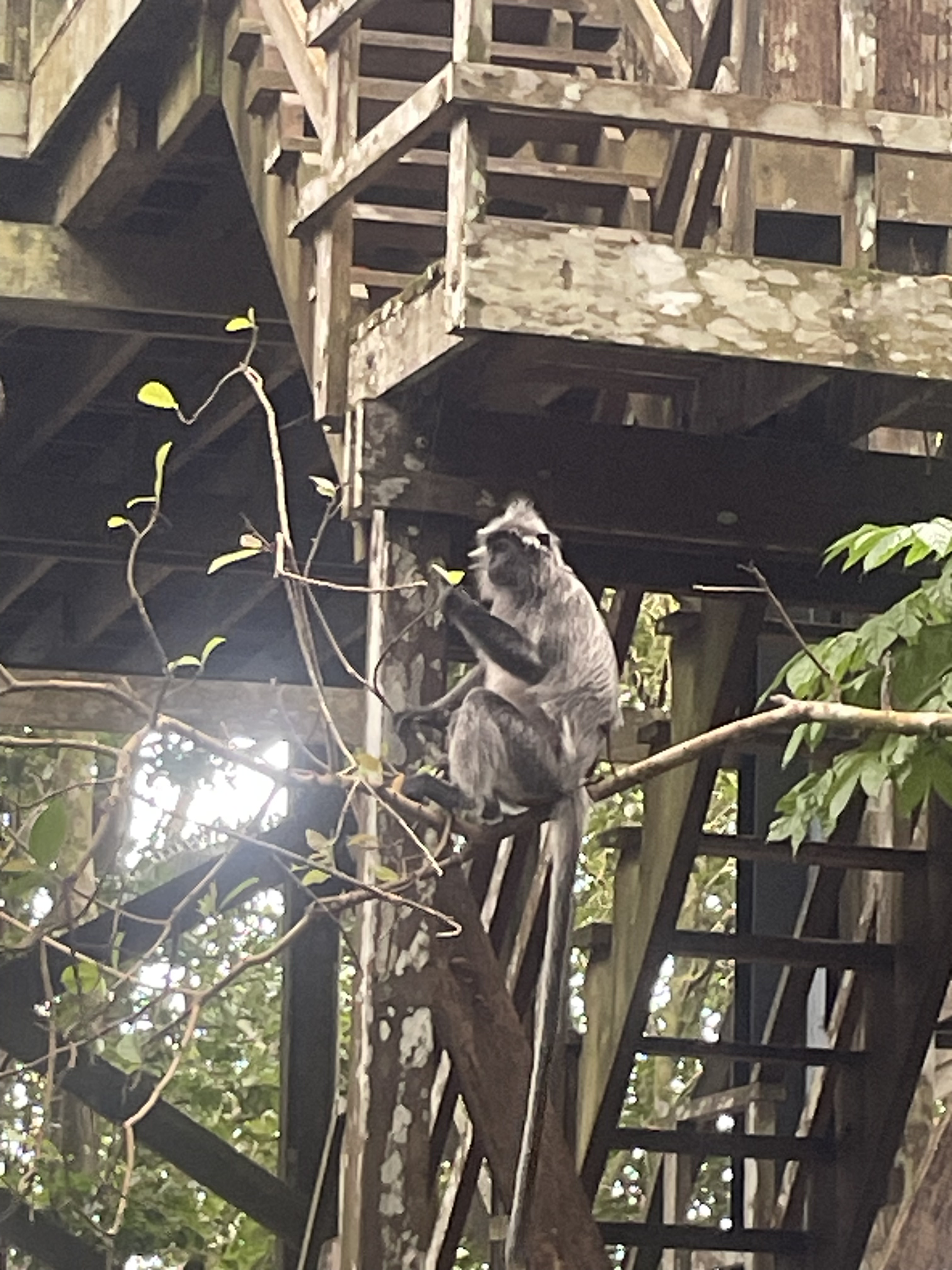
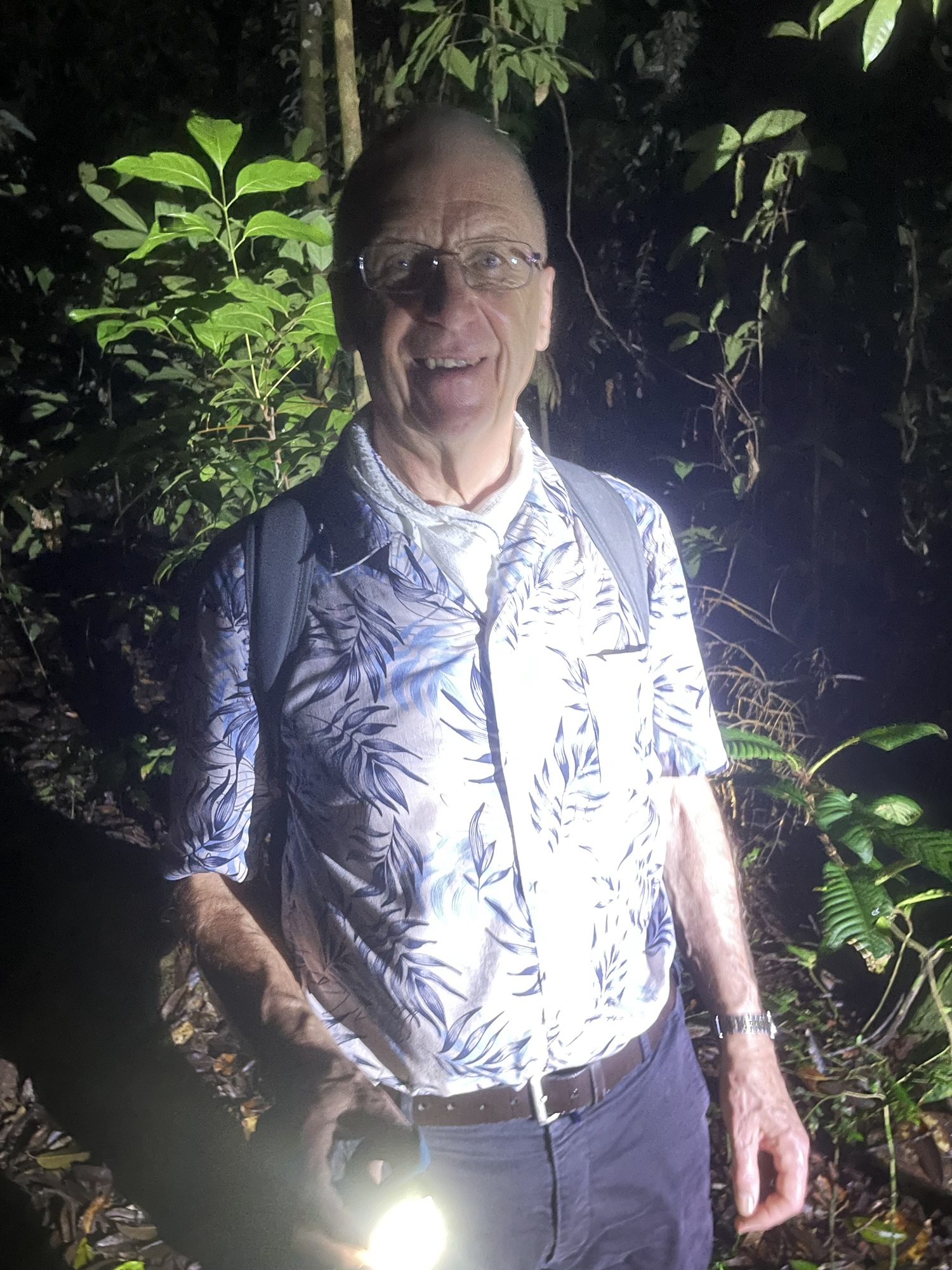
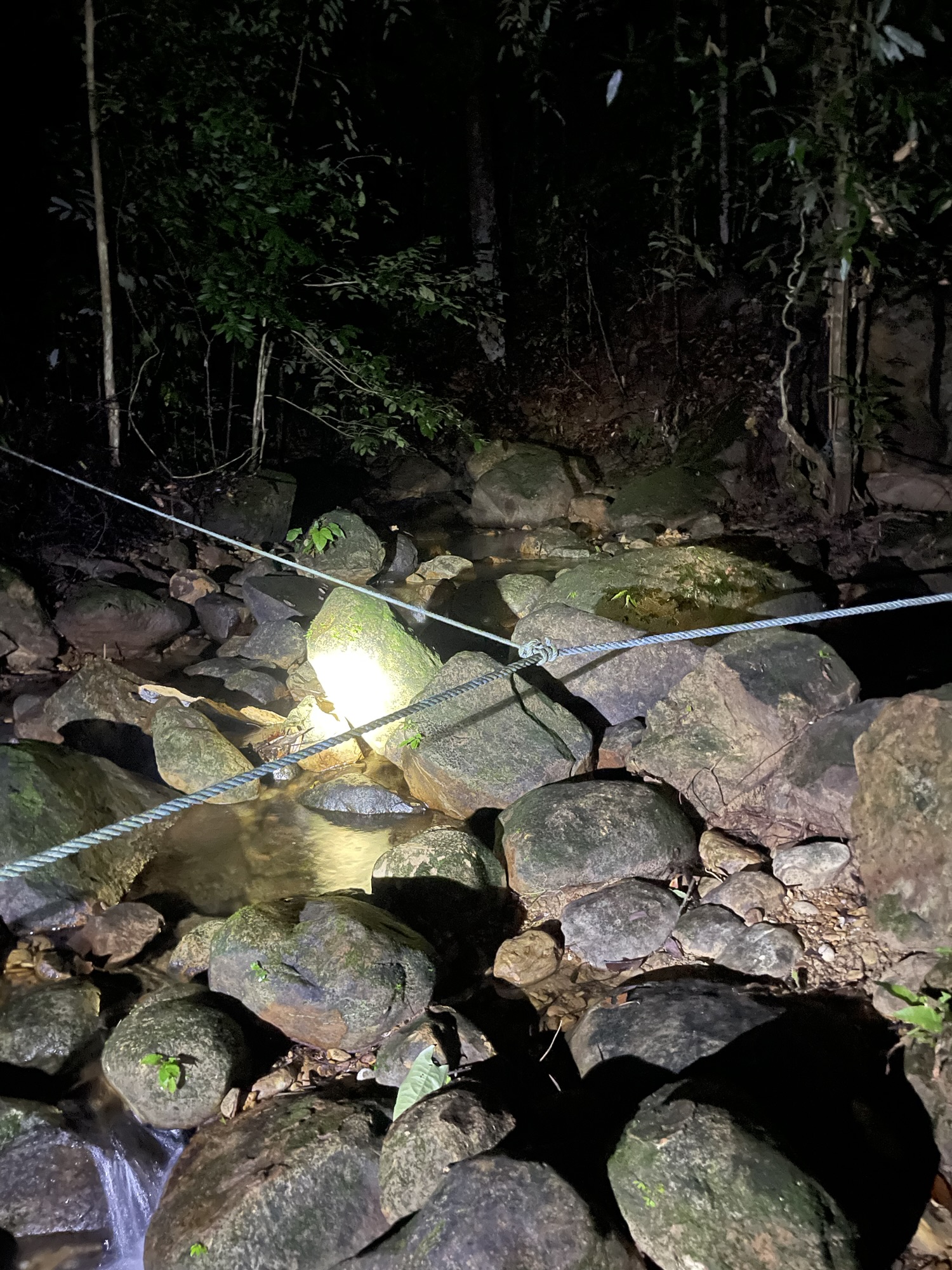
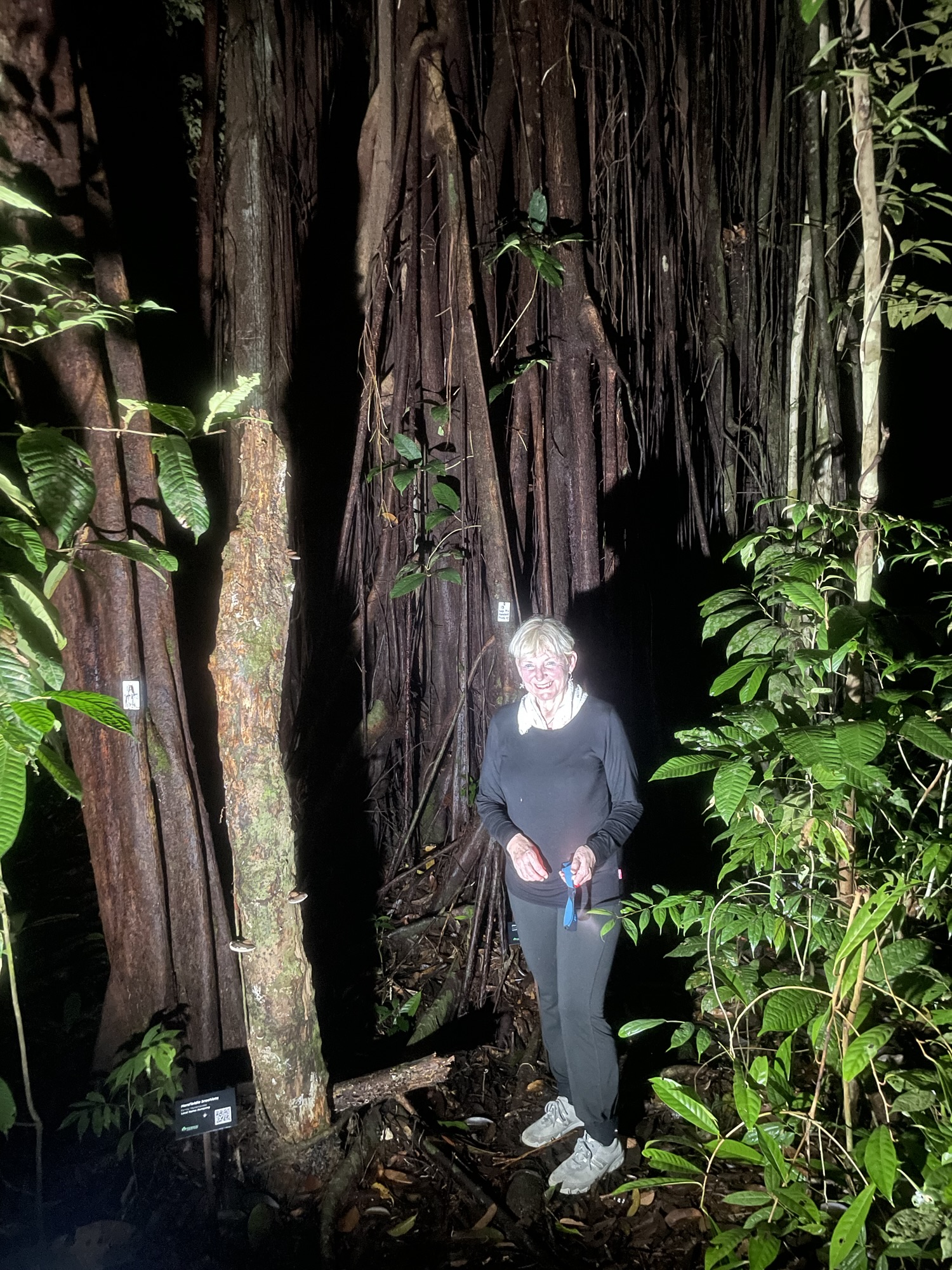
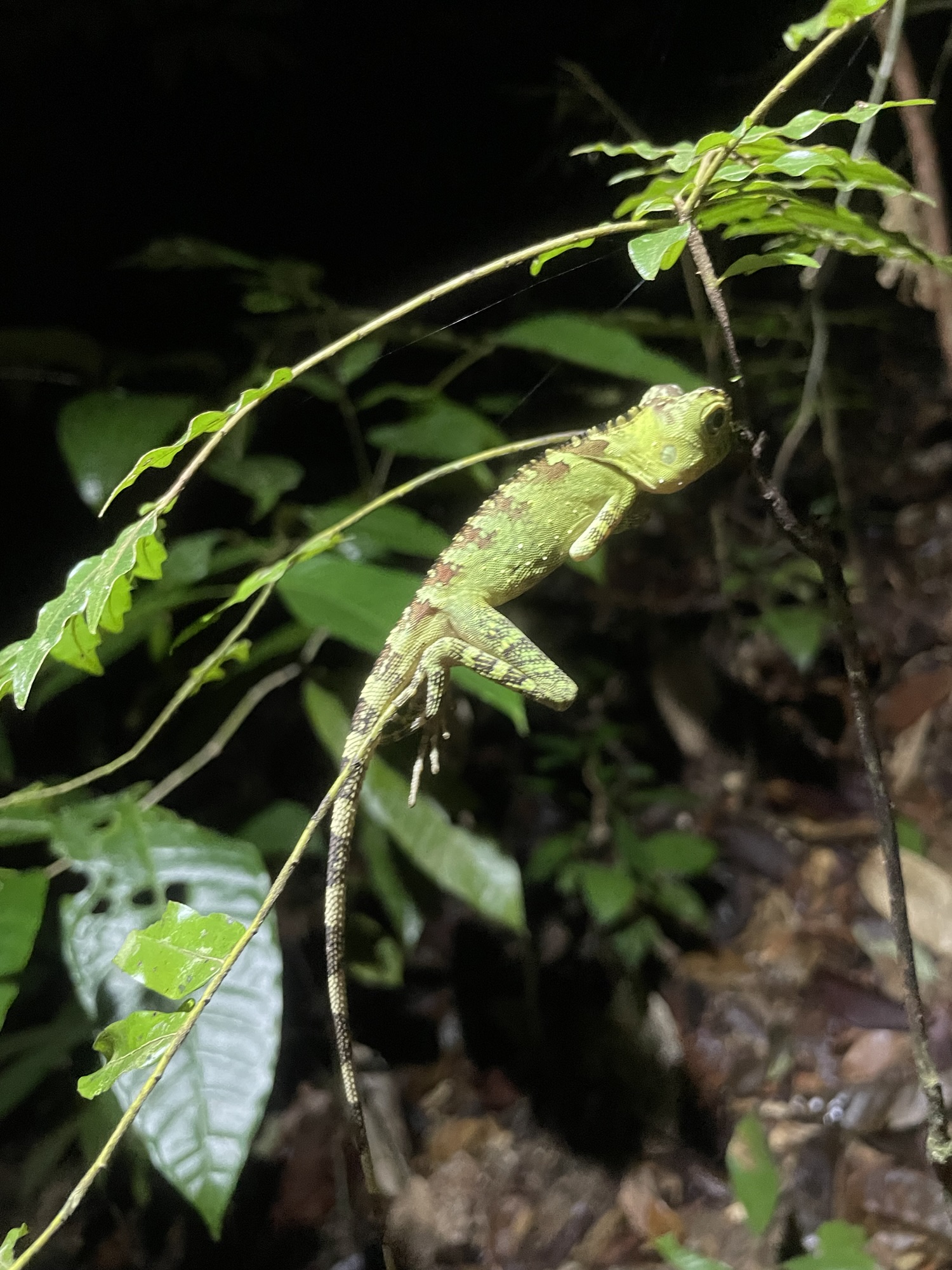
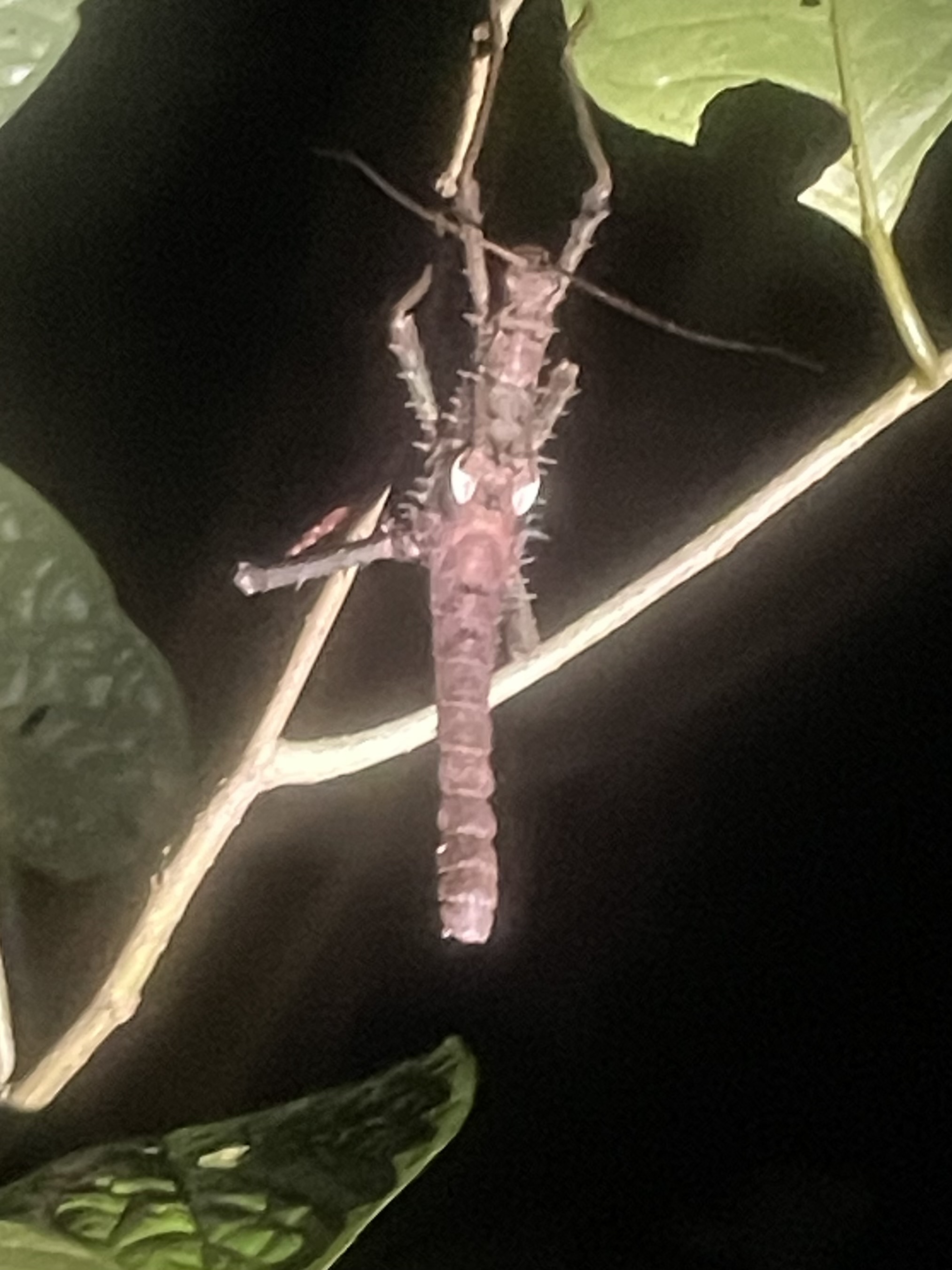
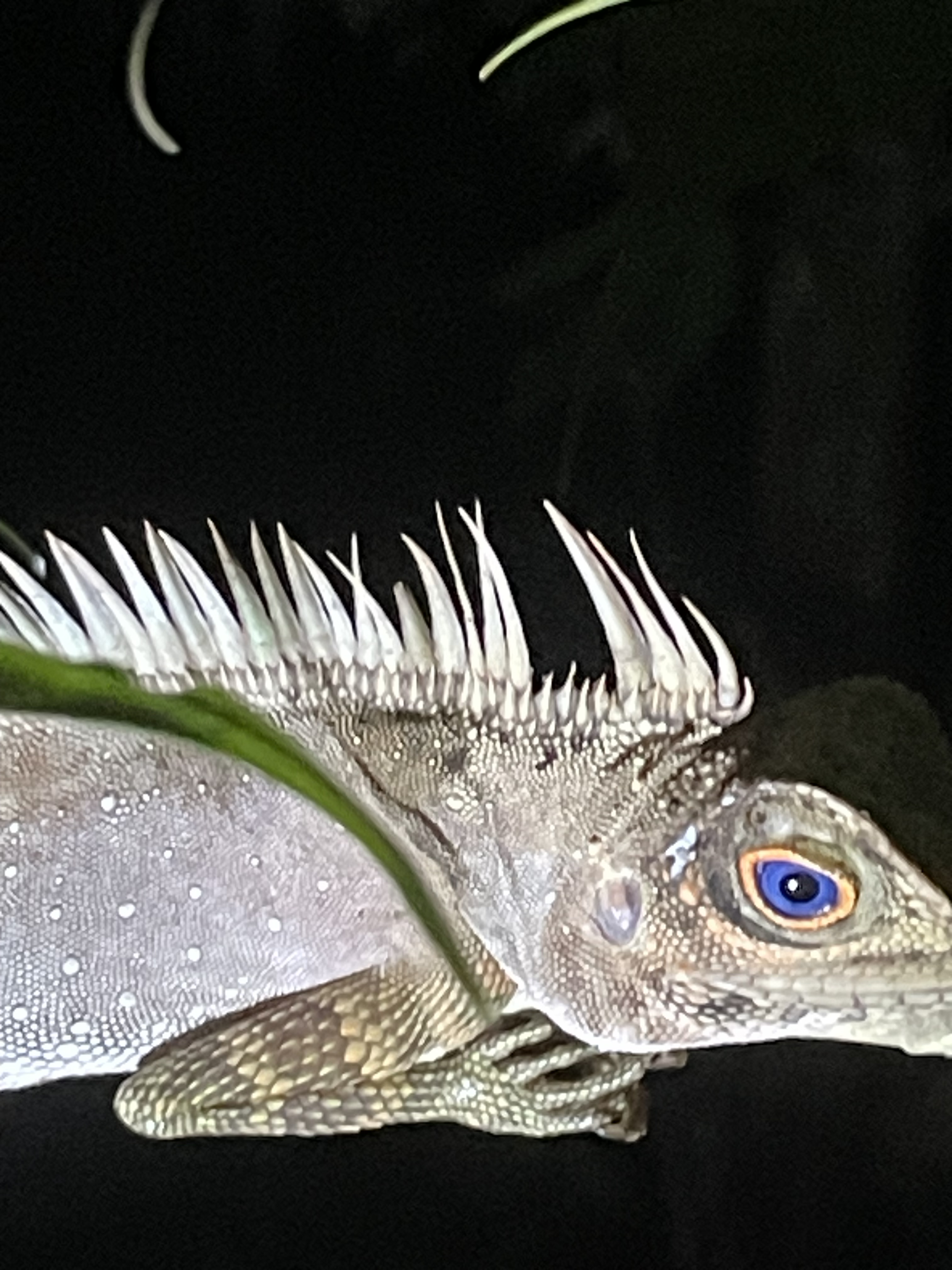
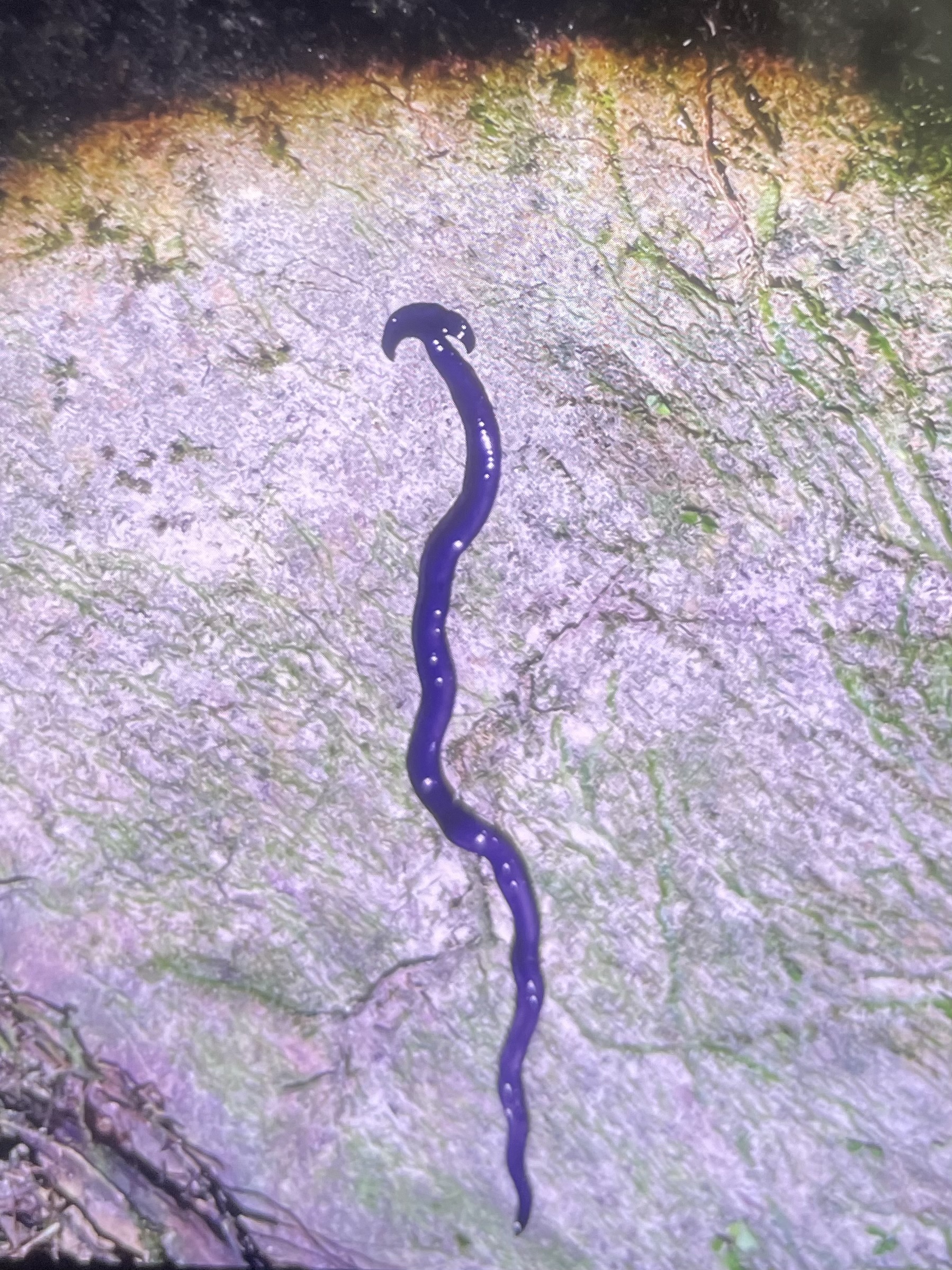
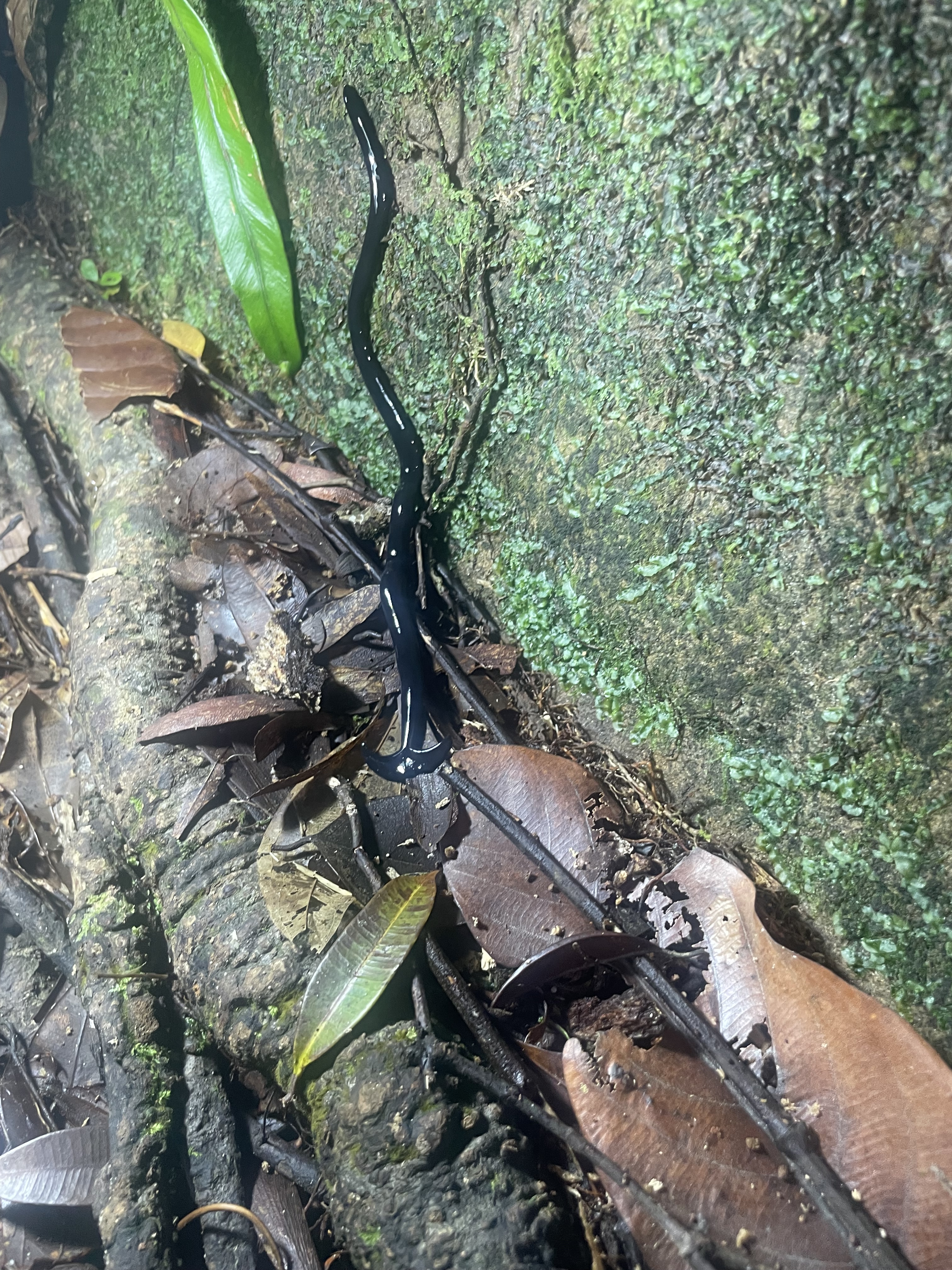
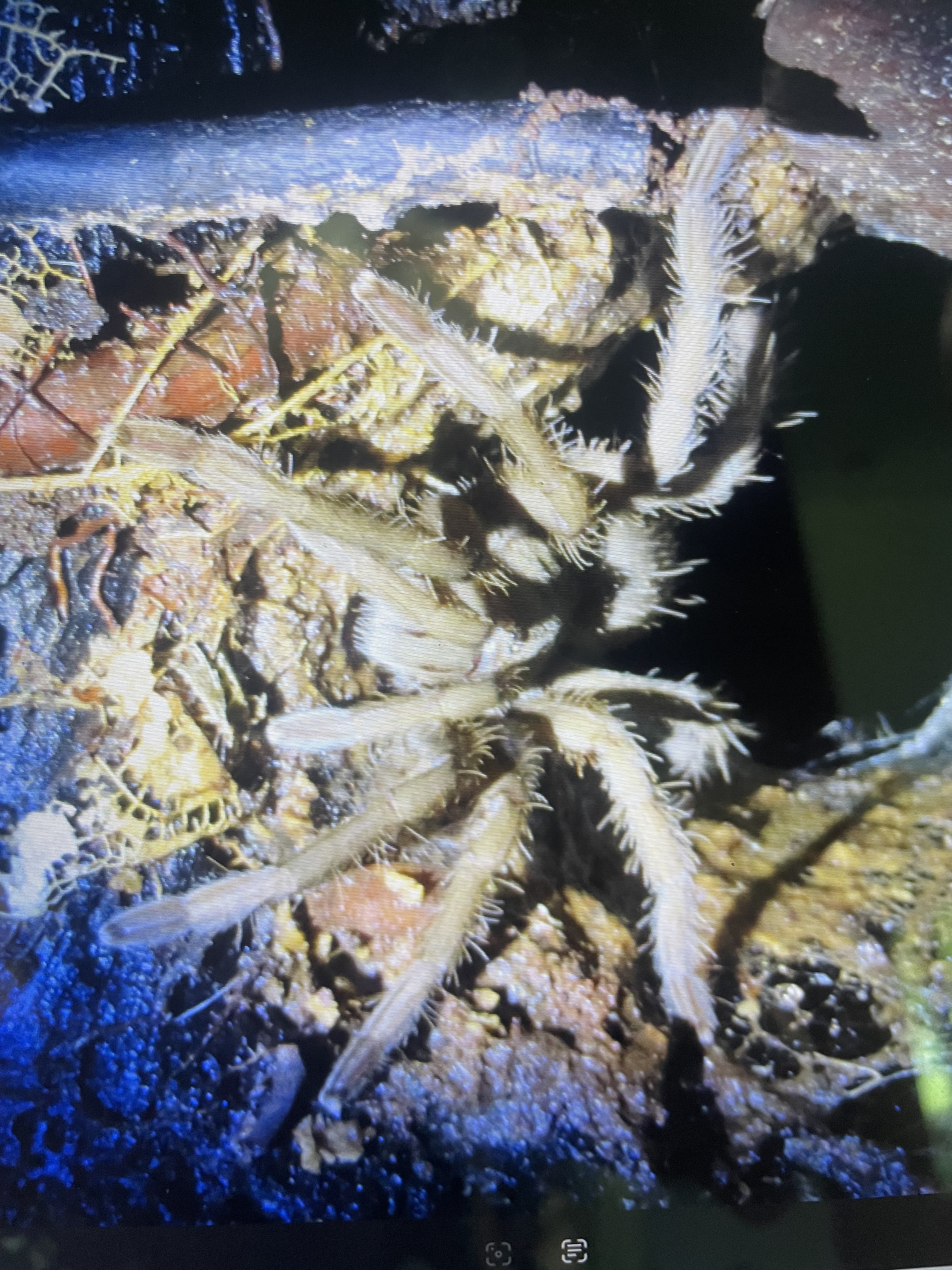
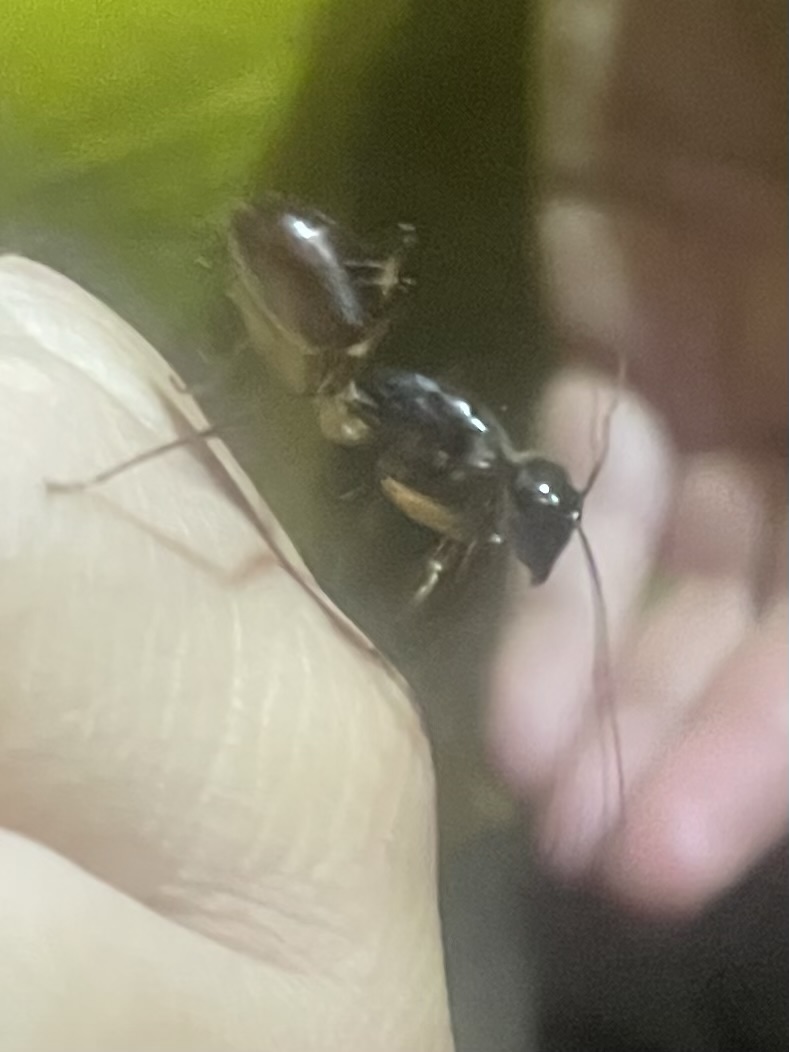
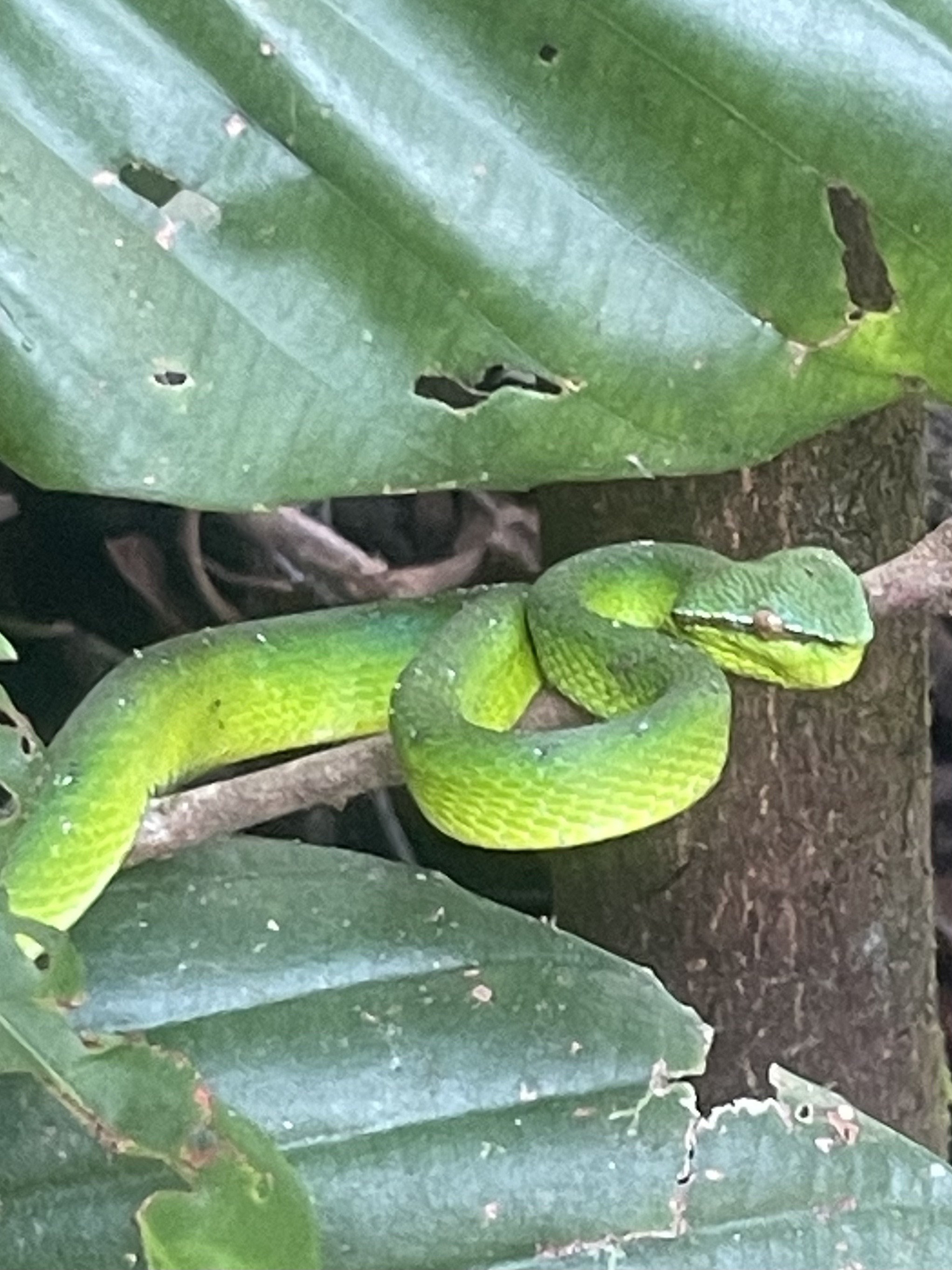
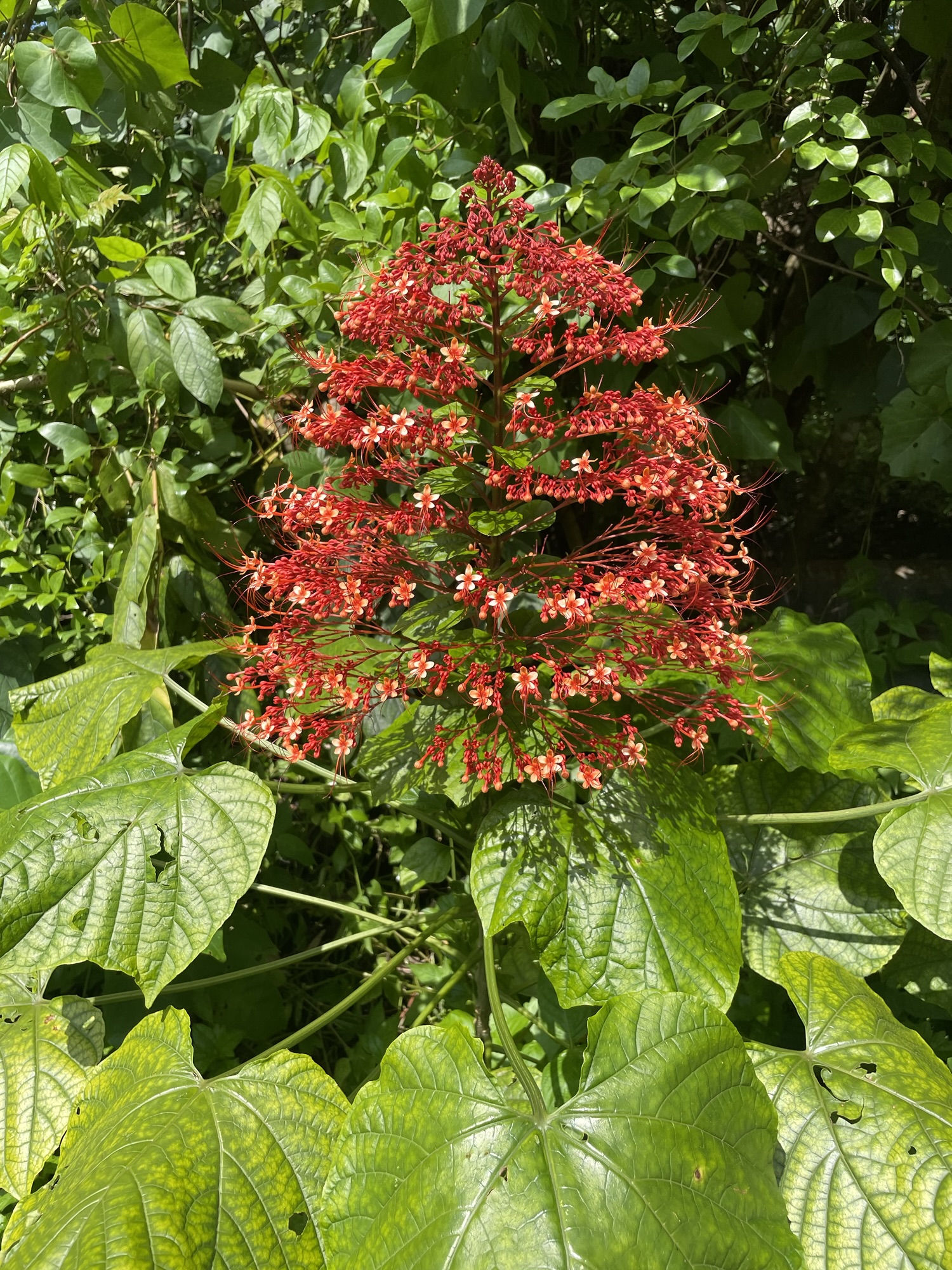
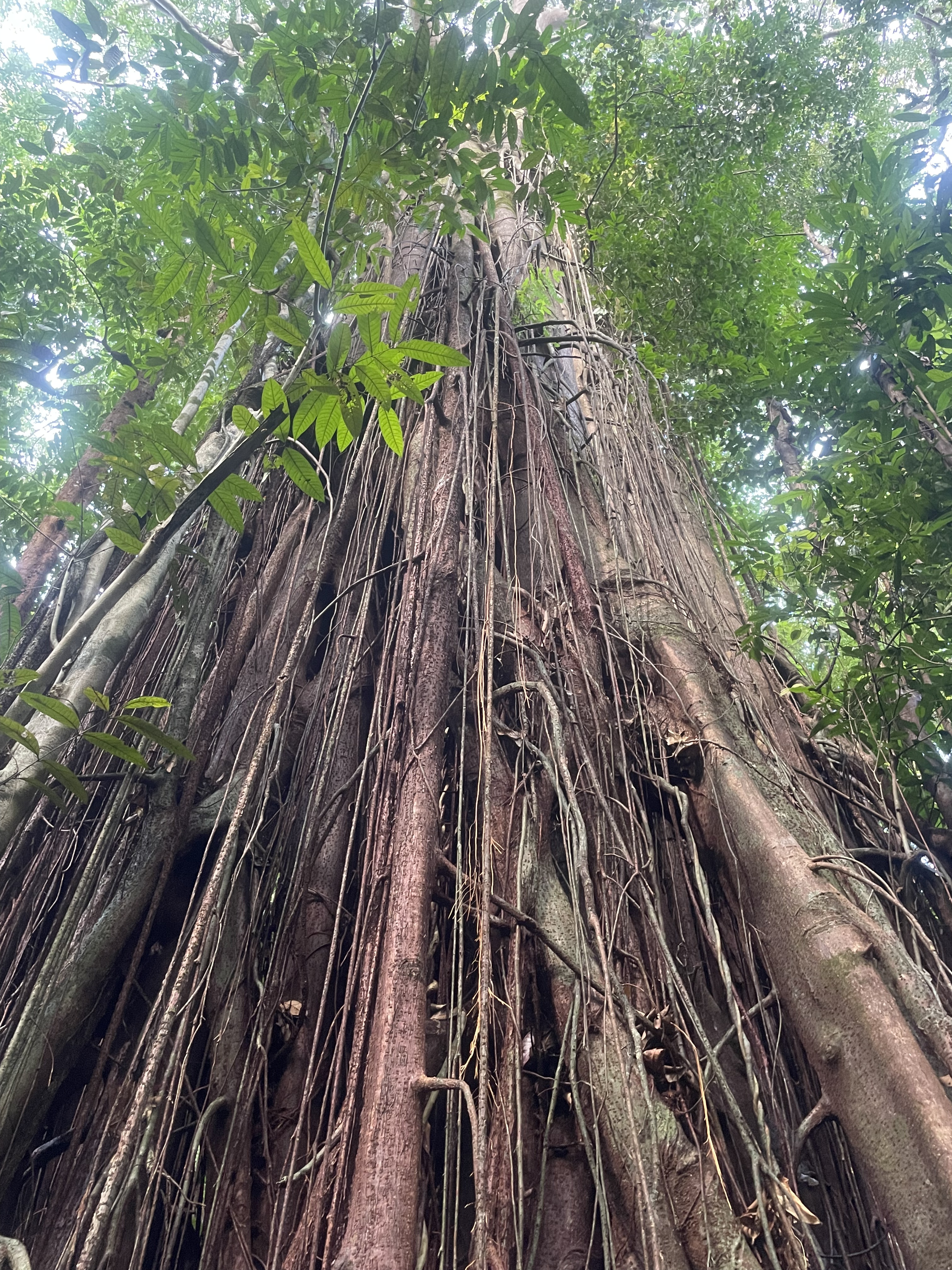
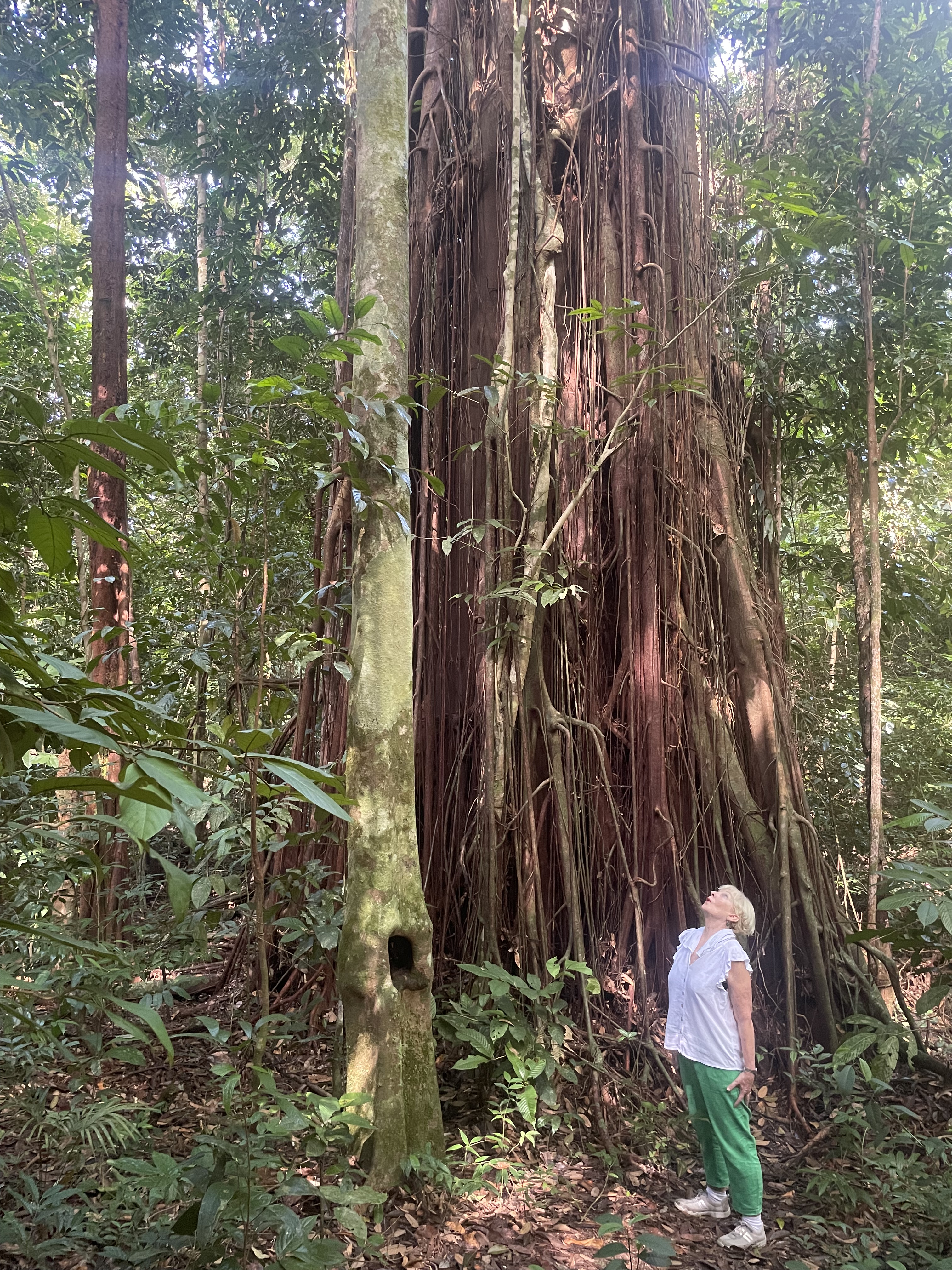
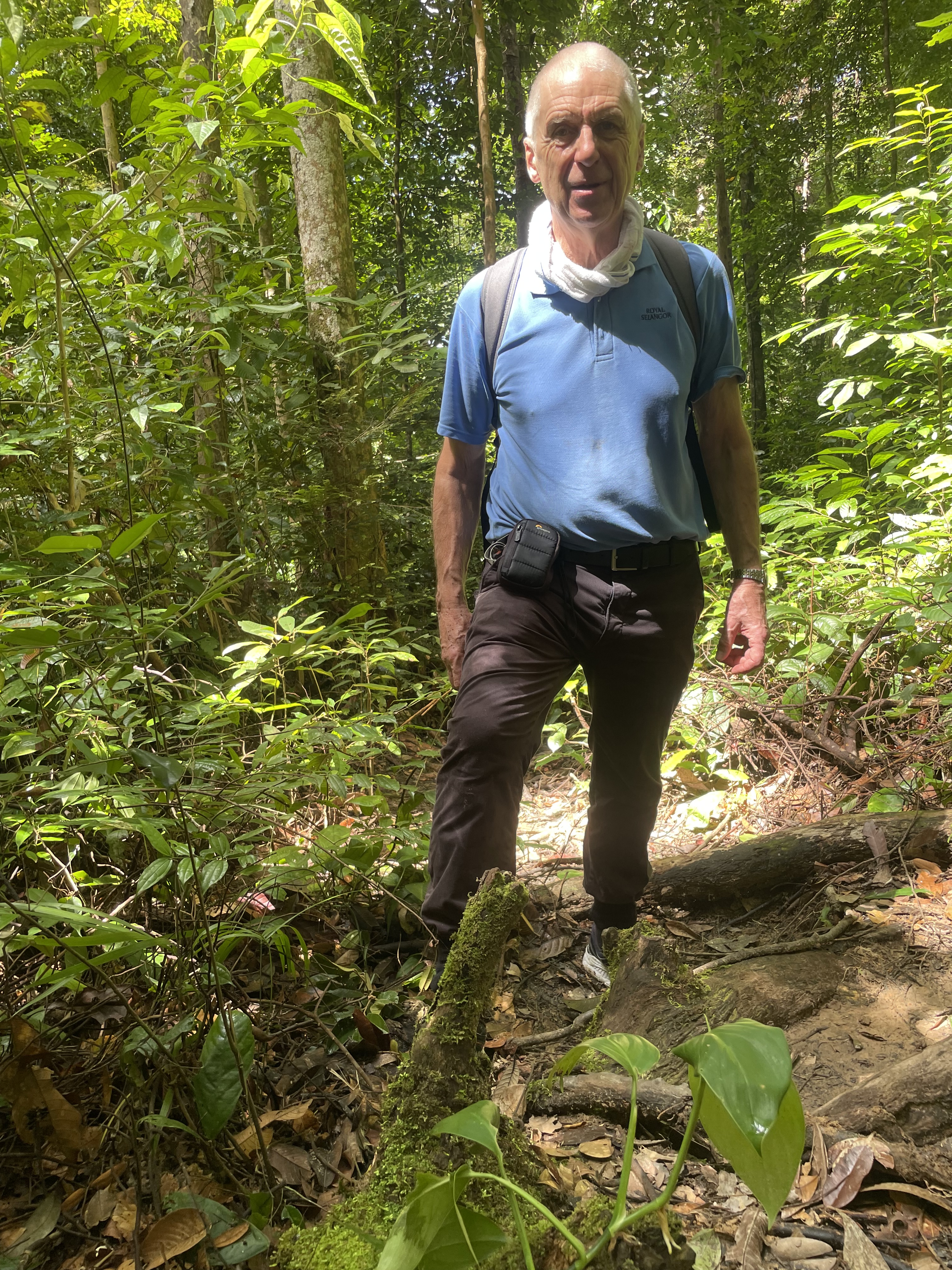
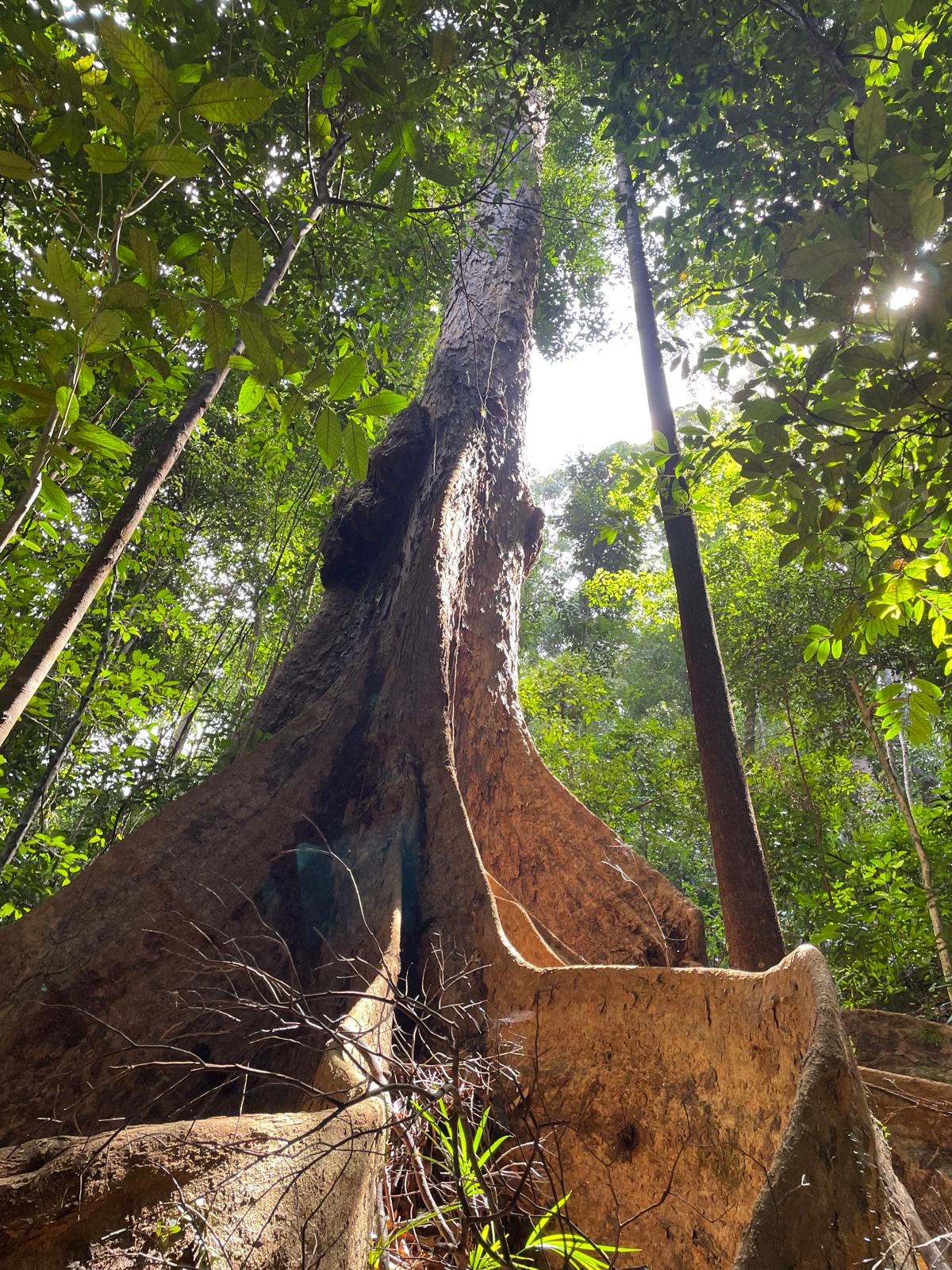
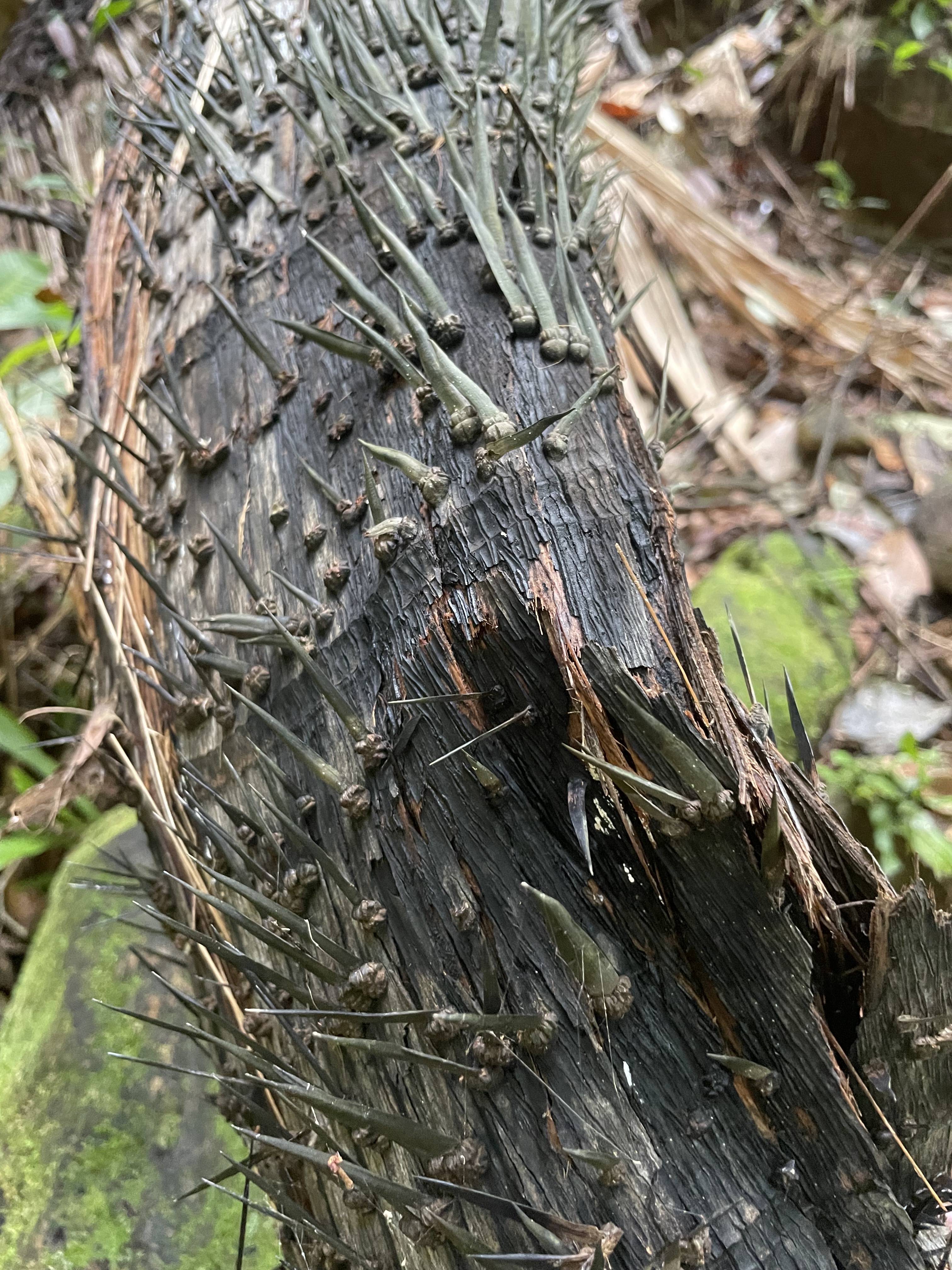
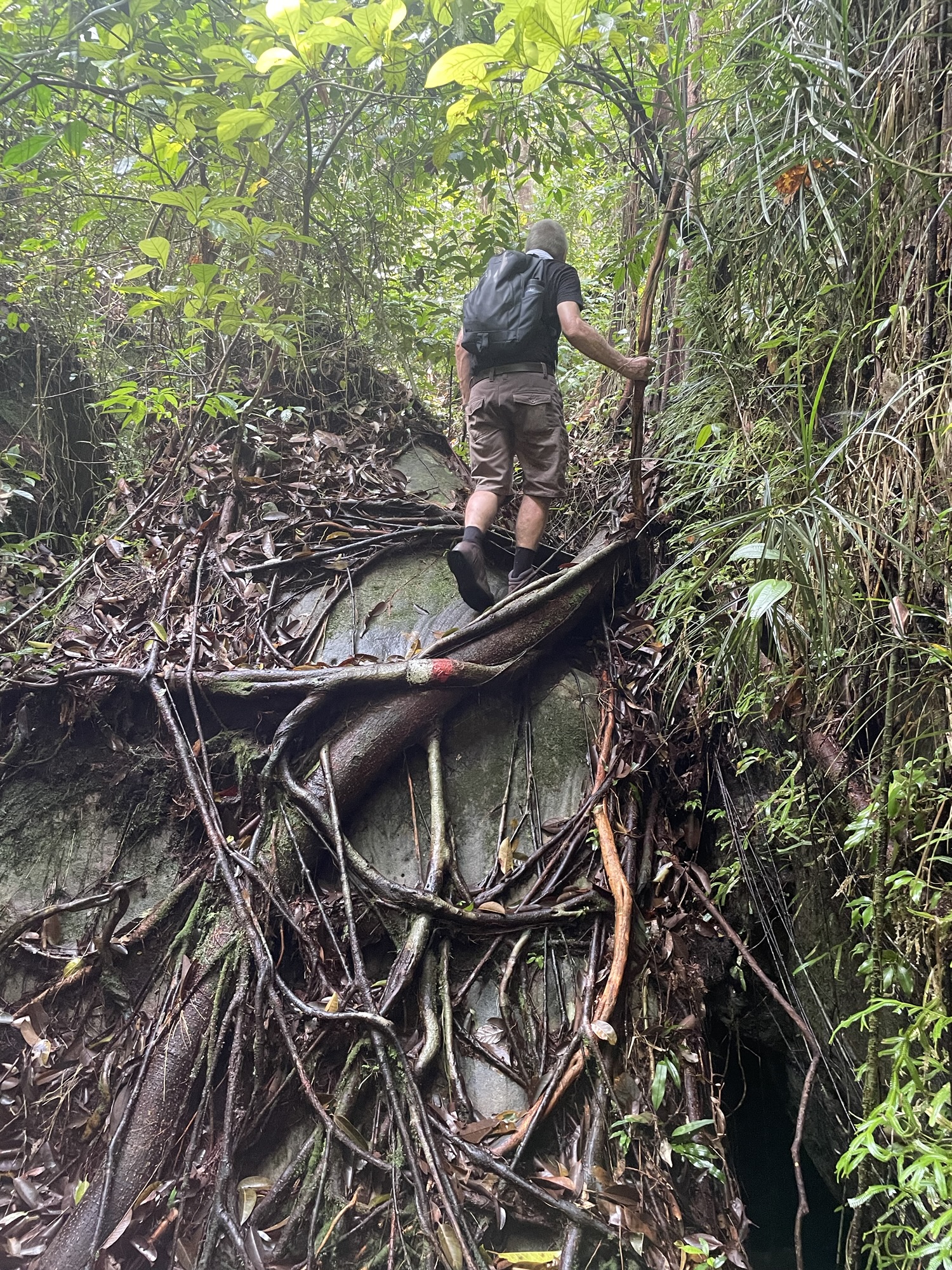
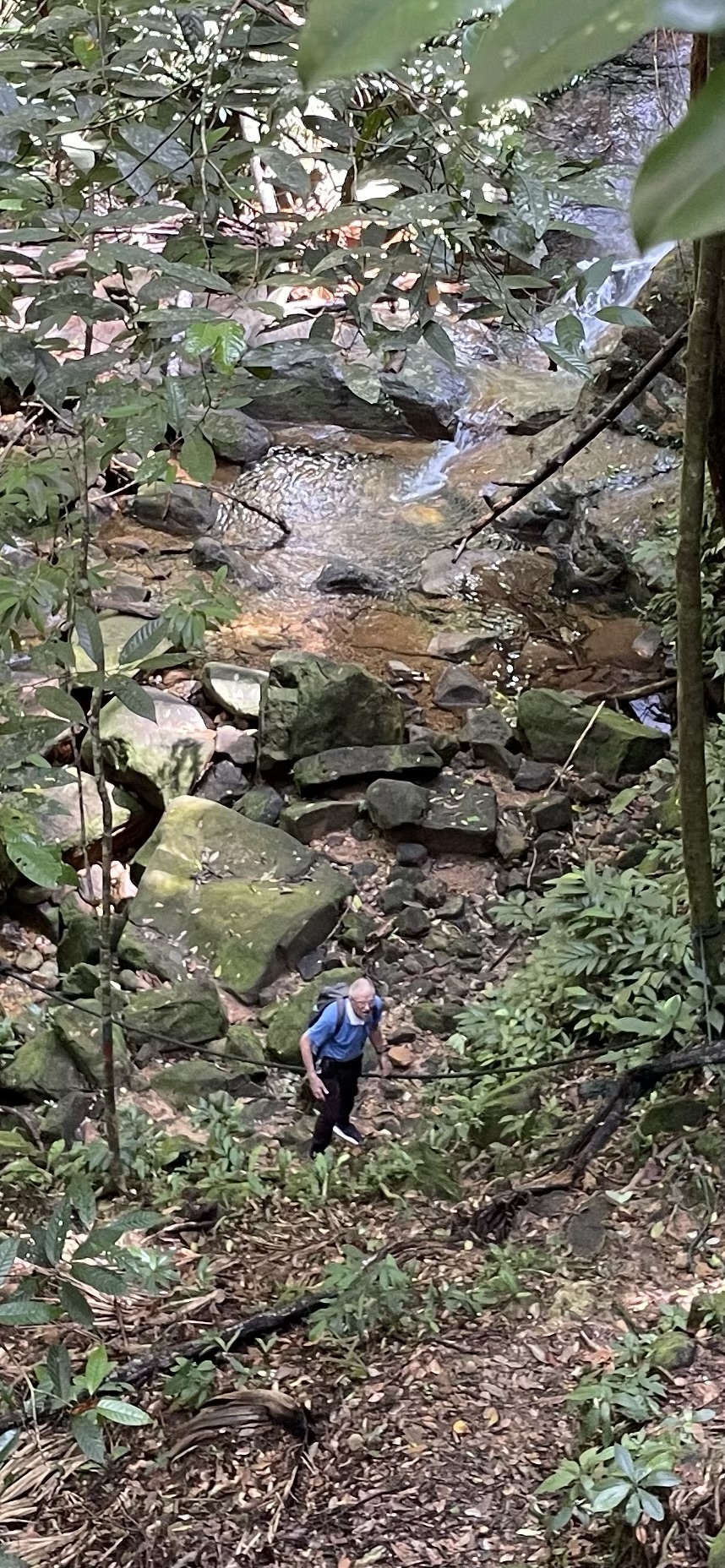
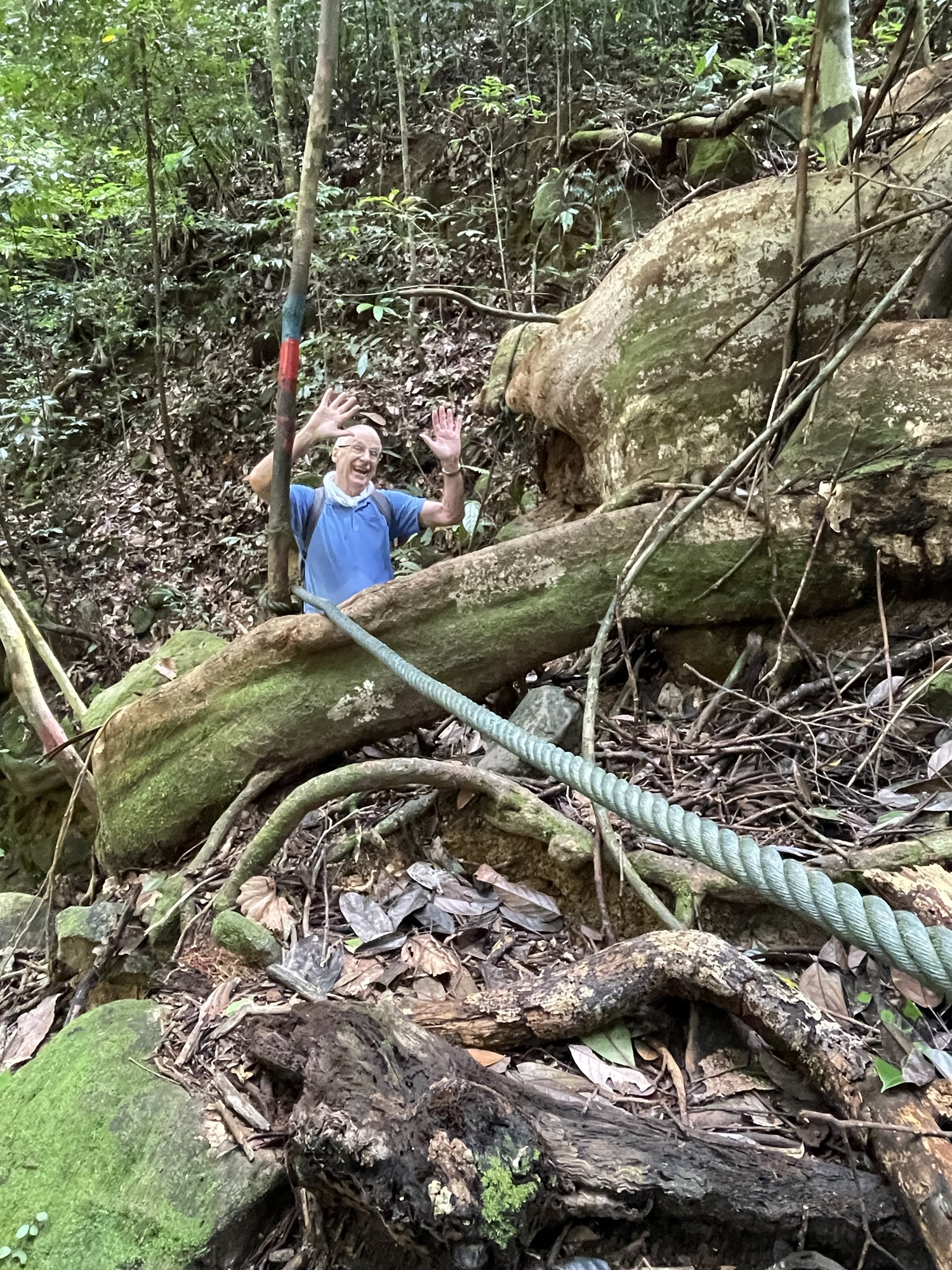
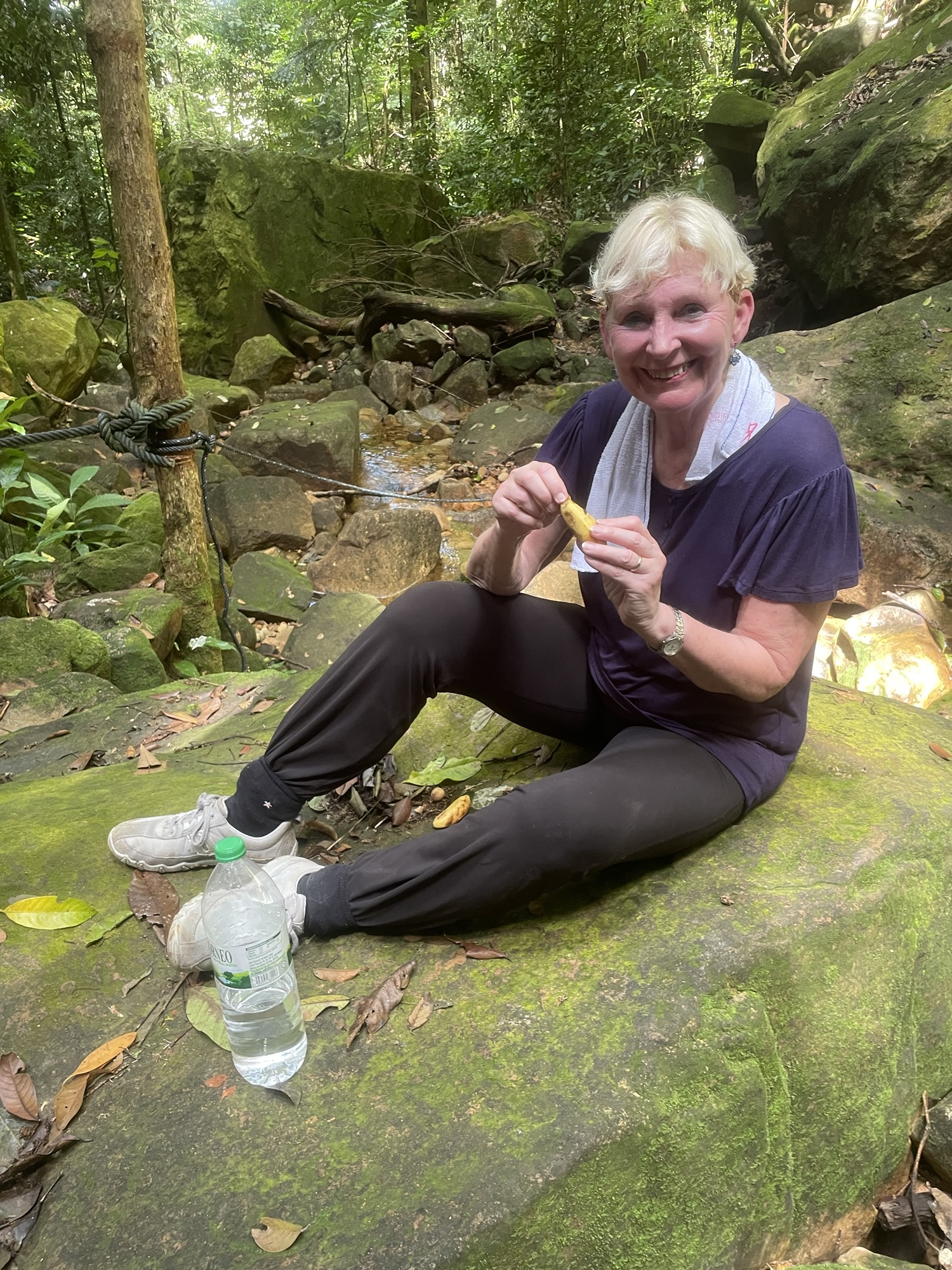
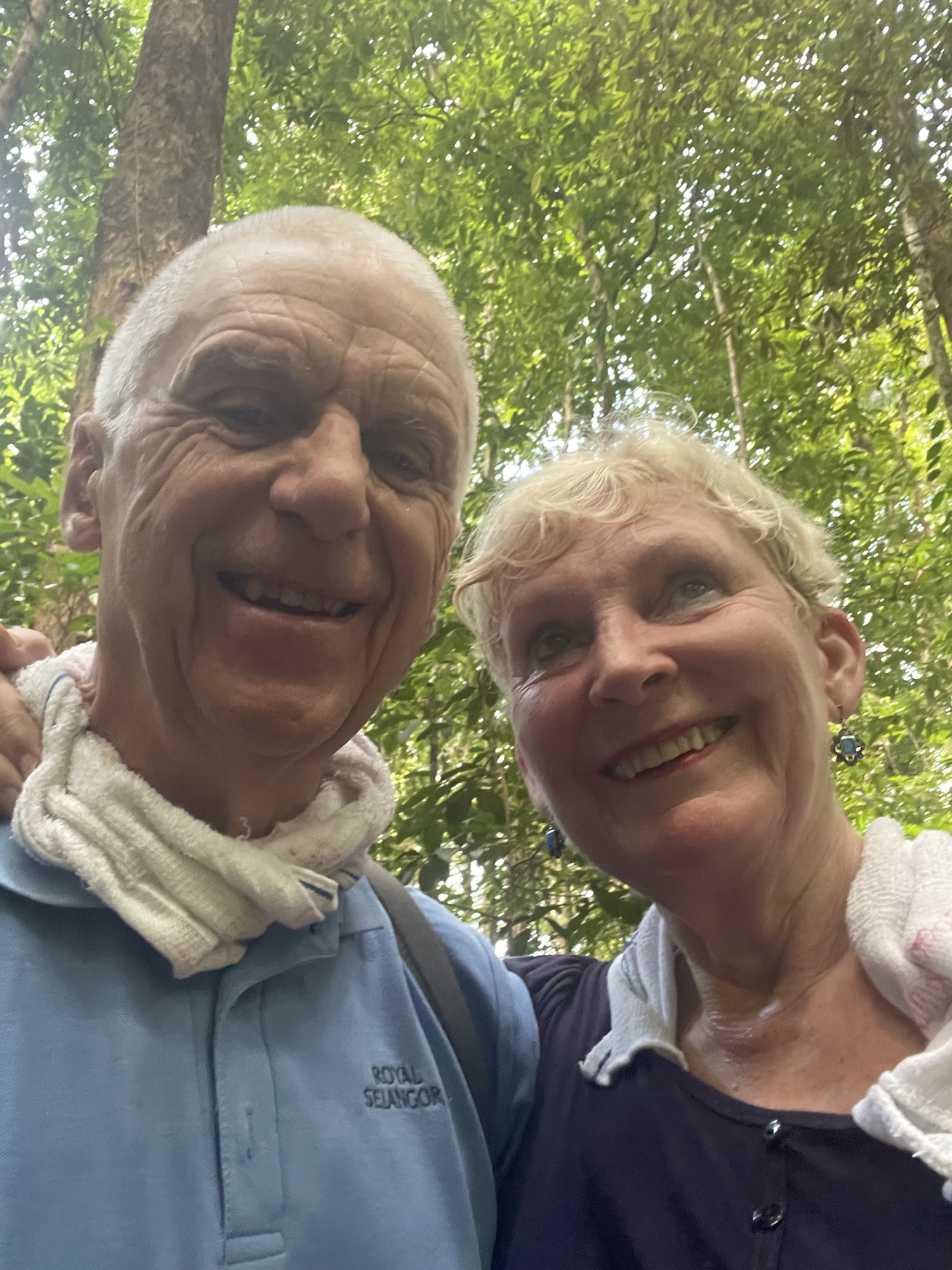
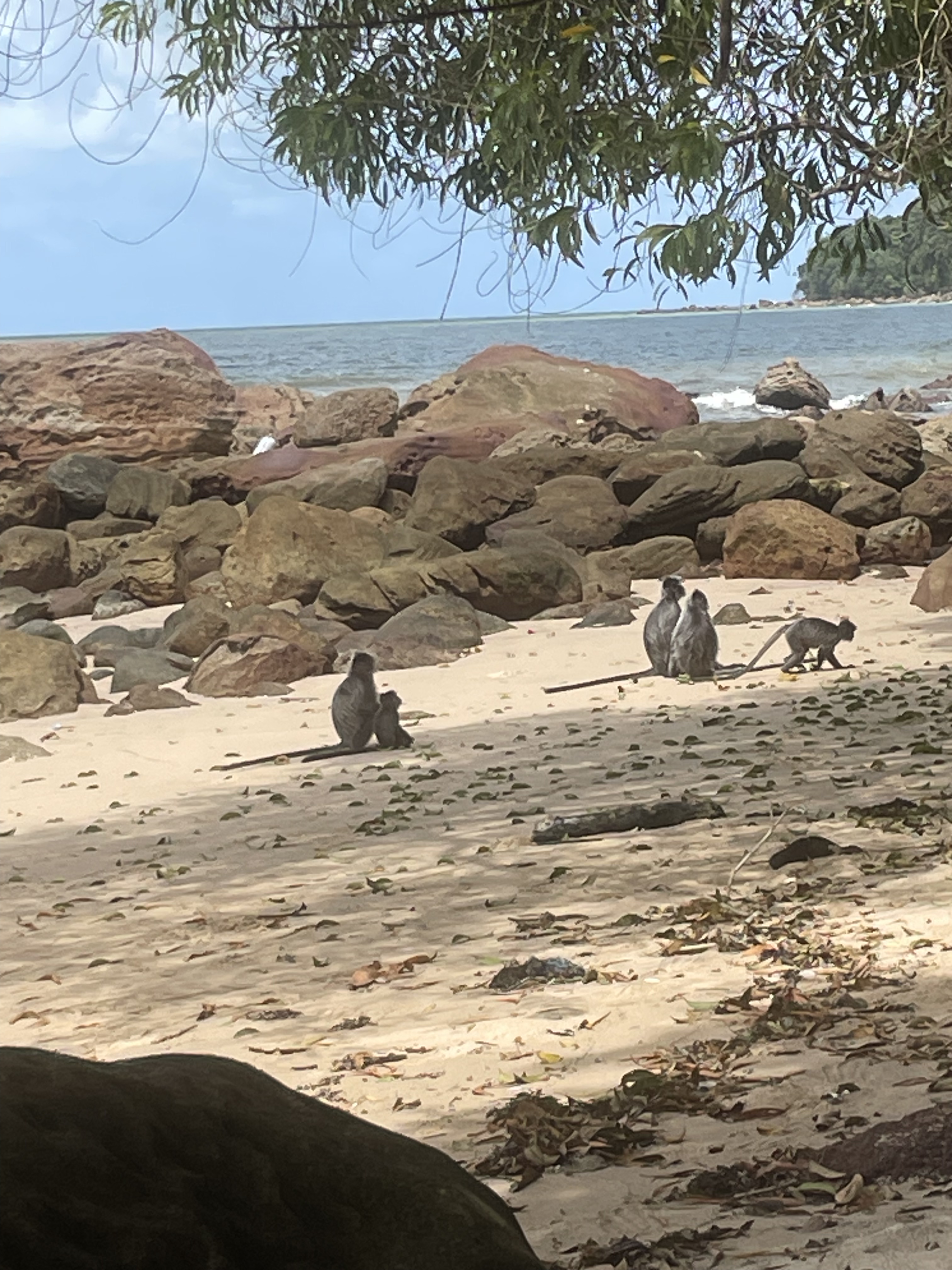
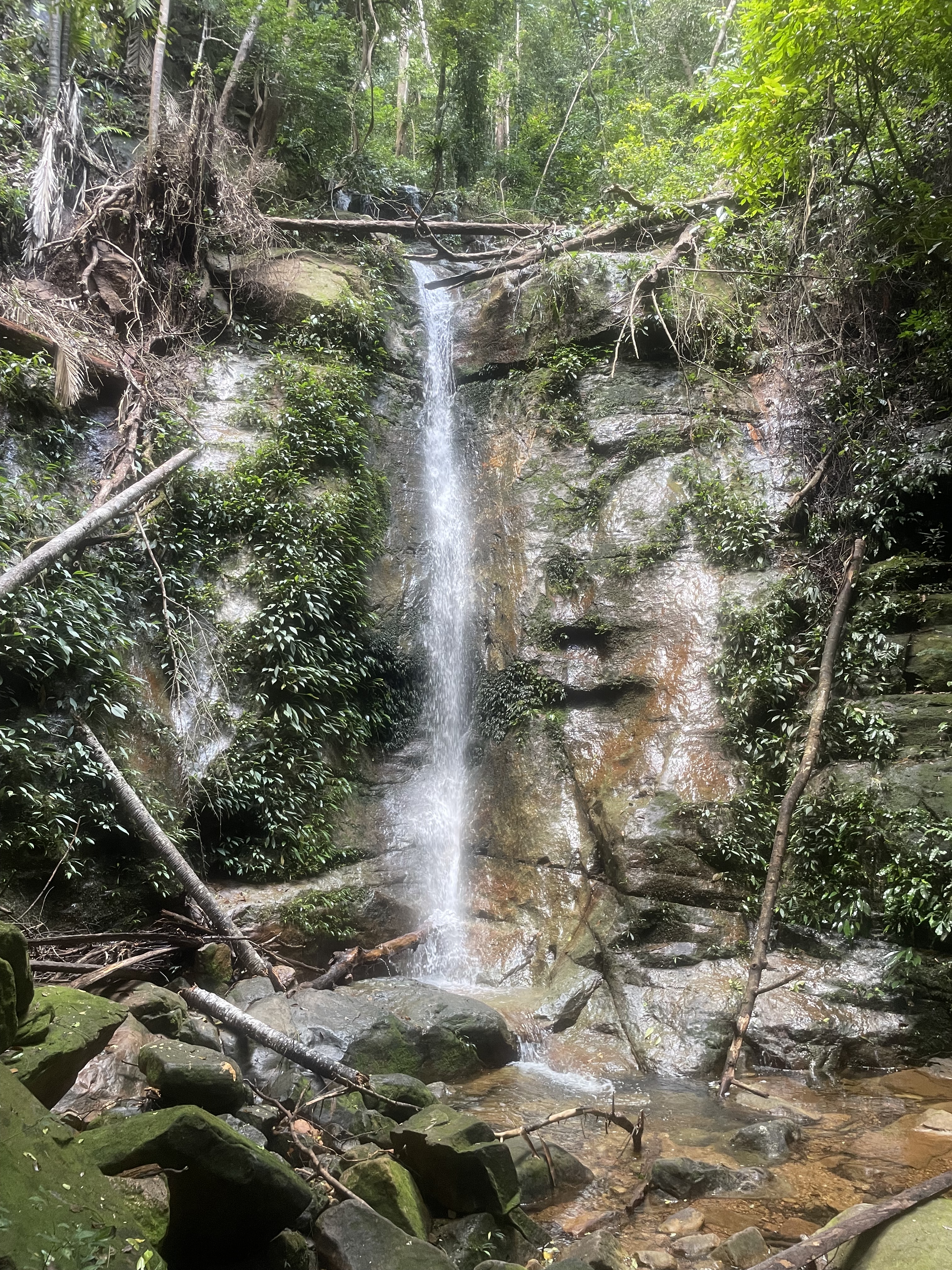
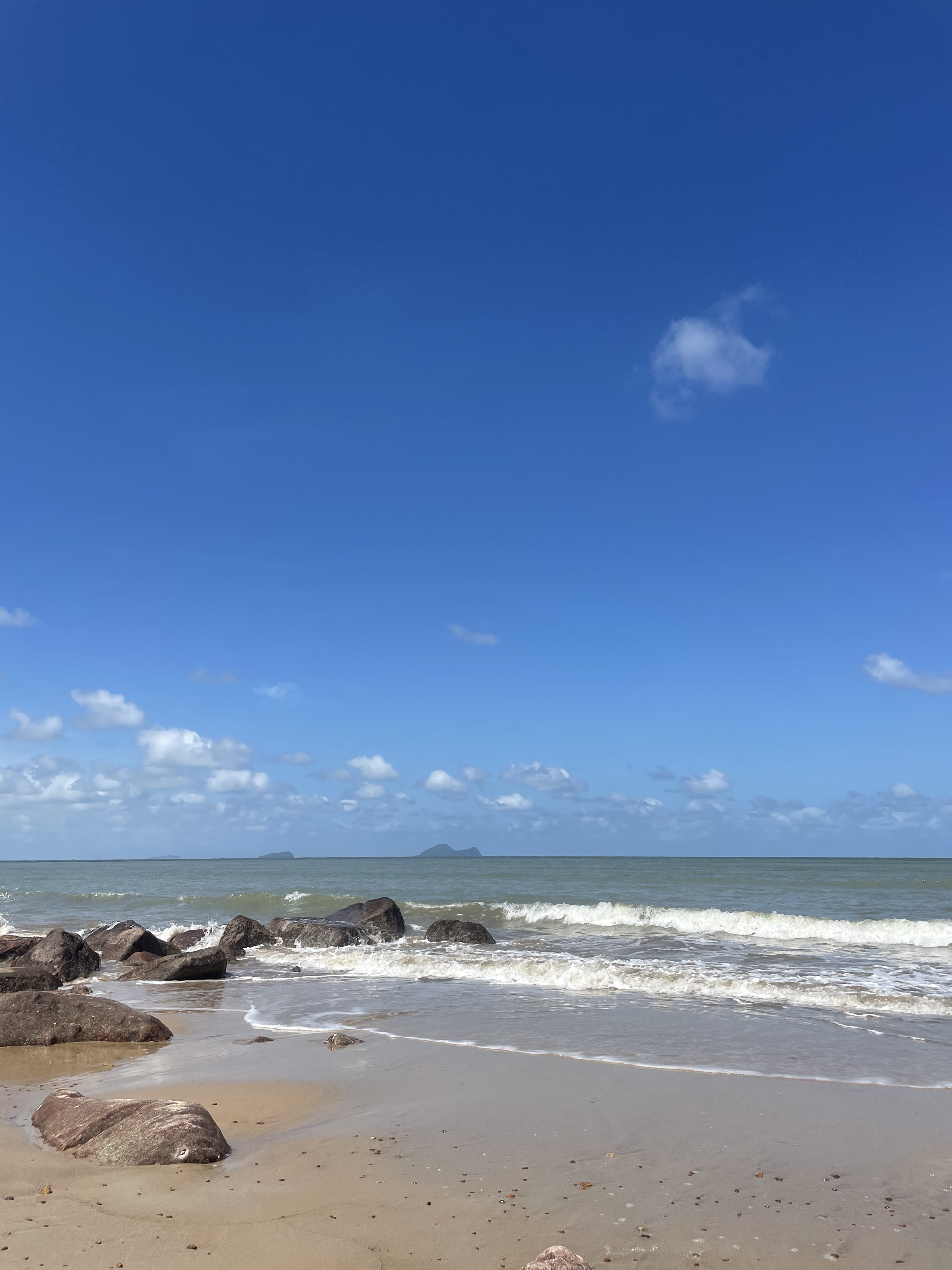
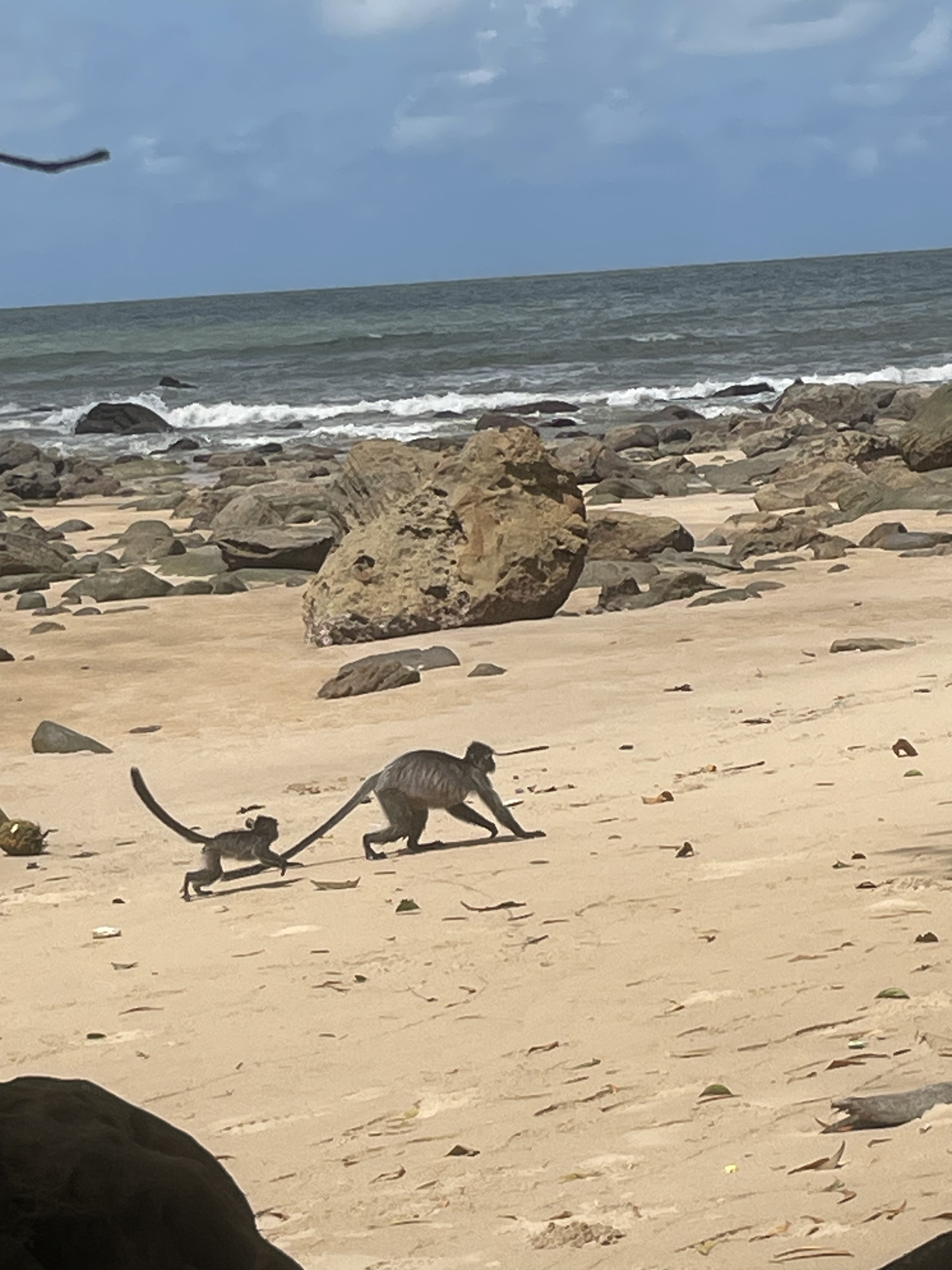
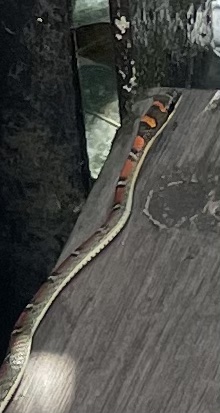
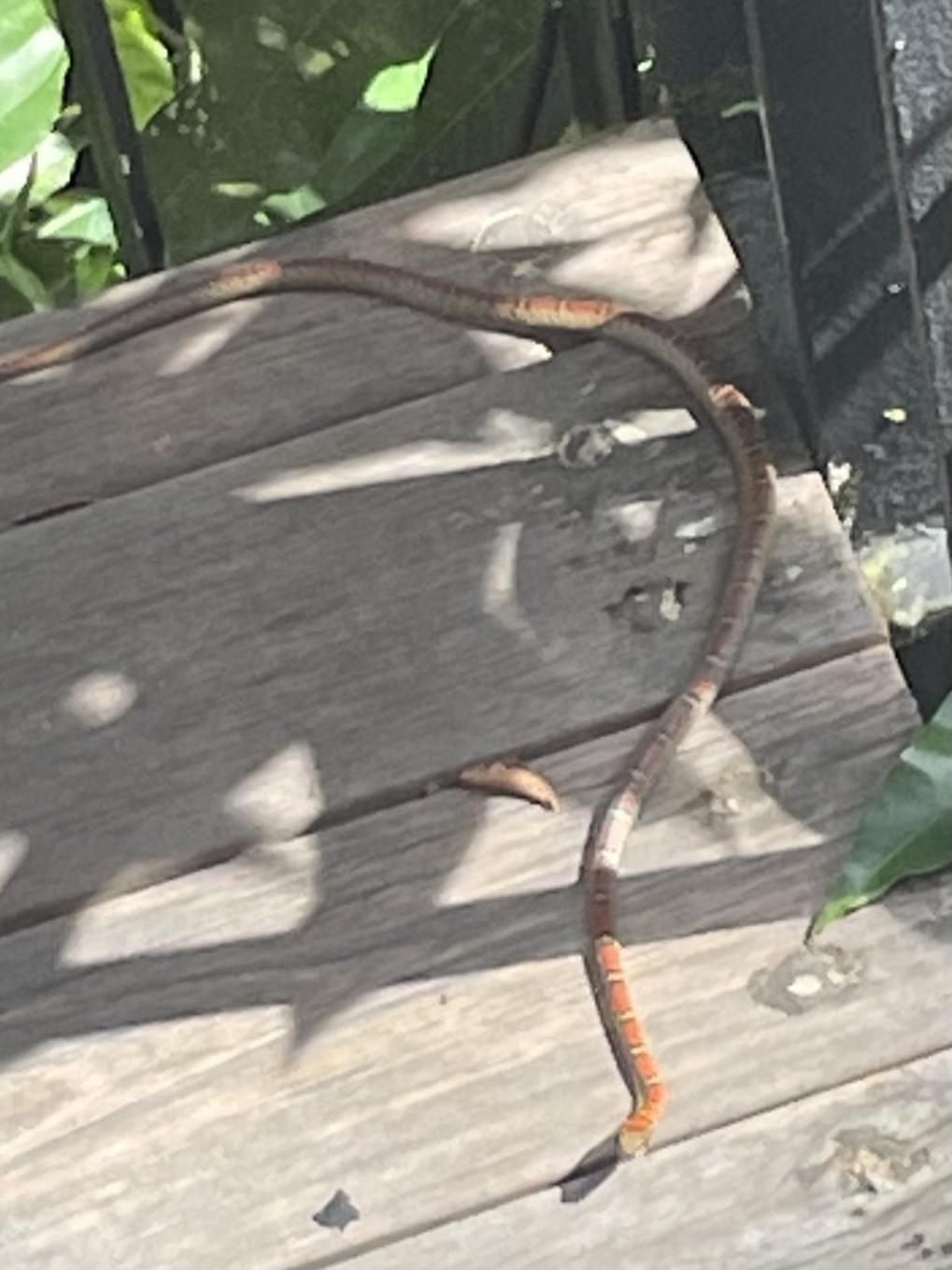
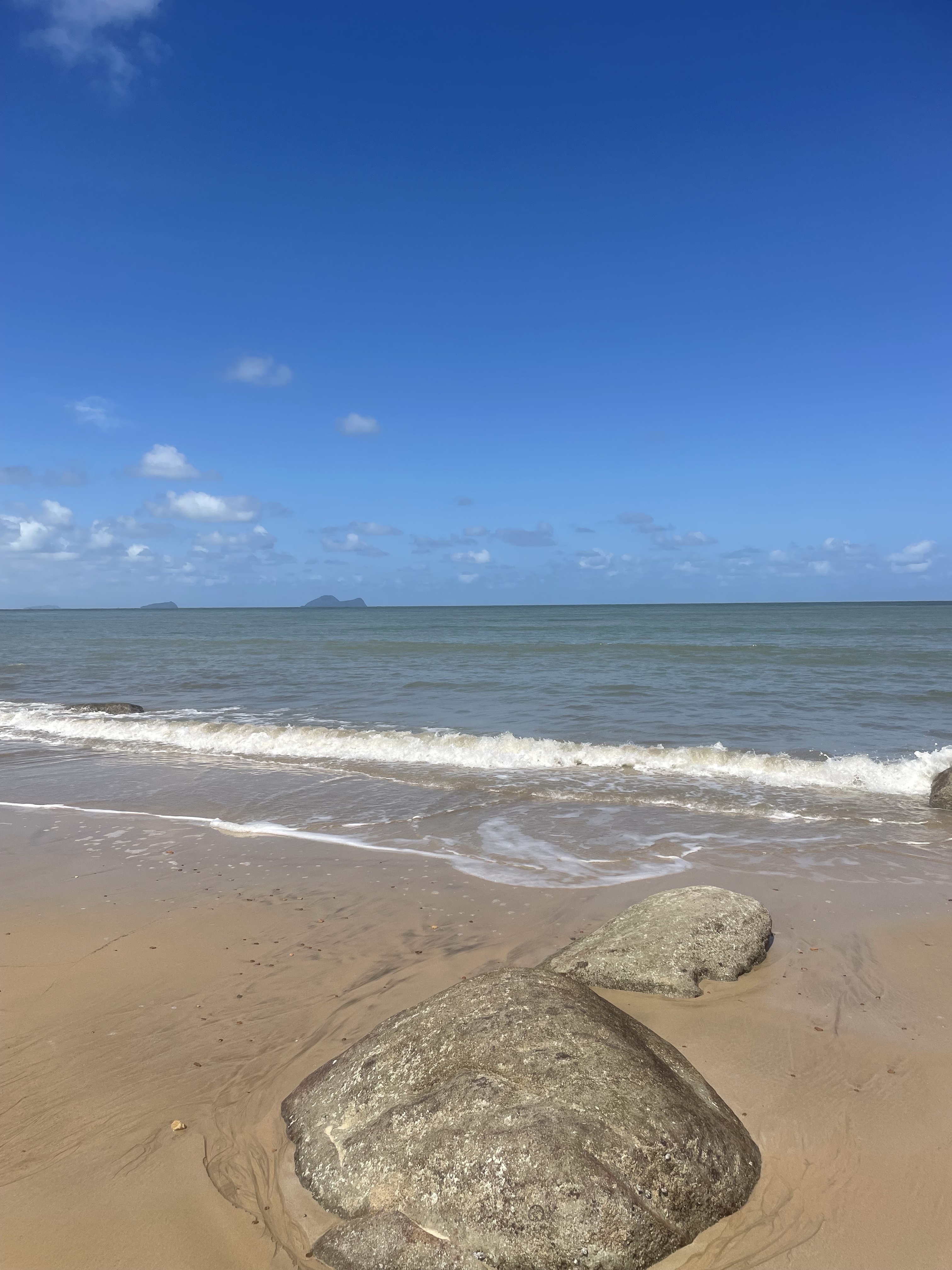
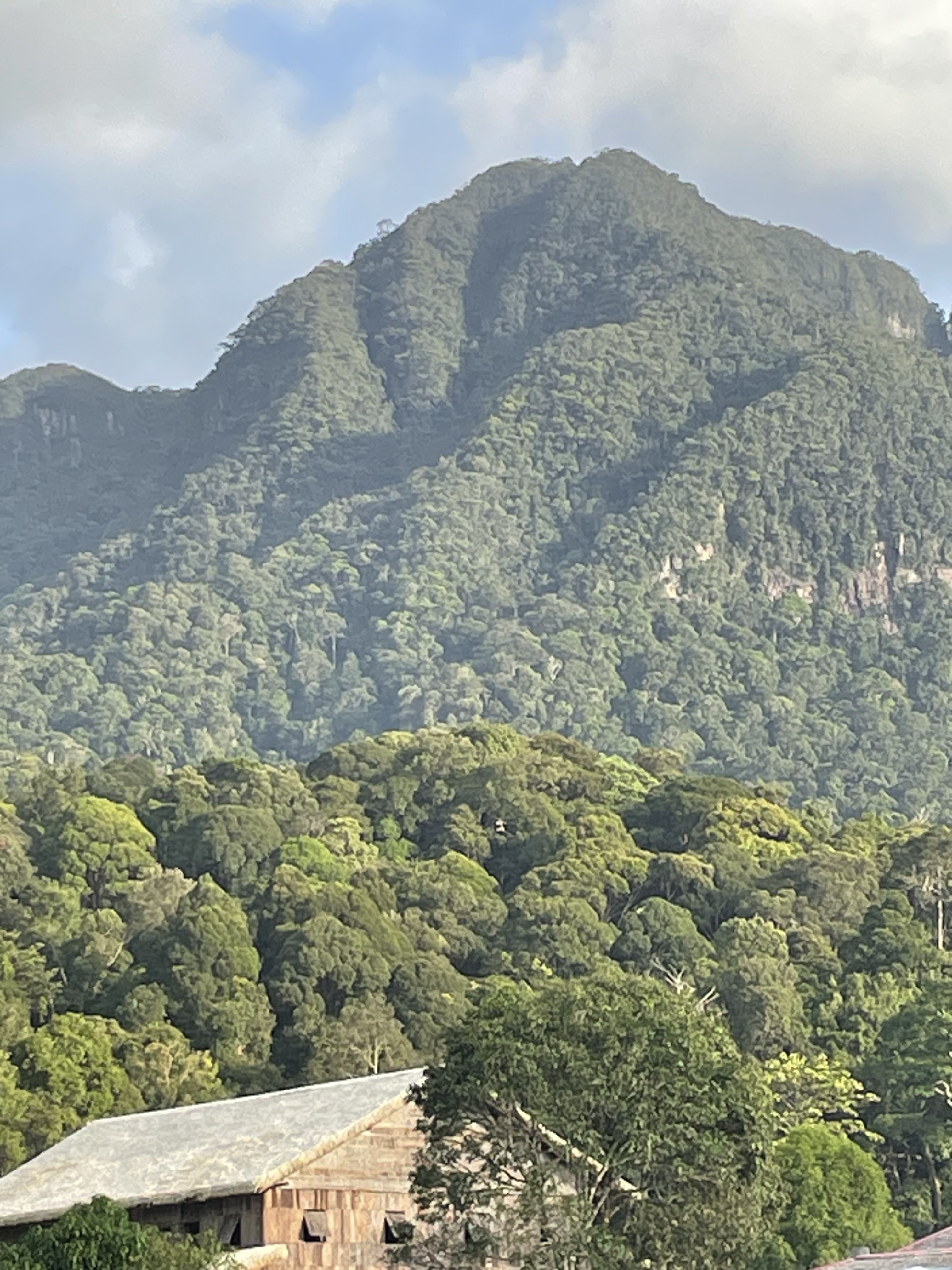
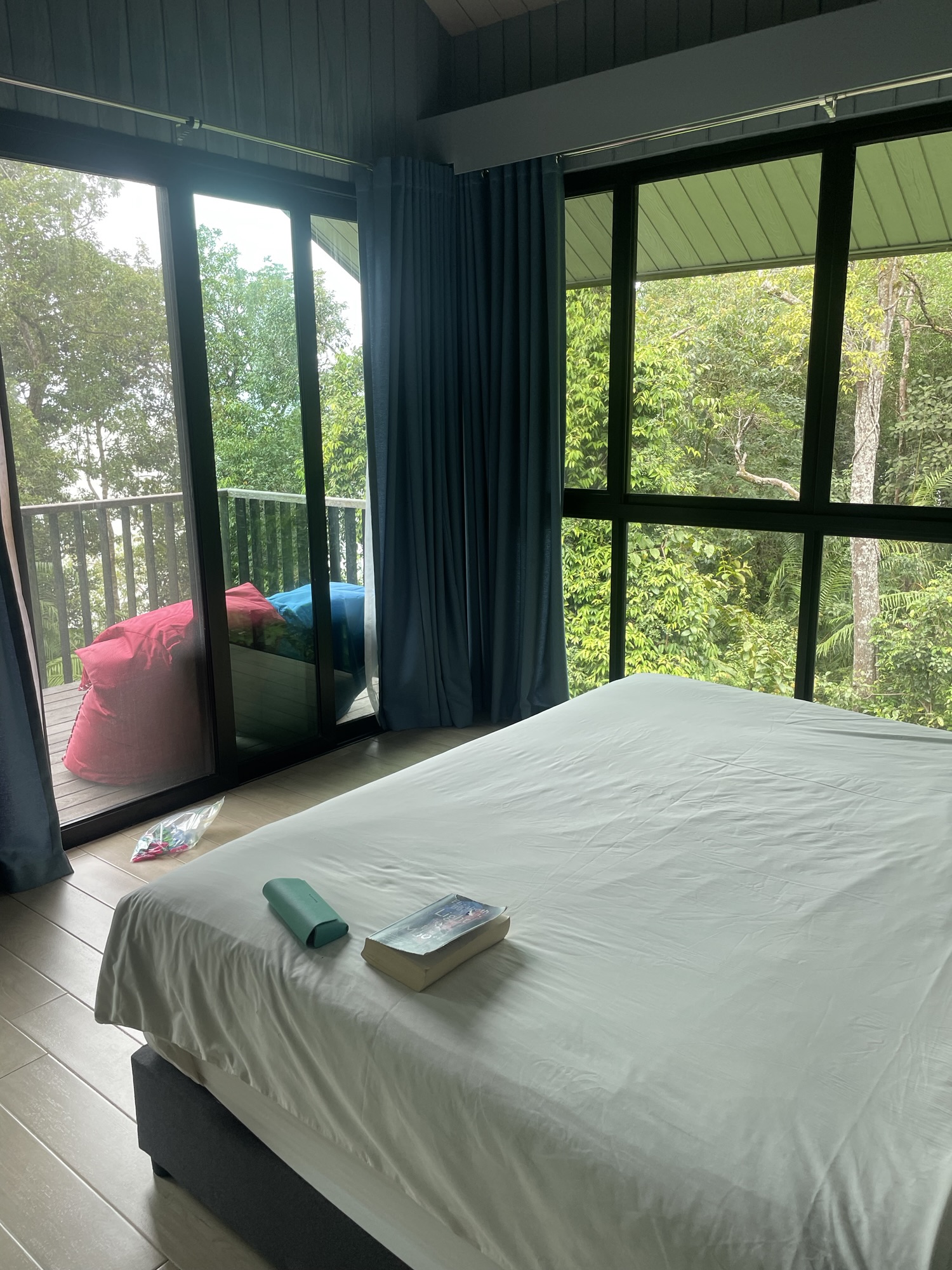

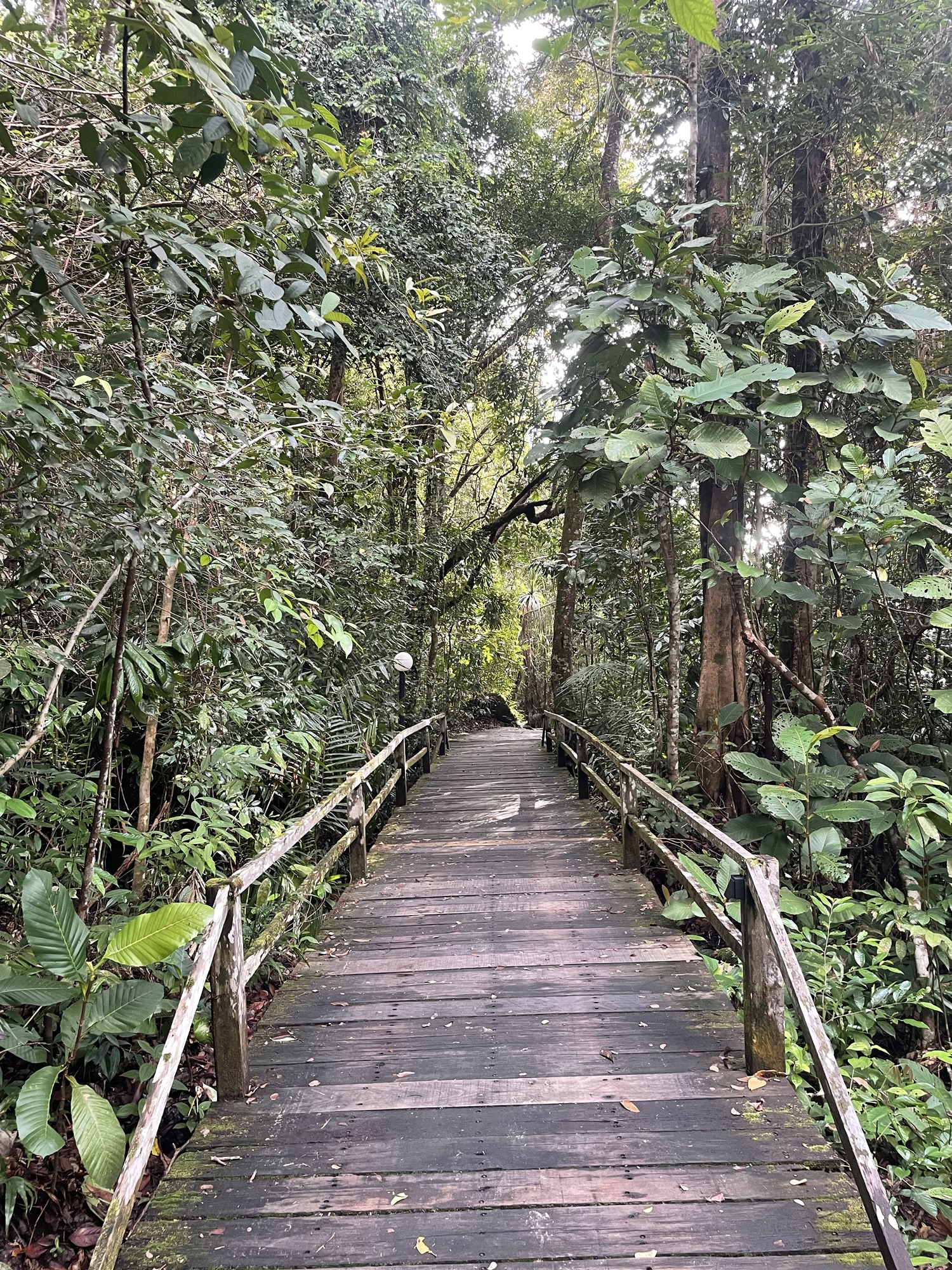
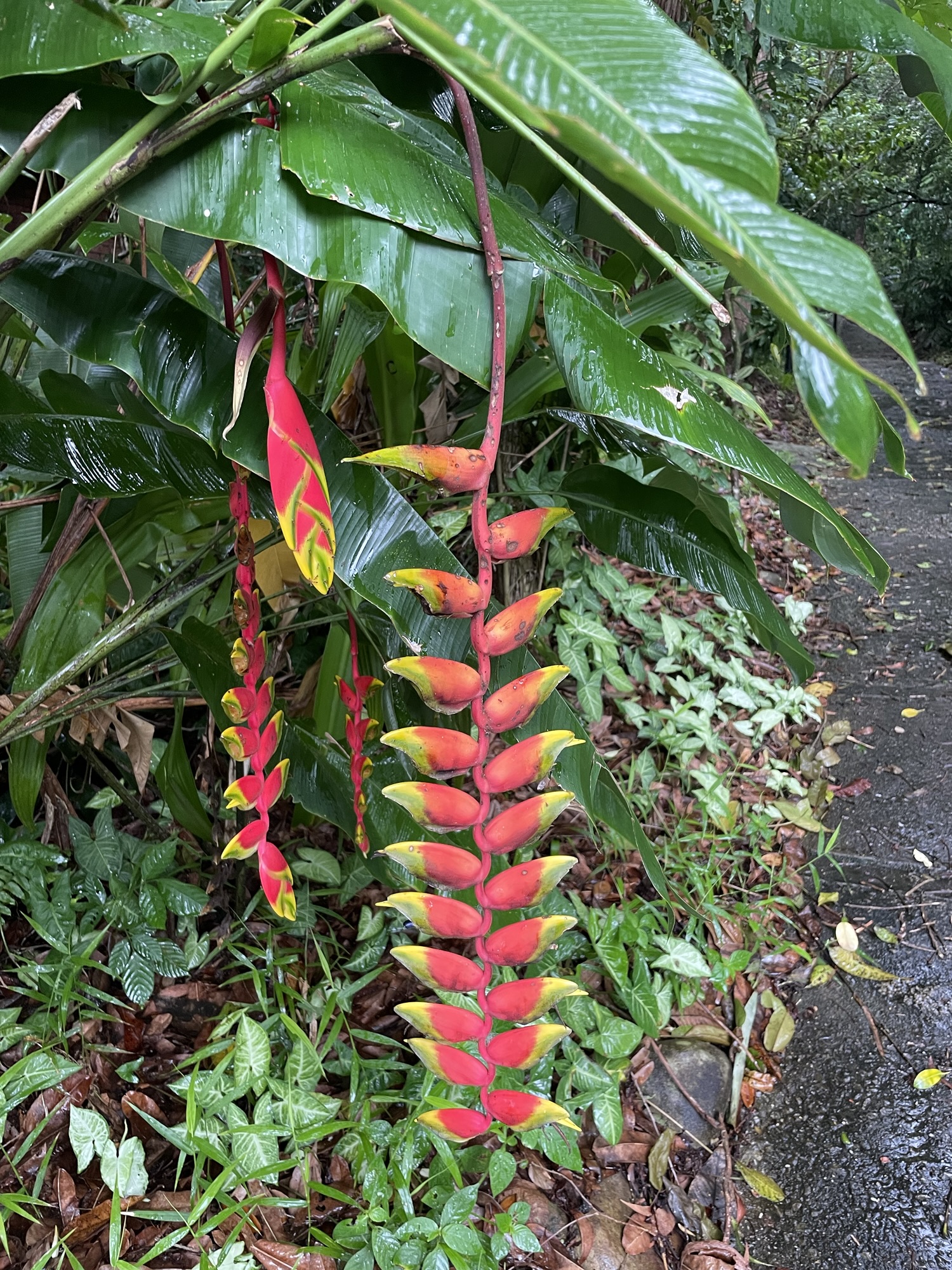


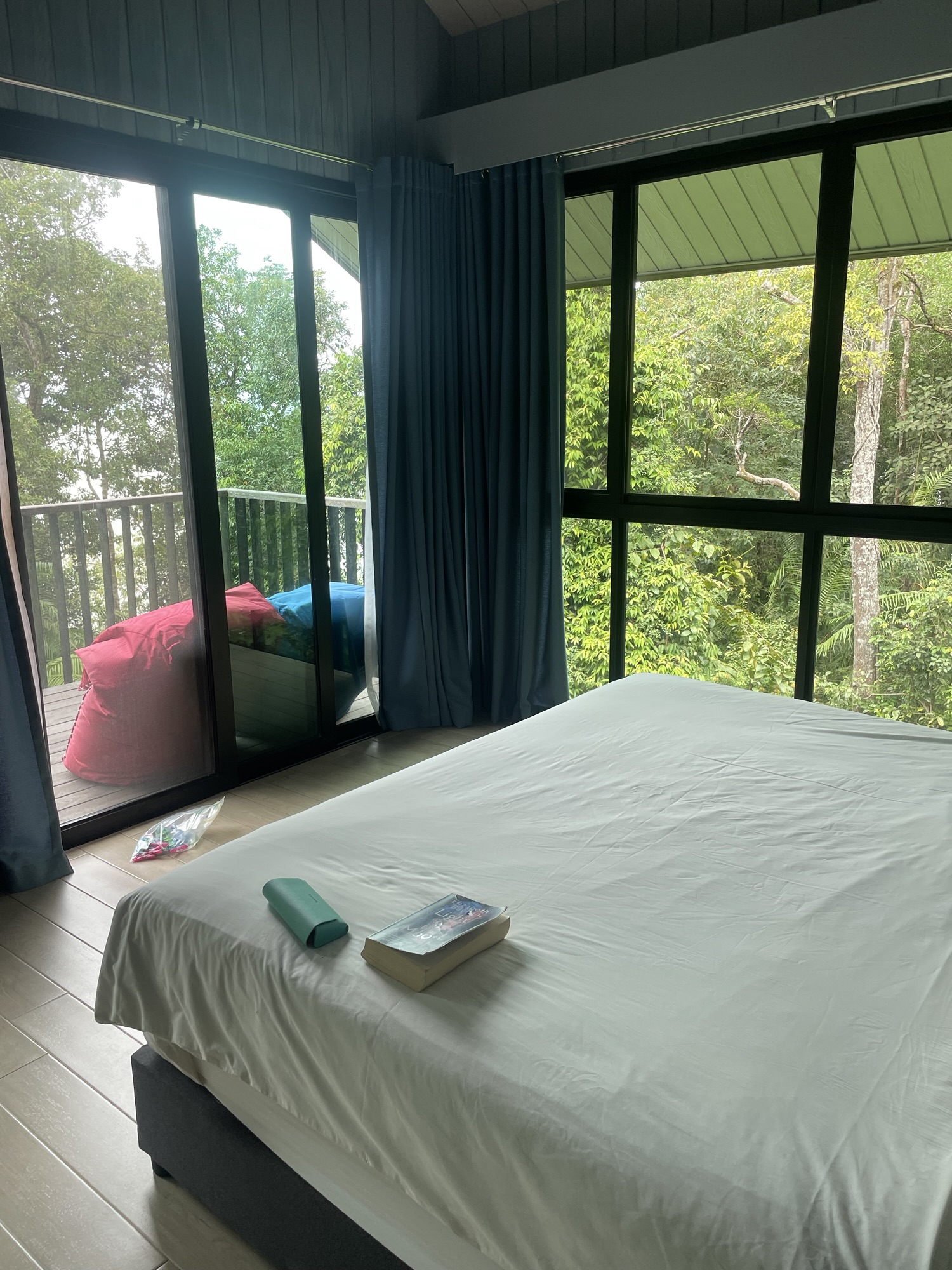
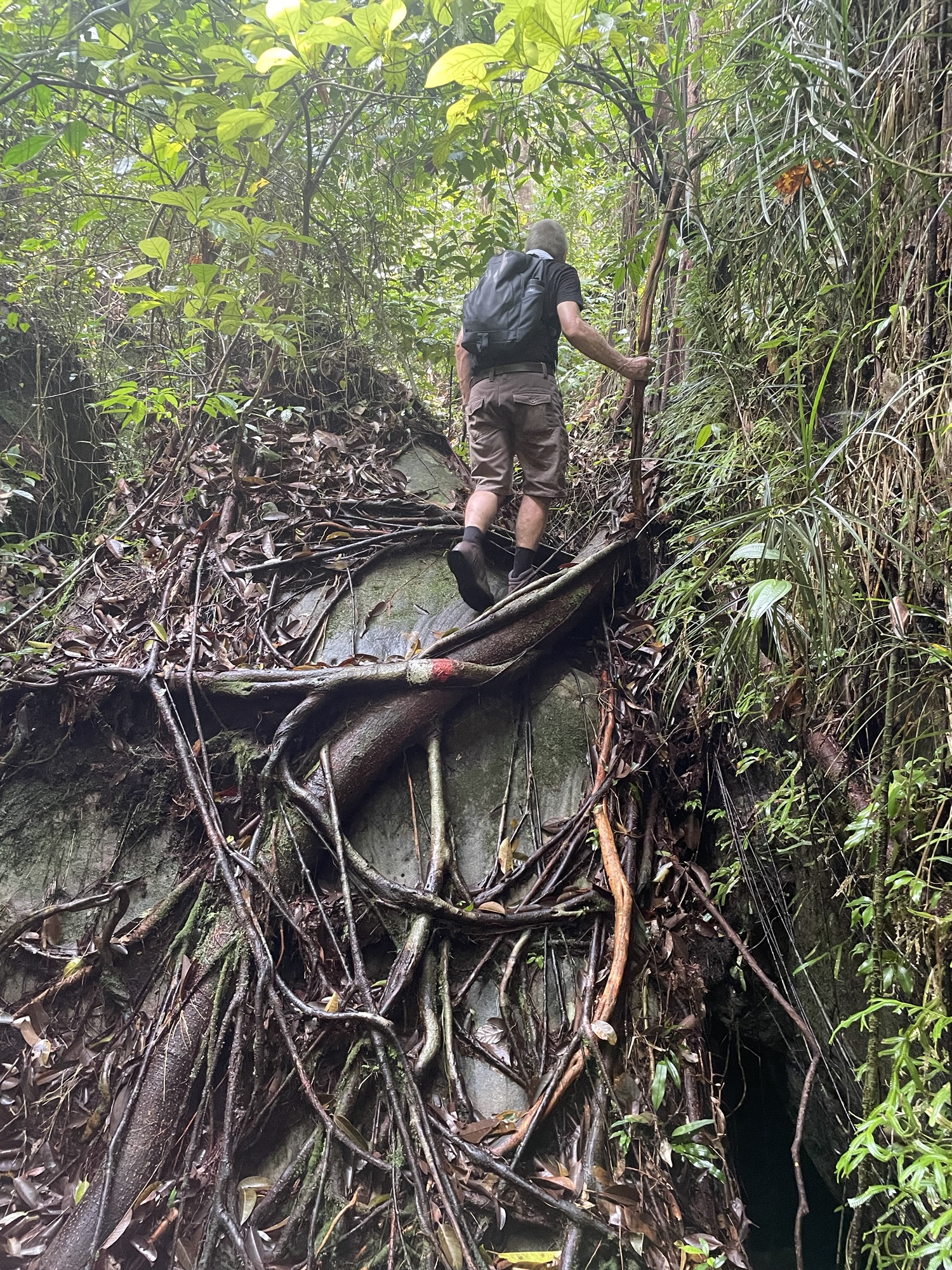


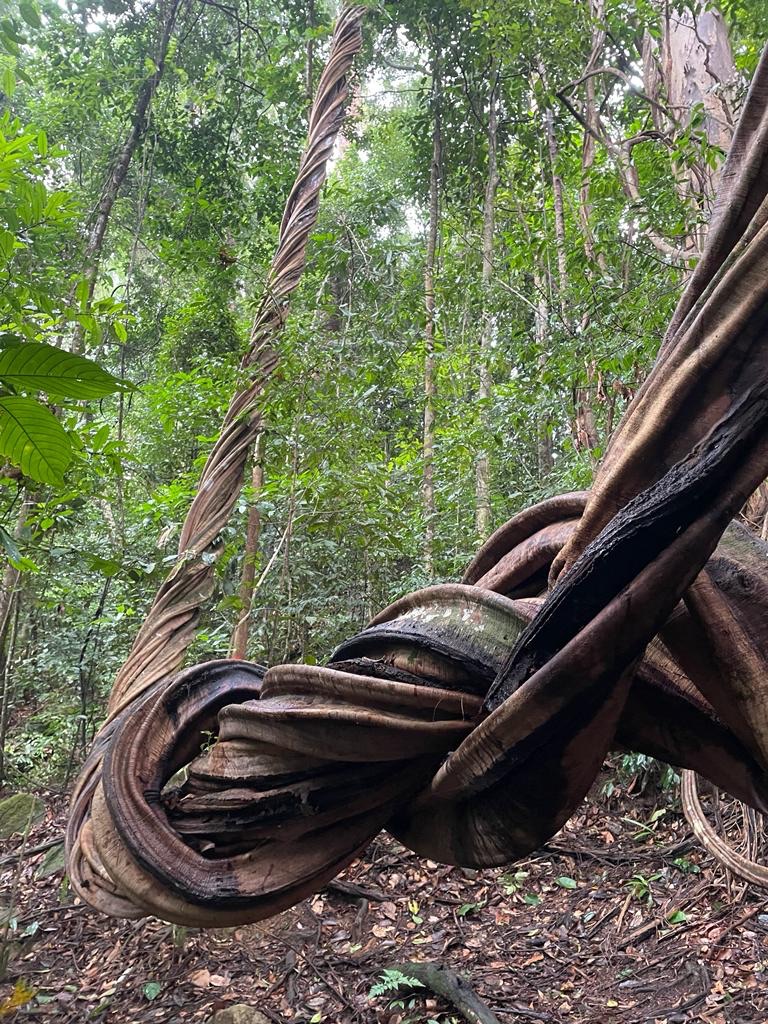
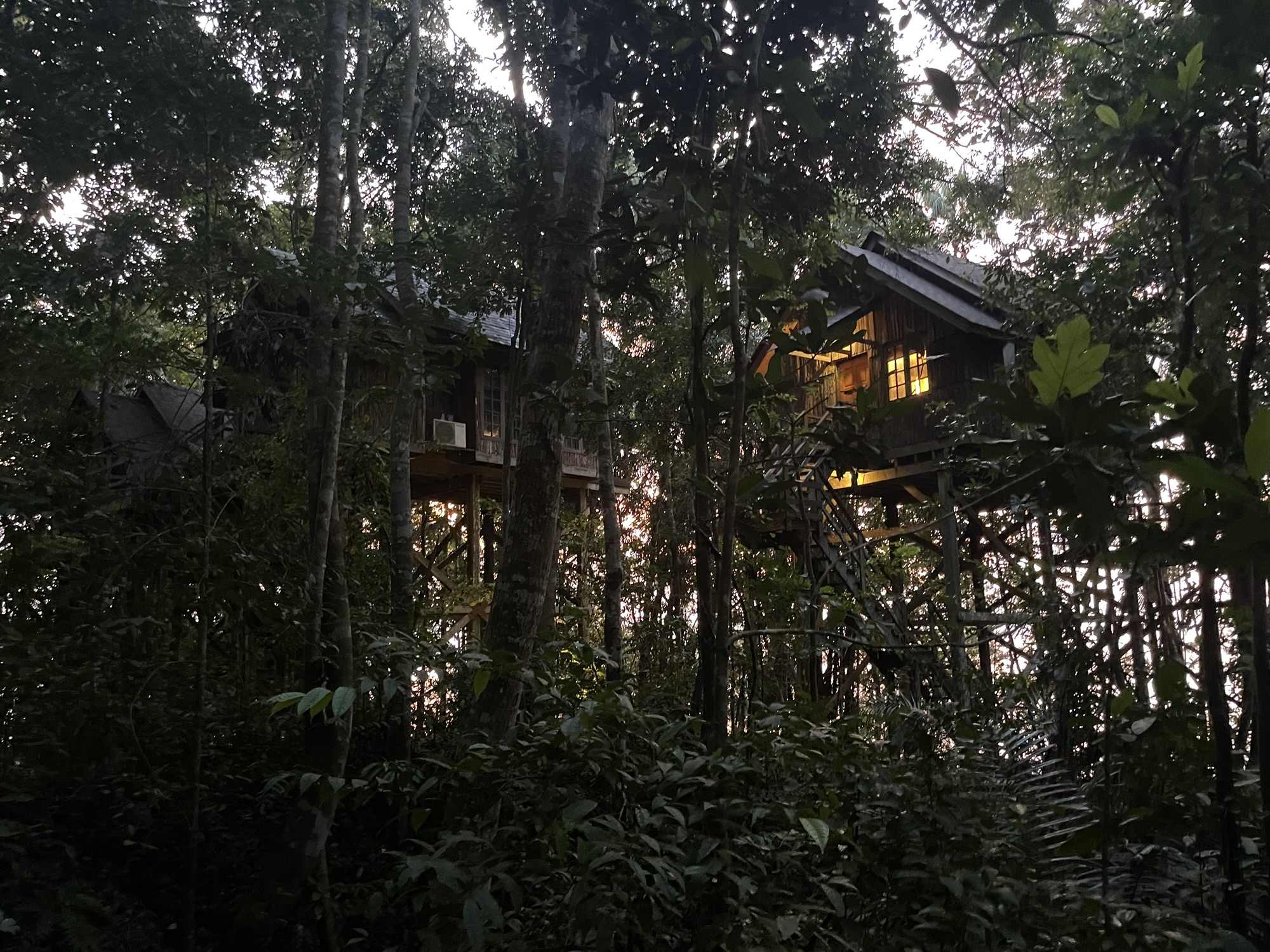


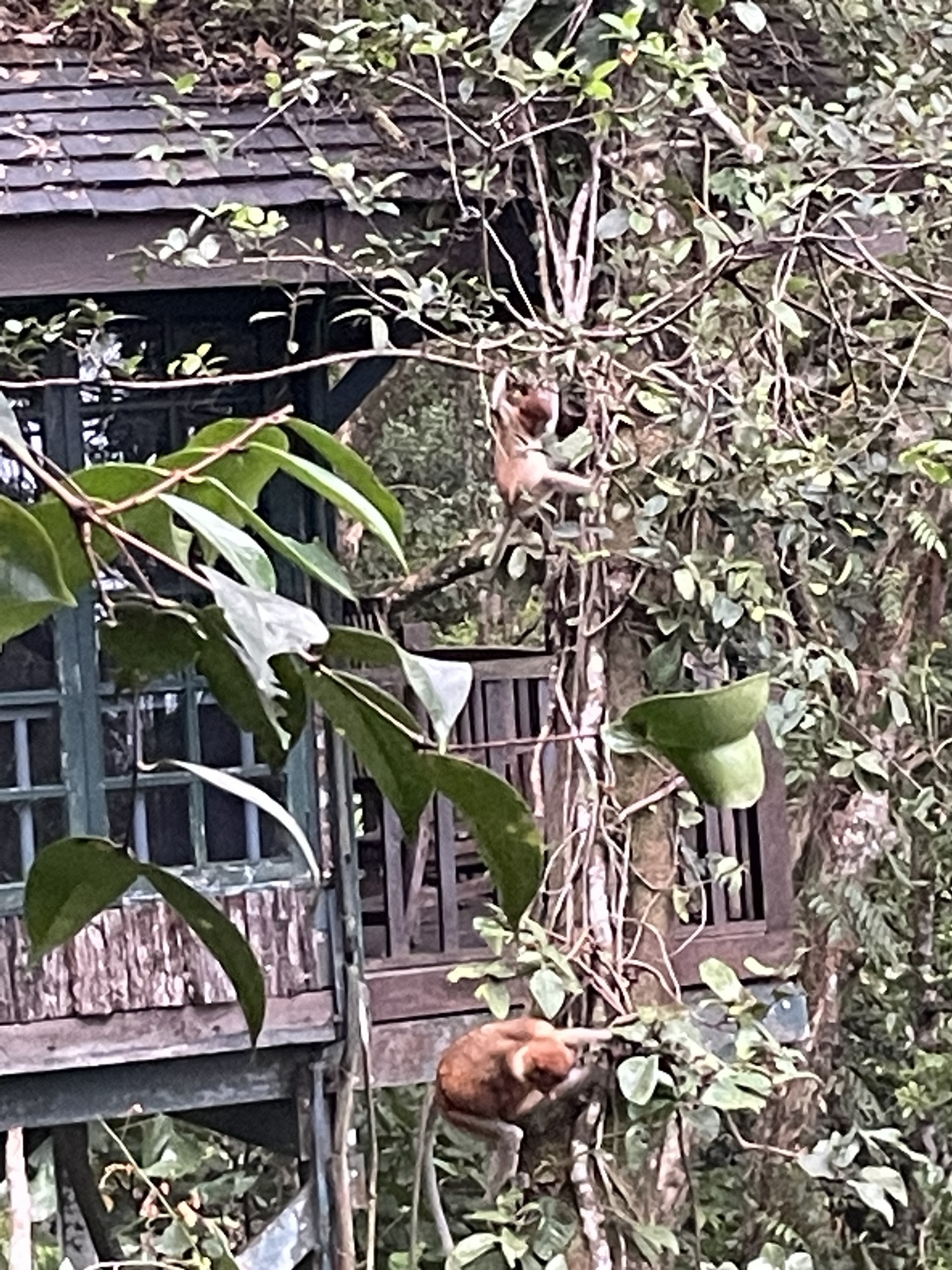
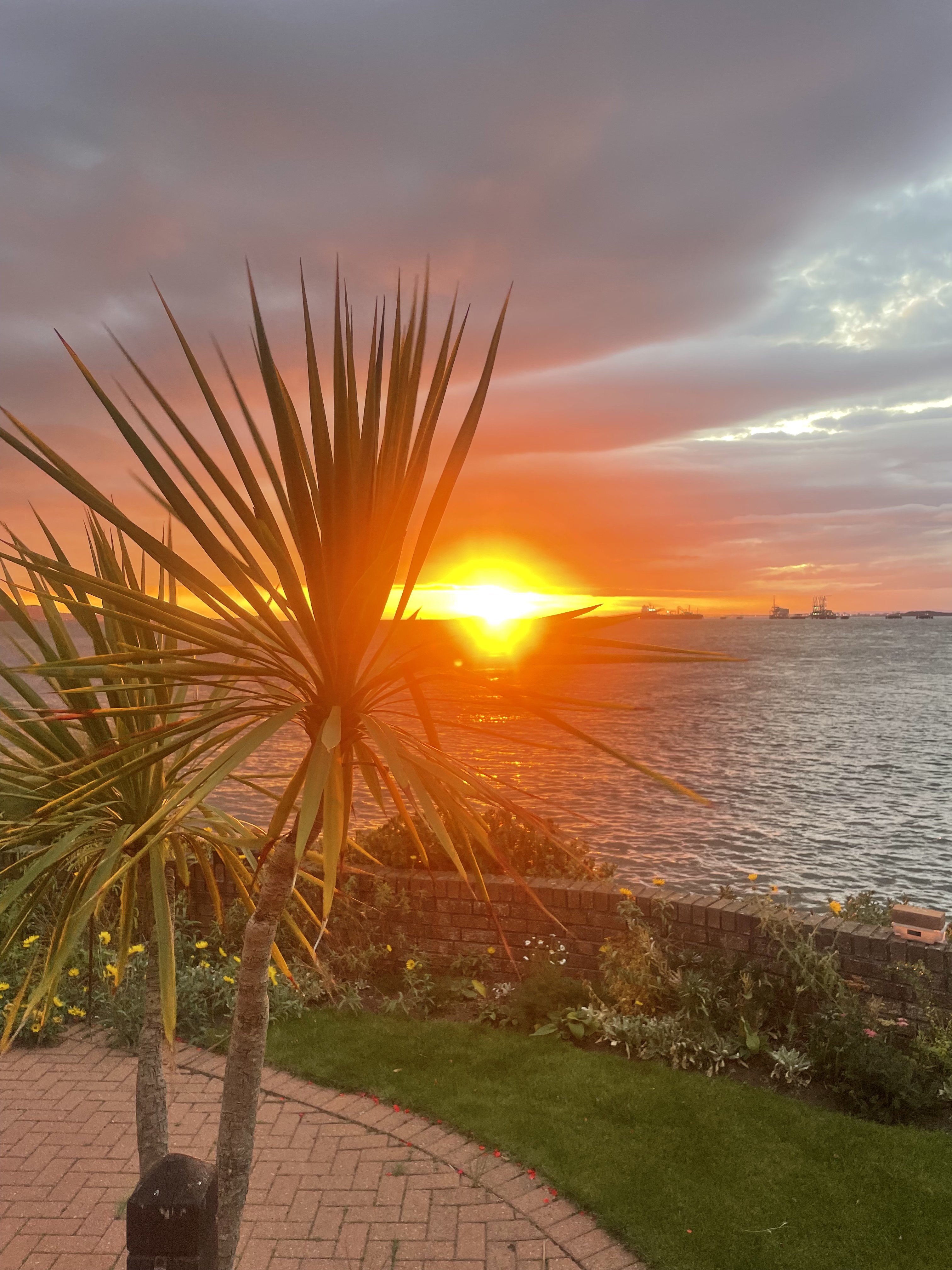

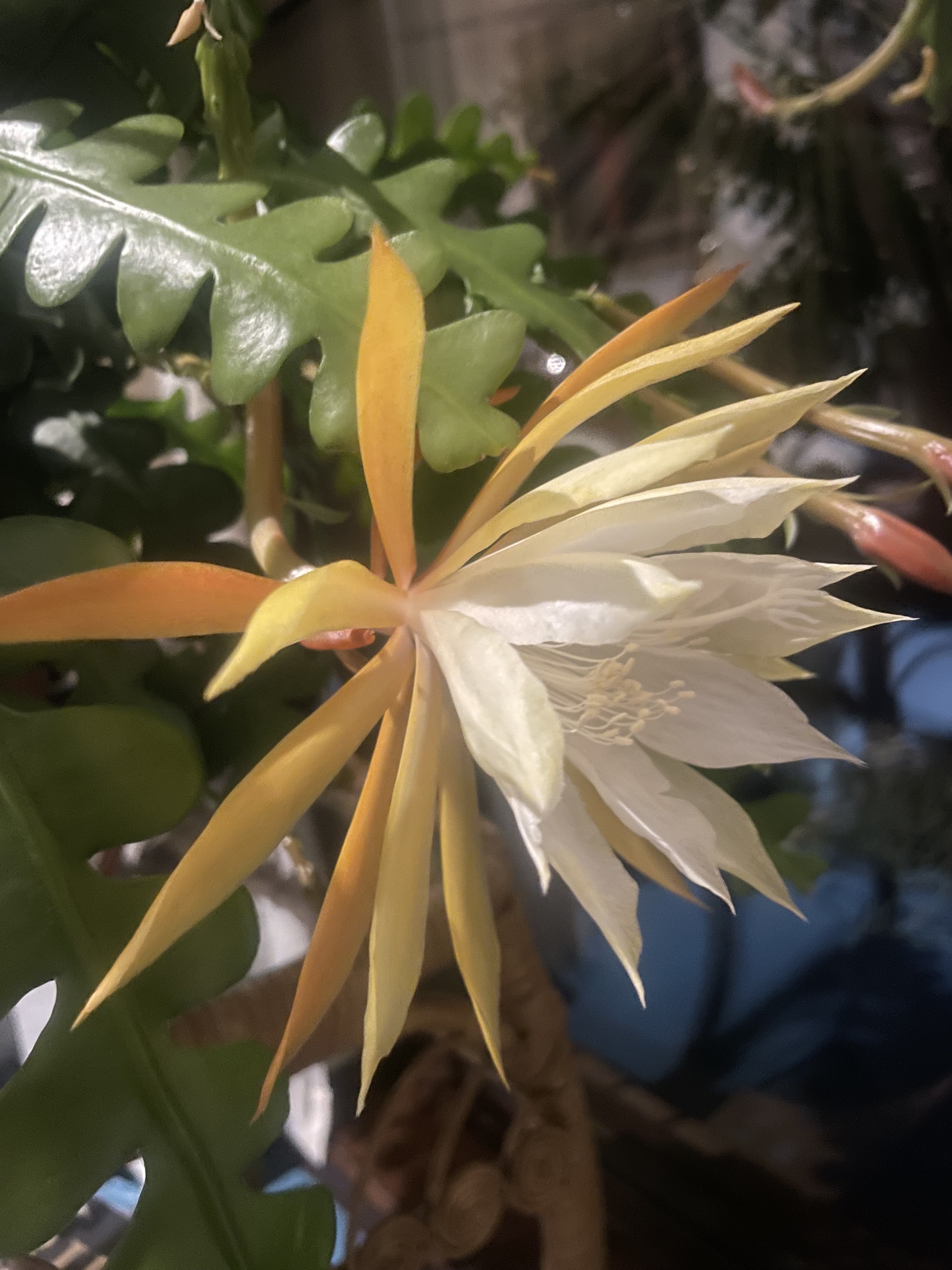


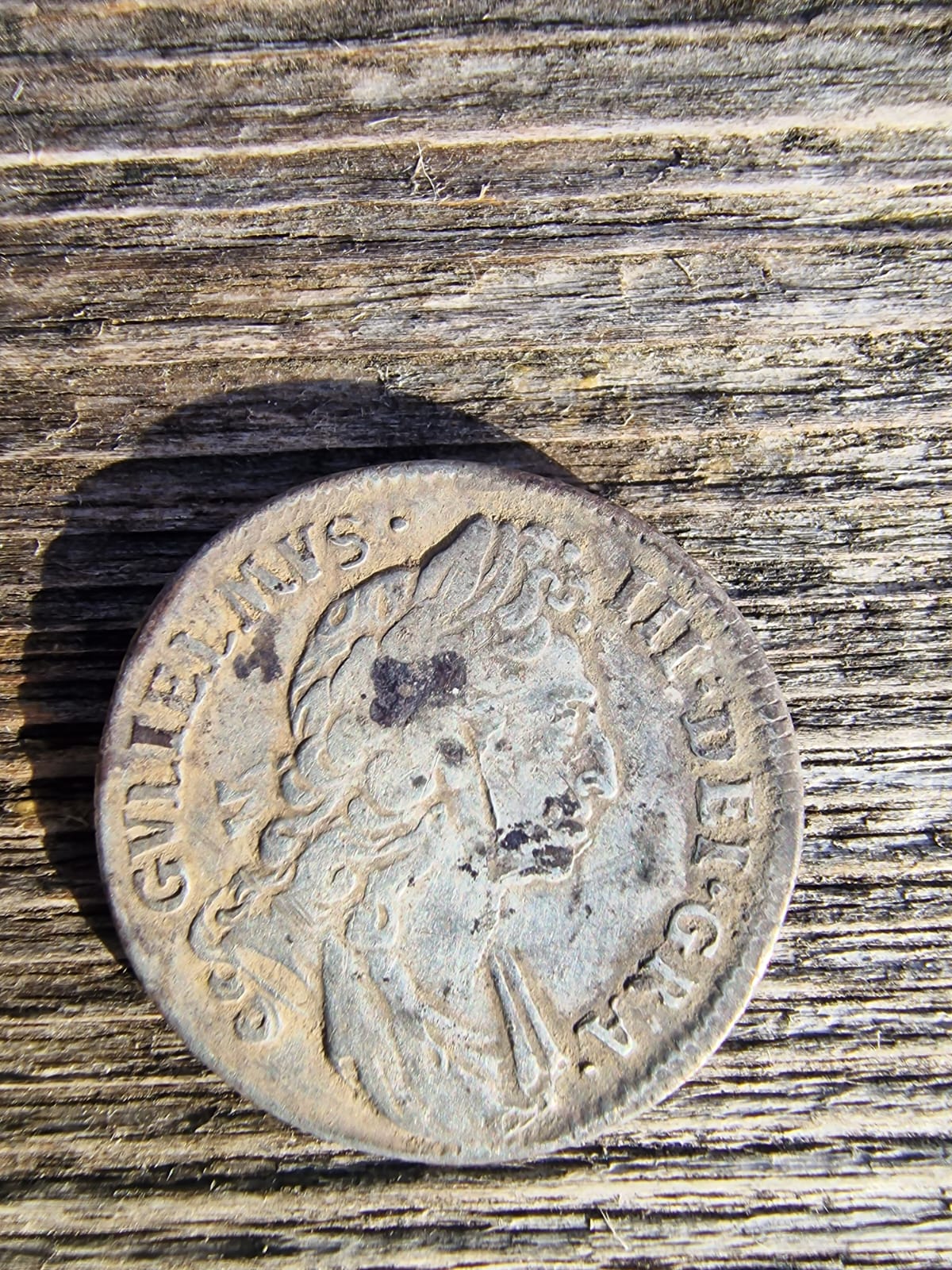
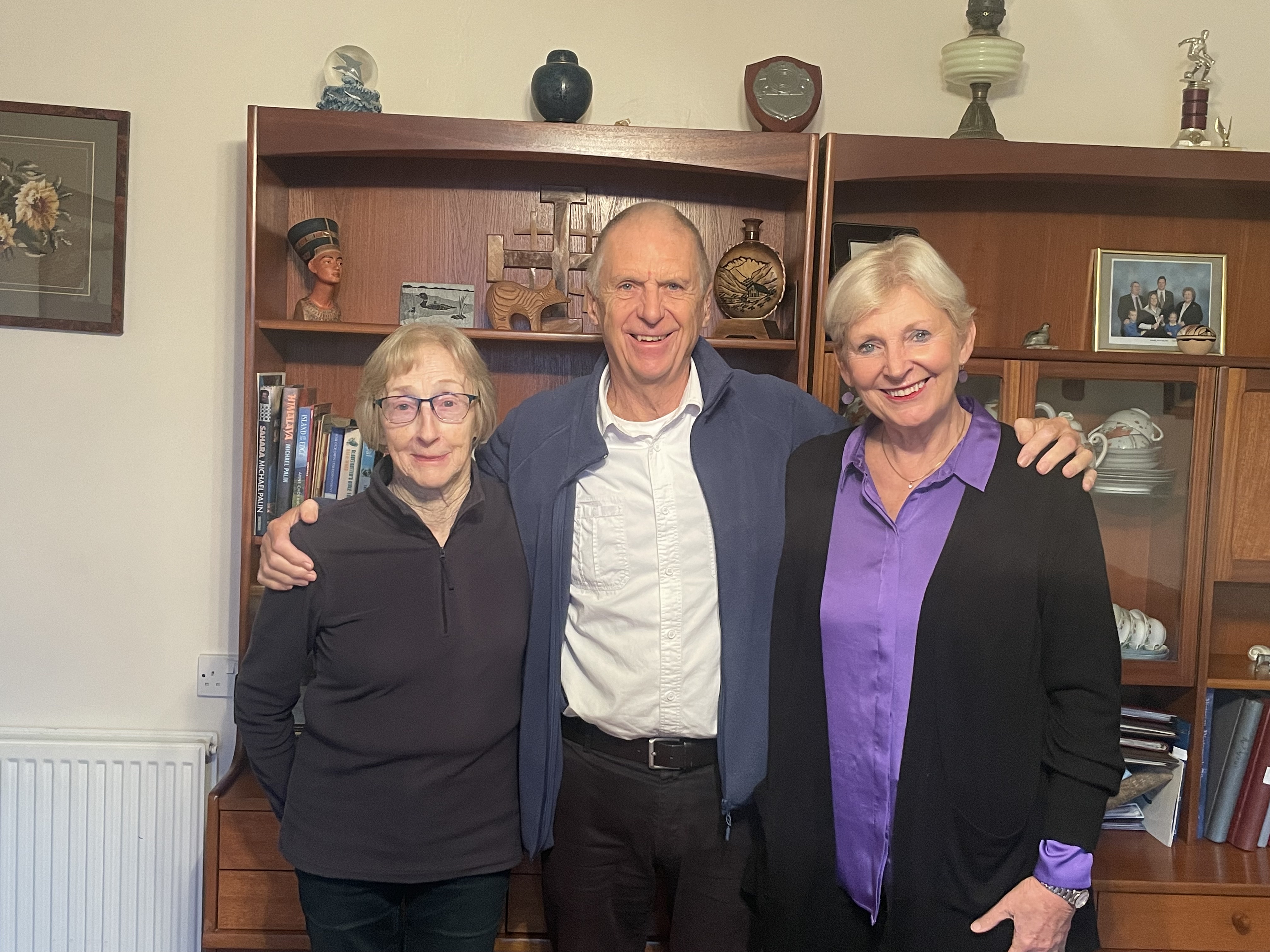

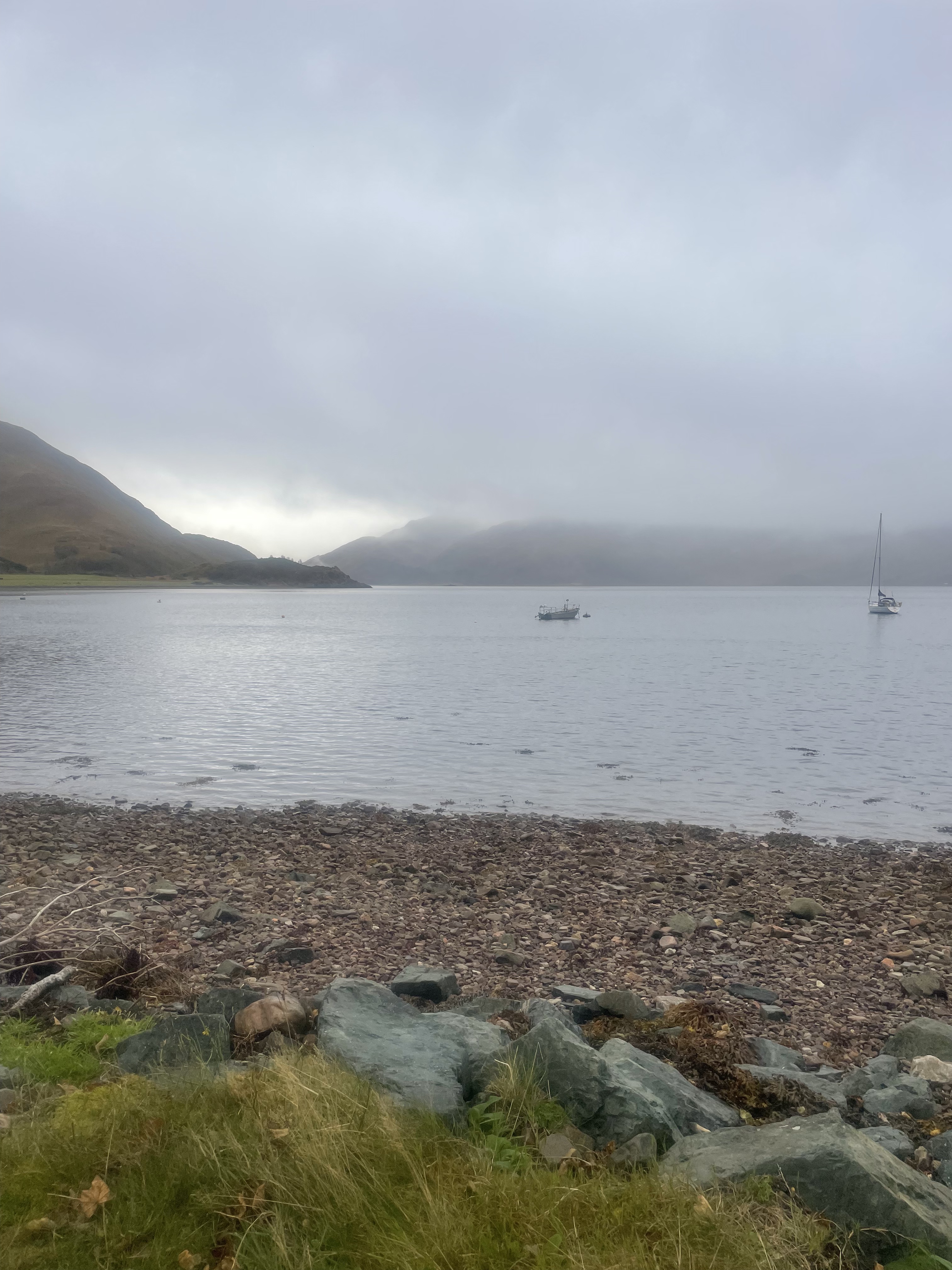
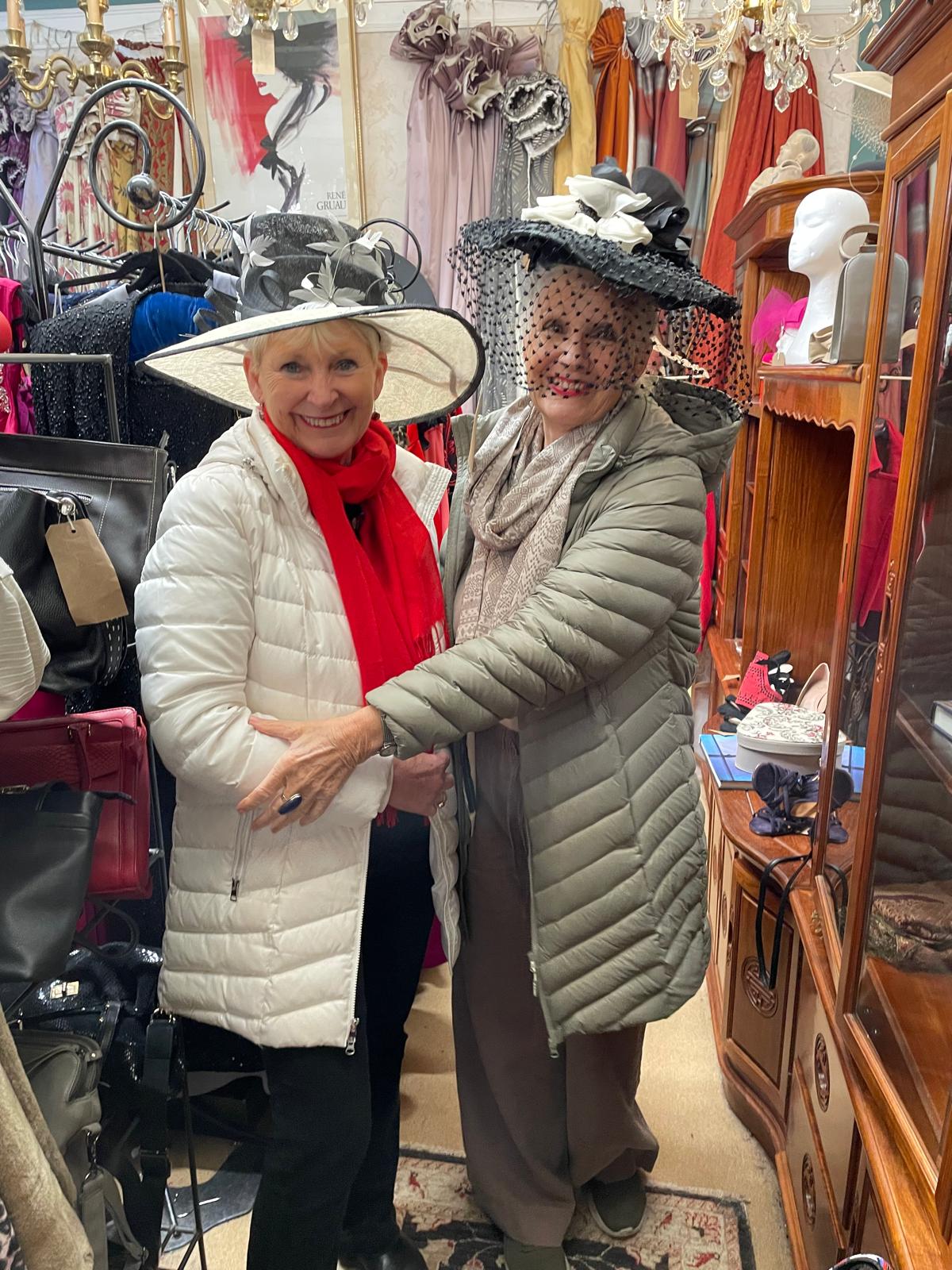
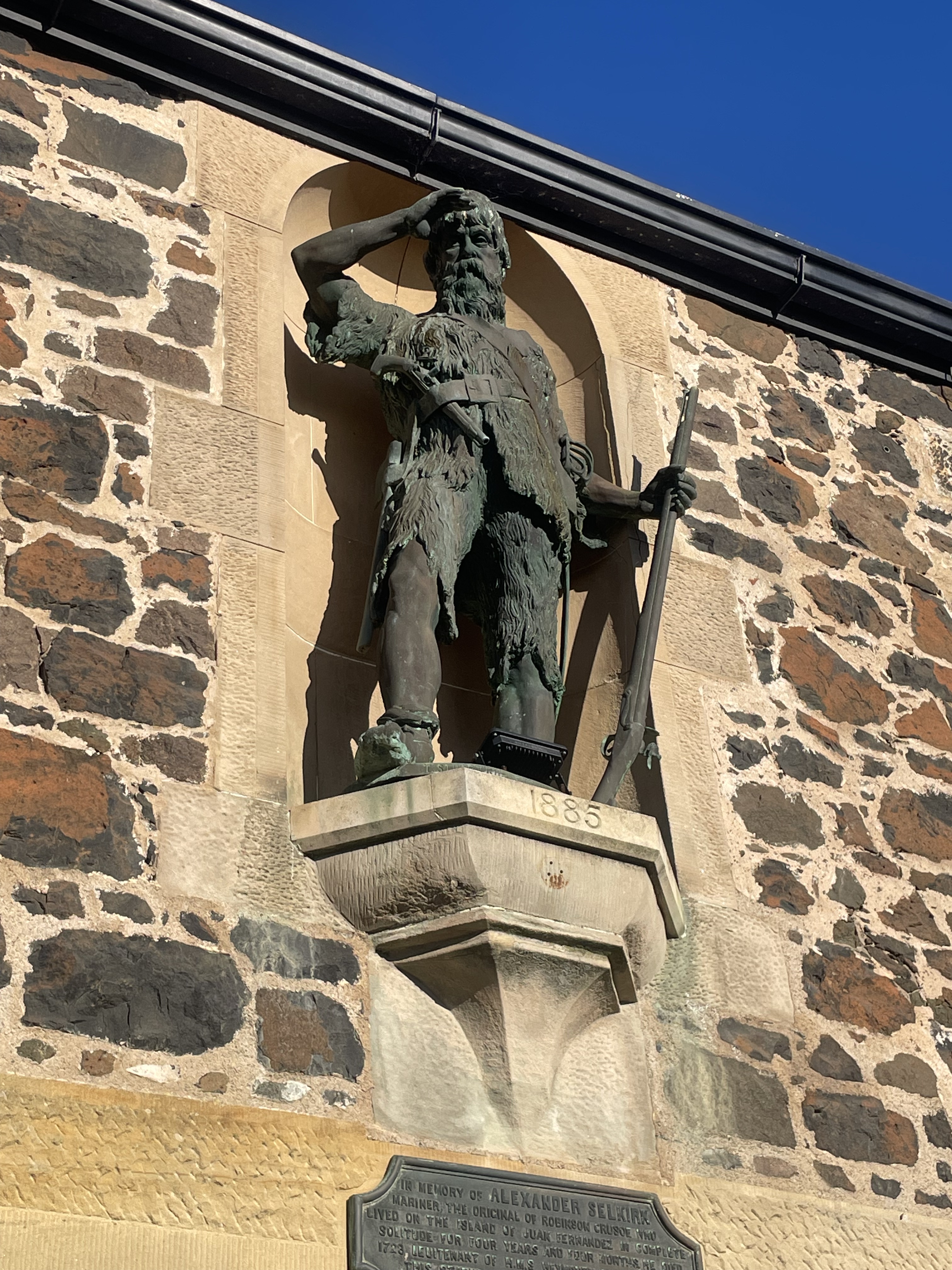

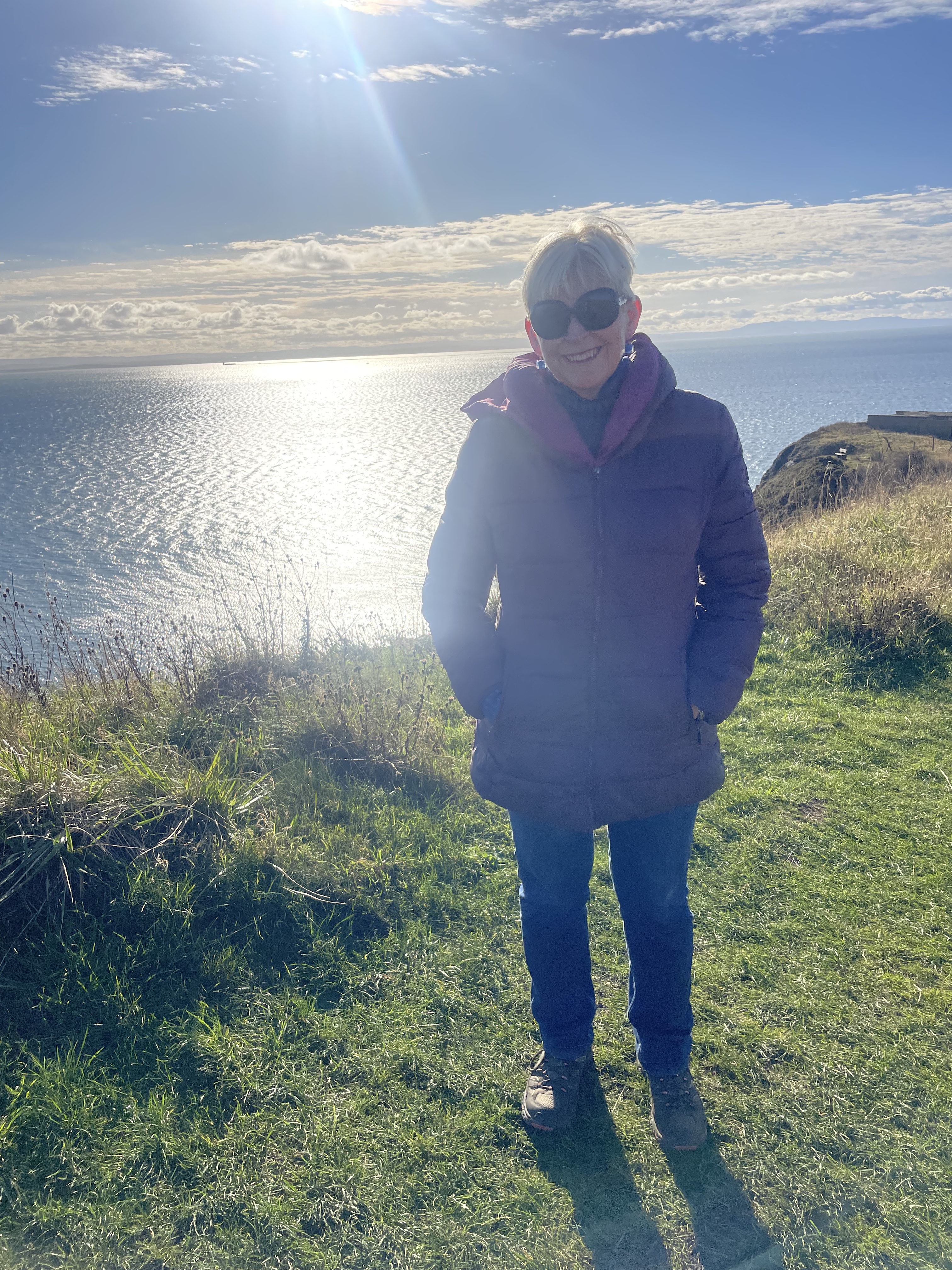
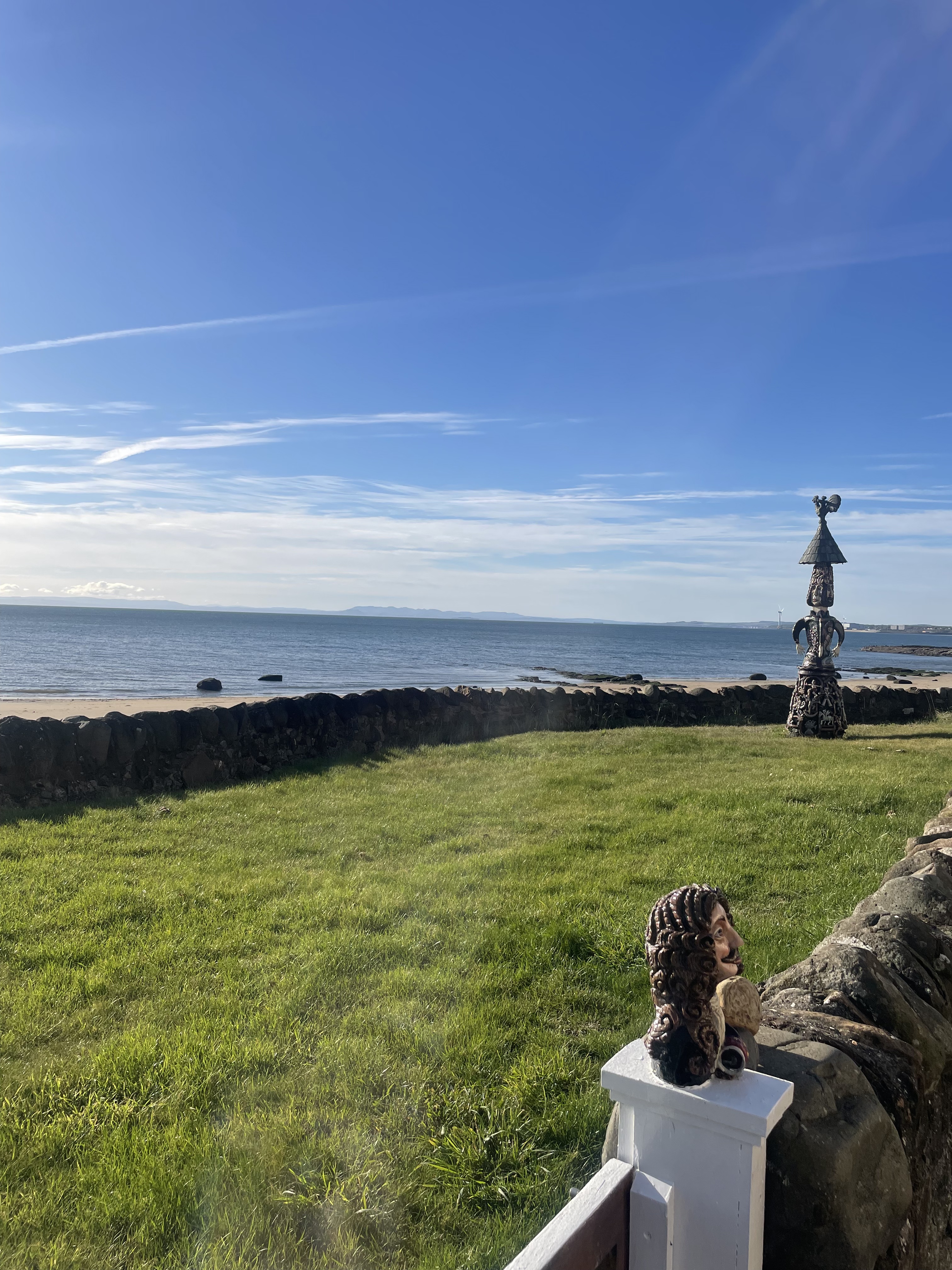

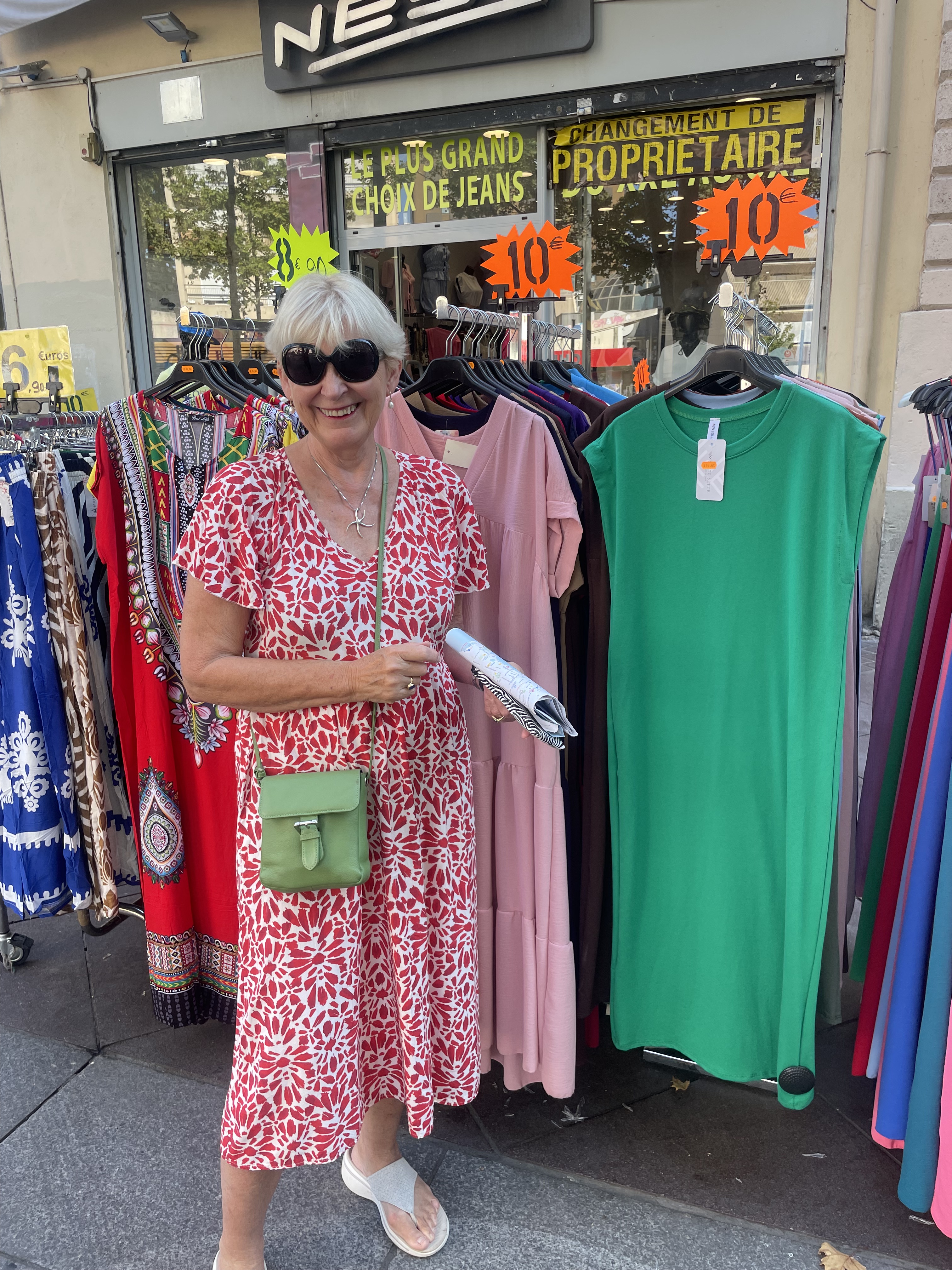
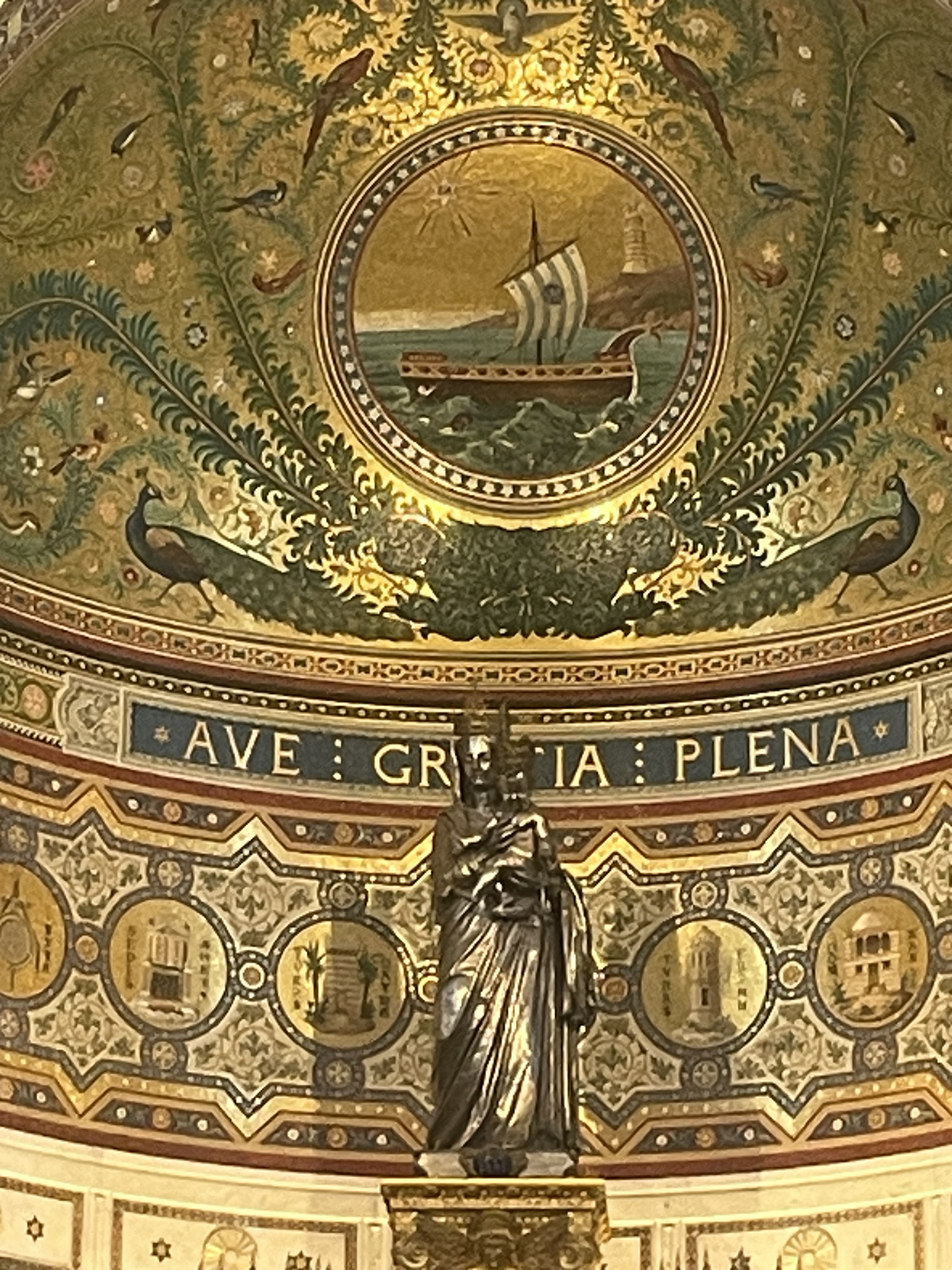

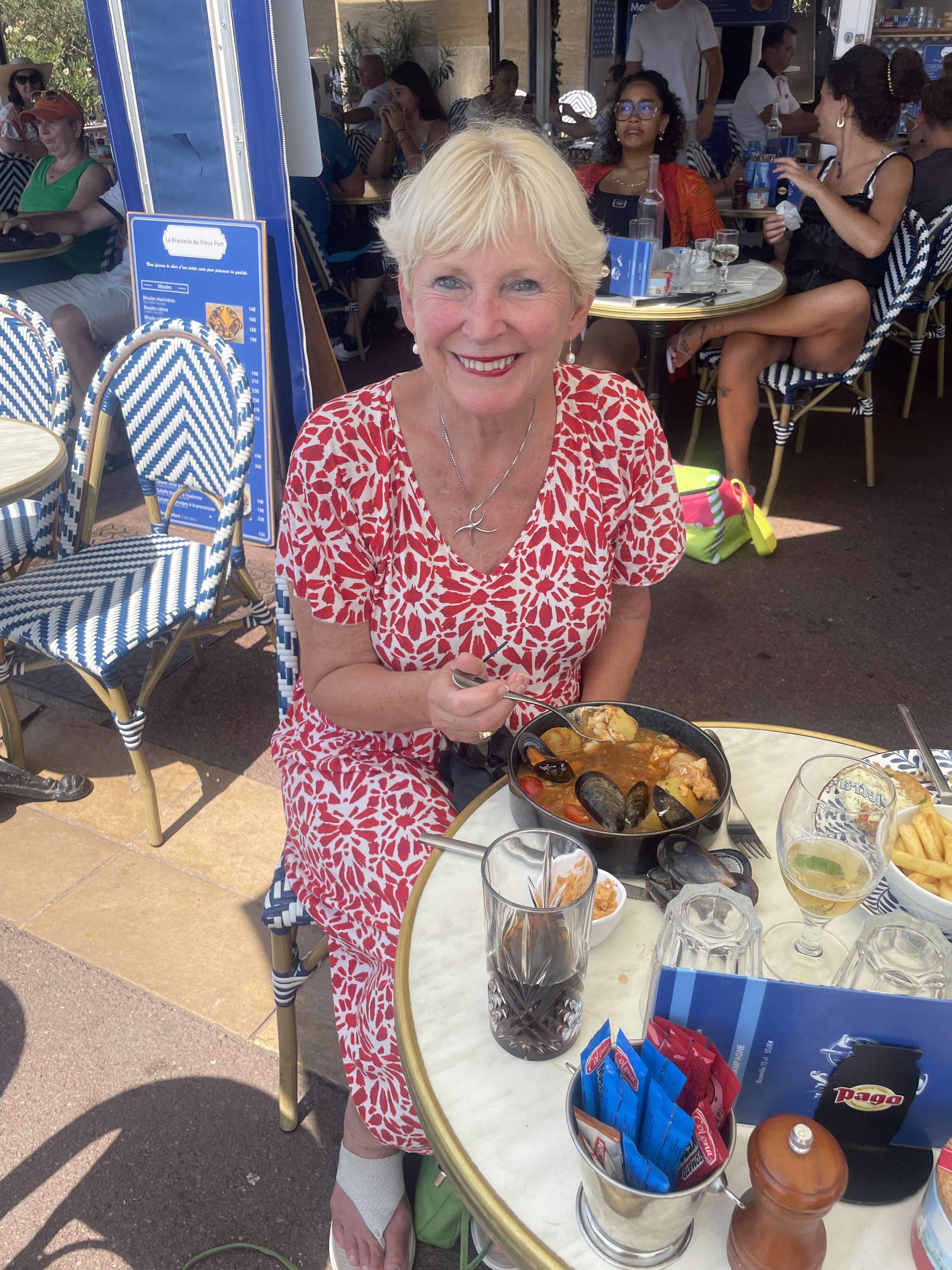

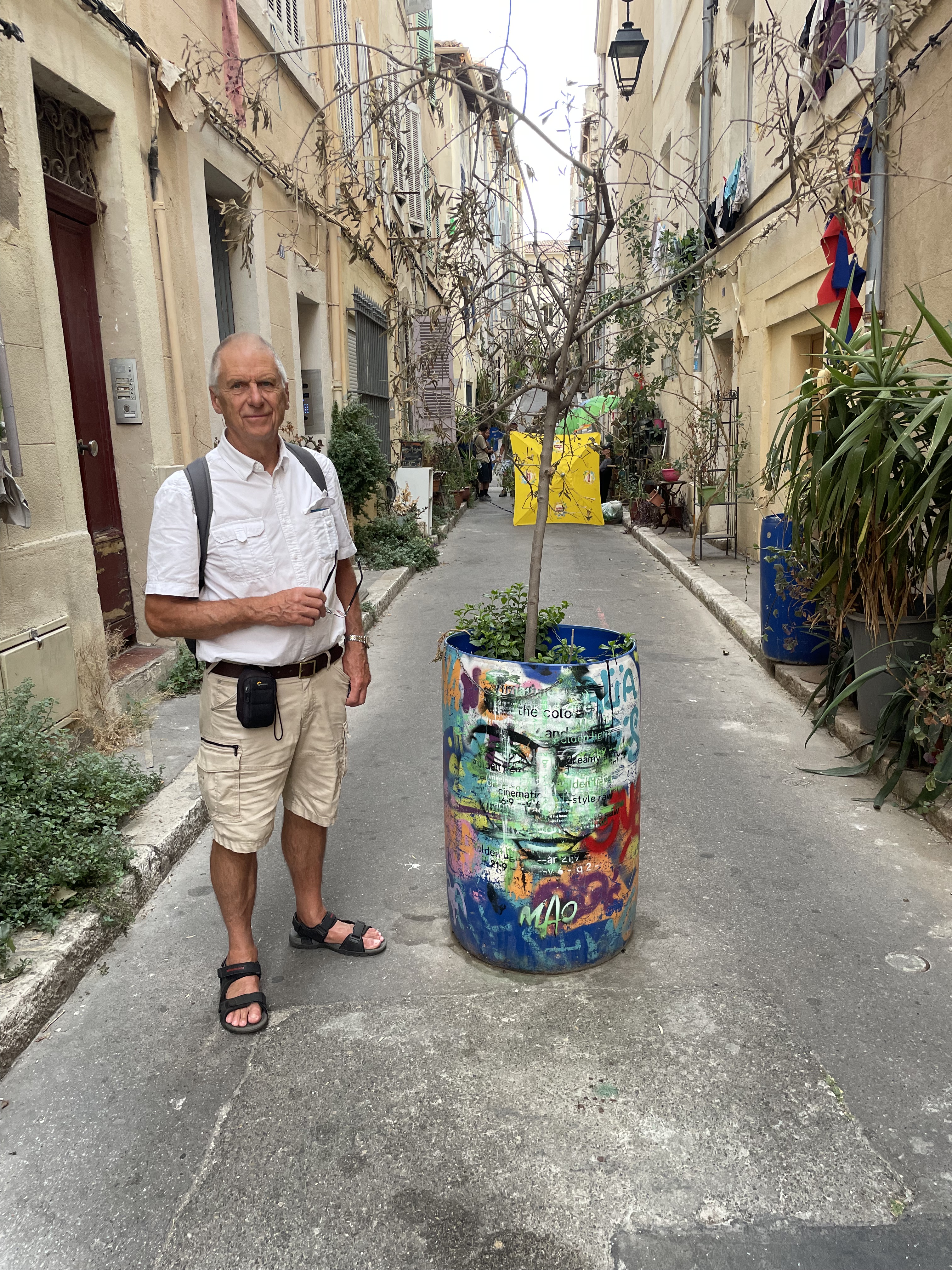
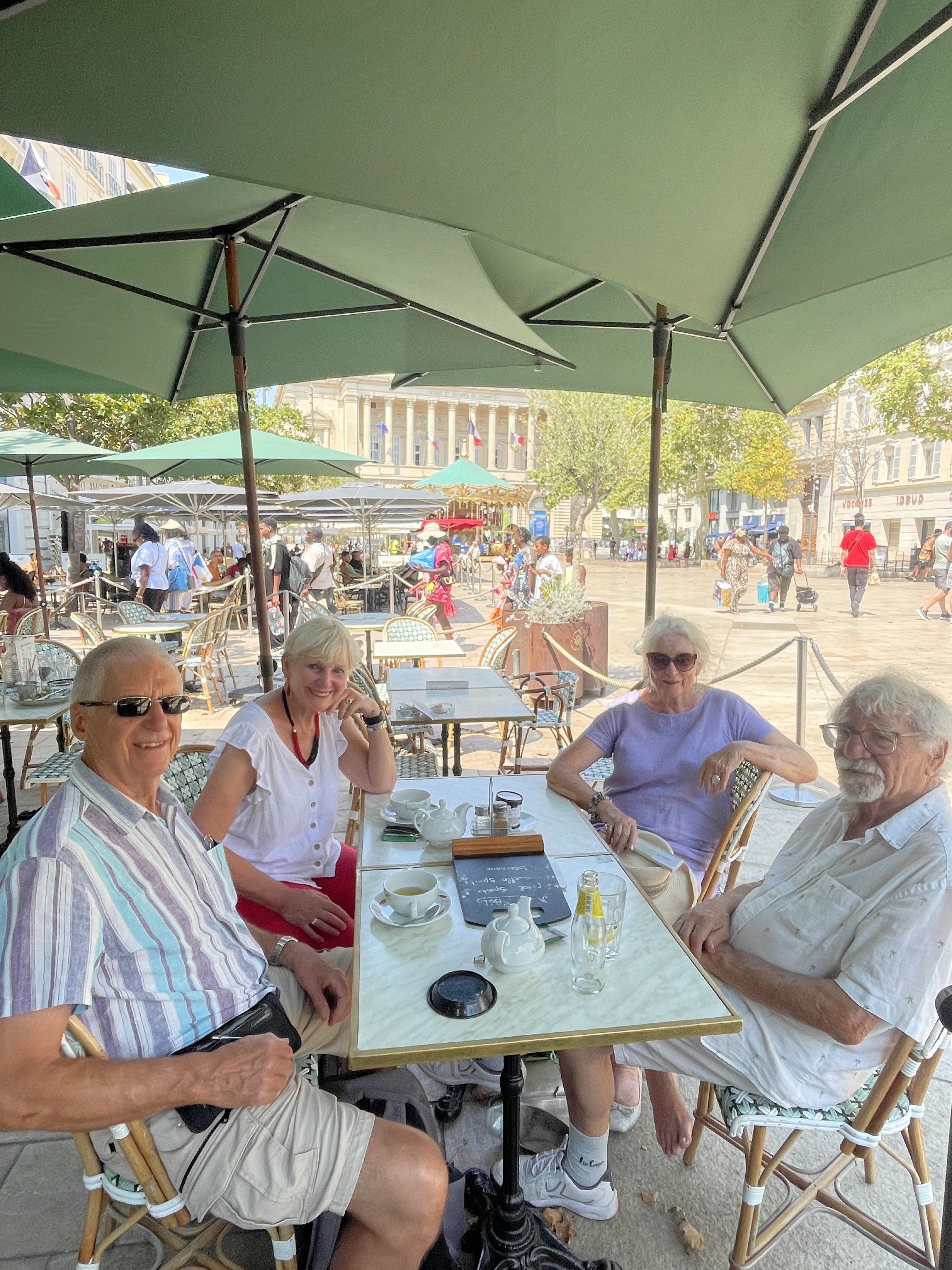
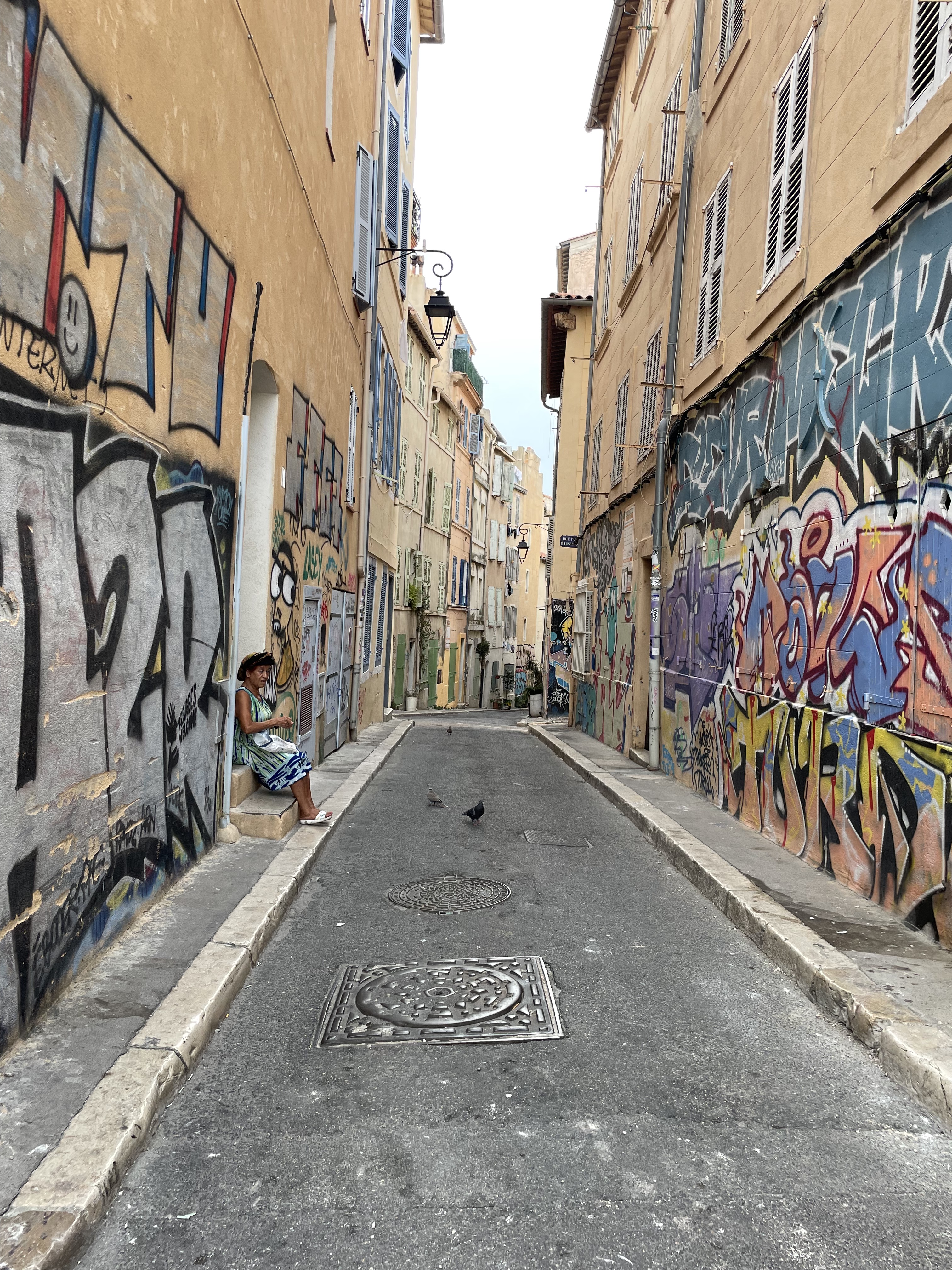
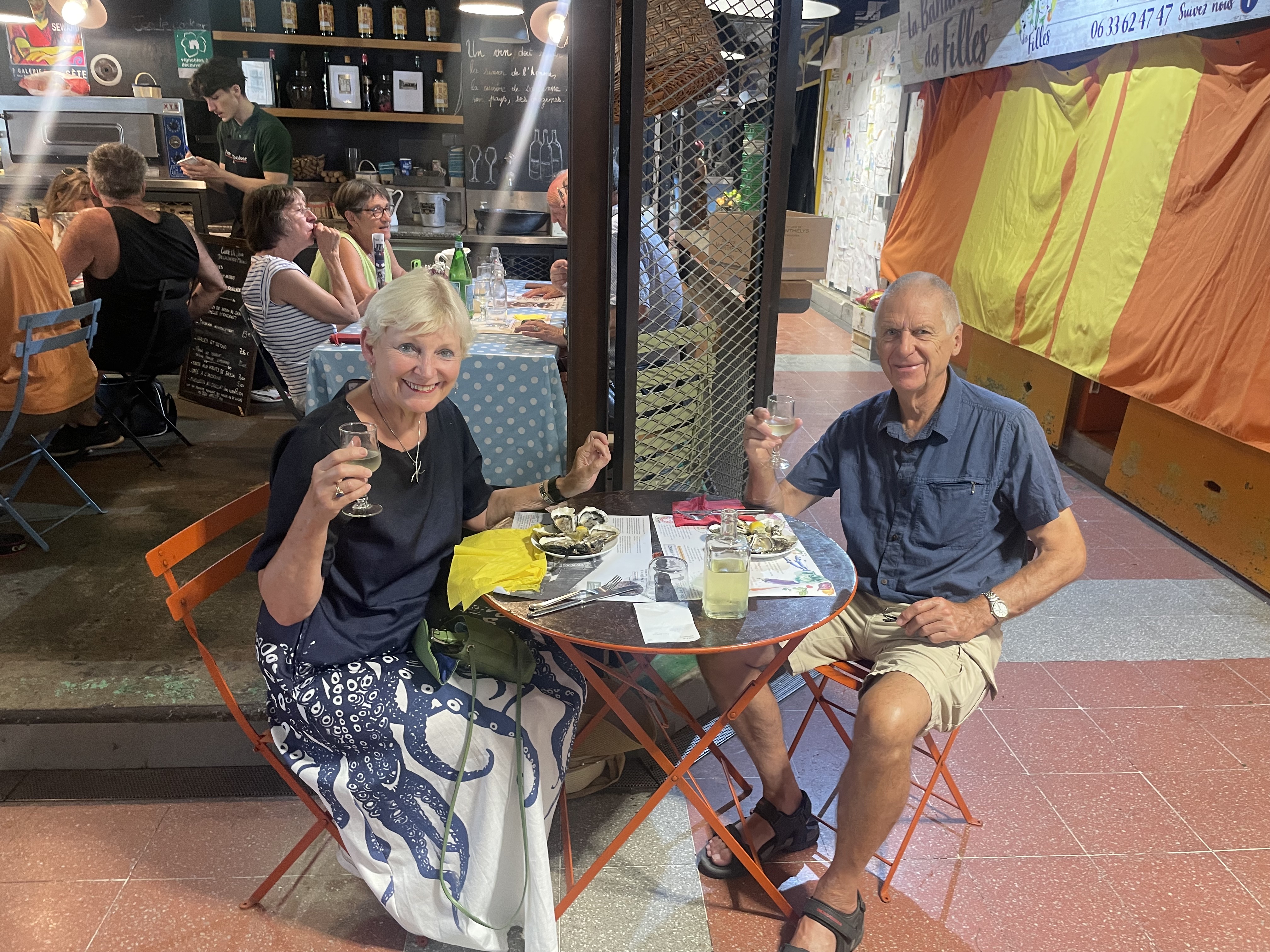

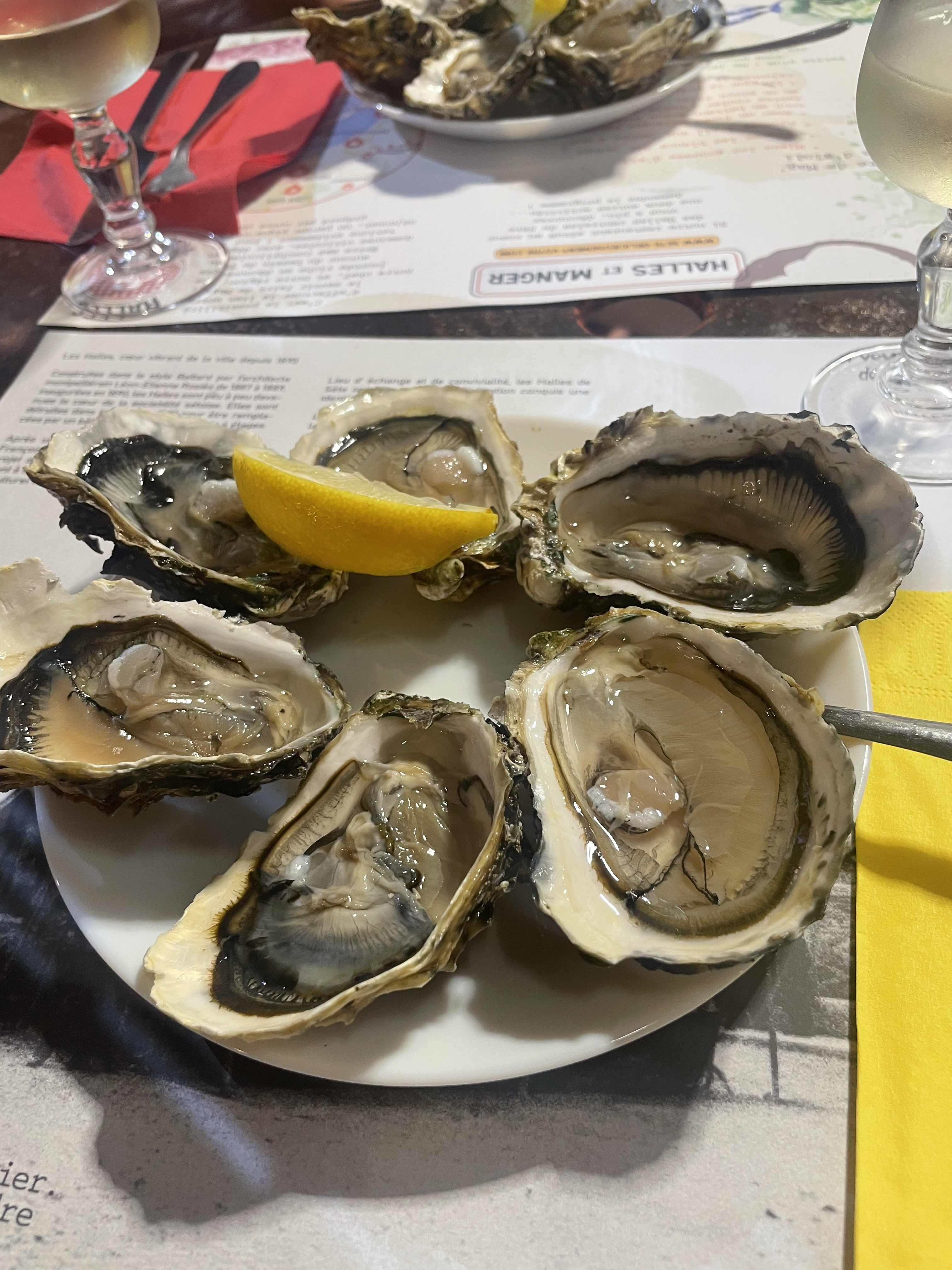
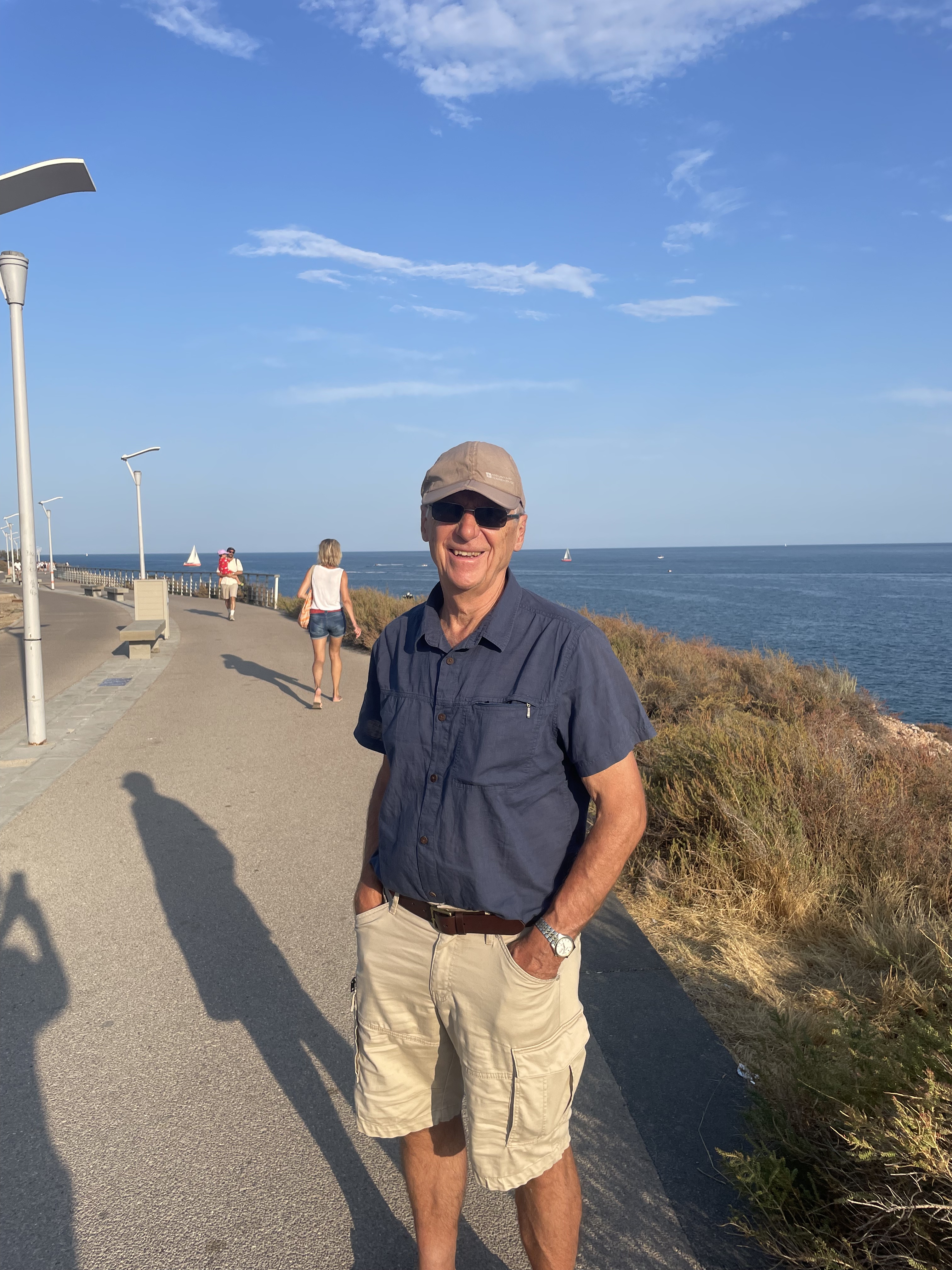
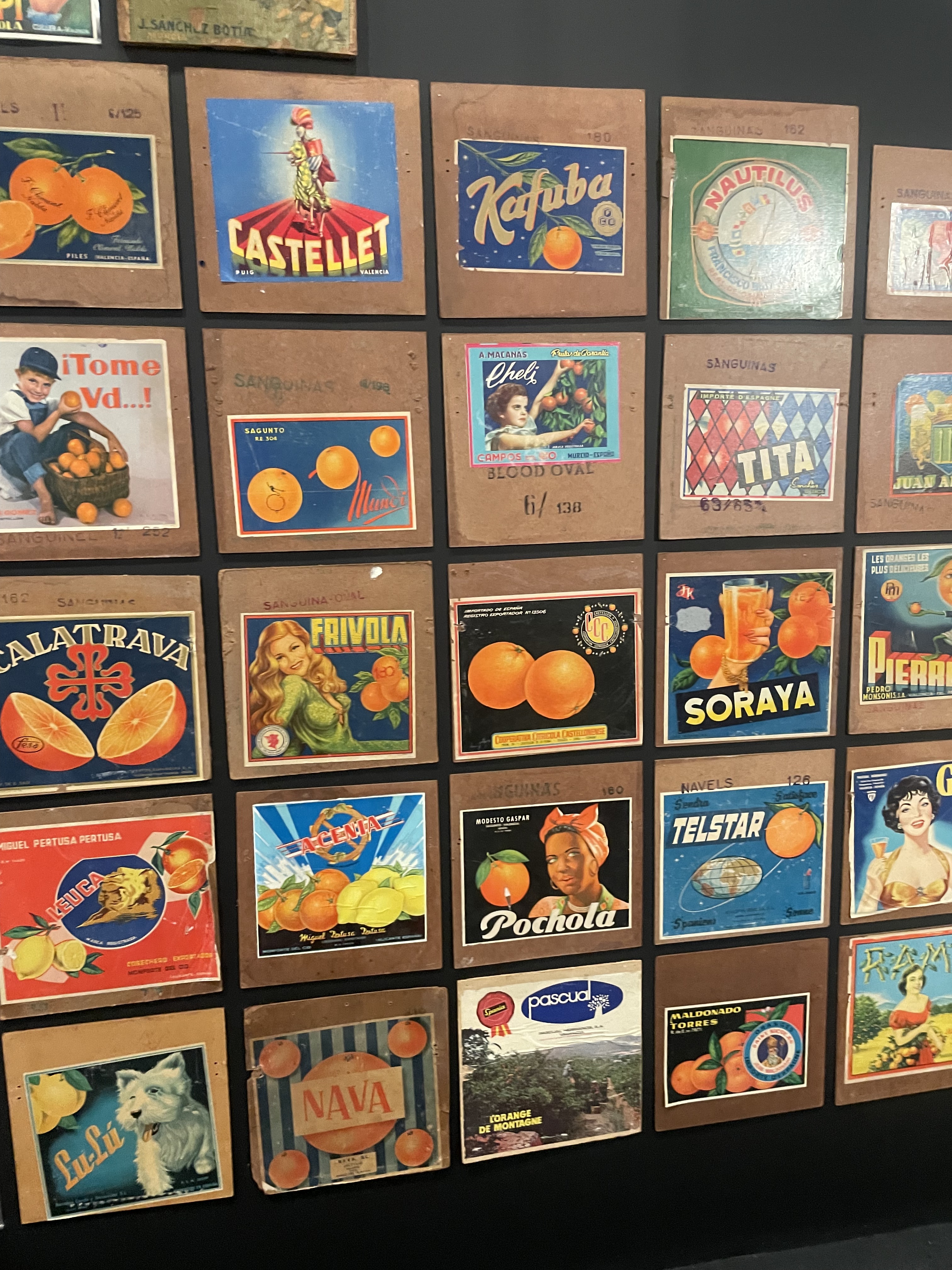
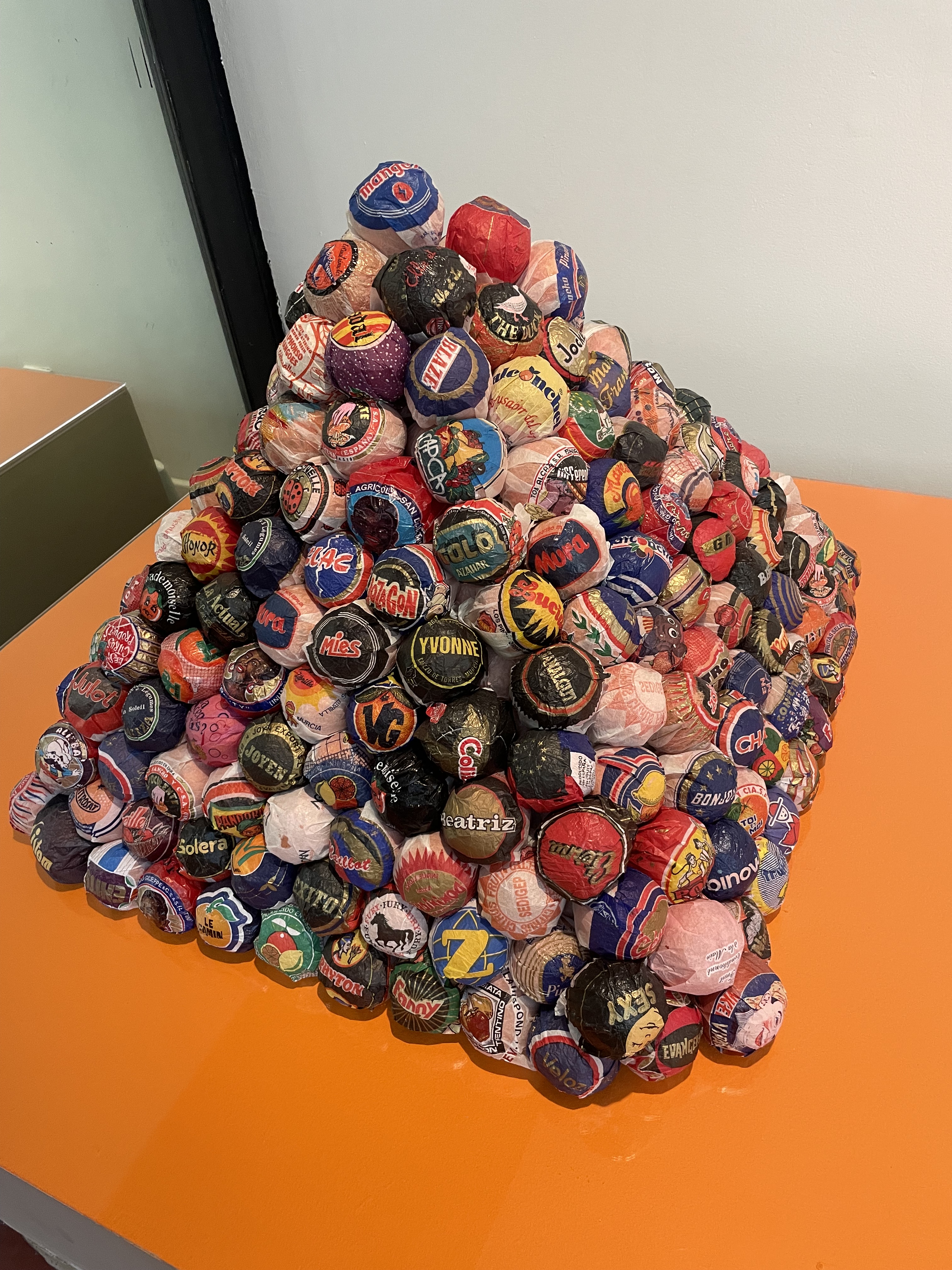
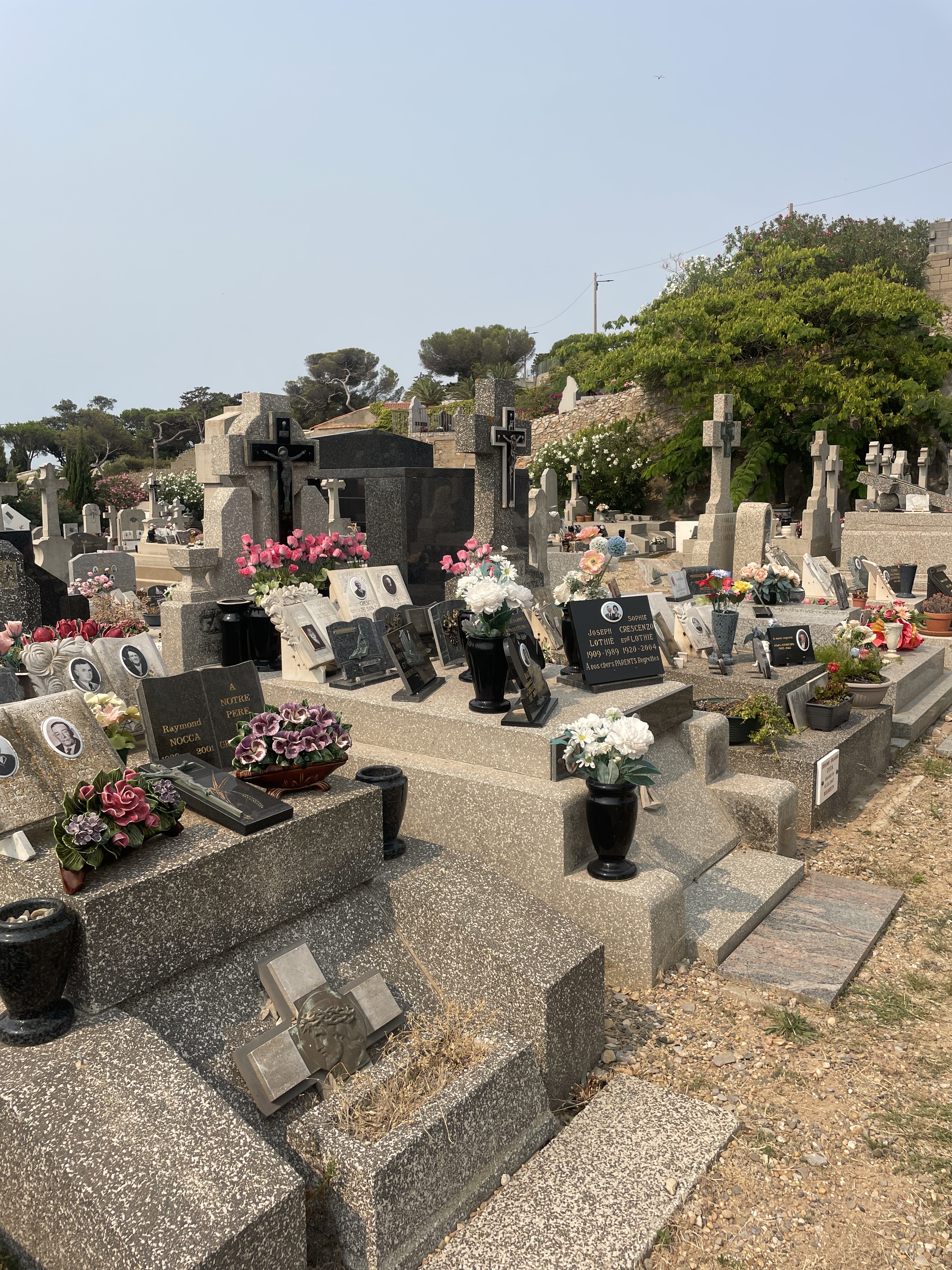


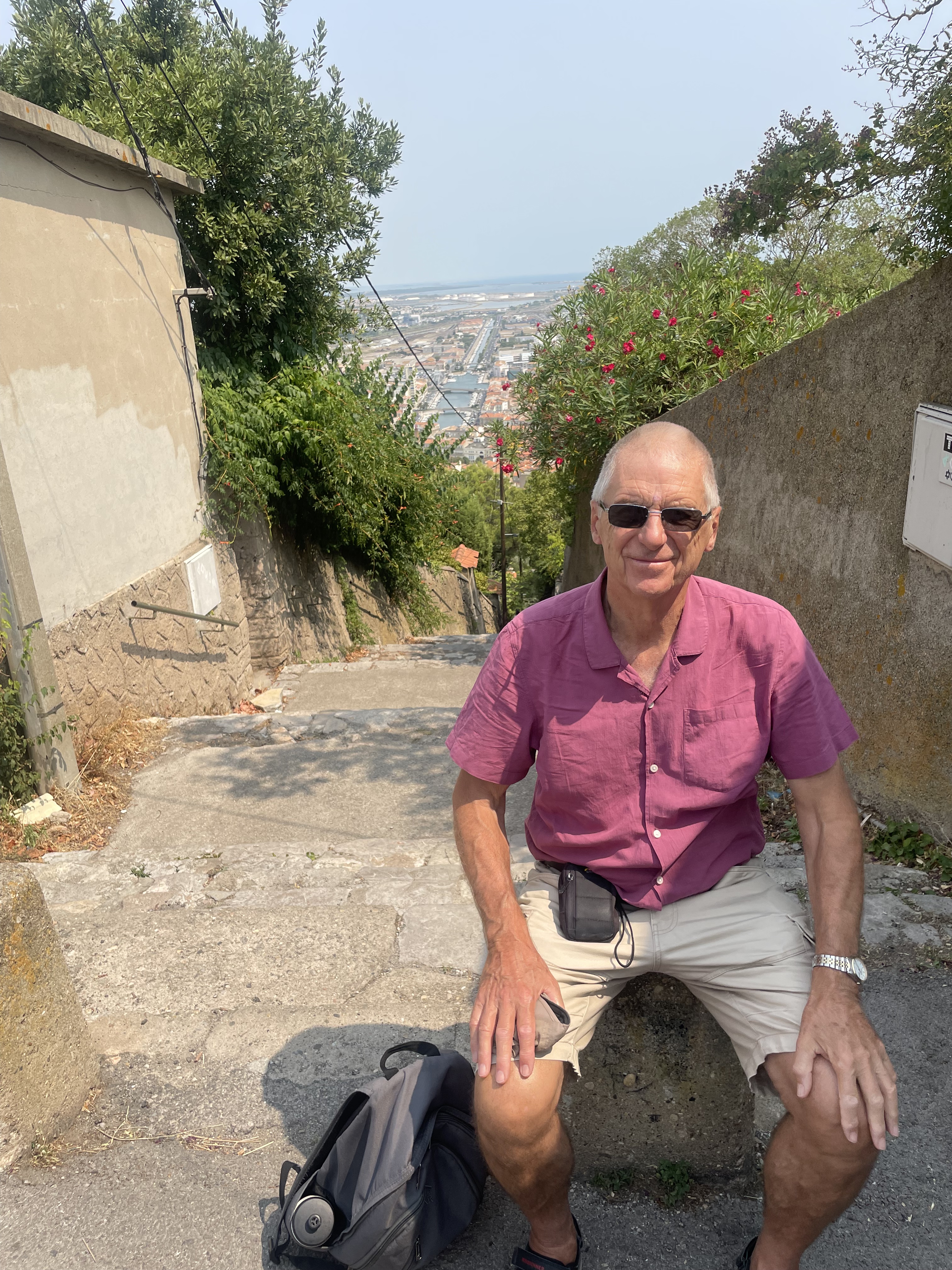

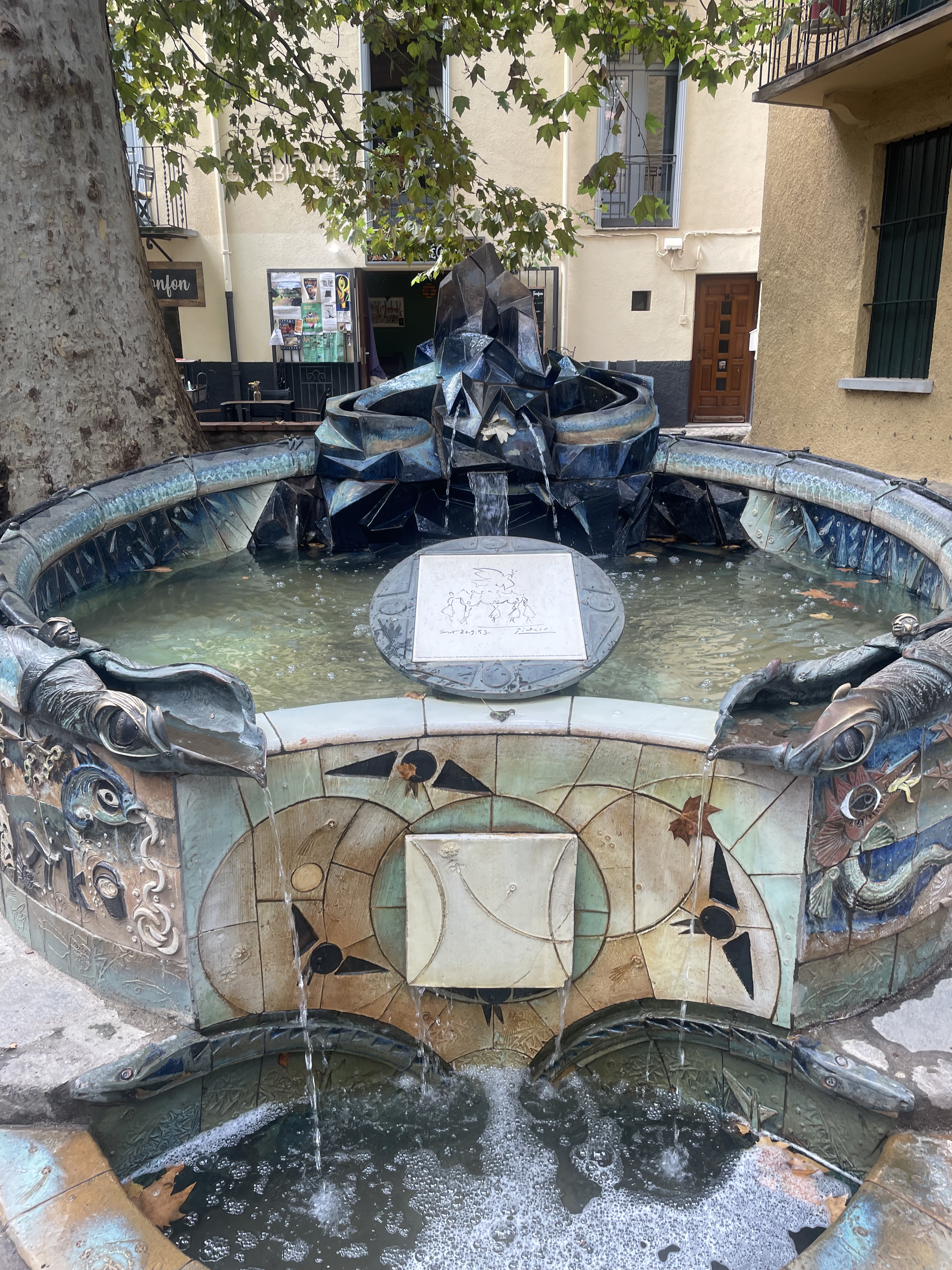
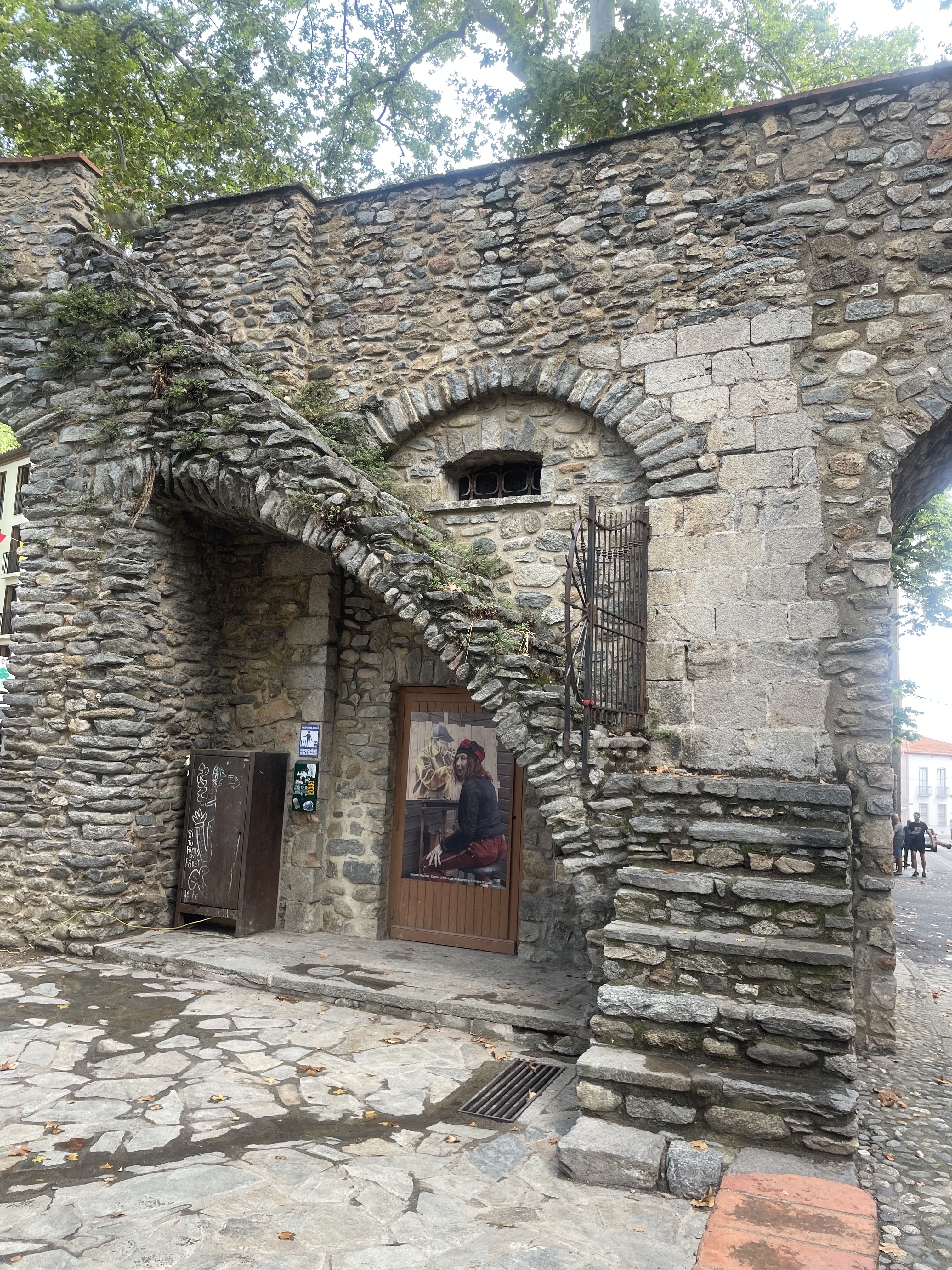

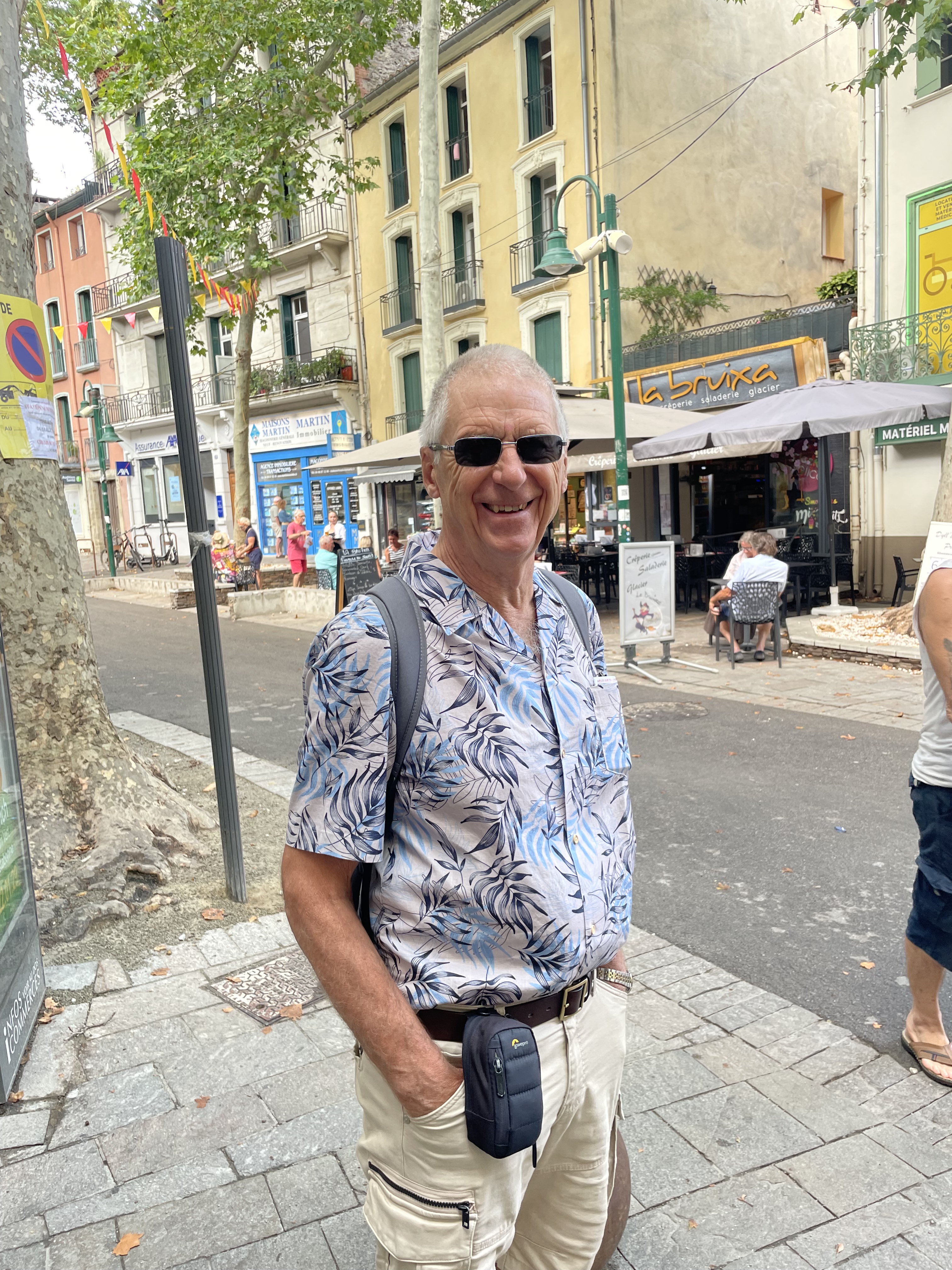
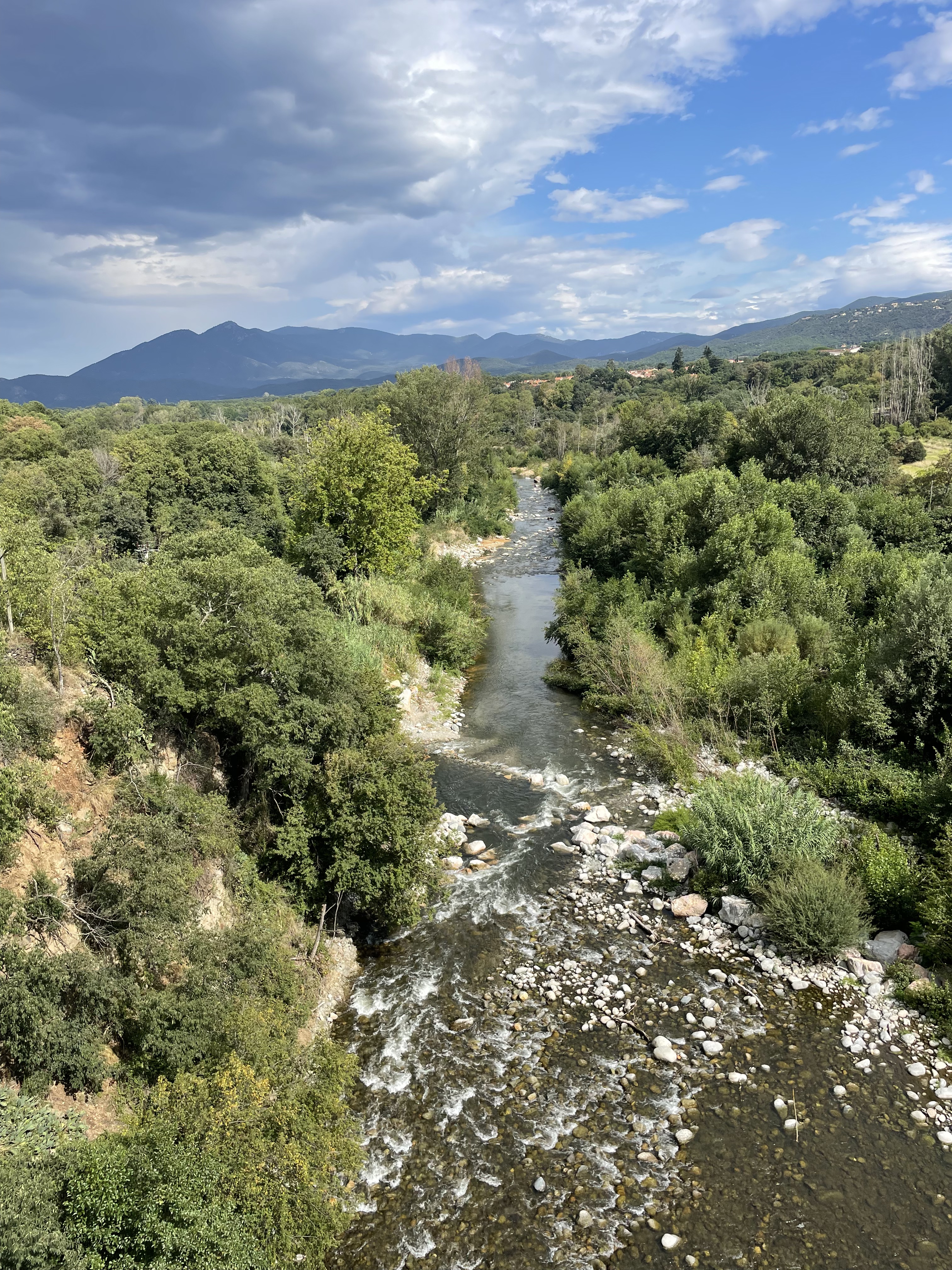
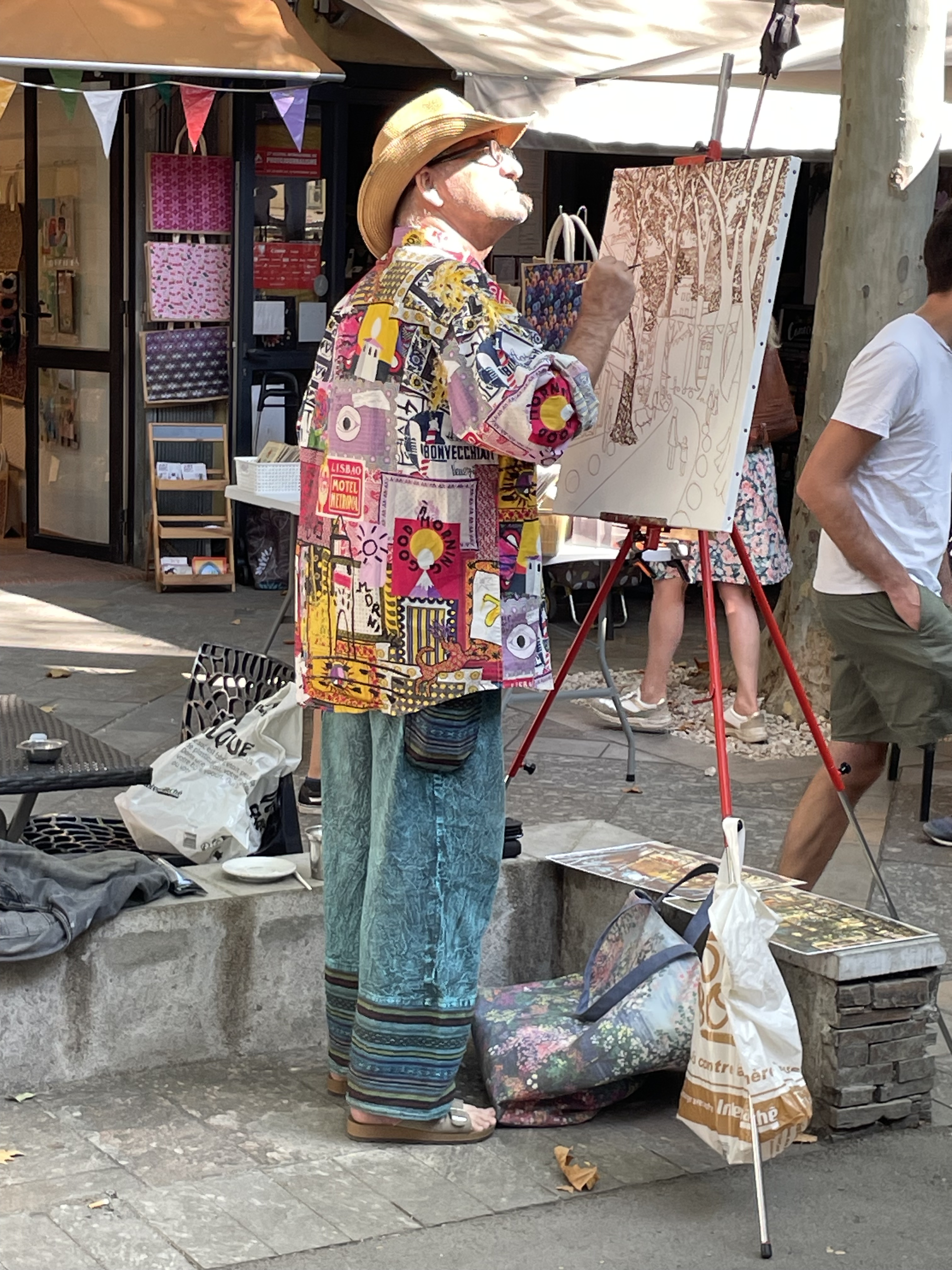


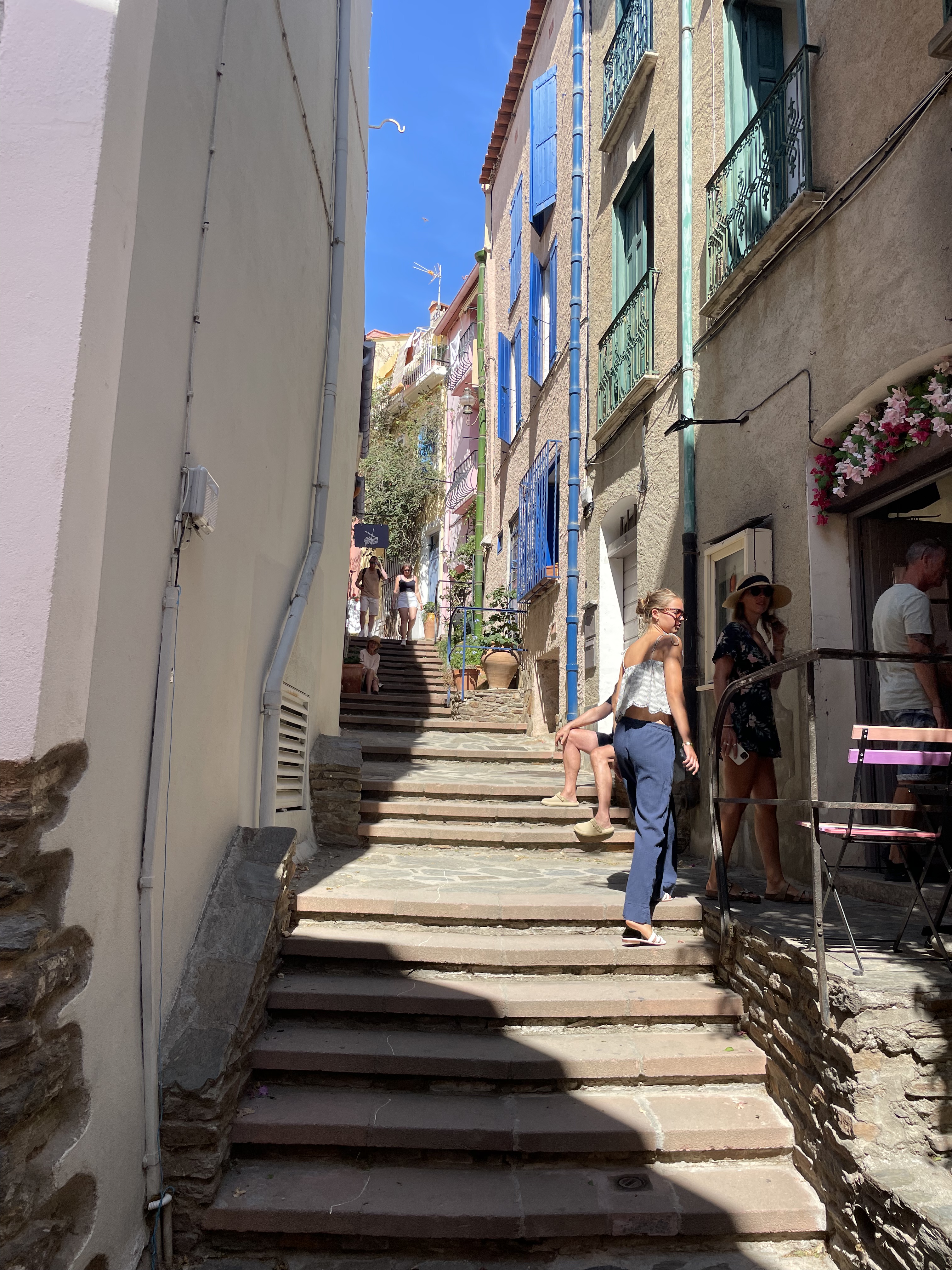
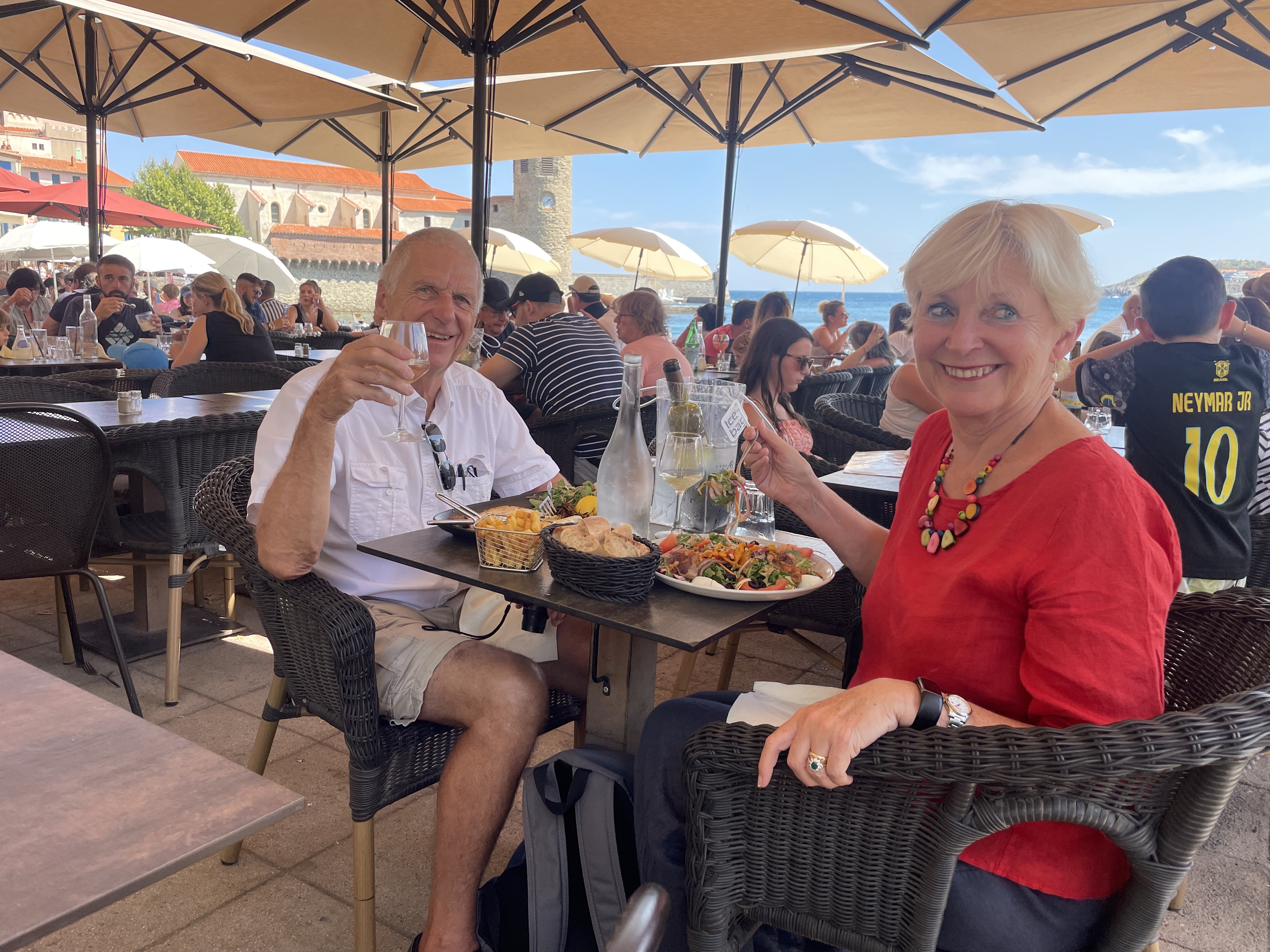

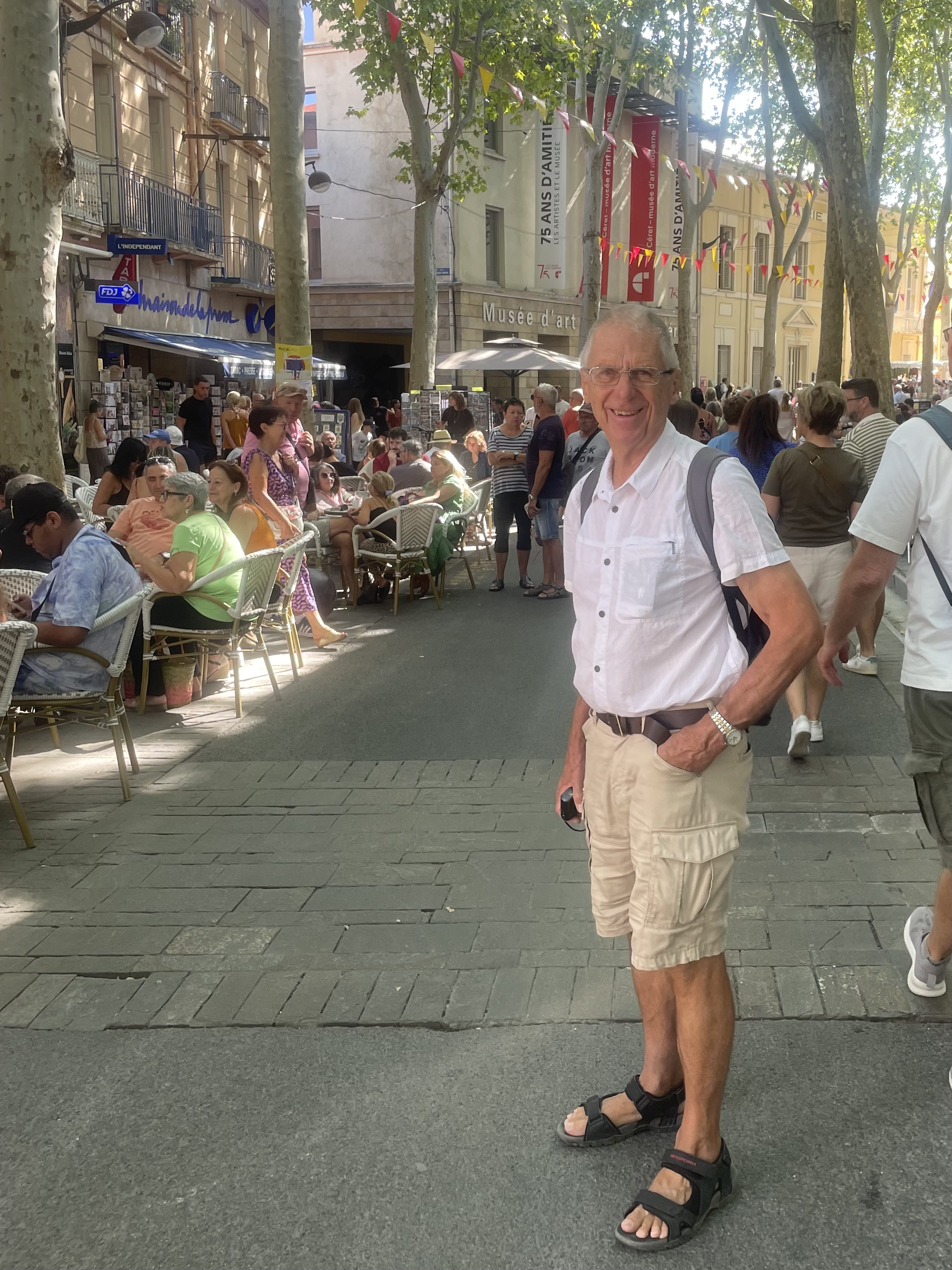

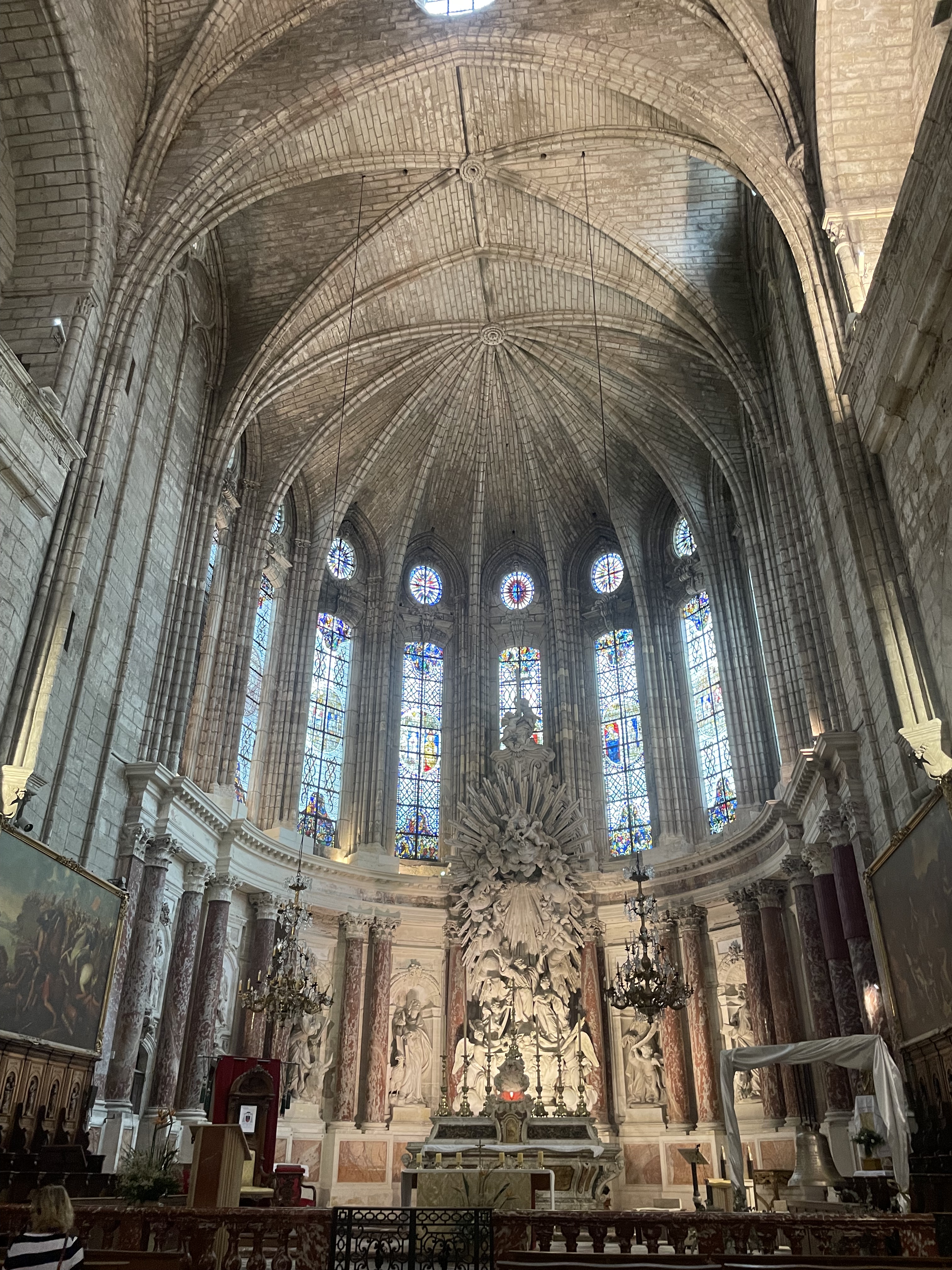
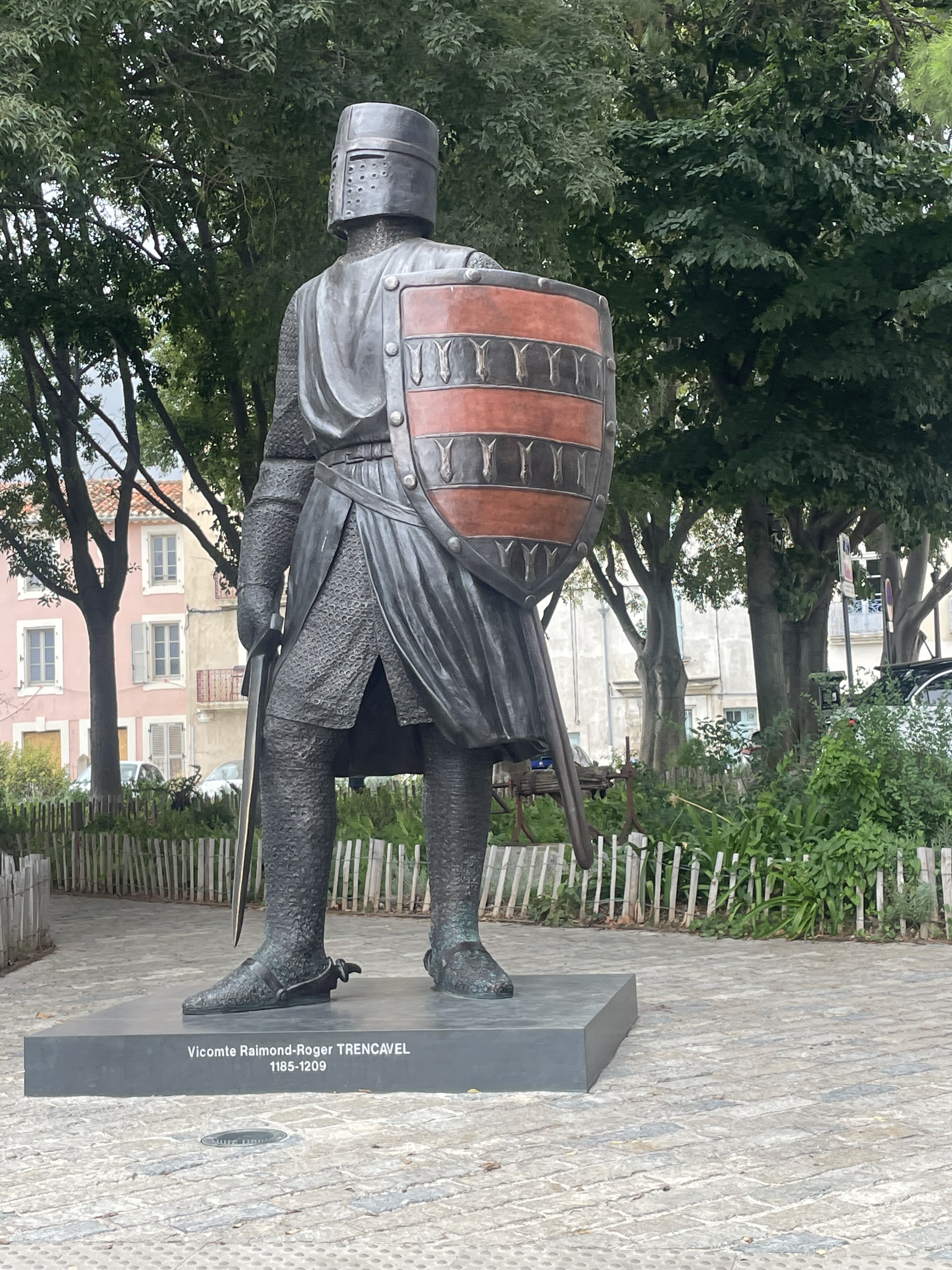

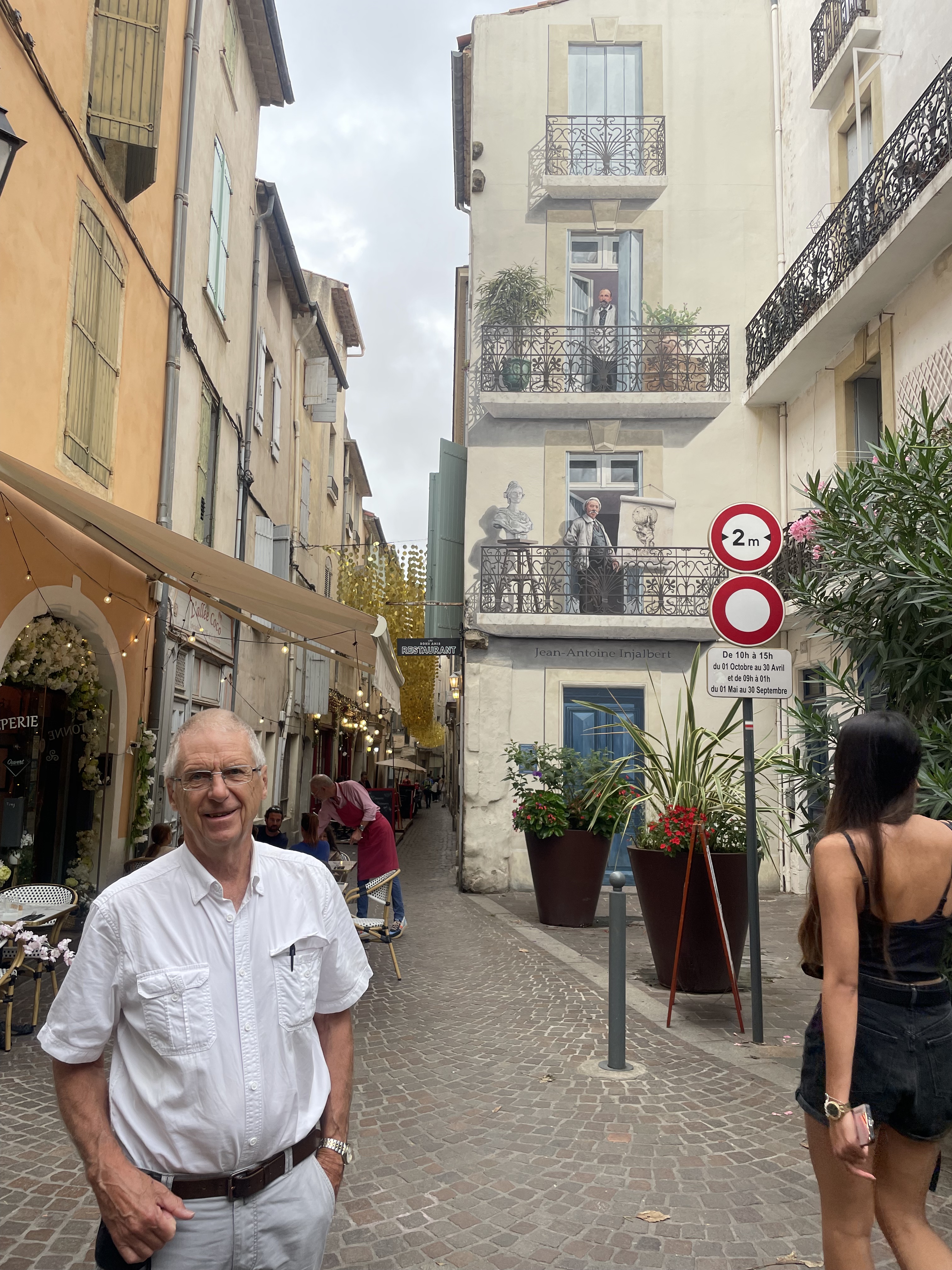
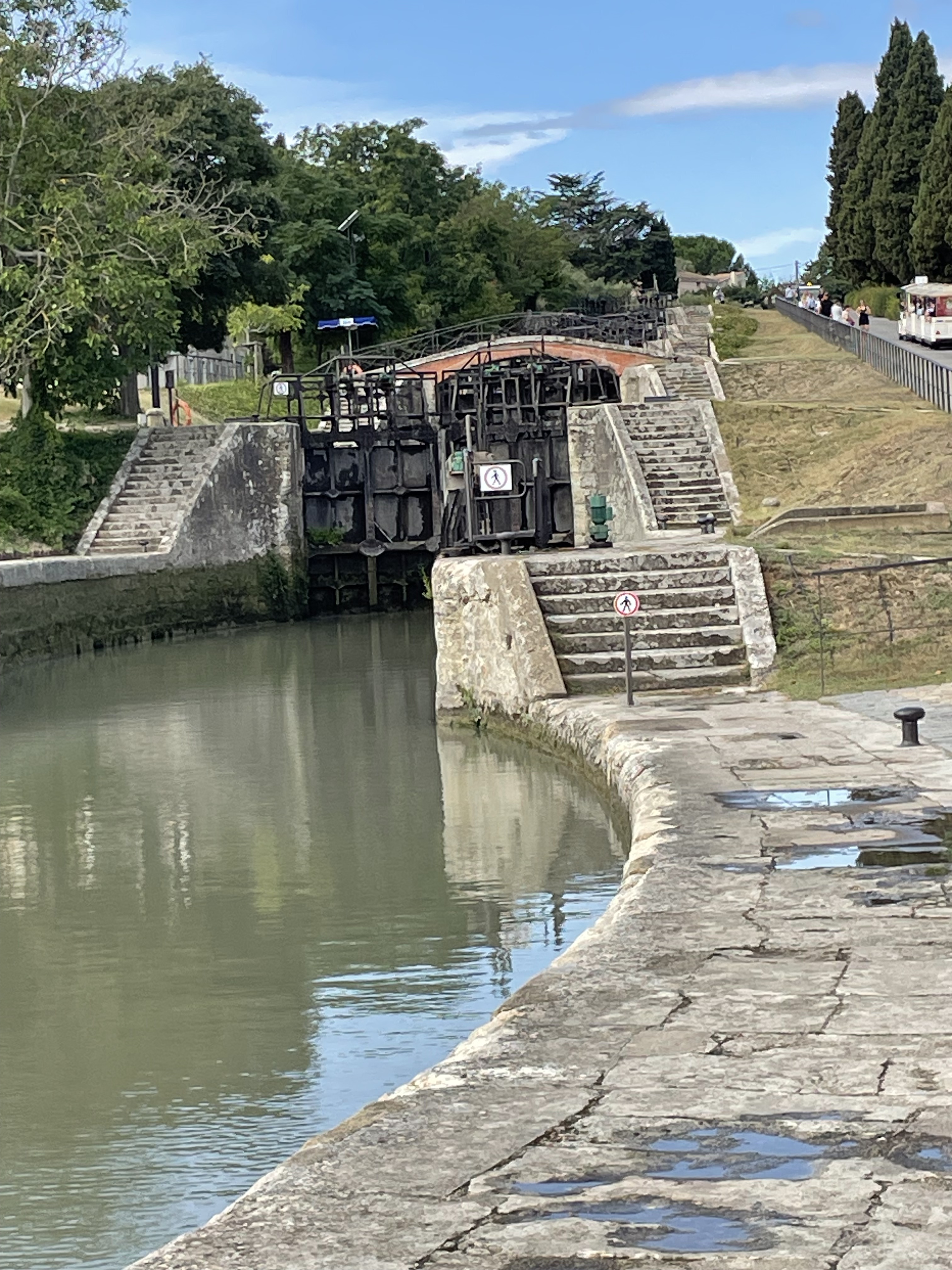


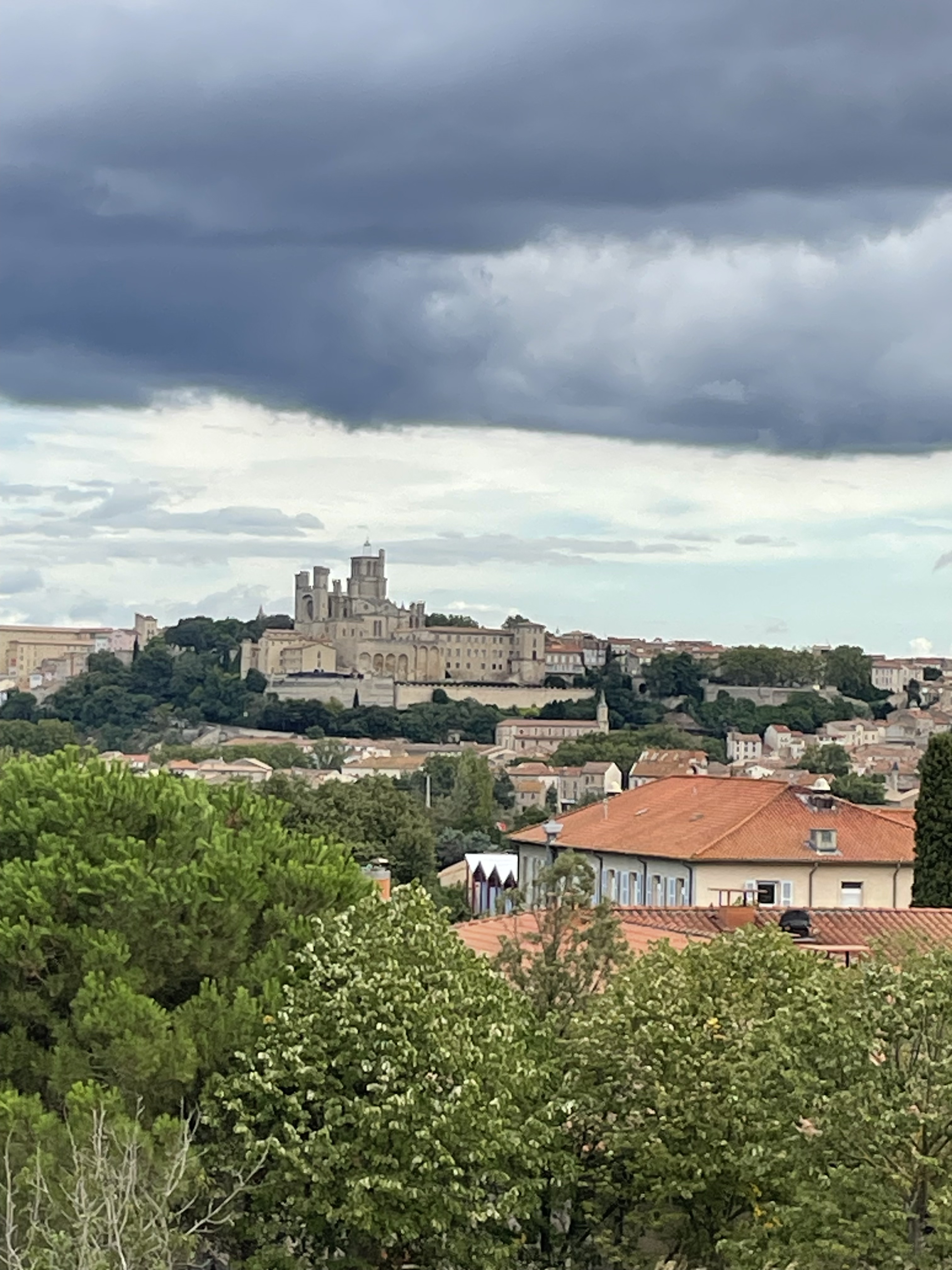

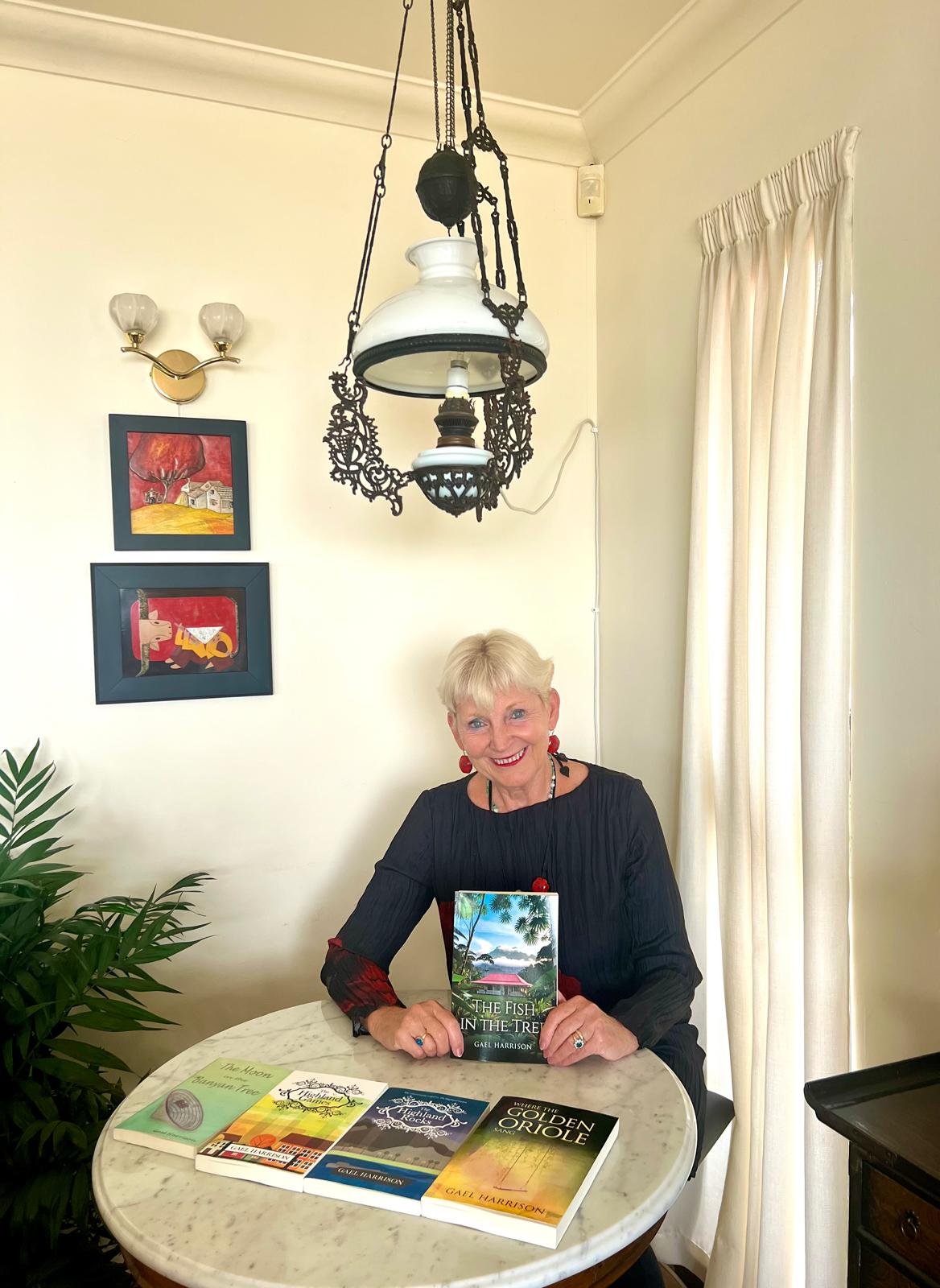
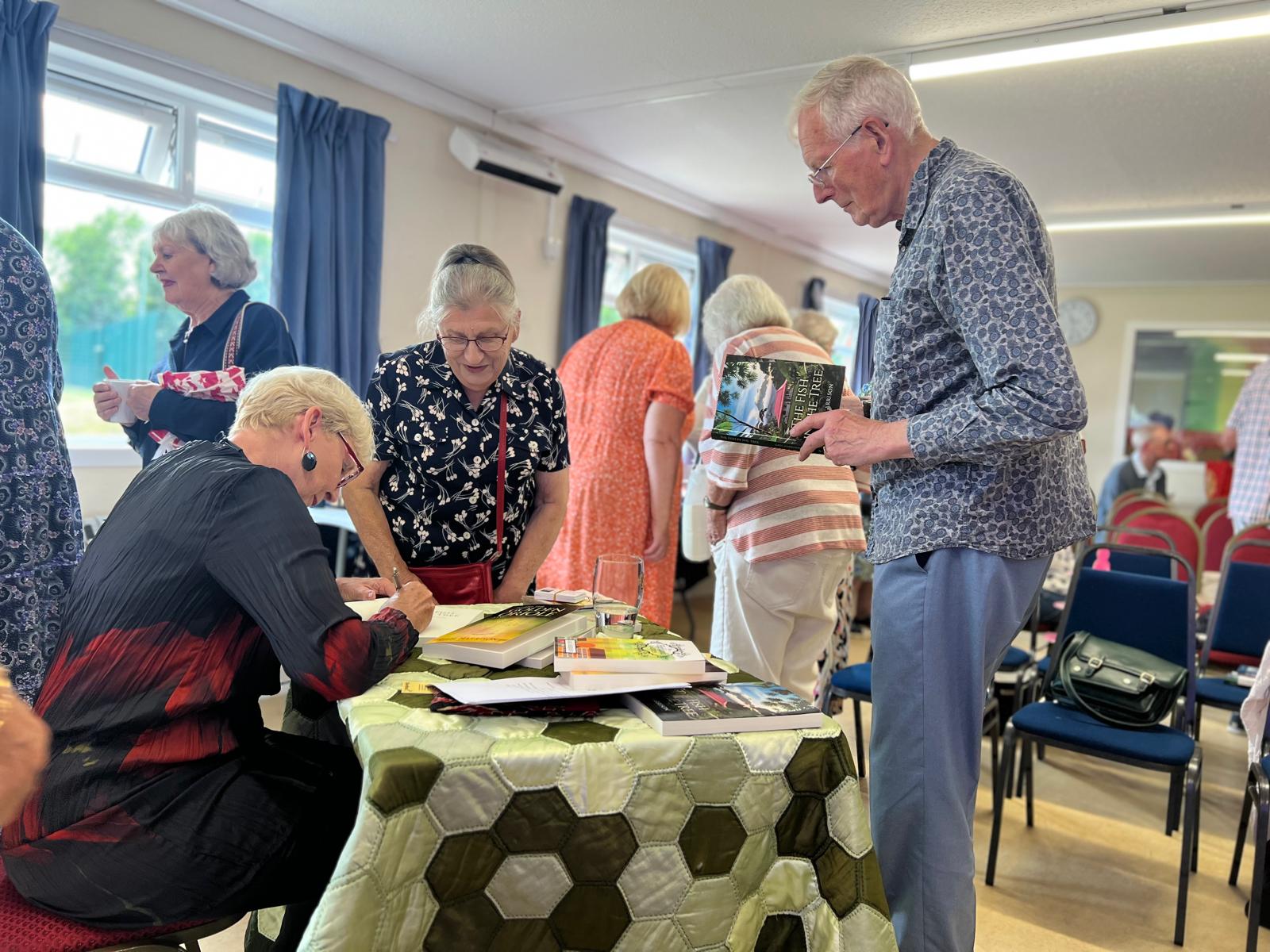
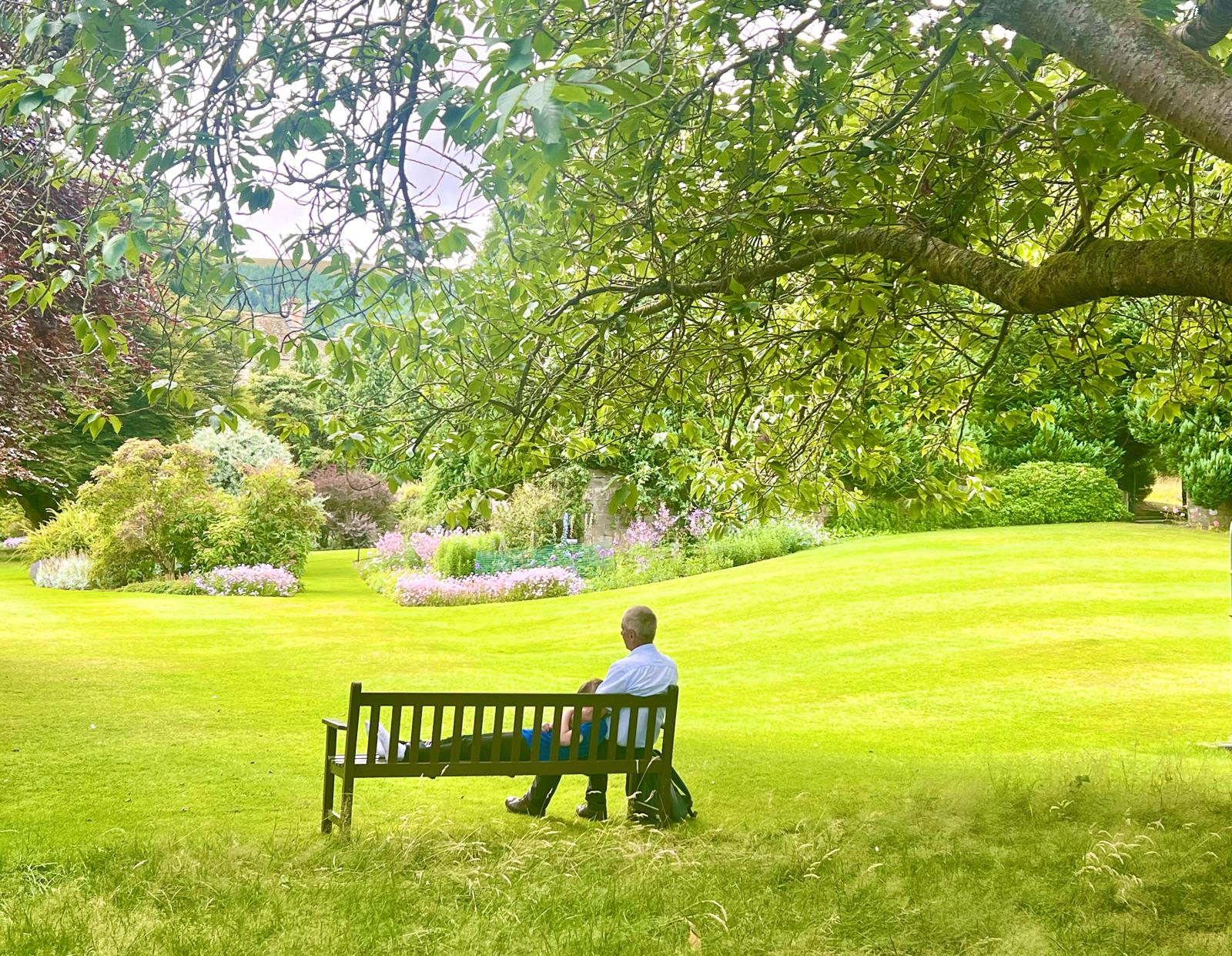

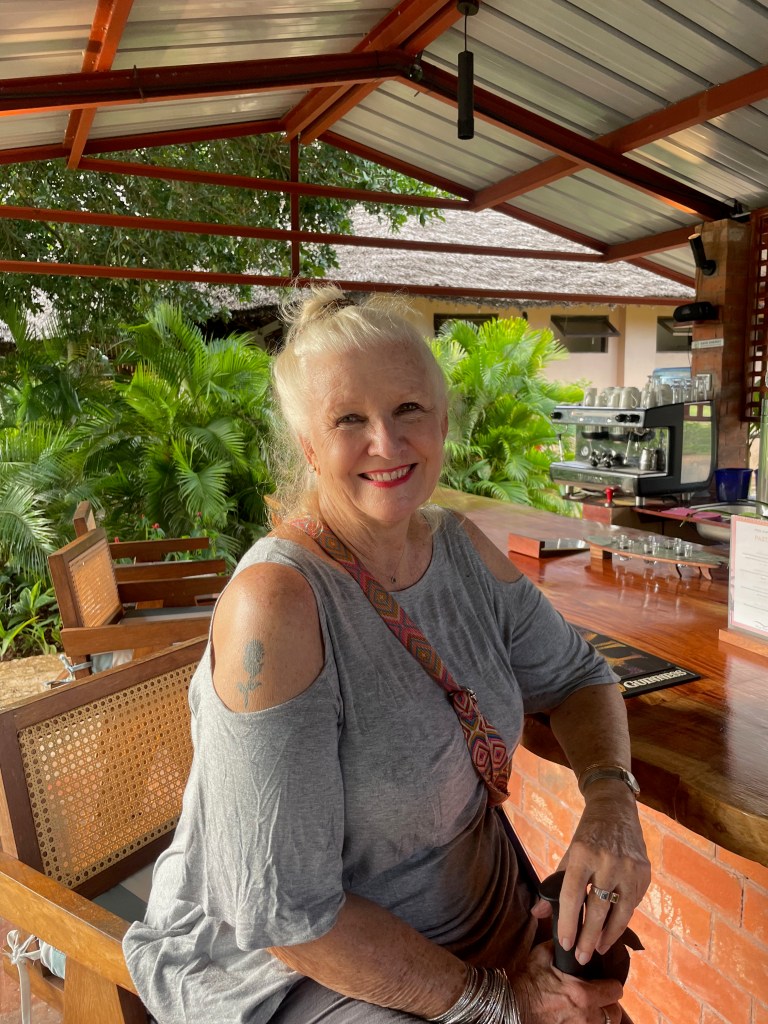


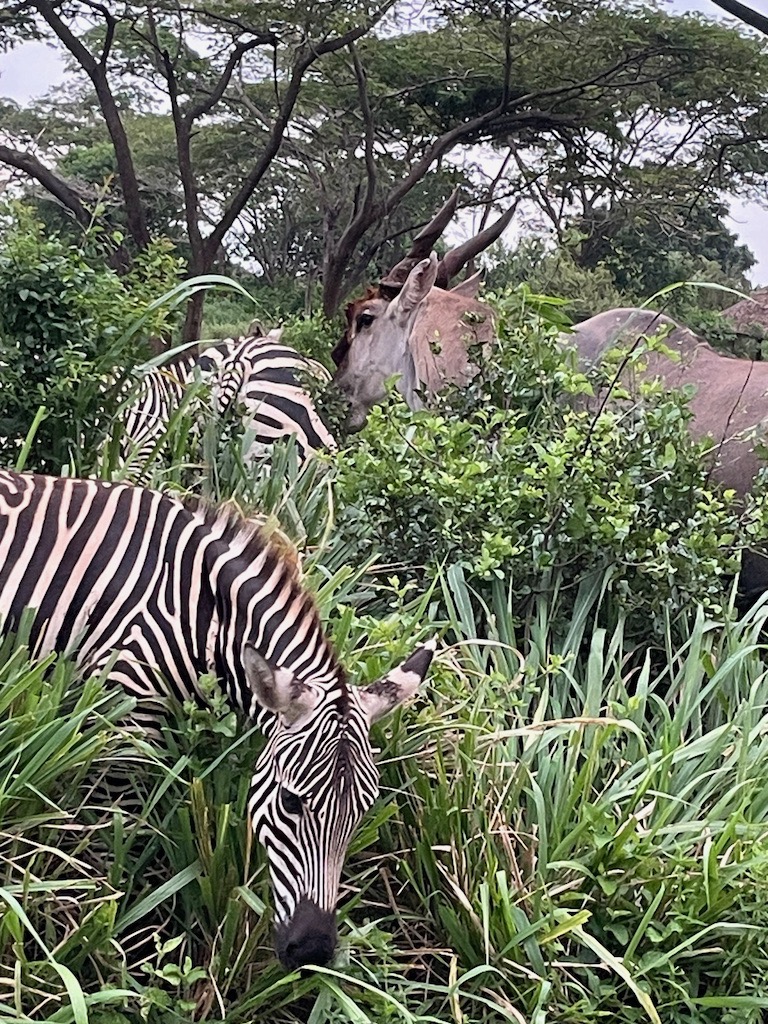
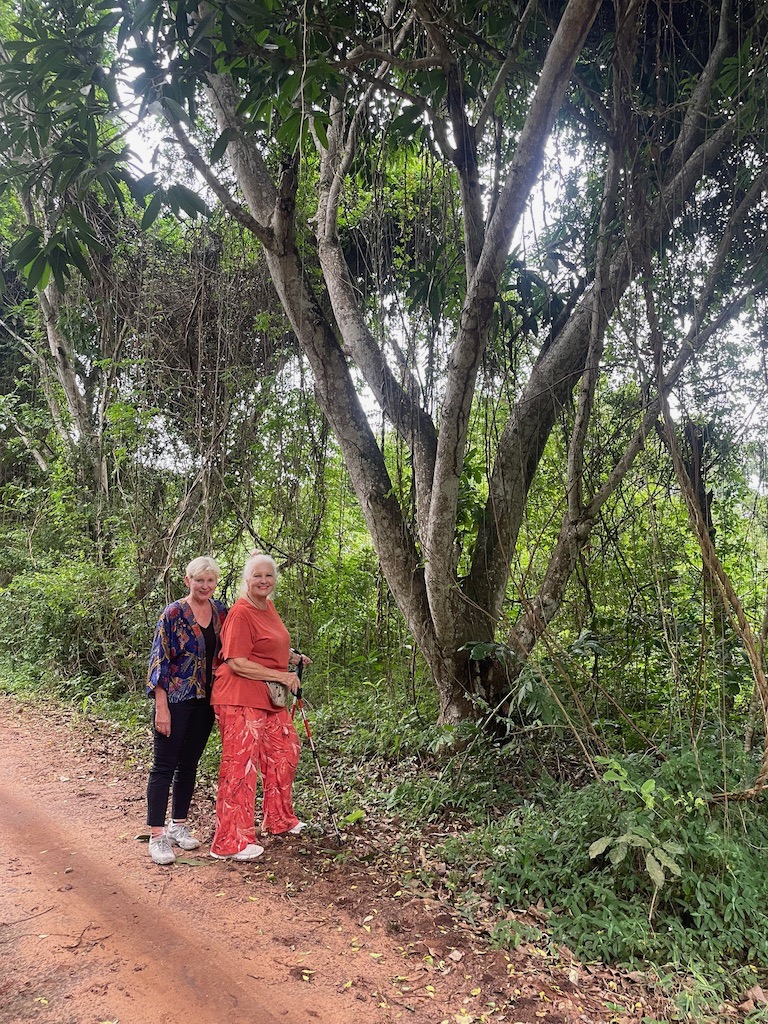



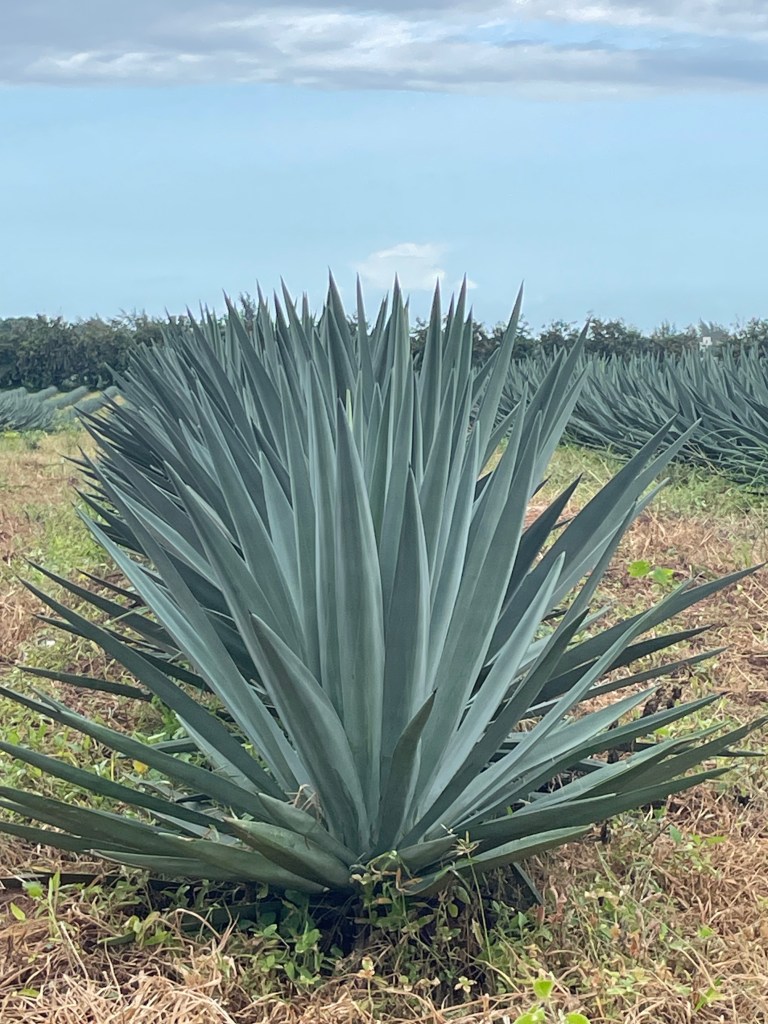
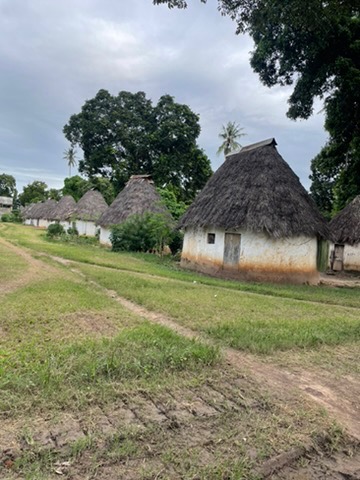

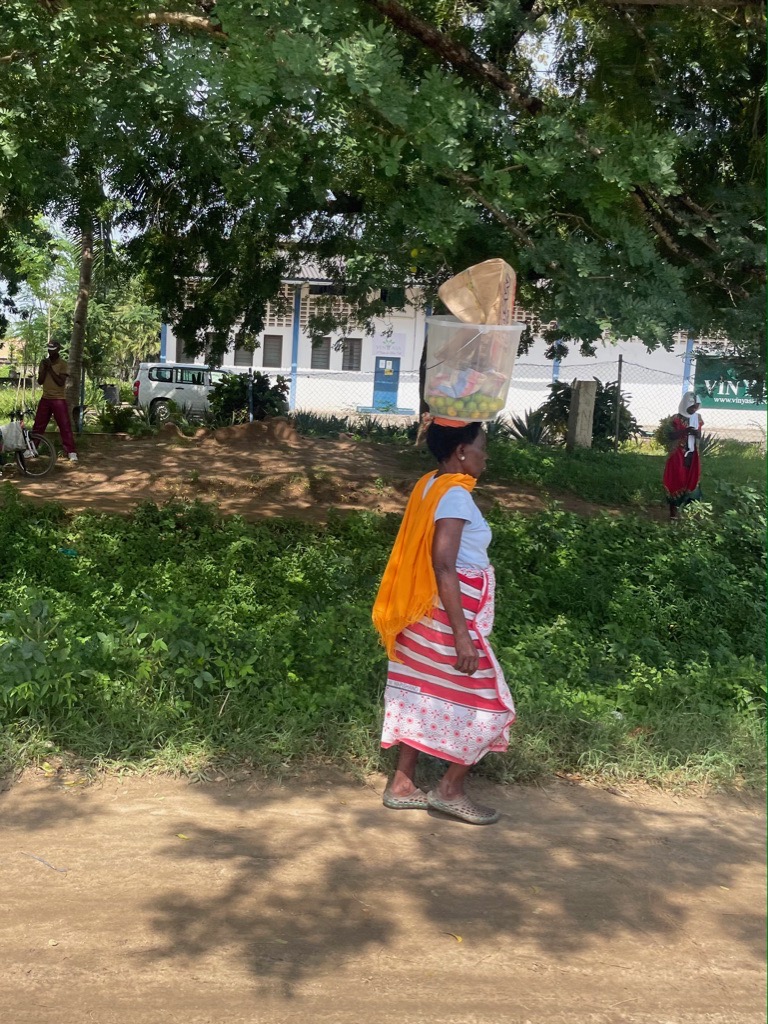
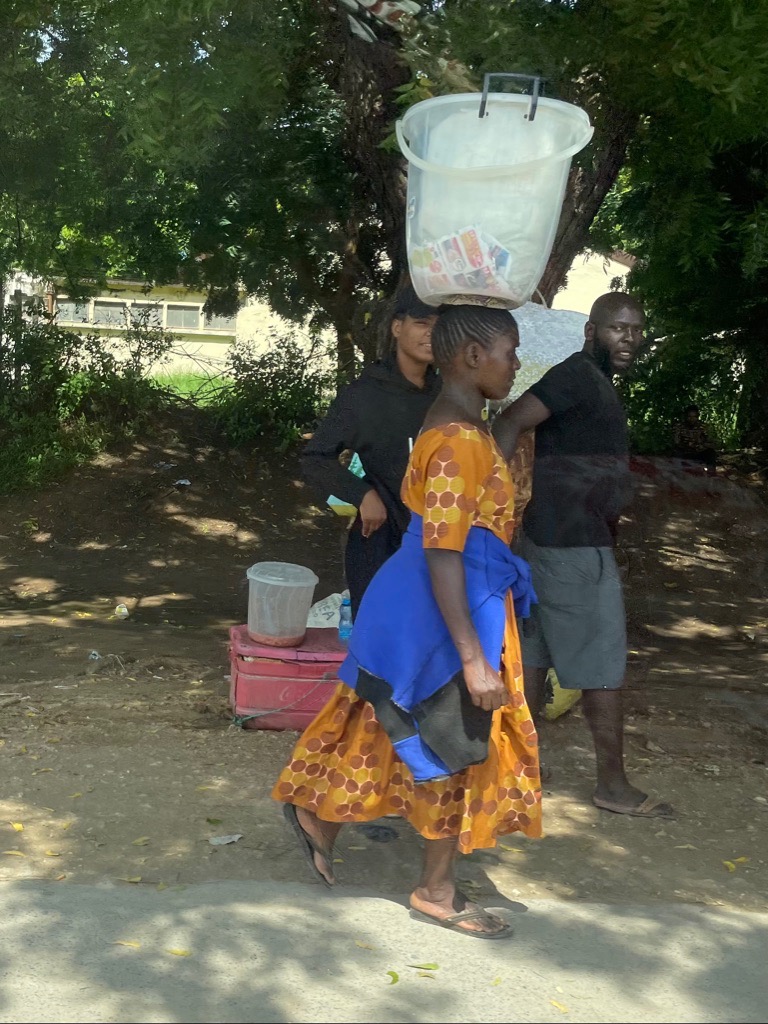

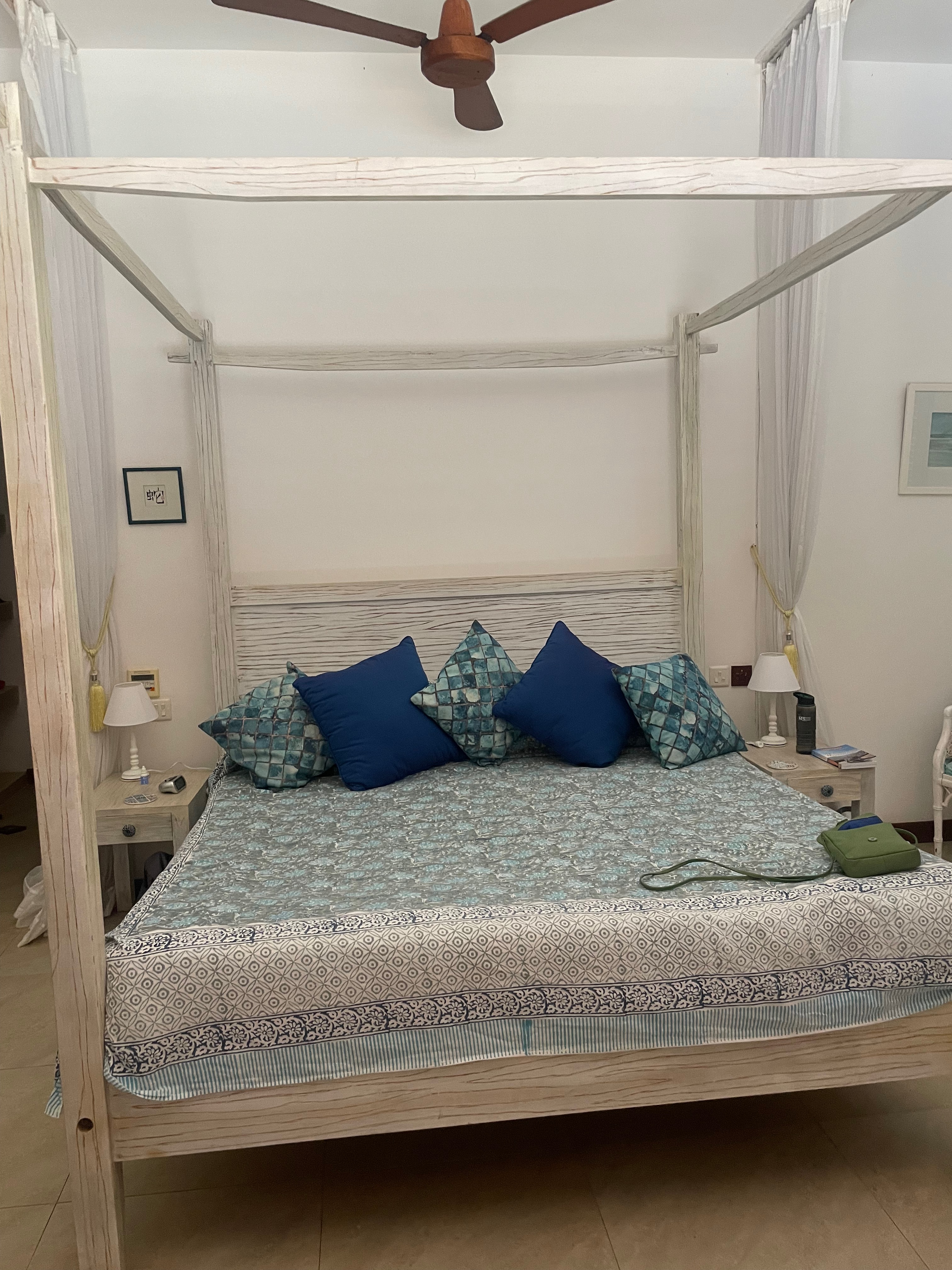
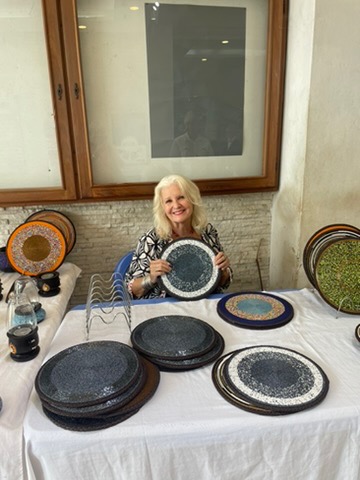
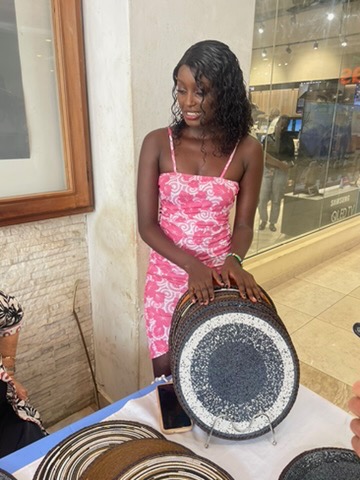
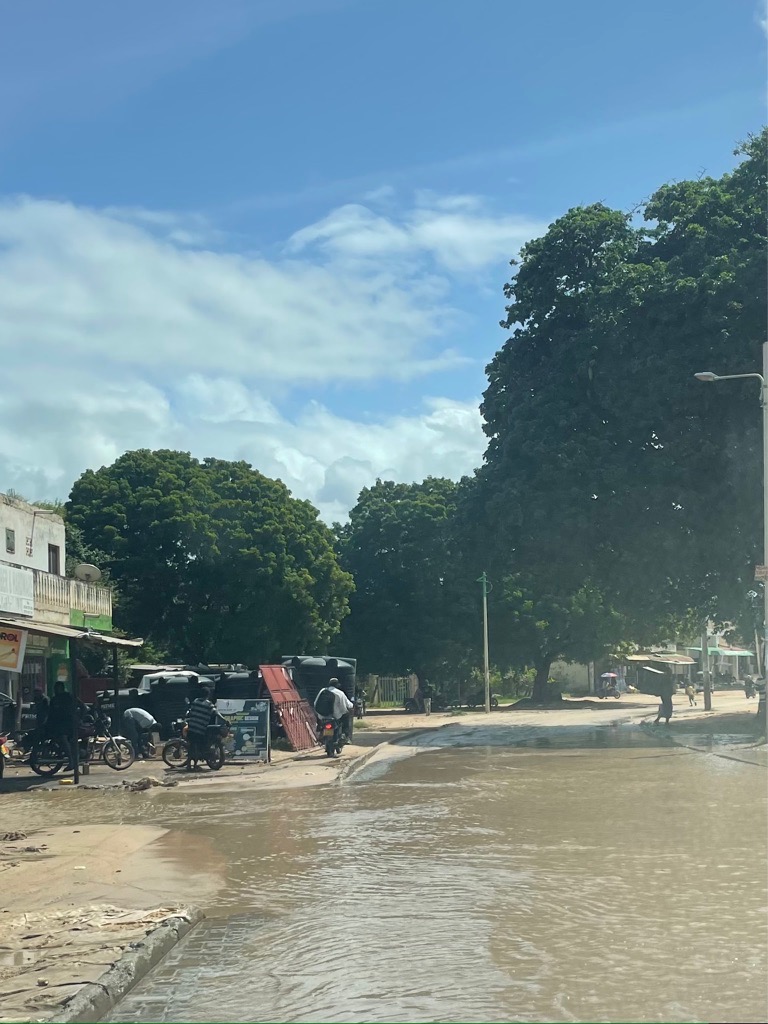
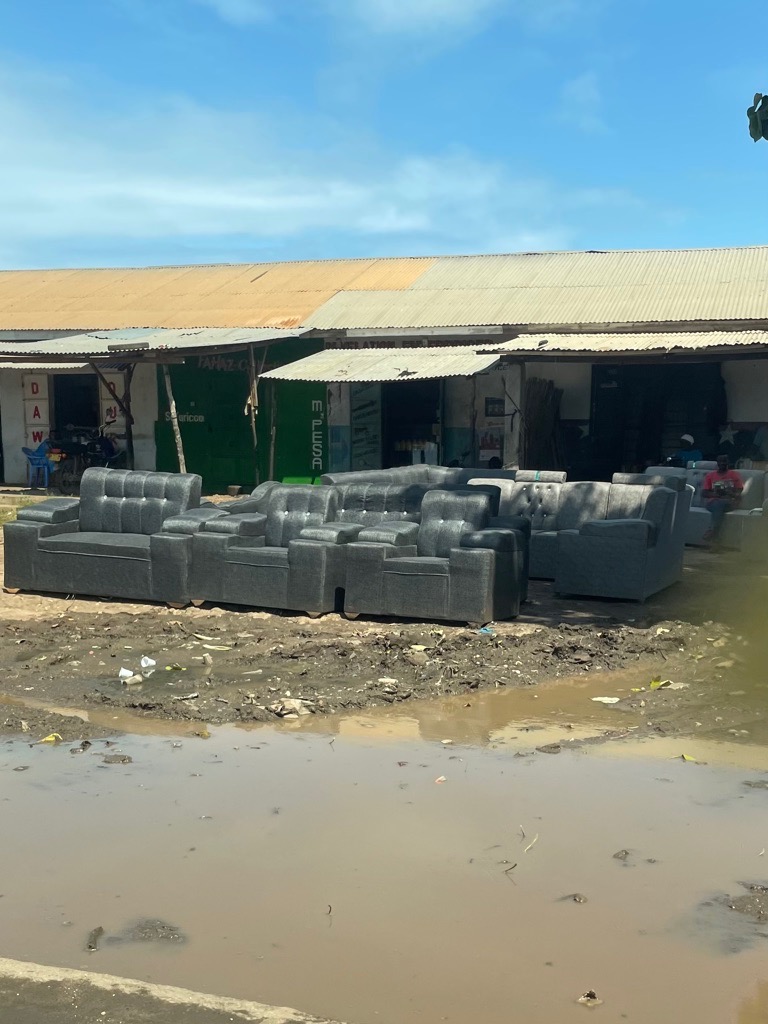
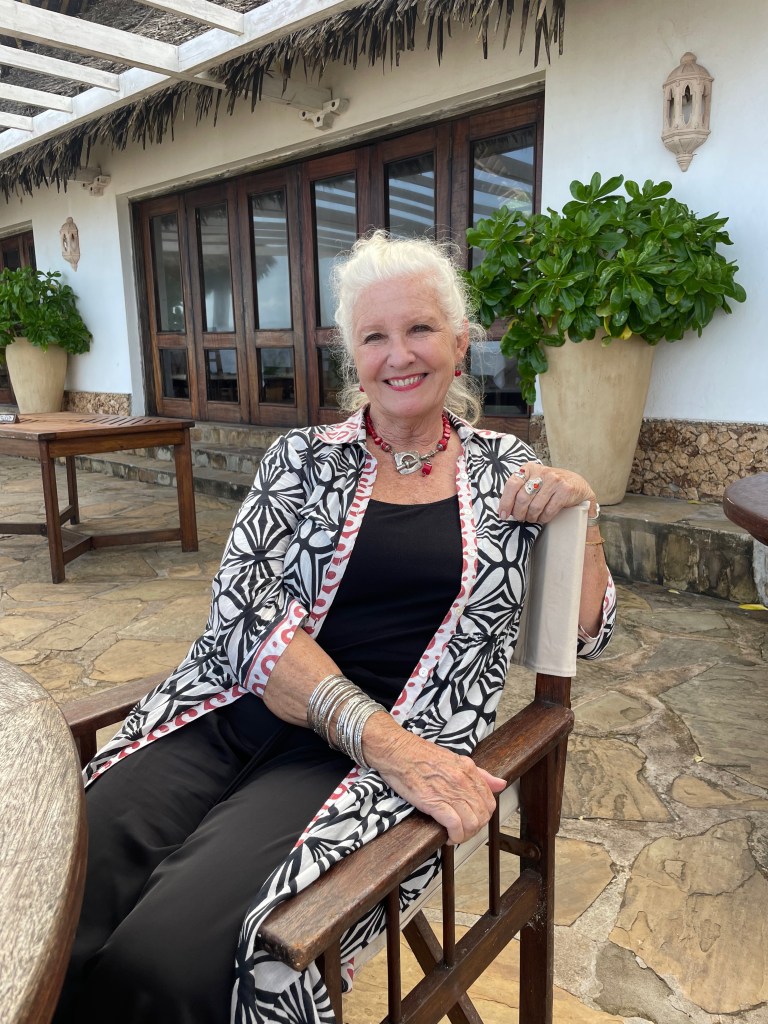
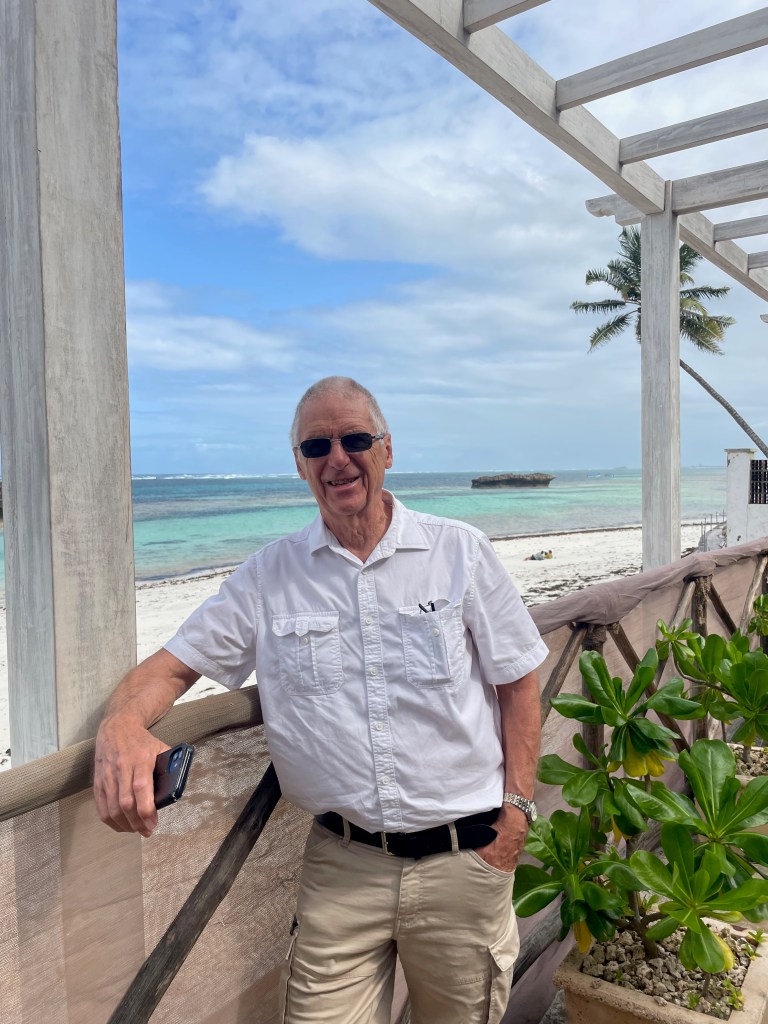

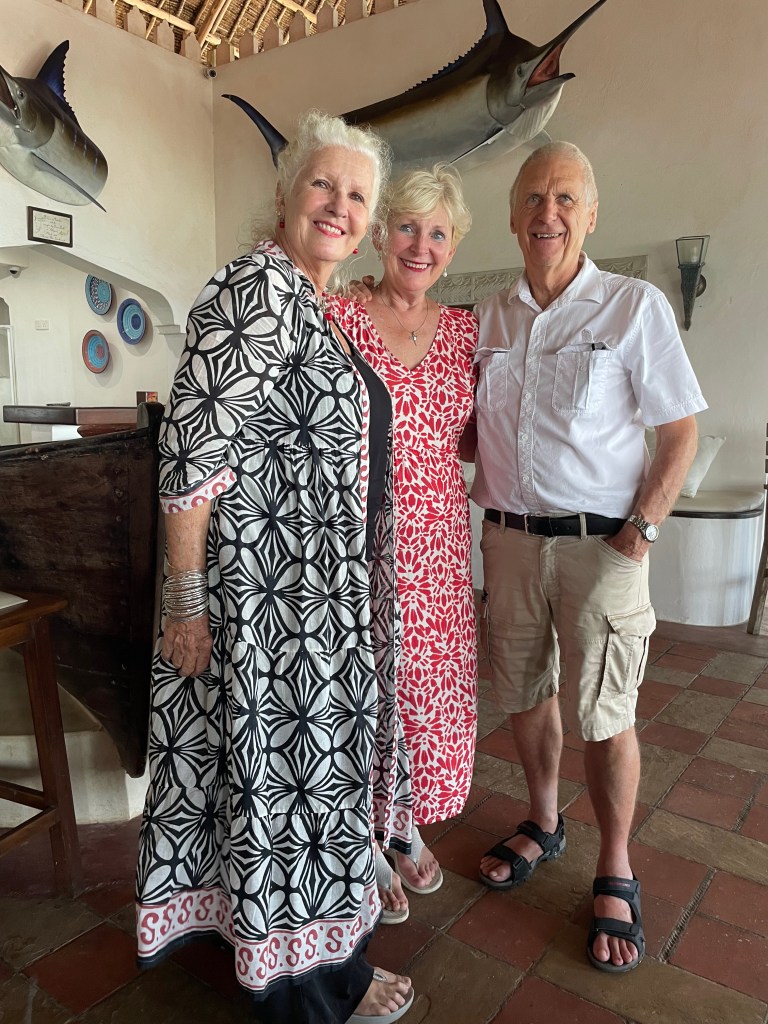
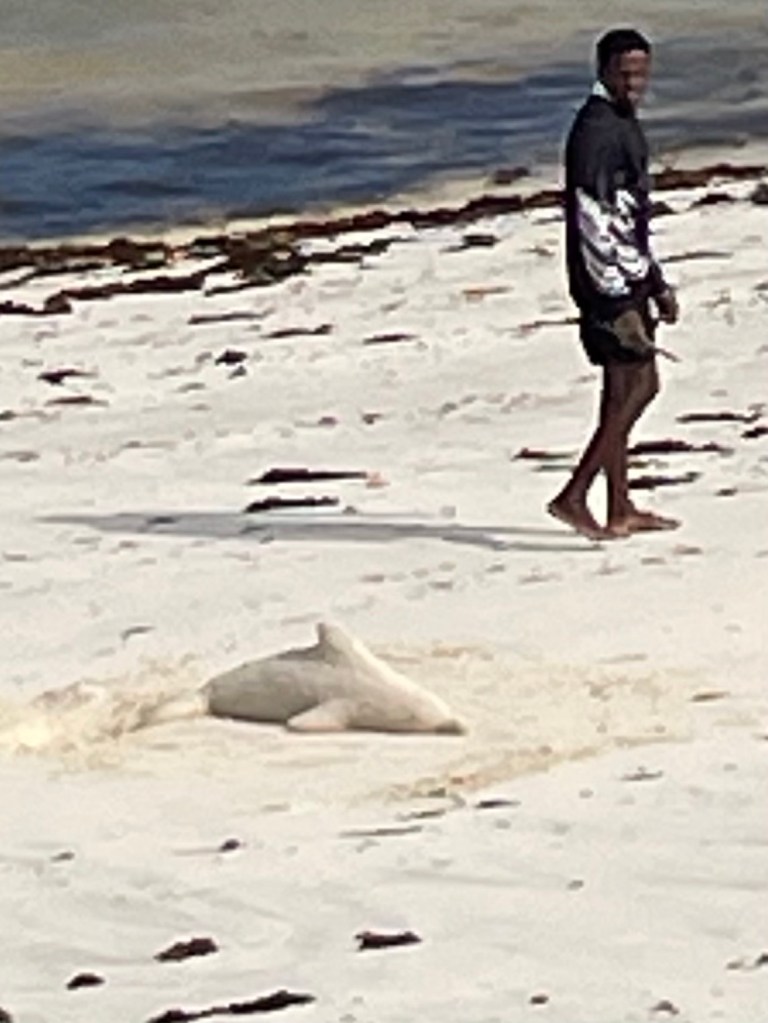

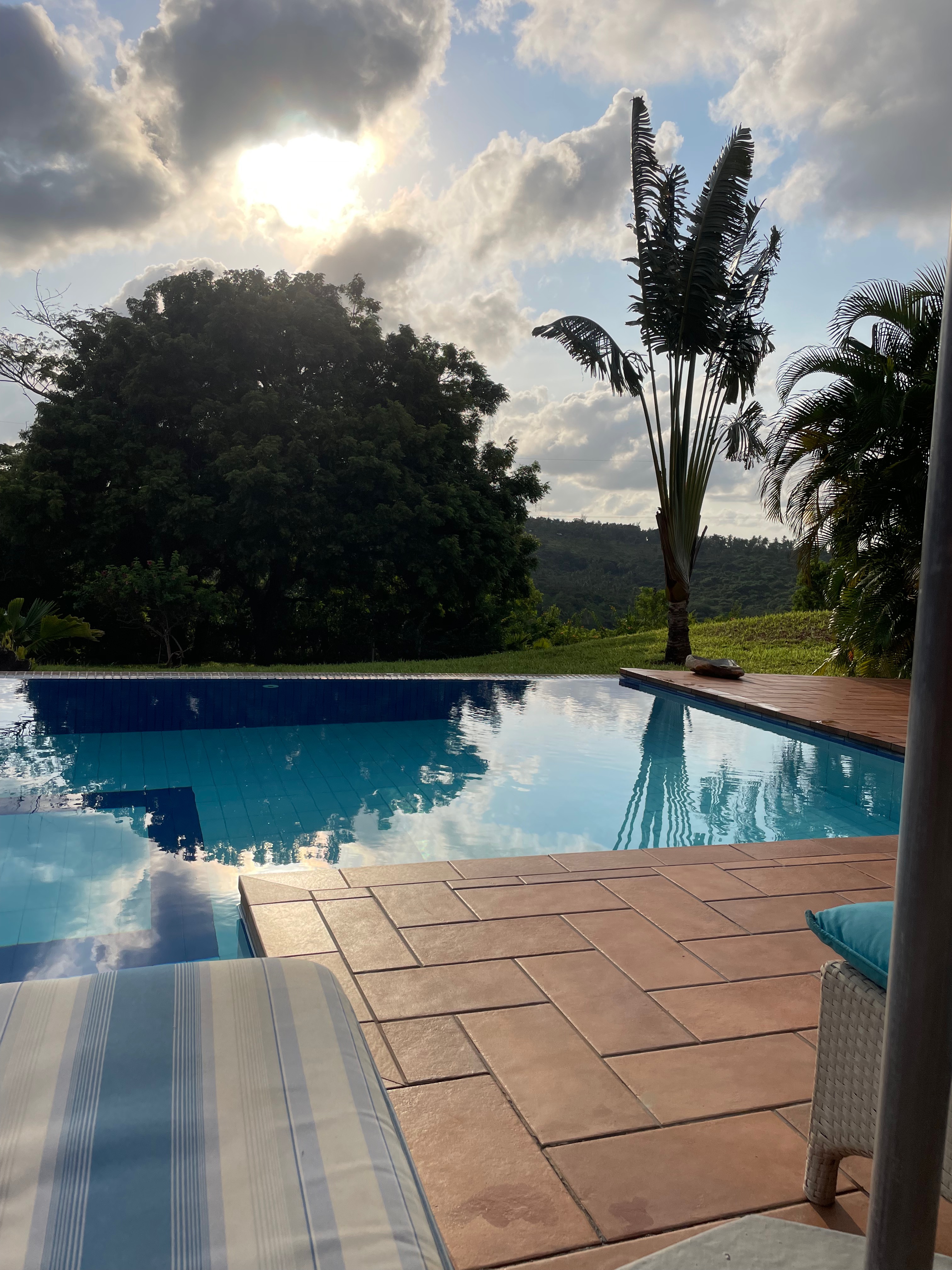

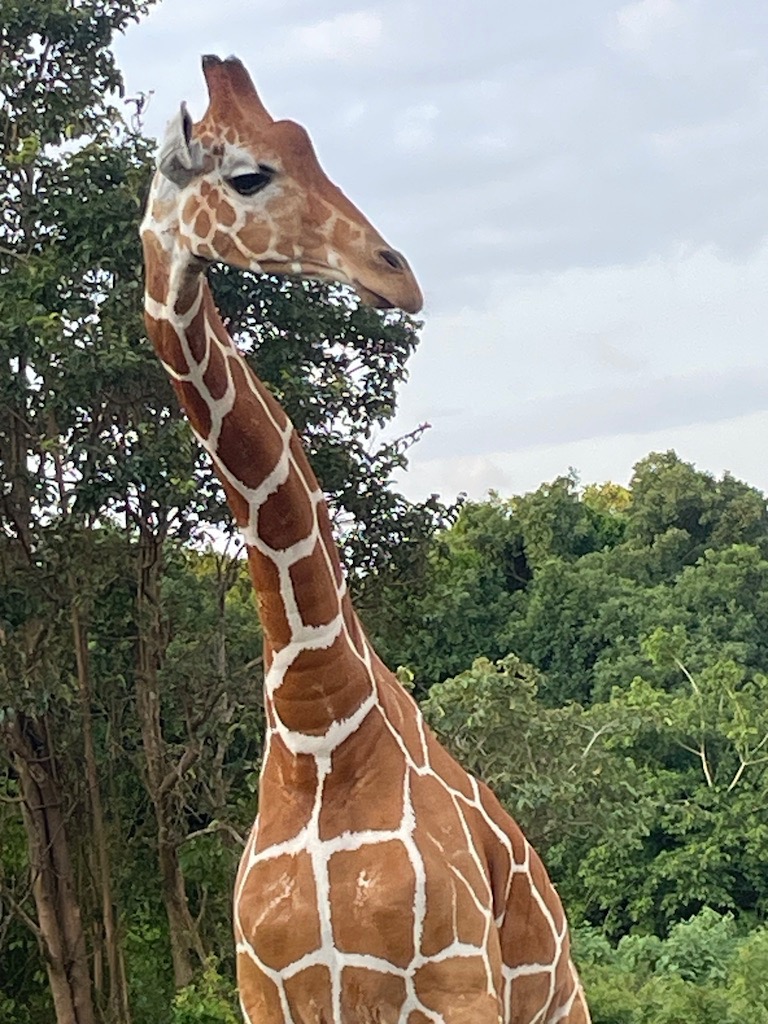


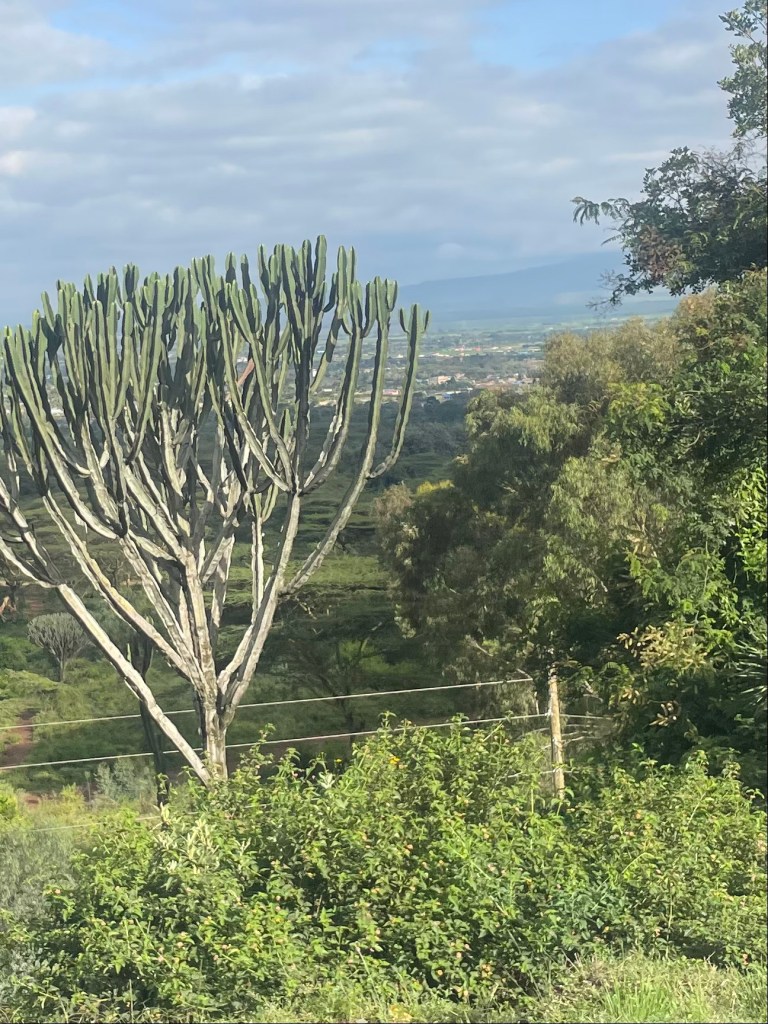
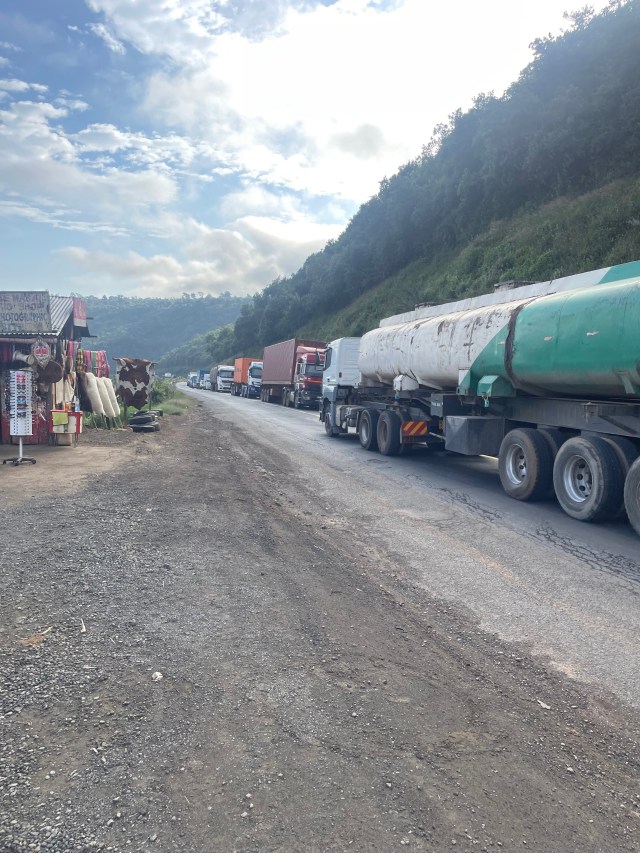


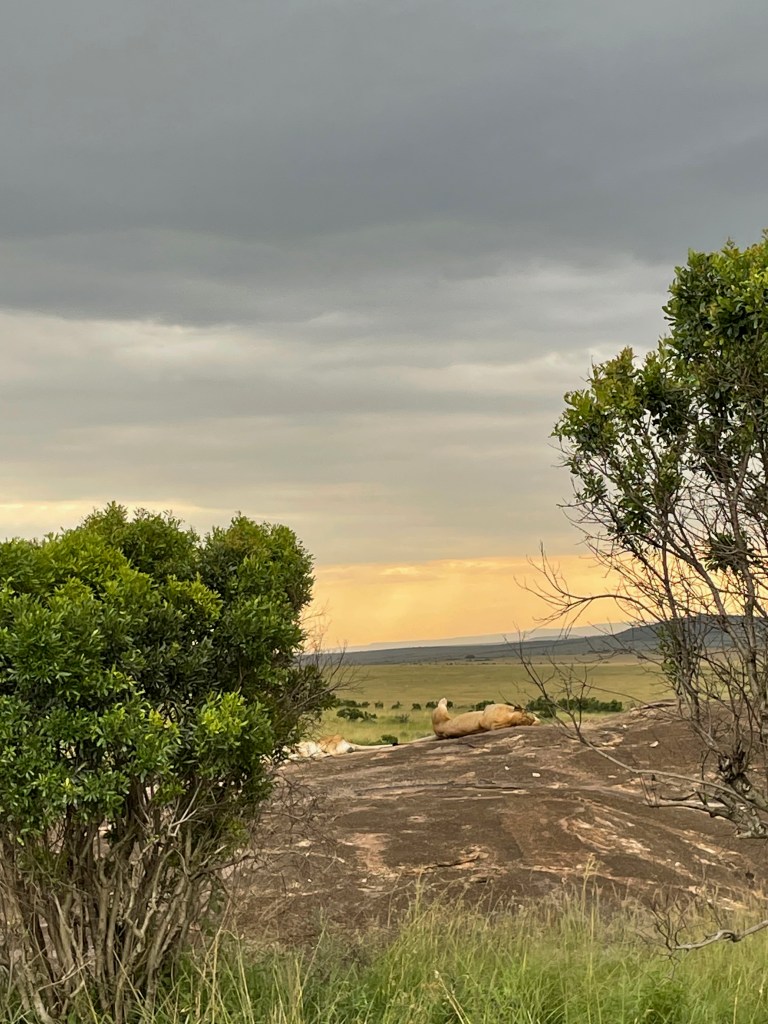

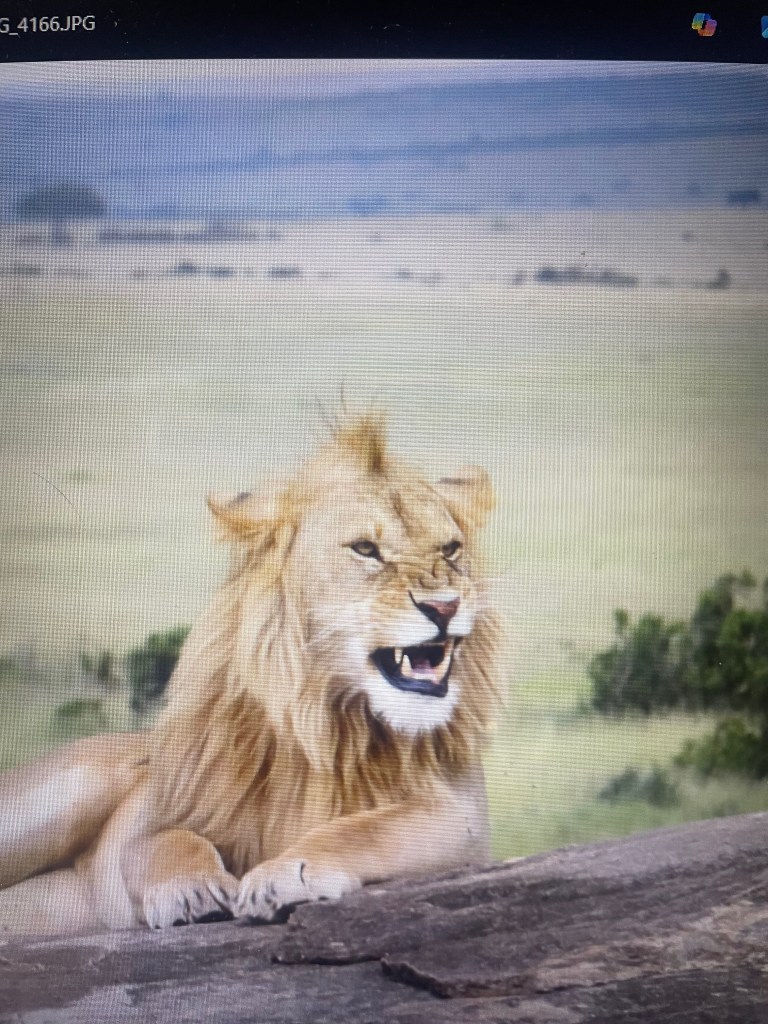
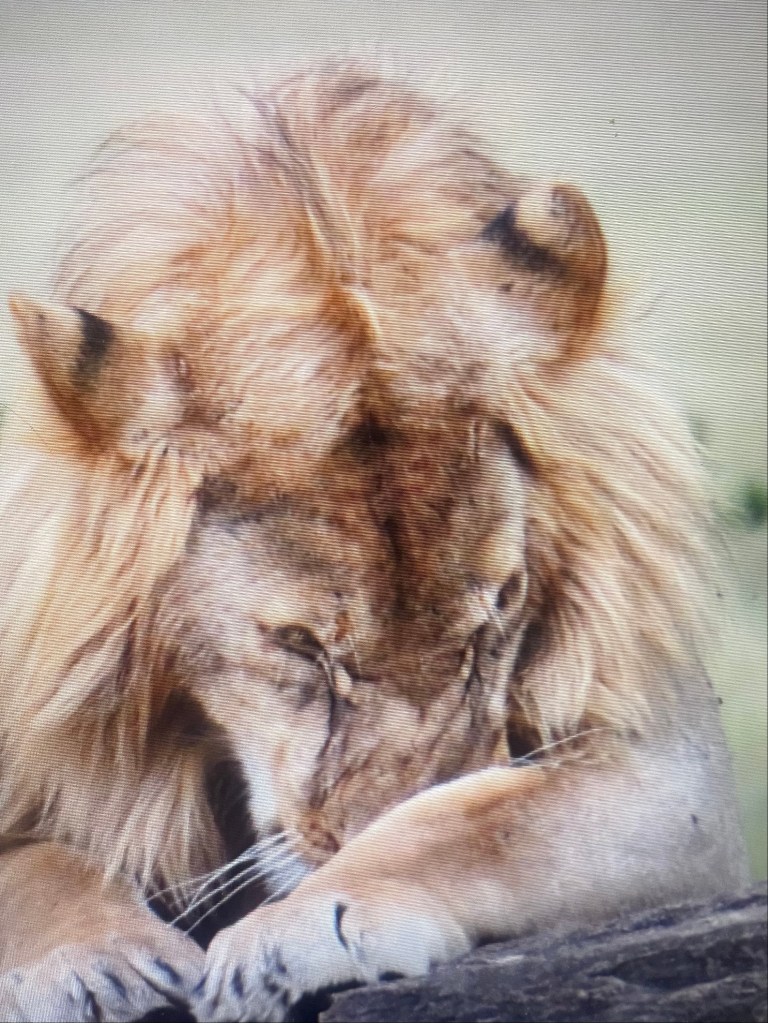


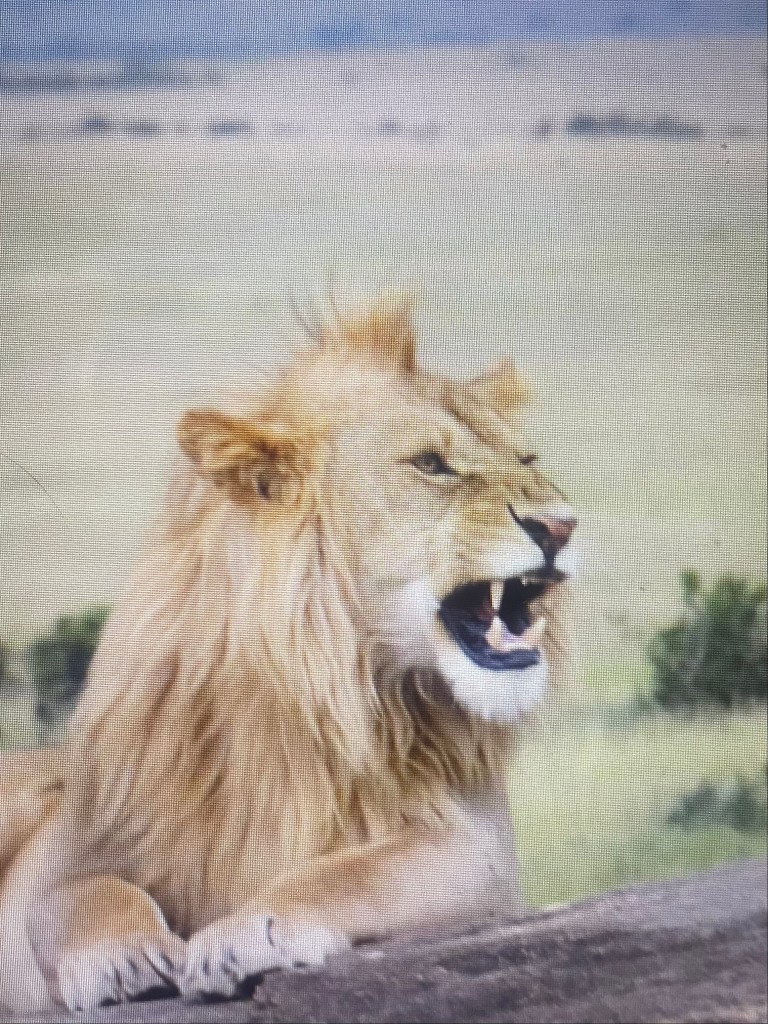
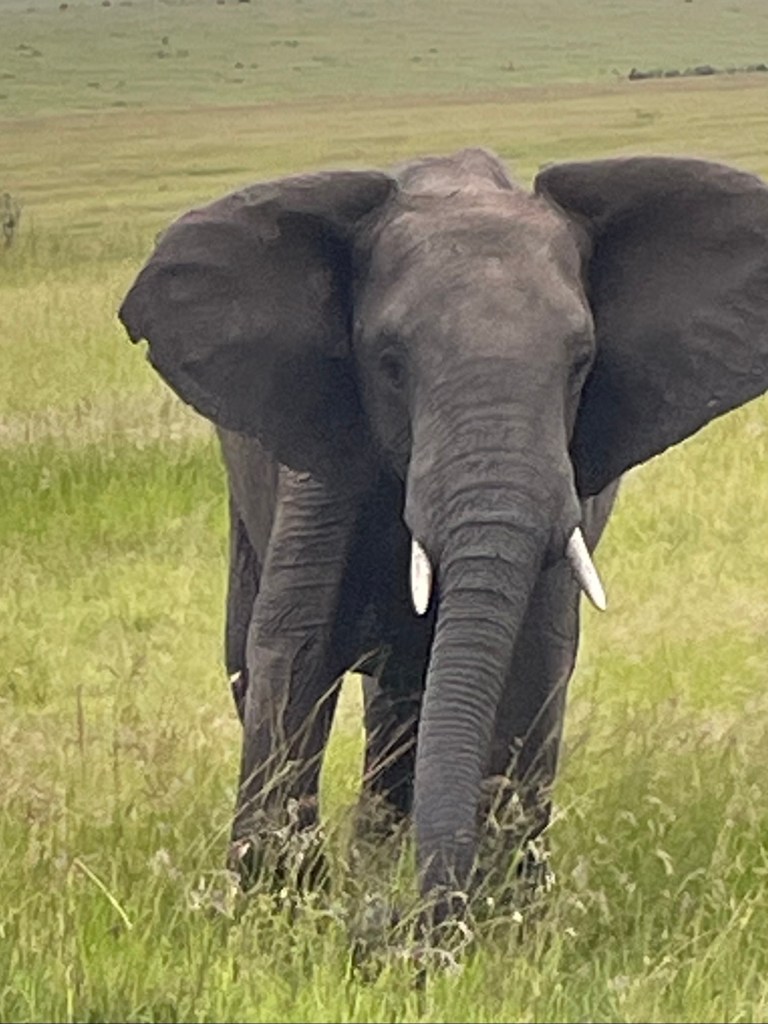
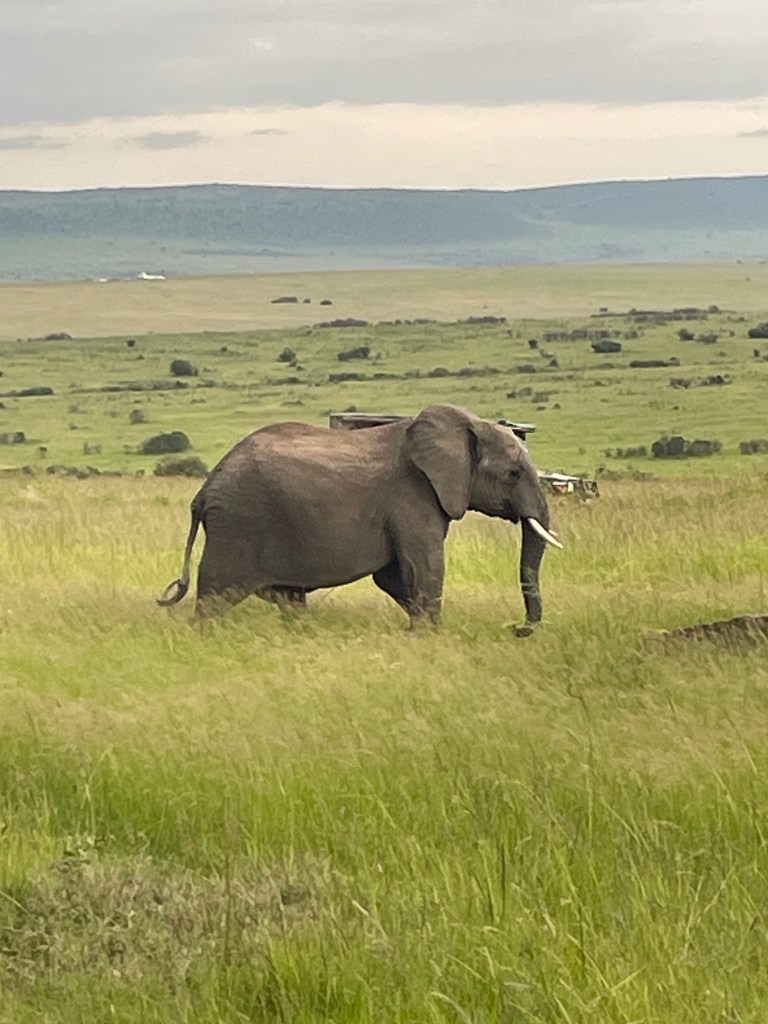
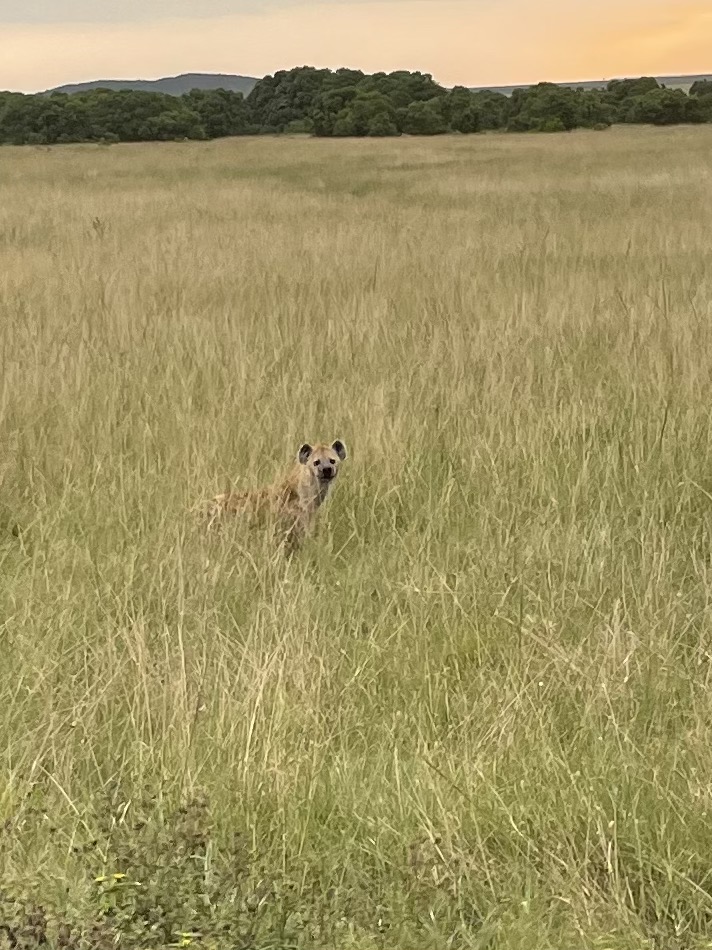

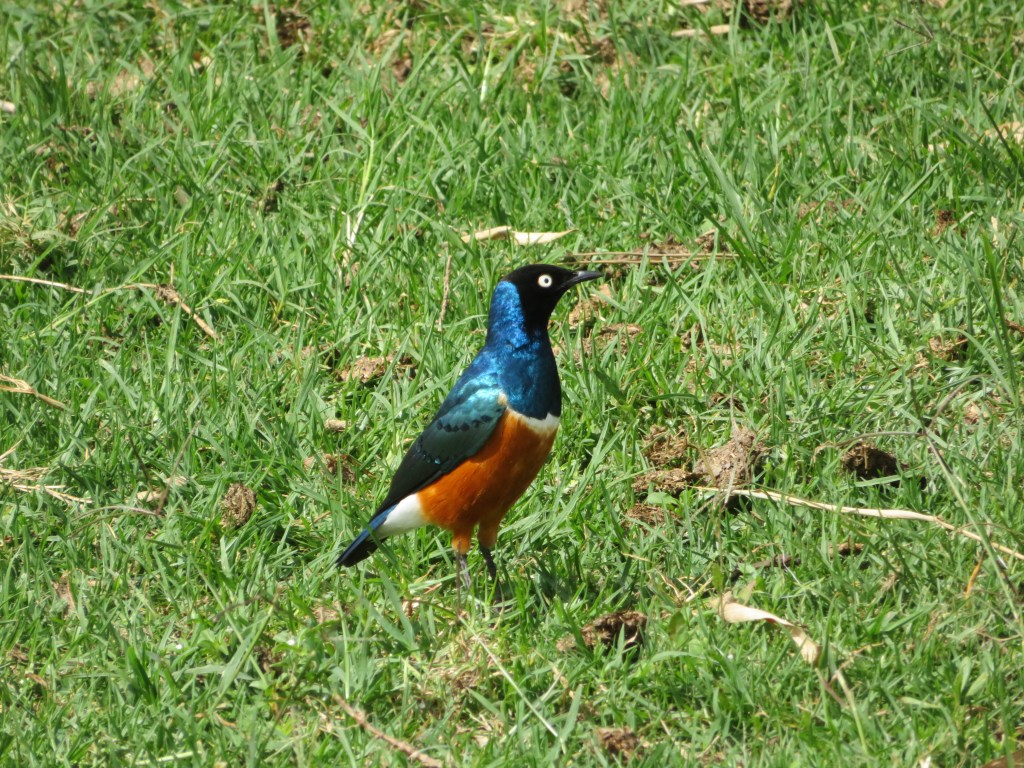


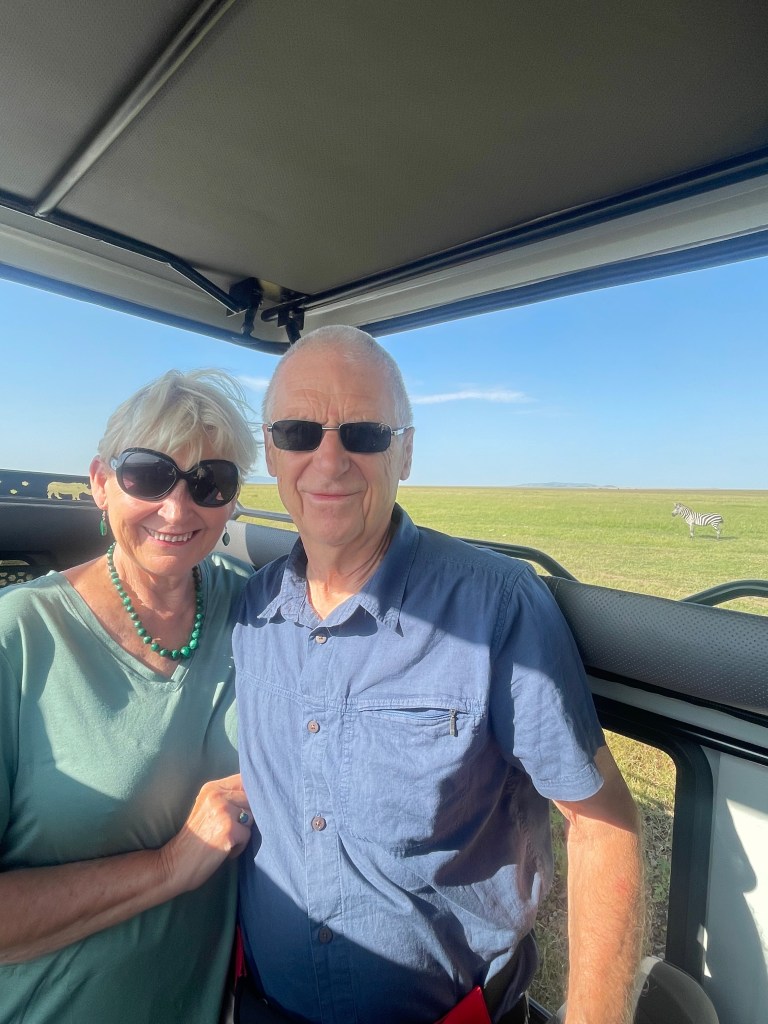
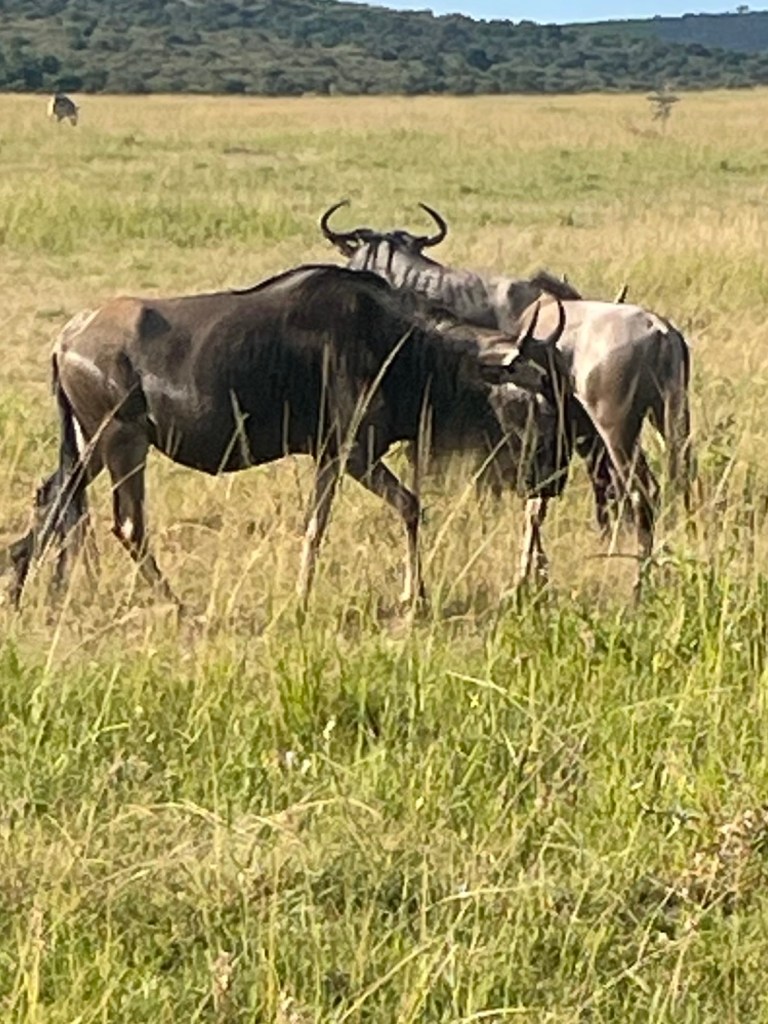
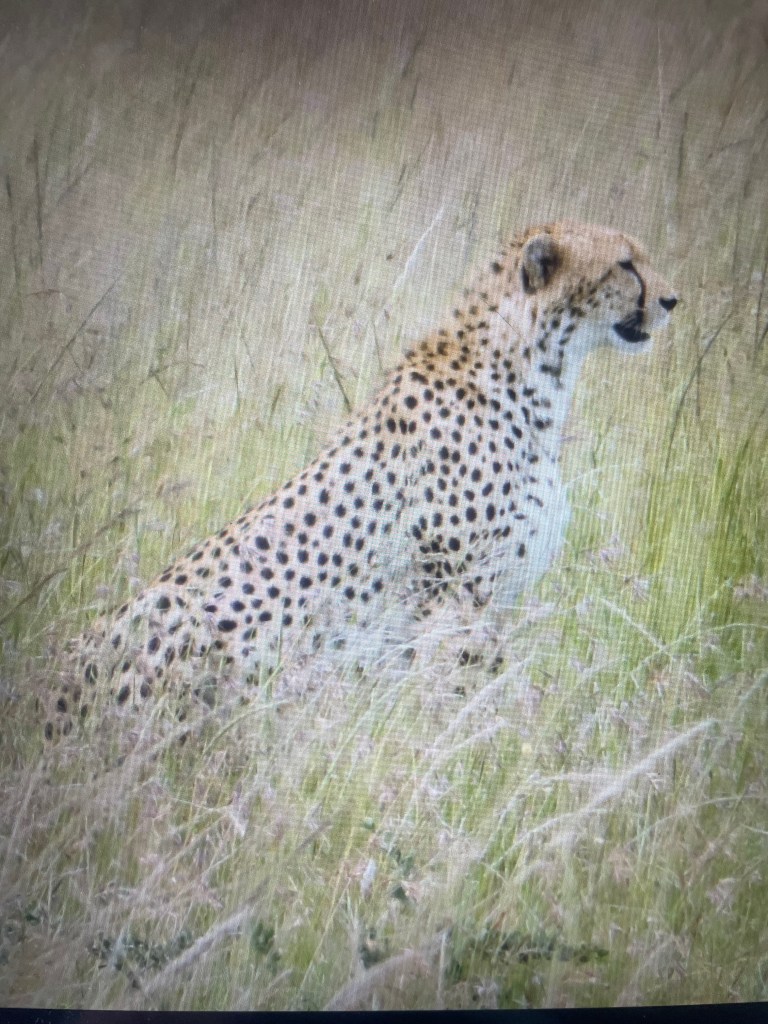
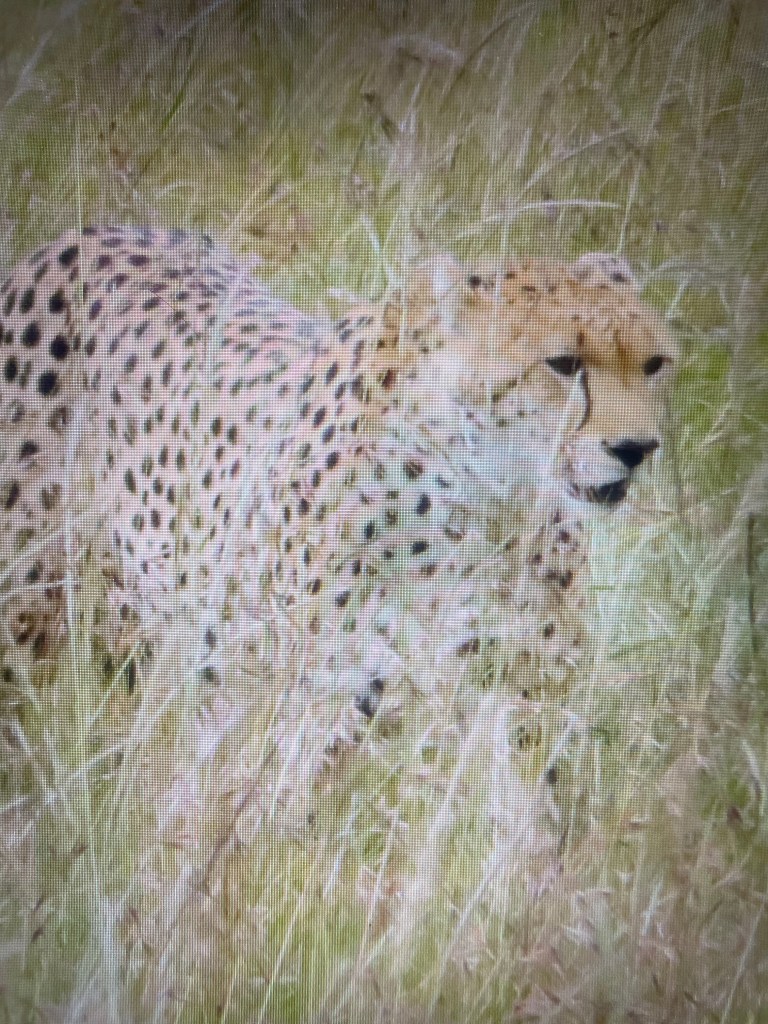

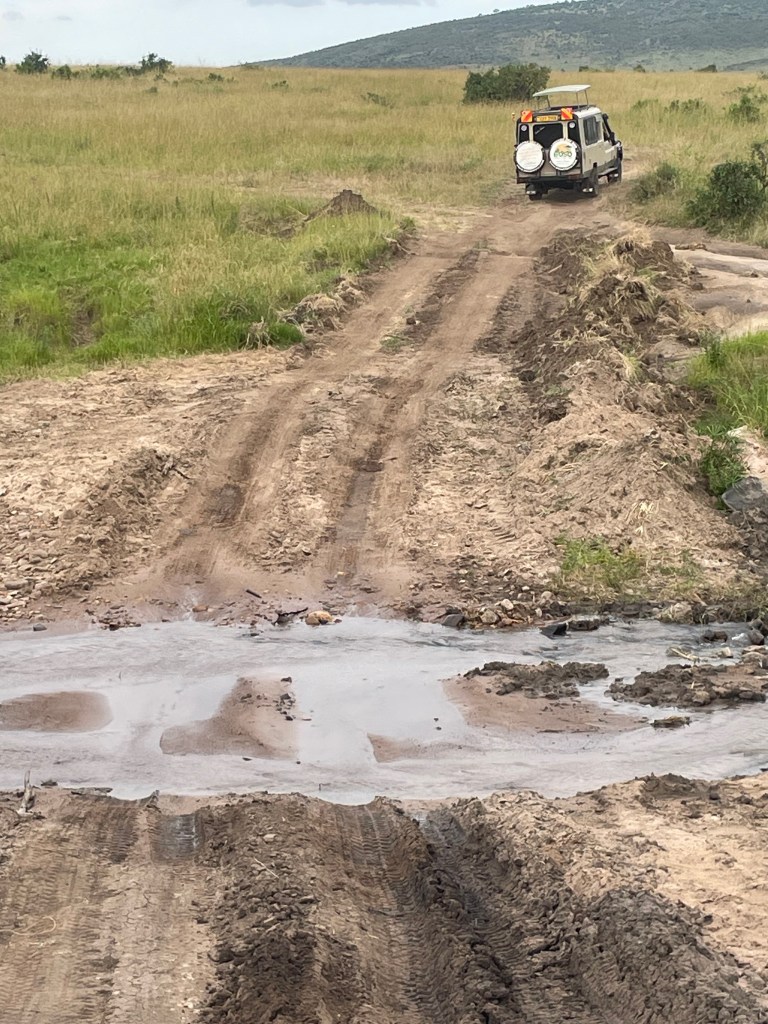
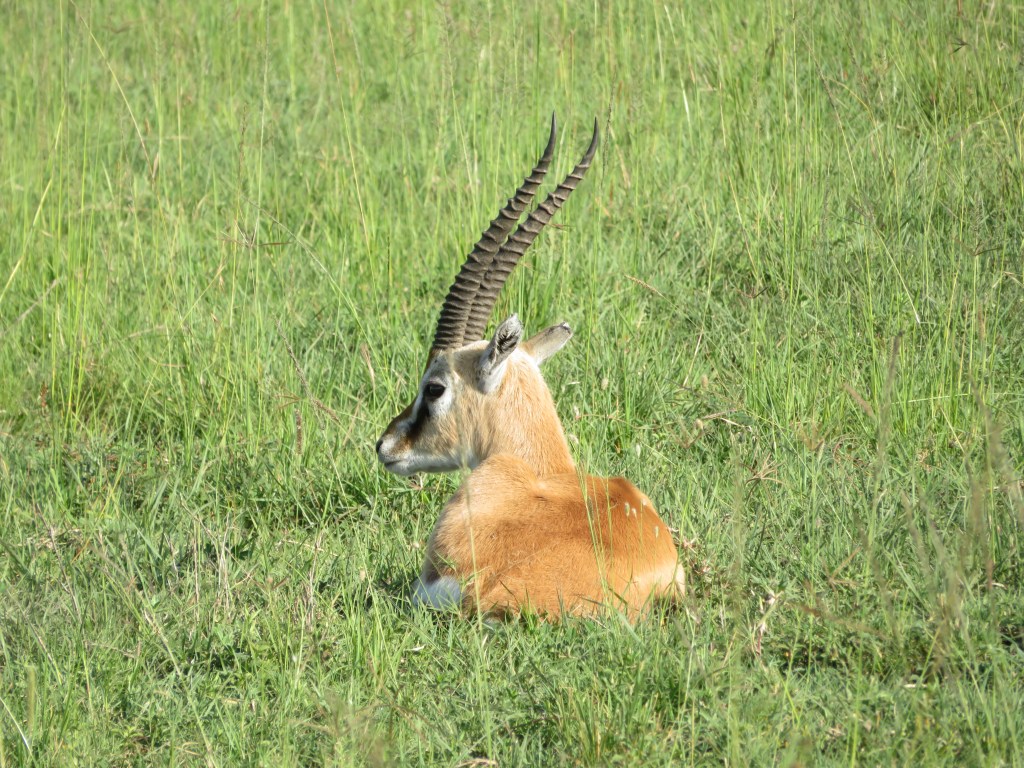
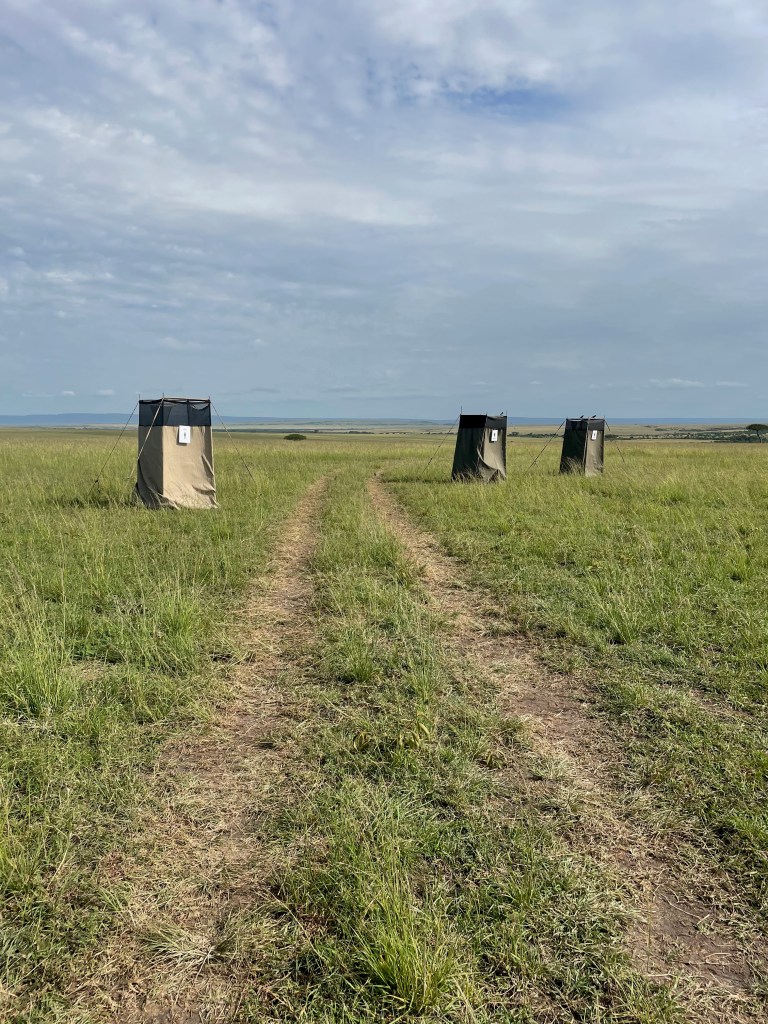


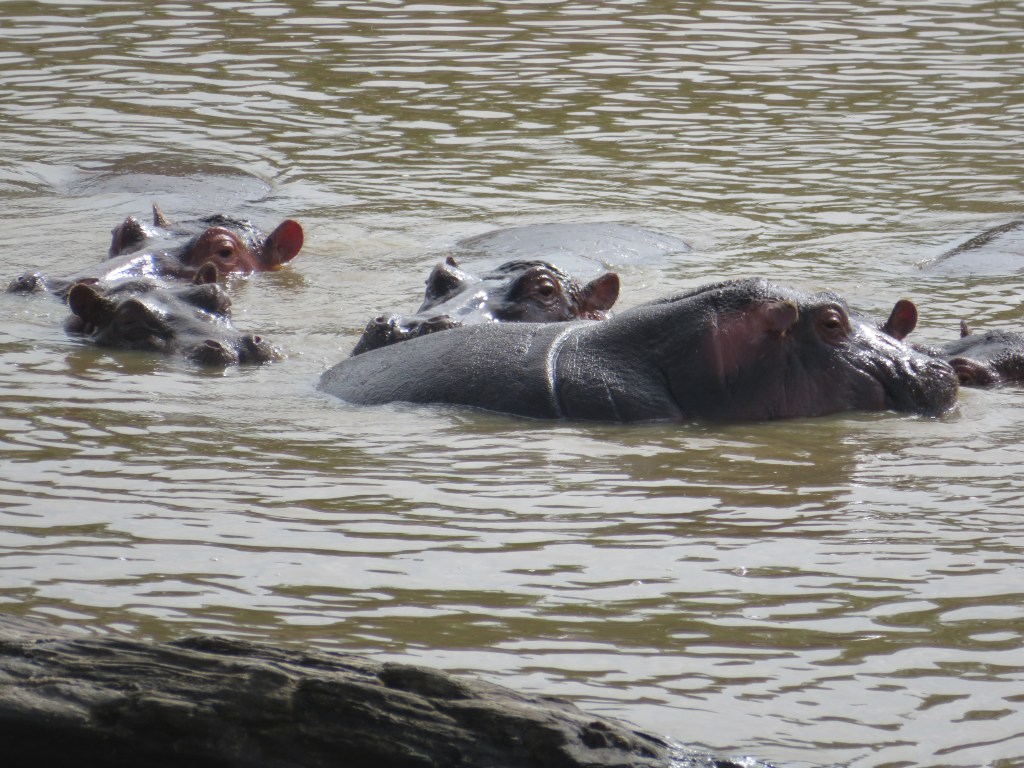
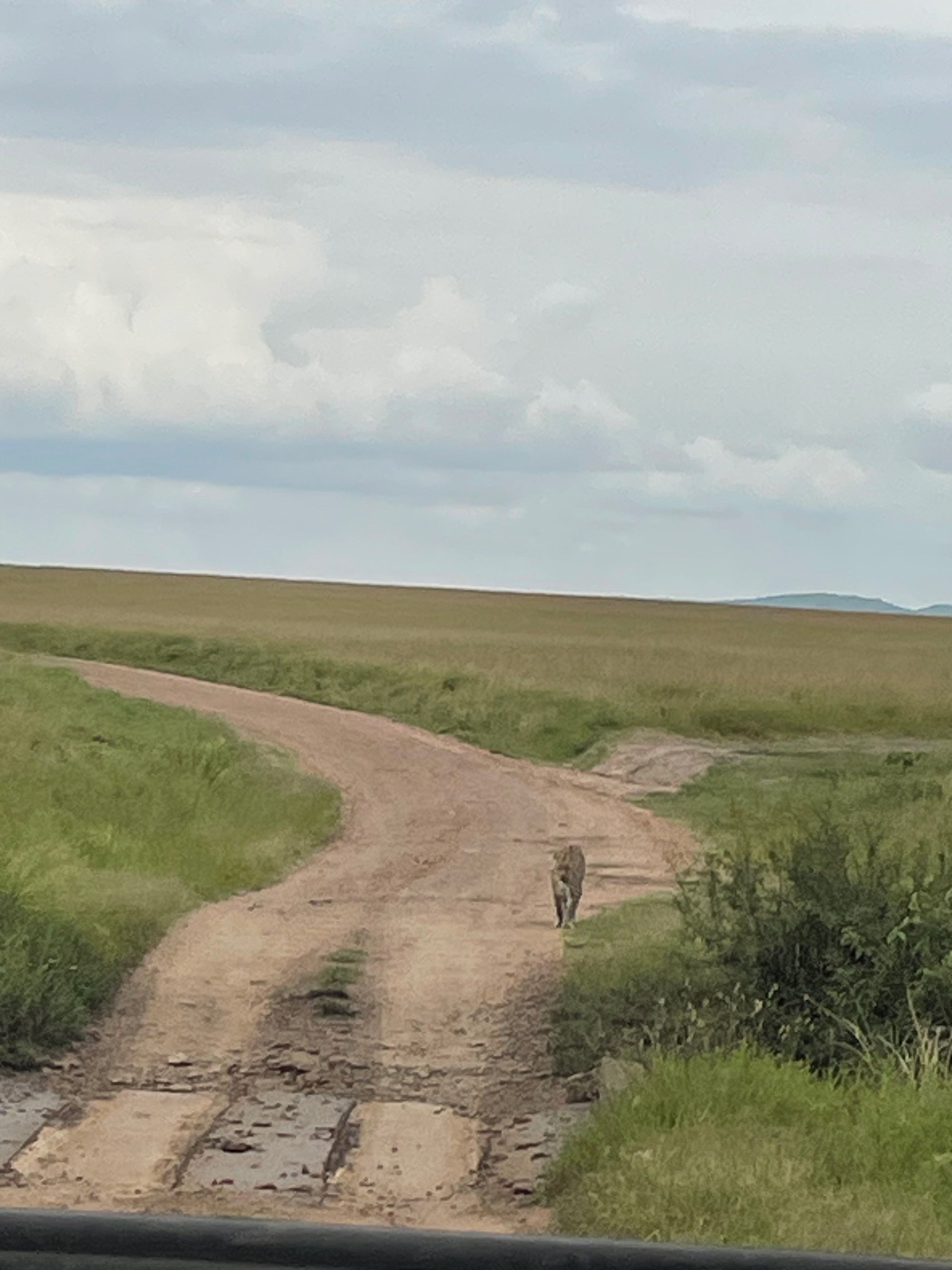
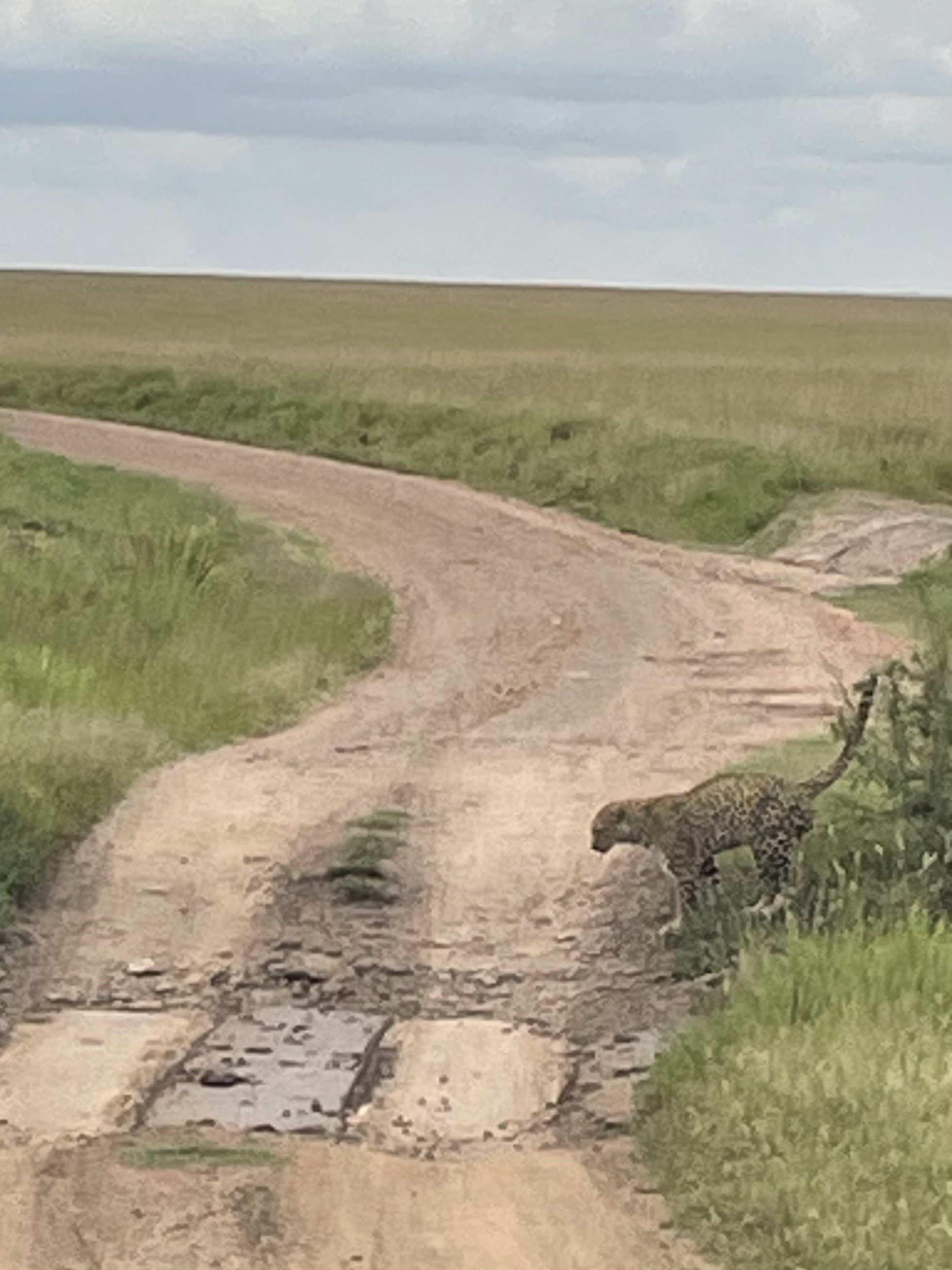


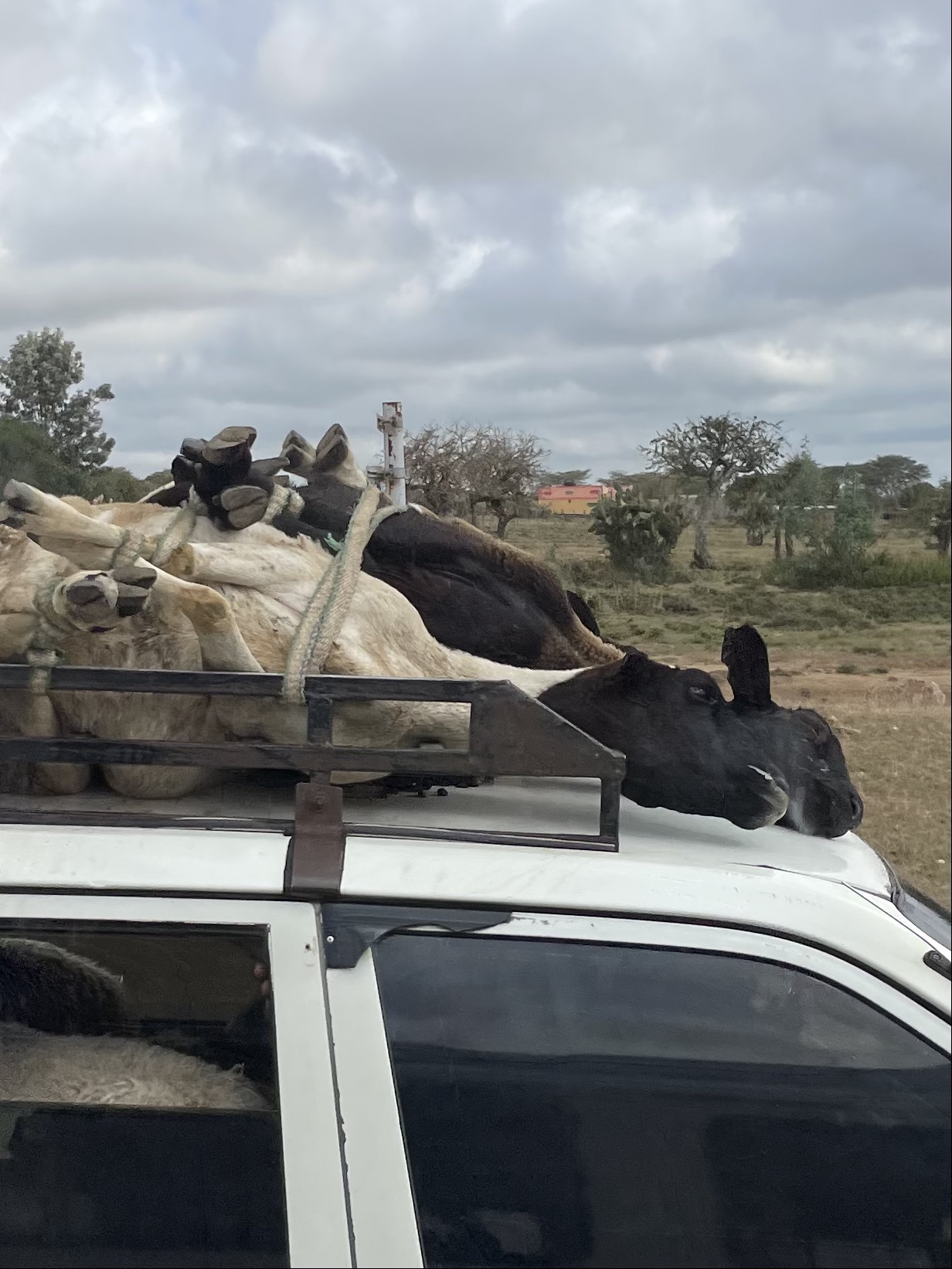
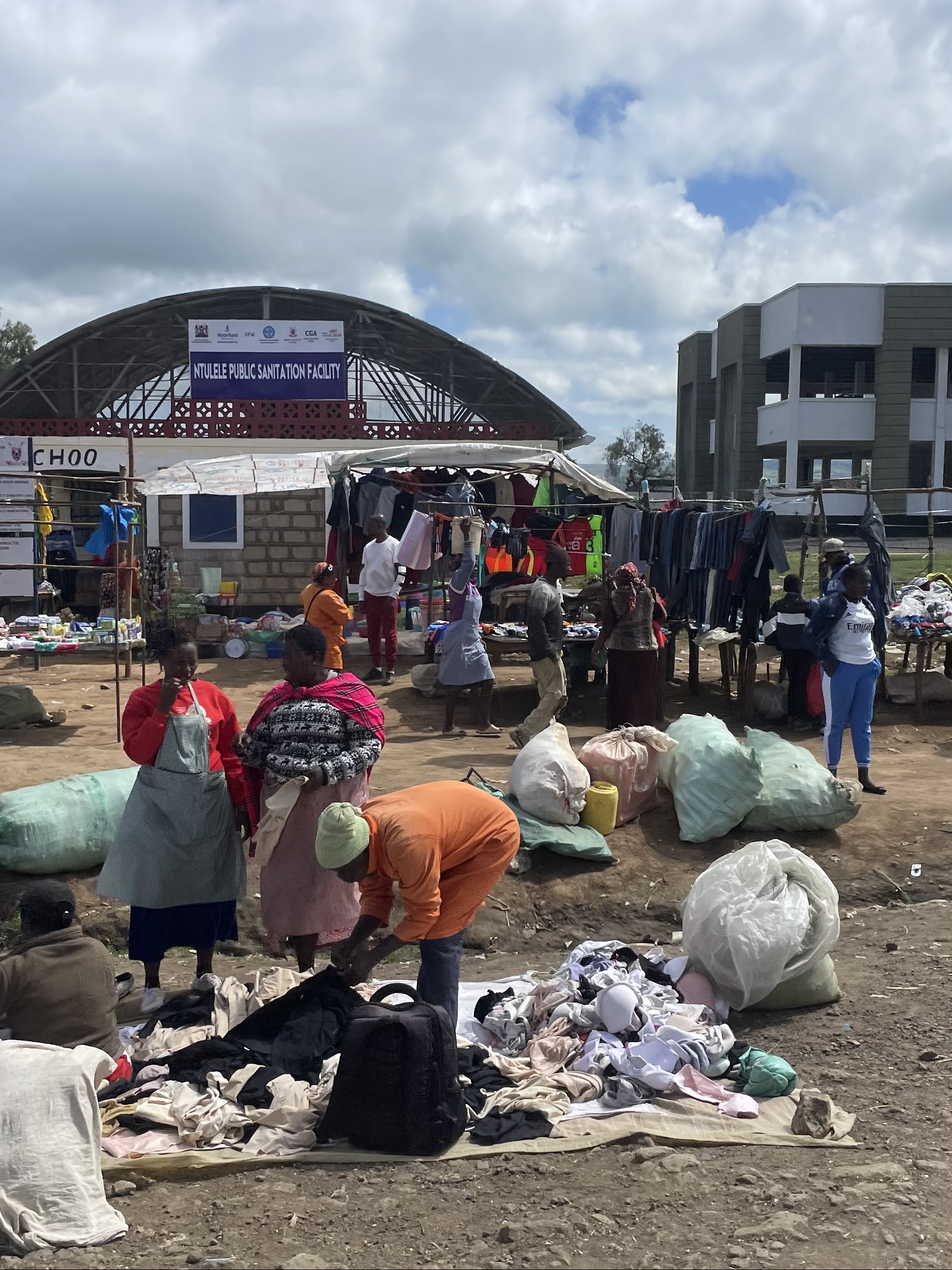


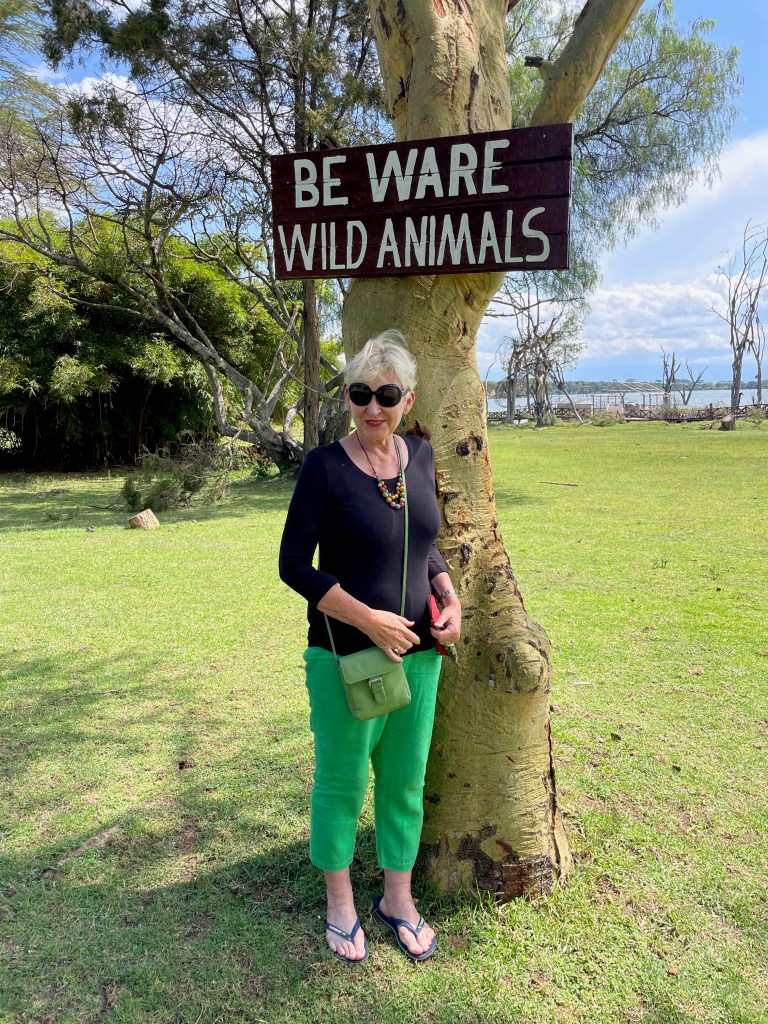

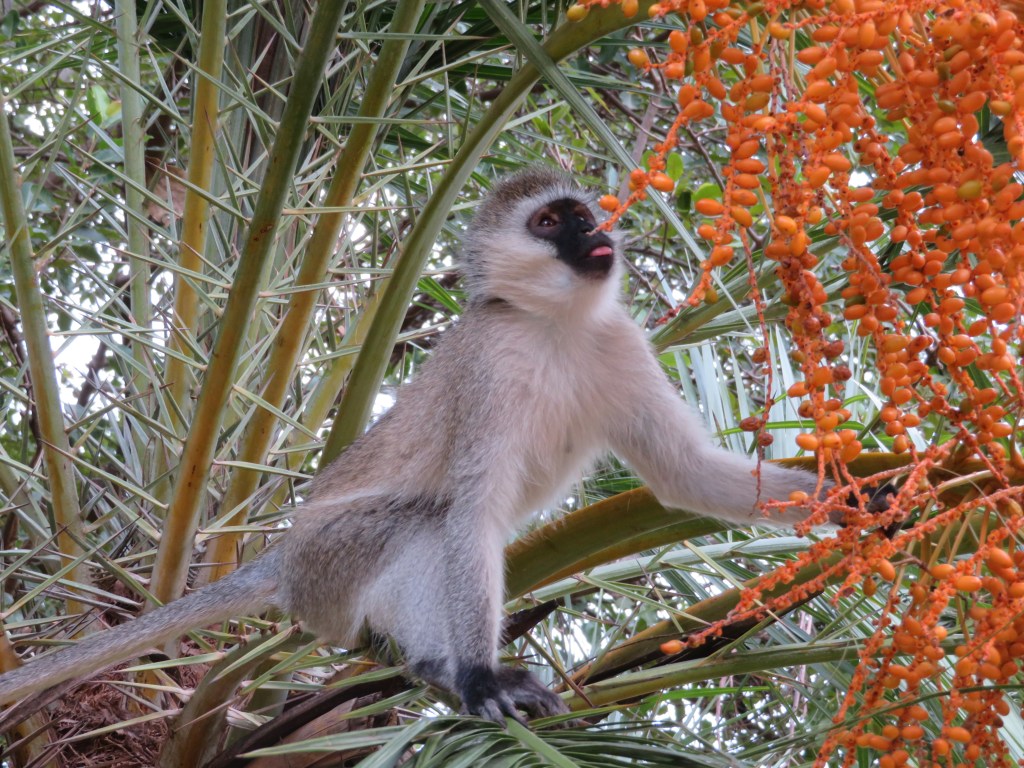
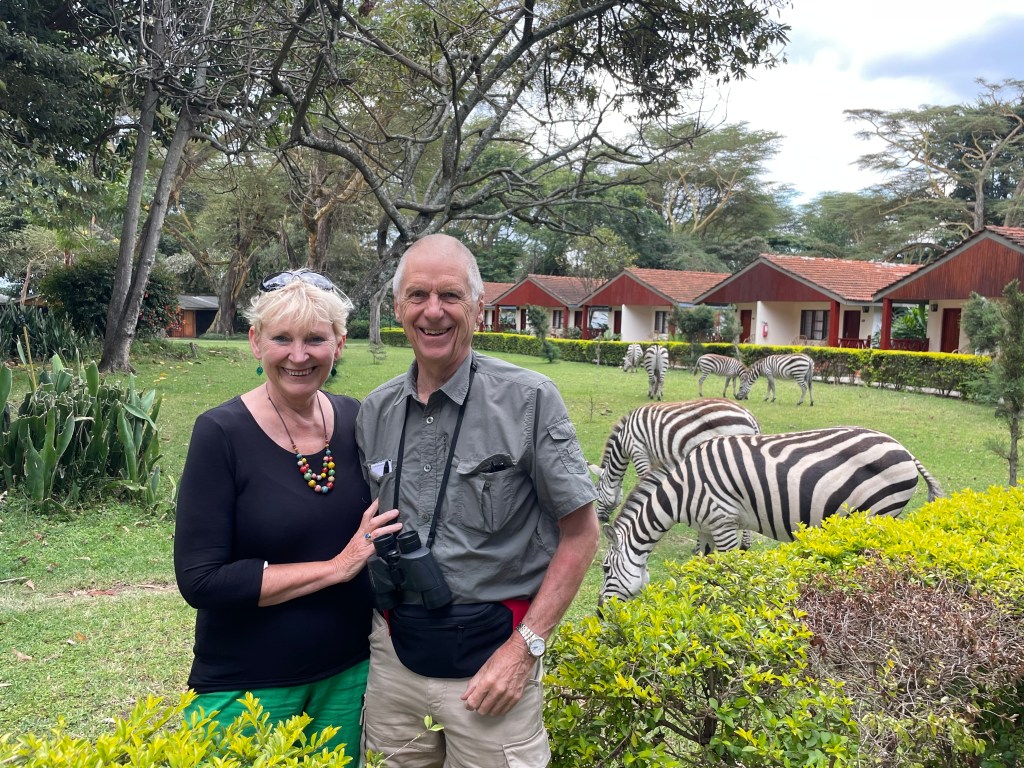
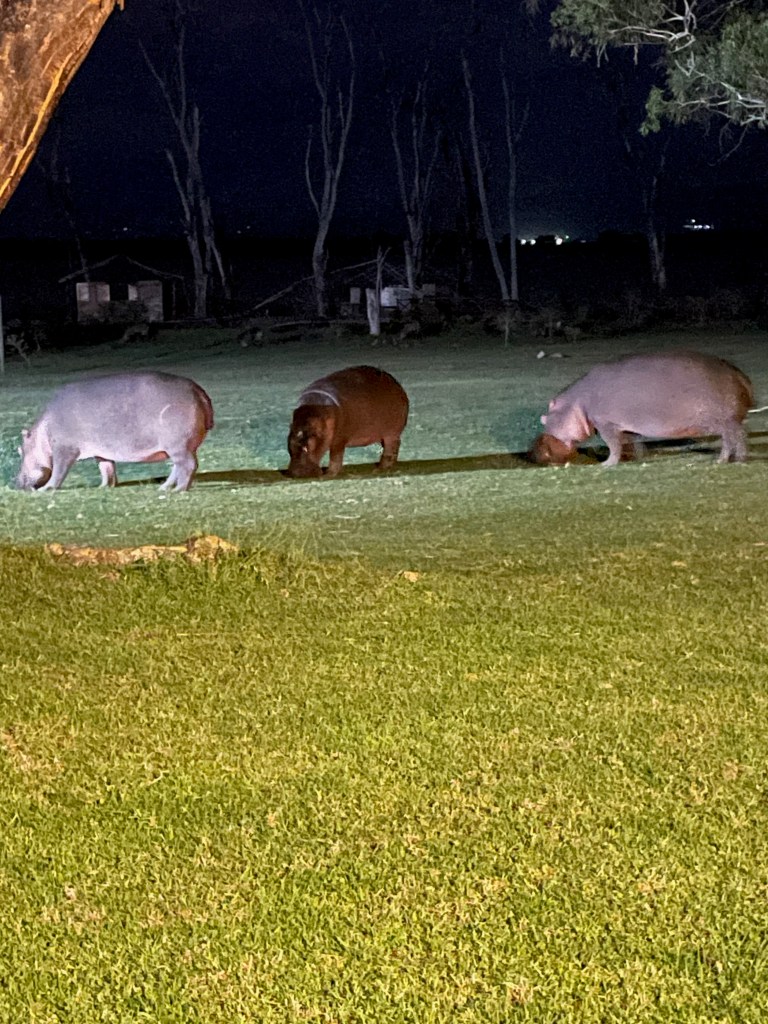
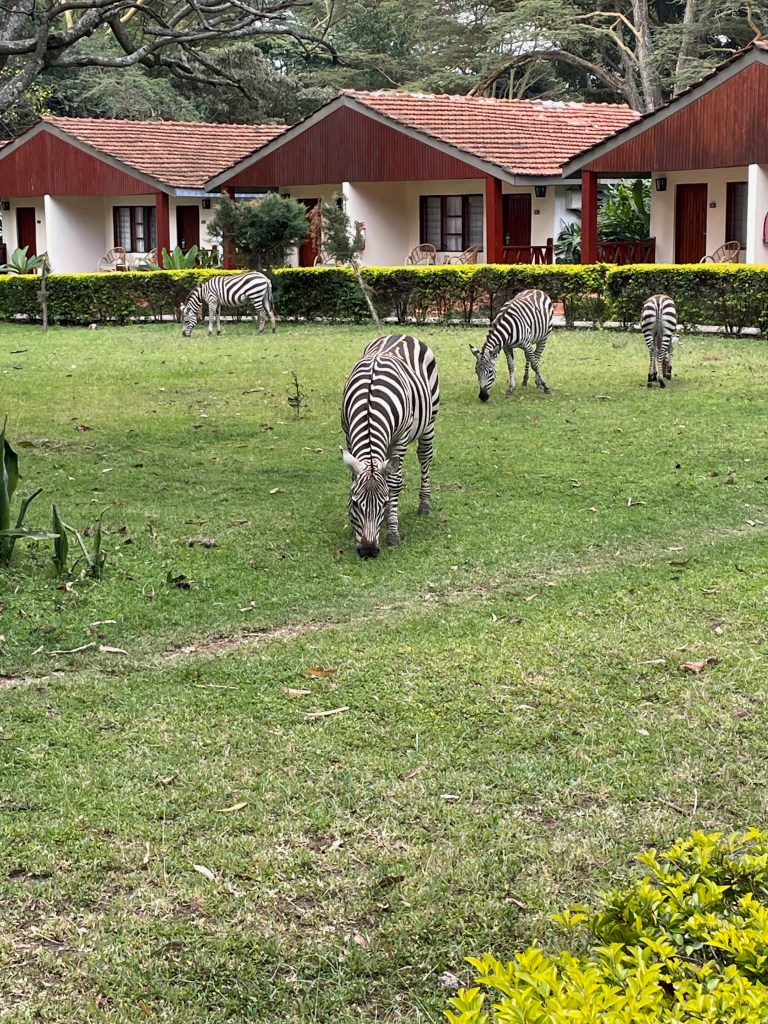

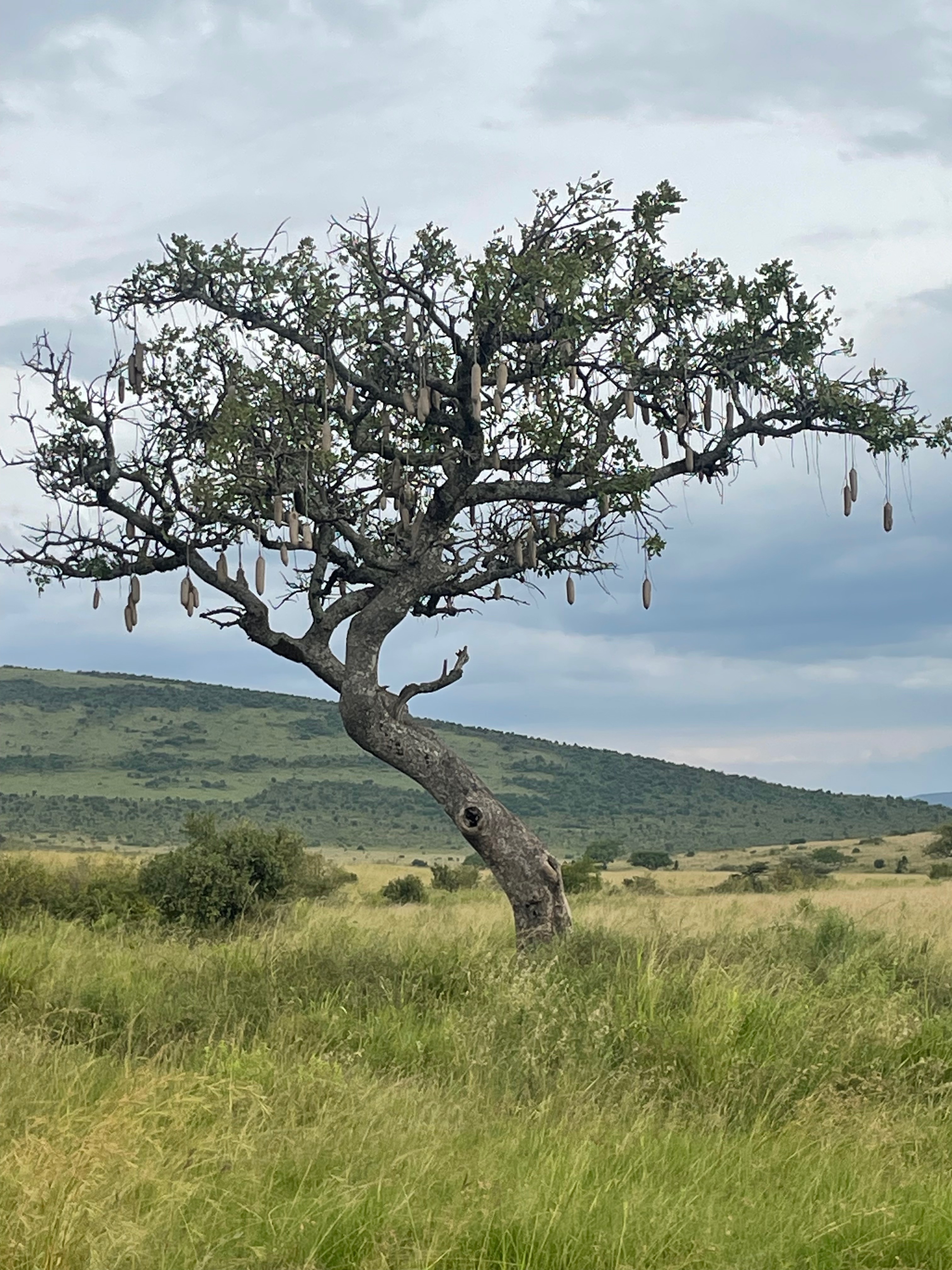


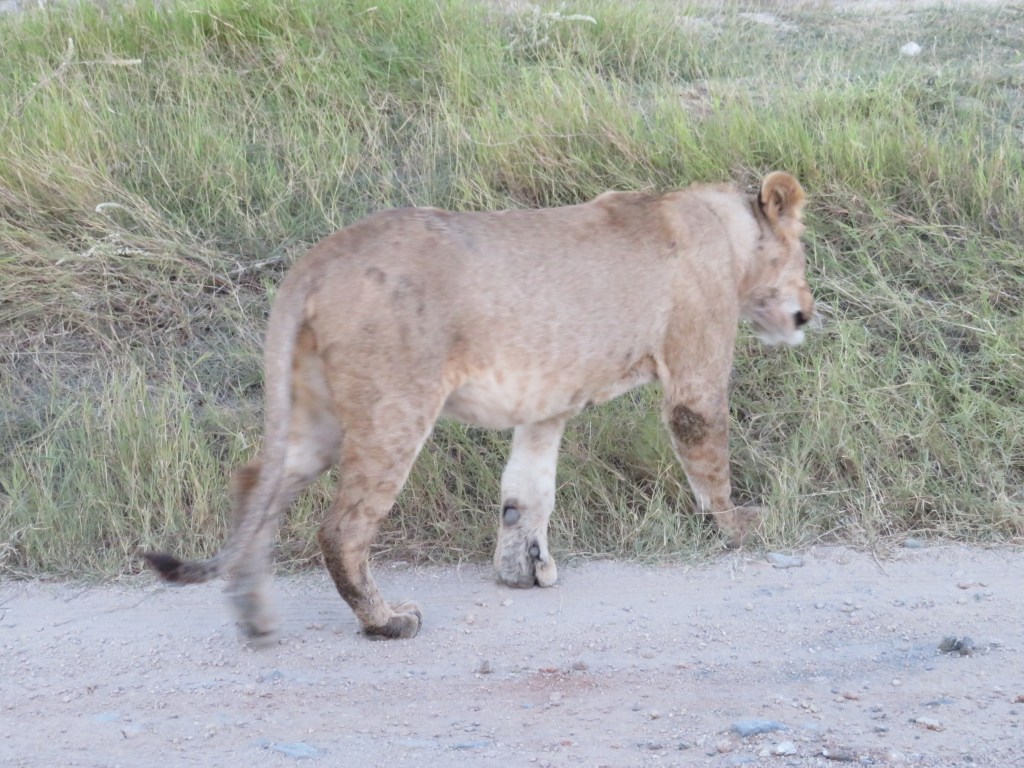


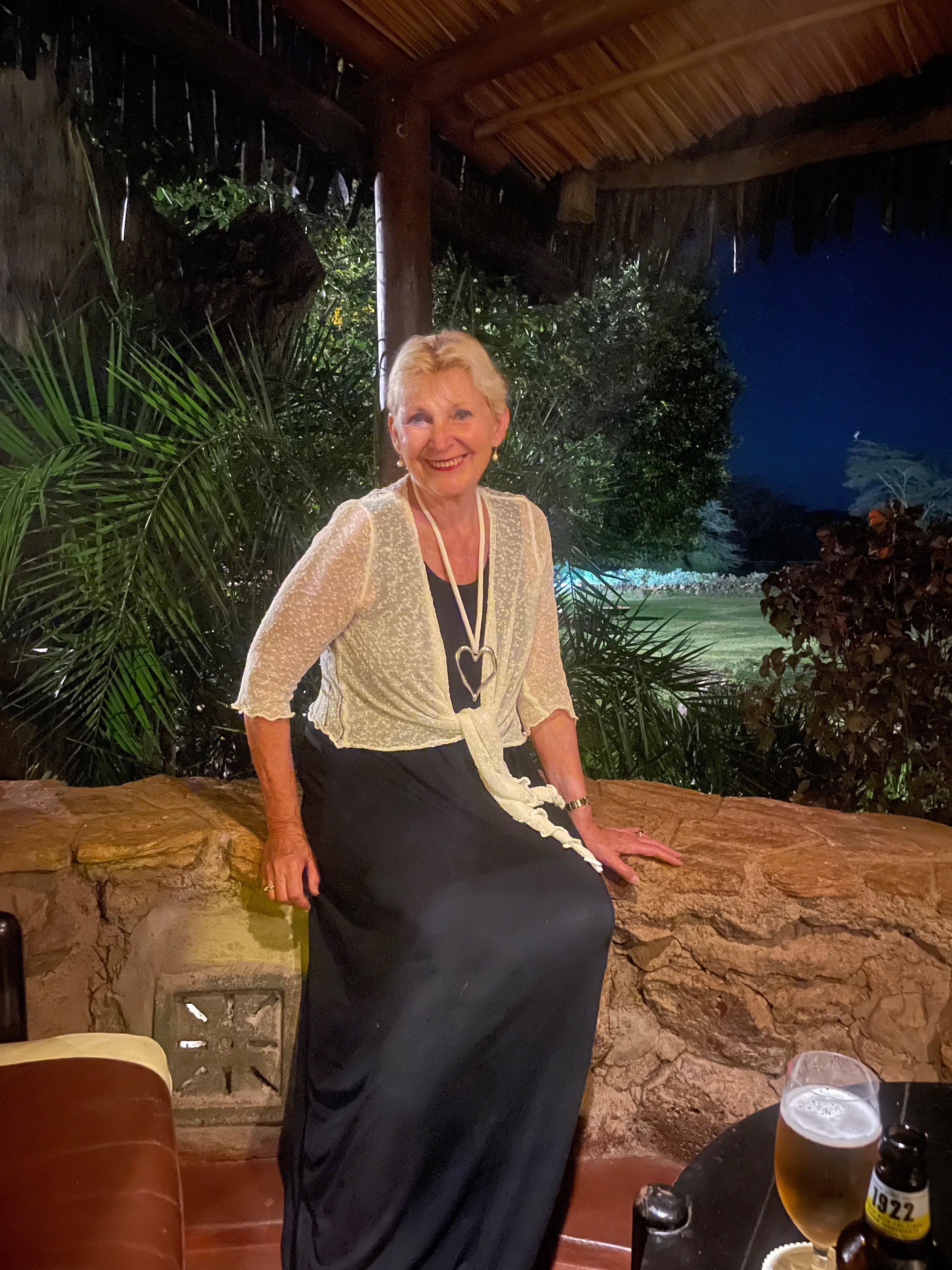
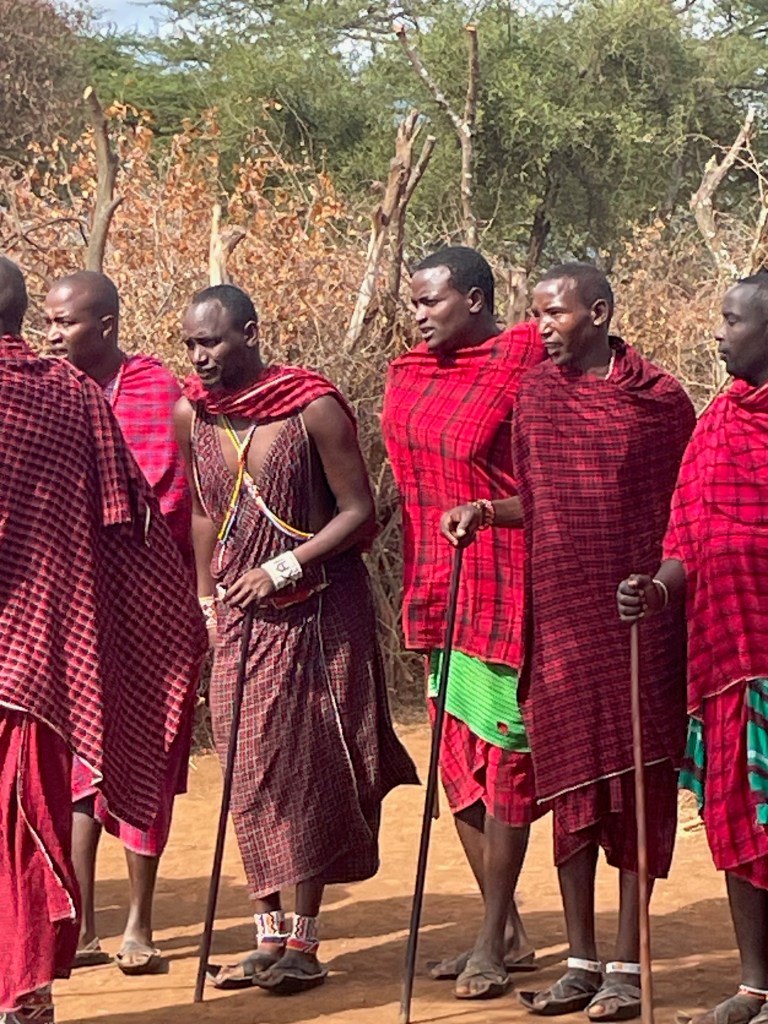
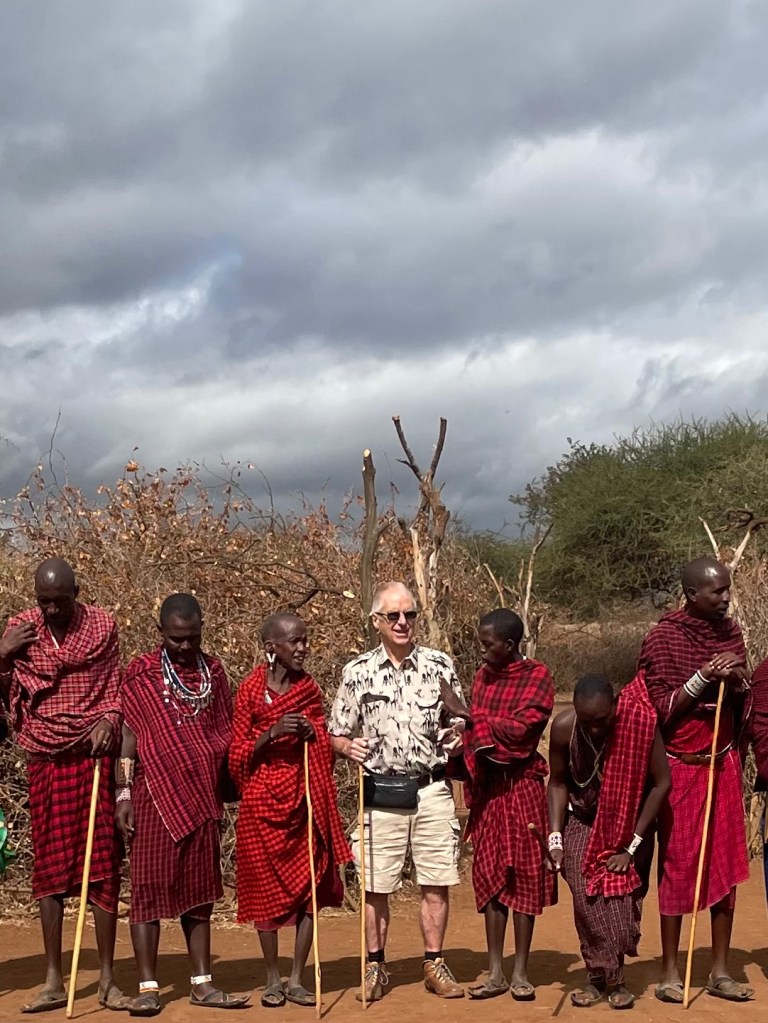
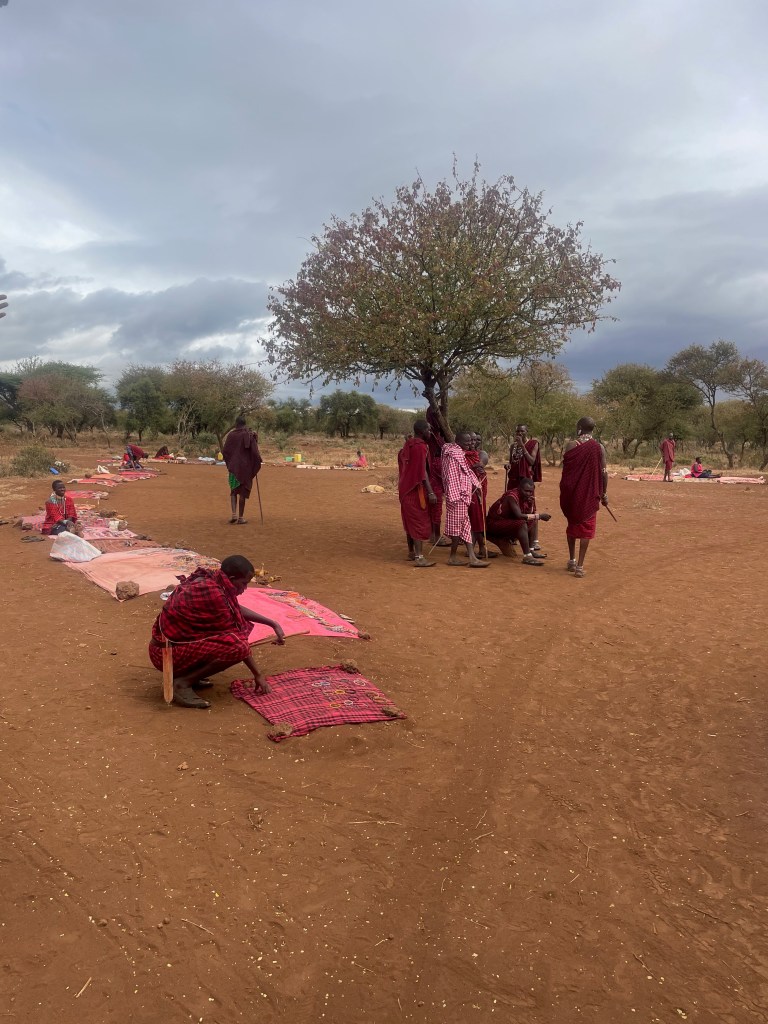
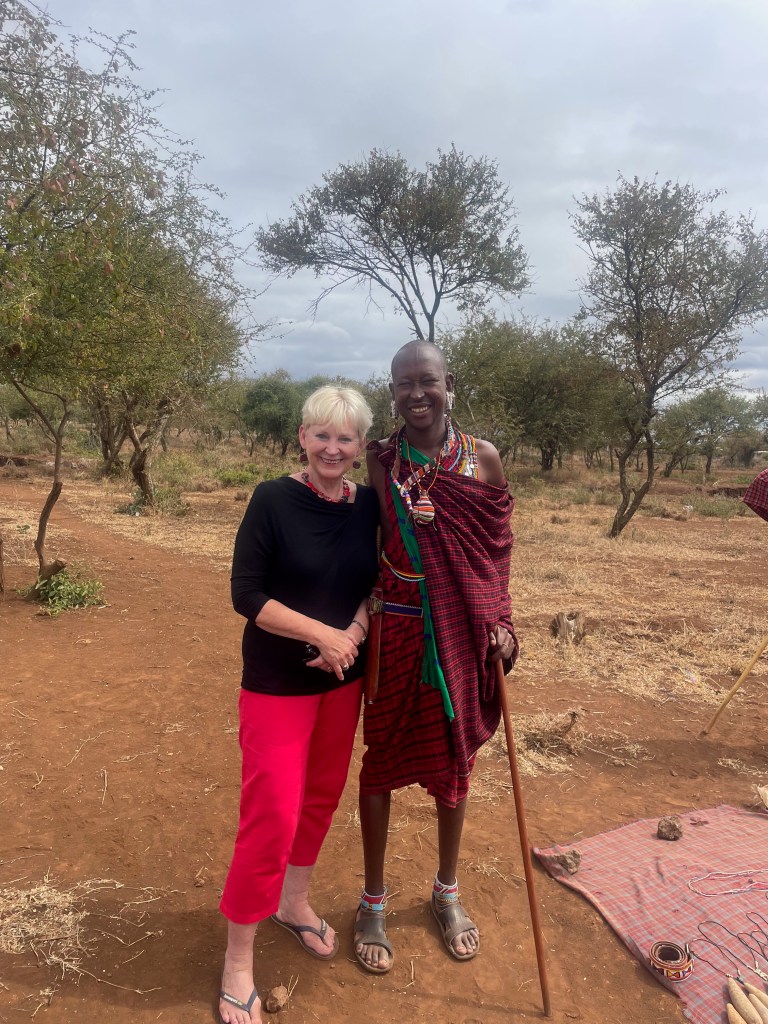
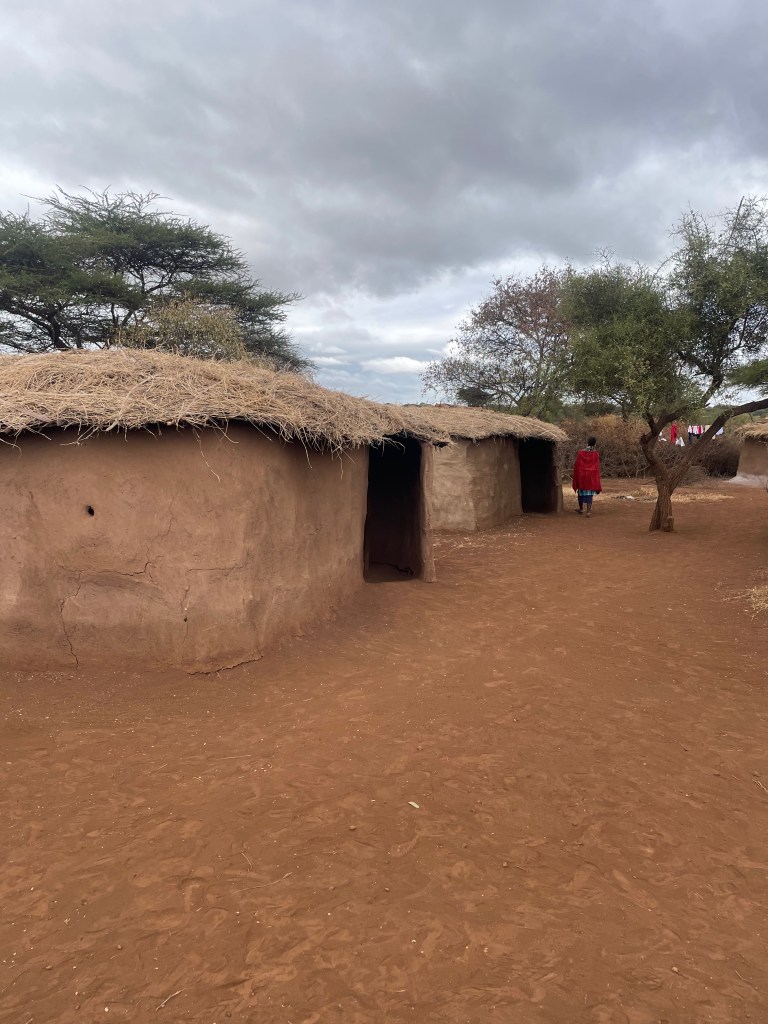


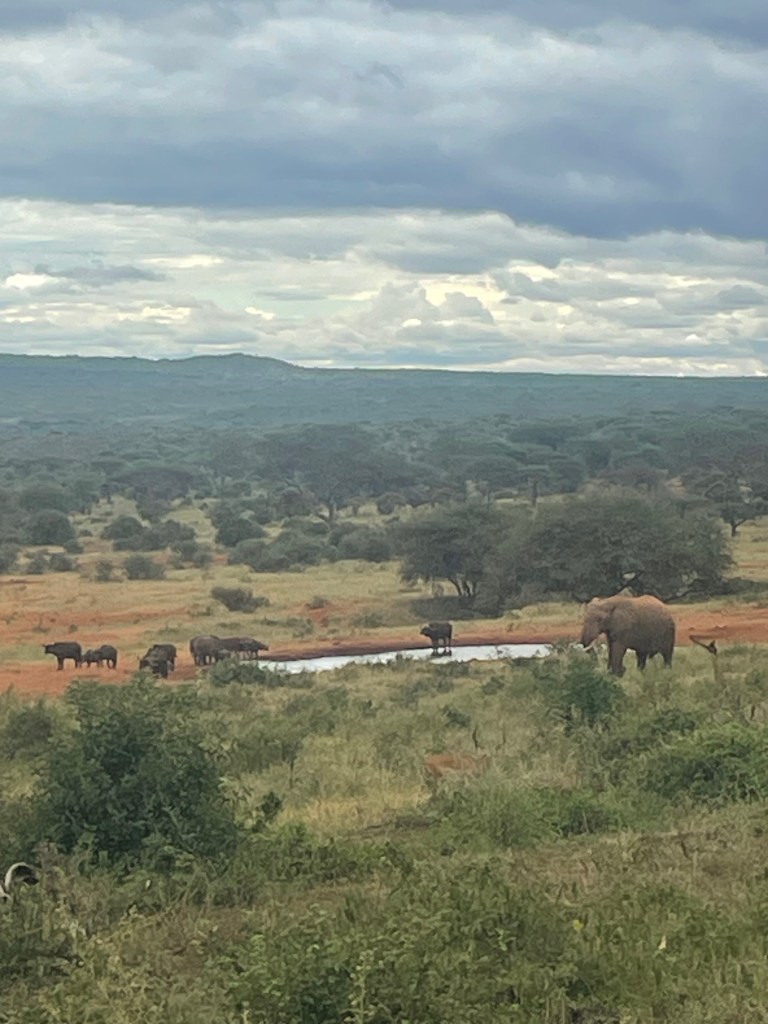
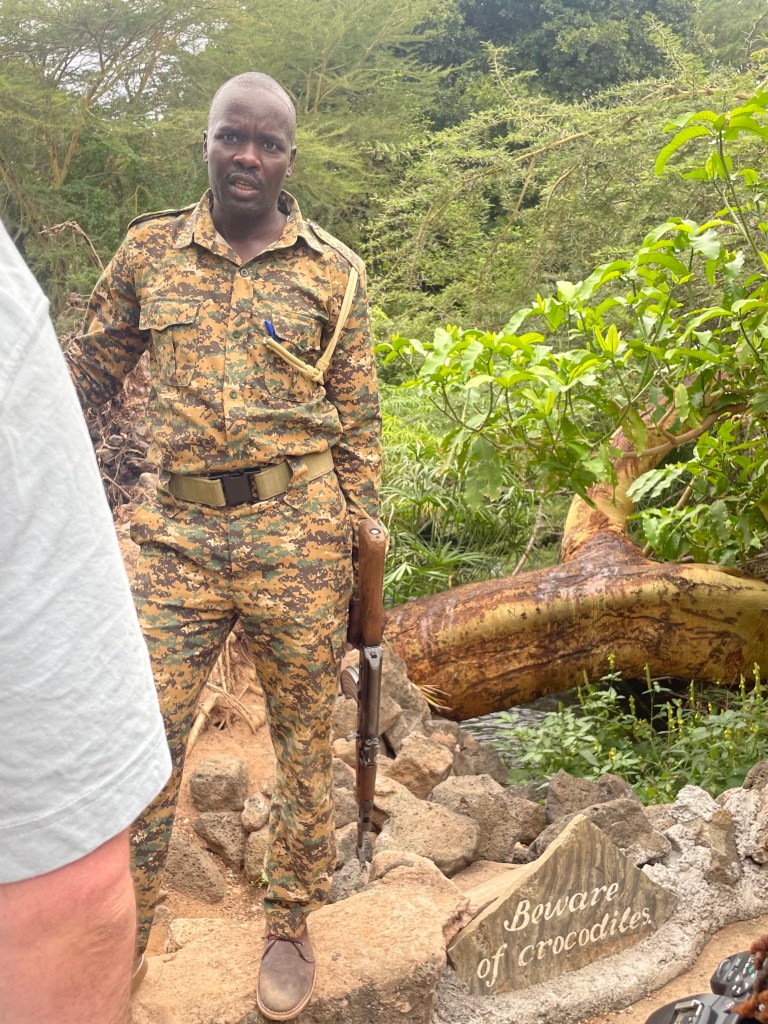
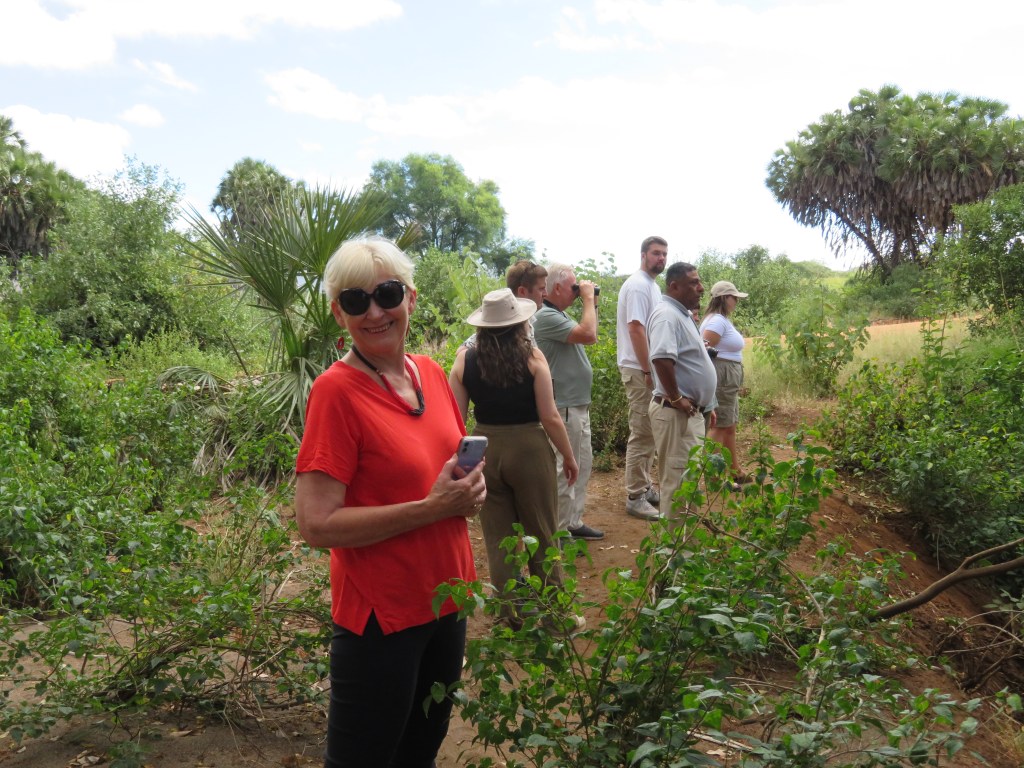
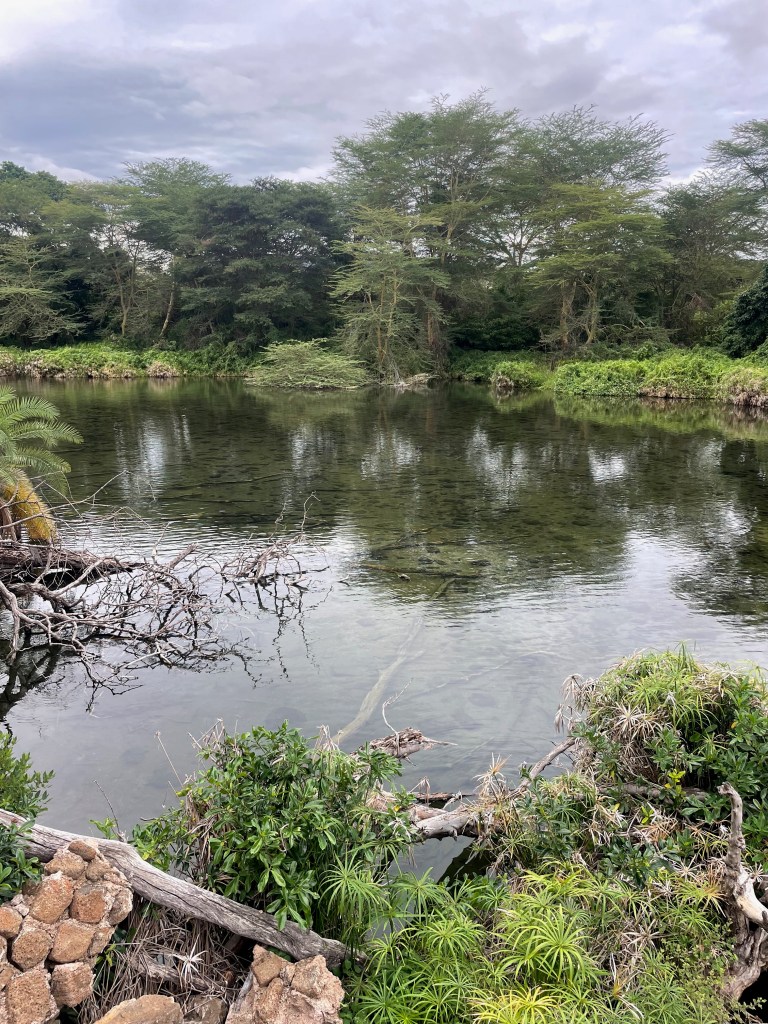

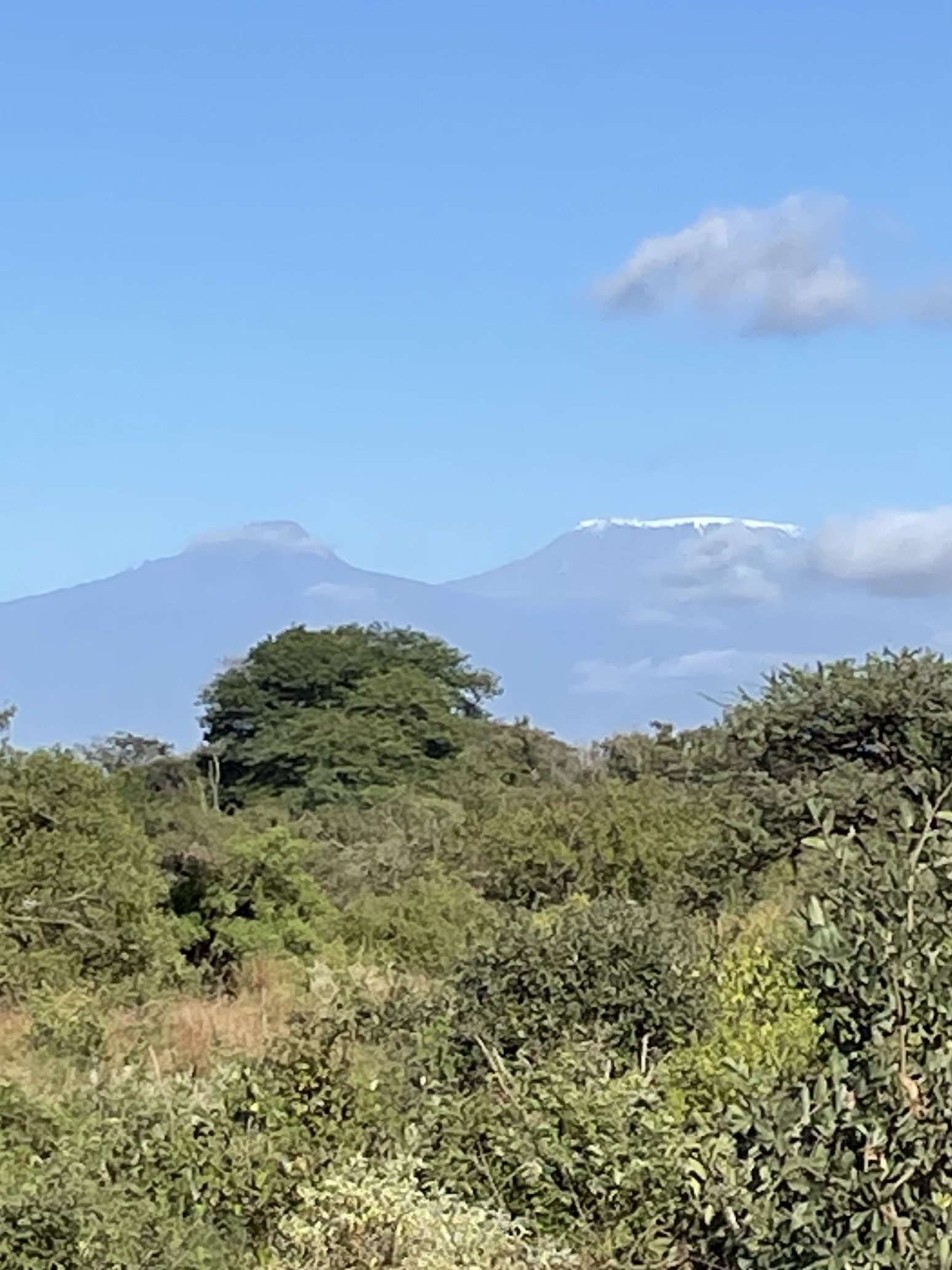
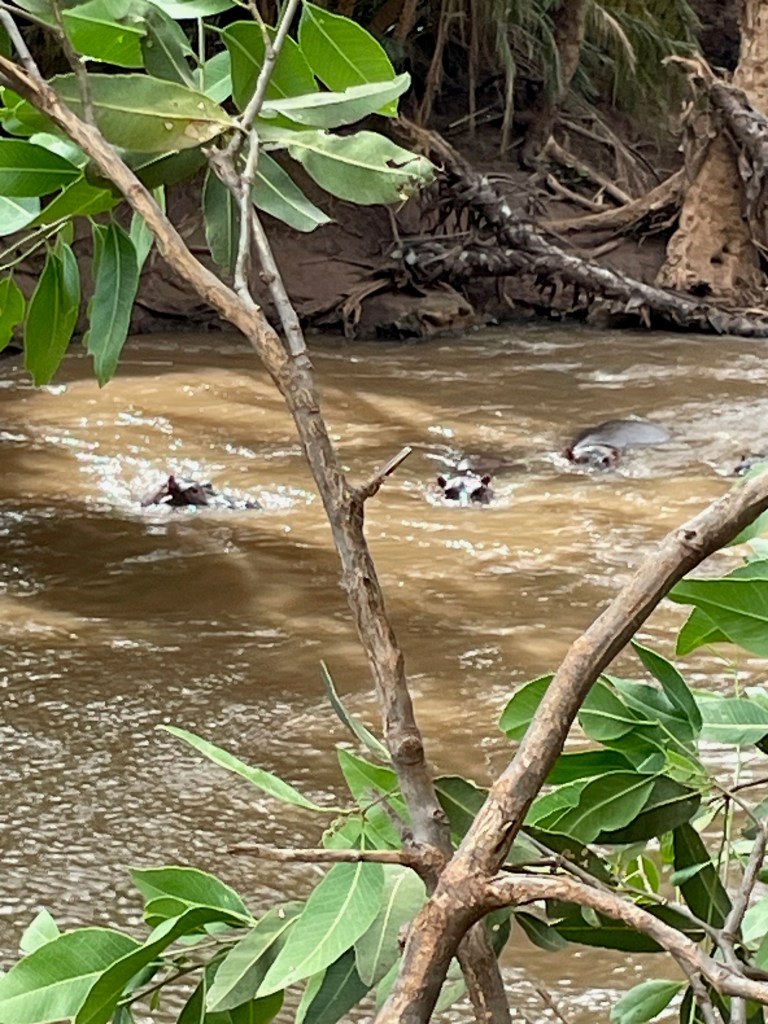


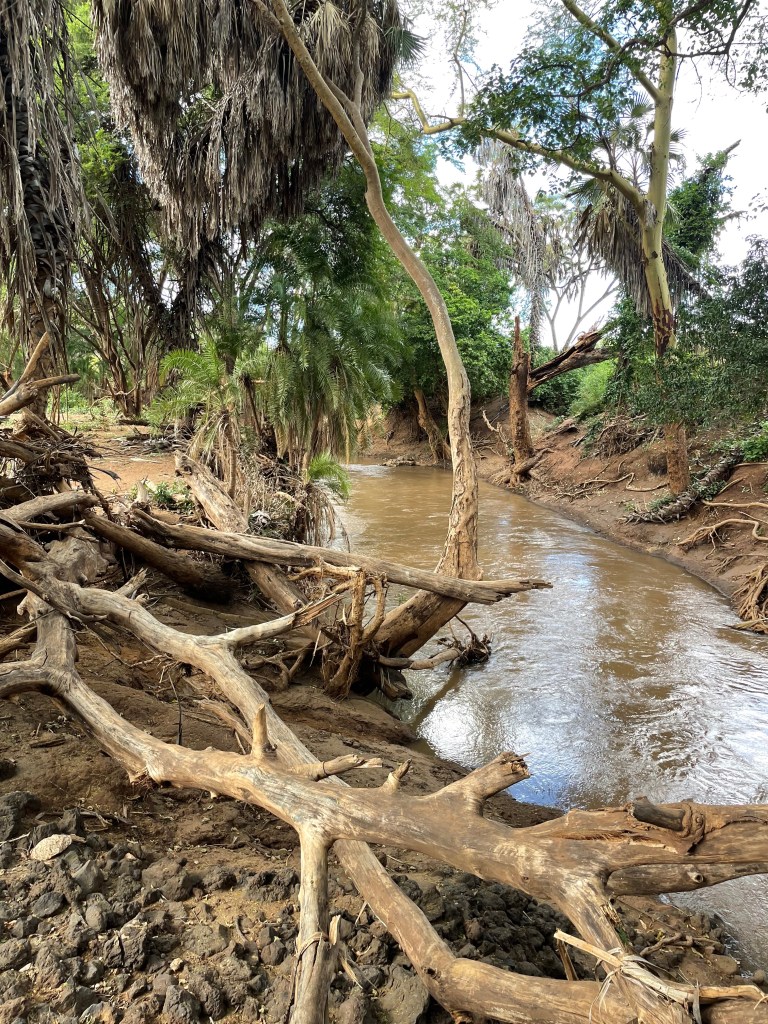
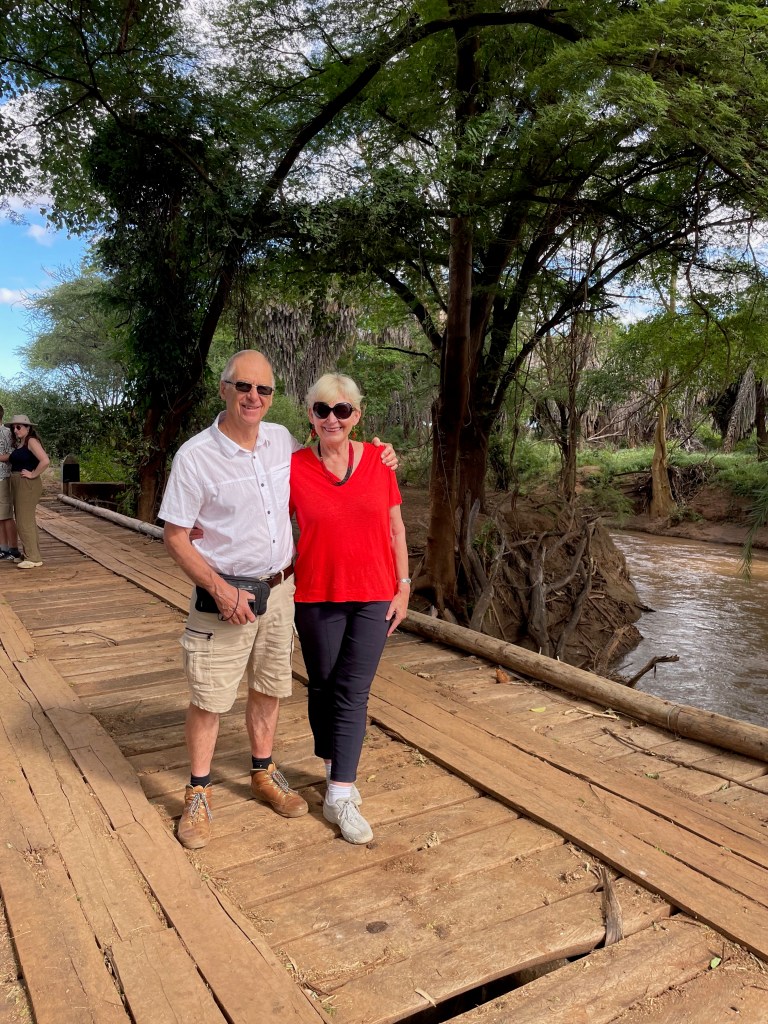
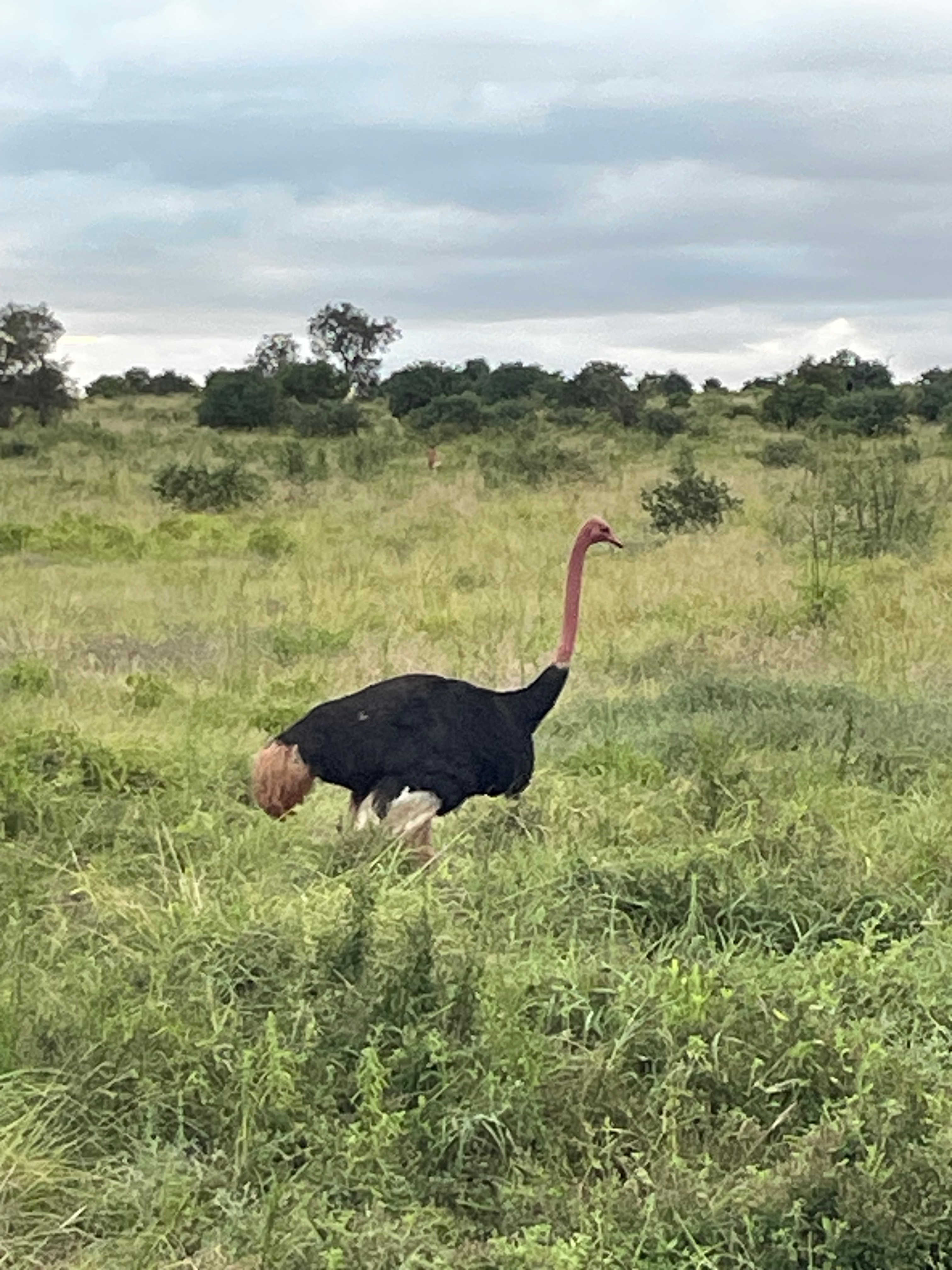
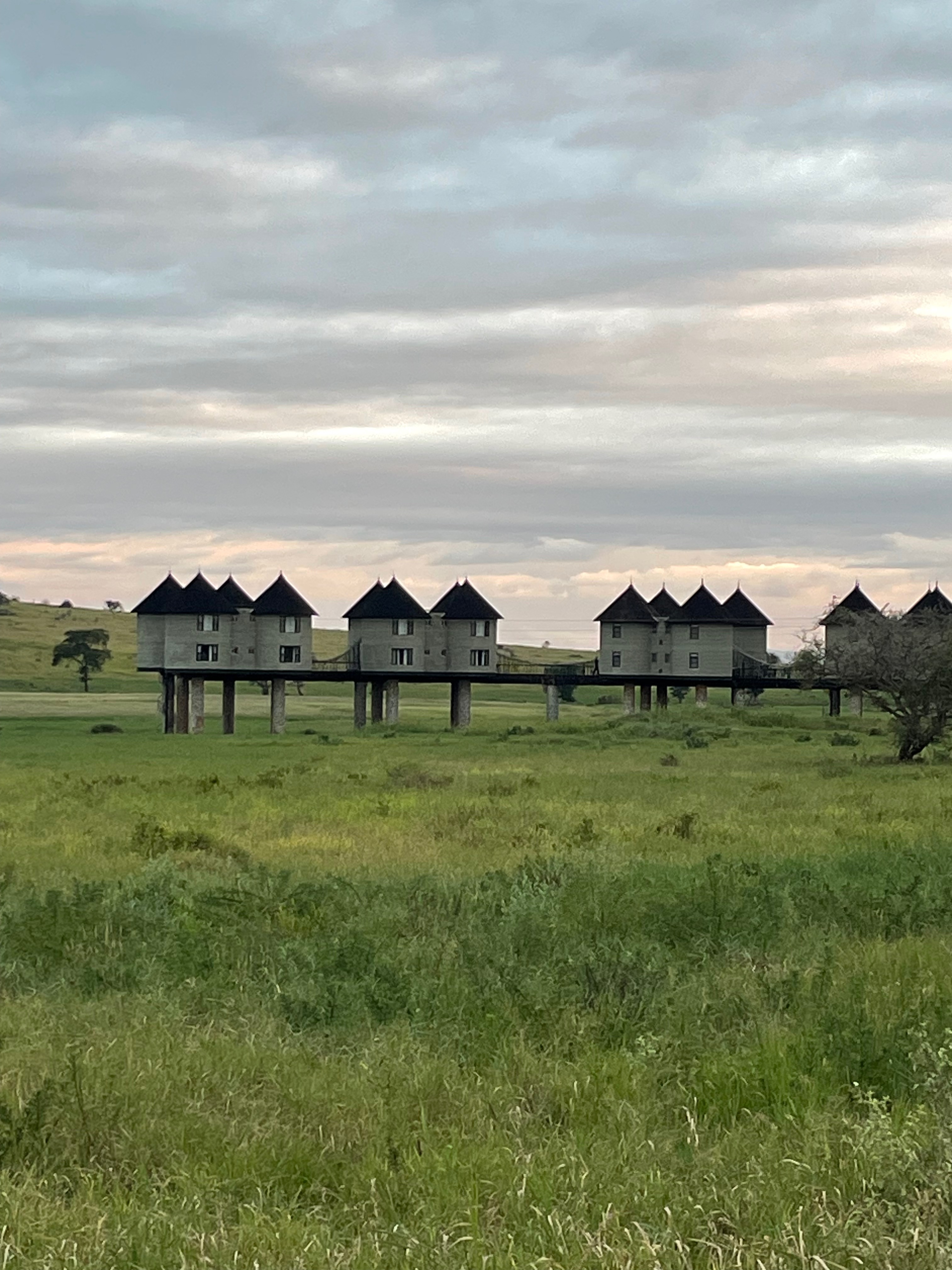
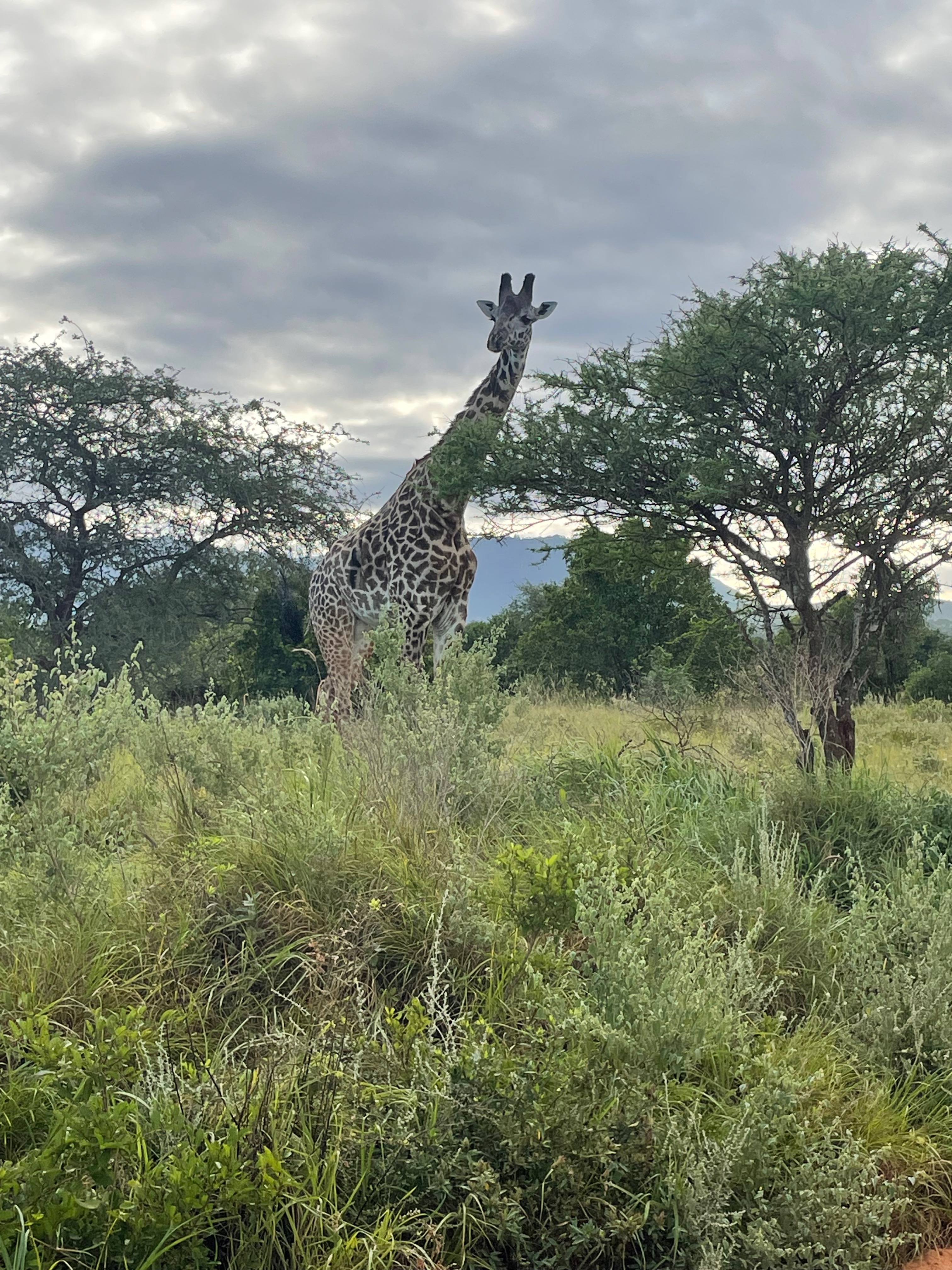


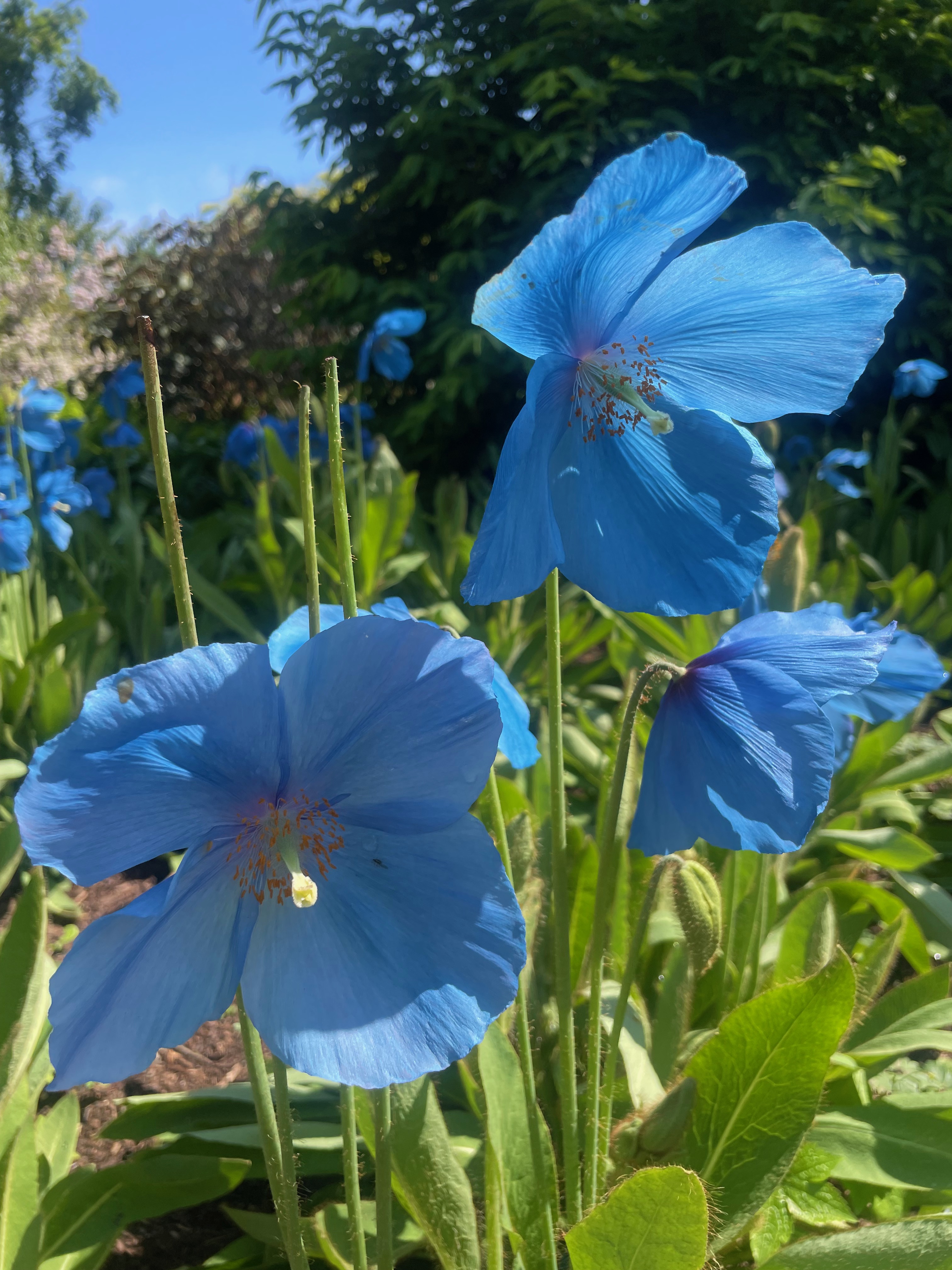


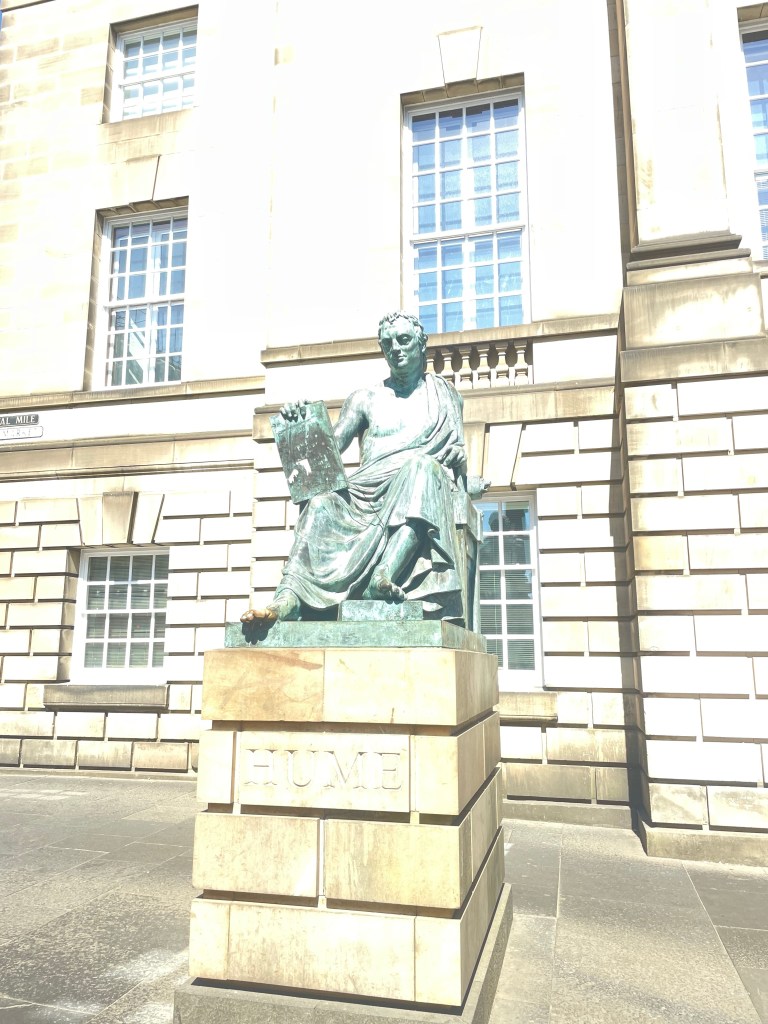
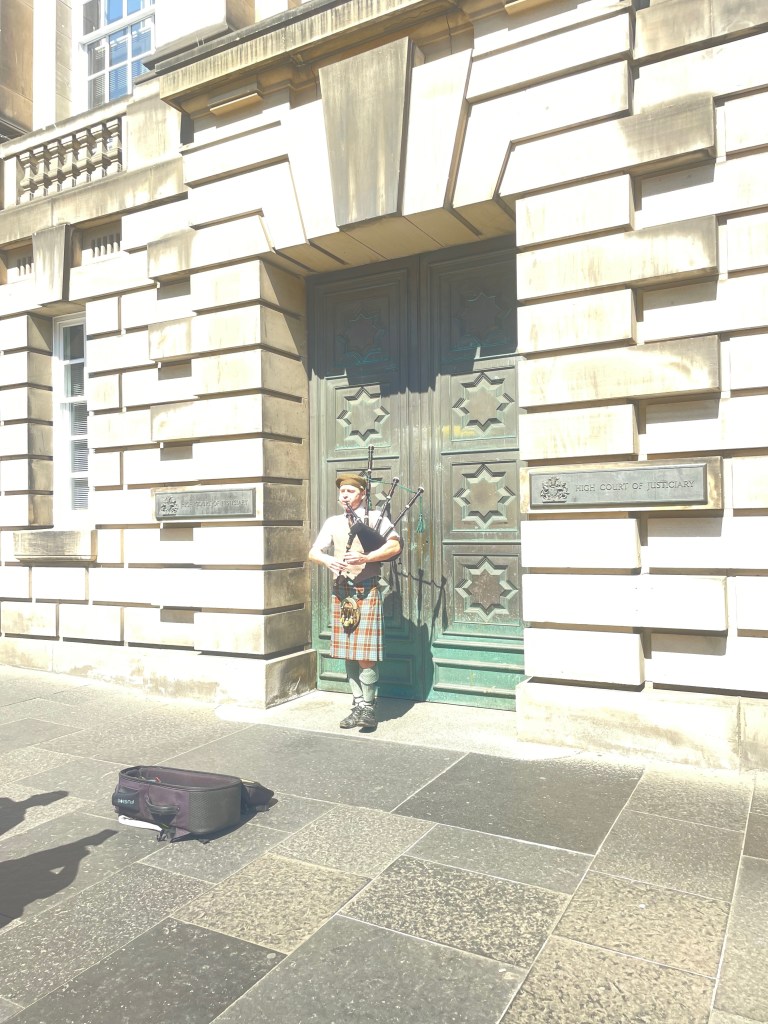
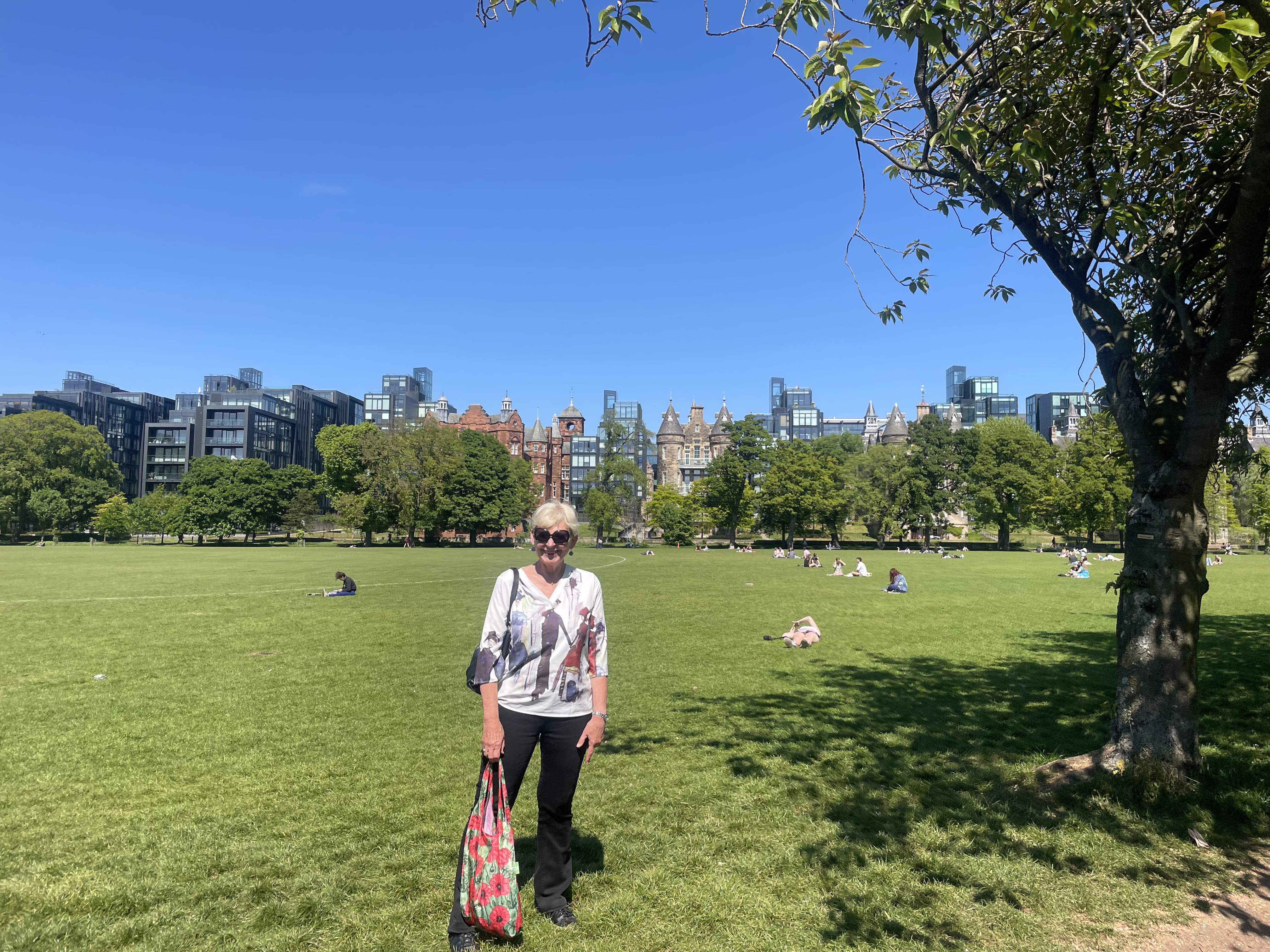
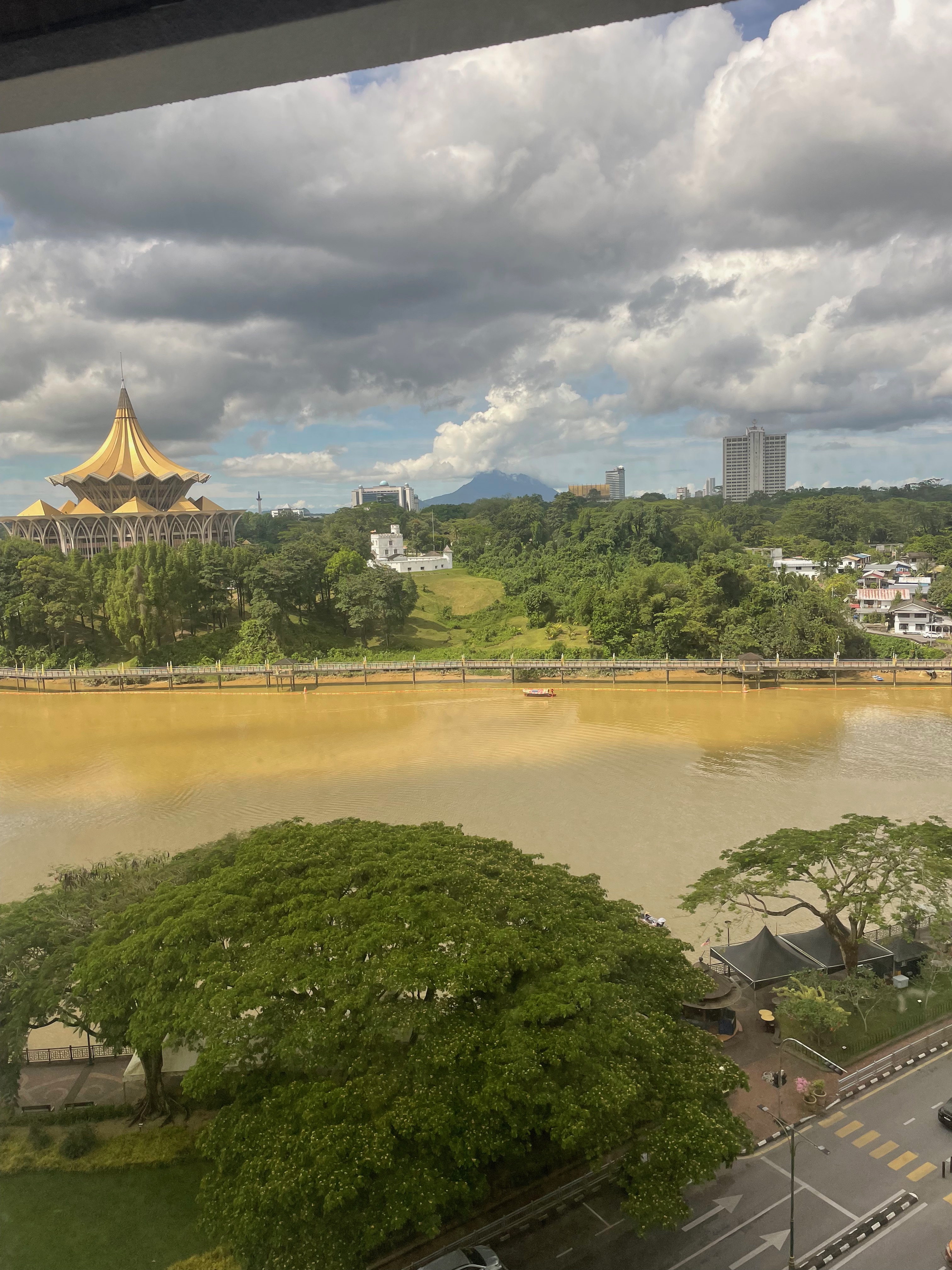
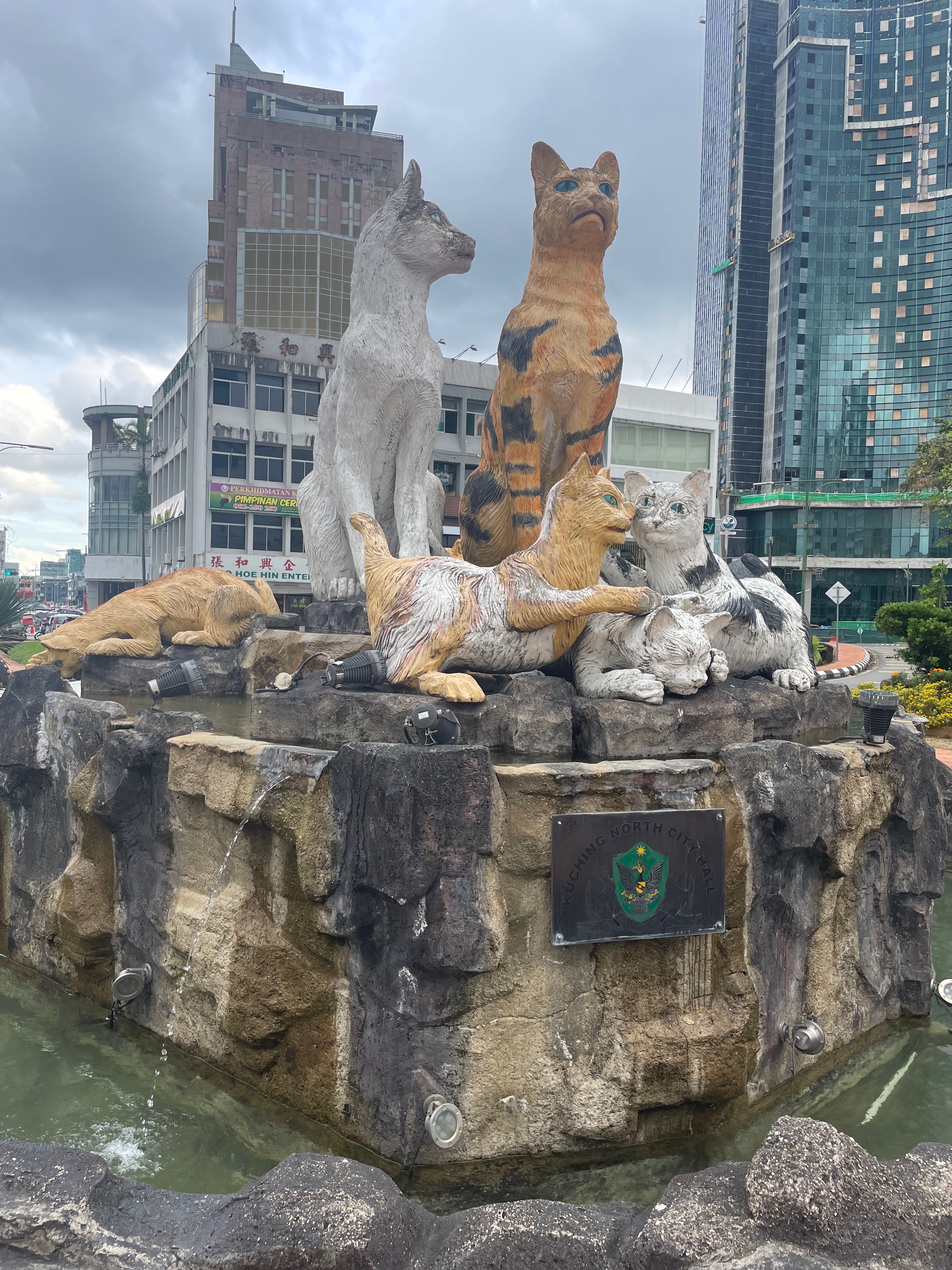
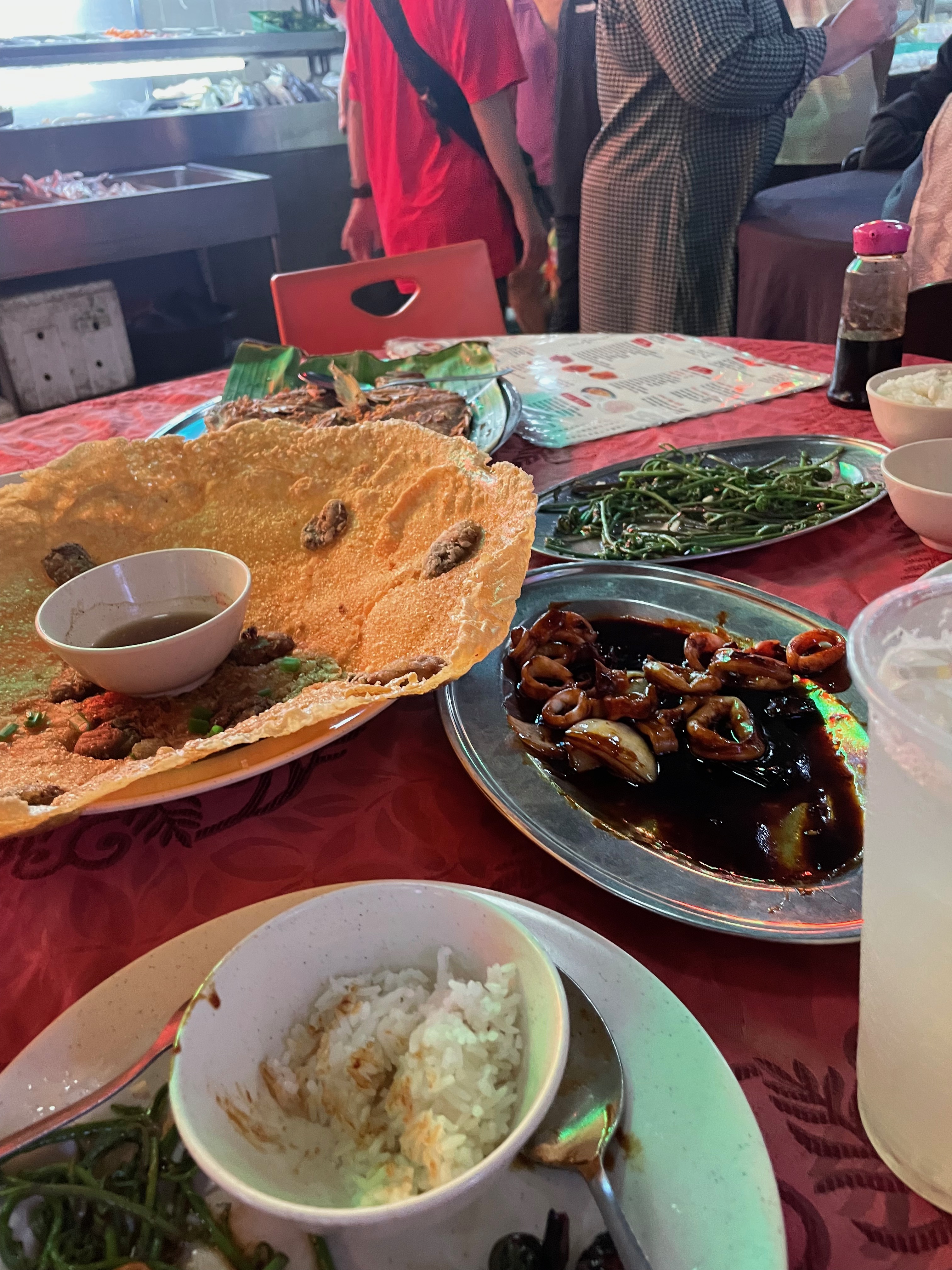
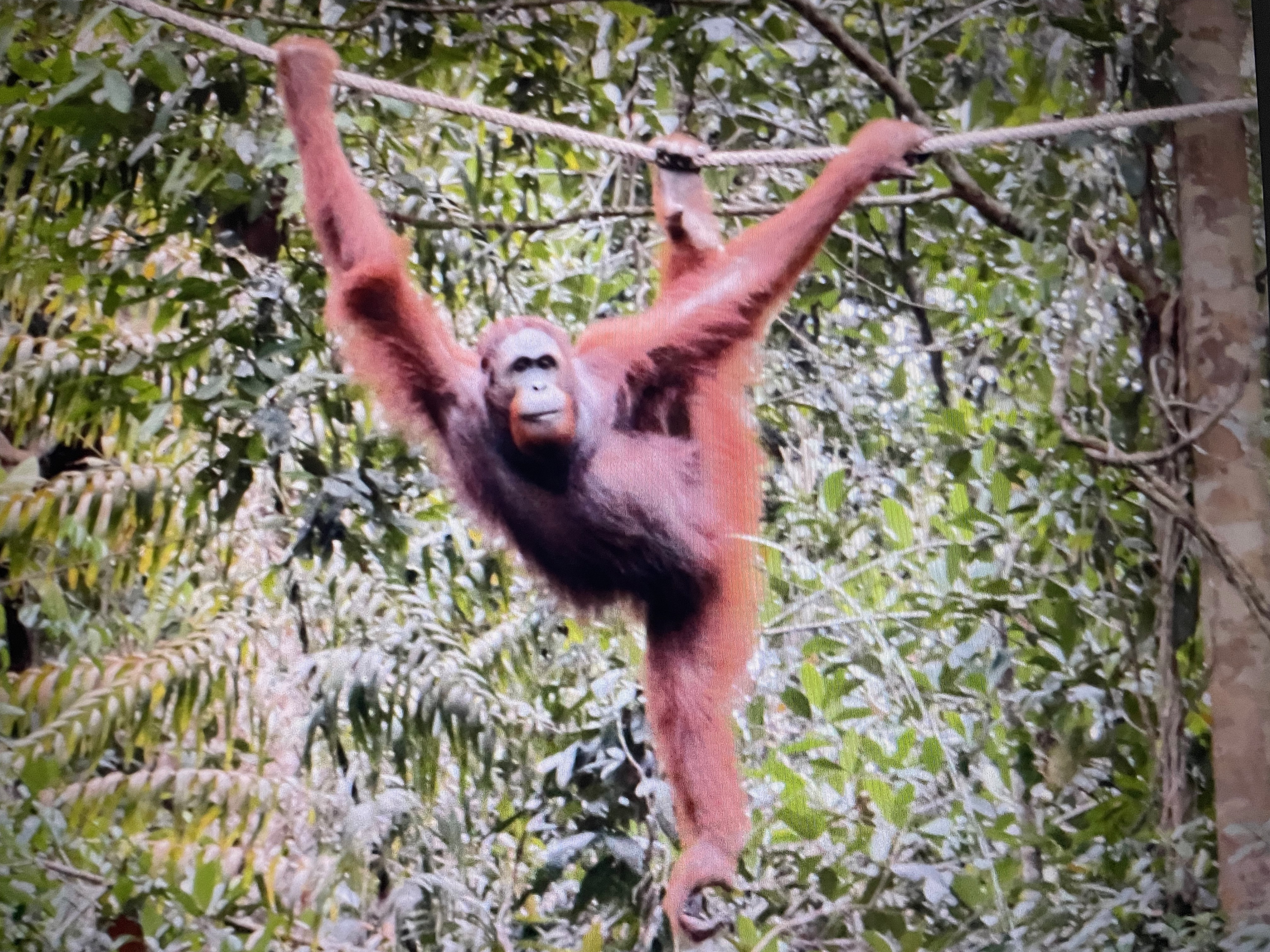
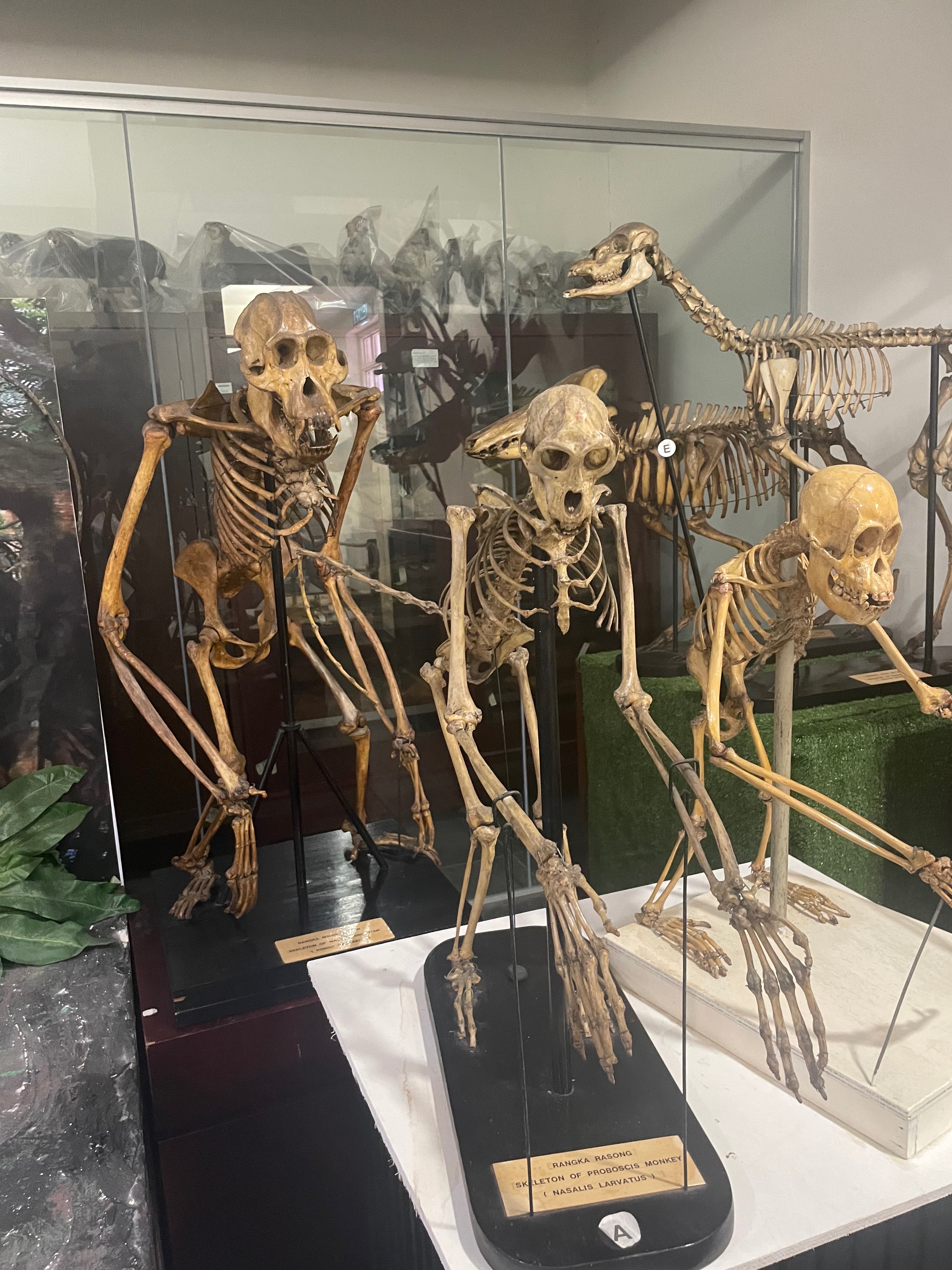


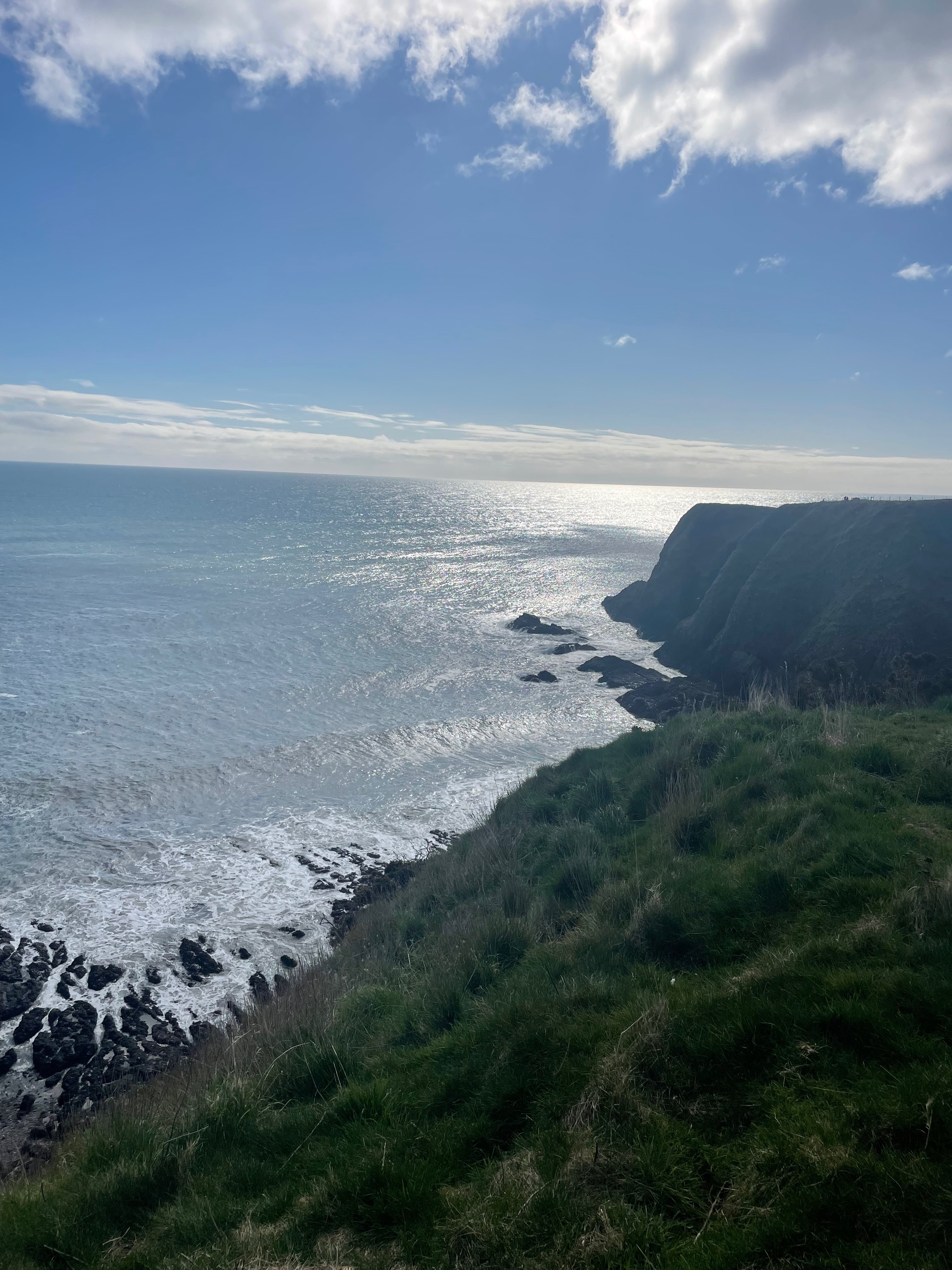

 Tales from the Gael