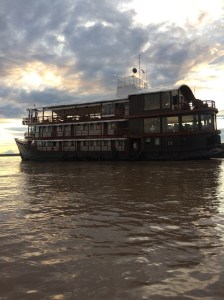
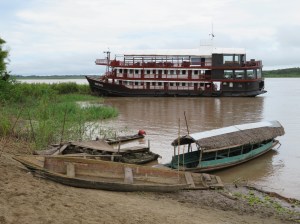
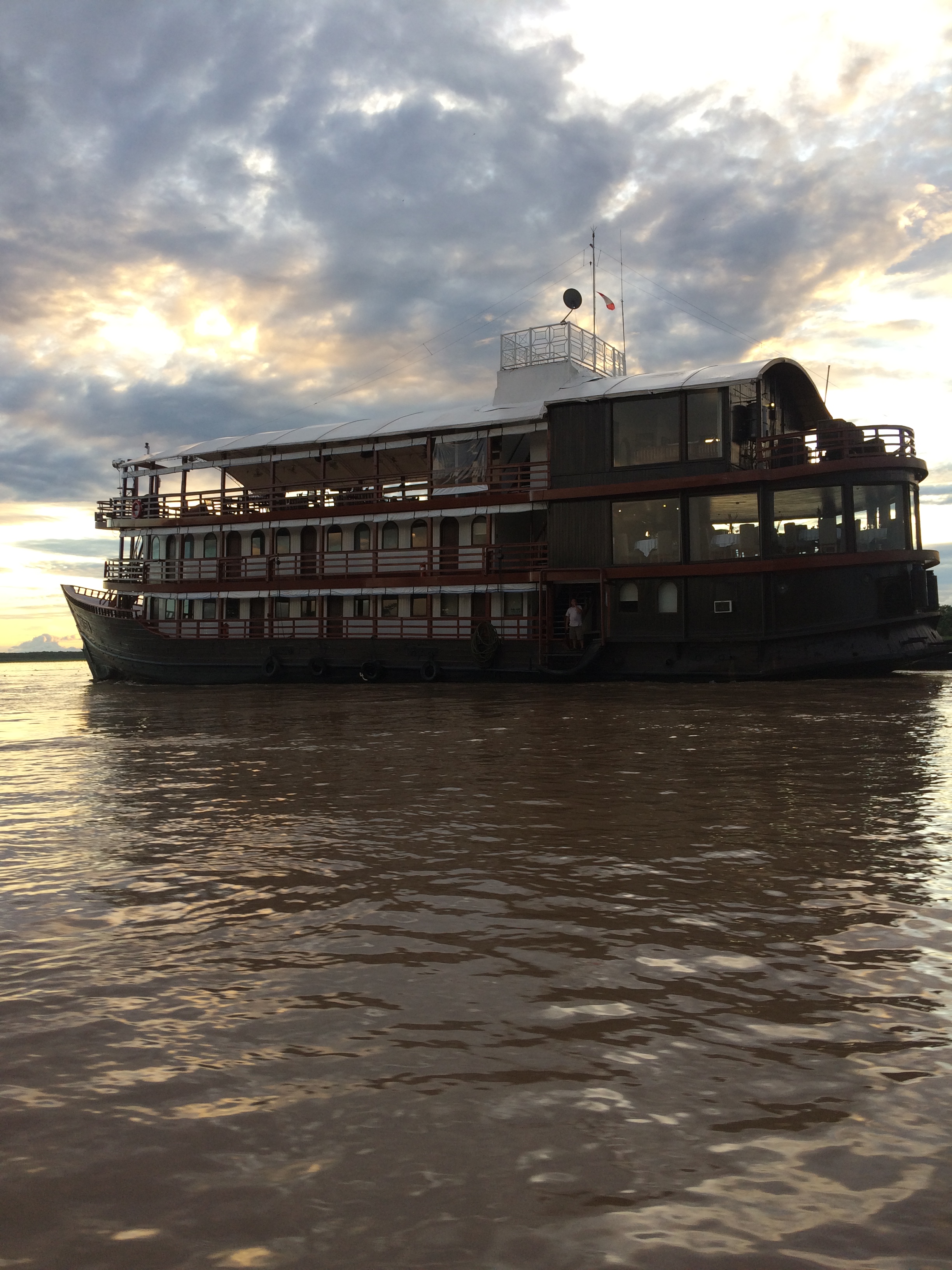
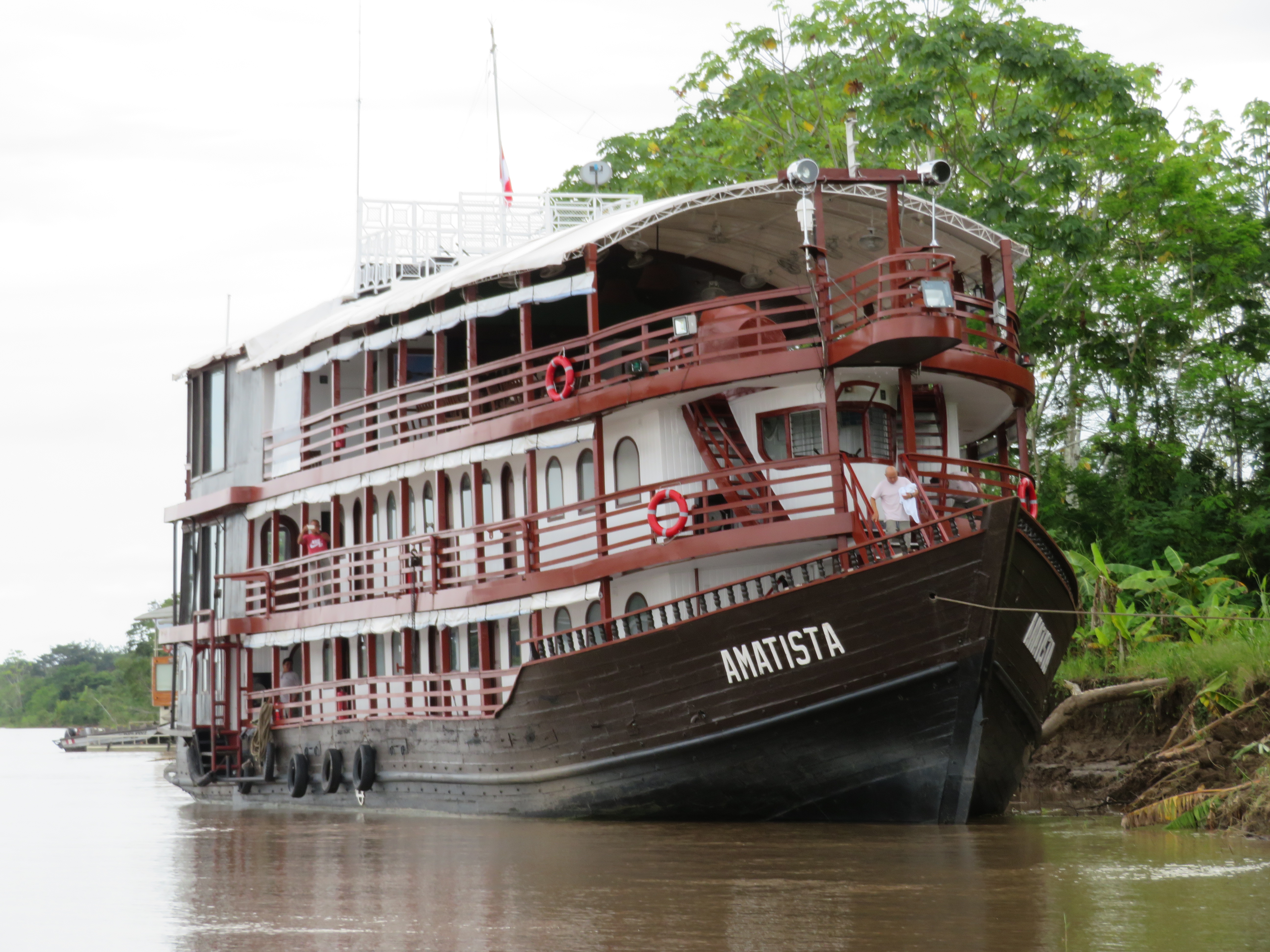
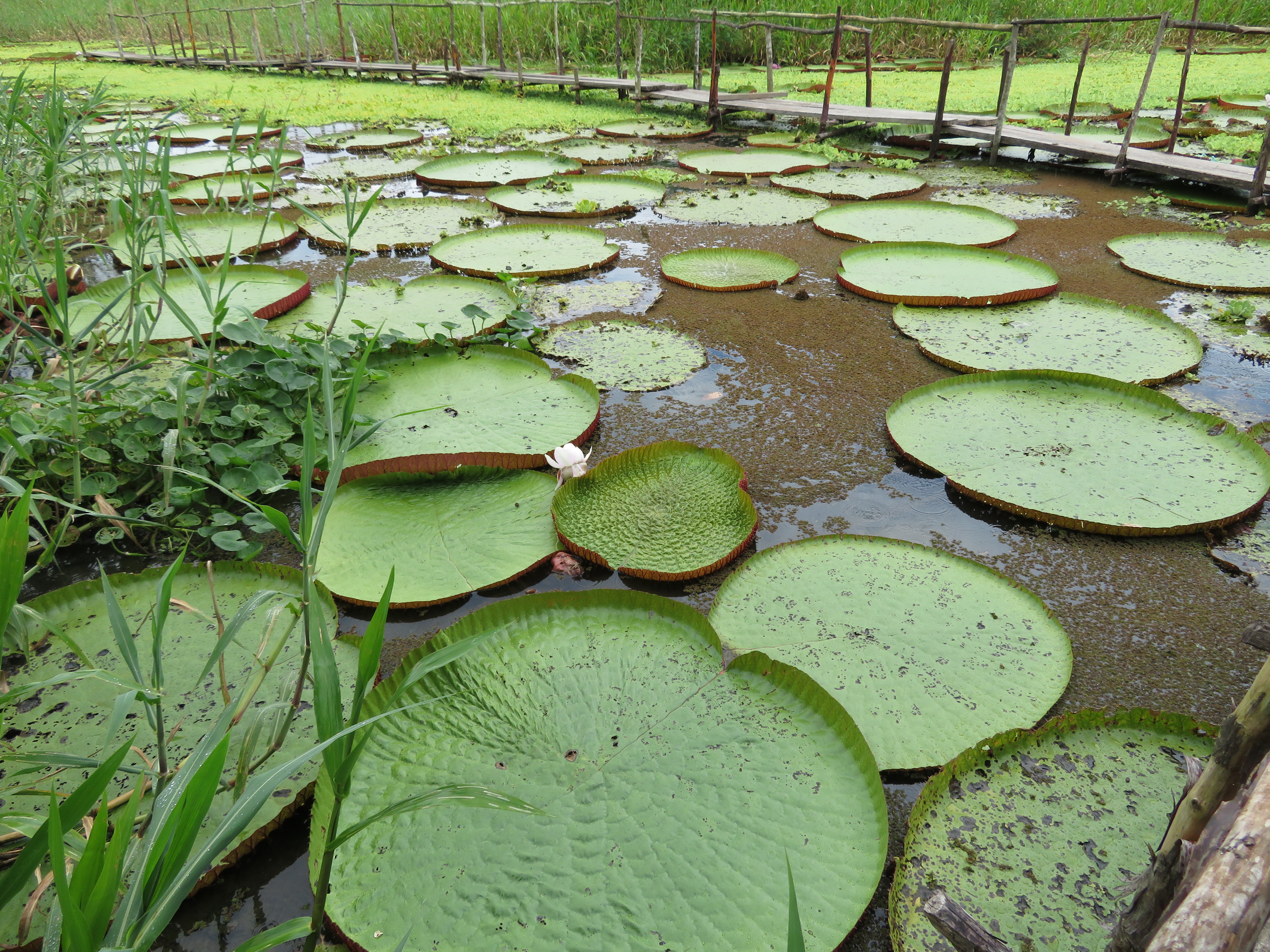
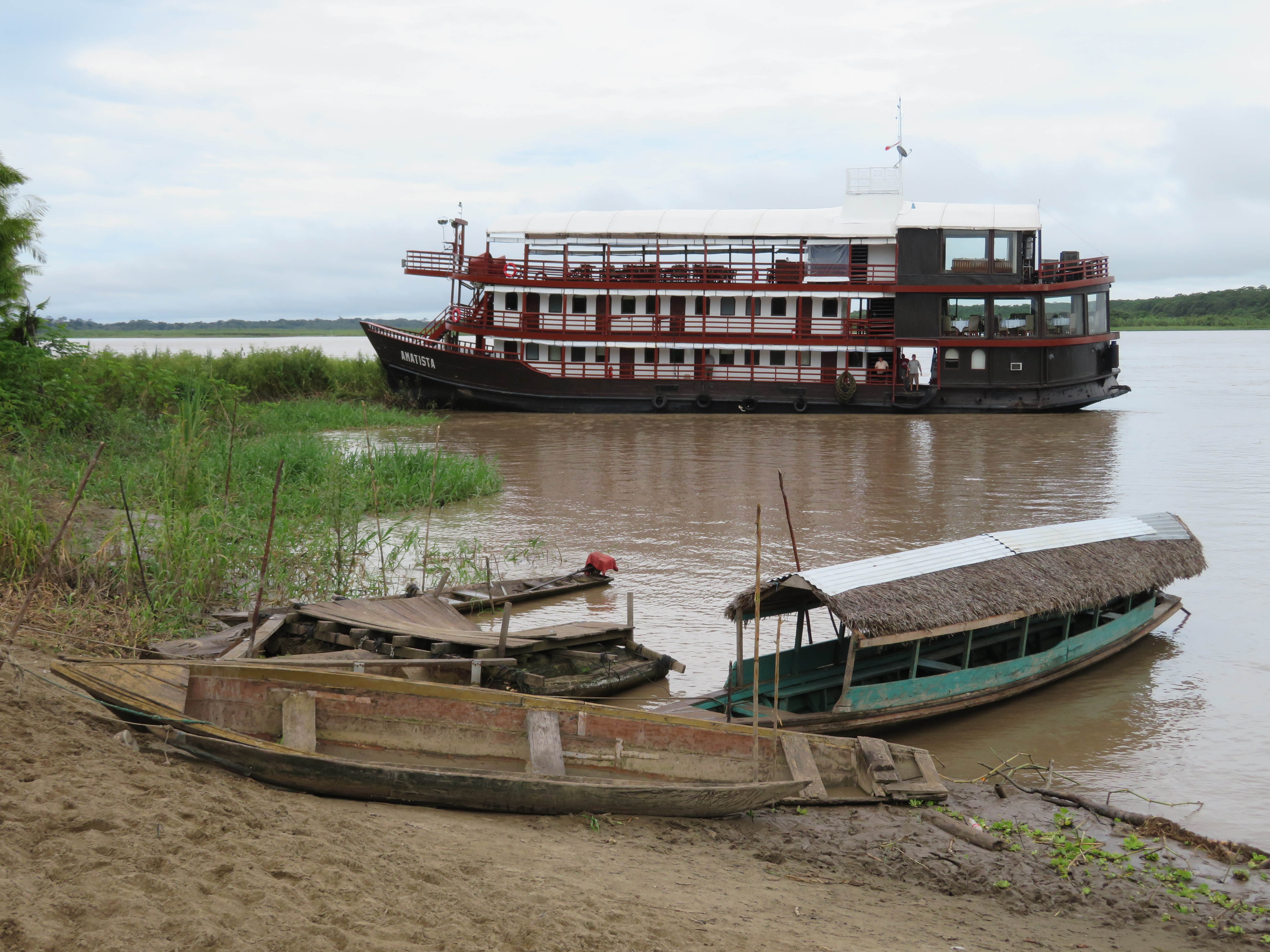
‘Sailing down the Amazon River’, it conjures up so much: wide, brown, slow-moving waters, thick jungle vegetation, creatures all-hell bent on destroying each other in order to survive. It is the river of dreams and nightmares. Beautiful and terrifying, full of harmful bacteria, piranhas, electric eels and anacondas. But it is the river of impossibly wide water lilies, playful pink dolphins and laughing children diving for armoured catfish. We had all this to find out. We boarded our river boat, the Amatista, at Iquitos.
Our guides, Daniel and Victor briefed us that first evening.
Daniel had been born and bred in Iceland! Yes, a small community way up in the jungle, he was one of fourteen children. The family moved to Iquitos when the American oil companies moved in to the area in 1987 and renamed many of the villages with their own names, e.g. San Francisco, Florida, etc., hence Daniel was from Iceland!
We learnt that the Amazon basin flooded for six months of the year, so making the area a poor place to build factories and industries which have been the blight of Brazil. Instead the area is protected, and is a refuge for wildlife.
People along the banks grow rice, beans, vegetables and bananas, which they trade at market in towns like Natau and Iquitos. There are local football teams and people meet and marry in local communities, all linked by the 11,000 tributaries that connect them all.
Originally they followed the animistic religion, and believed in the spirits of animals and rocks and vegetation, but the Spanish Roman Catholic conquistadores of the last centuries brought their missionaries and the people now have the inevitable church alongside their volleyball and football pitches.
We heard a story of how Francisco Pizarro, after destroying the last of the Incas, wanted to loot the country of its treasures. He went on a trip to explore, taking three hundred Spanish men, and provisions for eleven days.He didn’t realise that the men were only interested in finding women.They eventually came to a tribe, whose native name meant ‘Men who wear skirts’ and who wore their hair long.
Of course the Spanish got very excited and tried to capture these ladies of the forest. Imagine their horror when they were attacked by blowpipes with poisonous darts and arrows.The Spanish who survived the attack were terrified and fled, and likened their foes to the story in Greek Mythology, of the women who cut off their left breasts to enable them to shoot with a bow and arrow. These women were called Amazonians… hence the name.
Truth or myth? It doesn’t matter!
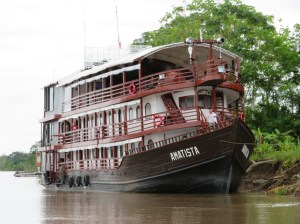
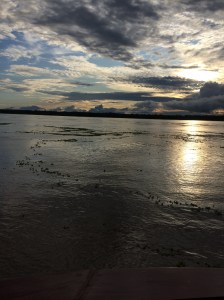
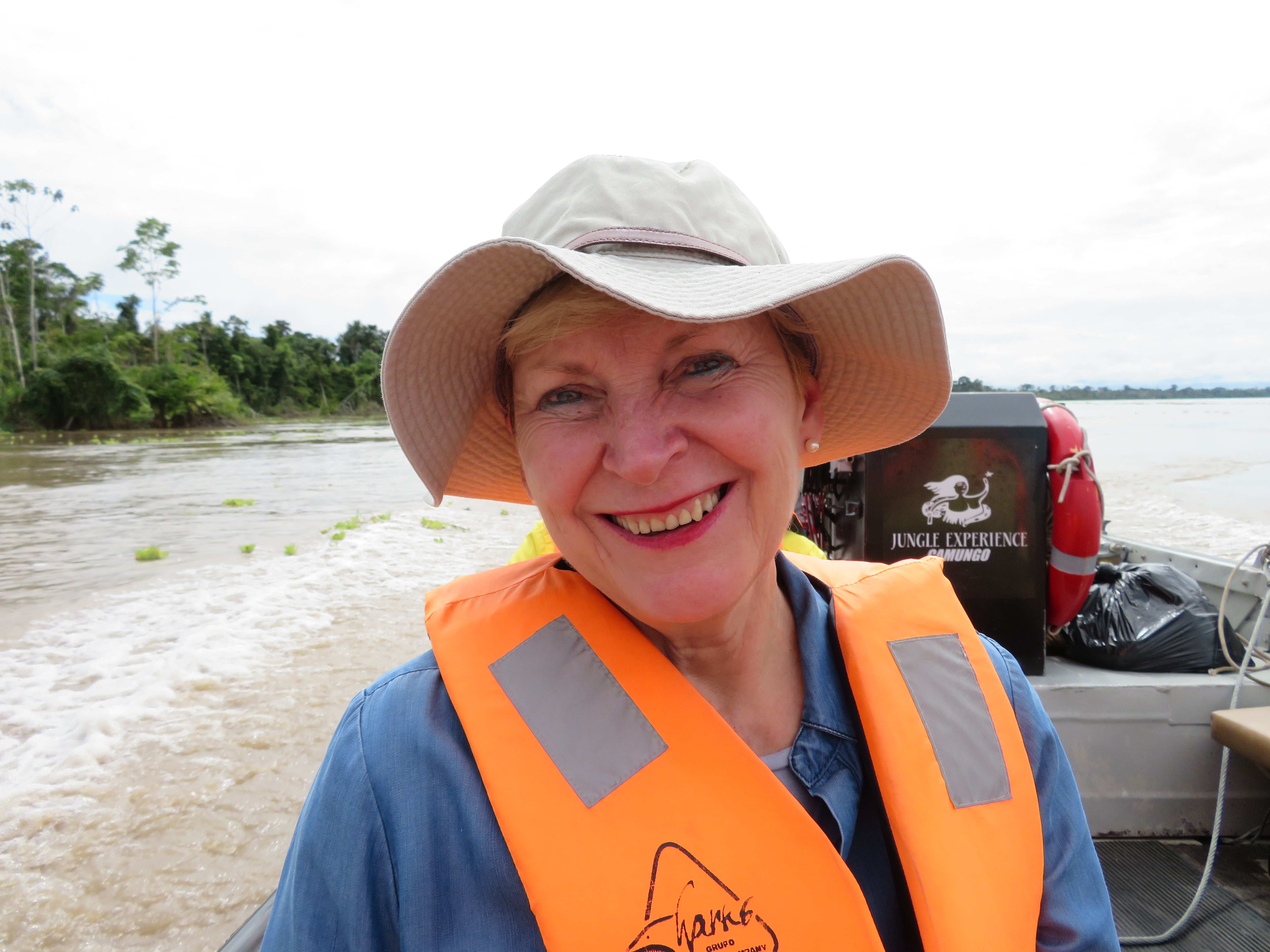
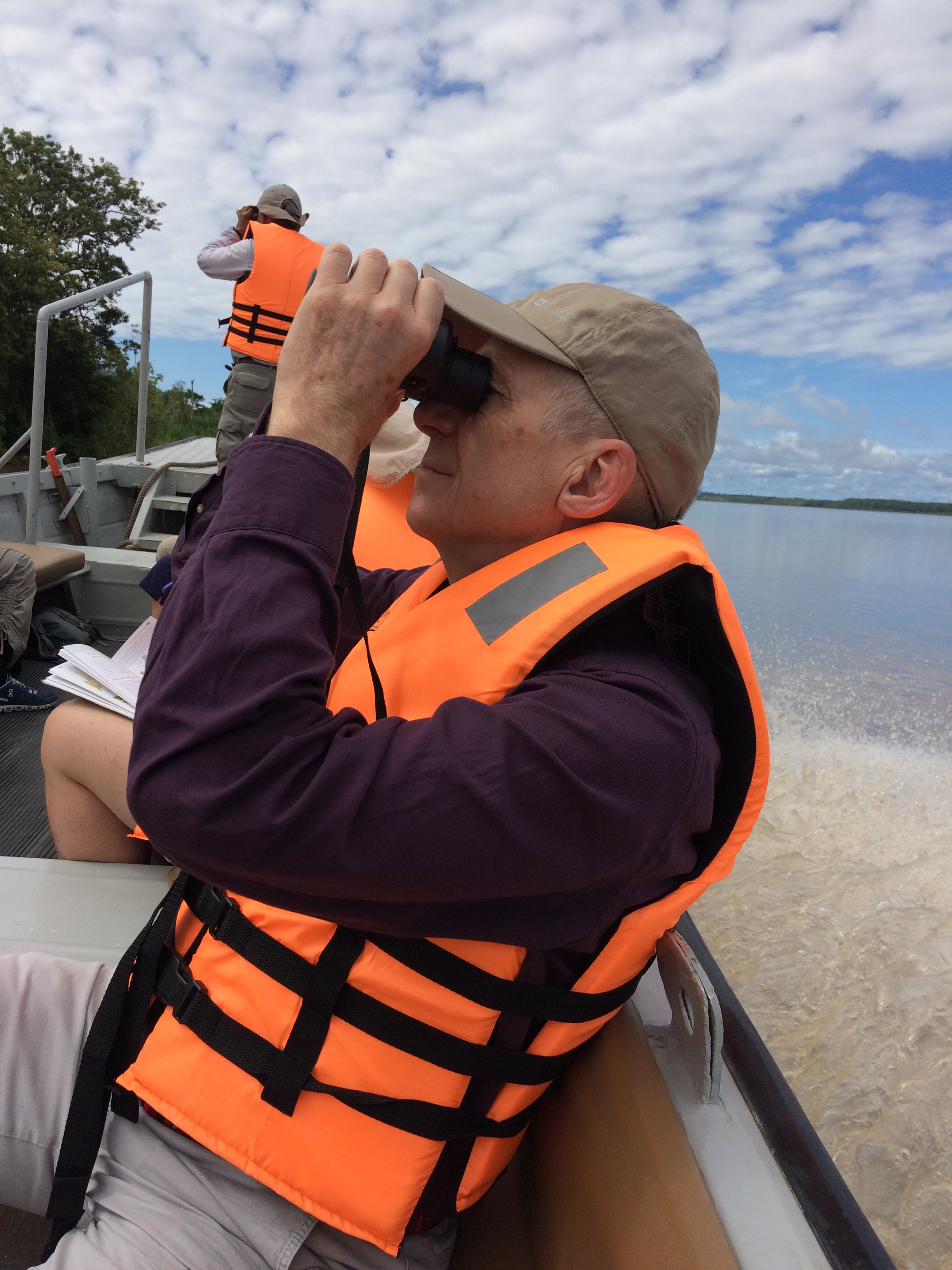
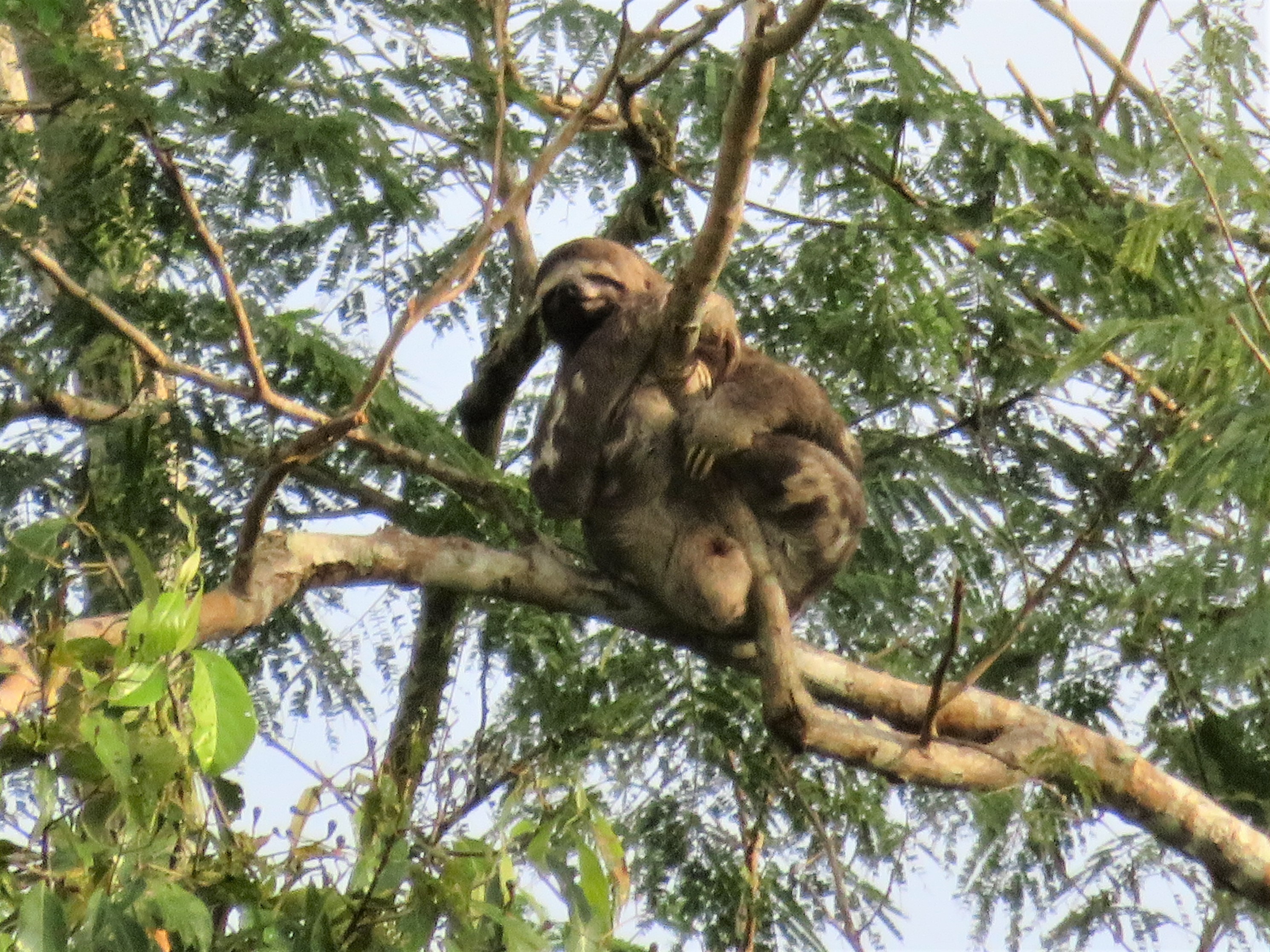
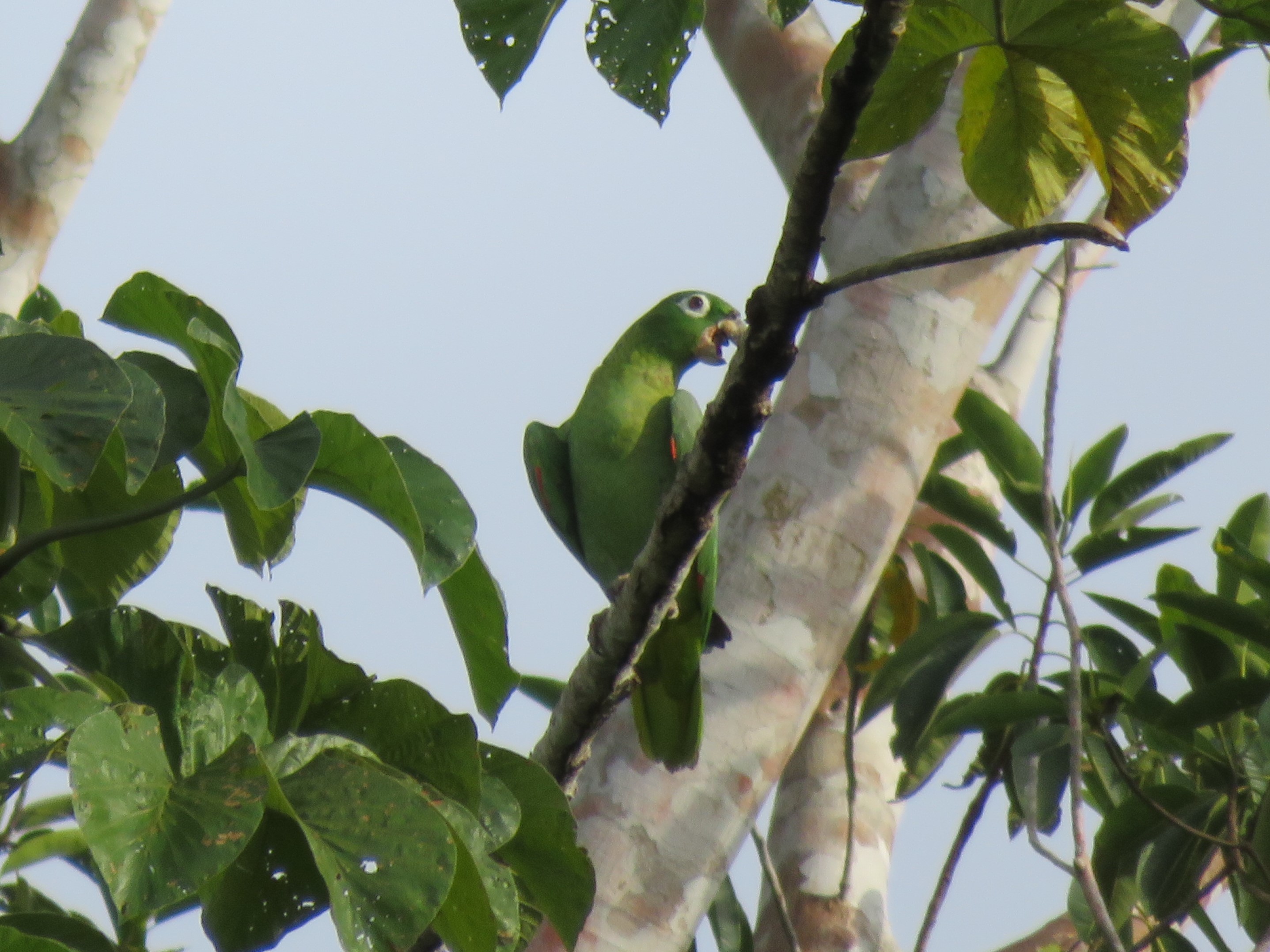
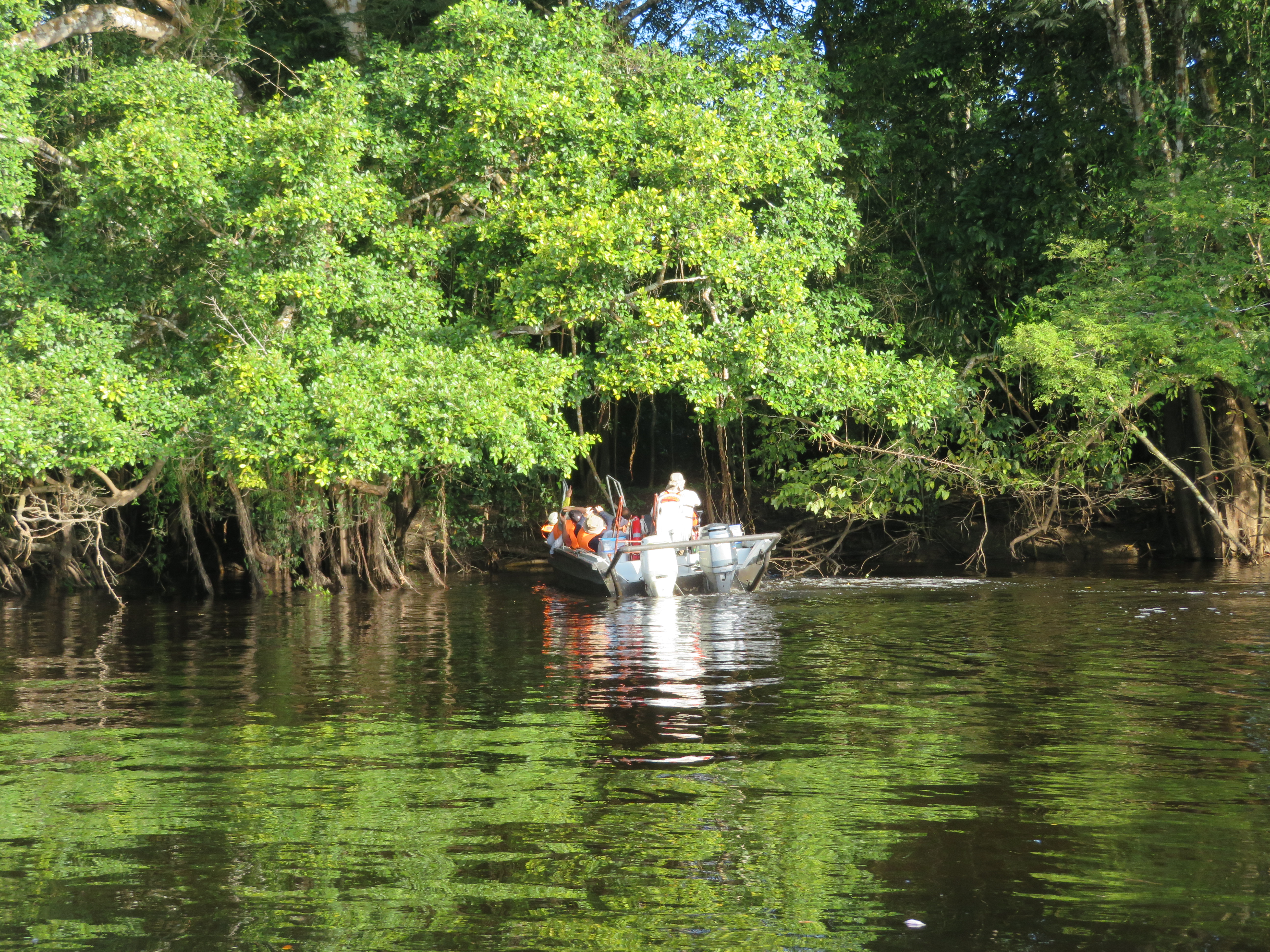
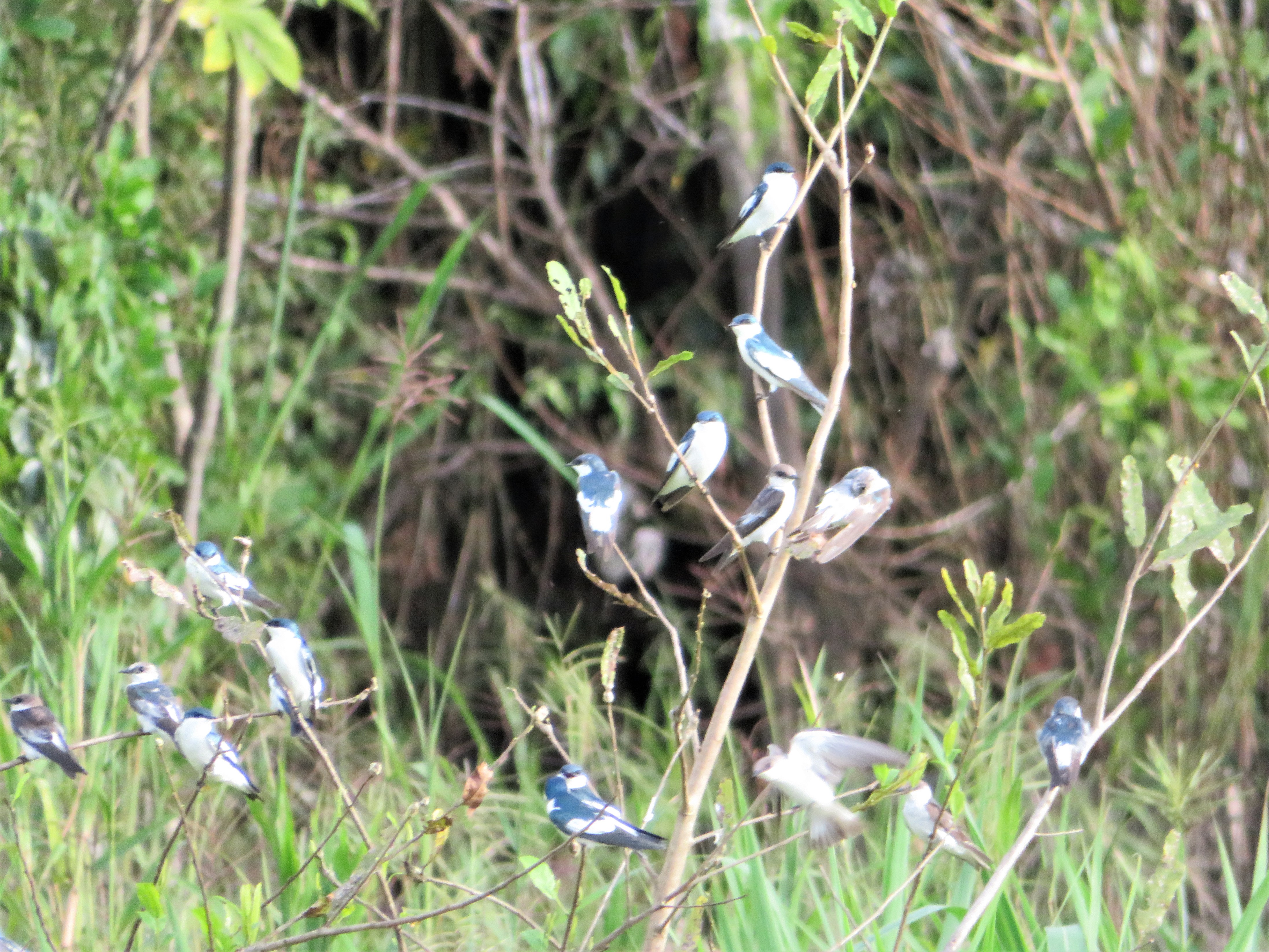
The Amatista was splendid. It sailed serenely down the wide river, stopping to let us off on to two small skiffs to explore the river banks. We searched the trees for birds and monkeys. Holding binoculars we strained our eyes to make out the shape of iguanas and sloths.

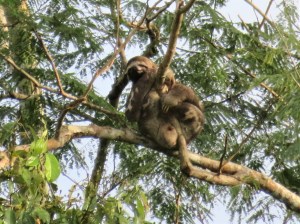
John was in bird heaven as he followed Daniel’s instructions to look at the tall tree, move over to the light coloured branch, now at the end of the leafy branch is a crested oropendola.
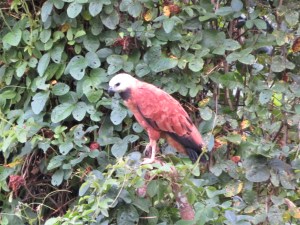
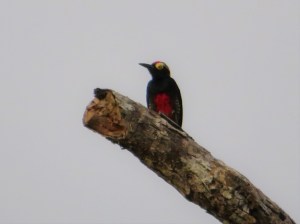
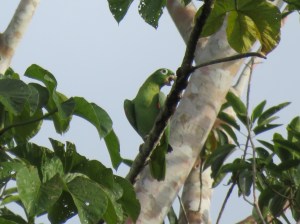
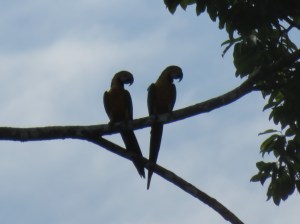
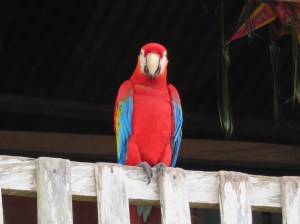
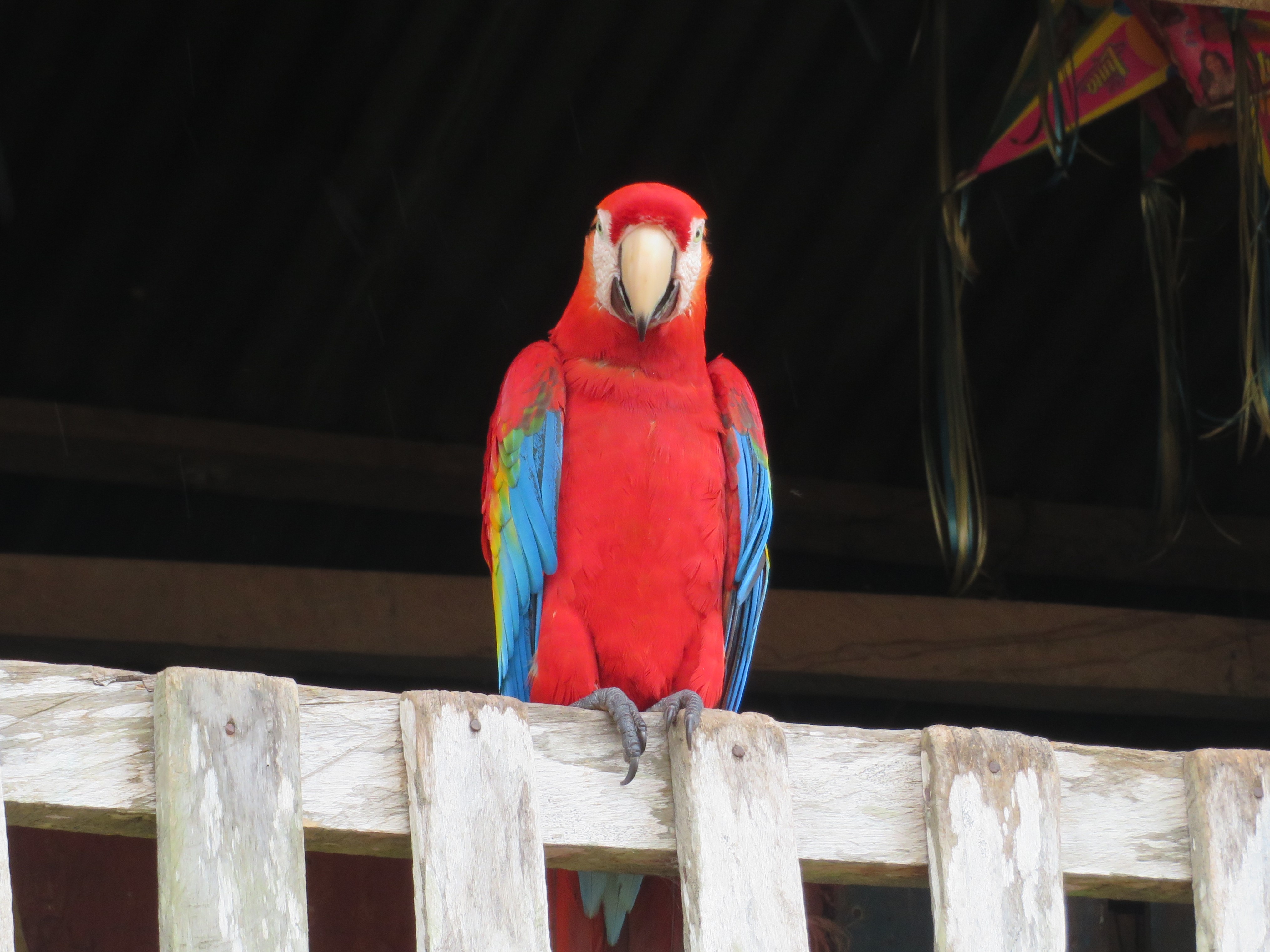
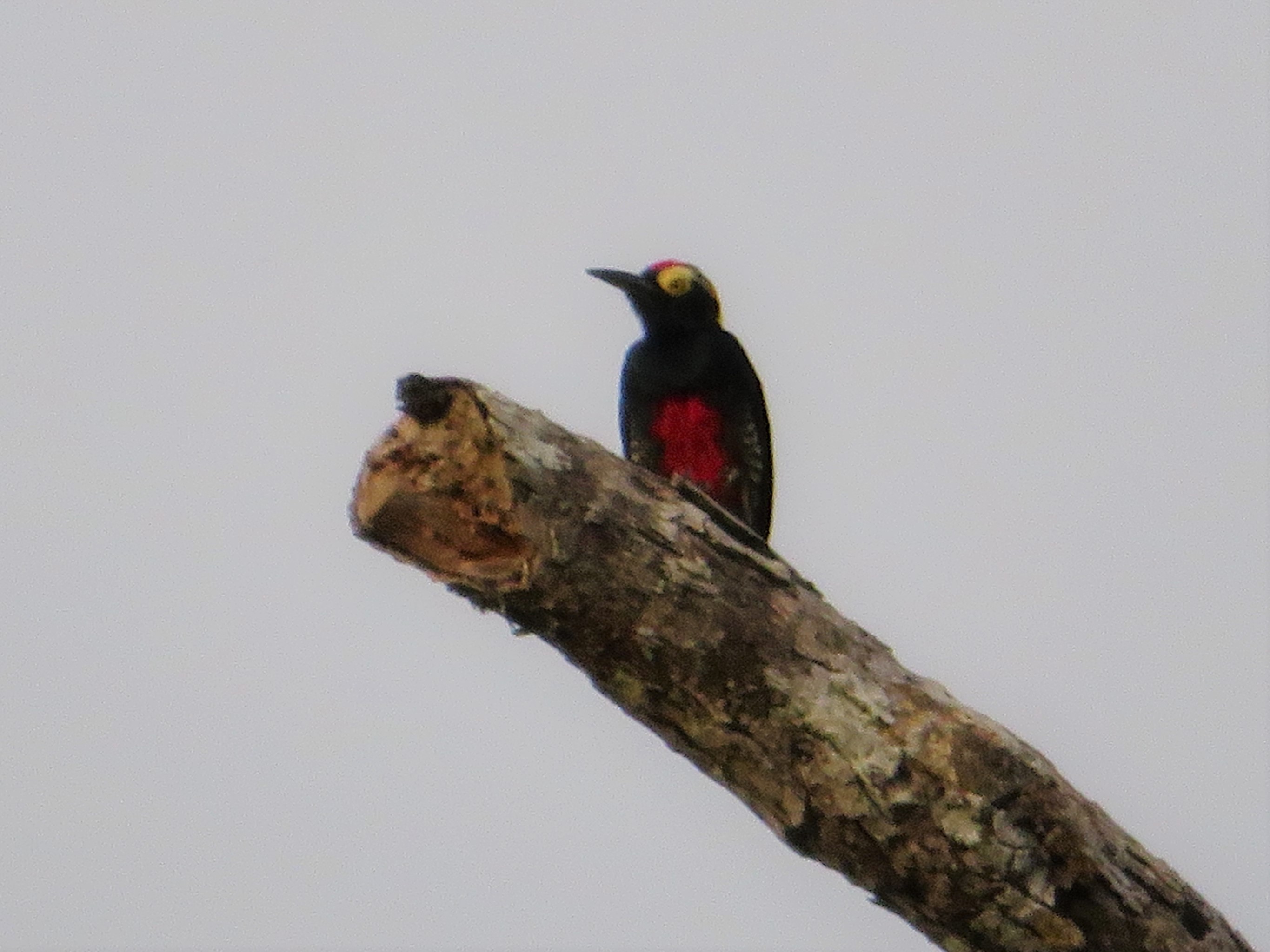
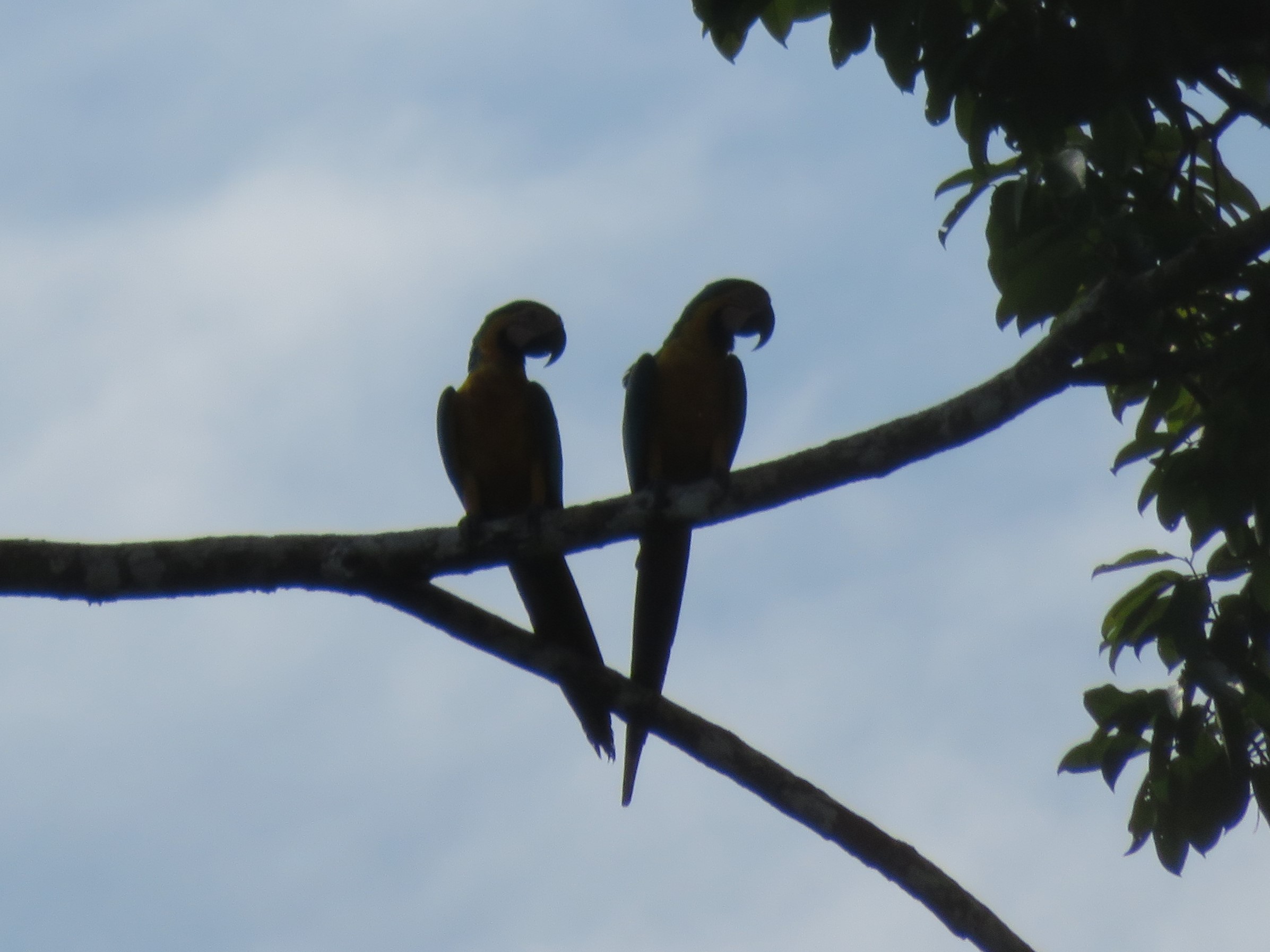
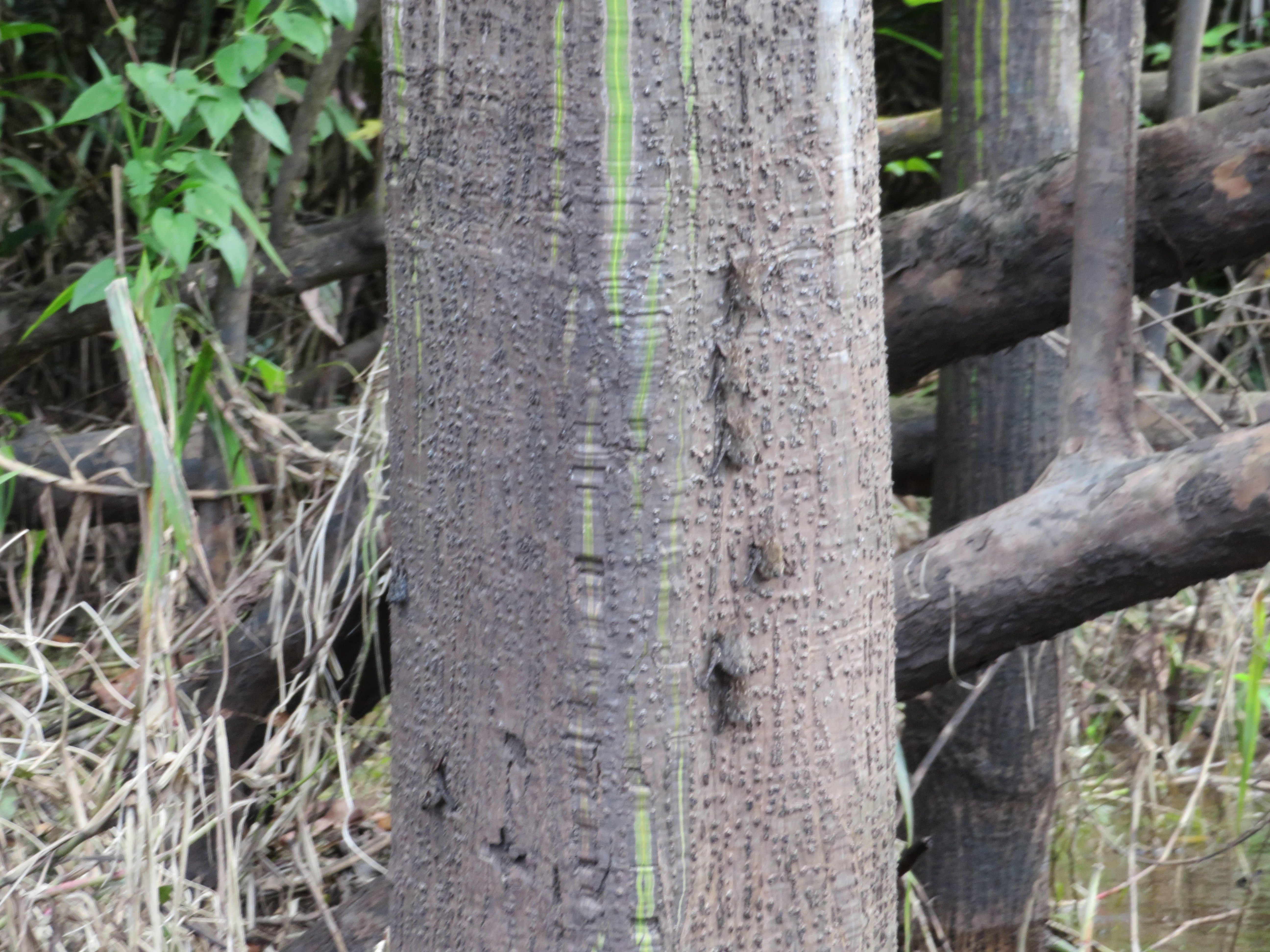
Gaily coloured macaws flew over, and red-headed woodpeckers obligingly posed for photographs. We saw strange bats poised head down on the bark of trees suspended over the river. I must say I got quite a strained neck trying to find the elusive bunch of feathers.

It was the noises of the jungle that evoked so much. Of course we didn’t see the jaguar, it was the rainy season, and it would have been further inland. We did hope to see an anaconda, but that proved elusive too. It didn’t matter, they were there, and we were part of it all.
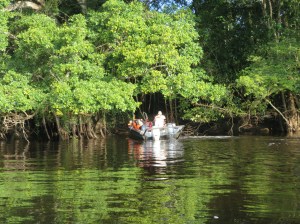
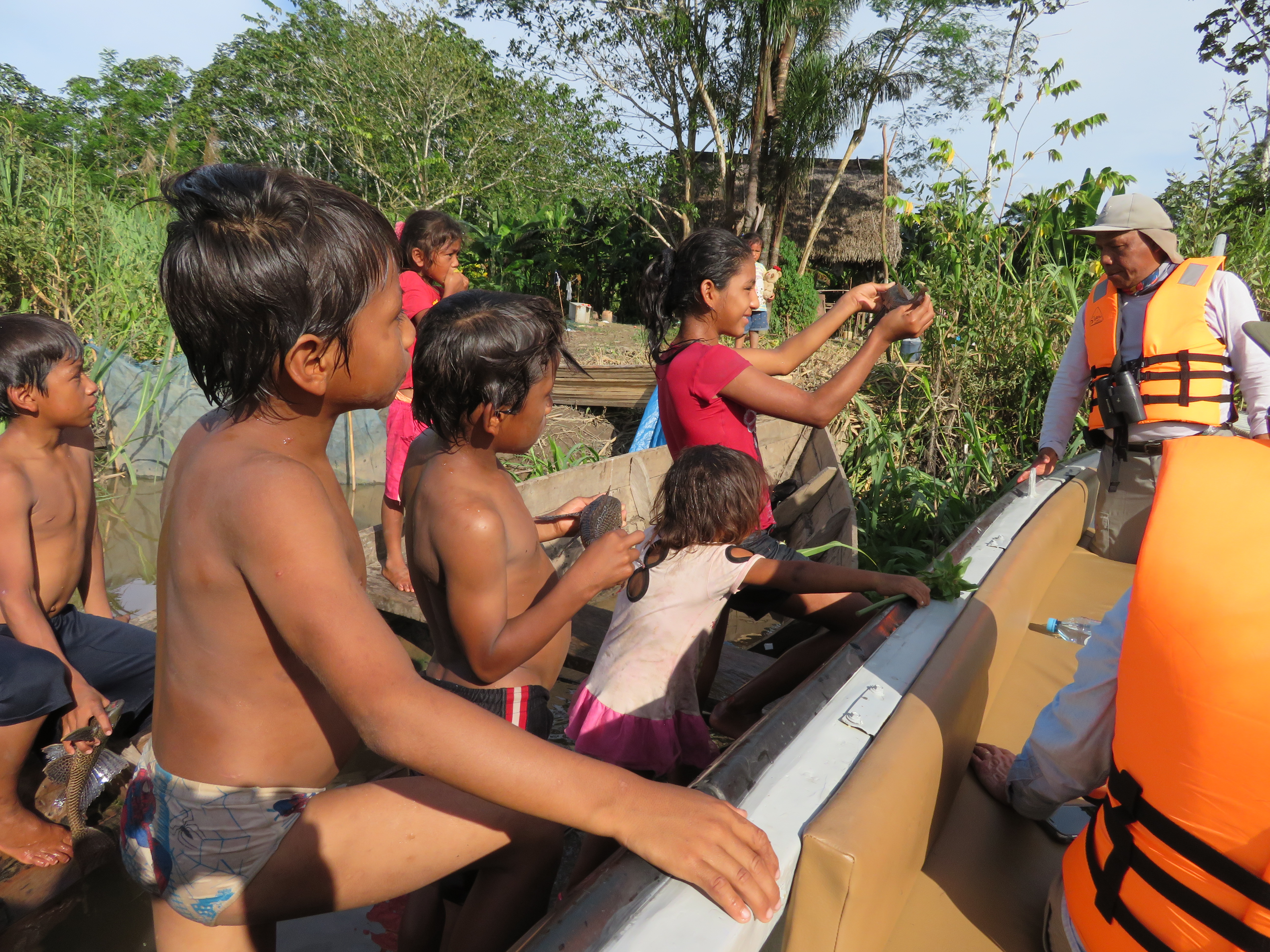
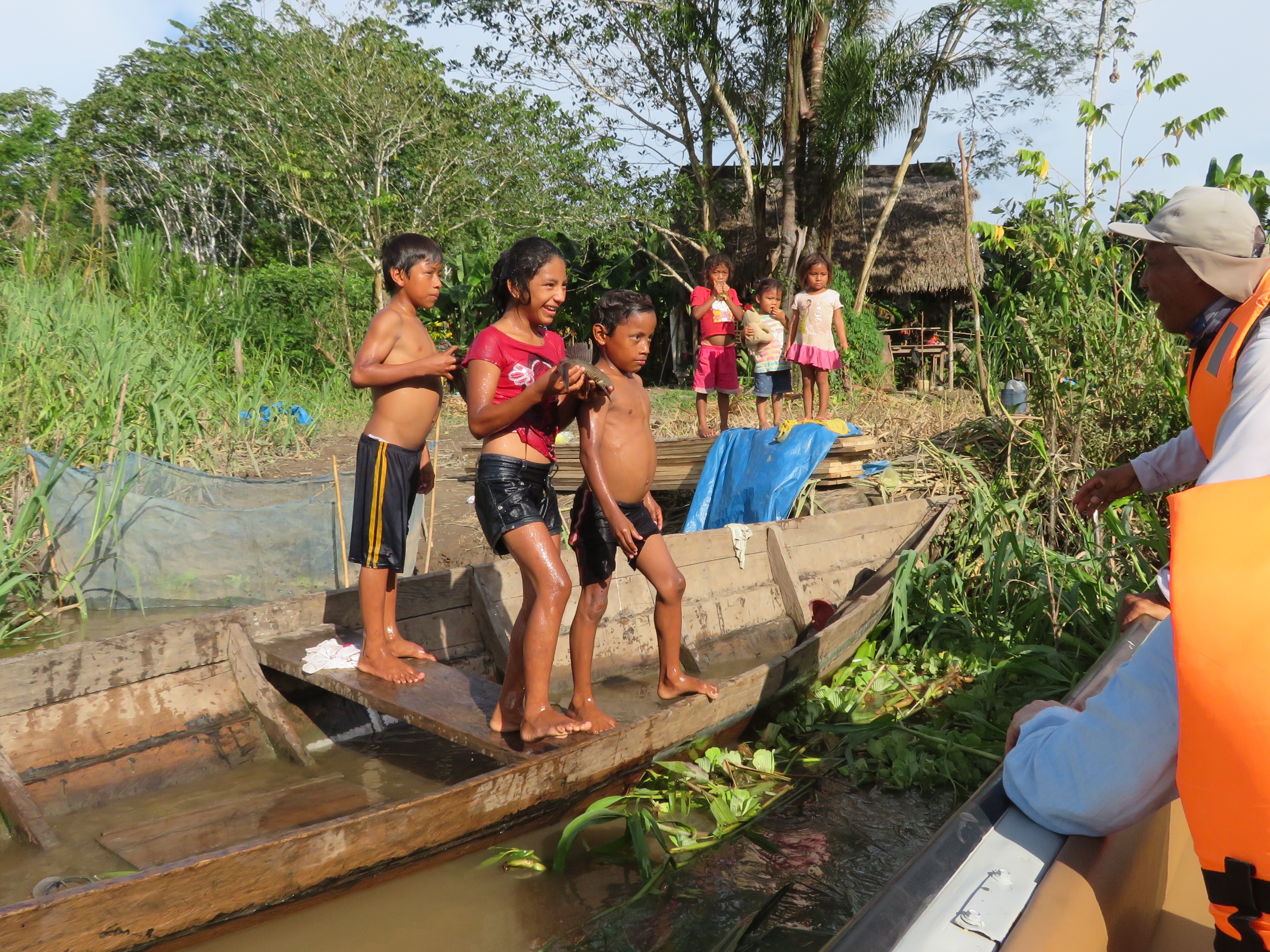
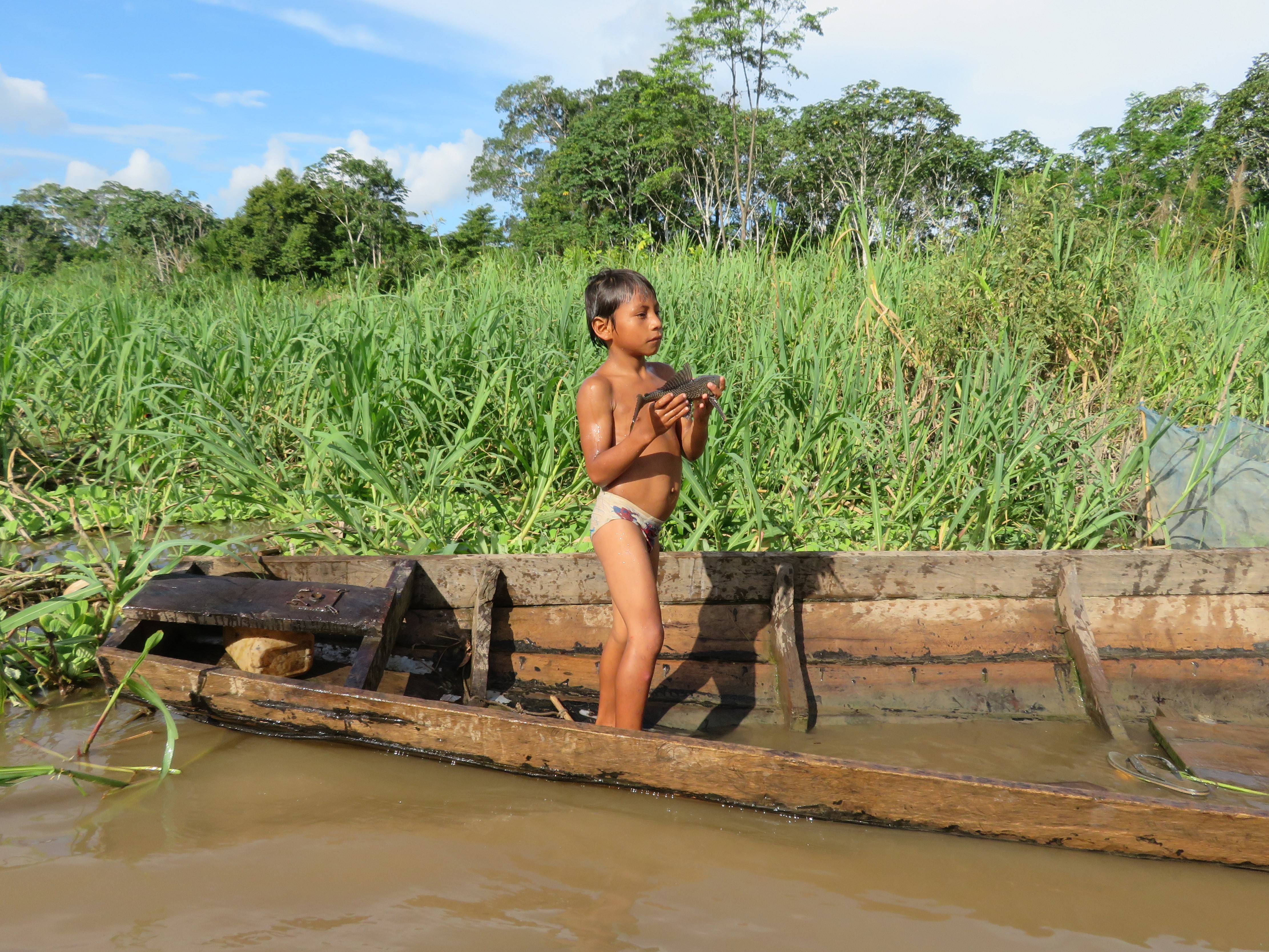
Daniel pulled our boat over to some children who were splashing and diving in the water. Their family had netted part of their inlet to catch armoured catfish.
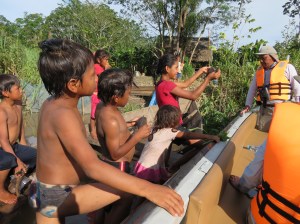
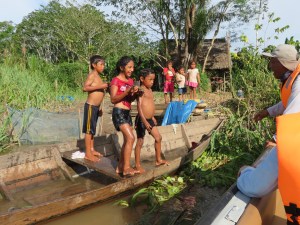
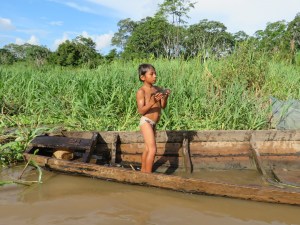
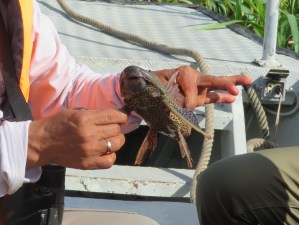
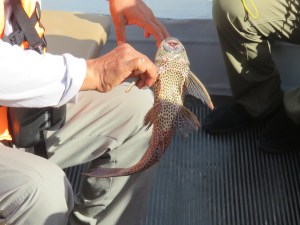
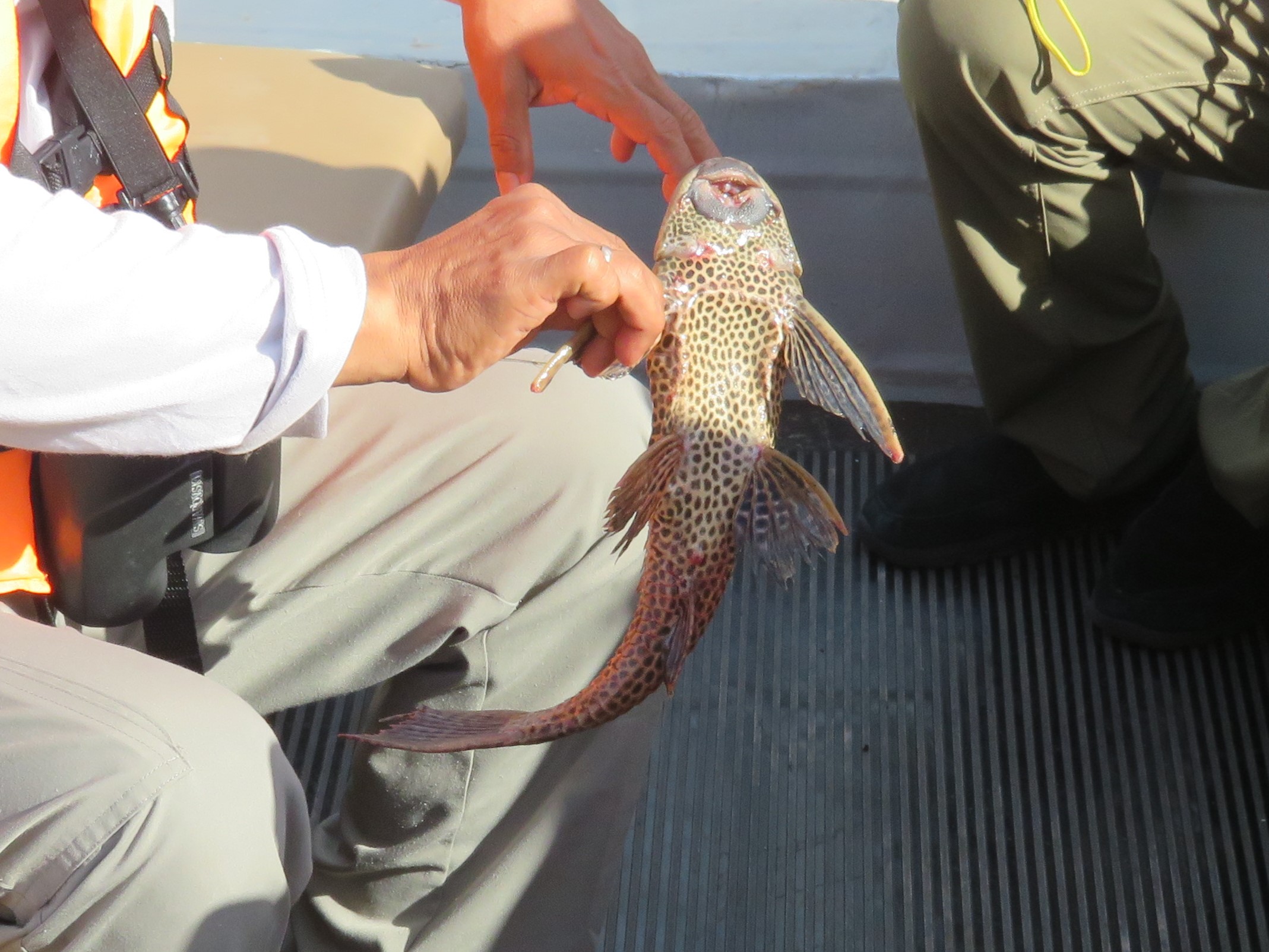
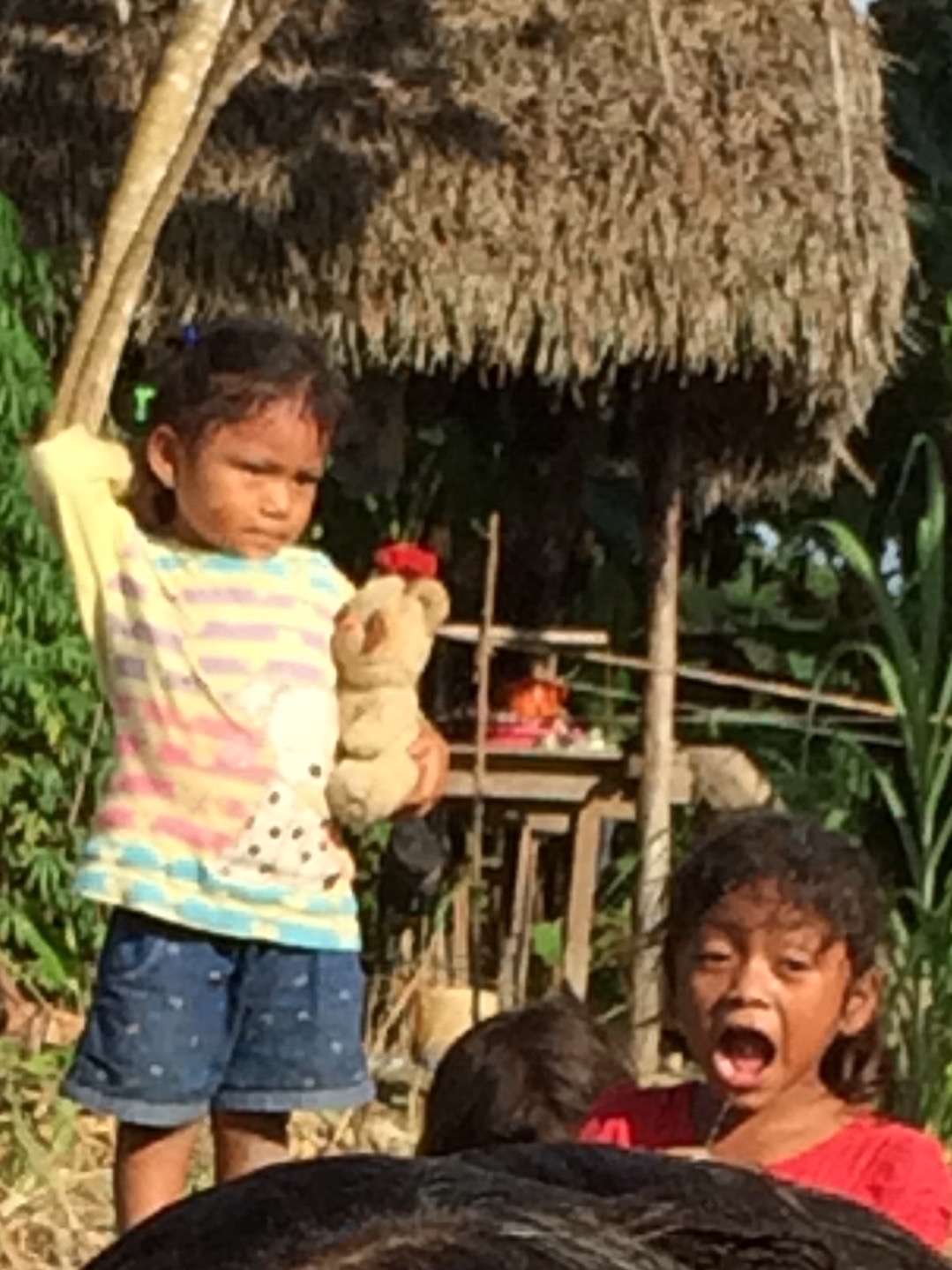
The kids let us have one for inspection. Lethal looking fish, with sharp barbs on its back, but its head is full of a penicillin type substance, that when boiled cures so many ailments, from cancer to hangovers. They send their catch to Iquitos and make a tidy living. Daniel asked the children what they would like to be when they grew up. One said a shaman, another a teacher and a little six year old girl said she would like to be a tourist! Quite so!
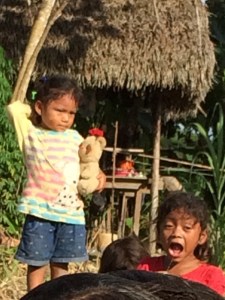
Many of these children die before they are two, as they fall into the river and swallow the water which is seething with bacteria. It takes time to build immunities, which does come with mother’s milk and a more gentle weaning process.
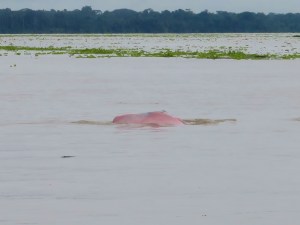
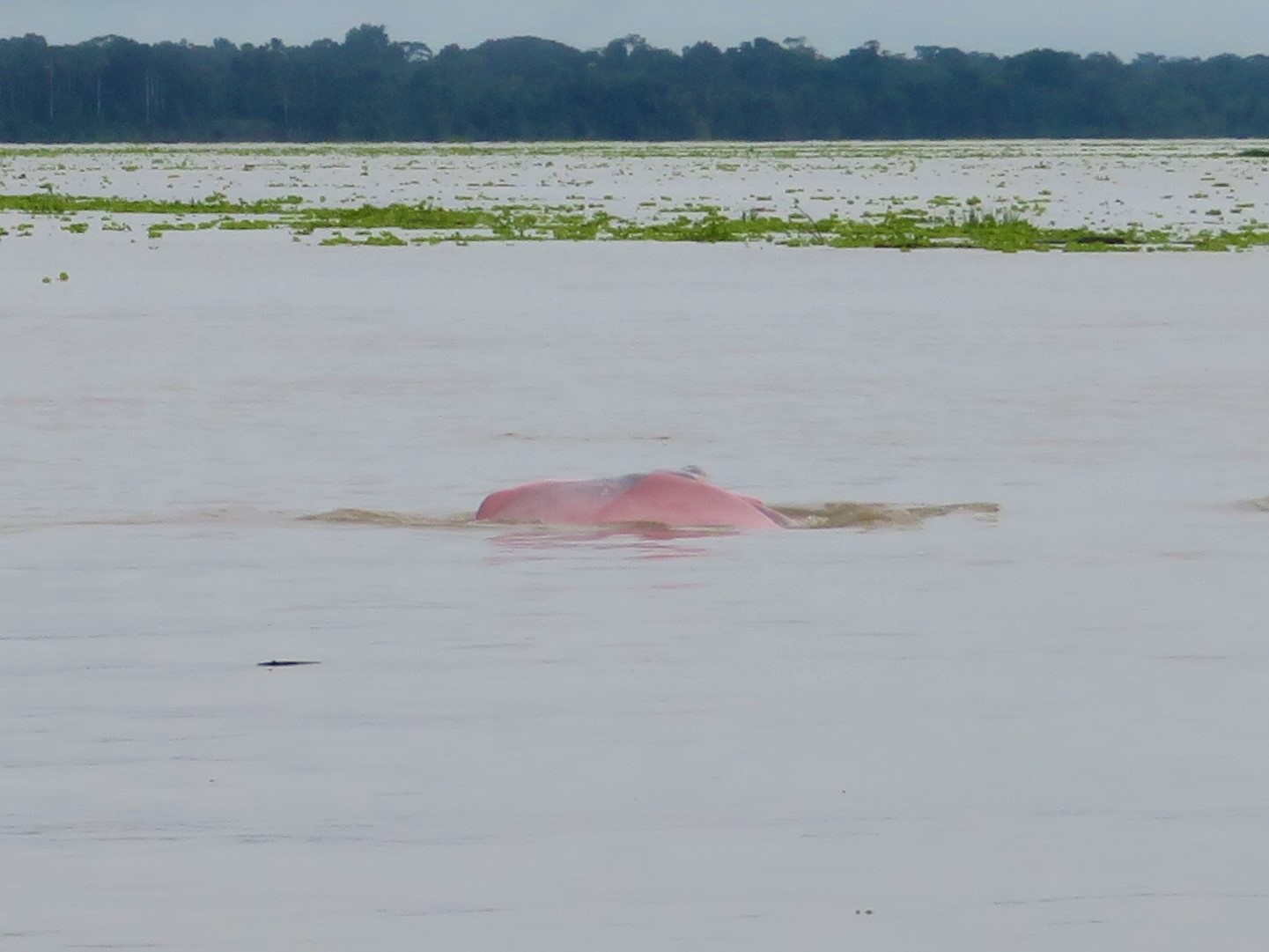
The morning trips on the skiff brought new surprises. The pink dolphins, only found in the Amazon are friendly and happy to swim alongside the boats. We watched them in the morning sunshine with the terns diving alongside. It was quite magical.
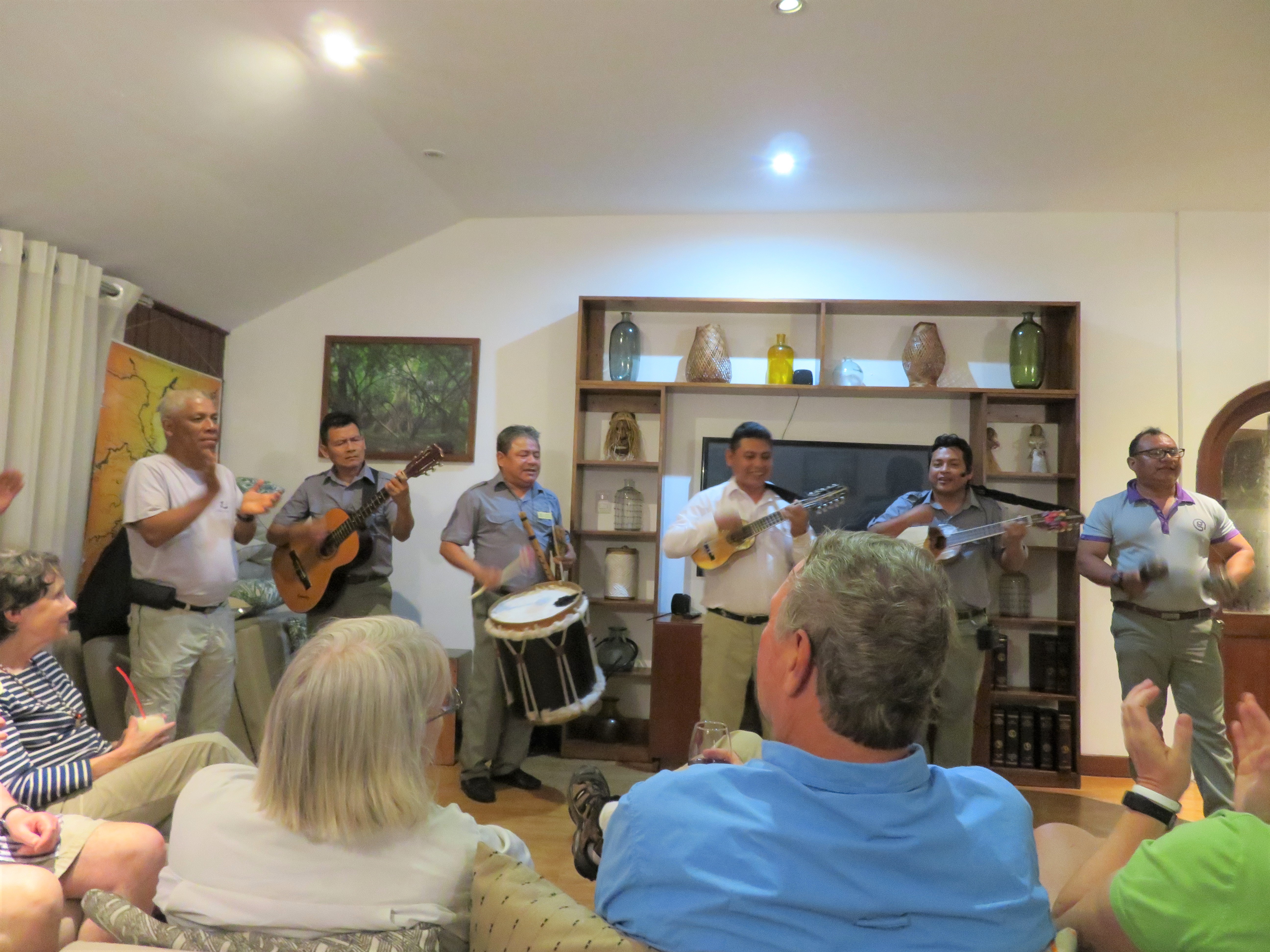
Afternoons were slow and serene. We read on the upper deck, slept or just watched the river banks slip past. Sometimes a turkey vulture would swoop down like a large brown butterfly. Evenings we were treated to the crew’s home made band.
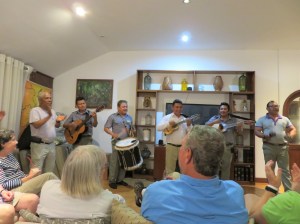
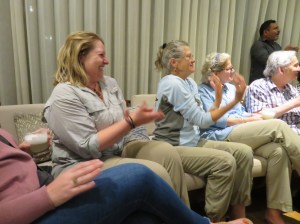
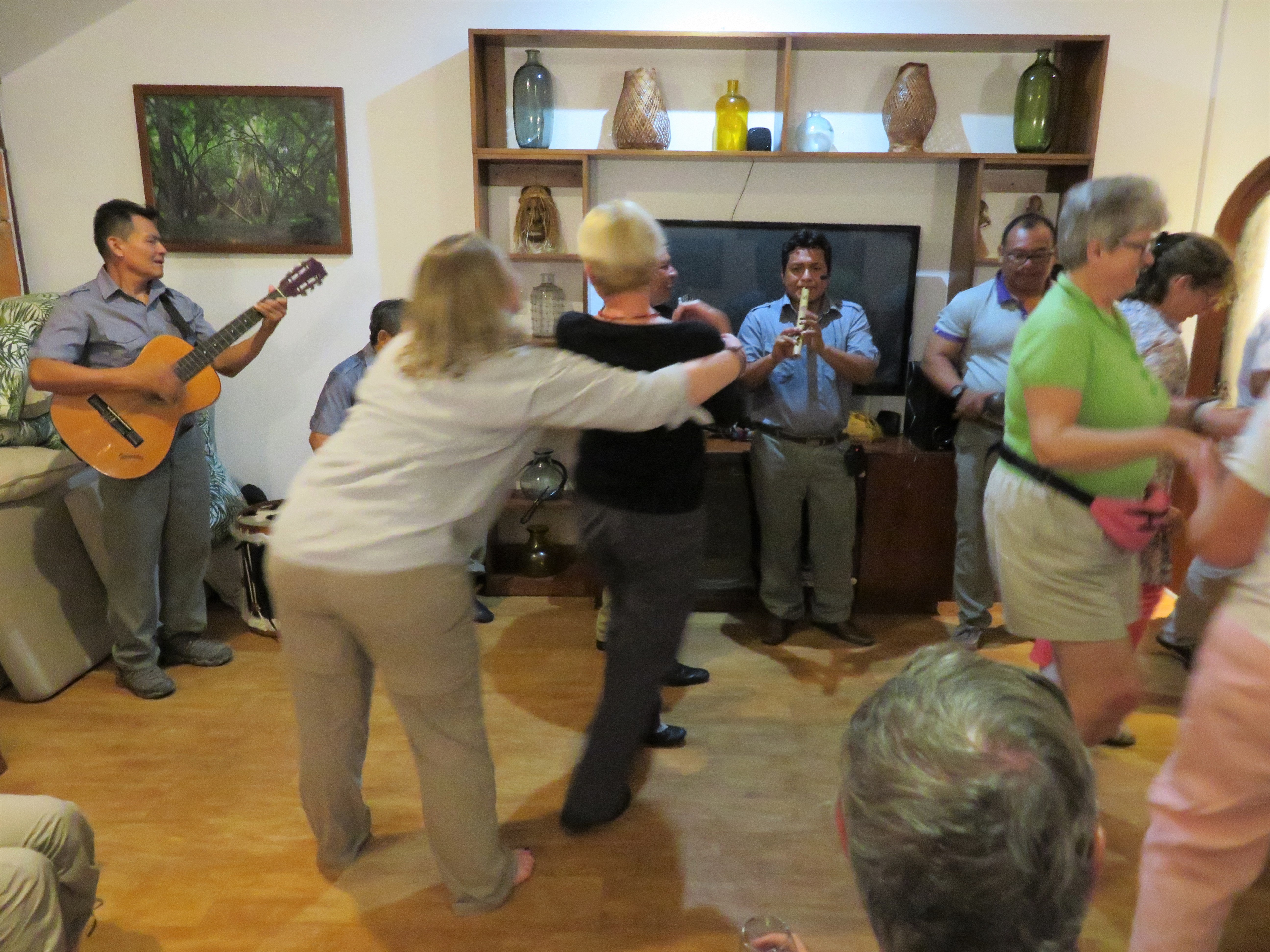
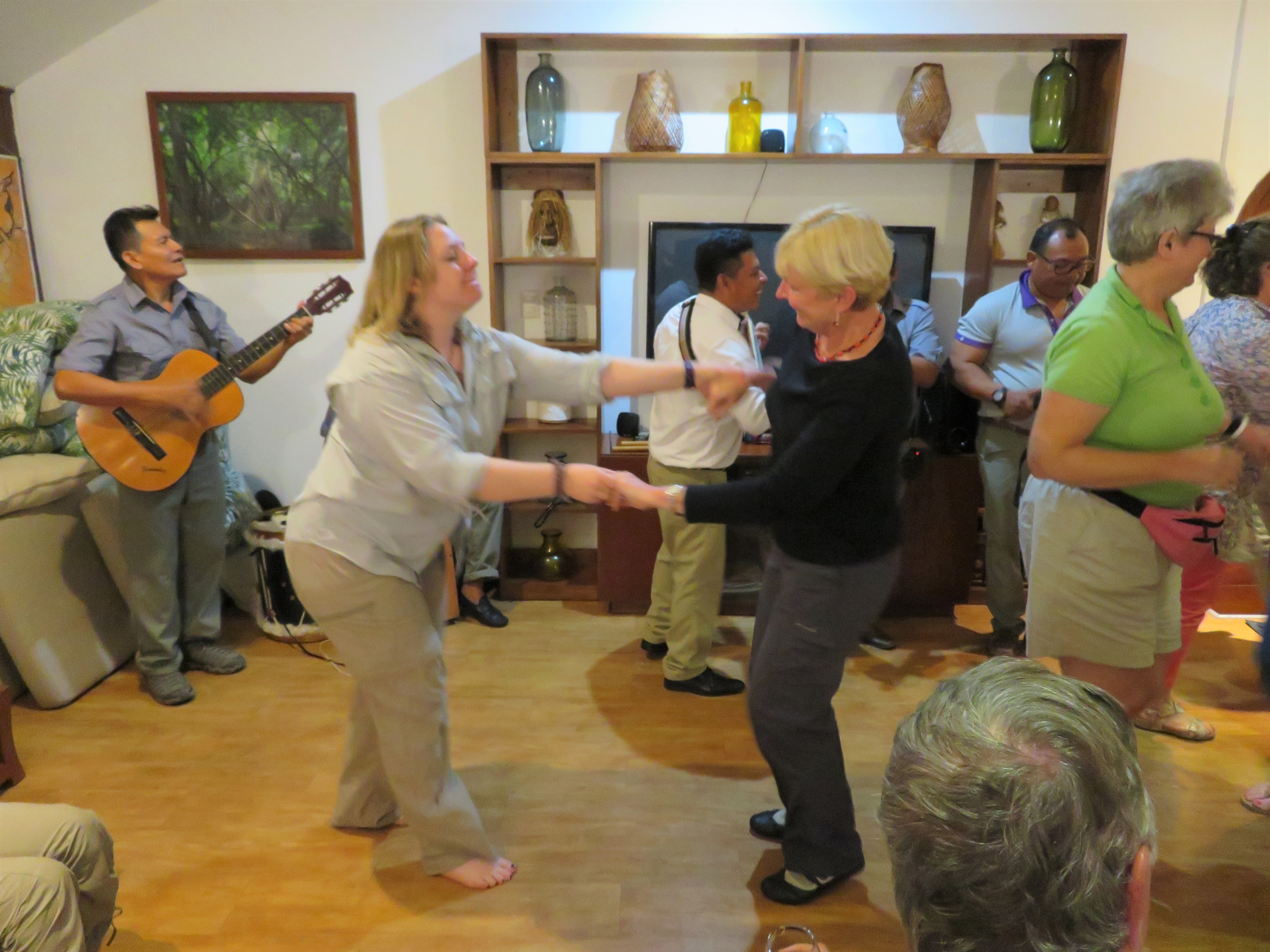
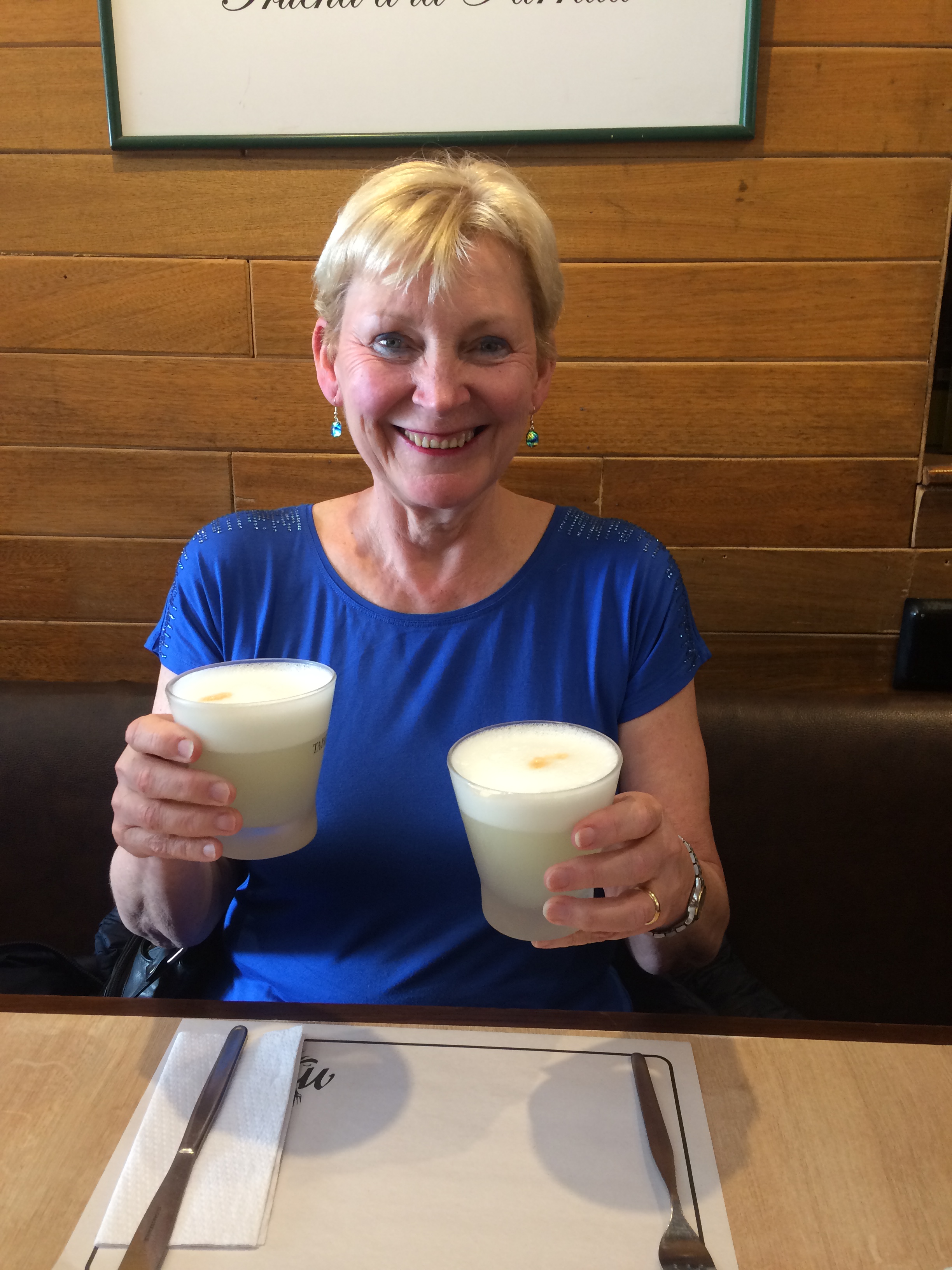
They were fantastic and suddenly the whole atmosphere changed and the rhythms of the salsa and samba took over. People danced and clapped and round our feet the mosquitos bit our ankles. Pisco sours were a constant order for the poor harassed barman. And then silence. Just the lapping waters and the sounds of the jungle.
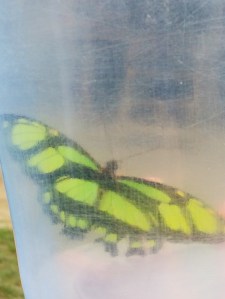
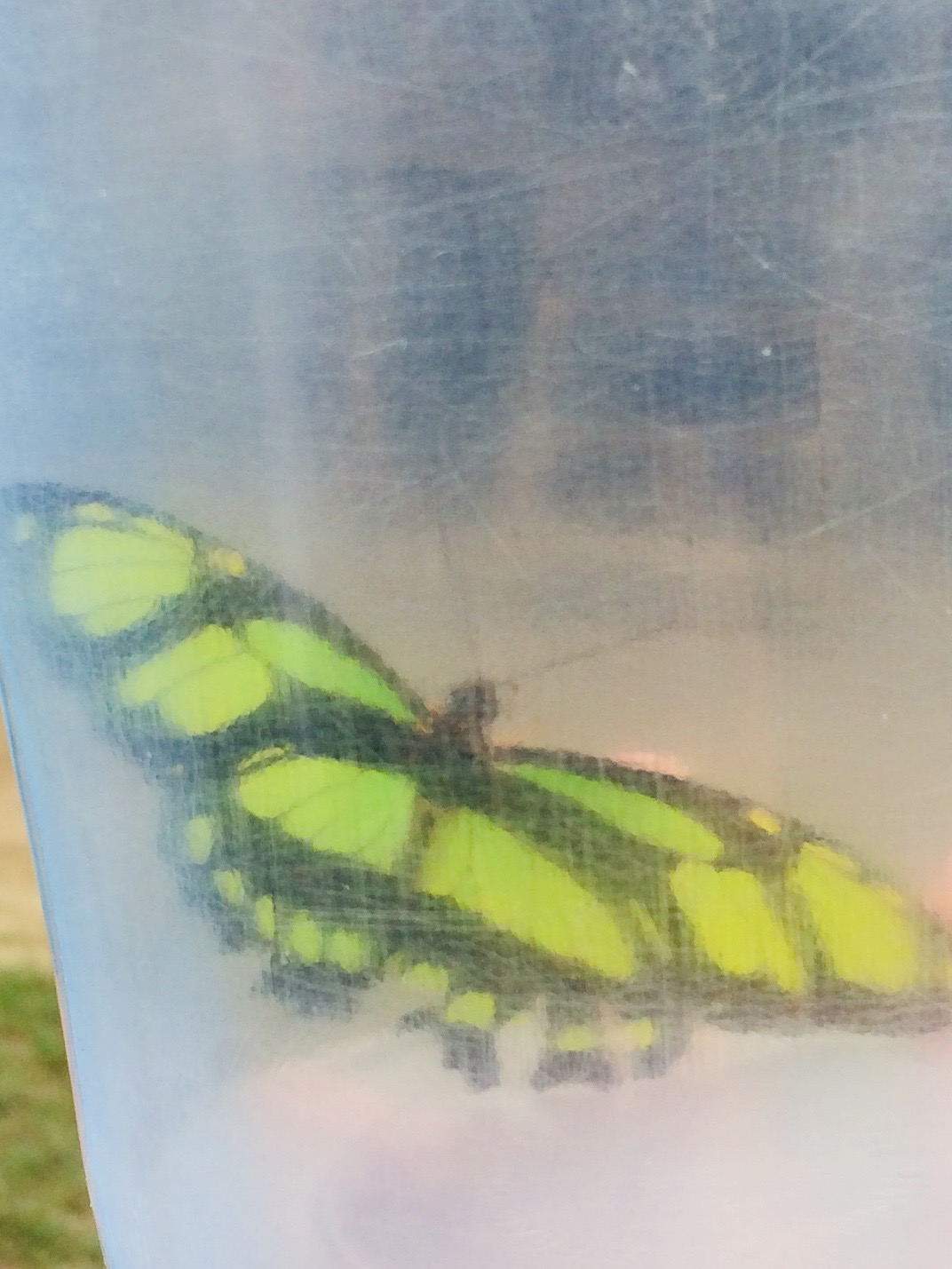
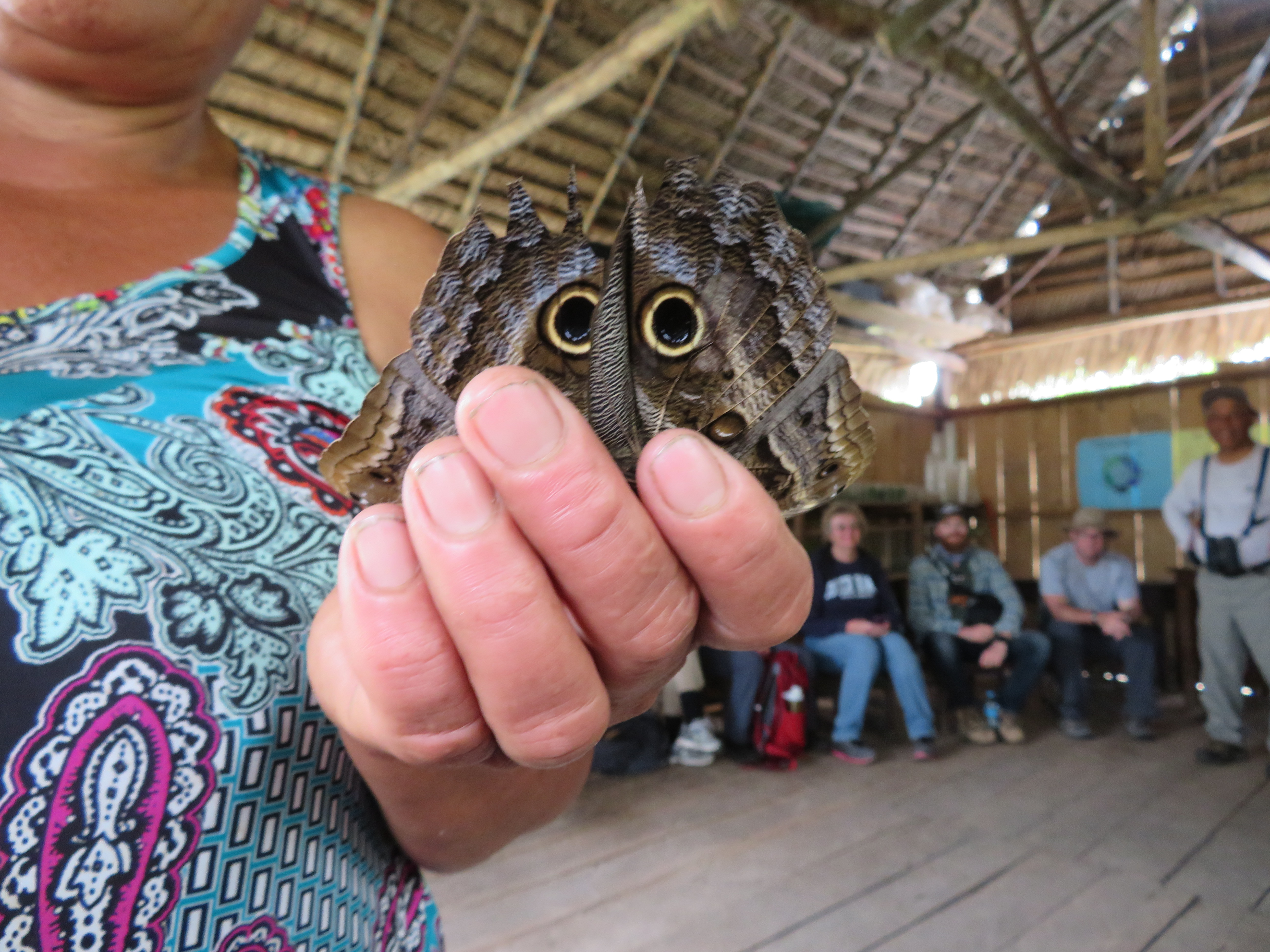
We were soon away from villages and now we were in the protected reserve where only local people committed to conserve the environment were permitted to live. We met a lady who ran a butterfly sanctuary. She tended her eggs and pupae and caterpillars and finally let the butterflies free to pollinate and get on with their part in the delicate ecosystem. I was intrigued with one butterfly pupae, they were pure gold and would have made fabulous earrings.

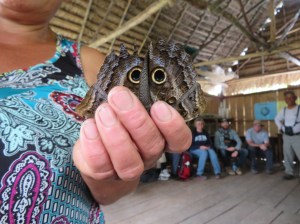
Of course we were treated to the retail experience, and bought local crafts to commemorate the occasion. I did buy earrings made with actual butterfly wings. When I will wear them, I do not know!
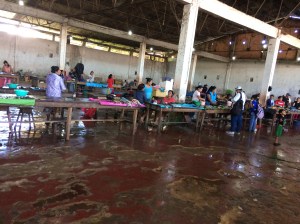
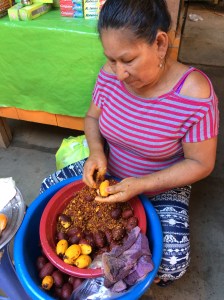
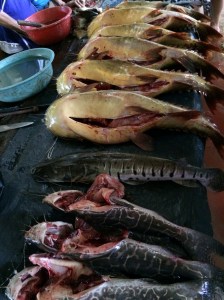
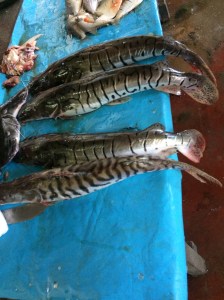
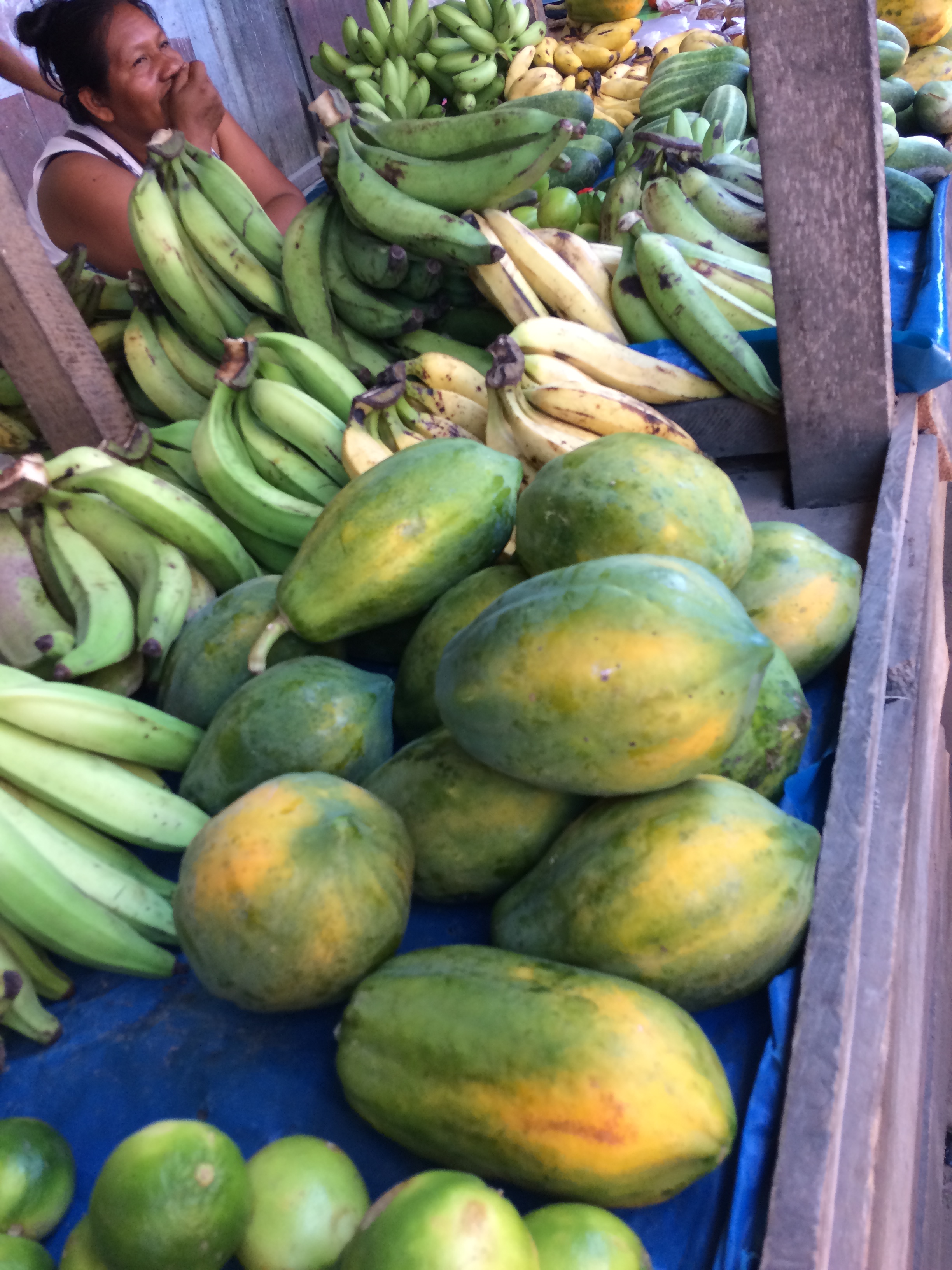
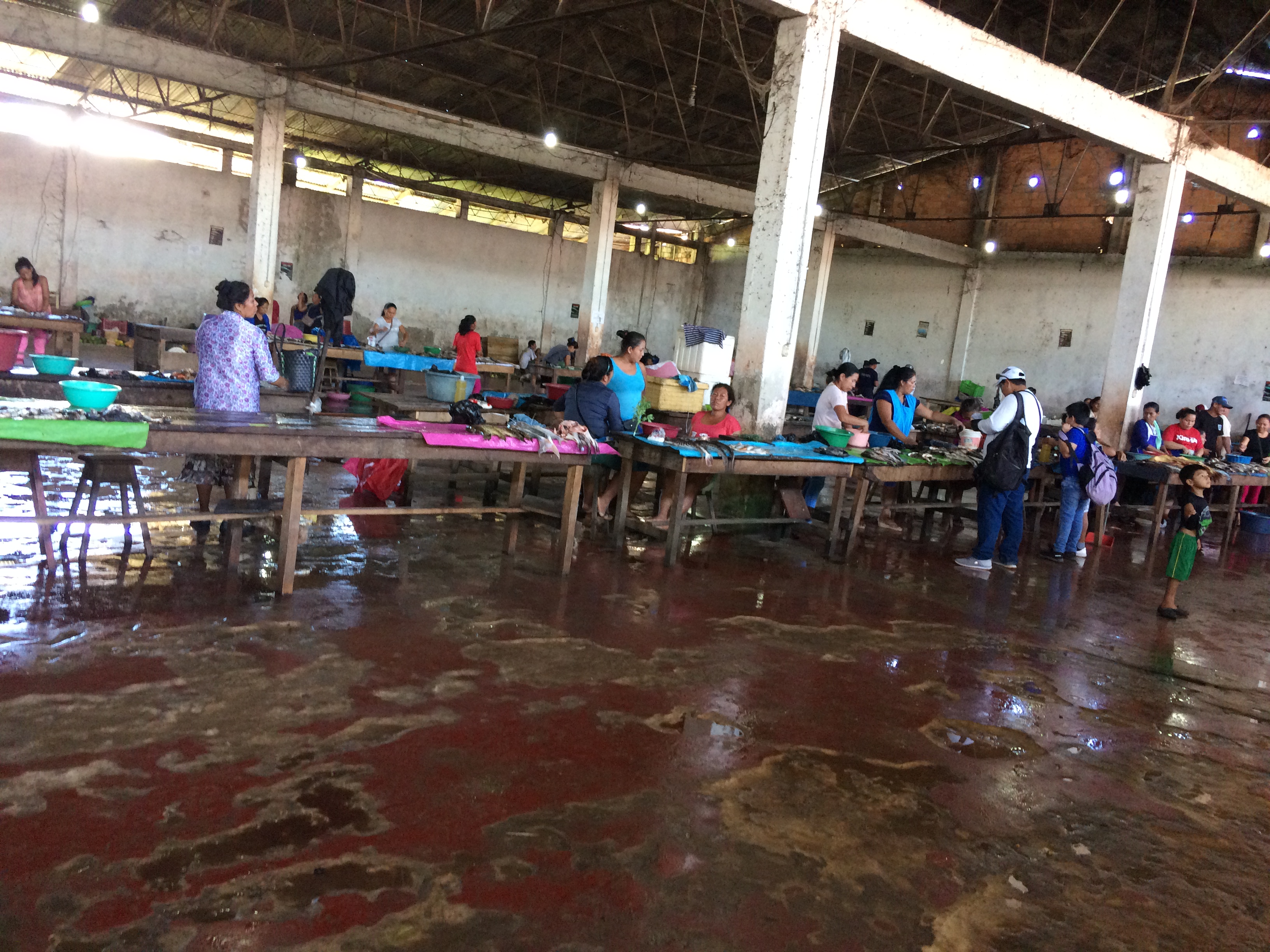
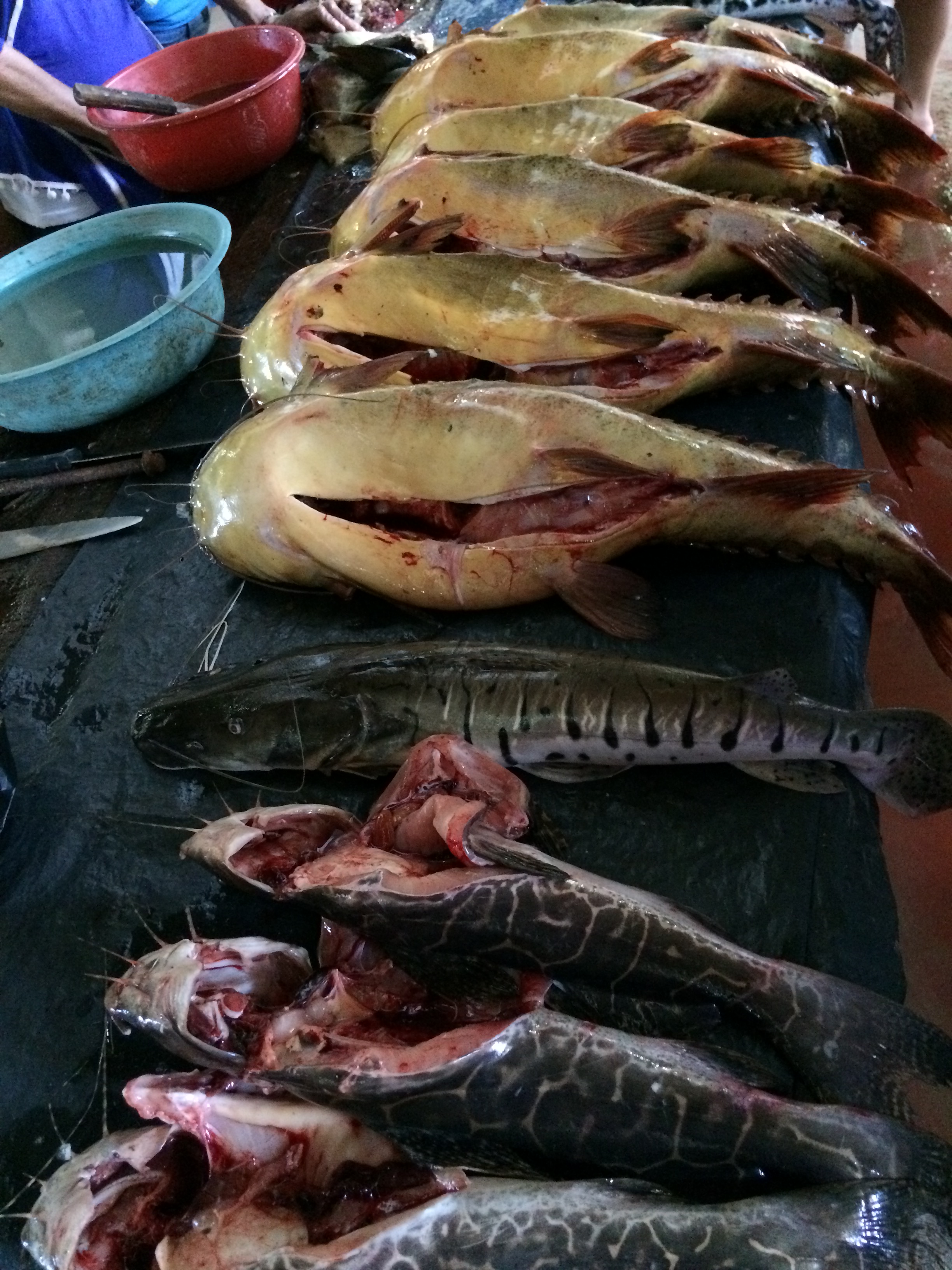
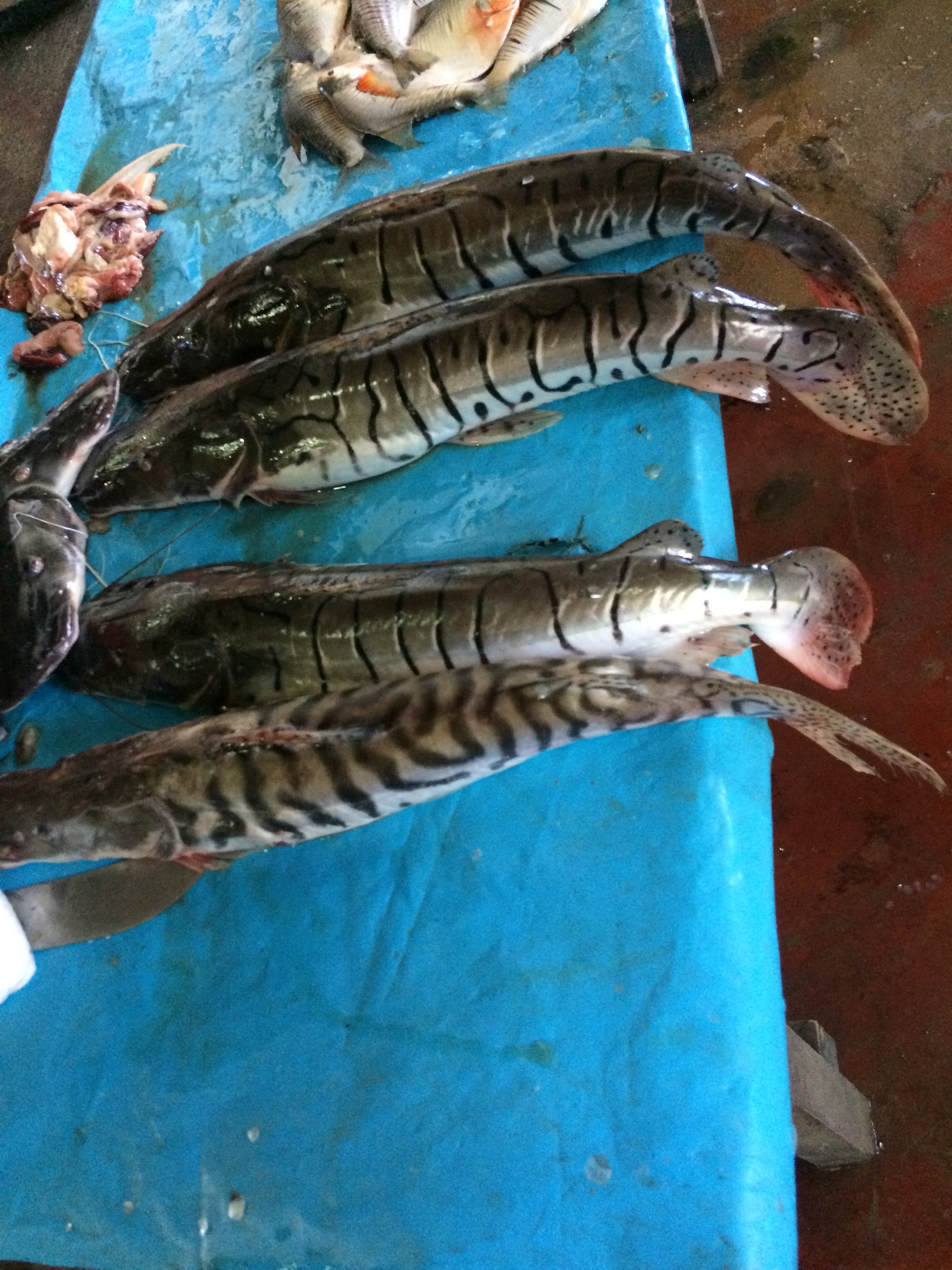
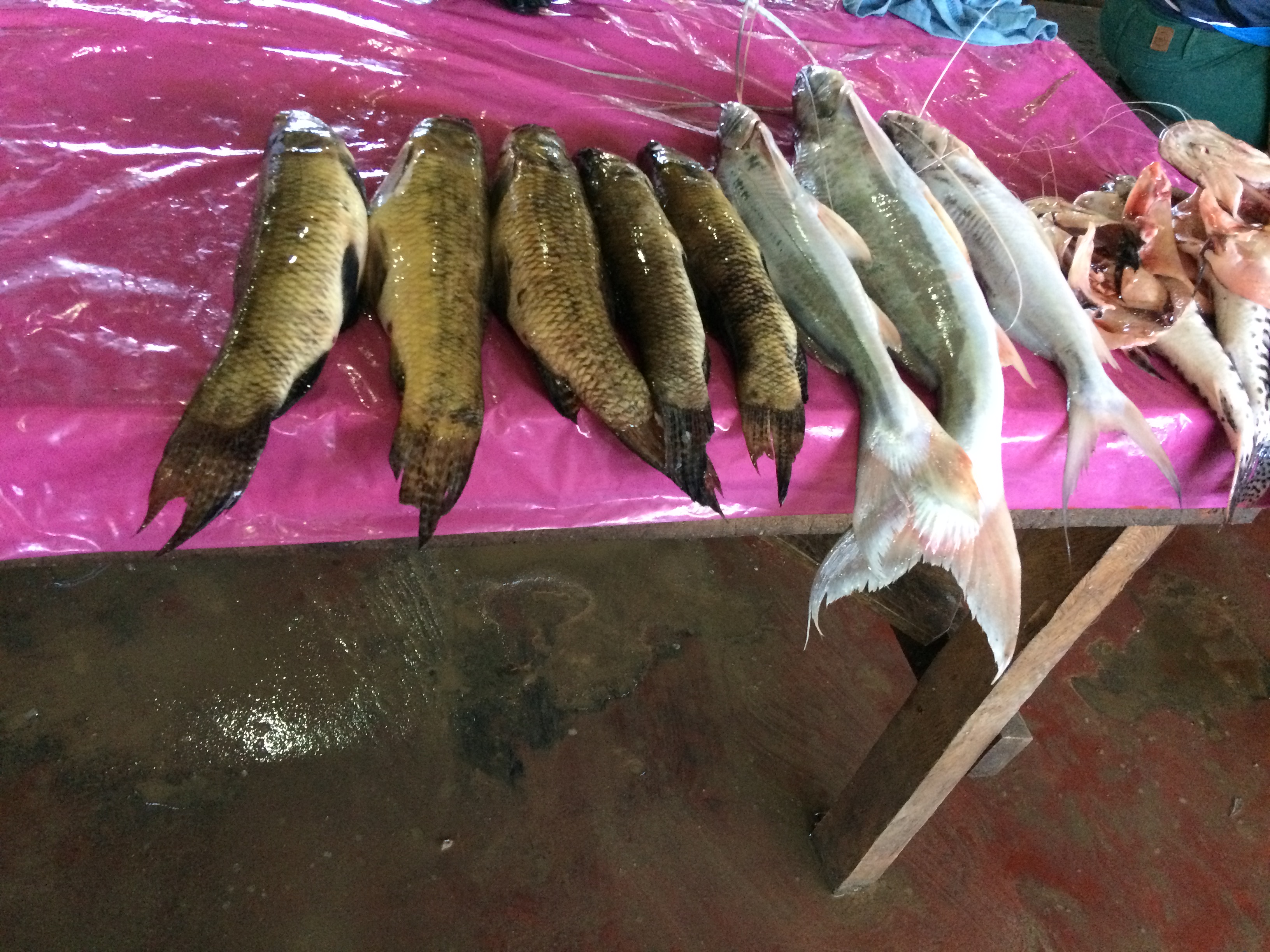
We visited the large riverside town of Natau, and wandered around the fish market and fruit stalls.
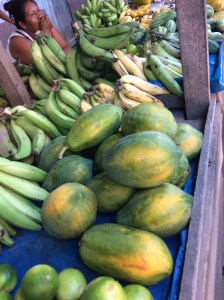
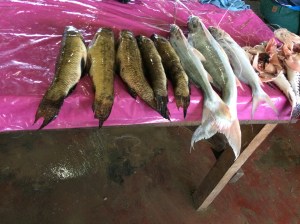
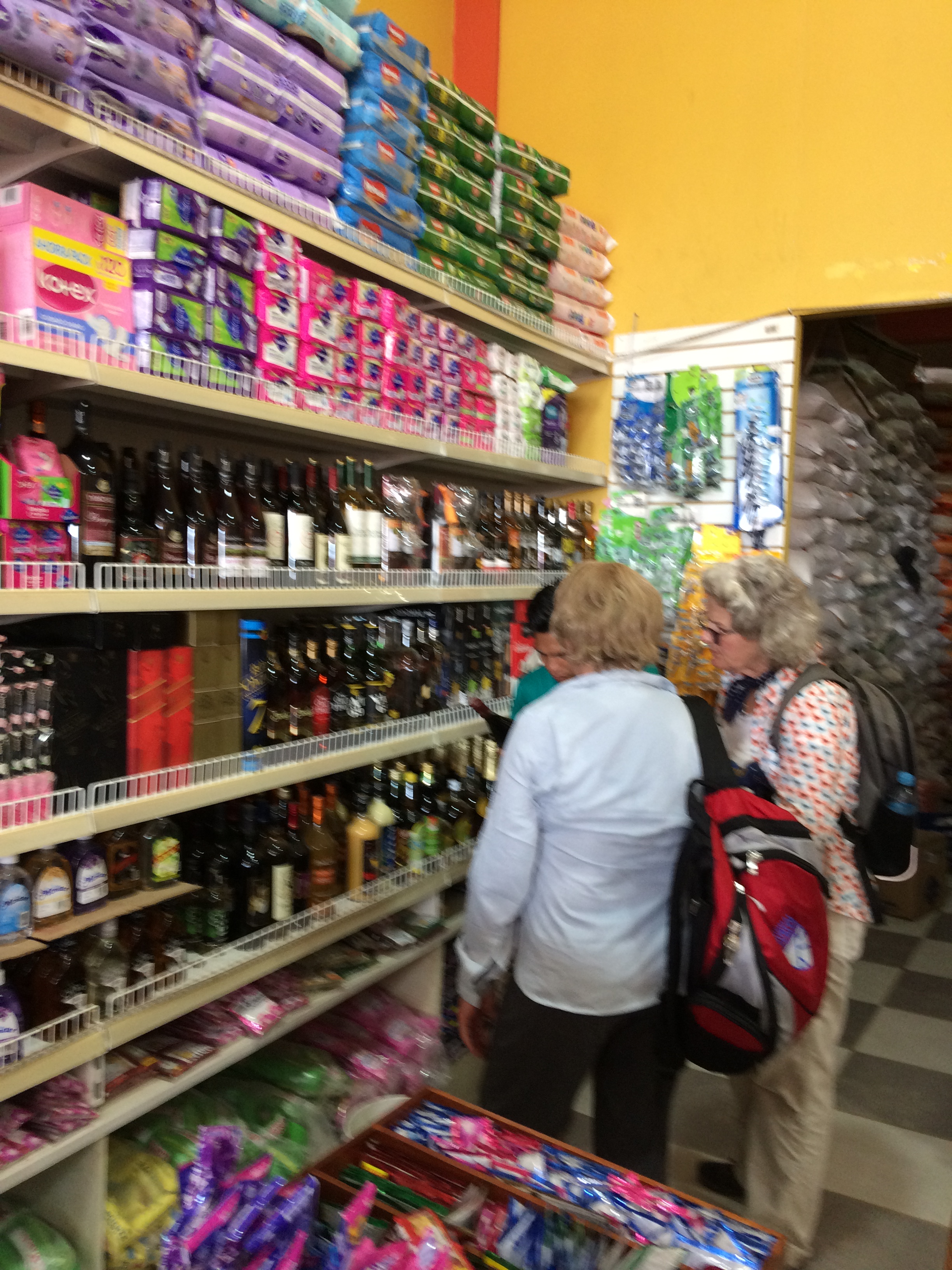
Cindy was very keen on finding a shop to get some beer so John and I duly followed.
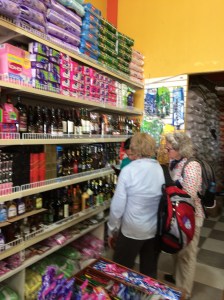
We passed the local radio station, which looked like the first stop of a torture chamber, but the sign outside did reassure us that this was where the sweet melodies emanated from!
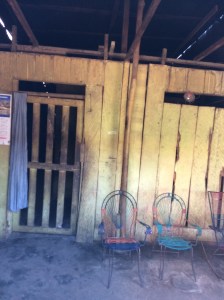

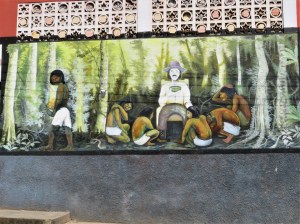
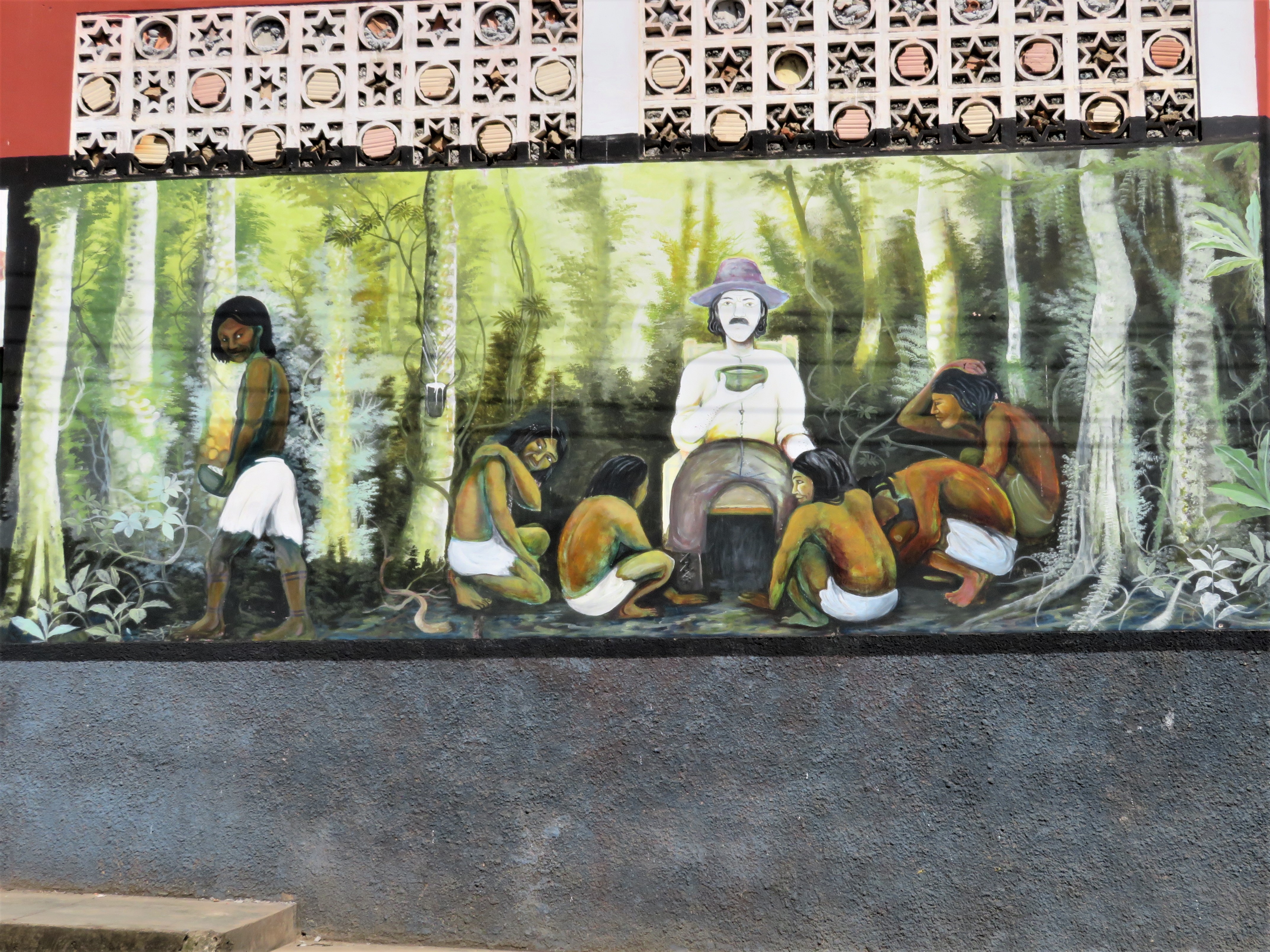
We bought strange Pina Coloda drinks and beer, before meeting up with the group. Posters were ominously hostile of the long-ago Spanish invasion and imperialist past.

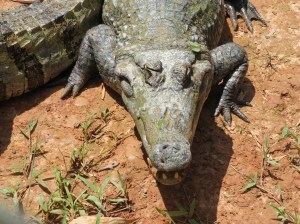
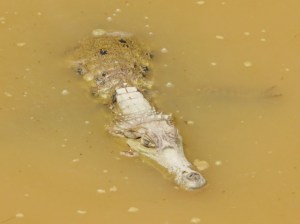
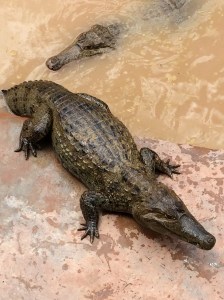
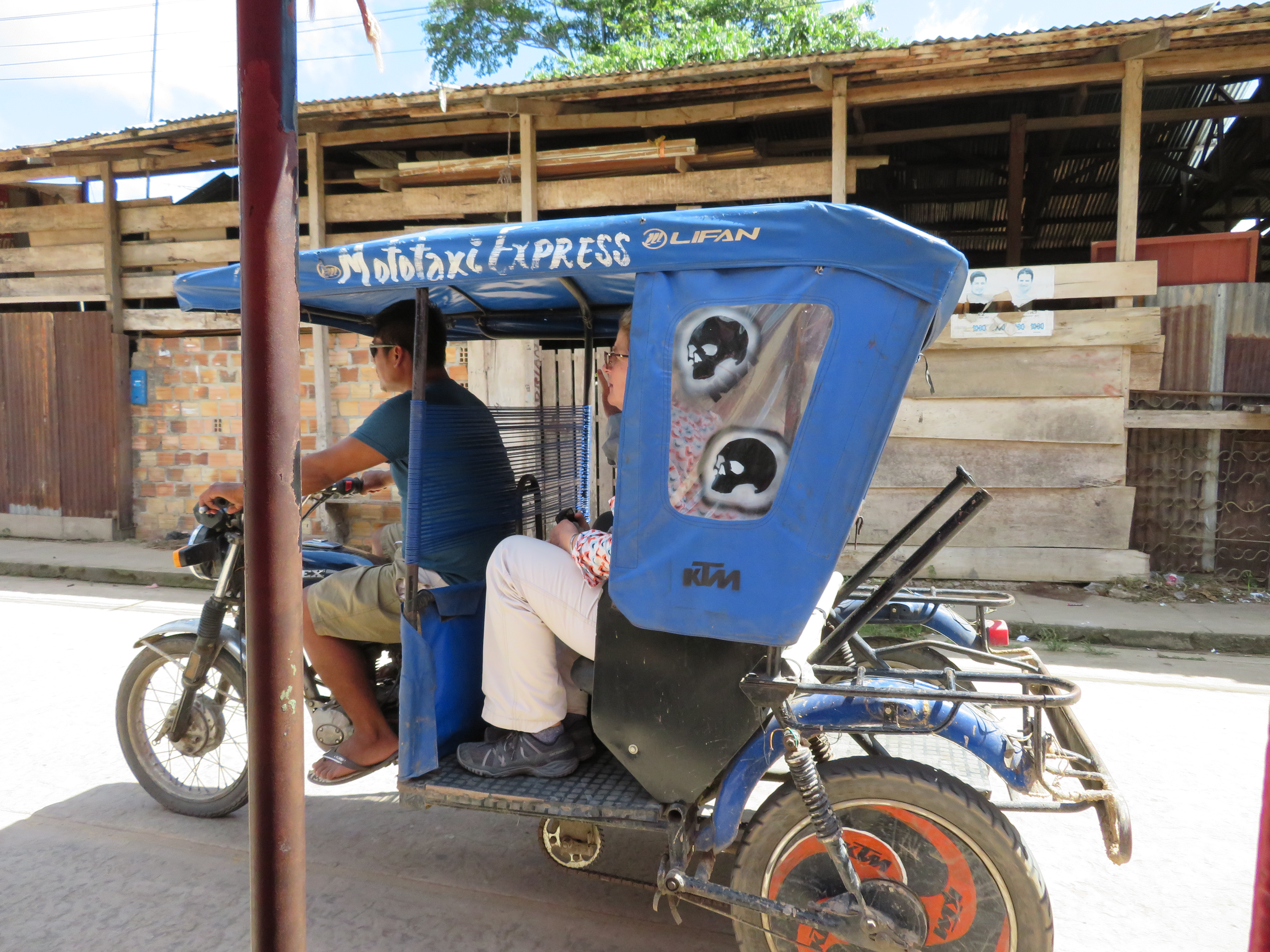
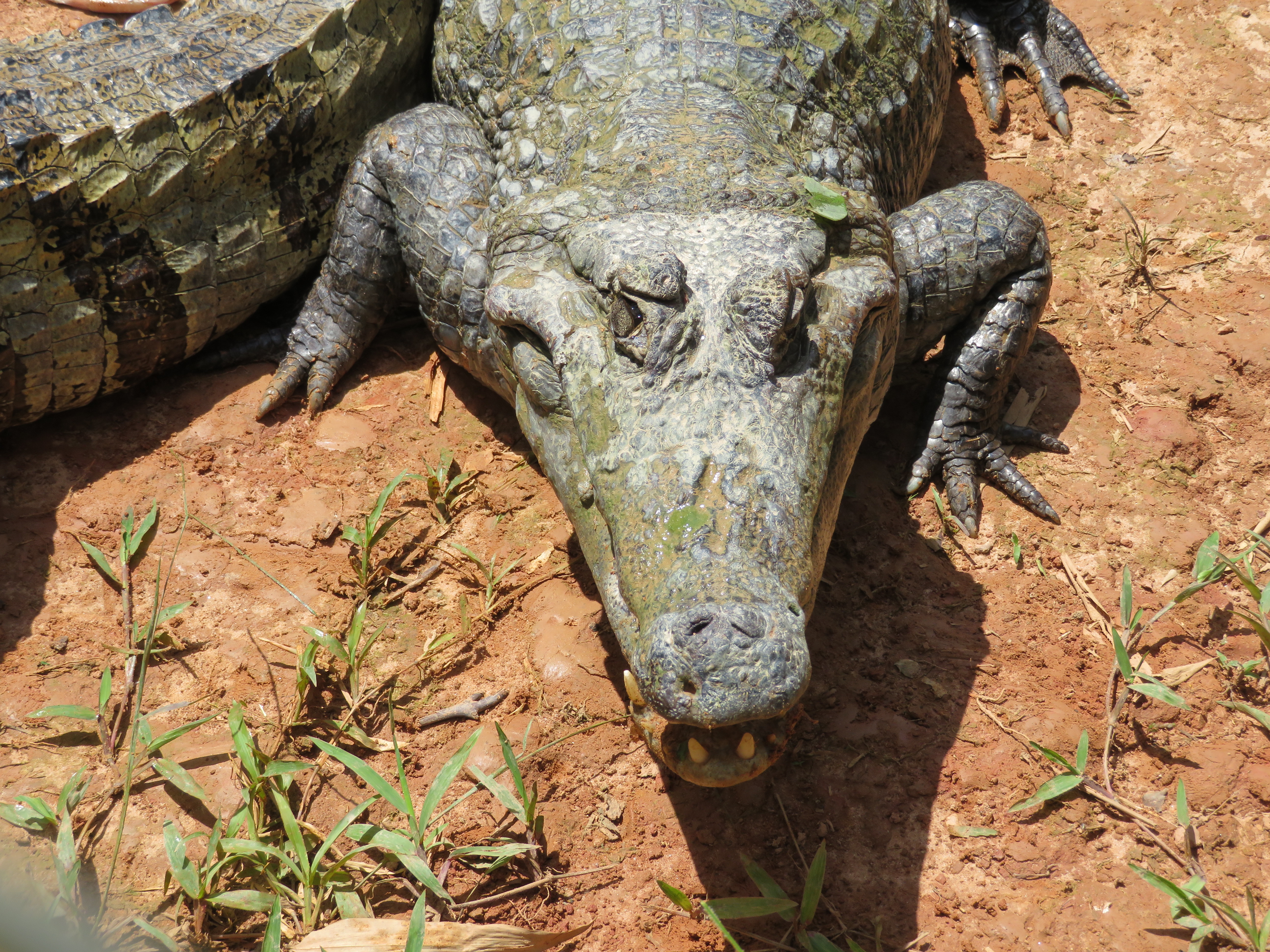
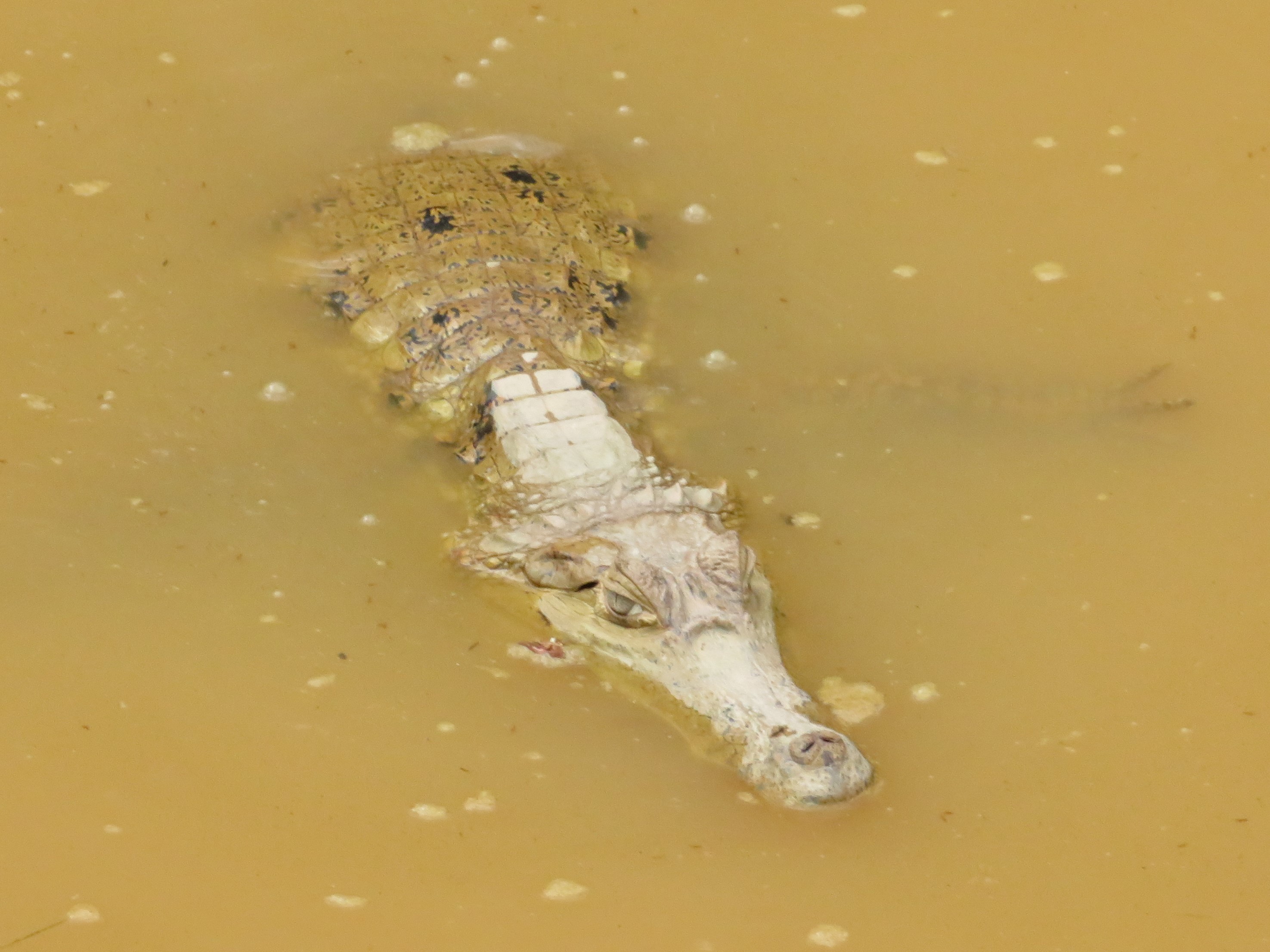
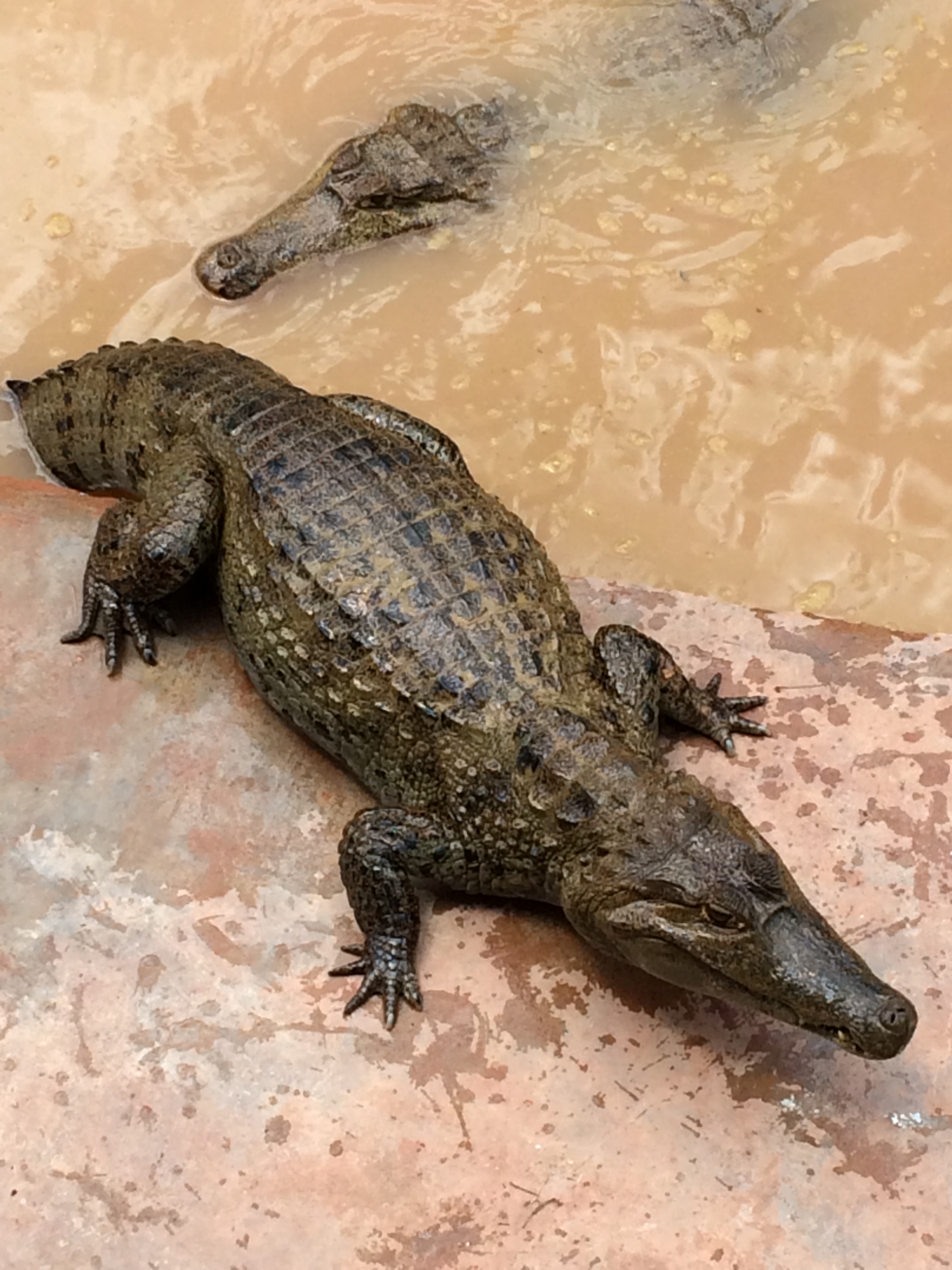
Next on the agenda was a tuc tuc ride to a caiman park in San Francisco! We got close up and personal with these other residents of the river, and Daniel gleefully threw handfuls of fish to lure them up on to the banks. Half of these creatures were destined for the restaurant, and half repatriated to the river. One way I suppose of curbing poaching.

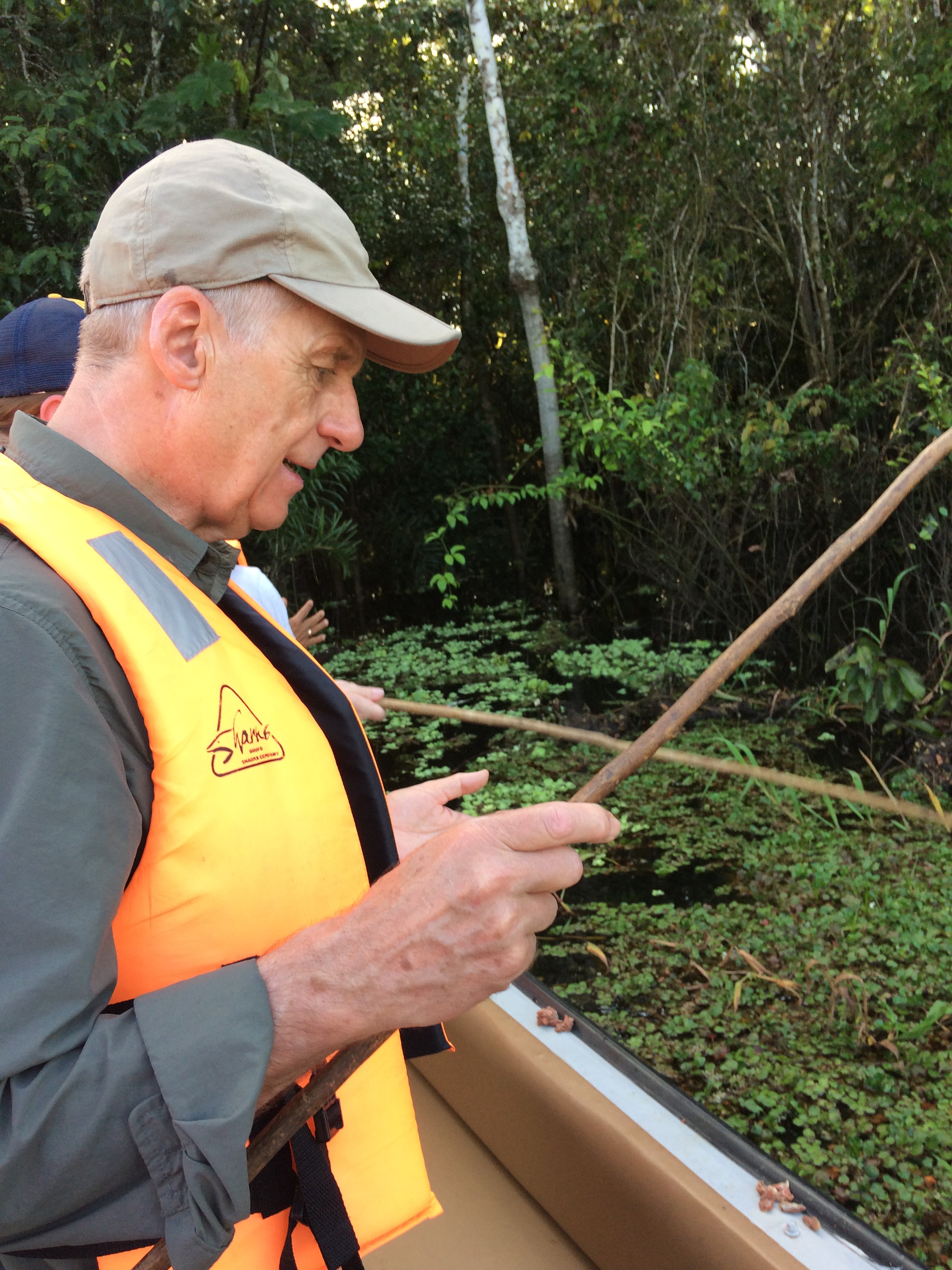
After our siesta that afternoon, we were taken out to a busy river bank, where a tree was overhanging, and a woman washing and children diving about like small dolphins. We were going to attempt piranha fishing. John and I looked at each other, thinking of the black devils we had seen in fish aquariums, and of Hollywood and all the hype of fear of teeth. Daniel was quite relaxed and threw in his line, laden with a big slug of meat. After a few haphazard attempts he gave up and instructed the boat man to find another spot. As we withdrew I saw the village’s name was Santa Fe!
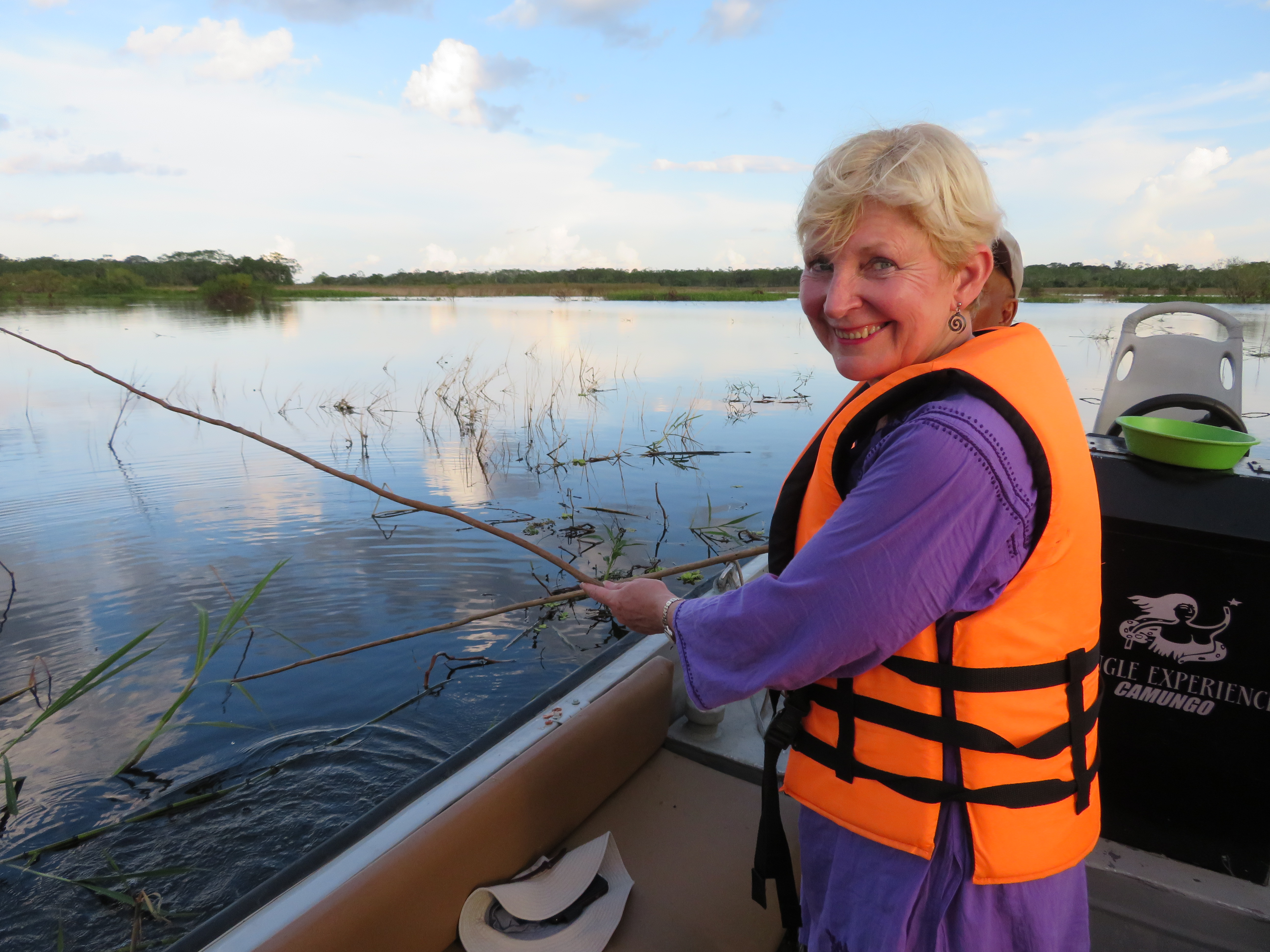
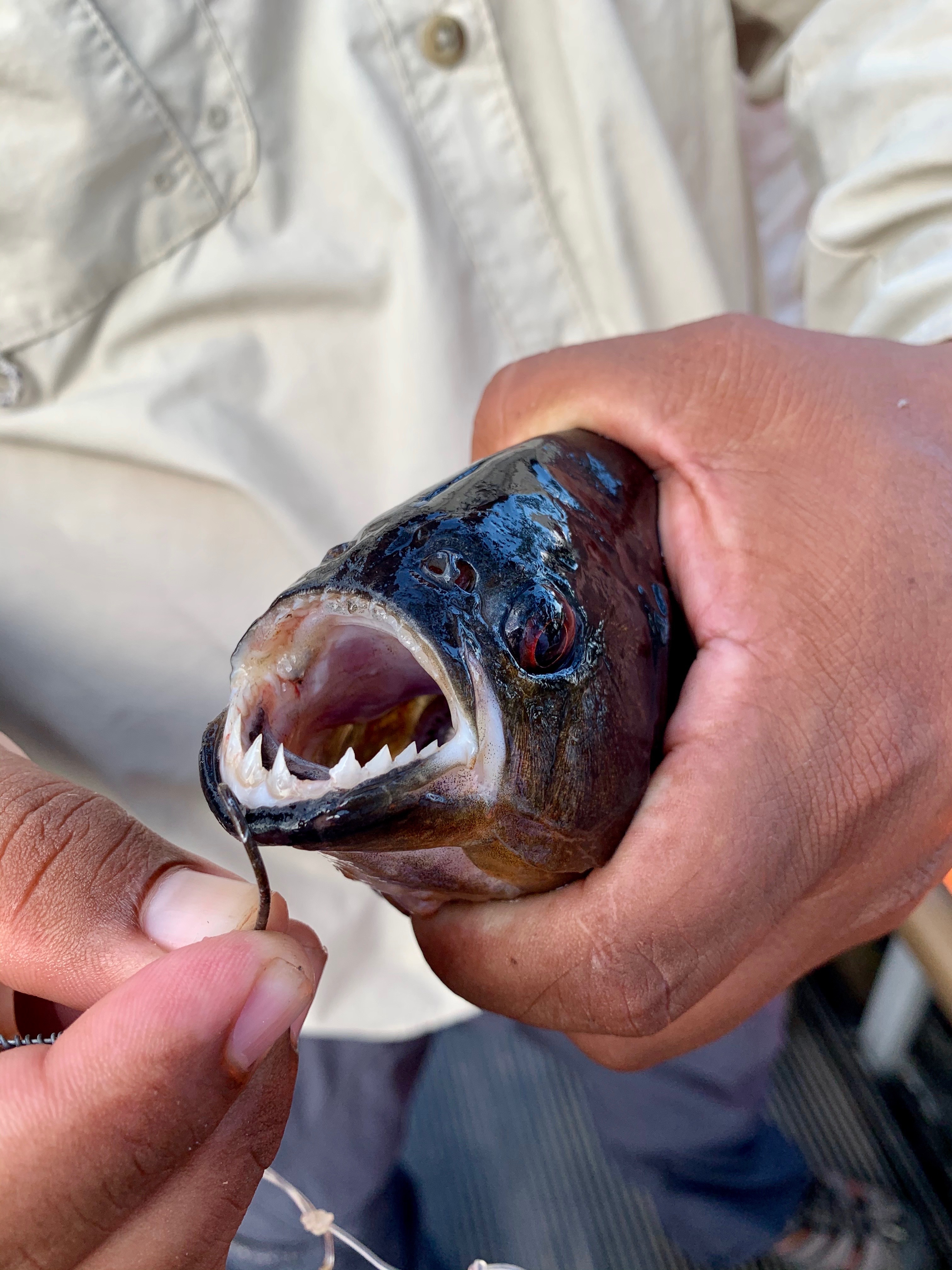
This time it was more remote, the waters dark and swirling, the grasses were ‘snakey’ and we all loaded up our bait and stood hoping for a bite. The trick is you must splash the water. The fish are nearly blind, so rely on sound and smell to get their food. There are thirty different species of piranha and seven of those are vegetarian! But the big news is, they will not bite you unless you are bleeding, then of course you are in big trouble.
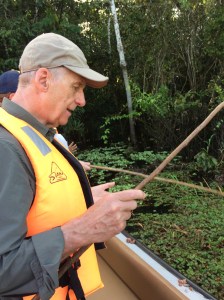
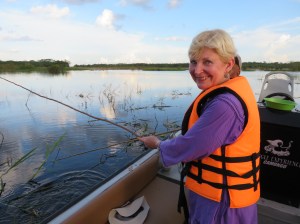
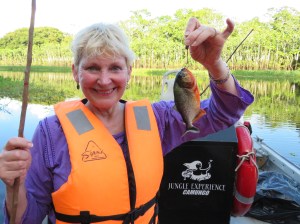
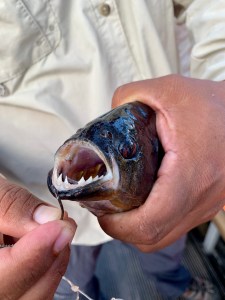
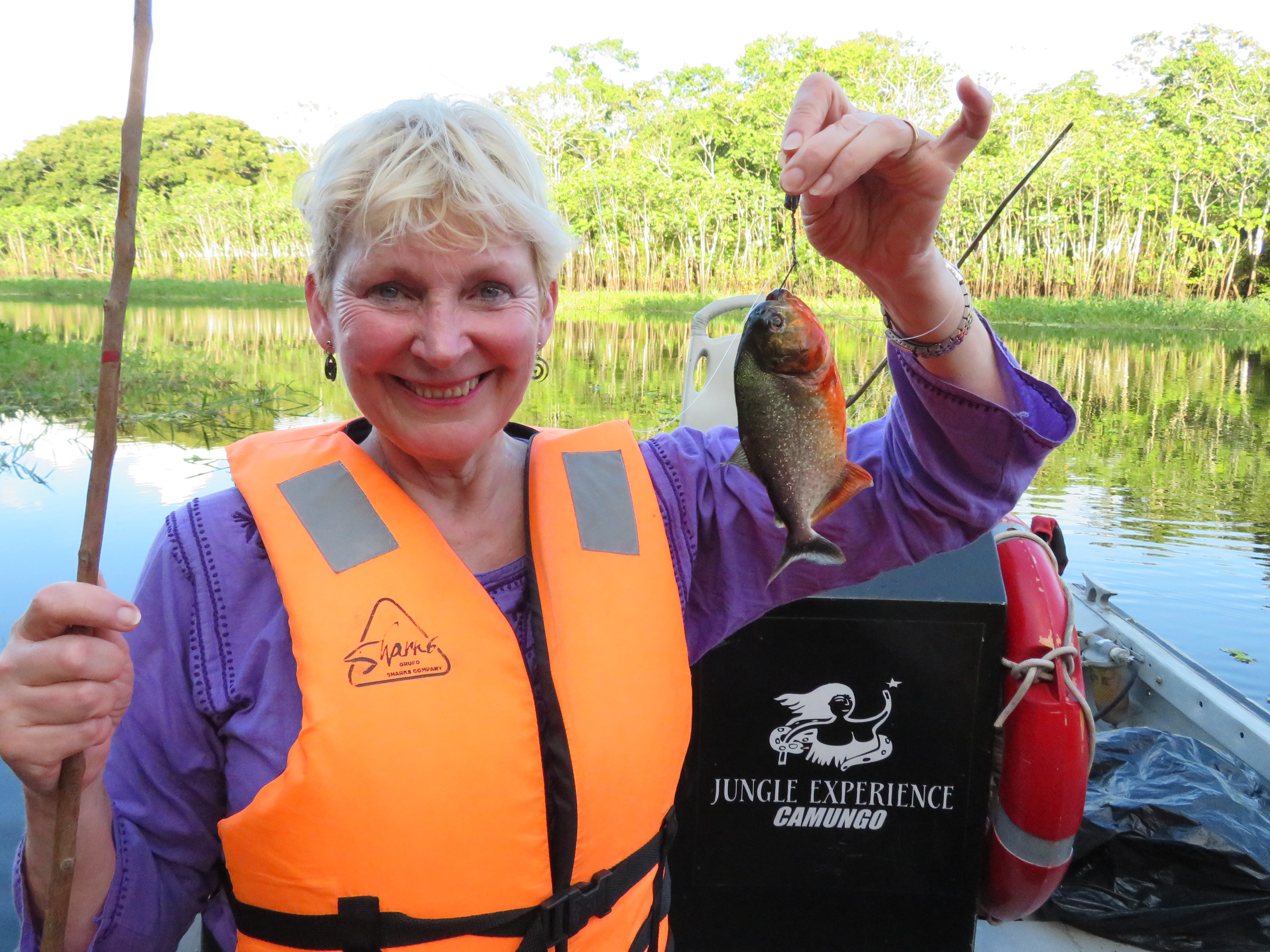
We splashed and they ate our offerings, until finally we started to get the knack. We all got one, and proudly stood holding our rather lethal red-bellied piranha, which we took back and the chef grilled for us to taste.
I will now copy the following right out of my journal. It was written as the boat was moored, during siesta time.
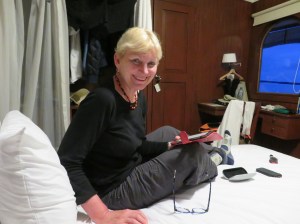
Thursday
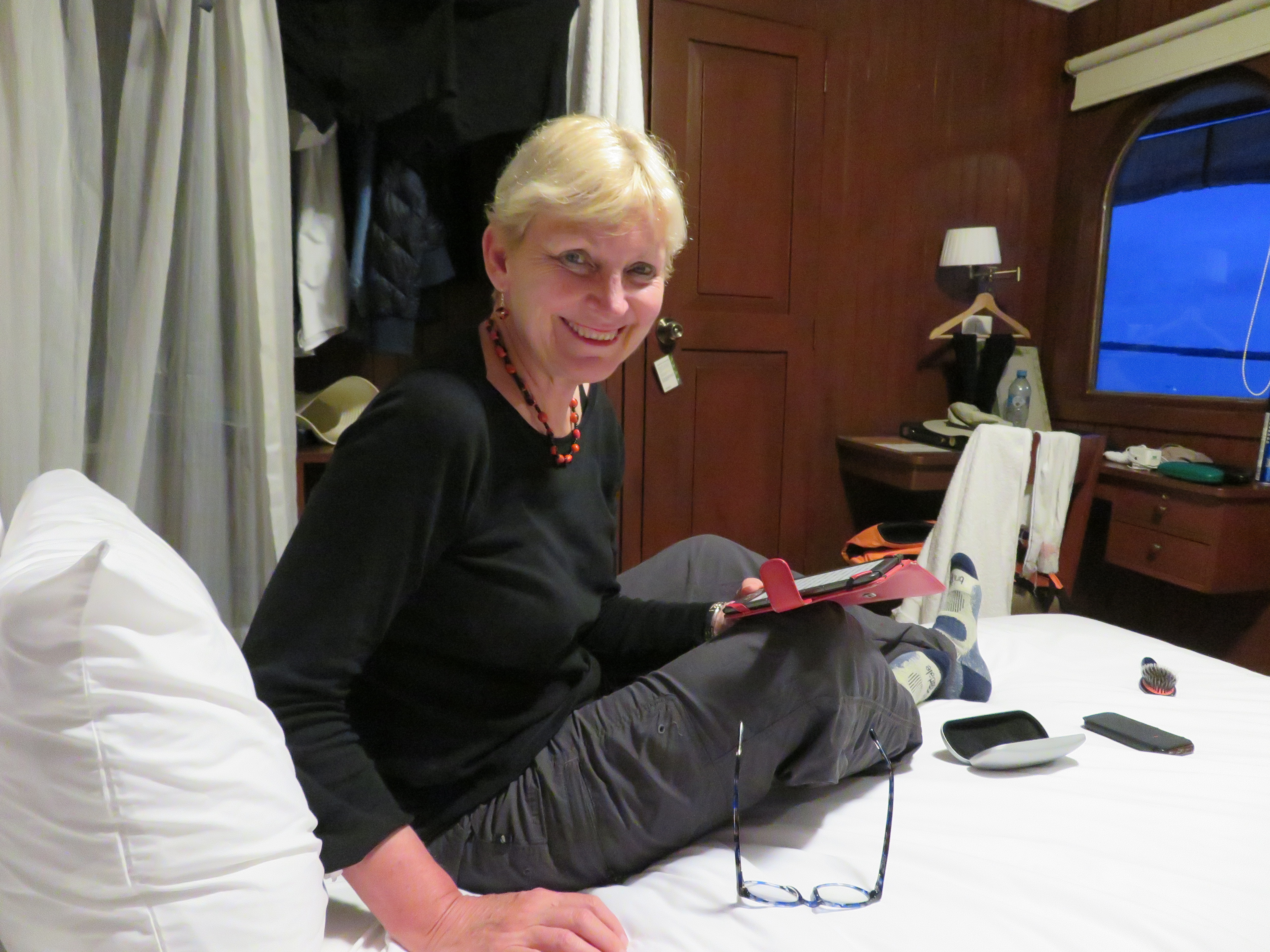
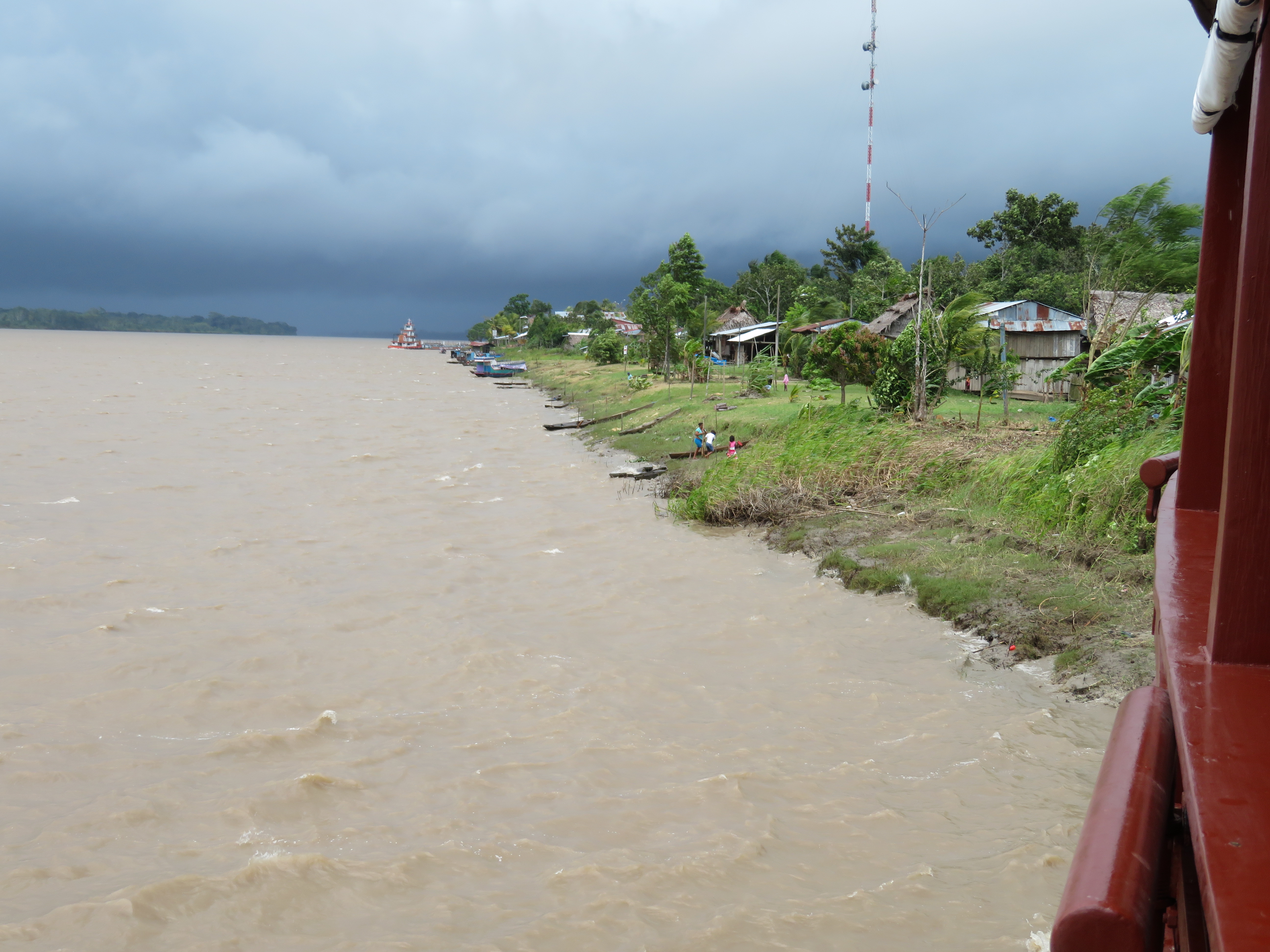
There’s a storm on the Amazon. The waters are choppy and brown and the sky alight with forked lightning. Rain is hammering on our cabin windows and I see we have moored beside a small village, with gaily painted dugout canoes along the banks. Boys are trying to bail out the water. After the Shaman visit scheduled for this afternoon we are supposed to go on a kayaking adventure on one of these crafts. The rain lashes down. I am not so sure.

This morning was a dream. We signed a book registering us to enter the most pristine preserve on the planet. It is called Pacaya Samiria Reserve. This territory belongs only to nature and animals. Our boatman drove into an overhanging creek and cut the motor. Only the shrieks of birds and the croaking of frogs disturbed the jungle.
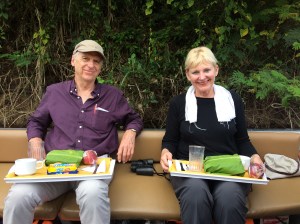
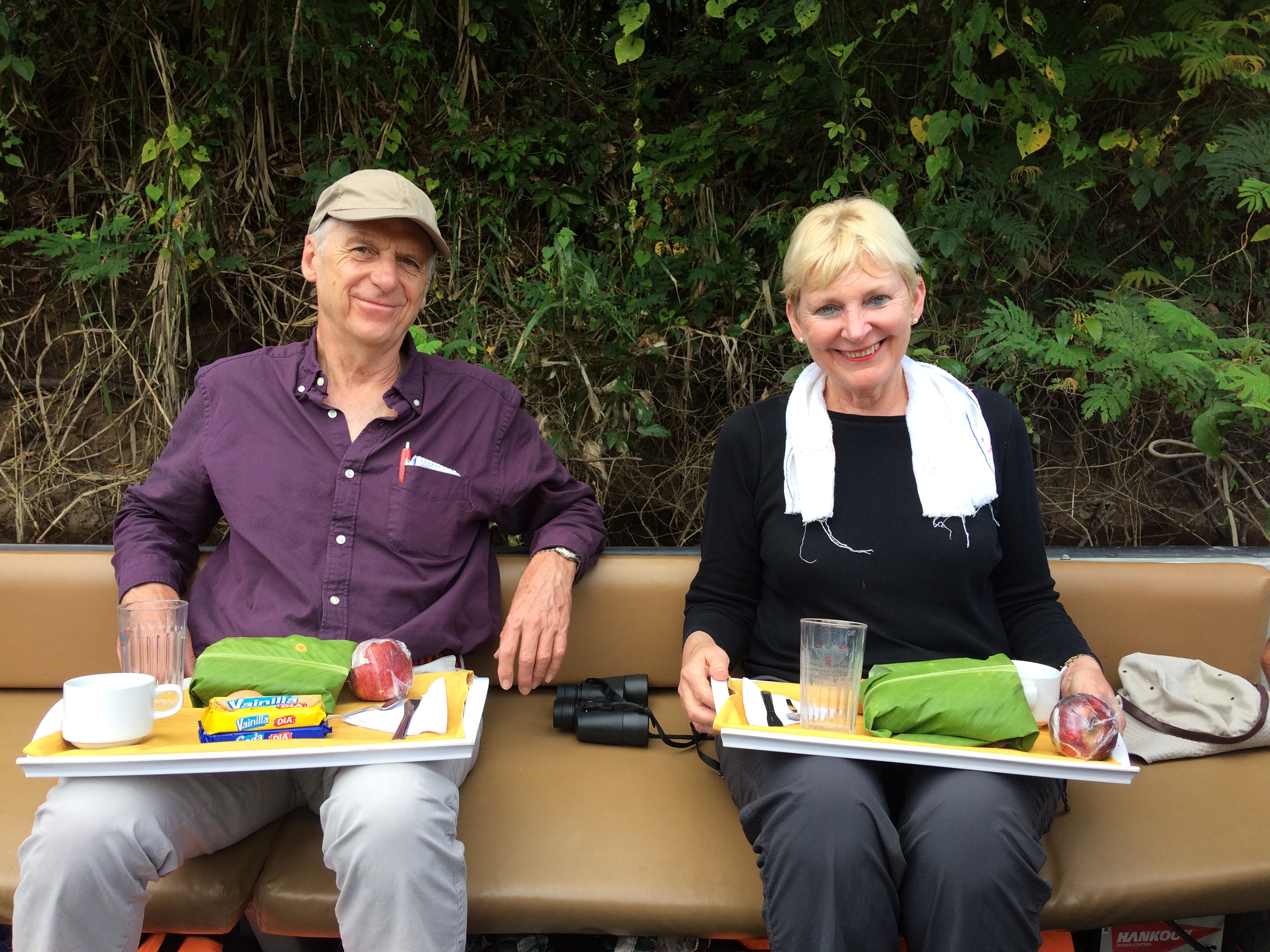
And then onwards, passing blue and yellow macaws, birds of every size and colour, and red and white creepers jostling for space. We pulled over beside a mudbank where fish lay their eggs in the bank in the wet season, and kingfishers nest in the dry. A picnic breakfast was served on large banana-like leaves together with papaya juice and good coffee. It was surreal and so terribly civilized. Of course after so many beverages one is required to visit nature’s facilities.
We motored on, the dense forest was dark, the banks grassy and ‘snakey’ and of course we pulled in.
‘Anyone want to go? – Gents to the left, ladies to the right.’
Only three ladies endeavoured to brave the forest floor. Whilst I awaited my ‘turn’ I was totally alone, beside the crawly bark of the trees, with the heavy canopy above us, – was that a russle? Would anything fall on me?’
We were all a bit relieved to return to the safety in numbers and float away.
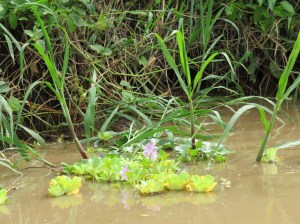
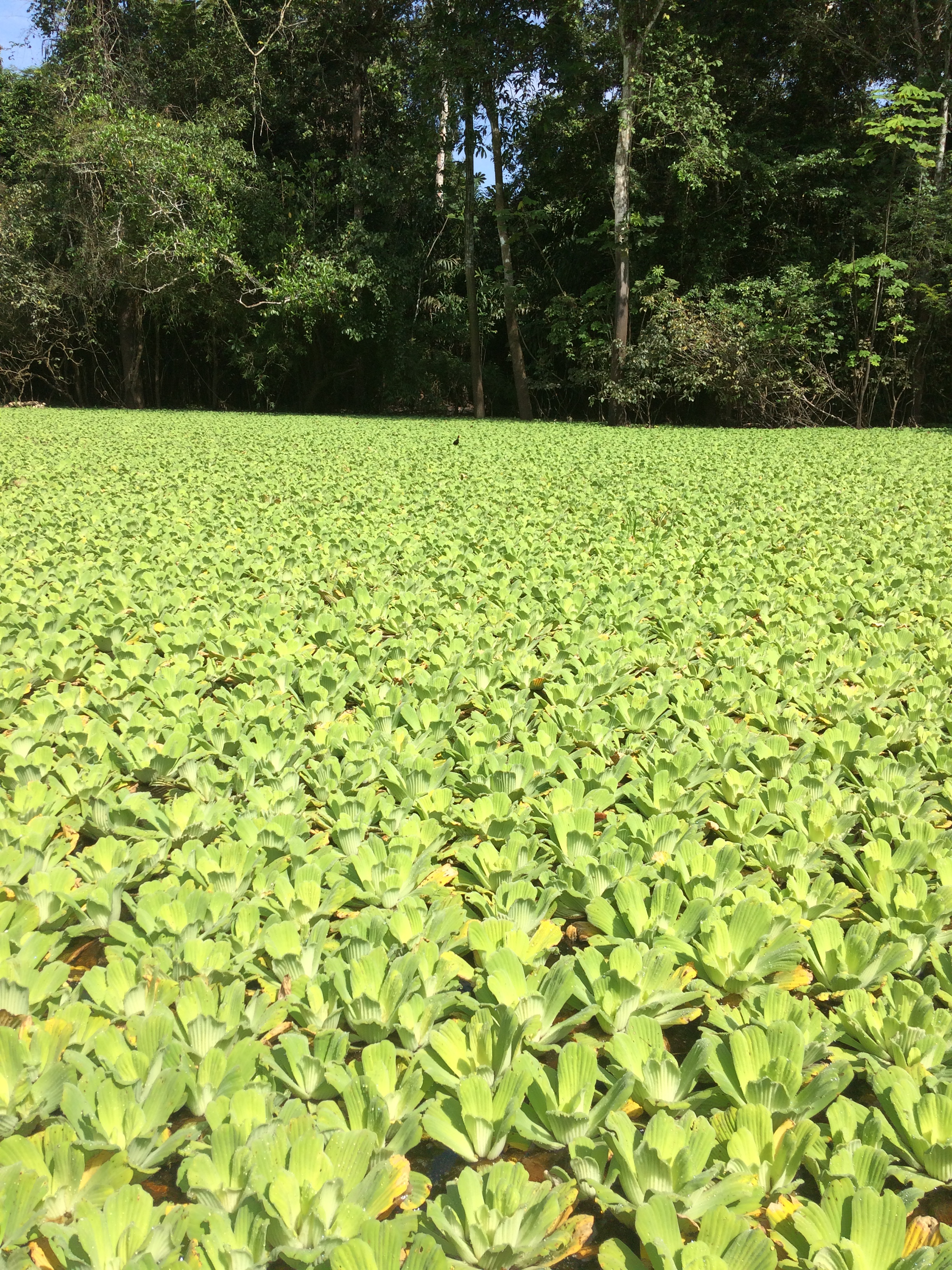
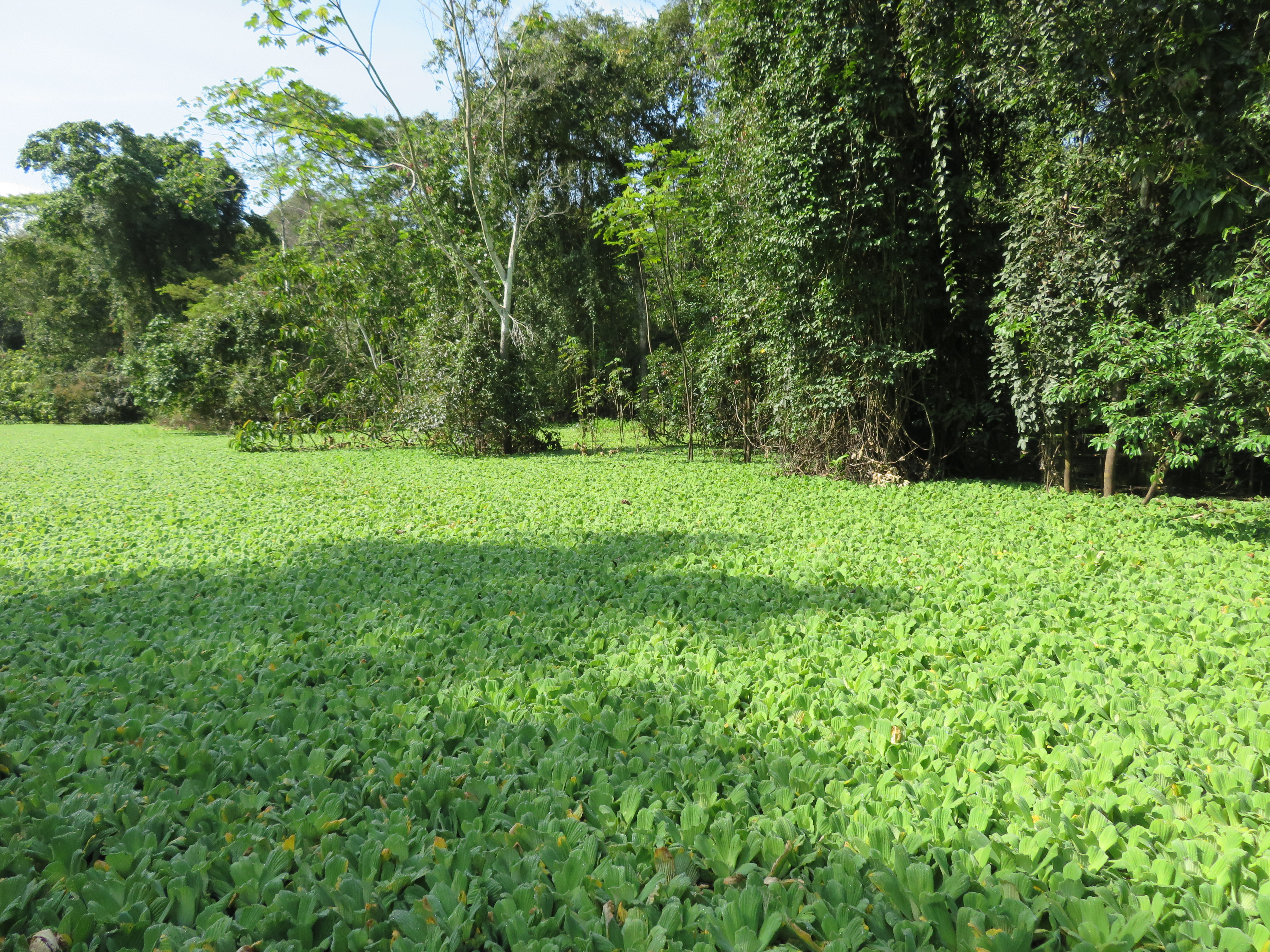
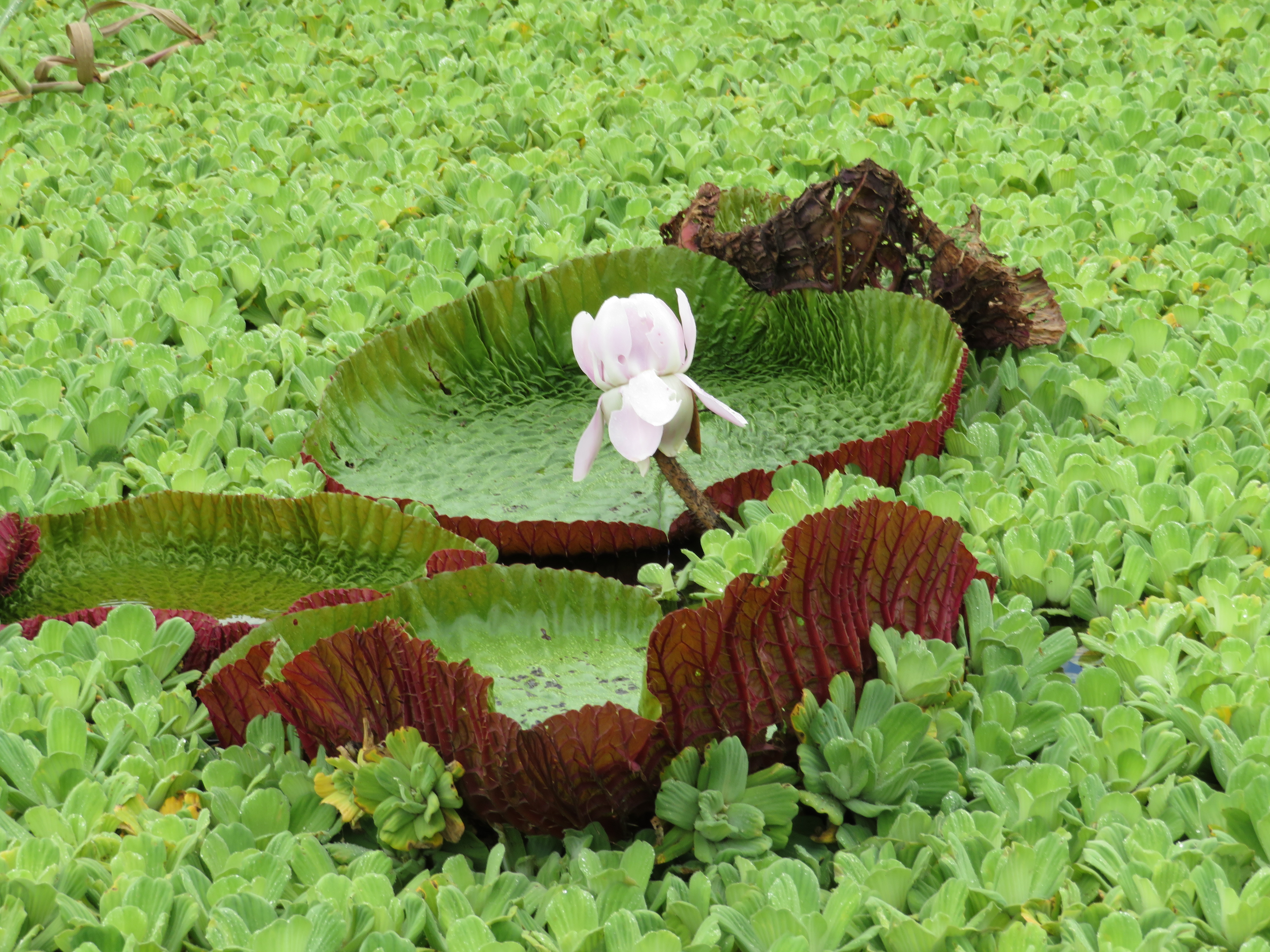
But no – Daniel had other plans, we were to look for the anaconda, who loves the green water lettuce to hide and hunt in.


Our boat immediately became entangled with roots and greenery and as we ploughed through, the skiff’s wake covered over instantly, there was no evidence of our being there. What an ideal place to dispose of a body, well, that is in case you needed to. Ha!
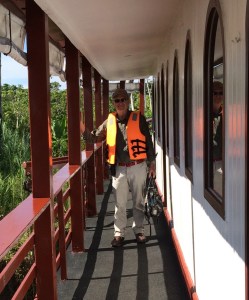
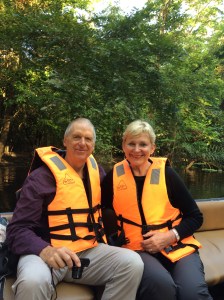
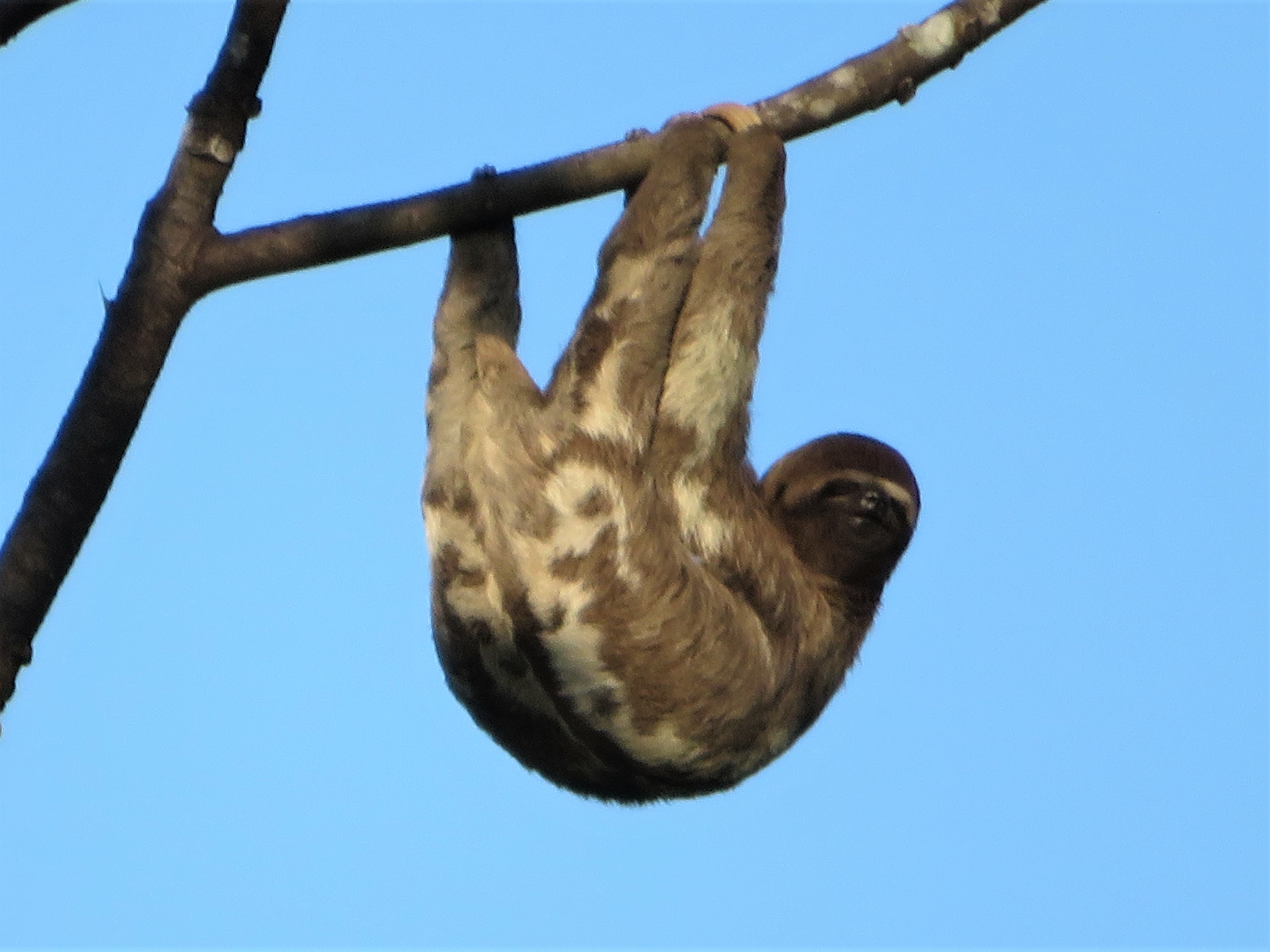
The sun beat down, only macaws screeched from the trees, clustered in companionable groups. Daniel scoured the endless green, no anacondas, just another sloth, very large and moving slowly up the branch. We were becoming blasé, ‘just another three-toed sloth!’

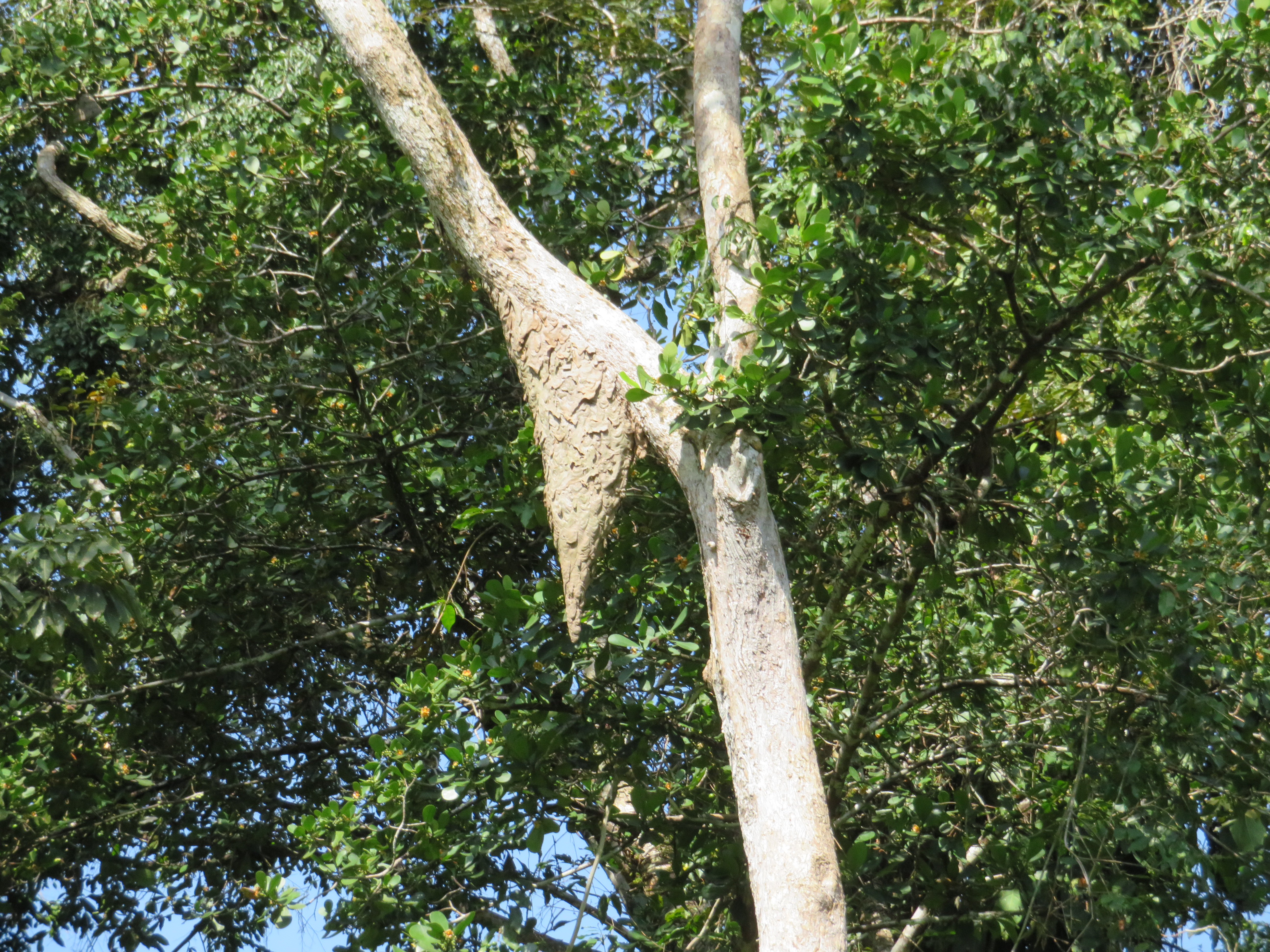
We admitted defeat and headed back to the main river. Trees with pointed ants’ nests framed the skyline (so different from termite nests which are rounder… I am becoming an expert)
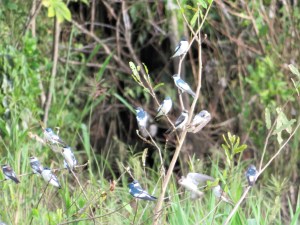

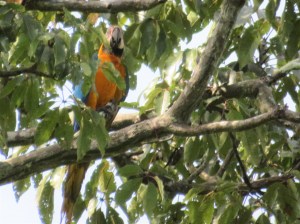
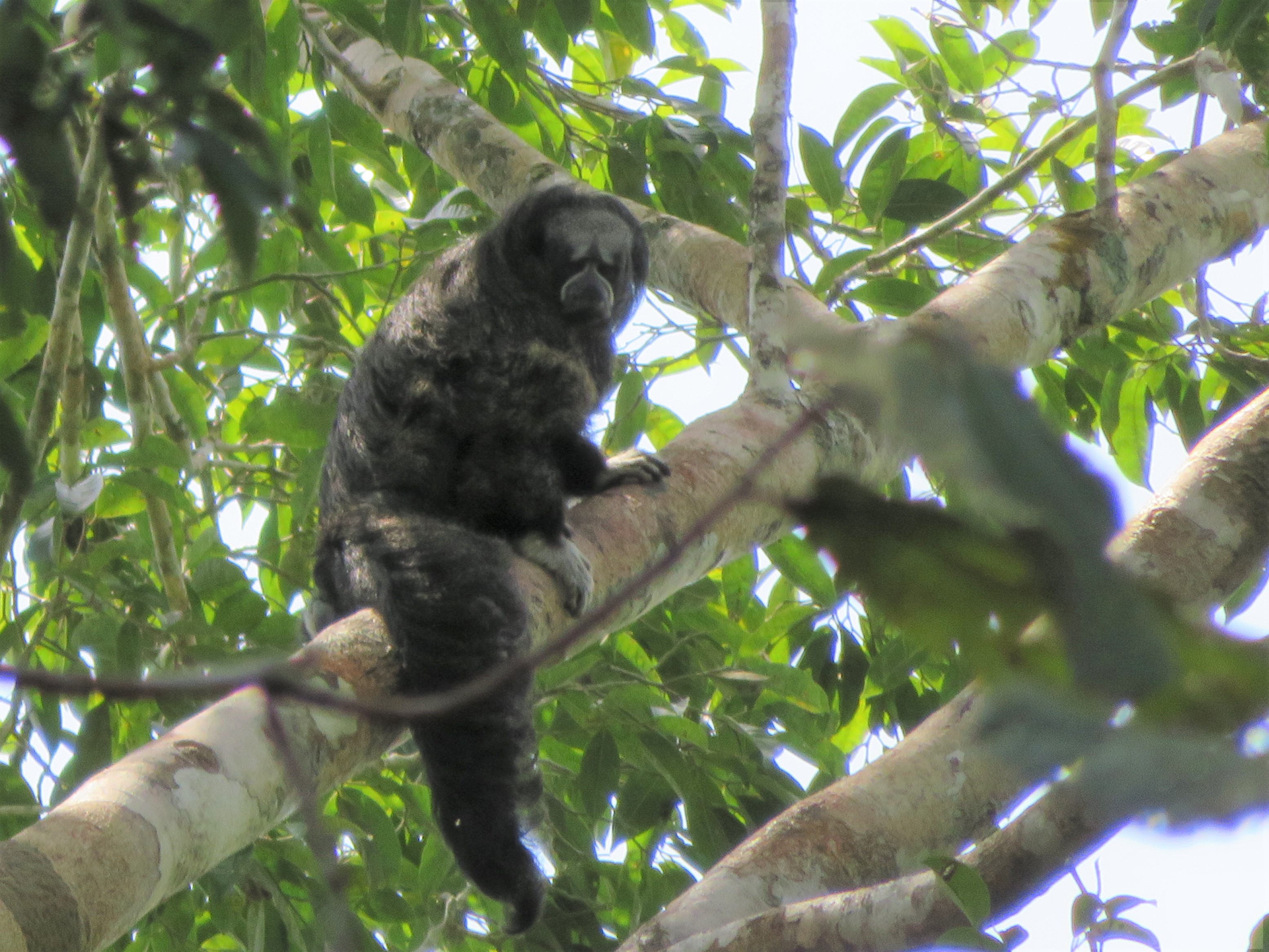
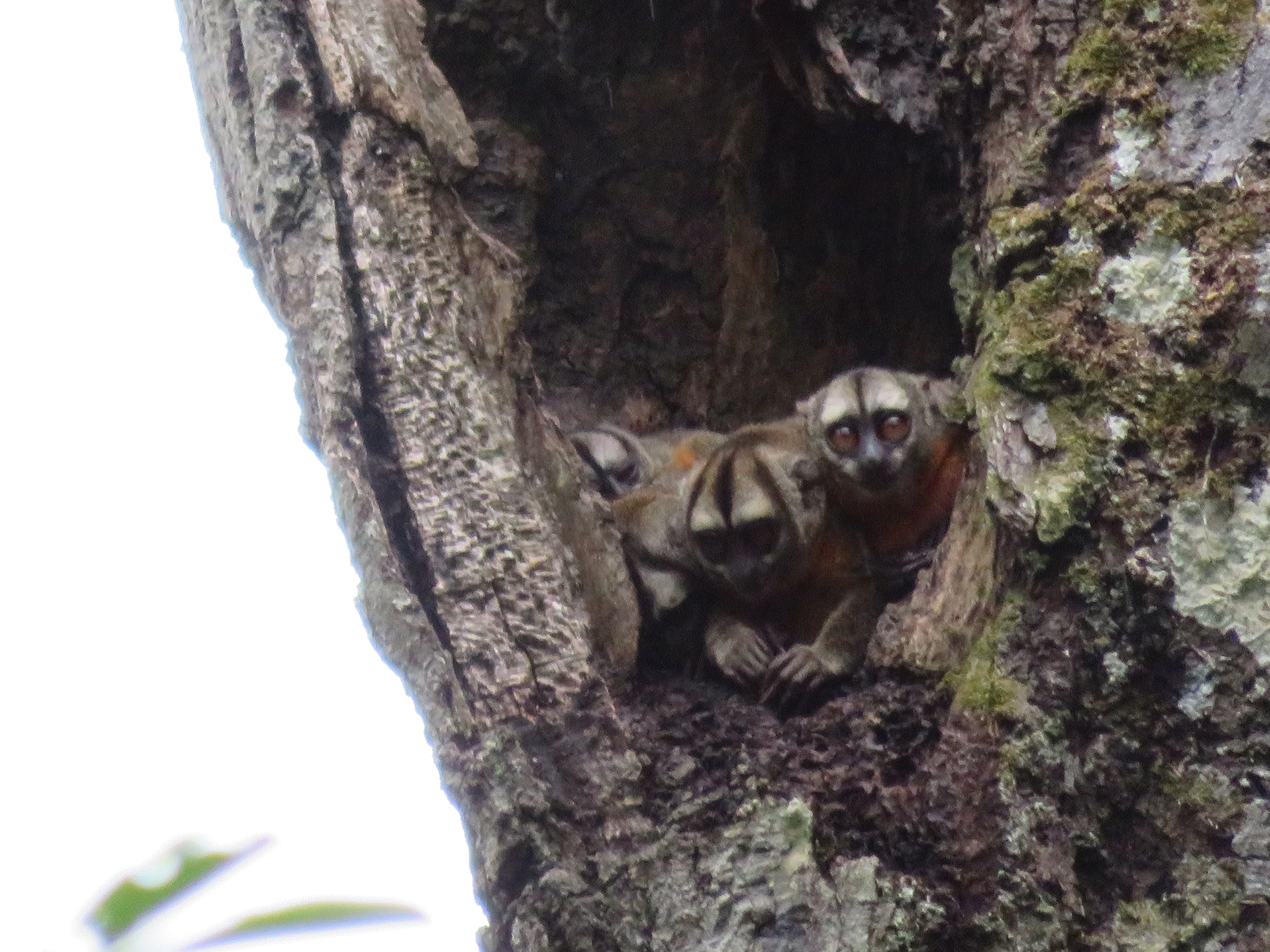
and we heard the rustle of leaves and a red howler monkey jumped into view followed by the ‘Michael Jackson’ monkey with his white gloves. We saw the night howler, and the woolly monkey and loads of capuchins.

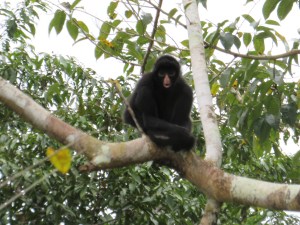
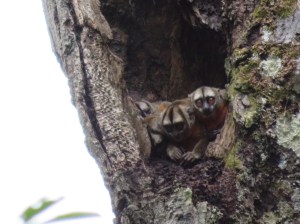
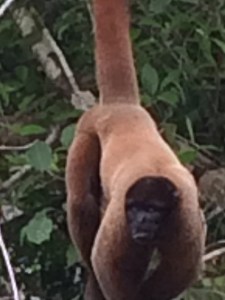
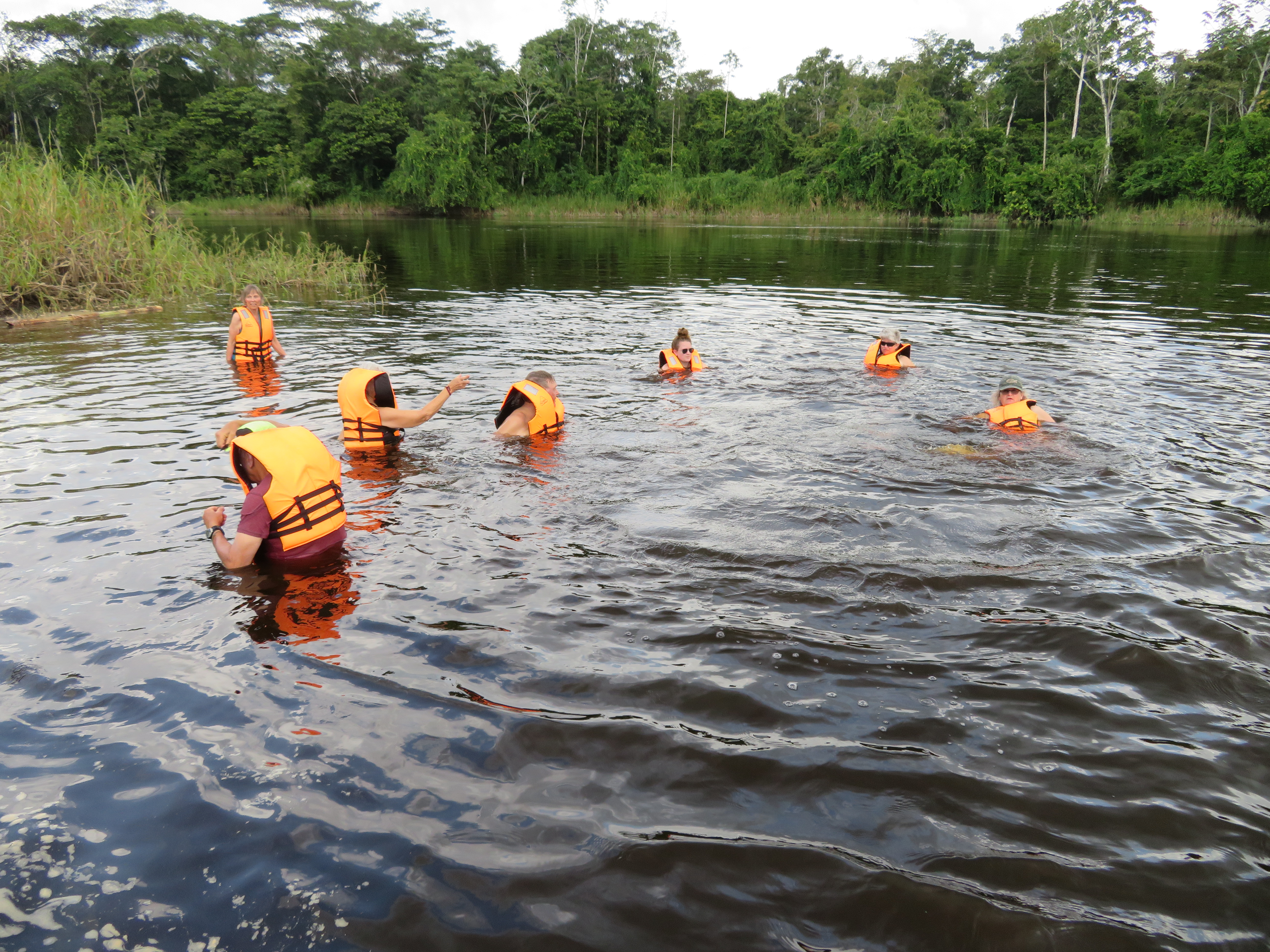
The boat stopped briefly to allow those who wanted to swim in this amazing river. After gleefully catching piranha last night they edged their way down the muddy river bank without a backward glance.

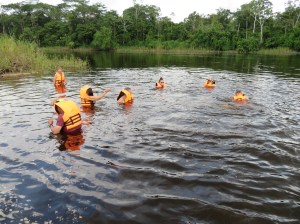
They frolicked and floated and resembled the children from the other evening.
‘Ooh! Something is biting my feet!’
‘Oh! Me too.’
But still they bobbed about and laughed and lo and behold! – behind them surfaced two pink dolphins!
Splashing in the water attracts all kinds of creatures it seems!
We made it back to the Amatista and had lunch, and now the storm. Oh my, curtains of water. Our dugout canoe experience will most certainly be cancelled, but I believe they are going to bring the shaman to us, instead of us visiting her in her house.
Later
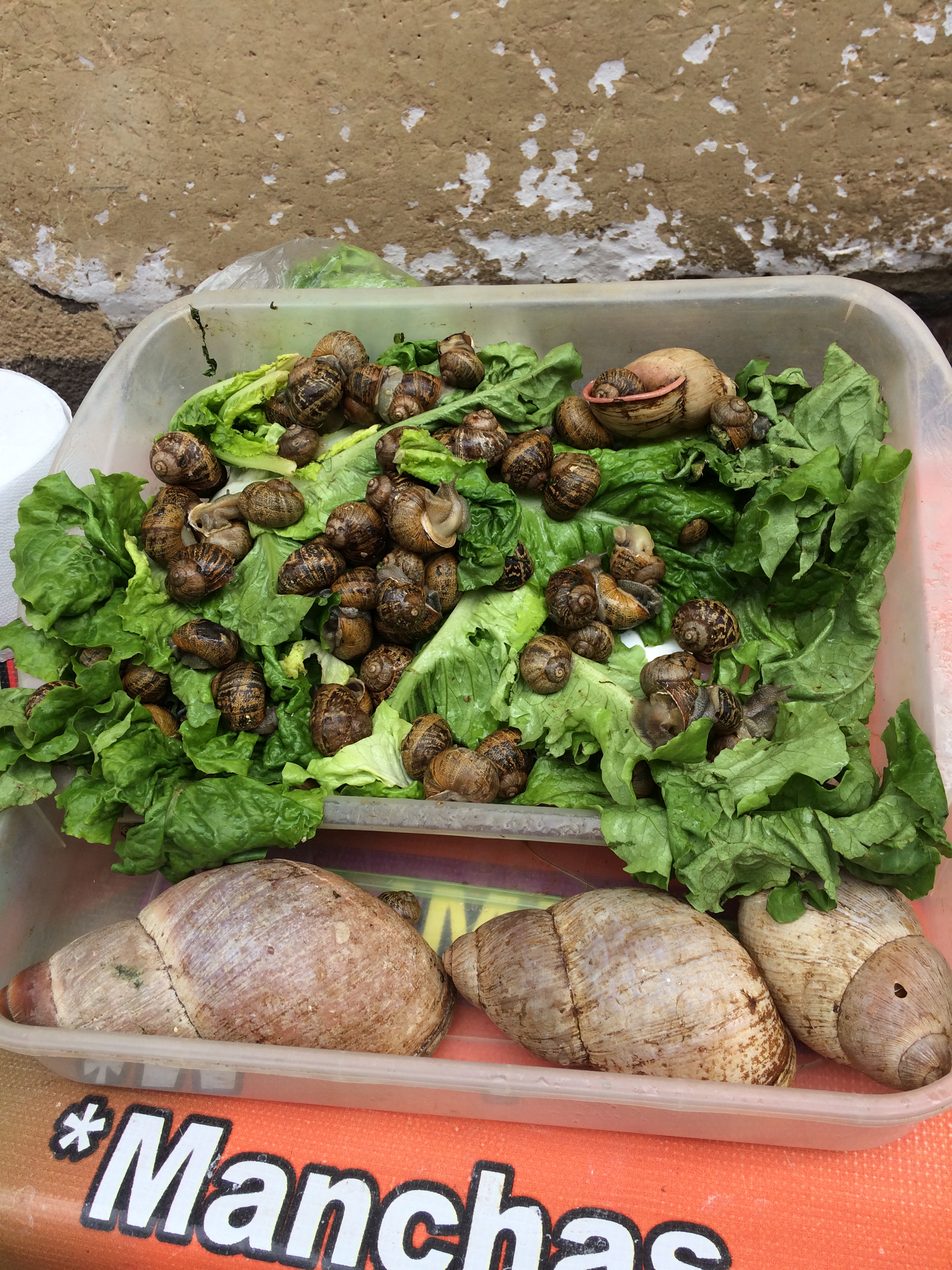
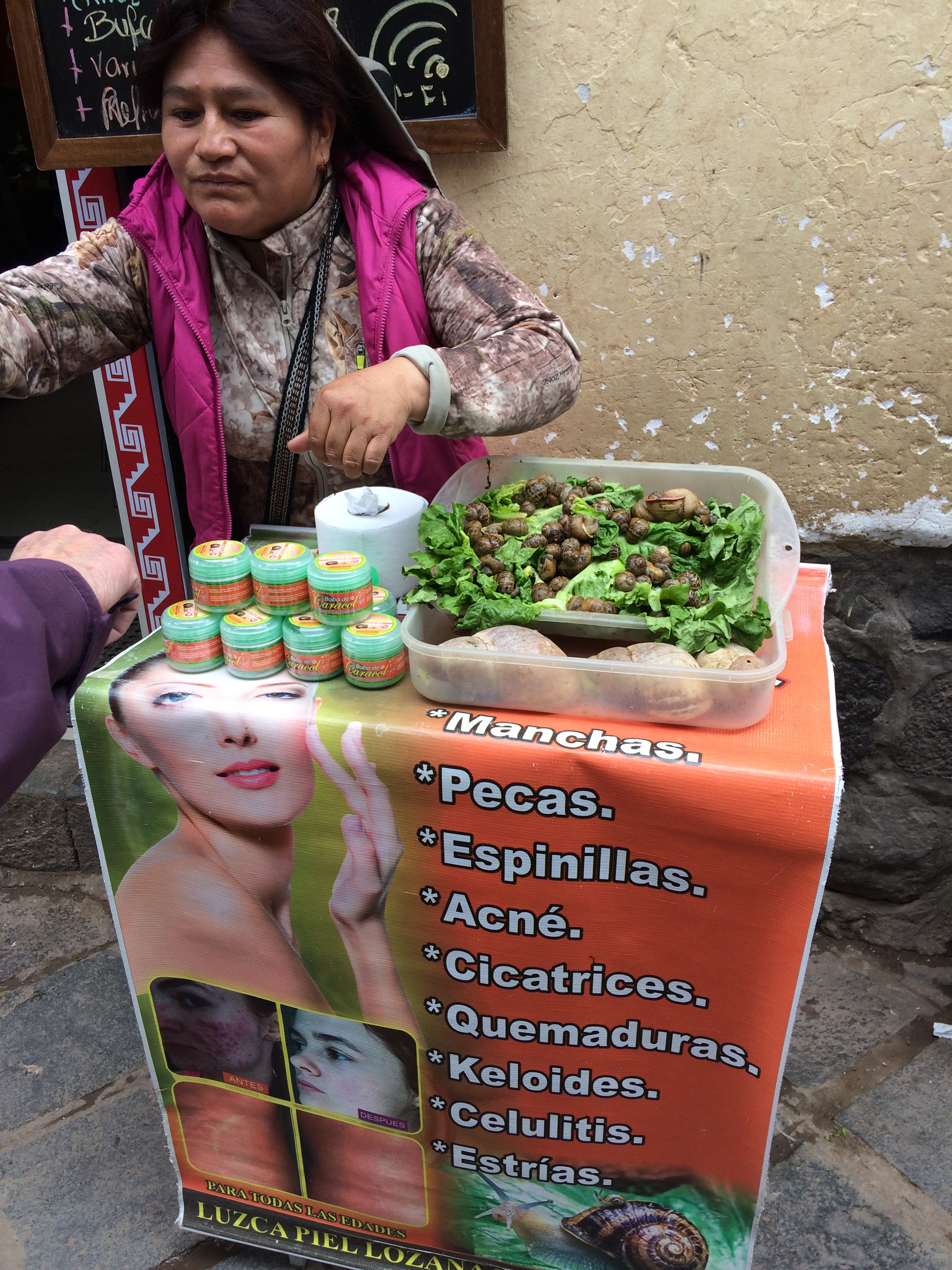
What a day. We are moored for the night and I can hear all the noises of the jungle. I have applied the snail-slime to my face and lathered my legs with the potion the shaman lady gave to me. I am a walking advertisement for the natural roots and leaves and creatures of the Amazon.
I learnt today (and actually witnessed in that creek) how the snail climbs high up on the tree trunk to lay its eggs, then when the tide recedes it covers them with its saliva to keep them moist. Hey presto, I too shall avoid dry skin. I have nail saliva all over my face and it is doing me the world of good!
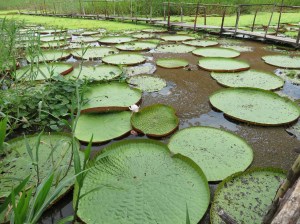
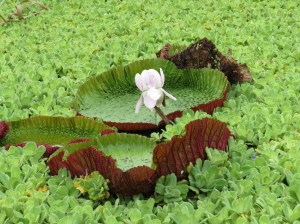

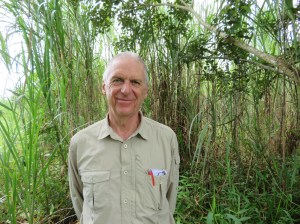
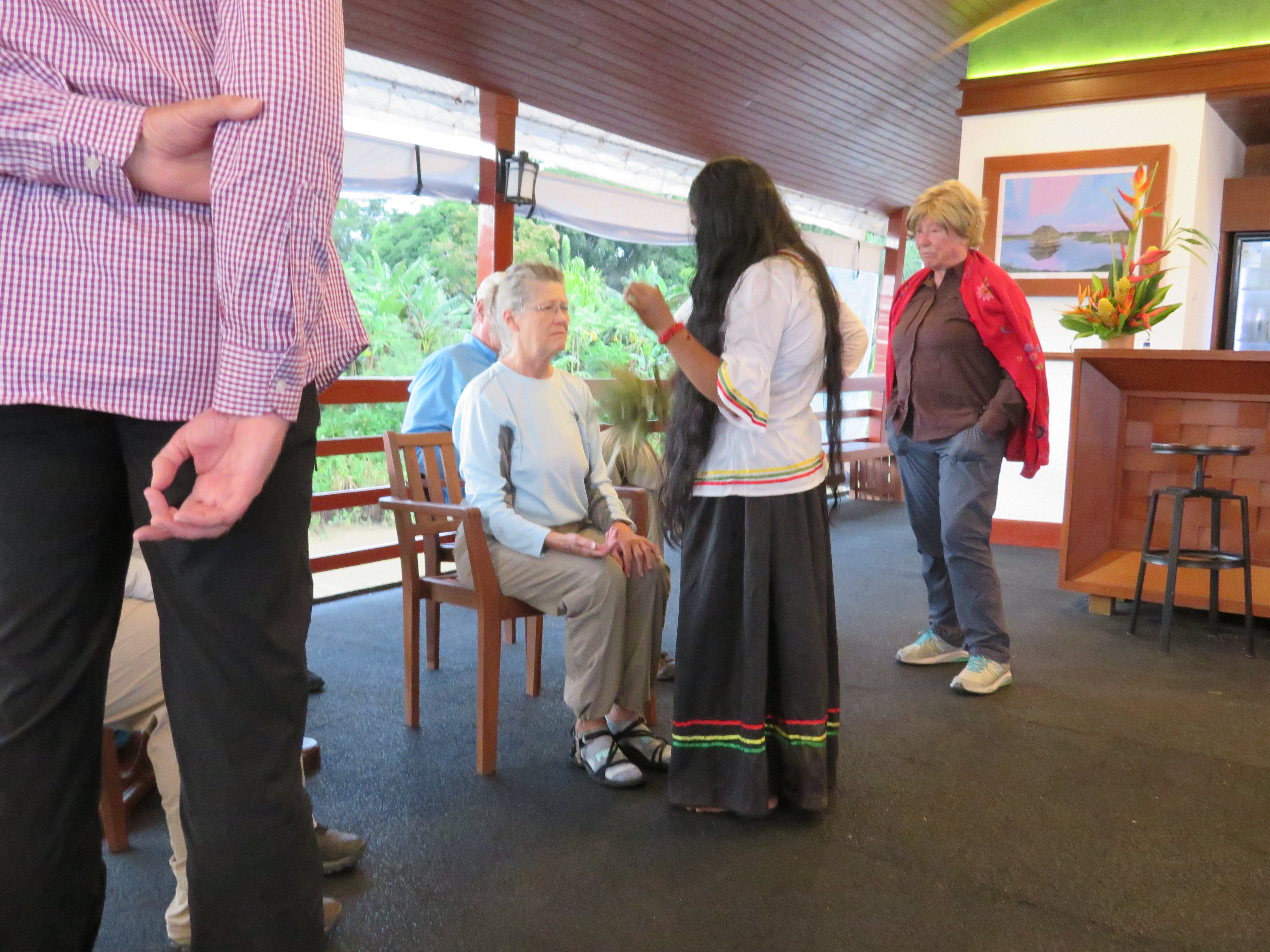
The shaman arrived in the downpour this afternoon. She had long black hair and a calm, serene demeanour. She answered all the questions we asked her, through Daniel’s rapid translation.

She was chosen by her grandfather because she had the healing aura, and had to spend eight years in the jungle studying plants and local medicines. She had to learn to communicate with the spirits of the jungle, like the jaguar and the anaconda. She ate only fish and bananas.
She was quite scathing when asked about the witch doctor. He only studies for three months and has a black heart. His mission is to kill, not to heal. It all sounded quite ominous.
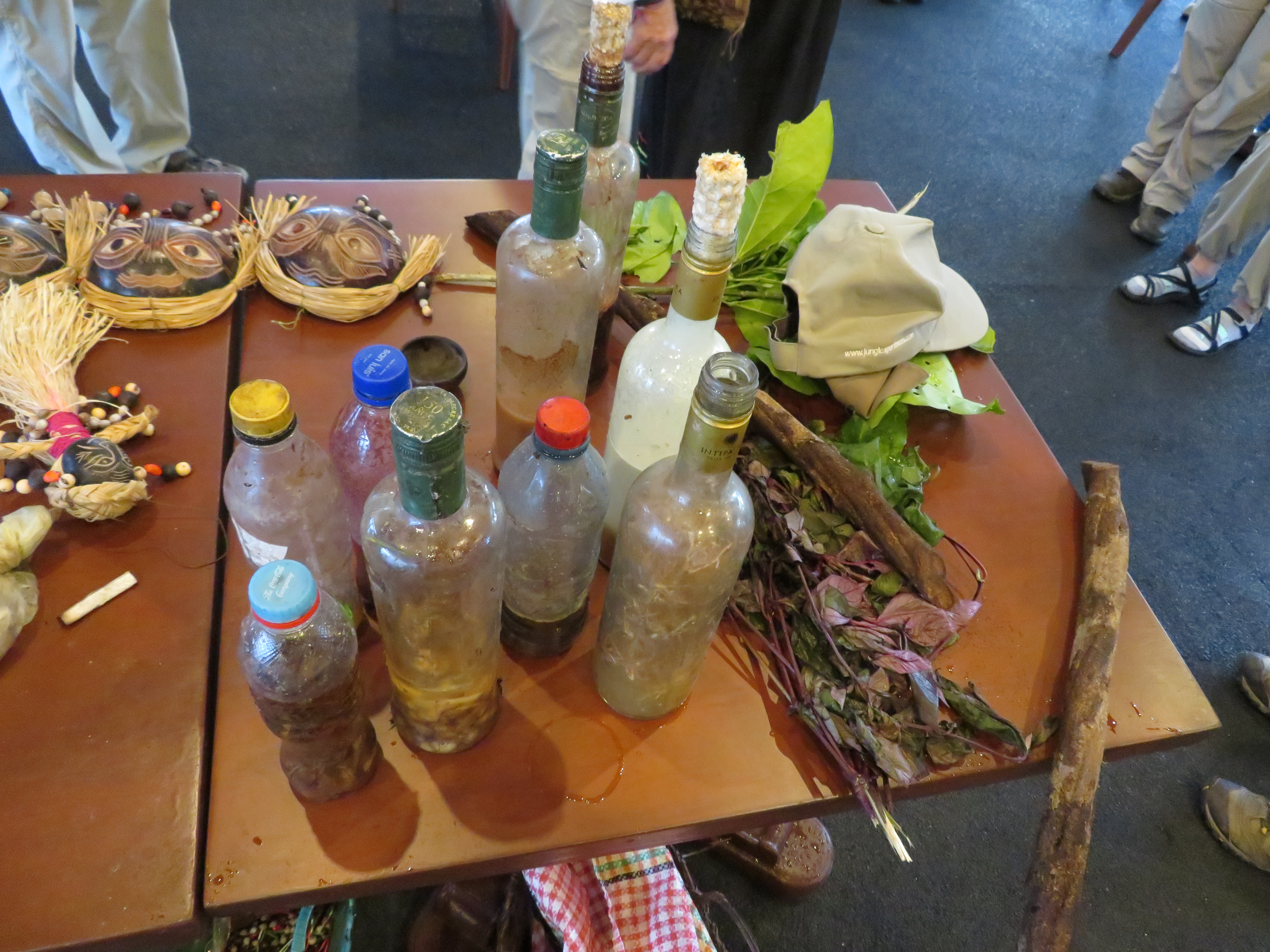
She taught us about the ayahuasca root, and its properties as a psychoactive drug, allowing you to travel on mind trips, and give you hallucinogenic experiences, perhaps a little like LSD? Many people come to the Amazon Basin for genuine health reasons and stay with the shaman and healers for a month at a time. We met a lady with sever rheumatism and arthritis, who was hoping this alternative treatment might help.
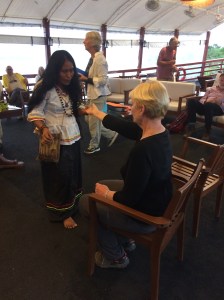
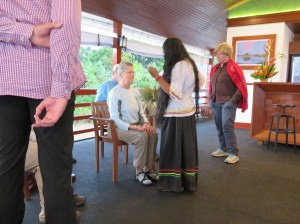
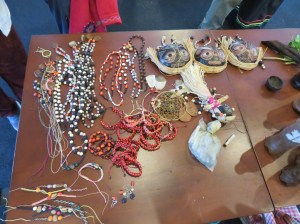
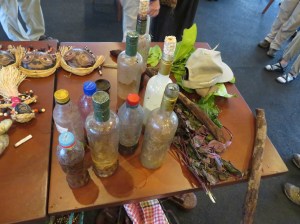
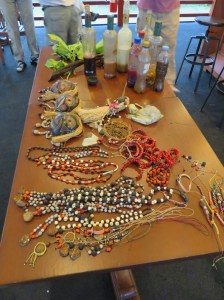
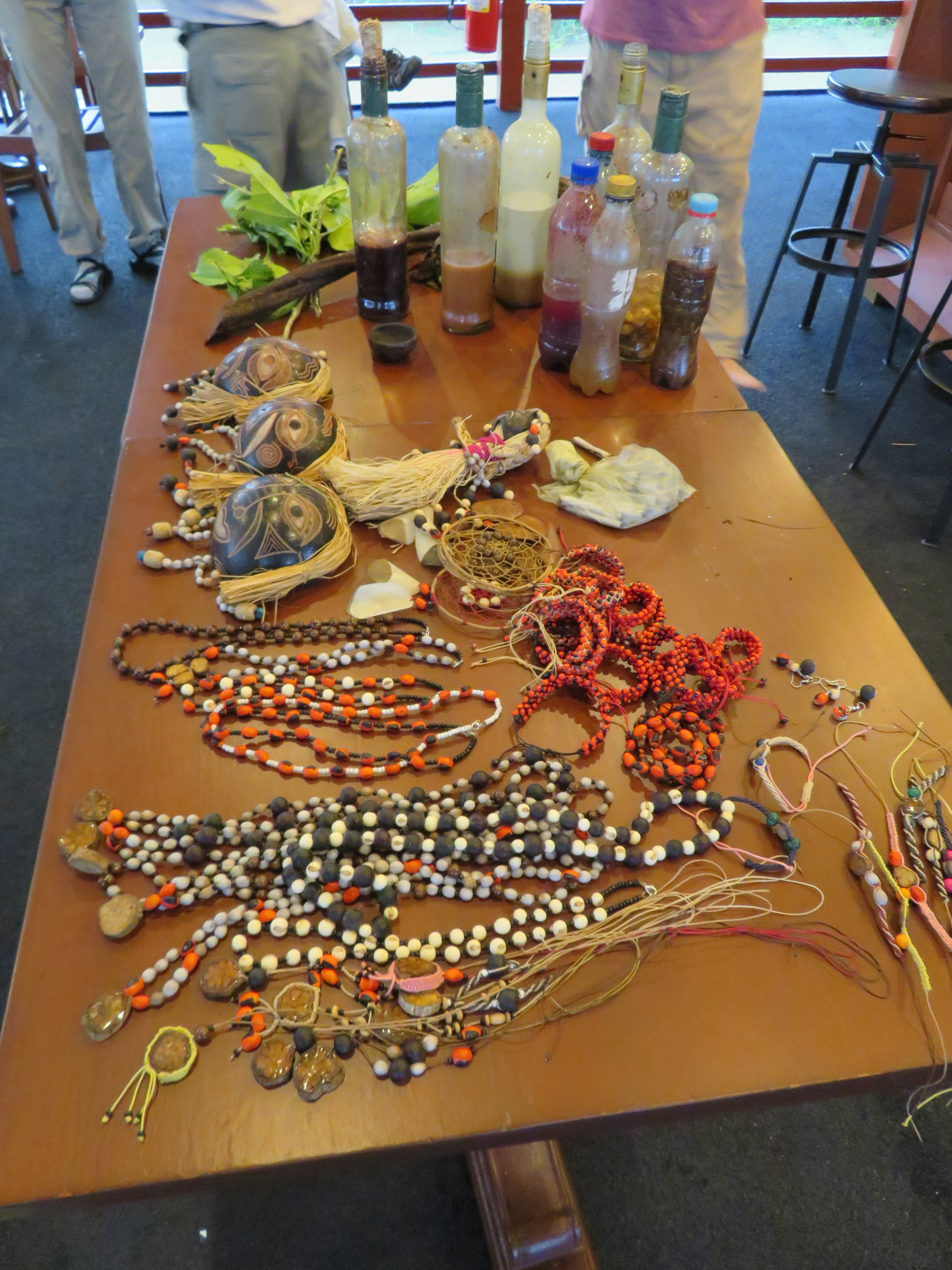
She also showed us her collection of many of the saps and resins she collects from trees and explained their uses.
We all had to hold hands as she sang and blessed us whilst puffing on a rather vile cigarette and blowing the smoke into our cupped hands.
Then we had consultations if we wanted, and she read our auras. Mind is light blue. She rubbed some potion on to my legs where I have some dermatitis thing that won’t go away. I watched her rubbing in the oil and it was so strange to have this woman try to treat my affliction.
We bought two necklaces, one made from the ayahuasca root in order to keep the evil spirits away from us.
Strangely I feel quite uplifted!
Another day is over, we danced to the wild music crated by our tour guides and crew. Salsa, wiggly hips and waving arms. It was all just so exhilarating.
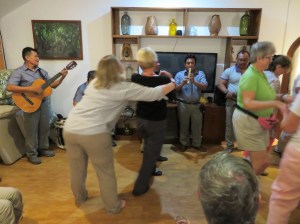

But now the final potions before sleeping. Anthisan for the millions of mosquito bites we both have acquired. Our ankles are covered in red spots. Luckily there is no malaria in this part of Peru. Daniel knows this because the night howler monkey lives here, and he wouldn’t if there was malaria present. I am reassured.
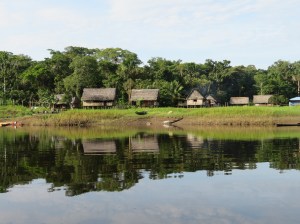
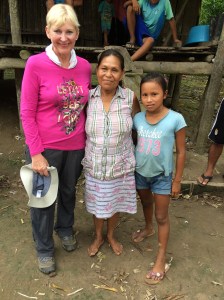
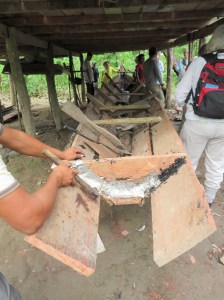
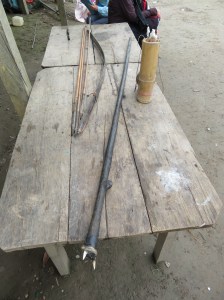
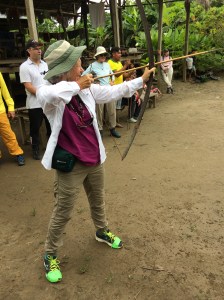
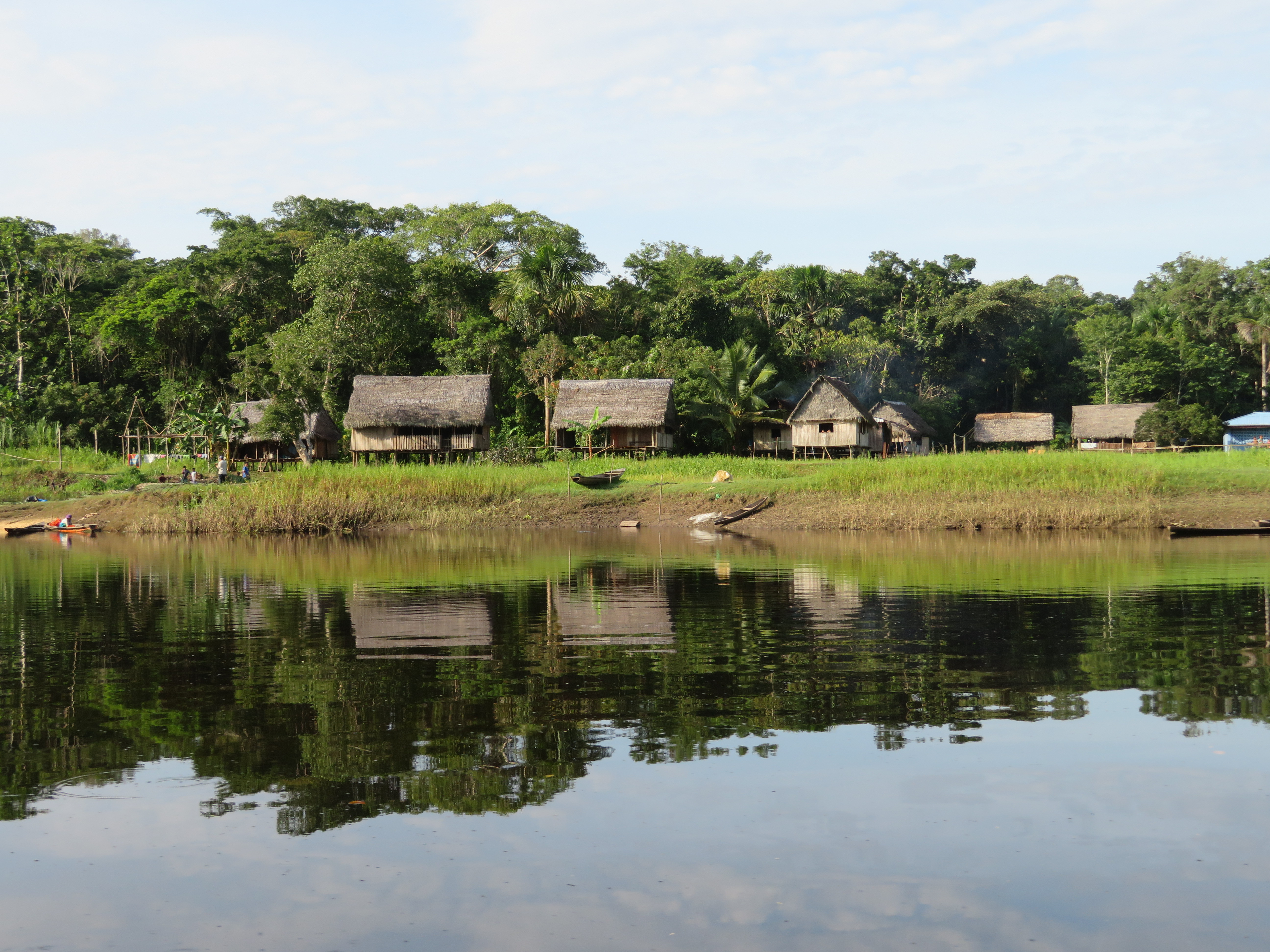
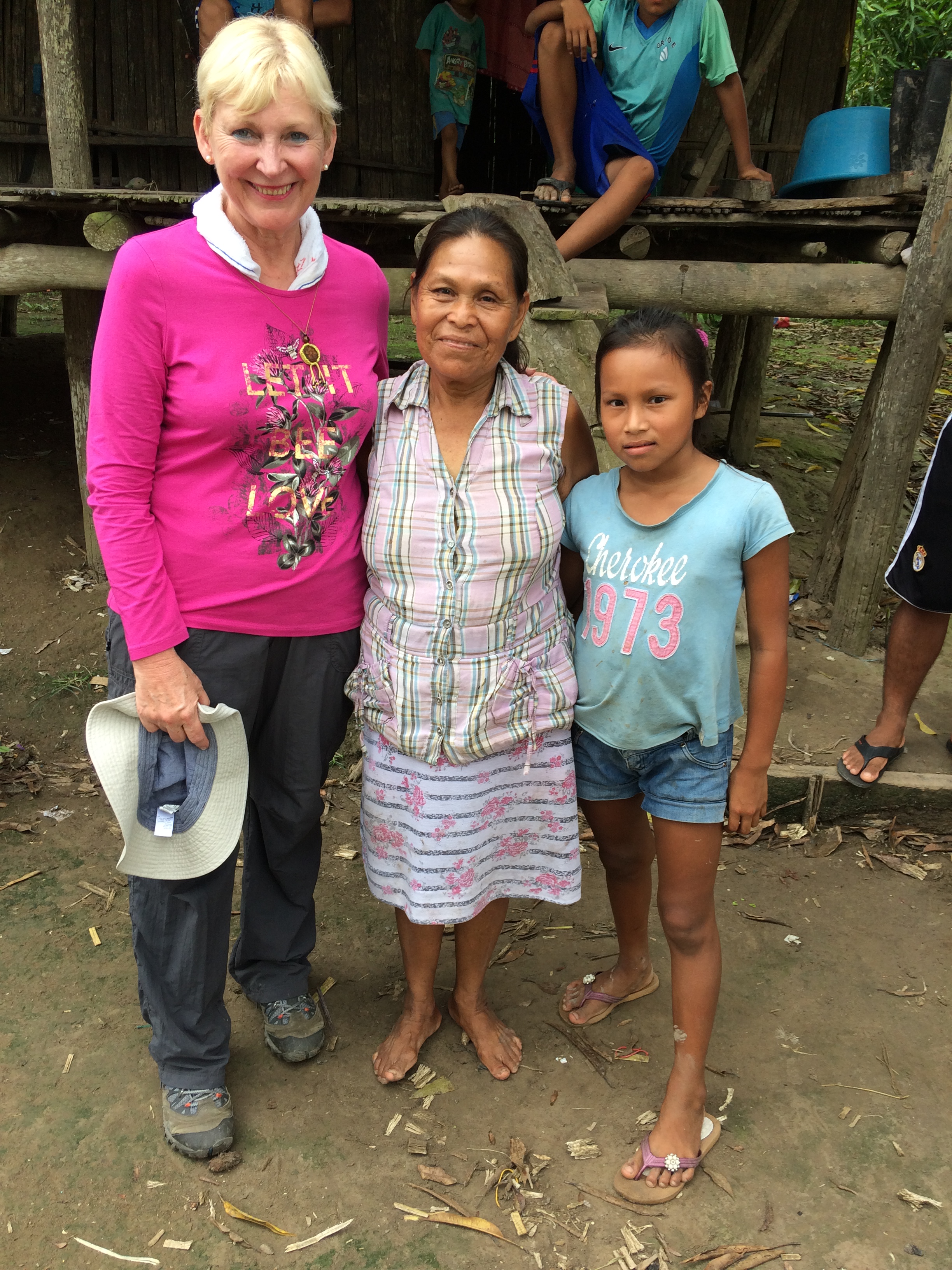
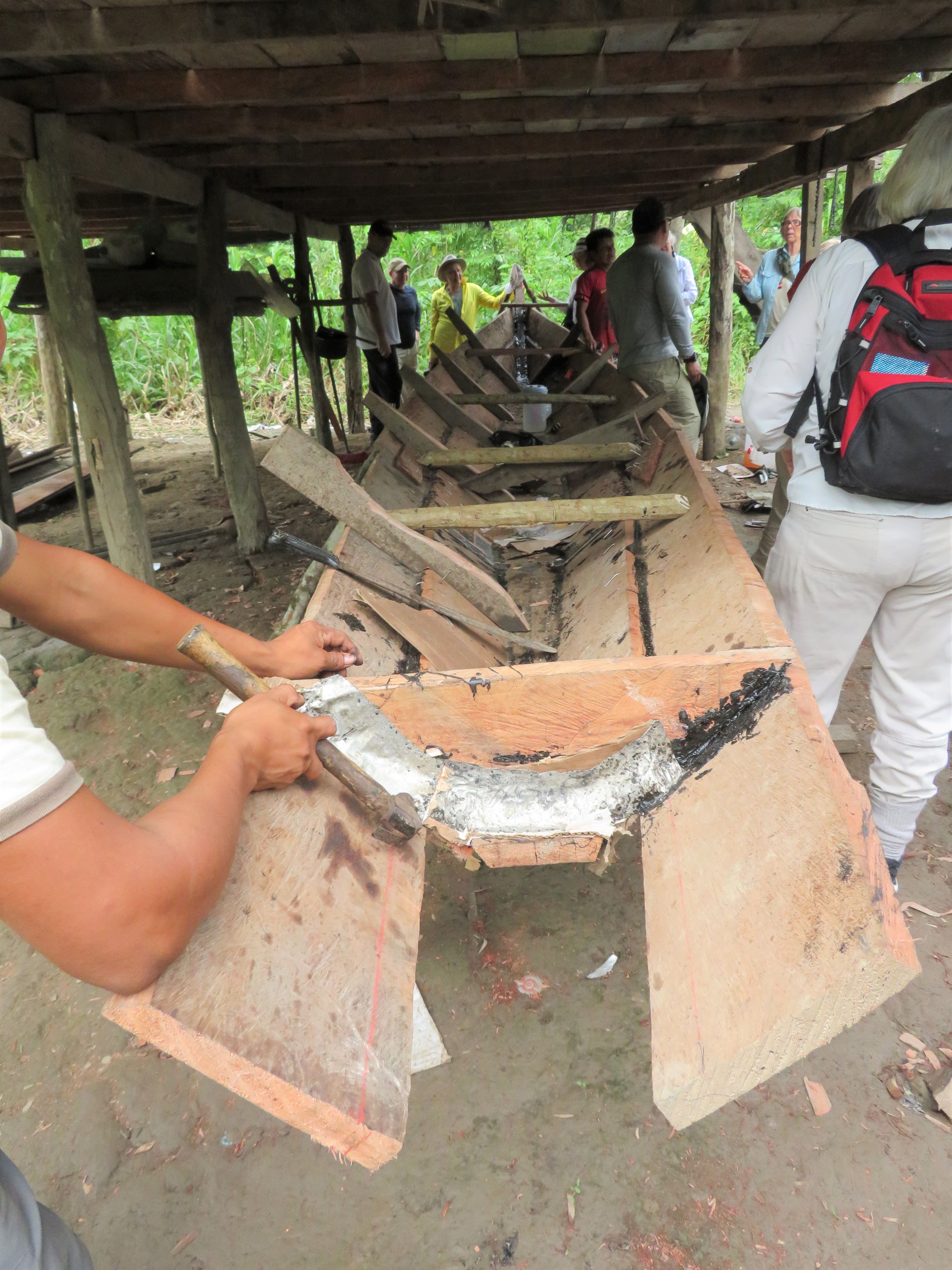
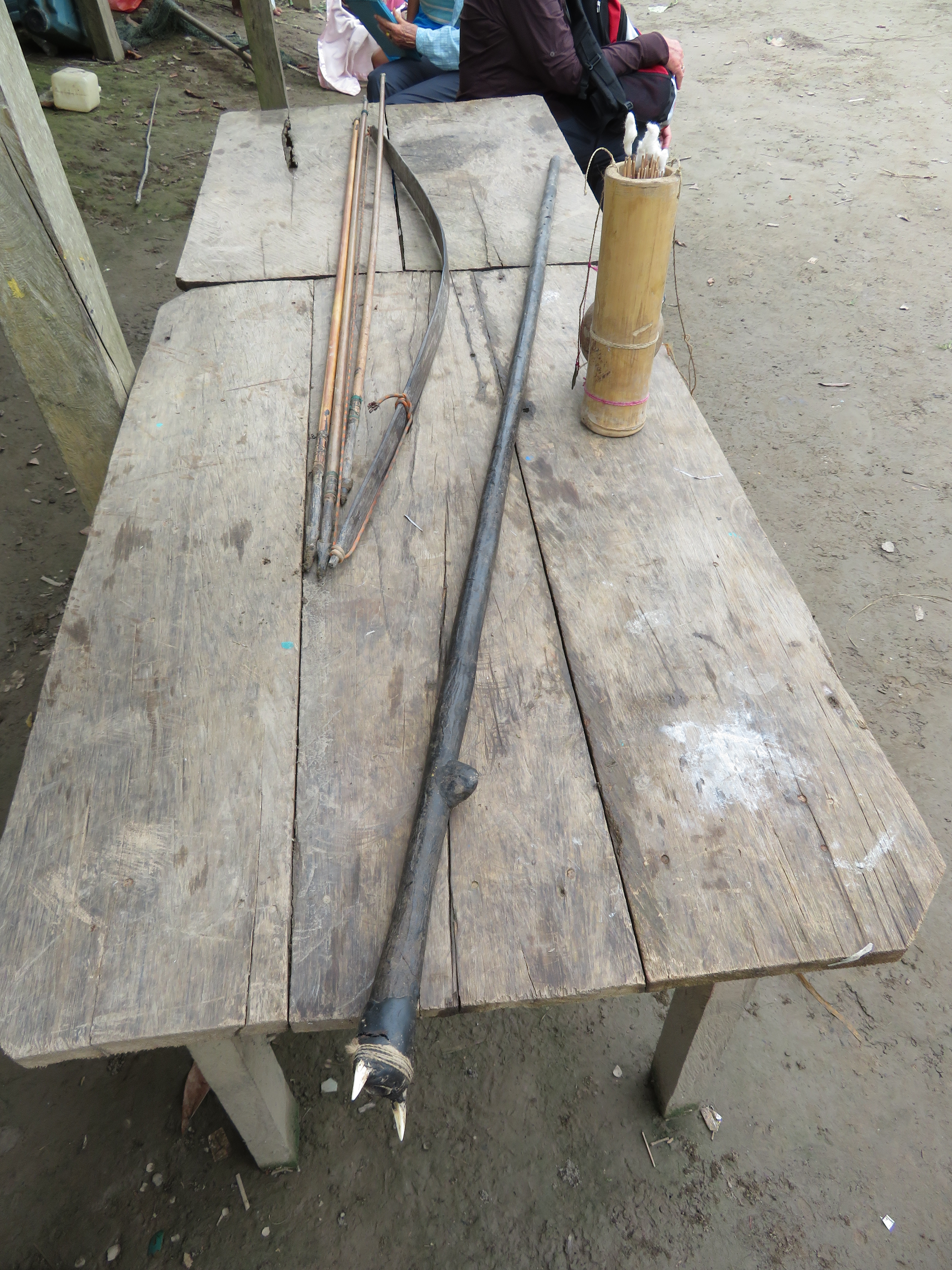
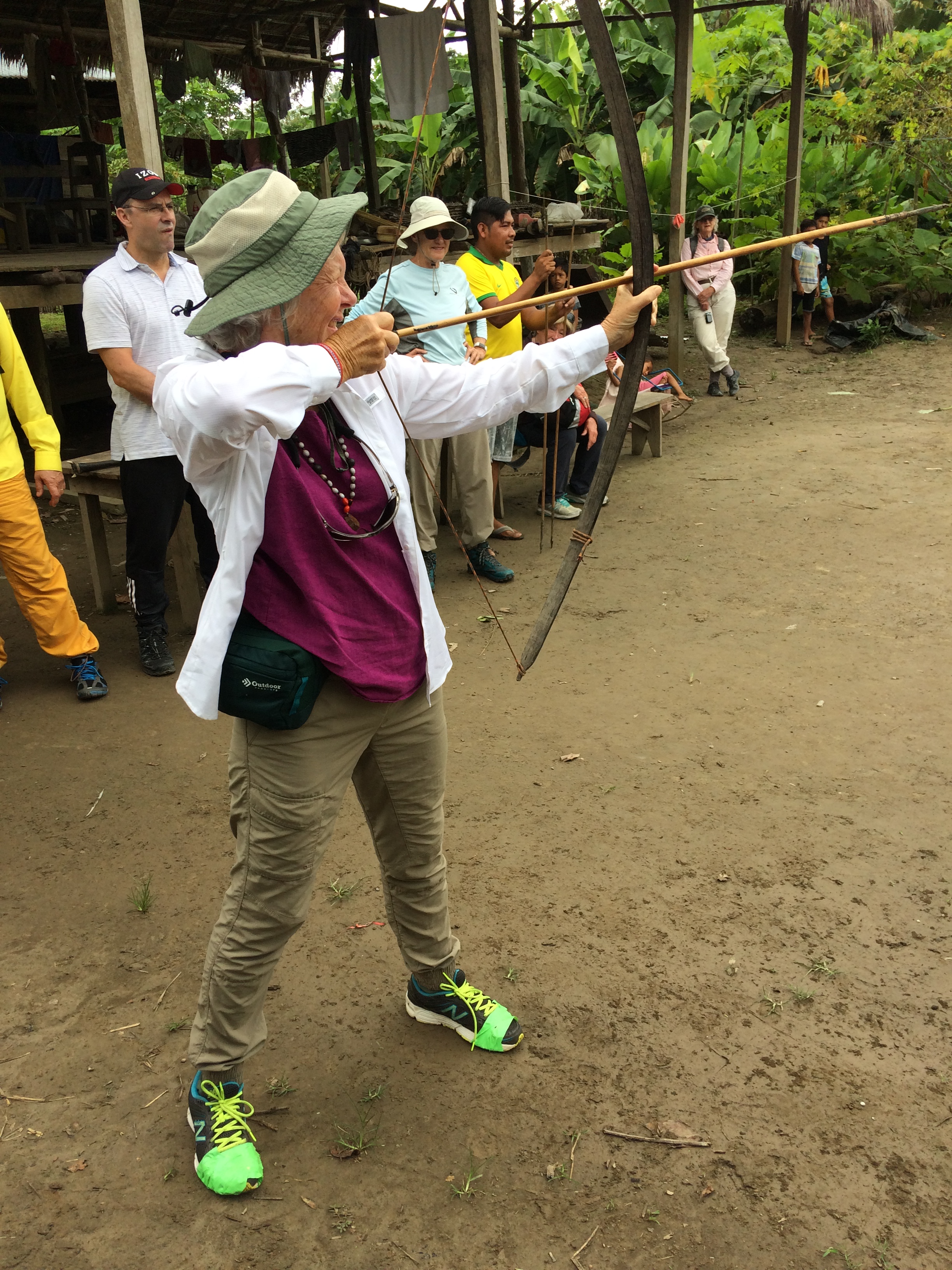
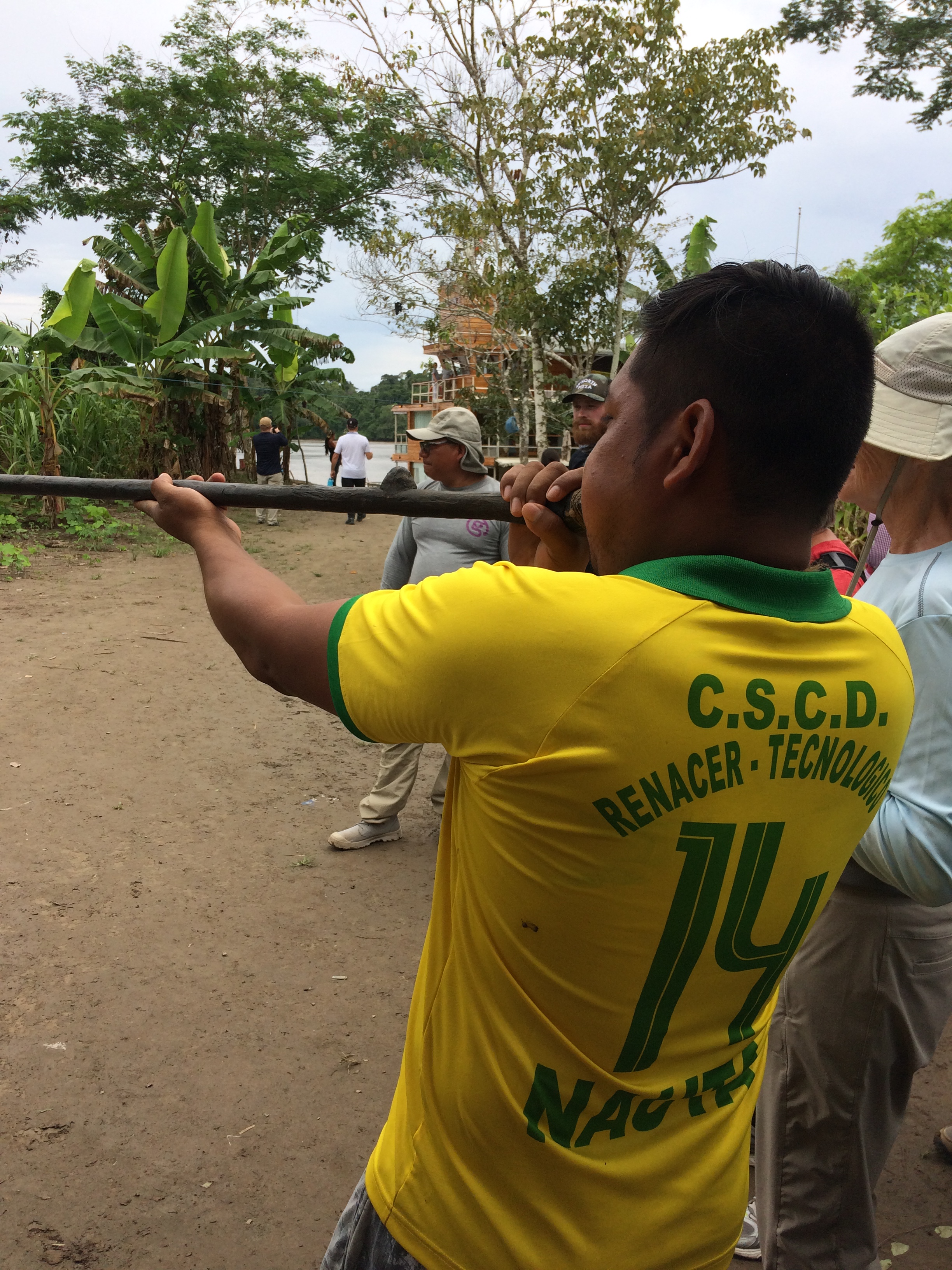
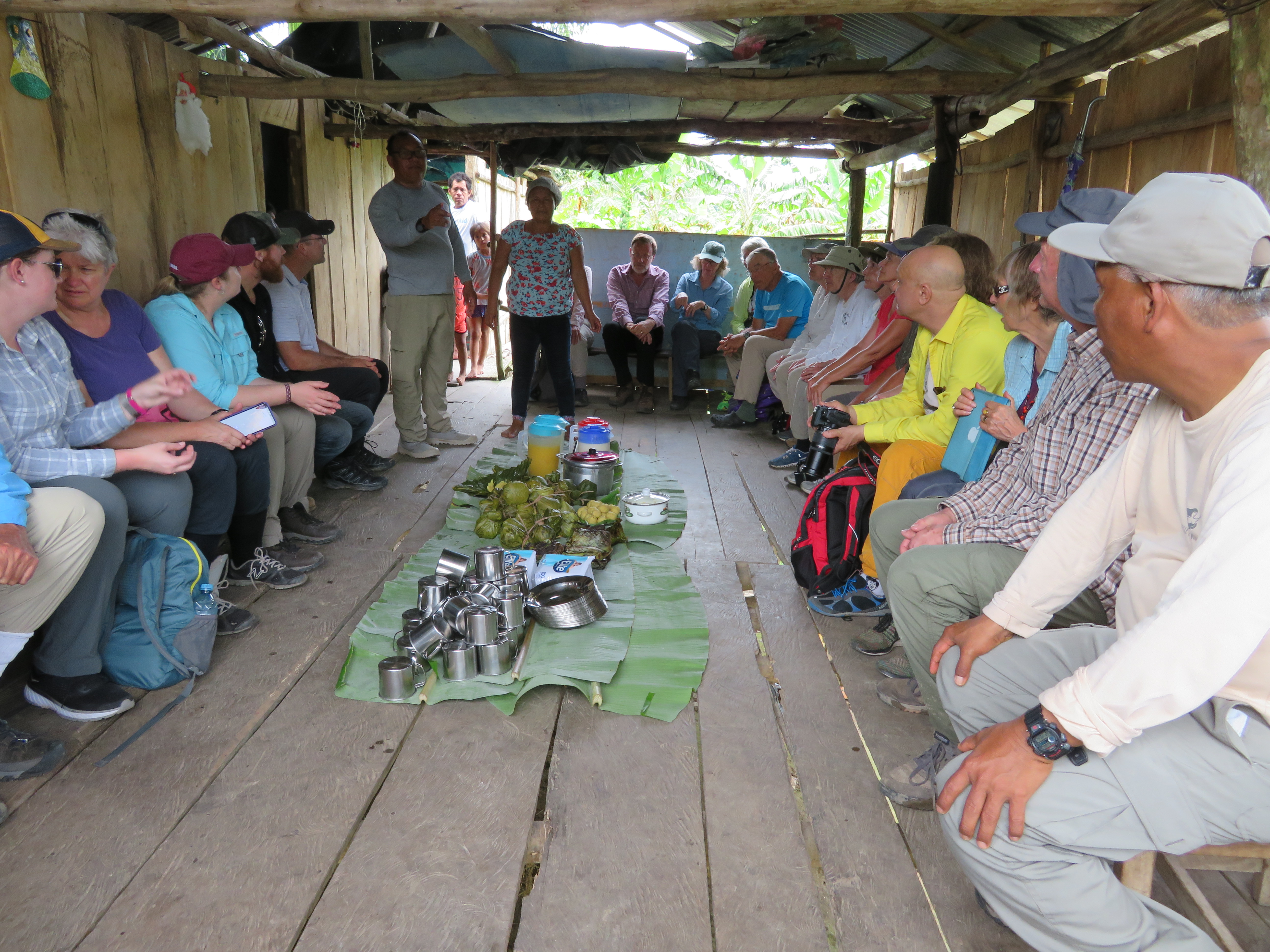
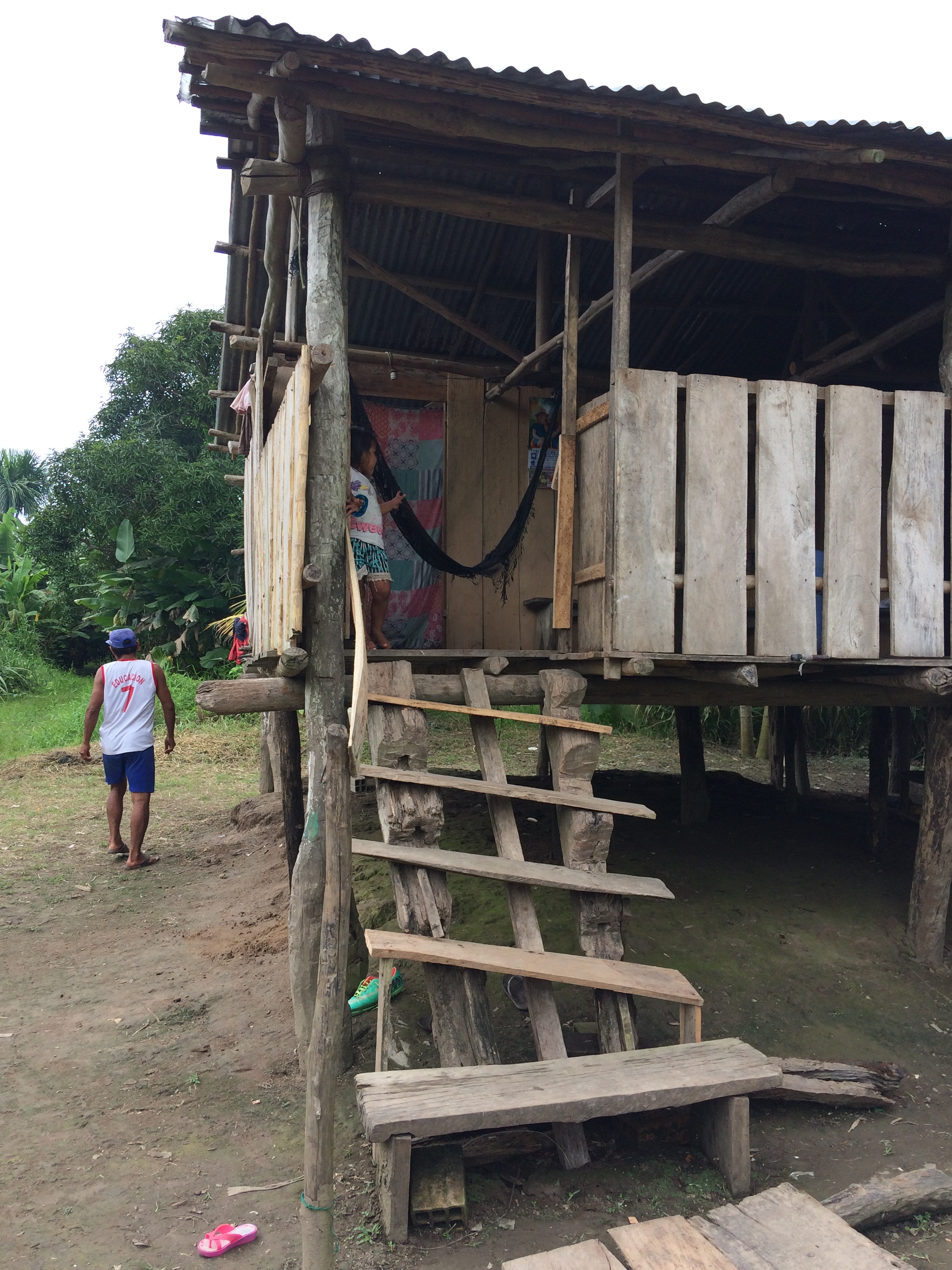
The final day we visited a remote village away from the national reserve. We met the people, saw their homes, admired their boat-building techniques, and some of us learnt how to shoot with bow and arrow and with a blow gun.

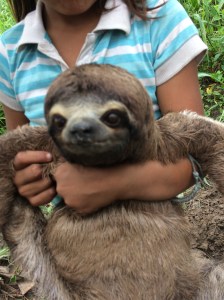
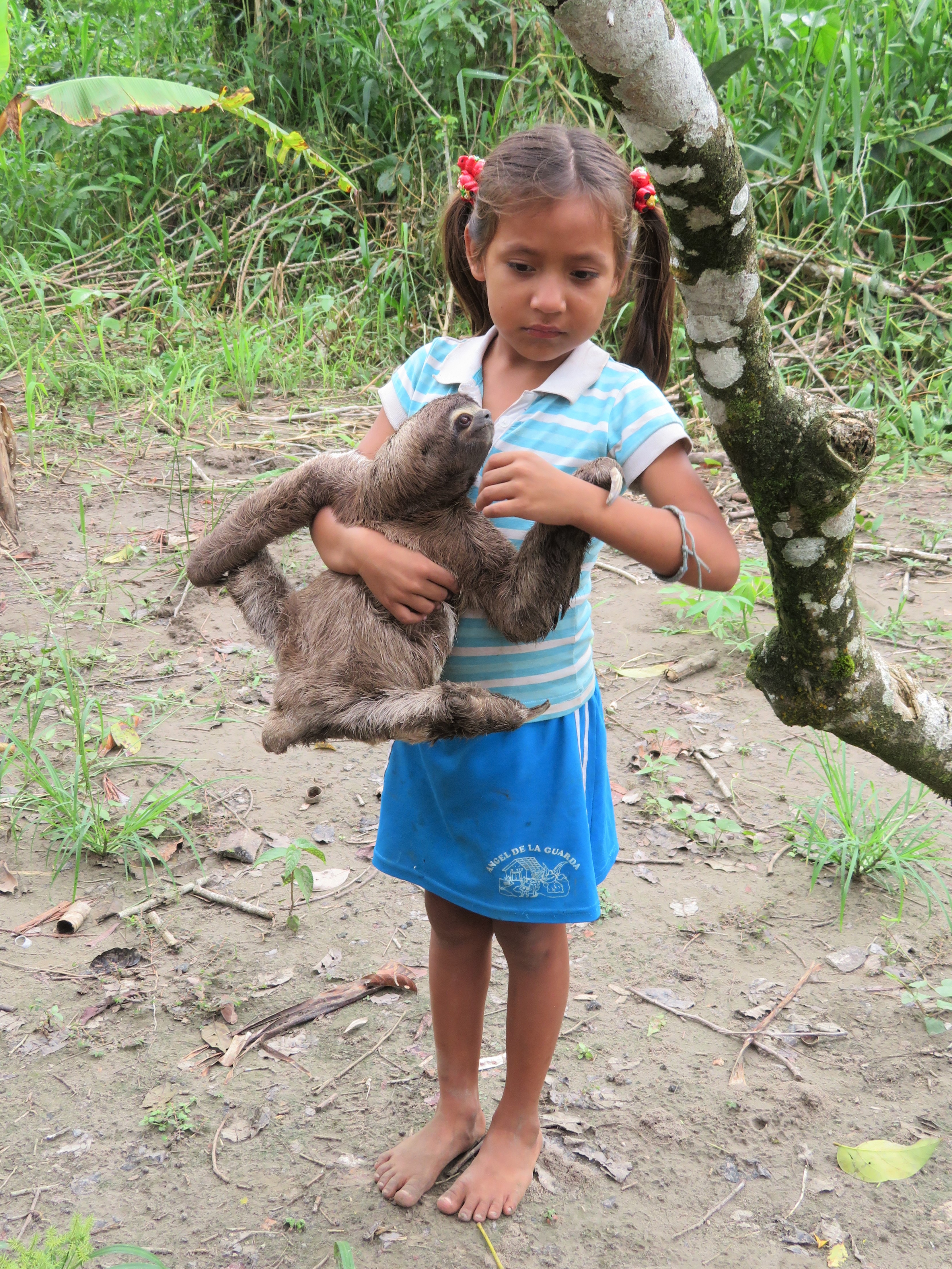
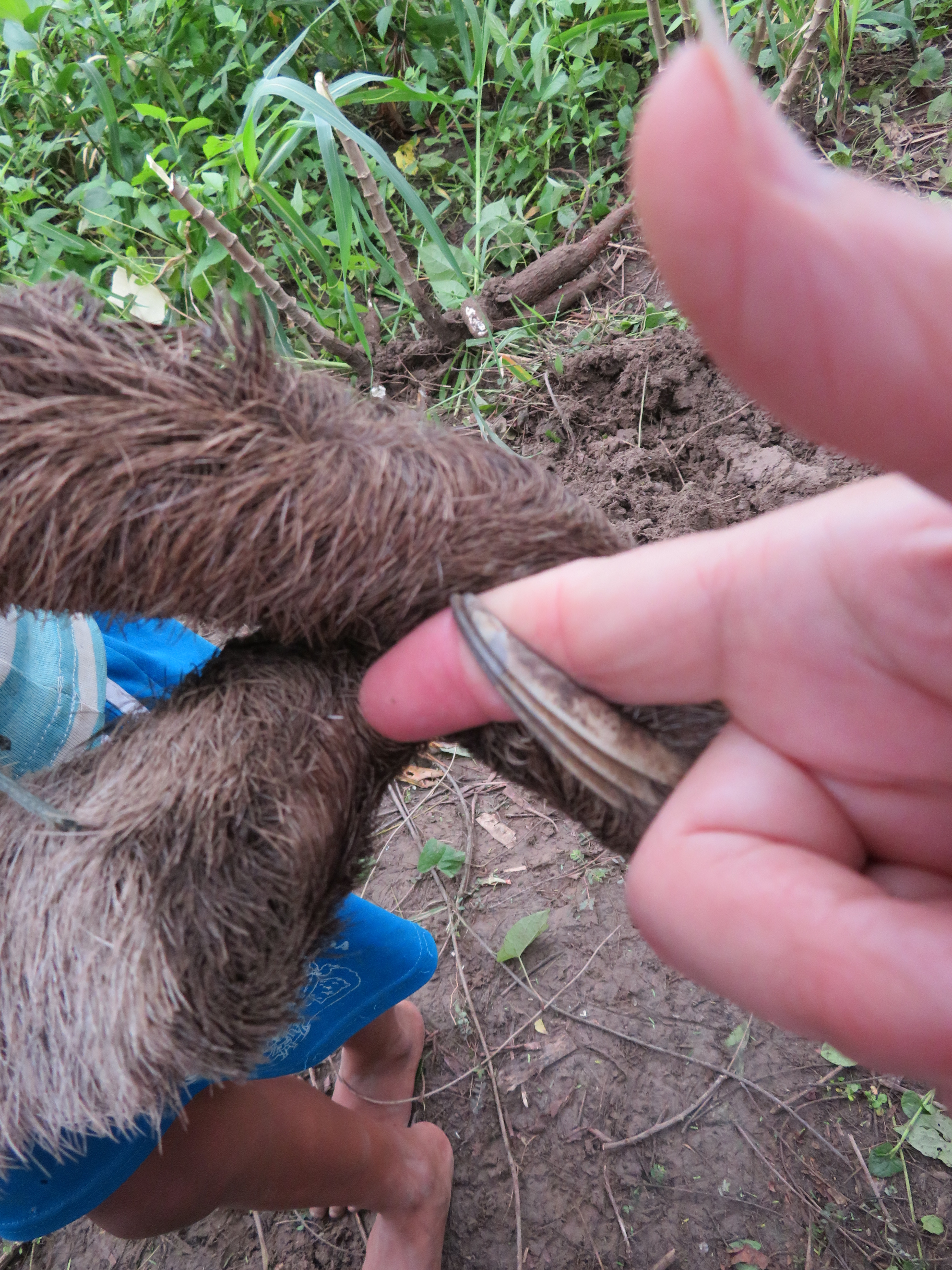
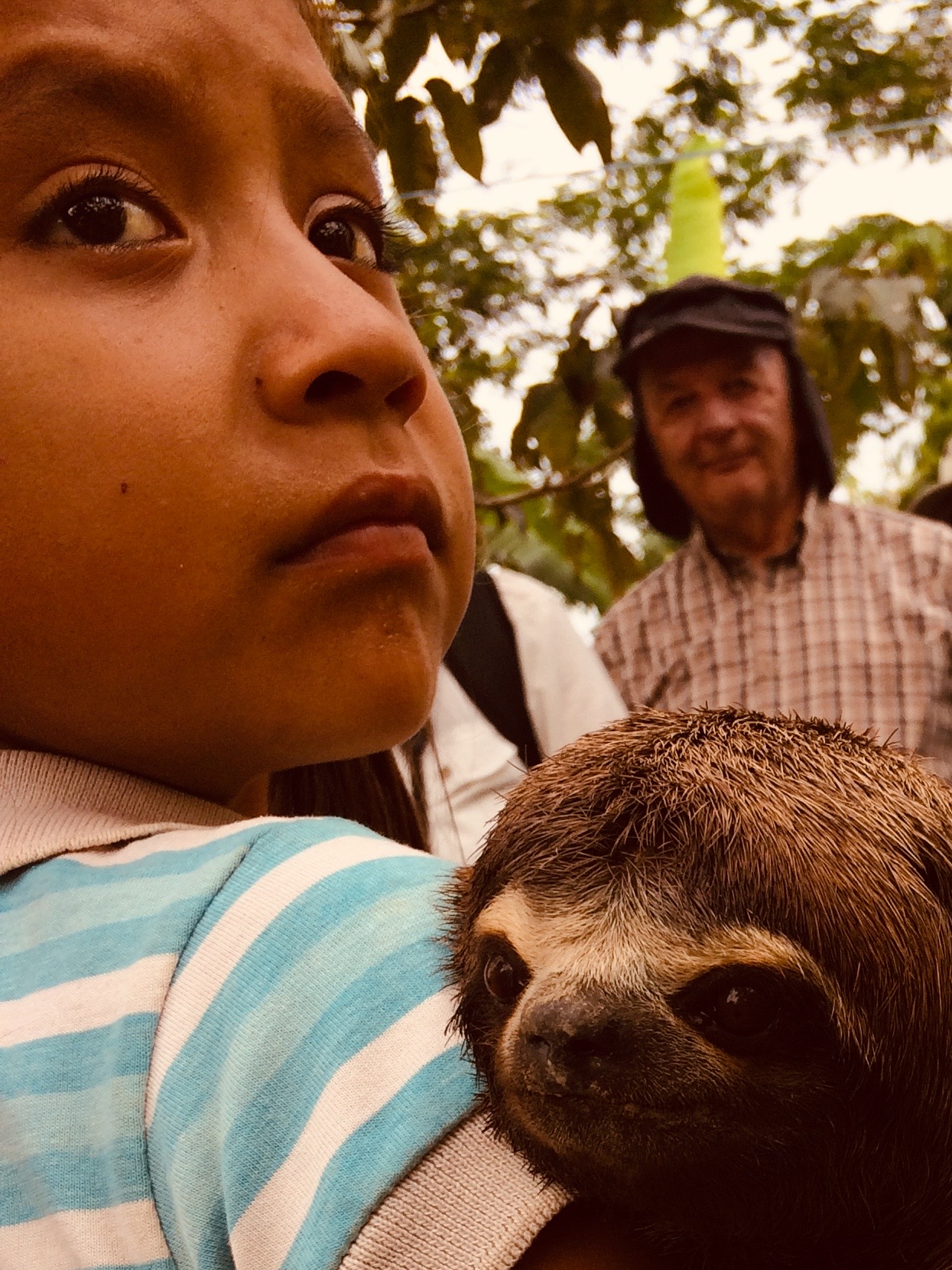
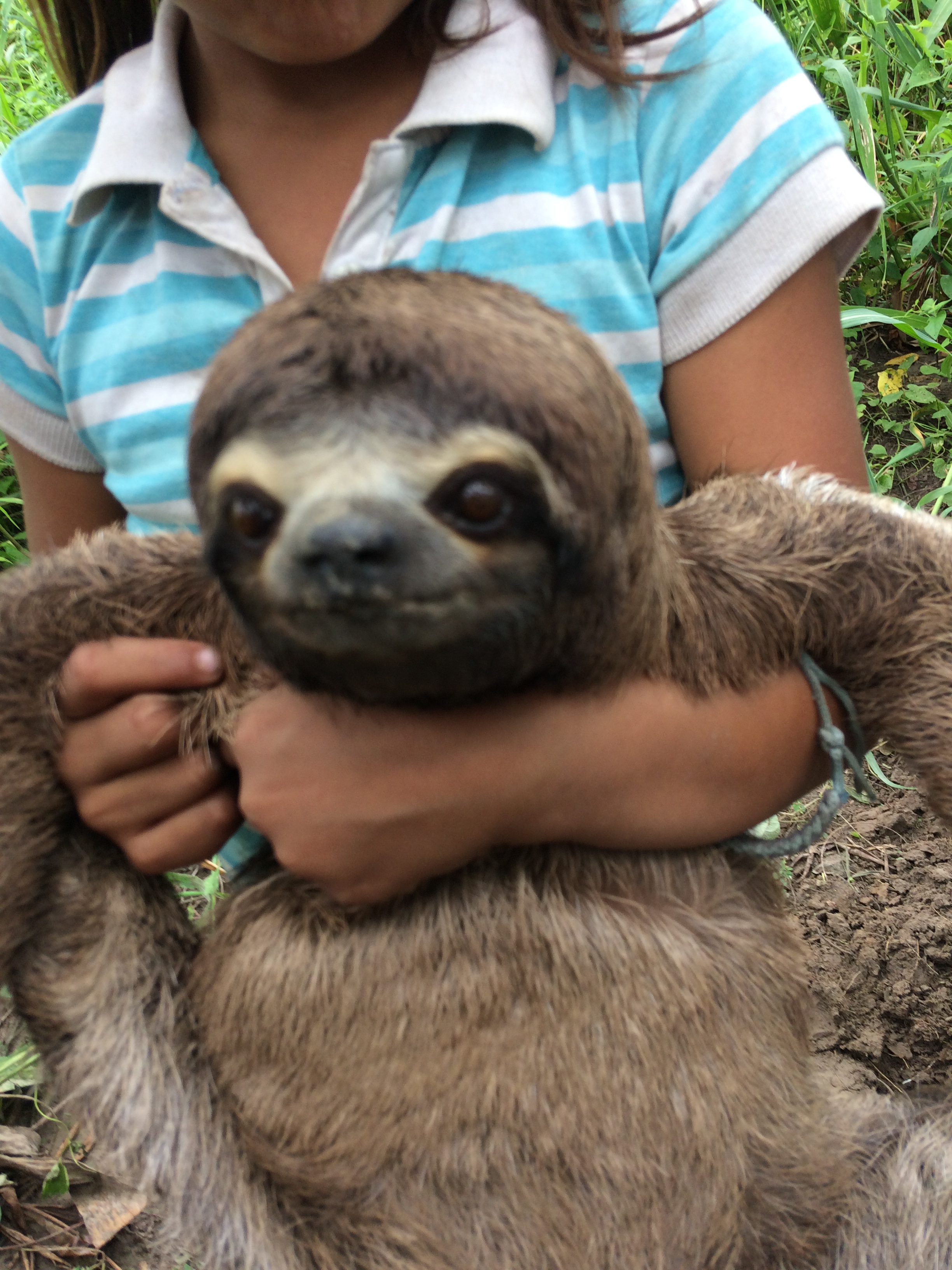
I was besotted with a little girl who had a pet sloth. She was so sweet and allowed me to tickle its tummy and photograph up close. Then the sloth took my finger, and squeezed so tight, the blood was pounding, I thought it might burst. We had to wrench it off. What a grip.


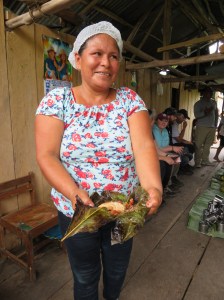
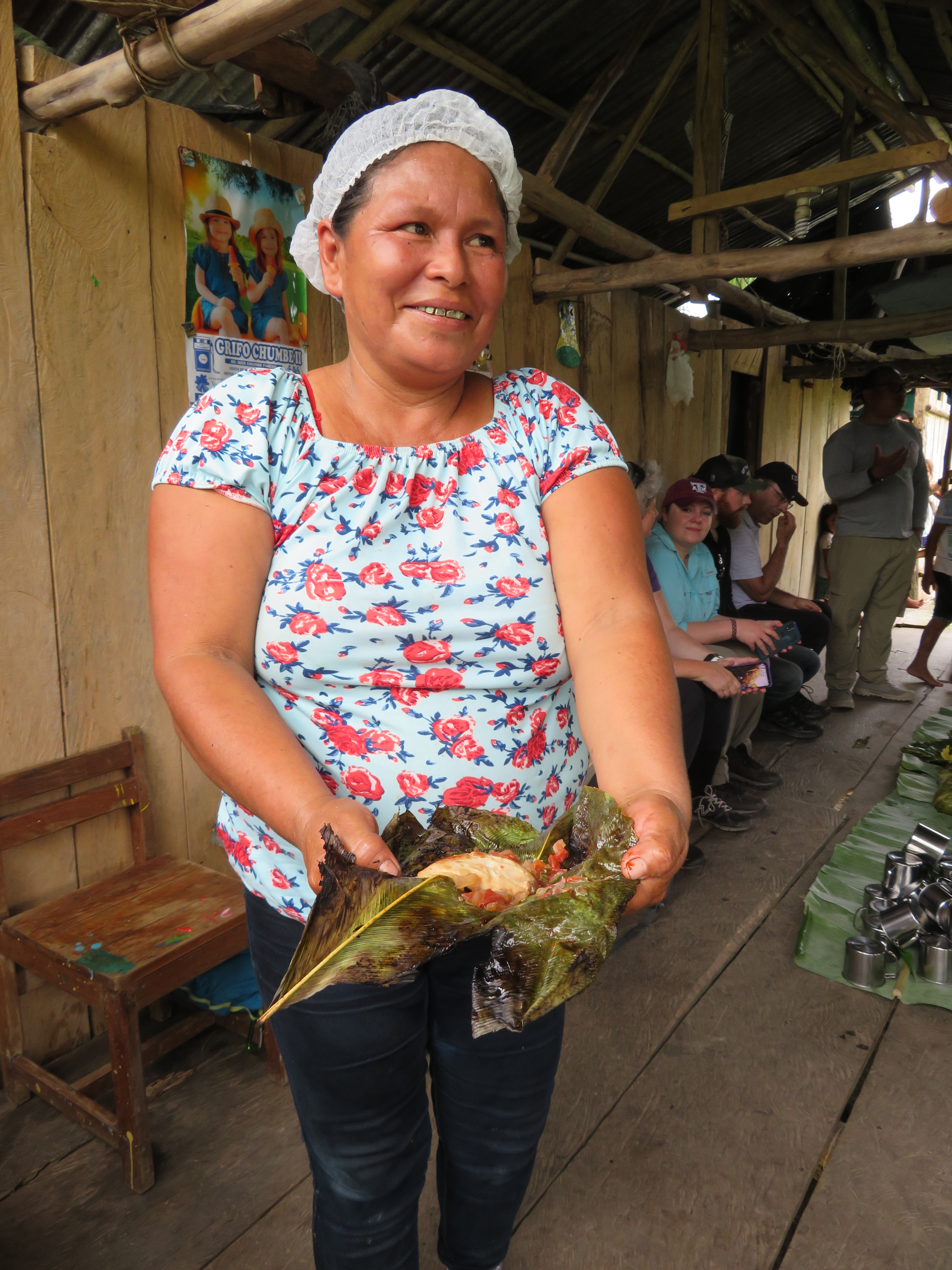
We ate at one of their homes (our chef oversaw the preparation, using our own water etc.) but it was delicious. There was chicken and rice cooked in banana leaves, fish with sour tomatoes and fresh yams, a weird roasted local beef, like a rat maybe? I gave that a miss.

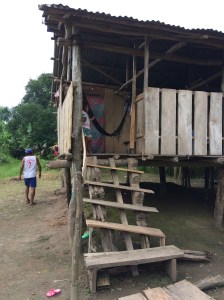
It was a good experience, and we made our way down the dodgy steps. No one could give me an explanation for such odd construction… perhaps to drain the water off in the floods?
We ate our last meal on the boat, catfish with passion fruit. It was so good I had to ask the chef how he did it. He very kindly obliged, so I shall try the recipe using monk fish perhaps.
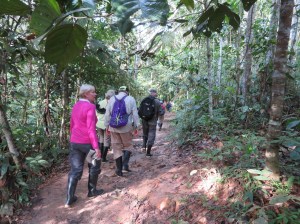
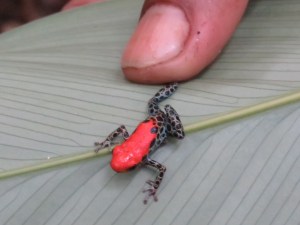
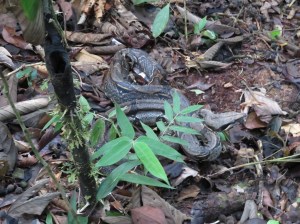
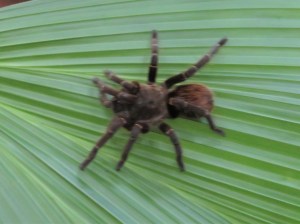
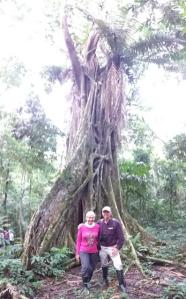
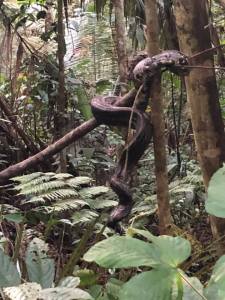
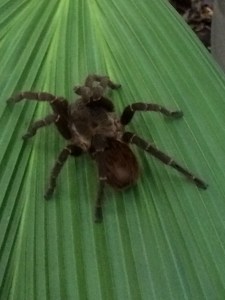
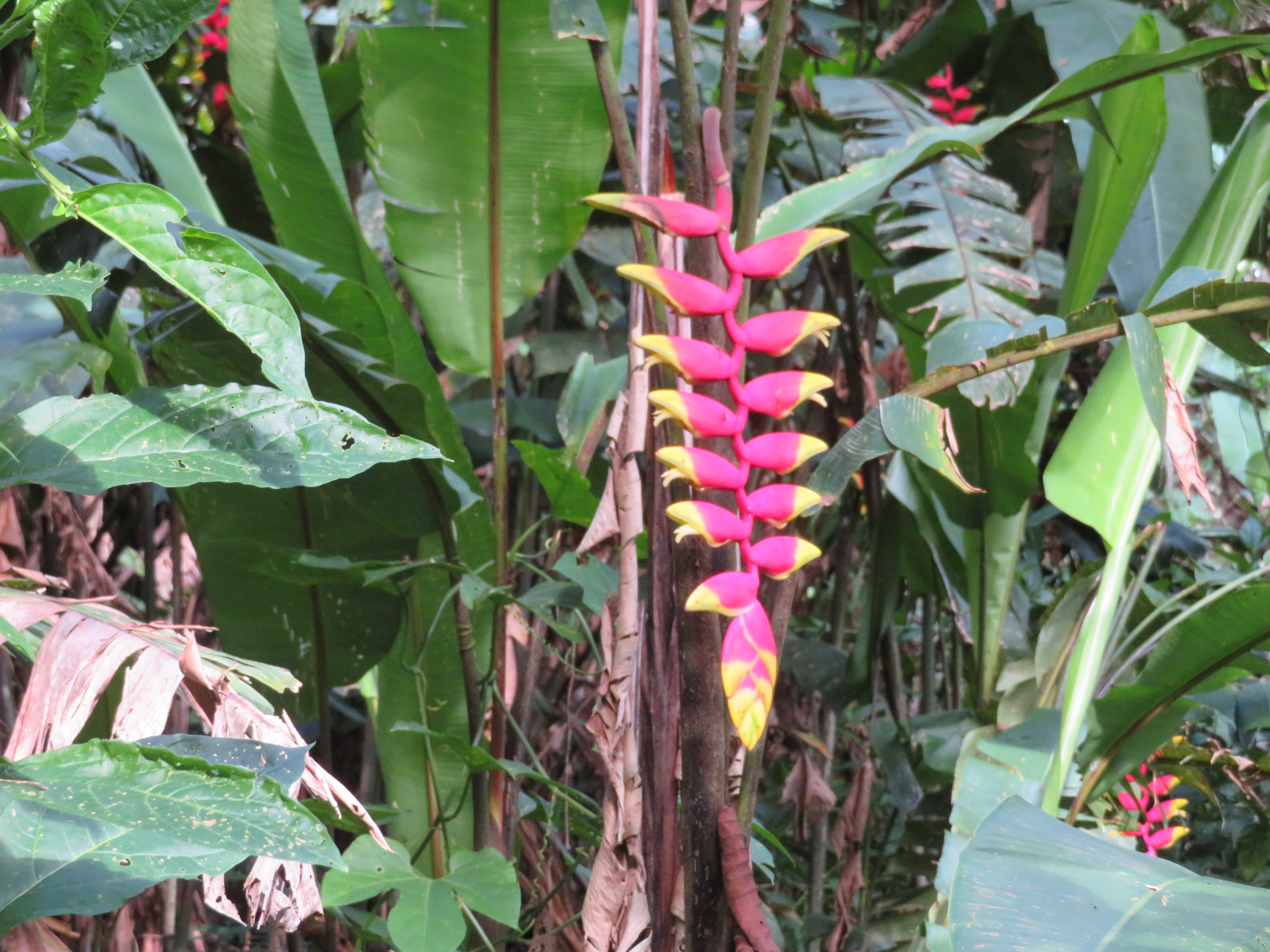
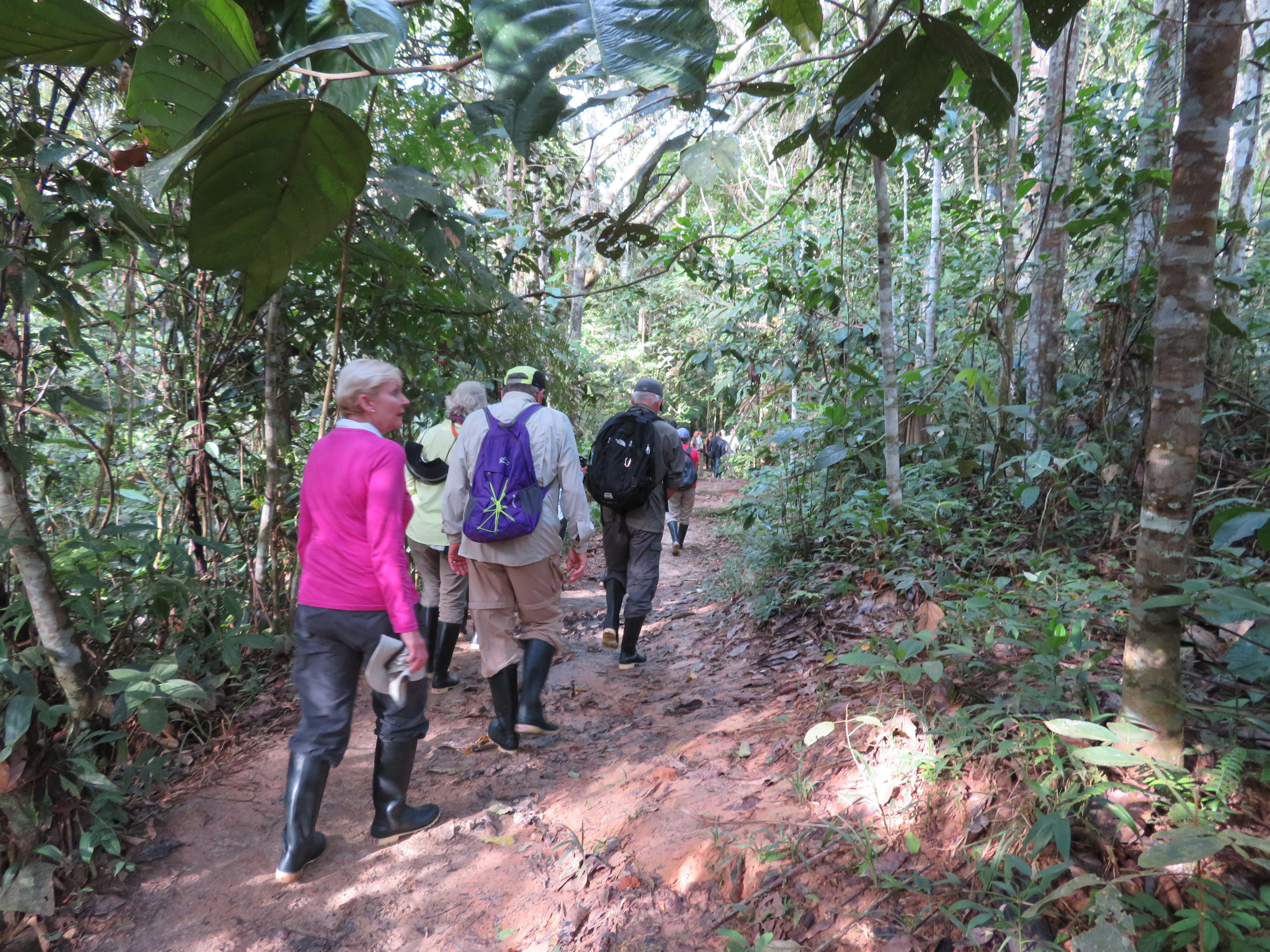
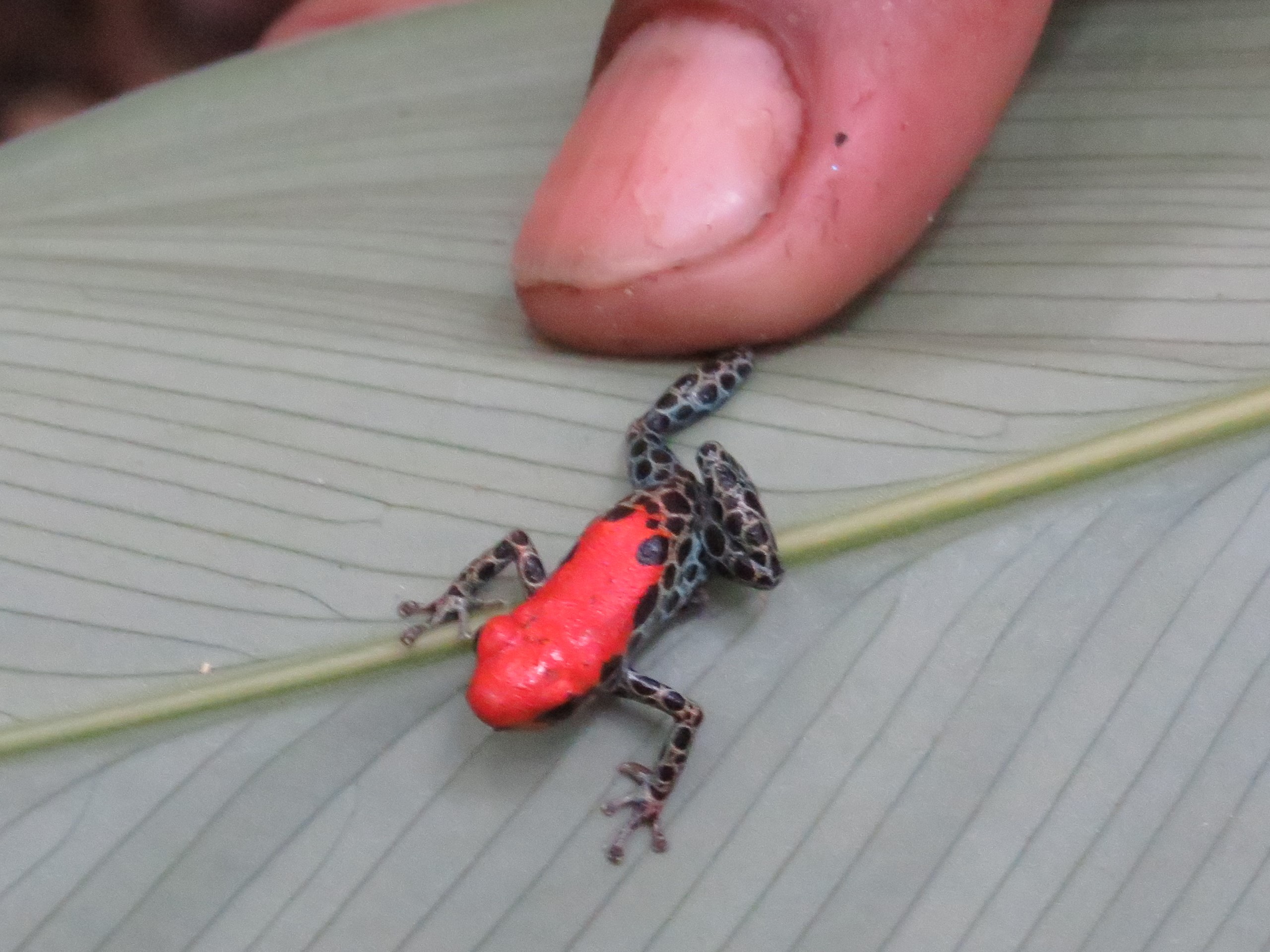
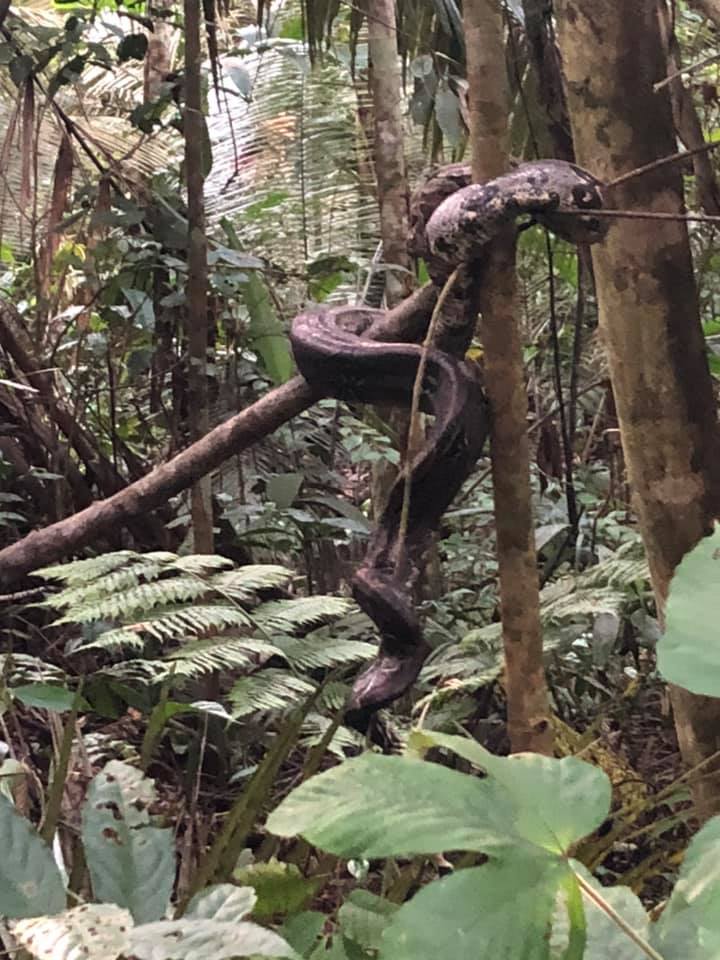
The very last night we were taken for a jungle walk on terra firma. Two miles through the forest, with hunter ‘Robert’ scouring for creatures we might like to see, and hadn’t a hope with our untrained eyes. We did see ‘walking palms’ and giant strangled fig trees, gorgeous flowers and thick vines. But his beady eyes found the tarantula, the red-tailed boa constrictor, the tiny poisonous tree frogs, and a baby anaconda. I am just so relieved he didn’t spot the bushmaster viper, as that will pursue and attack you if disturbed. Lovely stories we are told as we tramp through the rotting leaves and broken branches.




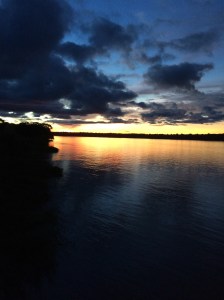
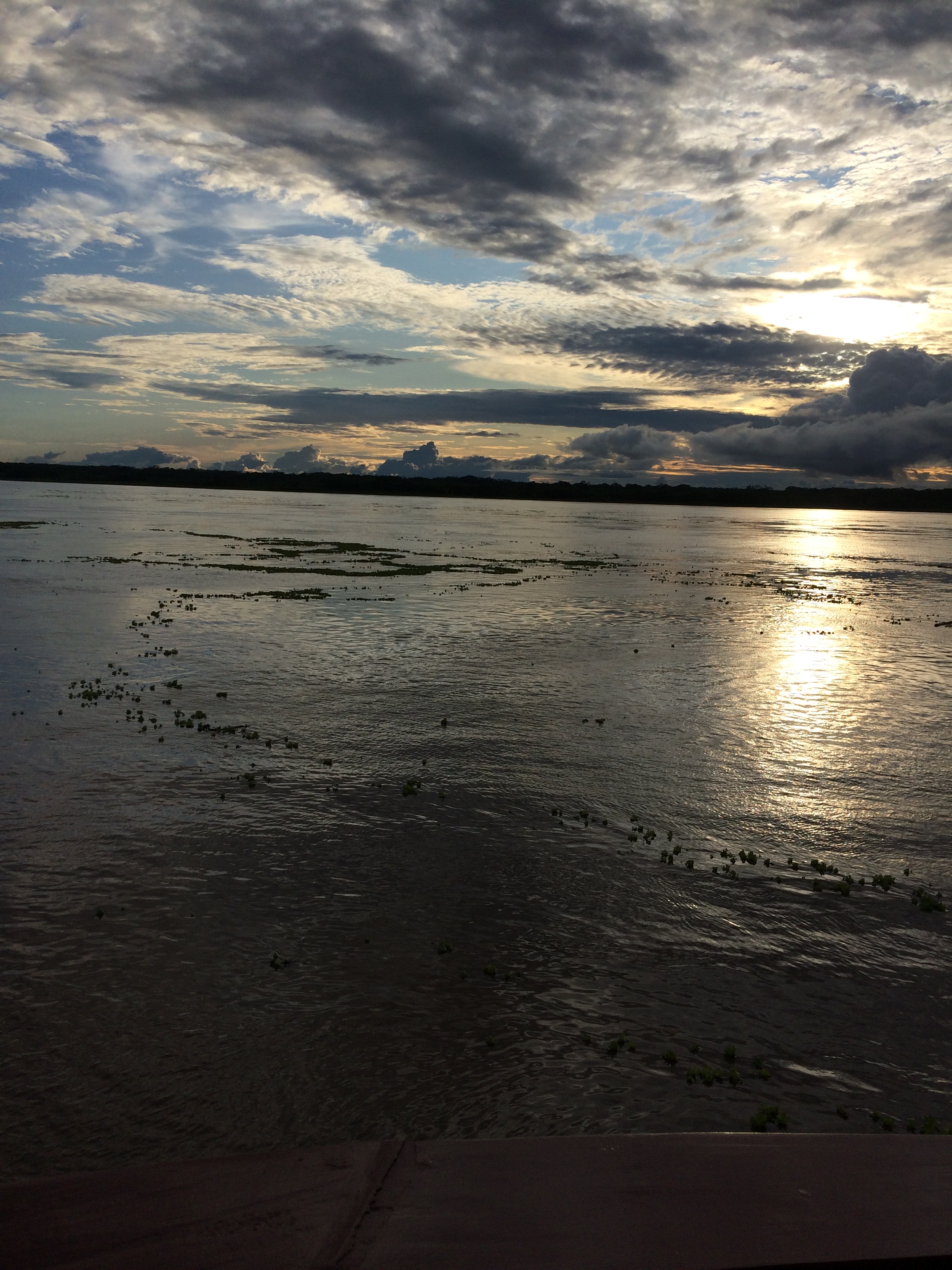
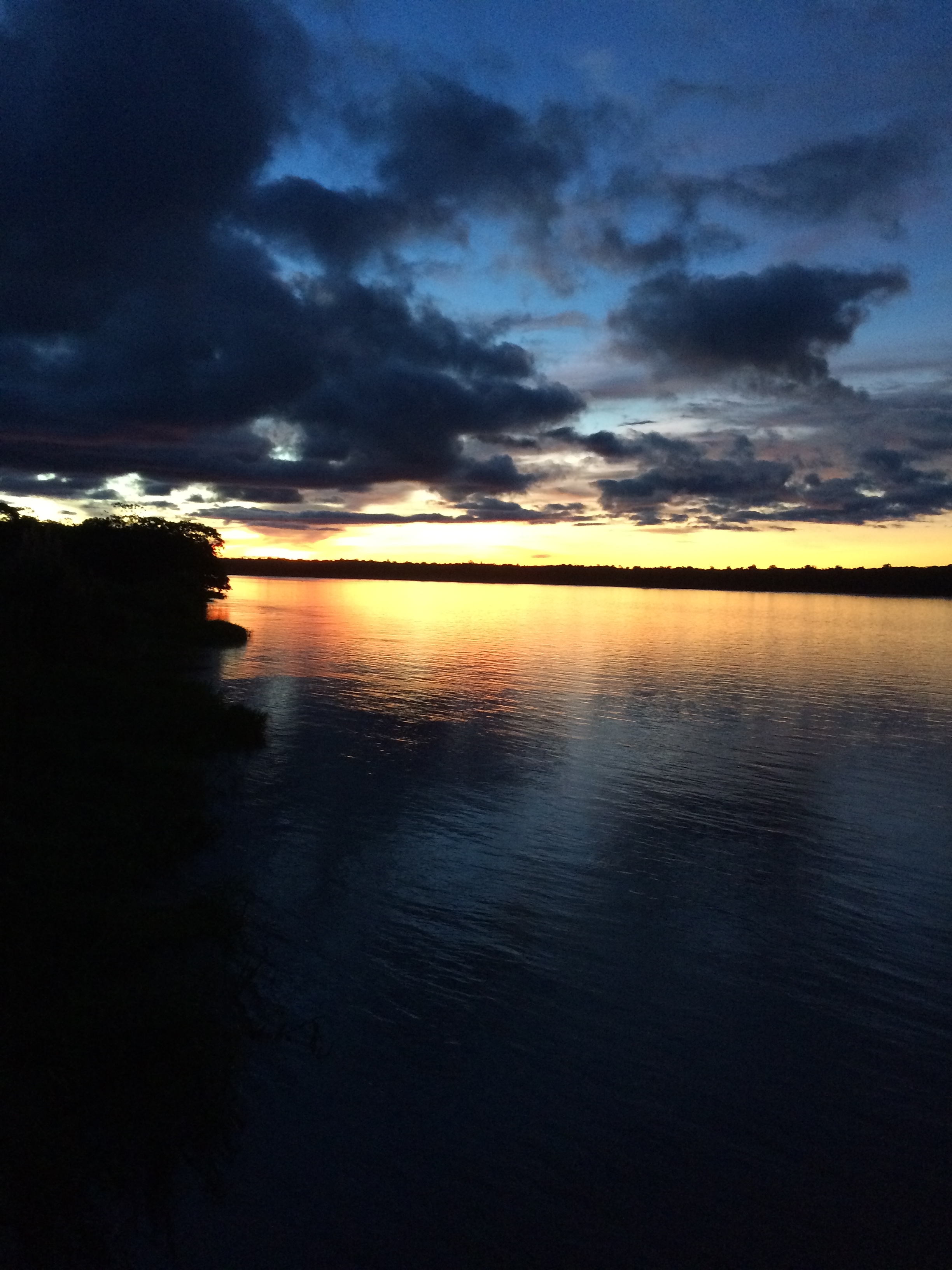
It was a sad day when we left the Amatista for the last time. How could we forget the sunsets and sunrises, the daily trips out on the river tributaries, the kindness of the guides and crew. None of us wanted to leave. We had been so lucky to have had this perfect week, and although we hadn’t seen the jaguar we were not too upset. Let it be, the wild spirit, free for as long as it can.

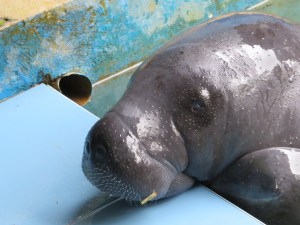
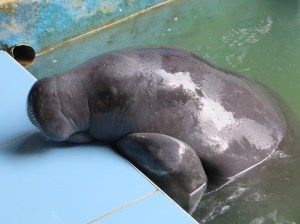
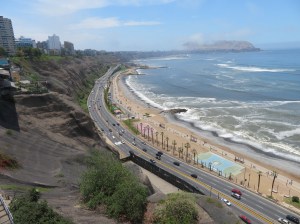
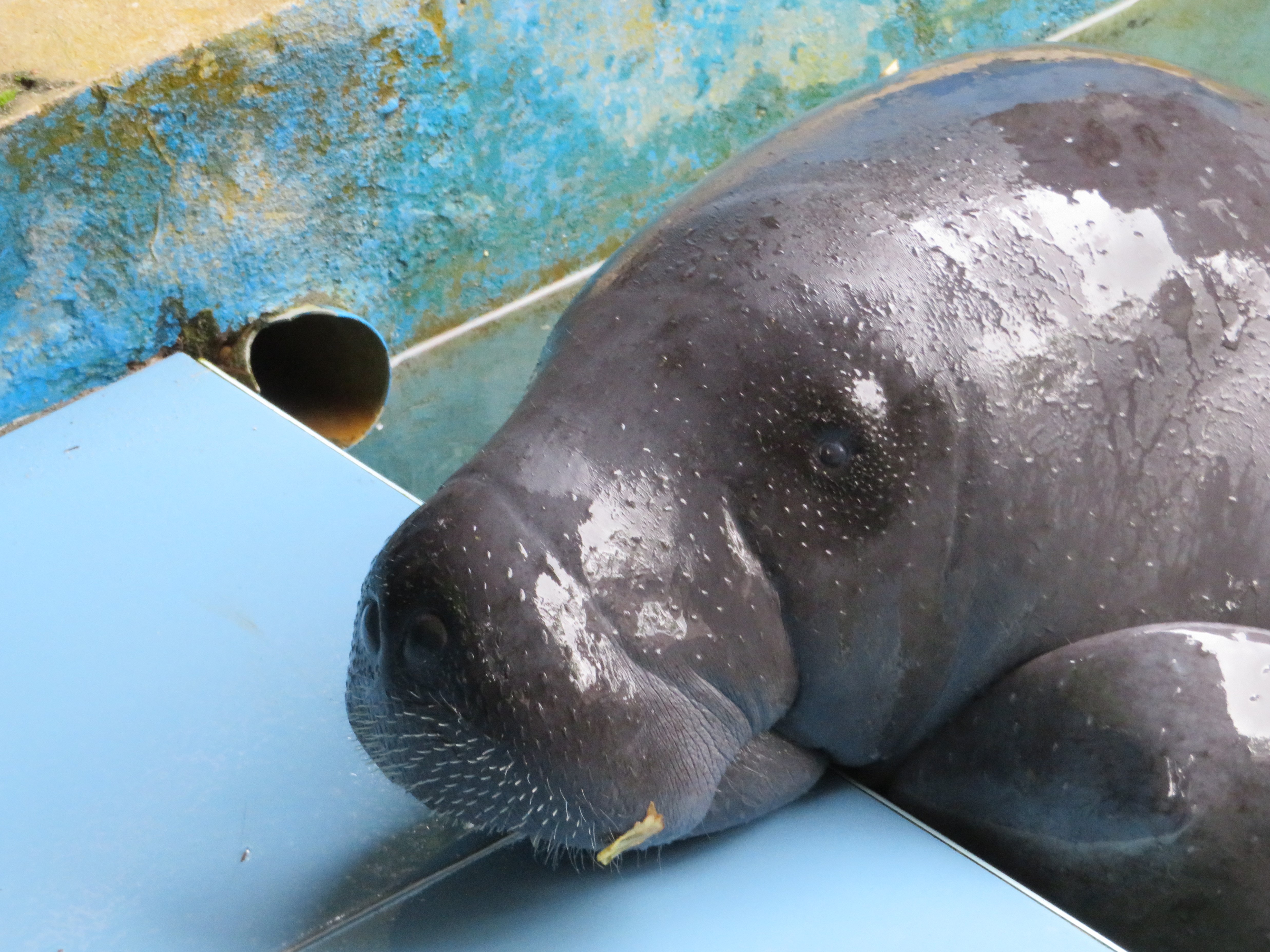
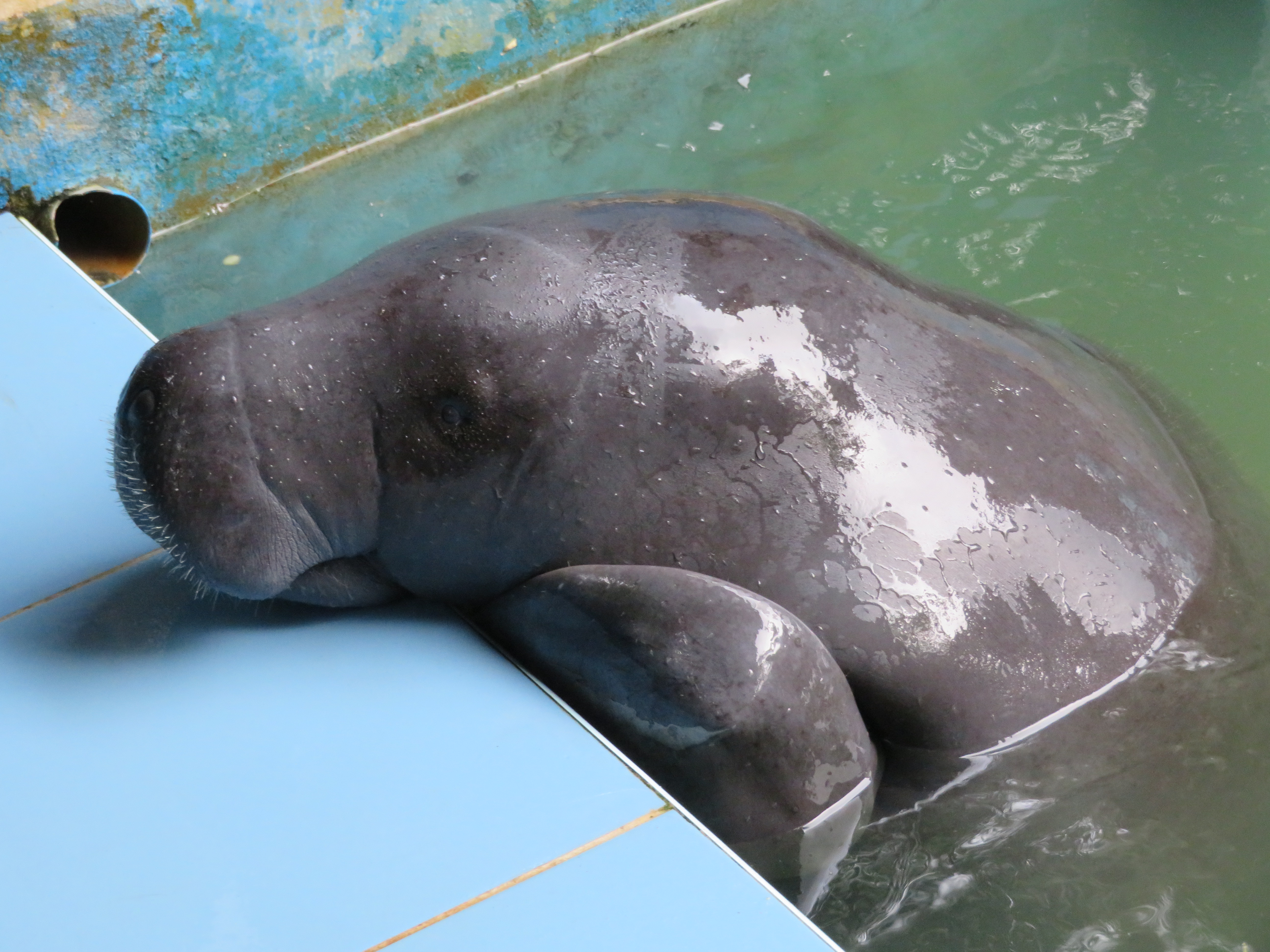
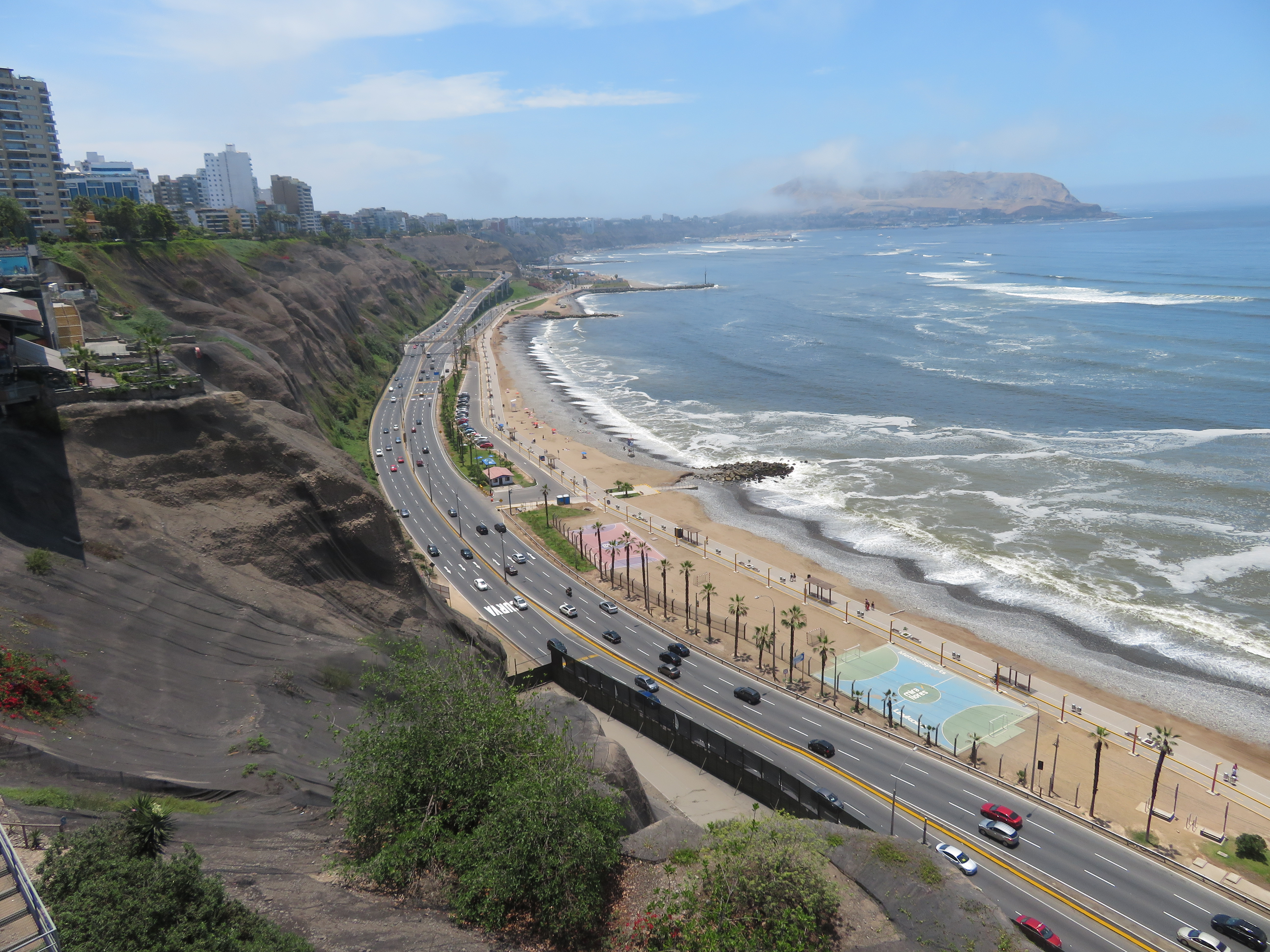
Our final journey took us to see the manatee, such a strange creature, being rescued and nurtured back to life in an animal hospital. I had never seen one before. It was like the final farewell before we returned to Lima and the bohemian delights of Miraflores.
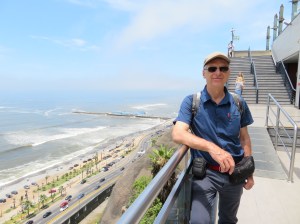
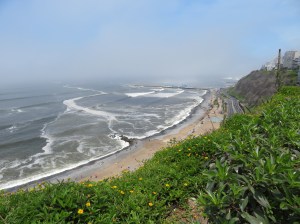
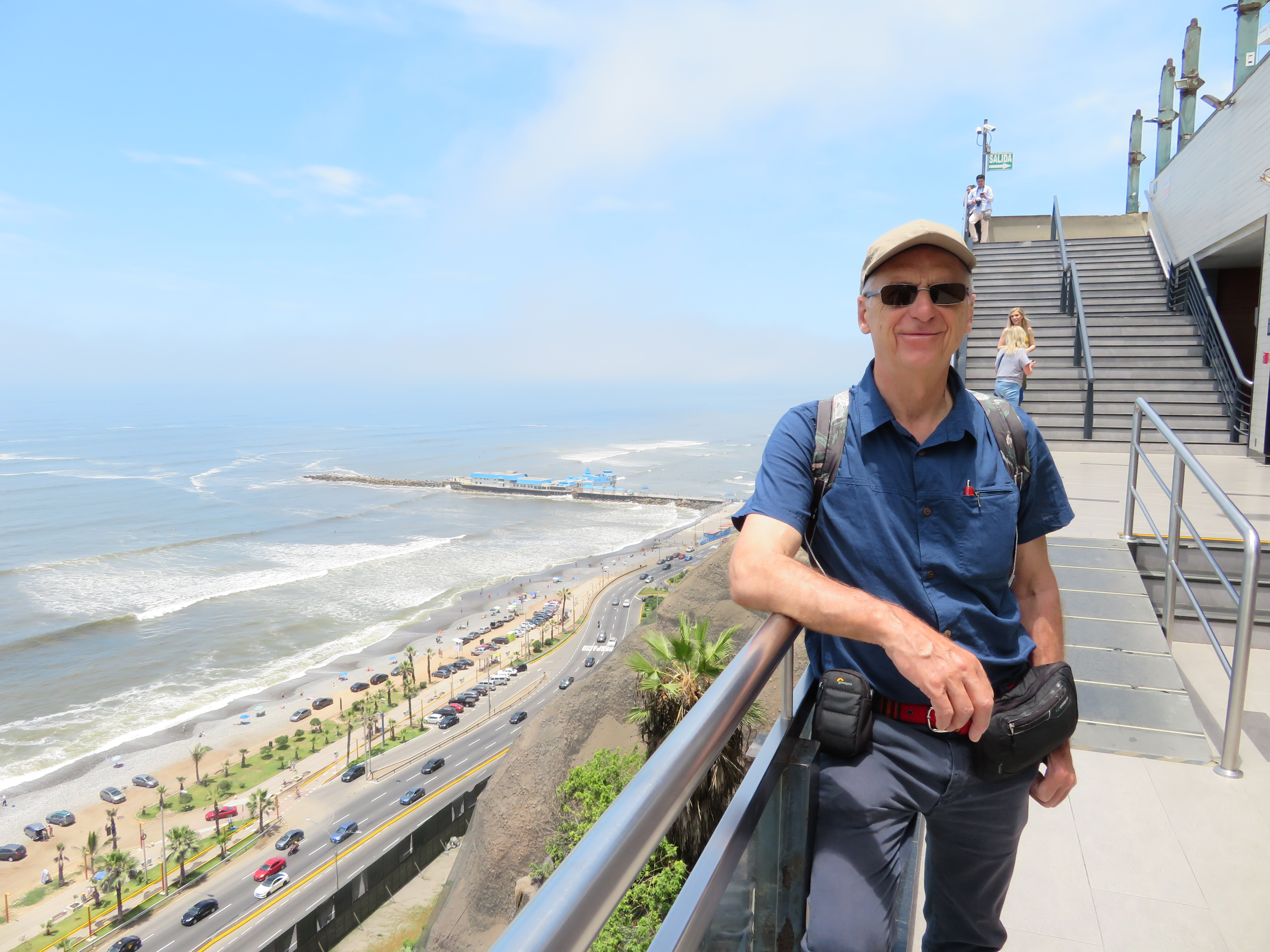
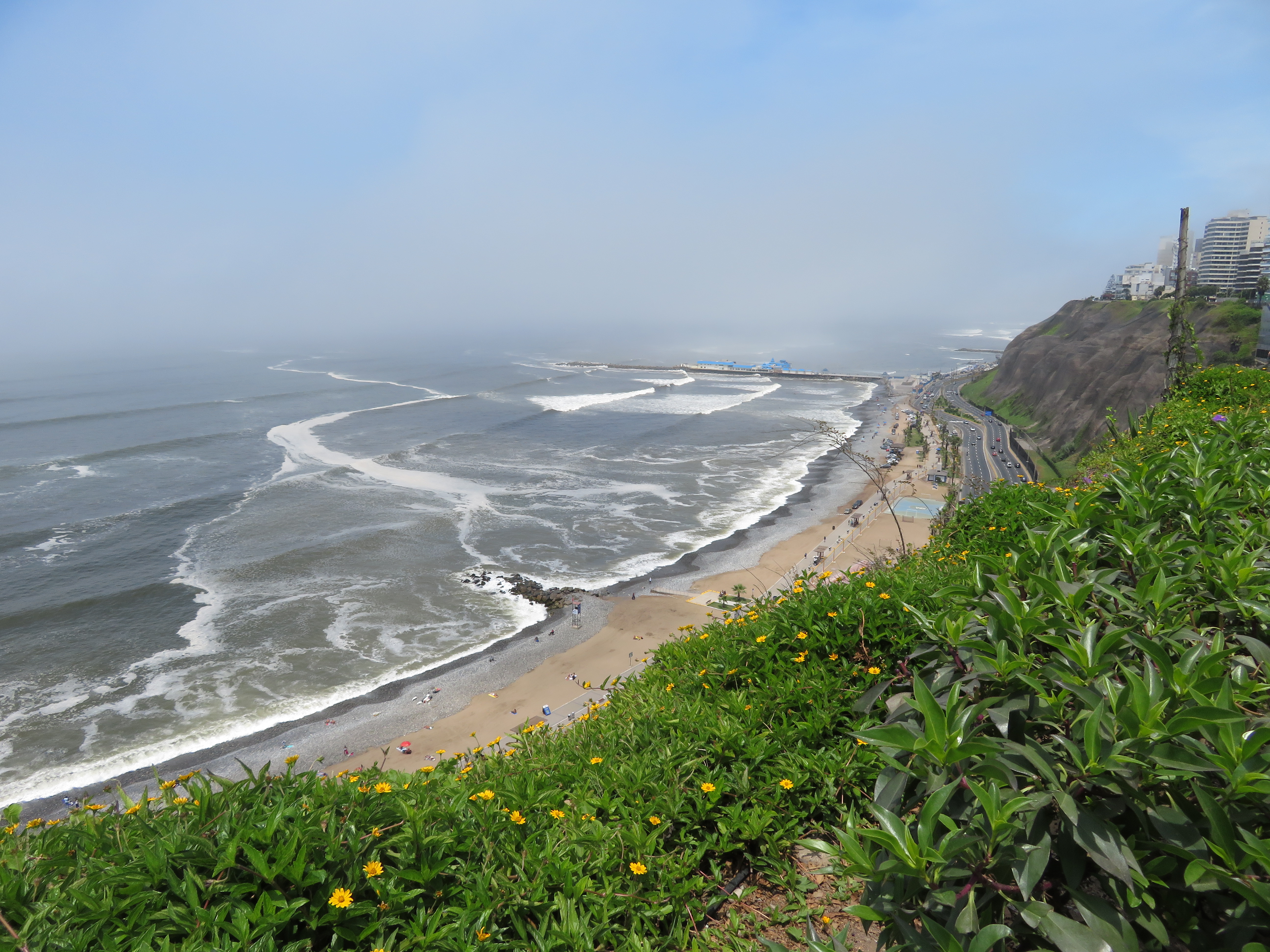
We became people watchers in this fashionable suburb, and our group slowly dispersed back to the US and Canada.
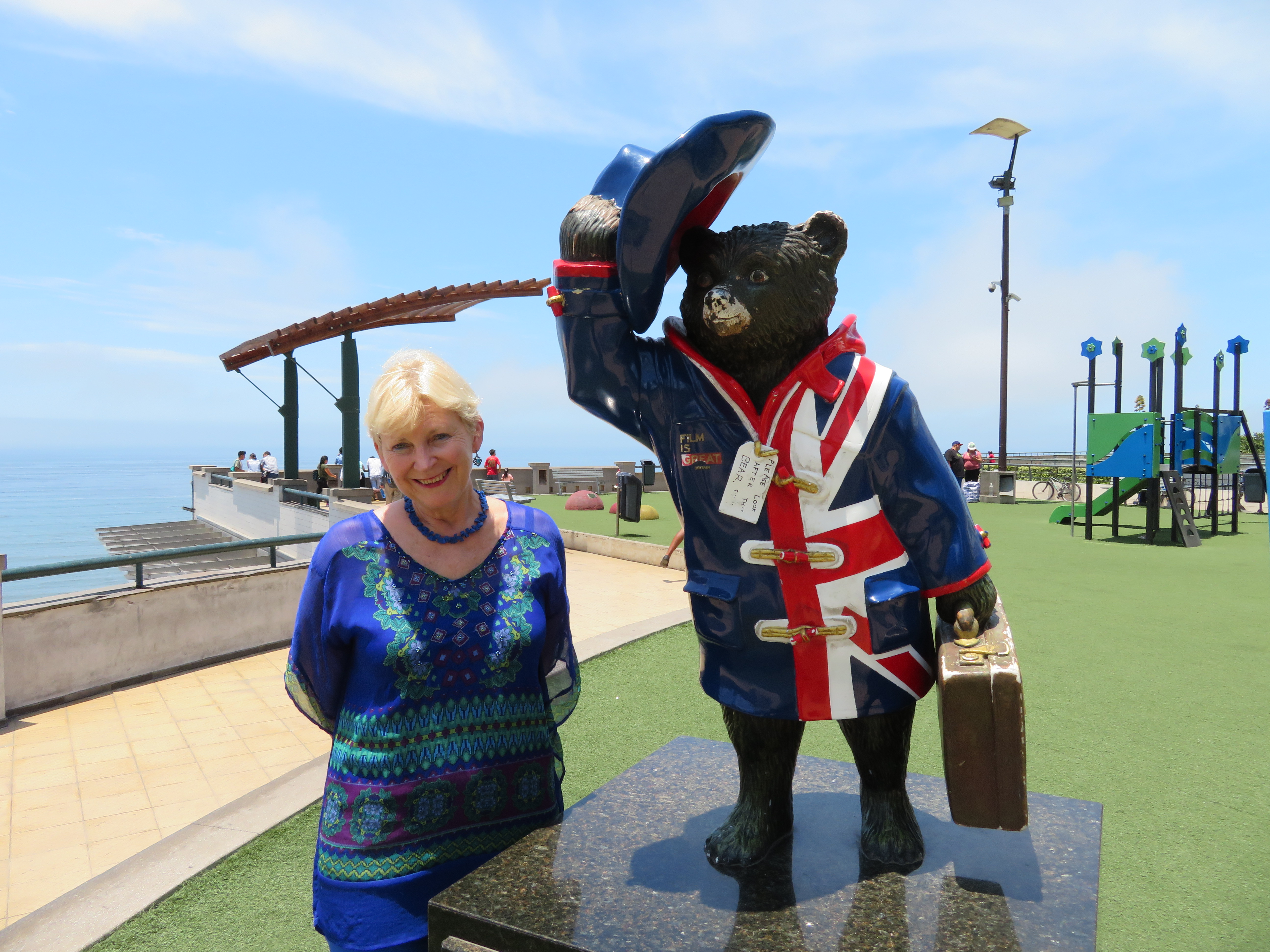
We had such a good time. It was sort of fitting to suddenly come across Paddington Bear (who originated from deep dark Peru) in Lima on our last day. We too were travelling back to the UK and we too would keep part of this fabulous country in our heart.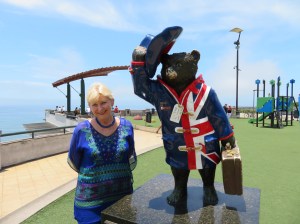


















































































































 Tales from the Gael