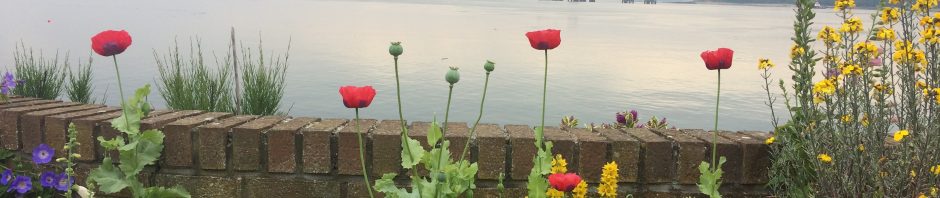
Today is Saint Andrew’s Day, and it will always be etched on my memory from the years spent in Kota Kinabalu in Sabah, East Malaysia on the island of Borneo.
I was young, the children tiny and the days seem golden in reflection. Days of sitting looking out on the South China Sea to the islands of Gaya and Sapi and Mamutik. Nowadays these islands are developed beyond recognition, and Gaya has three five-star resorts. Forty years ago there was sand and palm trees and us on a Sunday, snorkelling and hanging out with friends on coconut mats and drinking beer and cold white wine from the packed Eski boxes.
We practised Scottish dancing from October, formed a committee to organise the event, and finally on St Andrew’s day itself we dressed and danced and filled our dance cards for Dukes of Perth and Gay Gordons and Strip the Willows.

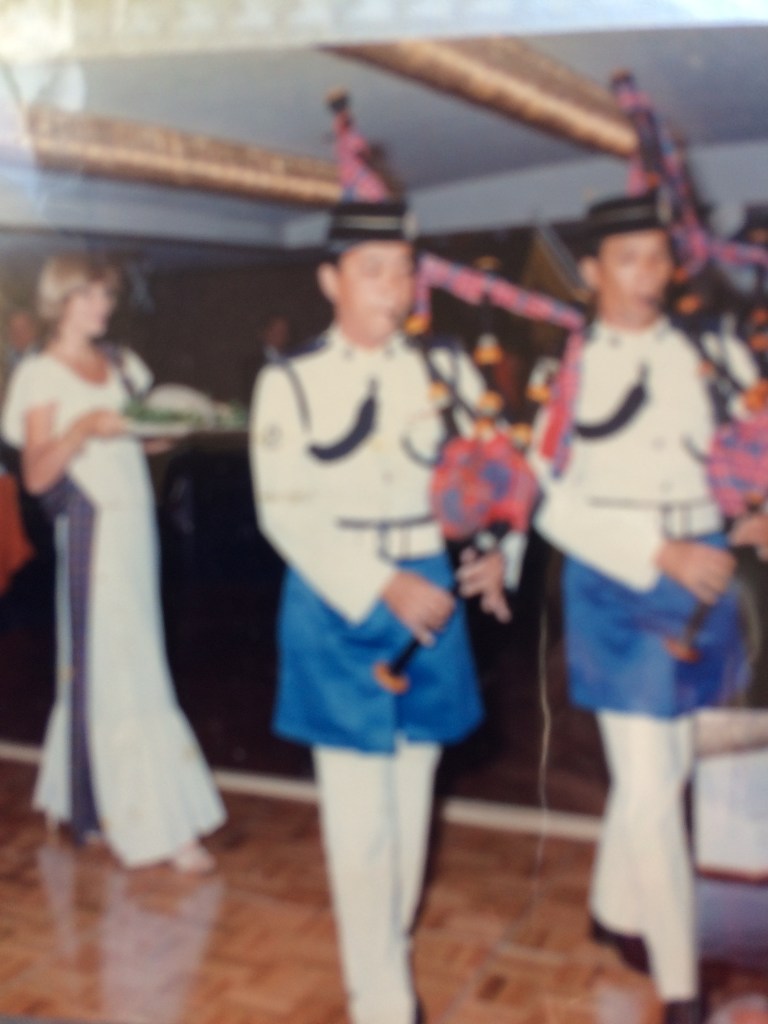
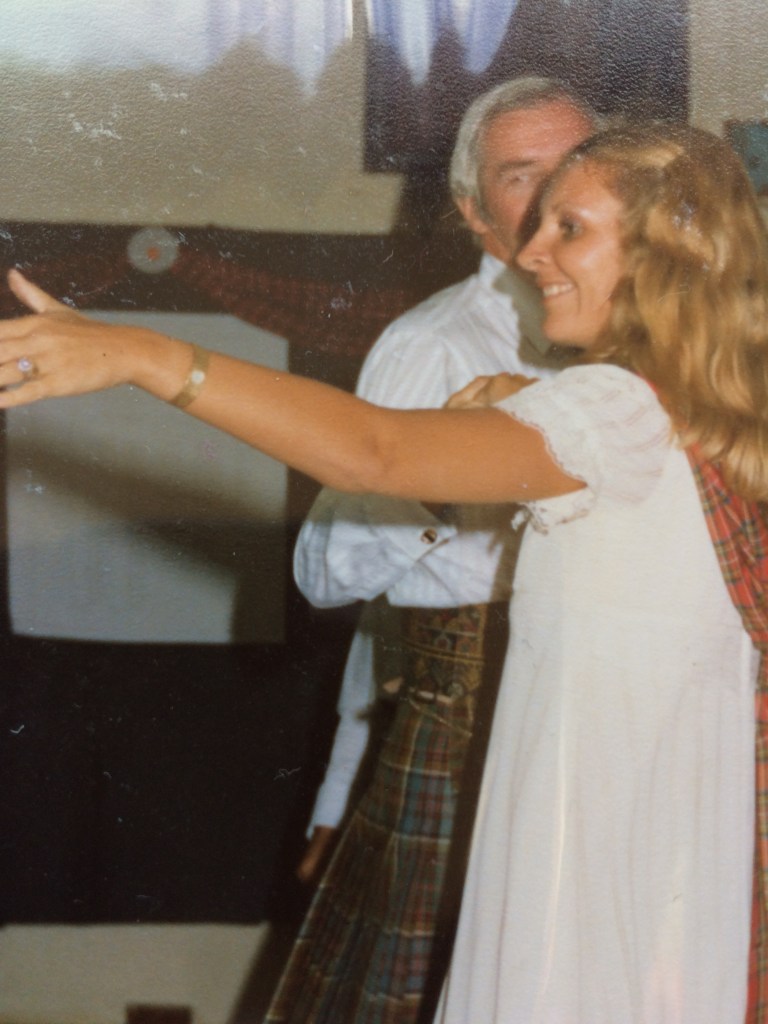
All these years later, there is less glamour. Today I have been mopping and hanging out washing. I doubt I would get through two of these dances without a breather in between. Still, John and I march and march, around the coastal paths of Fife, through small pretty villages and treat each day as precious. We are fit enough.
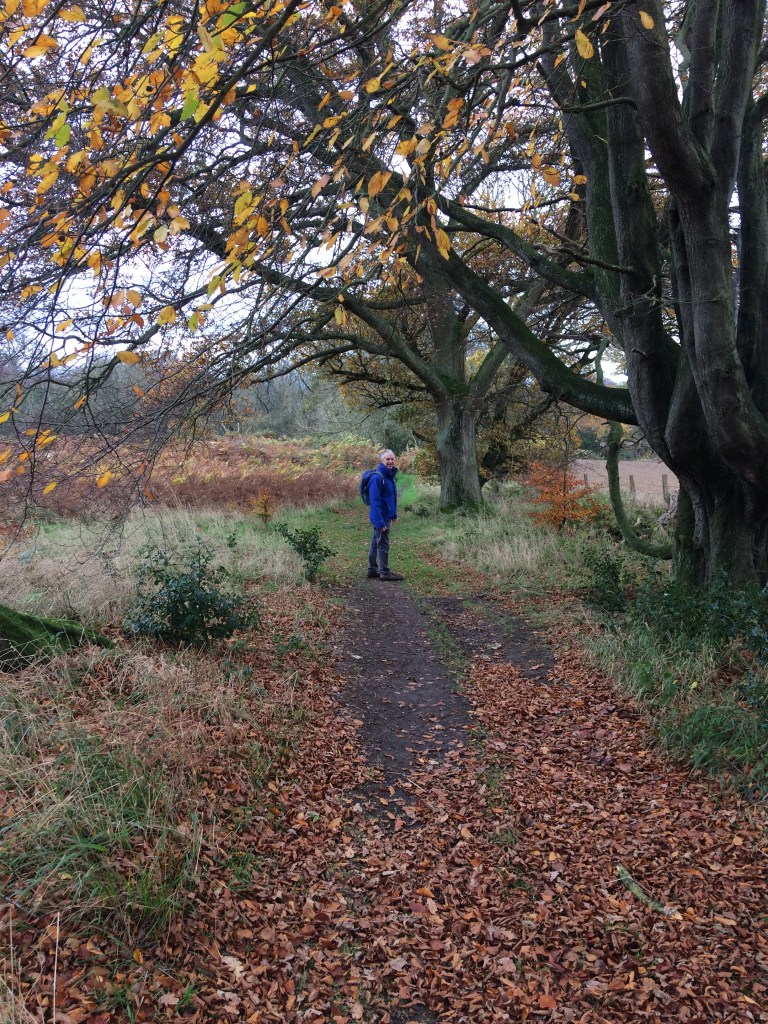
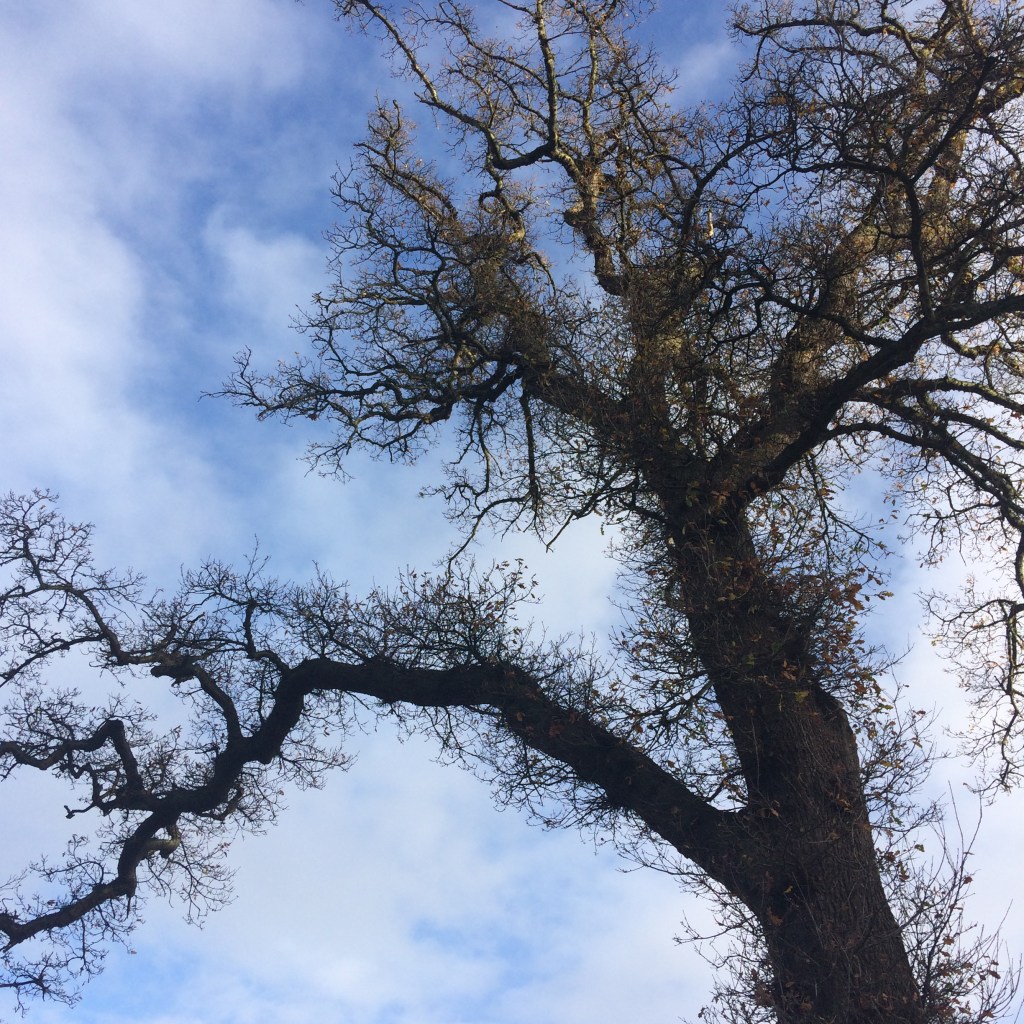

The trees have been on fire, the sunrises and sunsets have been explosions of red and orange, and with such a fanfare to mark the ending of 2020, we now approach the winter months.

We have foraged, and produced the jars of homemade jams and chutney, wine and liqueurs to mark the autumn harvest.
I did enjoy the yew berries, and carefully sucked off the juicy red flesh before spitting out the lethal pip. What a tree, so full of menace. I walked along an avenue of yew on Lord Roseberry’s estate in Dalmeny, and ate the pretty harvest as I passed. I did study the branches, for it is the yew that lends itself to making bows and crossbows. They are bendy I believe. Certainly don’t look it. I did wonder why they are always planted in cemeteries, and are known as the tree of the dead. Maybe because they are so lethal. Nearly every part of the tree is toxic and poisonous to humans, and you must take care not to lick your fingers if you are busy carving your bow.
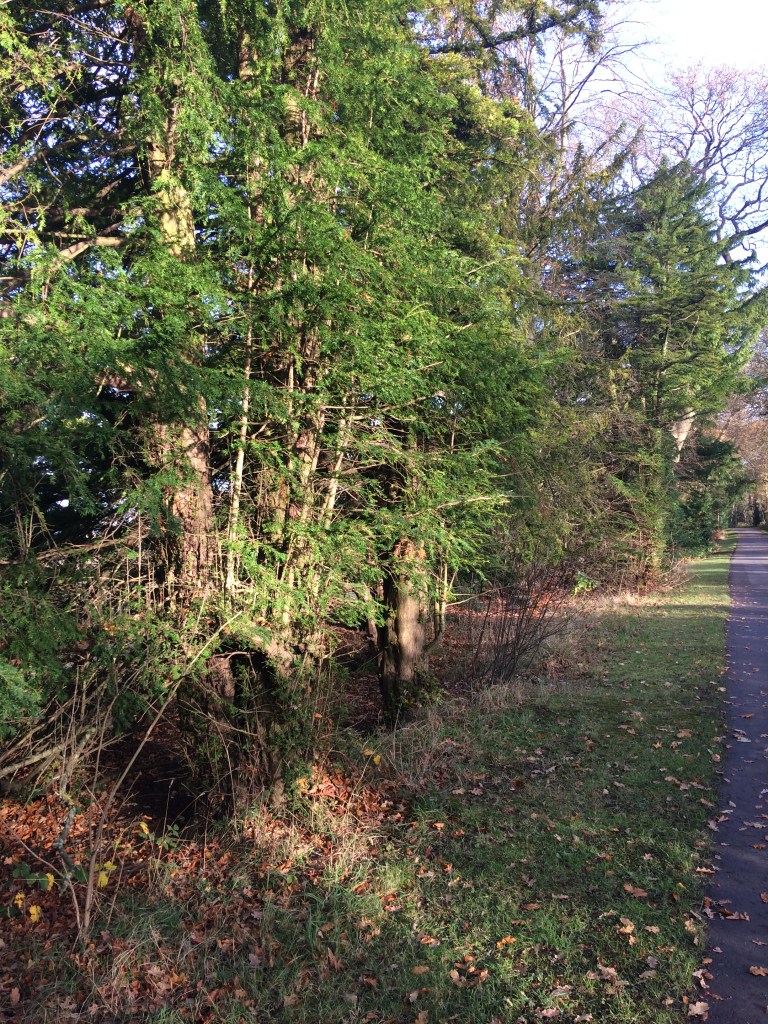
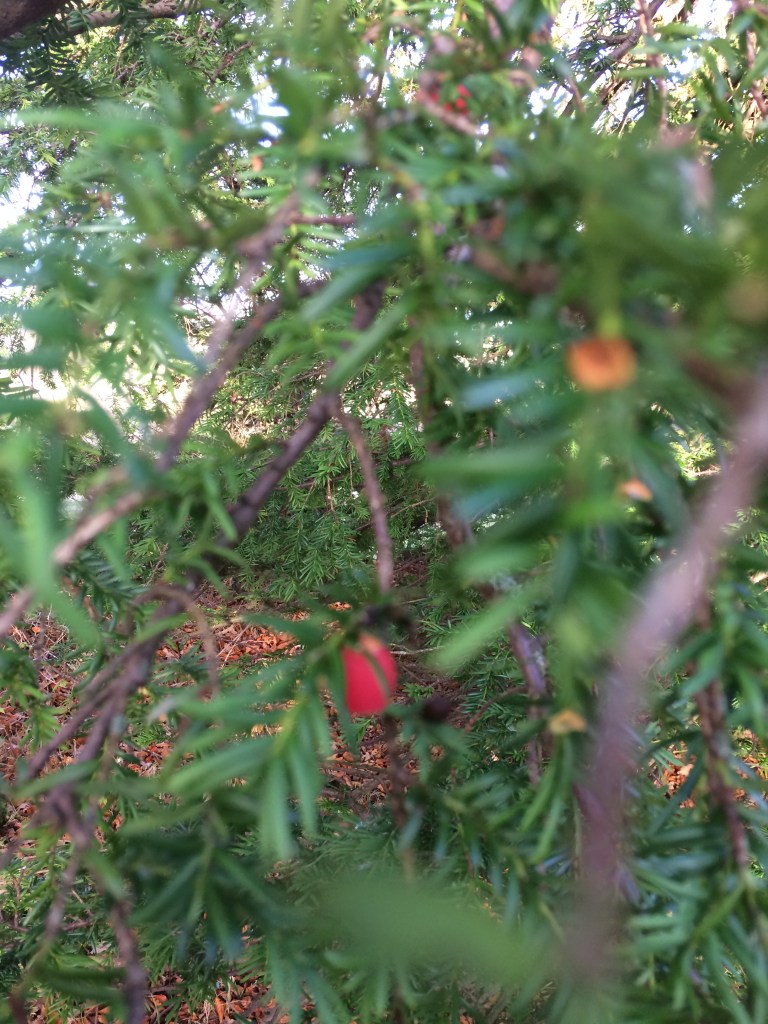
The tree is poisonous to every form of animal, like horses and dogs and sheep, and so, according to legend, they were planted in churchyards. Livestock were usually kept out of these sacred places.

I have been reading a Learned Tome all about Wordsworth and Coleridge, and their contemporaries – Lamb, Keats and Byron. Strange to think of them writing their poems about daffodils and Kubla Khan and ancient mariners at the time of the French Revolution and the Napoleonic wars. Sometimes I think I know more about Dorothy Wordsworth (the poet’s sister); she is quoted quite a bit in travel books. She was a prolific writer, particularly about her travels with William. Both Wordsworth and Coleridge drew from her journals; it was as though her minute observations opened their eyes to the minutiae of detail.
Anyway, I was drawn to the chapter on landscapes and trees and particularly the colour brown.
Sir George Beaumont said that every landscape should have one brown tree. Sublimity requires darkness, and he always said, ‘A good picture , like a good fiddle, should be brown.’ And another view was that the artist could see that the trees were blue and purple , but to recreate the effect, might displease the traditionally-minded spectator.
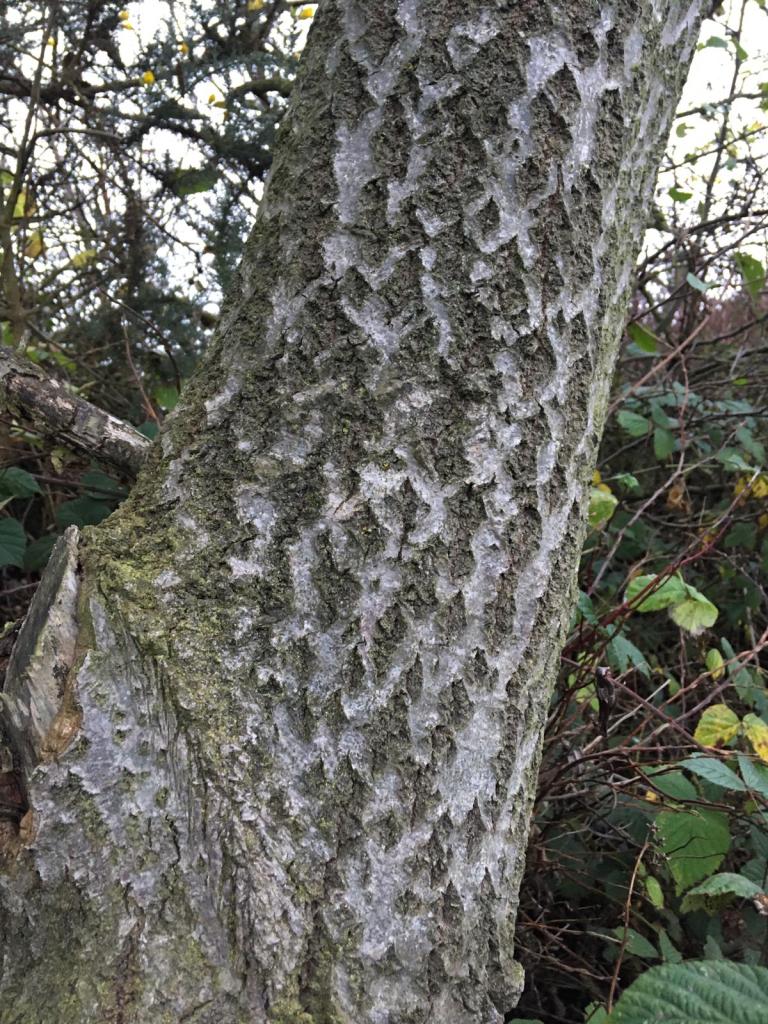
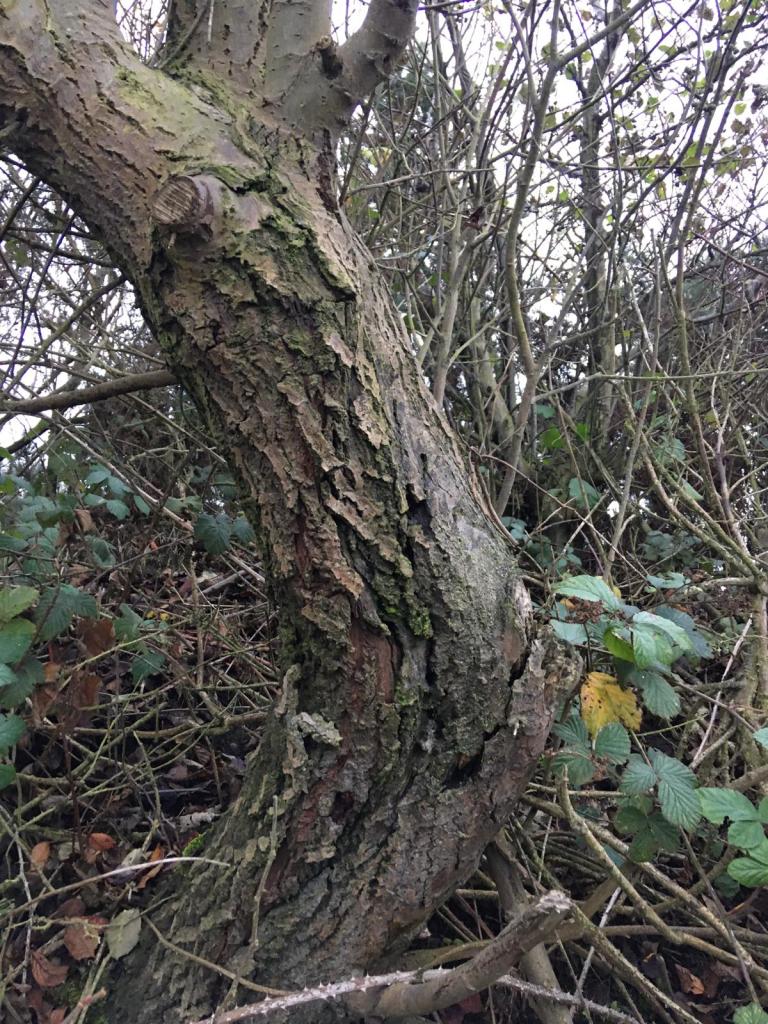
Poor trees, they were idealised, and should have ‘form, lightness and proper balance’ to be truly beautiful, yet artists showed much enthusiasm for decayed or damaged trees. So thought the Reverend William Gilpin, who enjoyed sketching tours around the English counties and introduced the idea of picturesque travel:
‘For one living tree in a forest you will have twenty four evil-thriving: rotten and dying trees; what rottenness! What hollowness! What dead arms! Withered tops! Curtailed trunks! What loads of mosses! Dropping boughs and dying branches shall you see everywhere!’
Oh dear! I quite like the effects silhouetted on an evening sky.
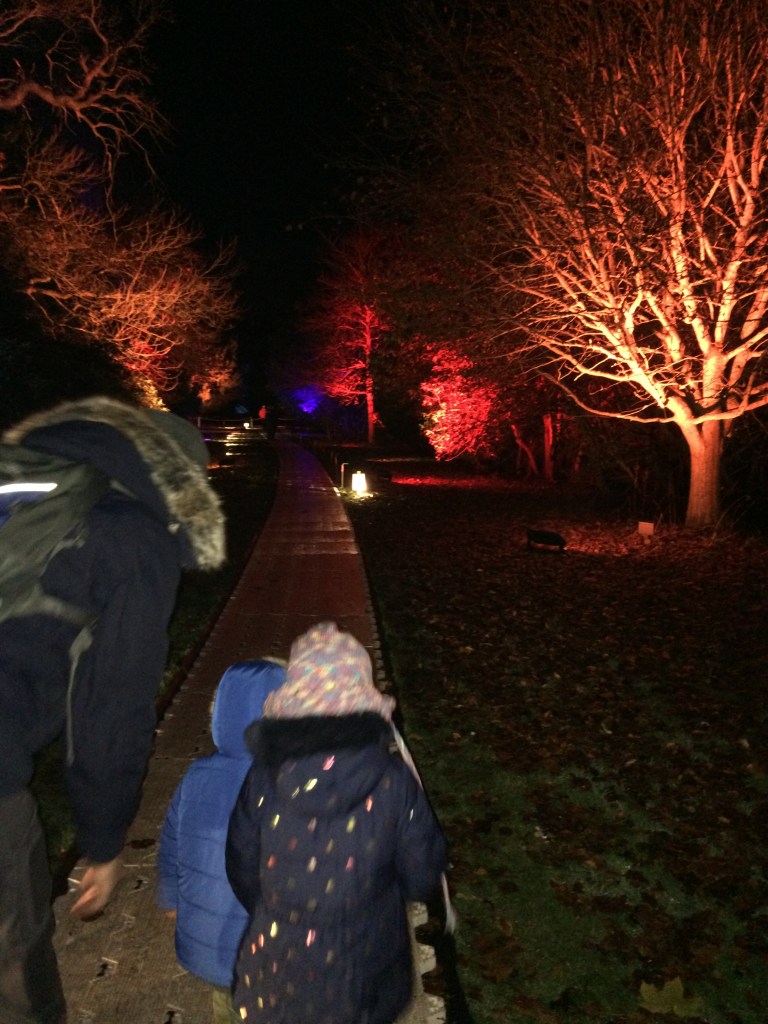
John and I joined Cathal and the children at Hopetoun House’s wondrous woods celebration recently. Fun night and dry, thank goodness. Lighting and special effects made superstars of the ancient oaks and we enjoyed tramping through the woods in the dark.


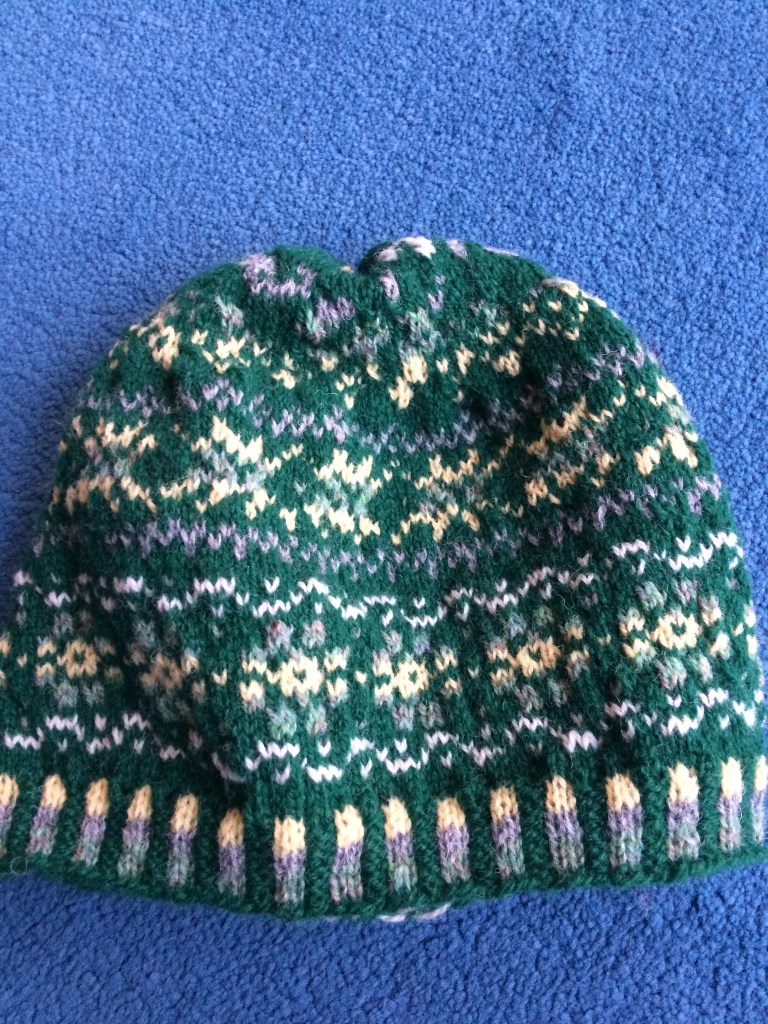
Otherwise I have been busy, just finishing crafts already started, and two Shetland wool beanies.


I have been quite absorbed with trees, and yesterday I did actually search for a brown tree. Couldn’t really find any! When you think of how brown is made up on the colour wheel, there are so many variables, from rich reds to light golds. So how do furniture and fiddles look so BROWN! I am looking at my furniture around me, and it is all so rich and SUBLIME!
Enough, maybe I should be like Coleridge and carry a notebook around with me and record as he did:
‘The chapped bark of the lower trunk, the bark like a rhinoceros rolled in mud and exposed to the tropic heat. Oh Christ it maddens me that I am not a painter or that Painters are not I!’
Adieu!

 Tales from the Gael