Trans-Mongolian Express
9thJune
This time yesterday I was cleaning my teeth in the camp washroom in Outer Mongolia, about three hours away from the sprawling, colourful confusion of Ulan Bataar. In the mirror were framed mountains and rolling pastures and emptiness. All I could see were cows and a wandering pack of horses and greenness.
I walked back to our ger and above me a golden eagle swooped. I gasped – I honestly thought it might land on my arm like the captive ones we saw on the way to the camp. This wild one dived and then wheeled upwards into the sun. Beautiful, beautiful bird.
But now I am gazing out at Lake Baykal – the largest fresh water lake in the world.
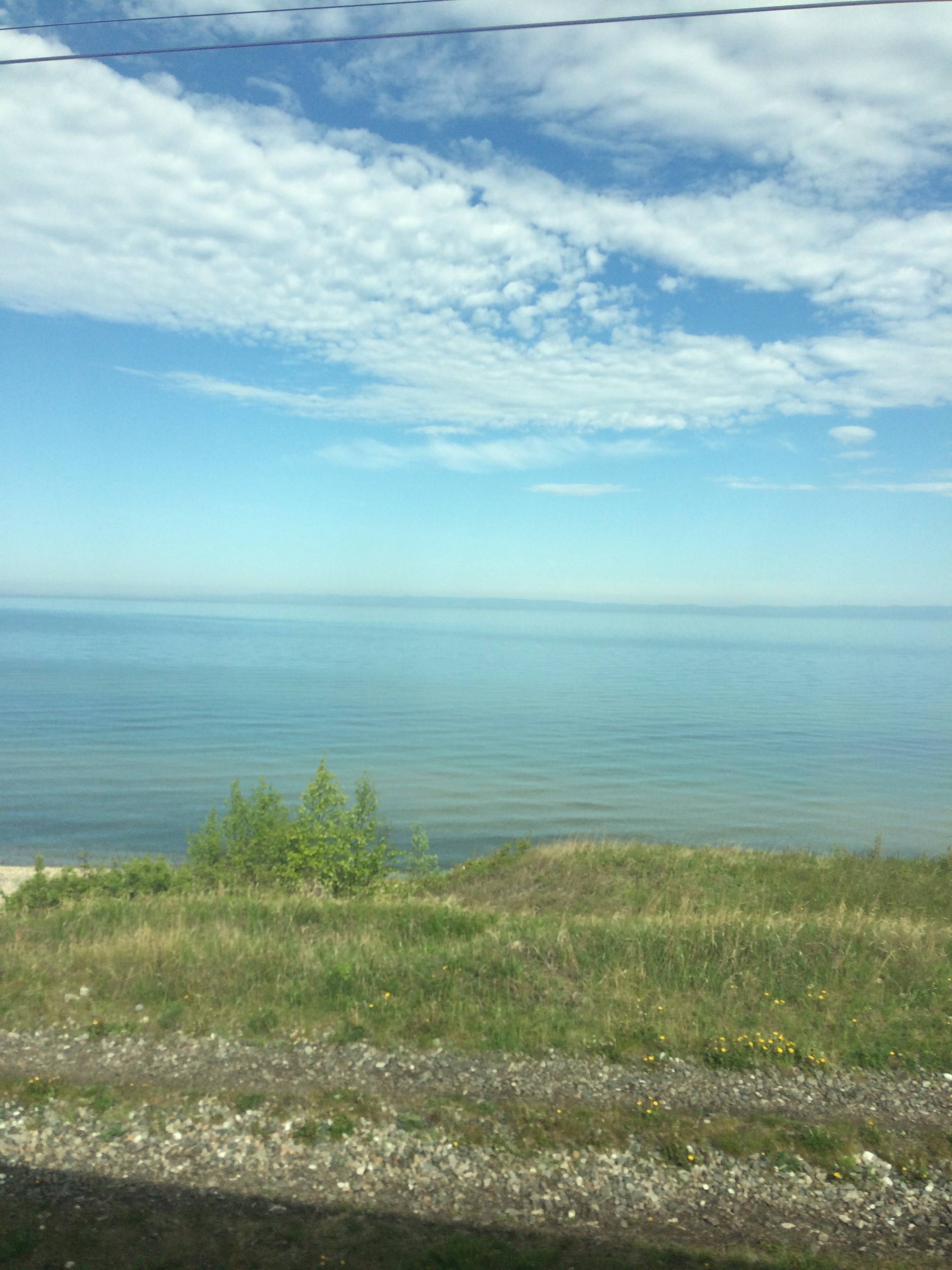
It is so blue – the birch trees cluster its edges and we pass wooden houses and garden allotments and in each there are lilac trees, heavy in flower. In the birch forests the grasses are lush and patches of orange marigolds dot the ground like a swirly carpet. The whole scene is like an opulent lush painting, our carriage window unfolding a framed masterpiece as we trundle past.
But – I must go back to Beijing and the beginning.
Wednesday 6thJune
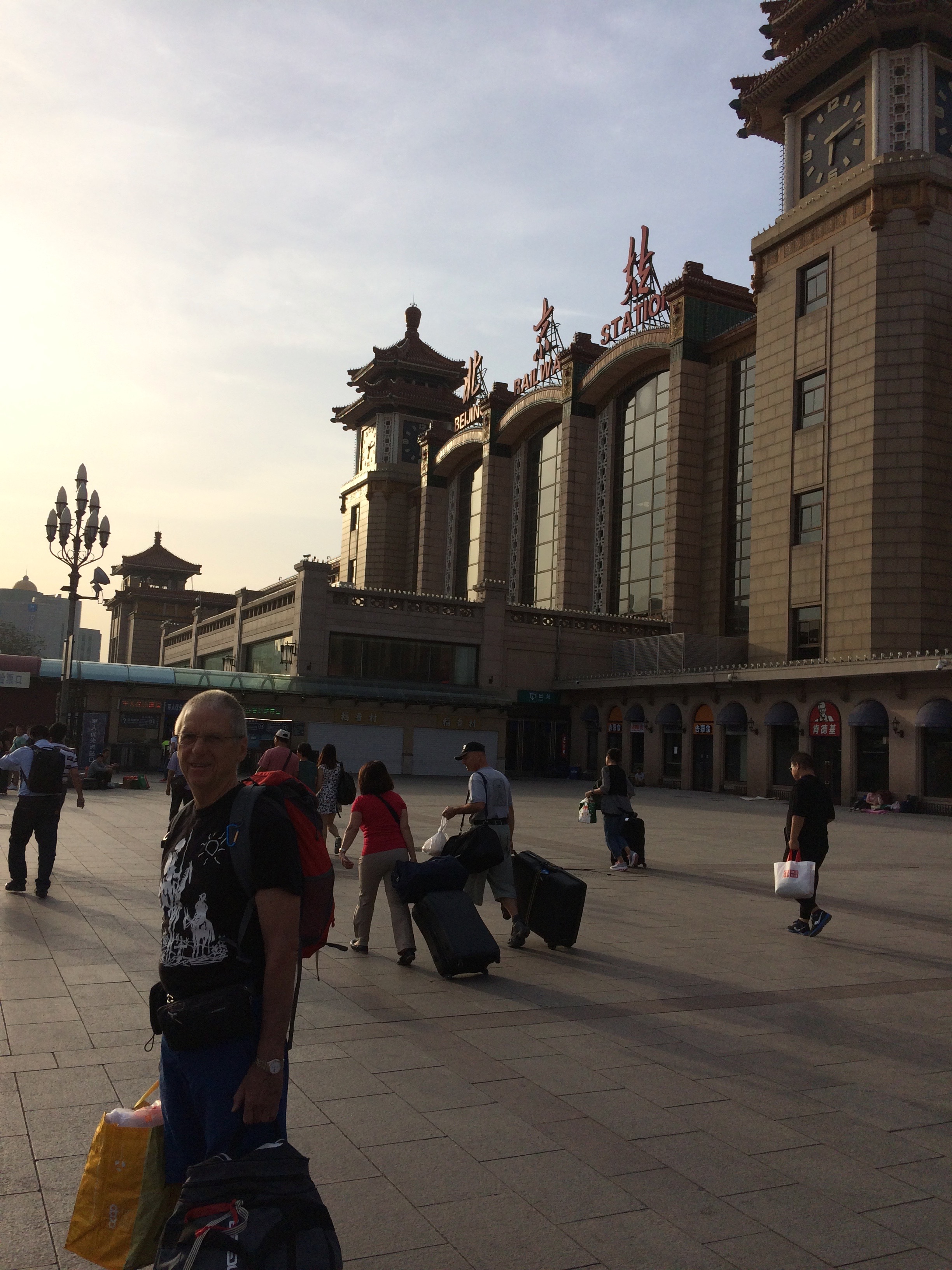
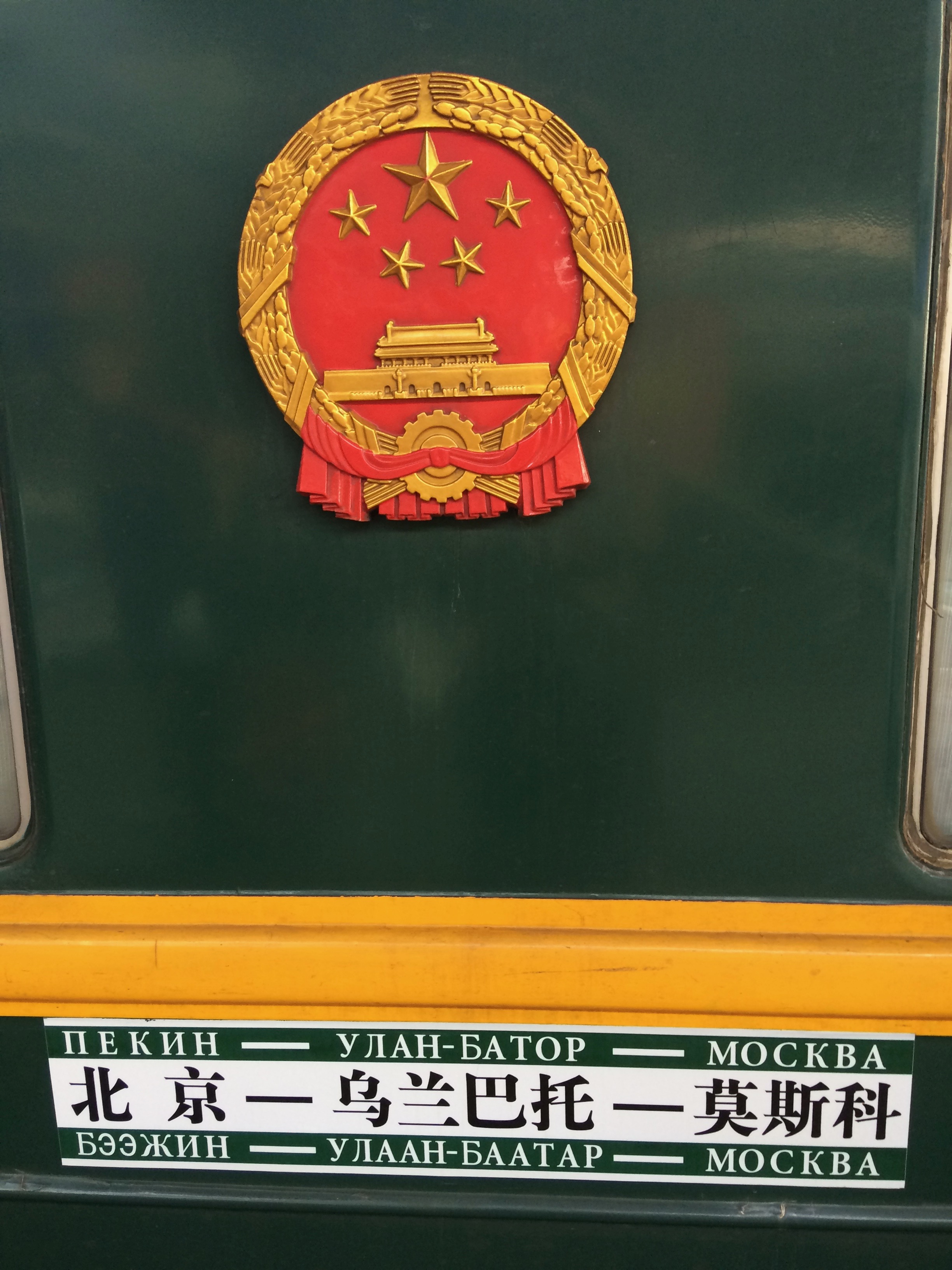
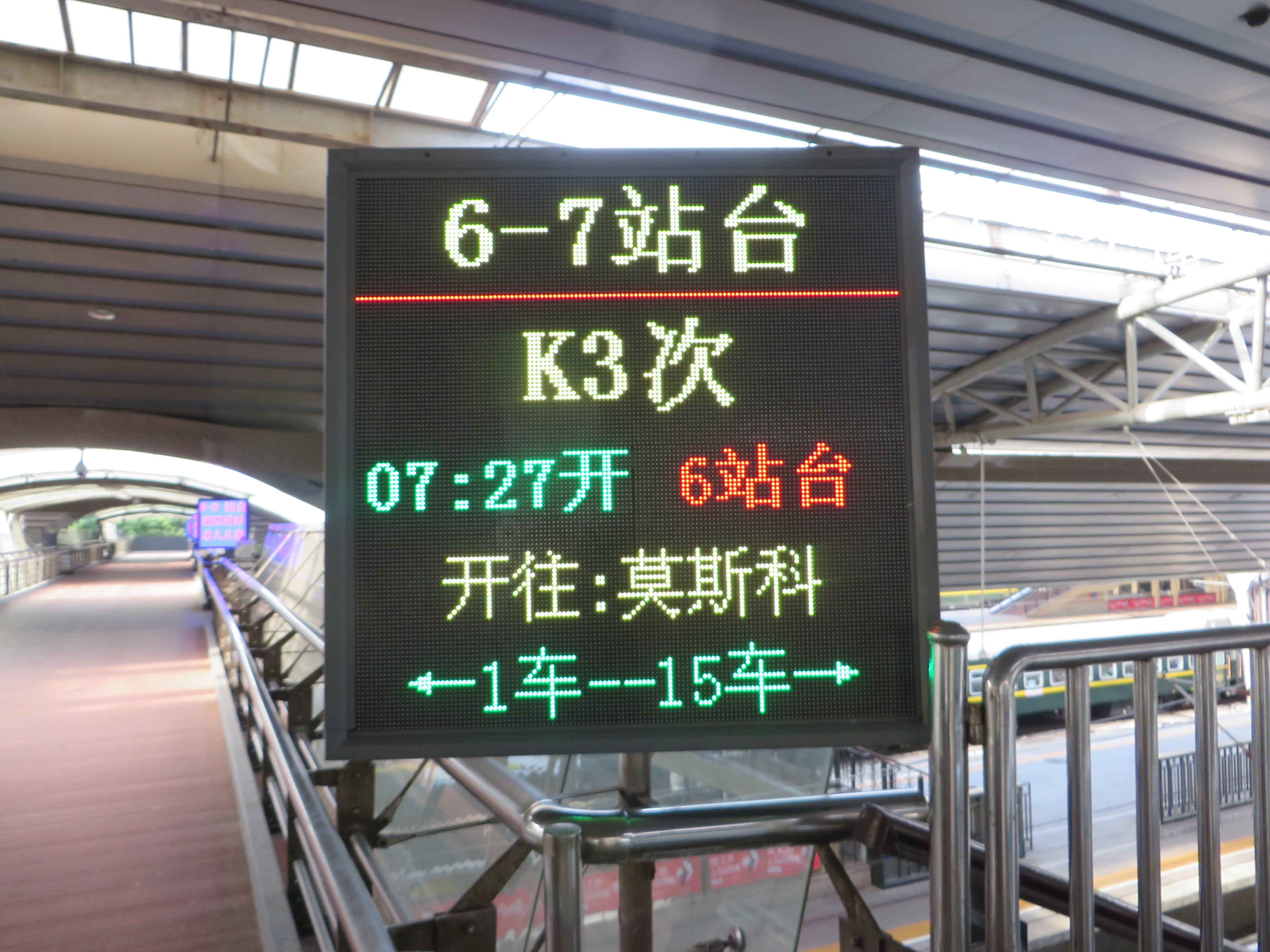
At 7 a.m. we boarded the K3 train from Beijing heading for Ulan Bataar and Moscow. I felt just a tiny bit like a character from Agatha Christie, as we settled into our first class compartment with its plush red velour seats and dark wooden walls.


As the train pulled out of the station and made its way out through the sprawling suburbs, all the passengers craned their necks hoping for a glimpse of The Great Wall. We didn’t see it, there were far too many tunnels going through the mountain, and as we whooshed through the blackness it was difficult to read or see anything.
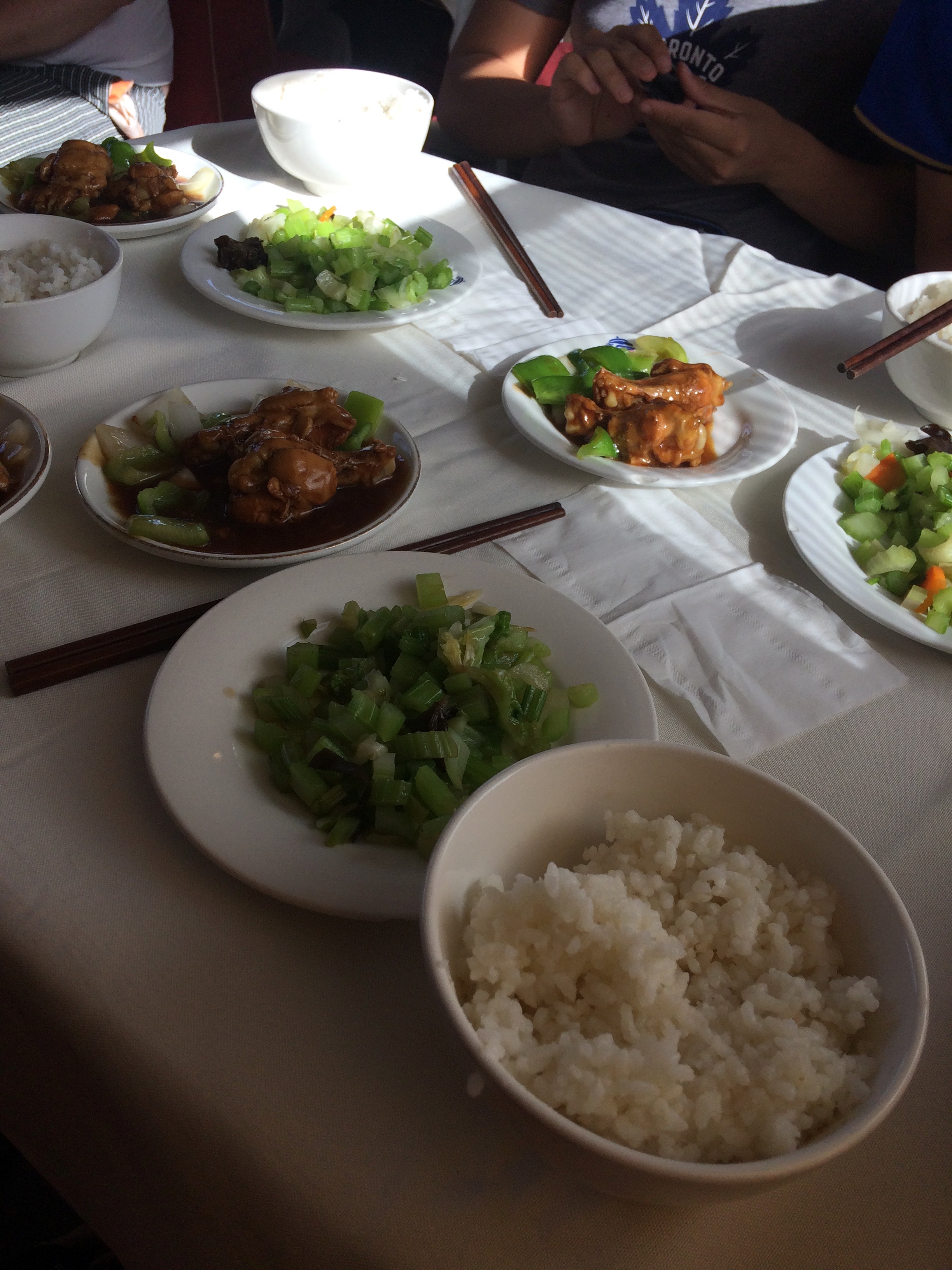
Hours passed. We dozed, we read, and the landscape changed. The restaurant car fed us a strange school dinner confection of cabbage and stew.
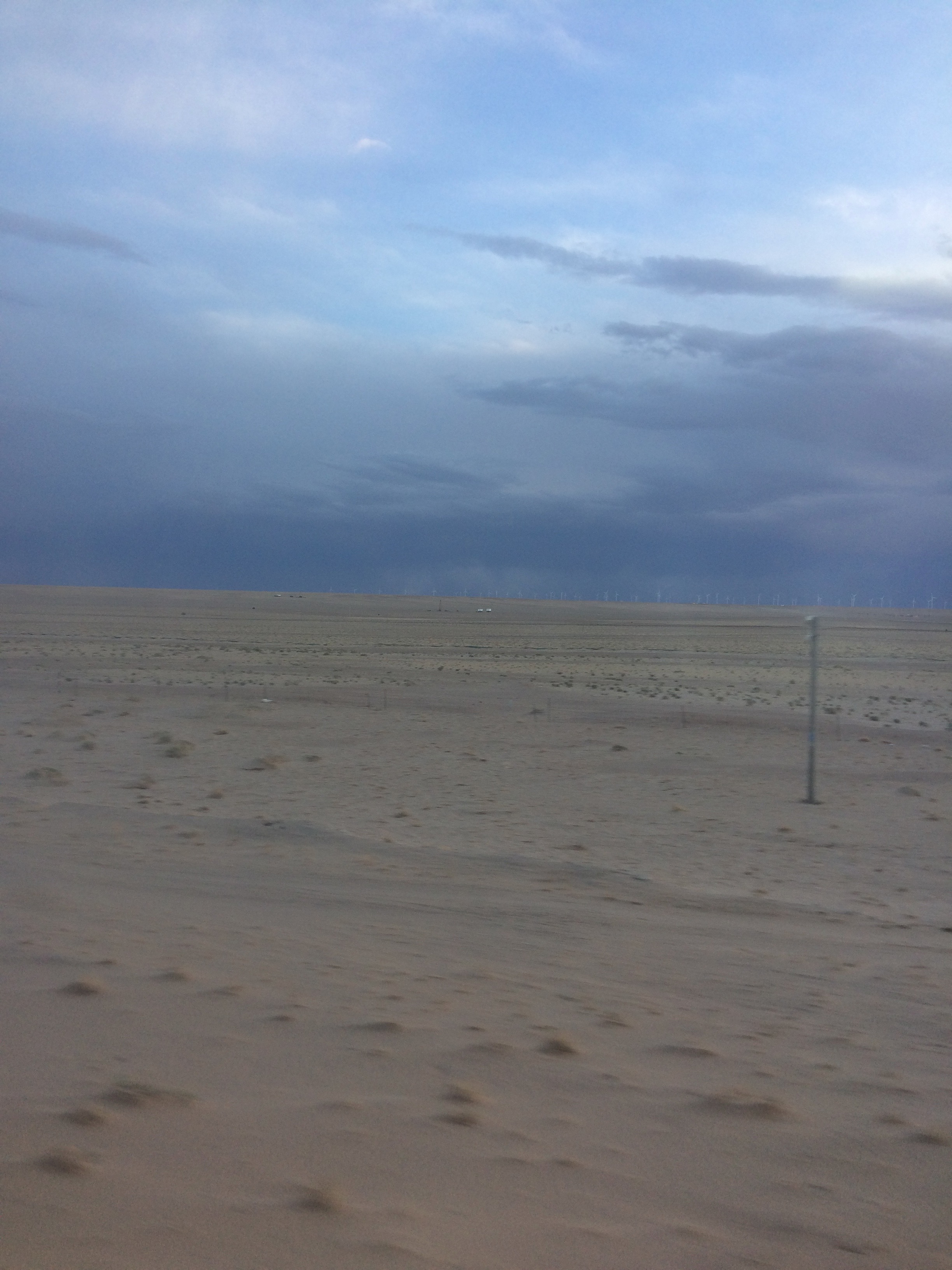
By nightfall the green terraces of pumpkins and beans gave way to sand and tufts of wild grasses. We had entered Inner Mongolia.
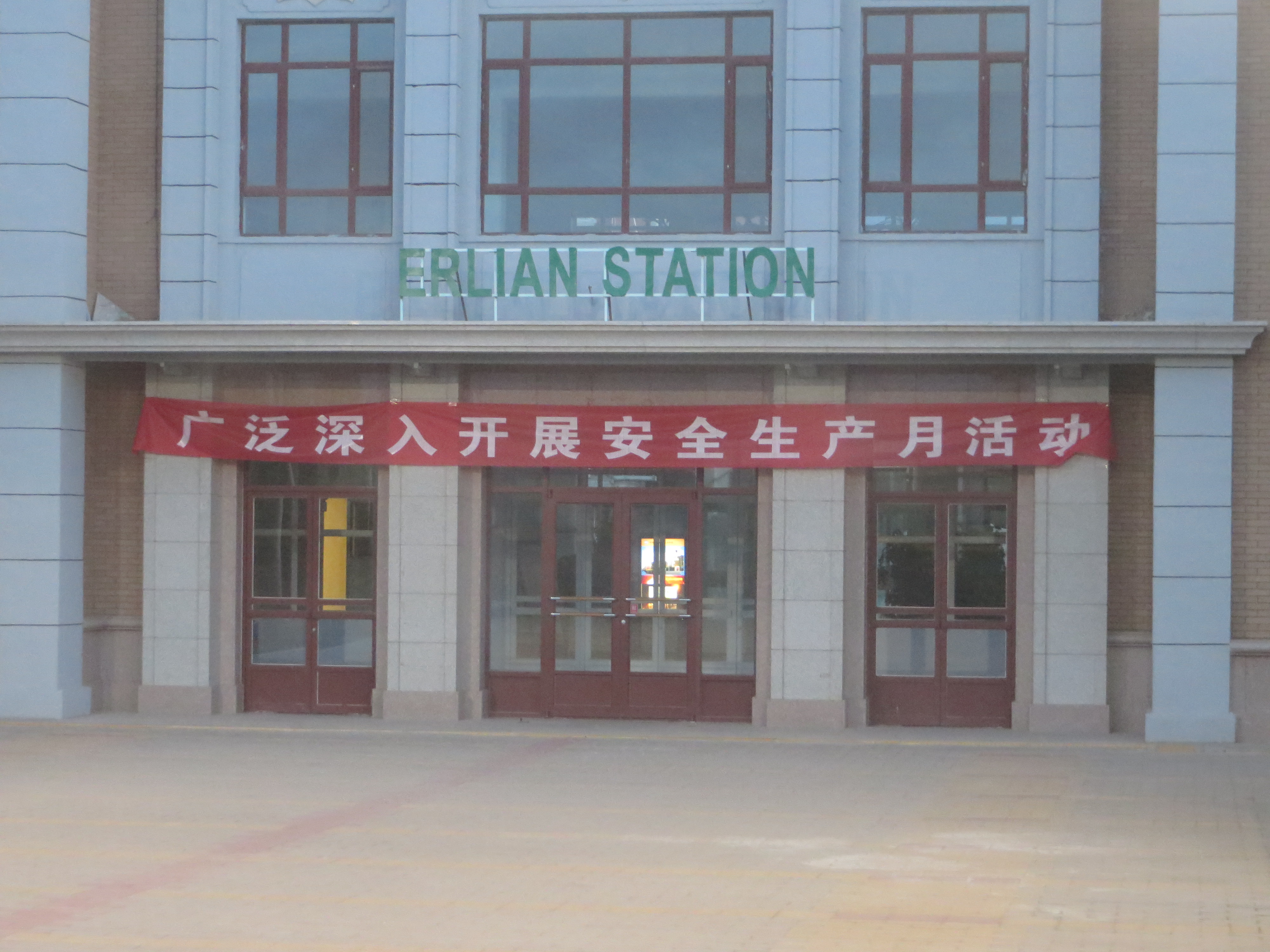
At 8.30 p.m. the train shuddered and finally stopped at Erlian station.
Along the edge of the platform were soldiers and police. I noticed that many passengers had got off and were breathing the air, having a smoke or just stretching their legs. I said to John, ‘Let’s go, let’s see what going on.’ Well, we got off, and imagine our horror – we weren’t allowed back on. There was no communication, just: ‘You! Go there!’ and we were all herded into the Arrivals Hall.
All through our trip in China we had been so careful, storing our phones and documents safely. Now we had abandoned them in our carriage and there was no way of getting back!
Finally a fierce looking woman said, ‘Train go at 12 o’ clock – change wheels.’ So for the next three and half hours we were stuck while our train chugged away from the station to get its ‘Russian wheels’ put on, to fit the gauge of the Russian tracks.
It was so bizarre. We had the run of the Immigration and waiting areas; groups of Argentinian and Australian football fans going to Russia for the World Cup had found a very wily entrepreneur at a window selling pot noodles and beer. John decided to have a go. He stood up on a bench and leant out of the window and haggled for beer, Coke and crisps. The man had a wad of notes and was selling madly. Here we were, at the last station in China – all dignity gone!
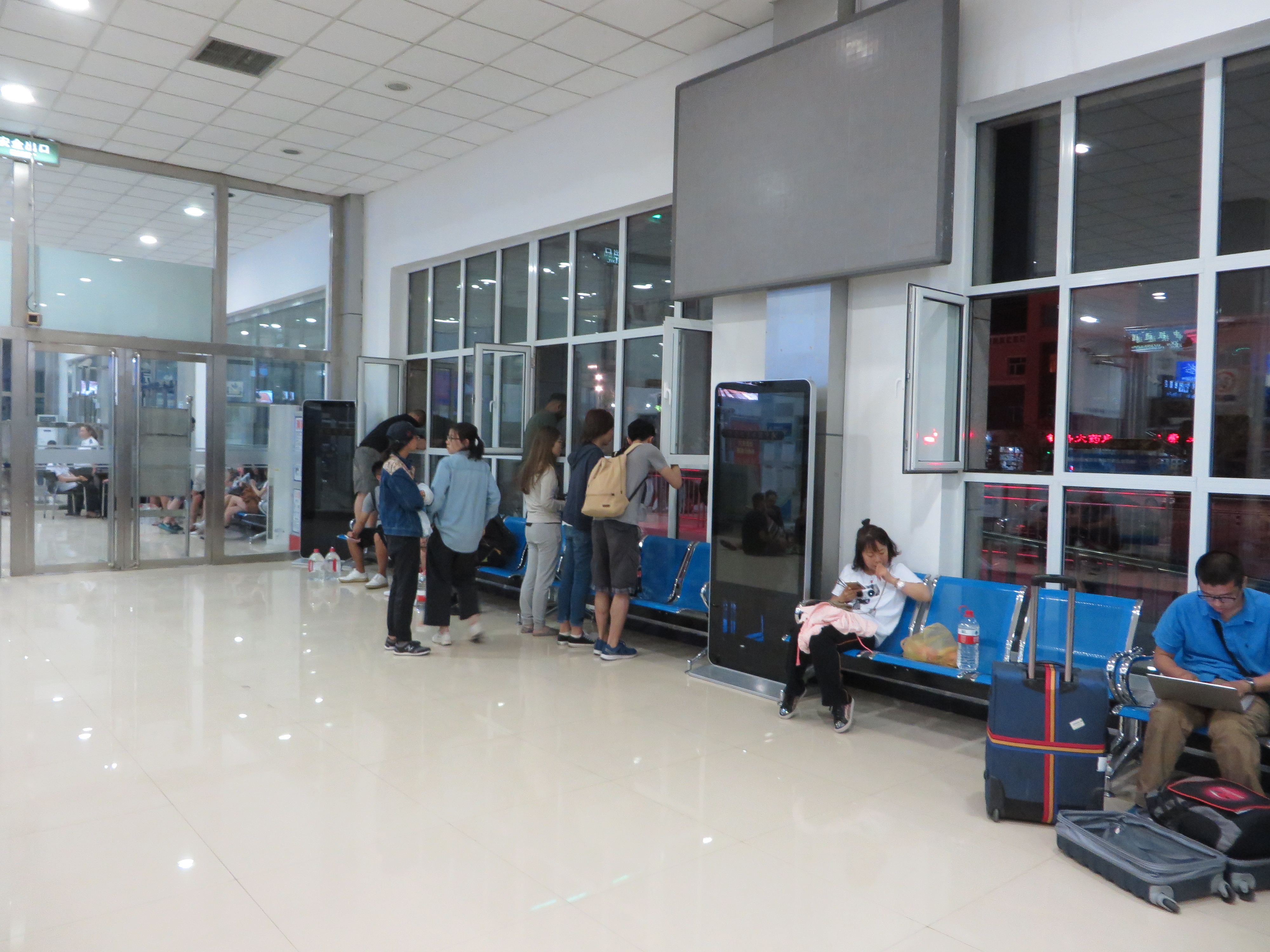
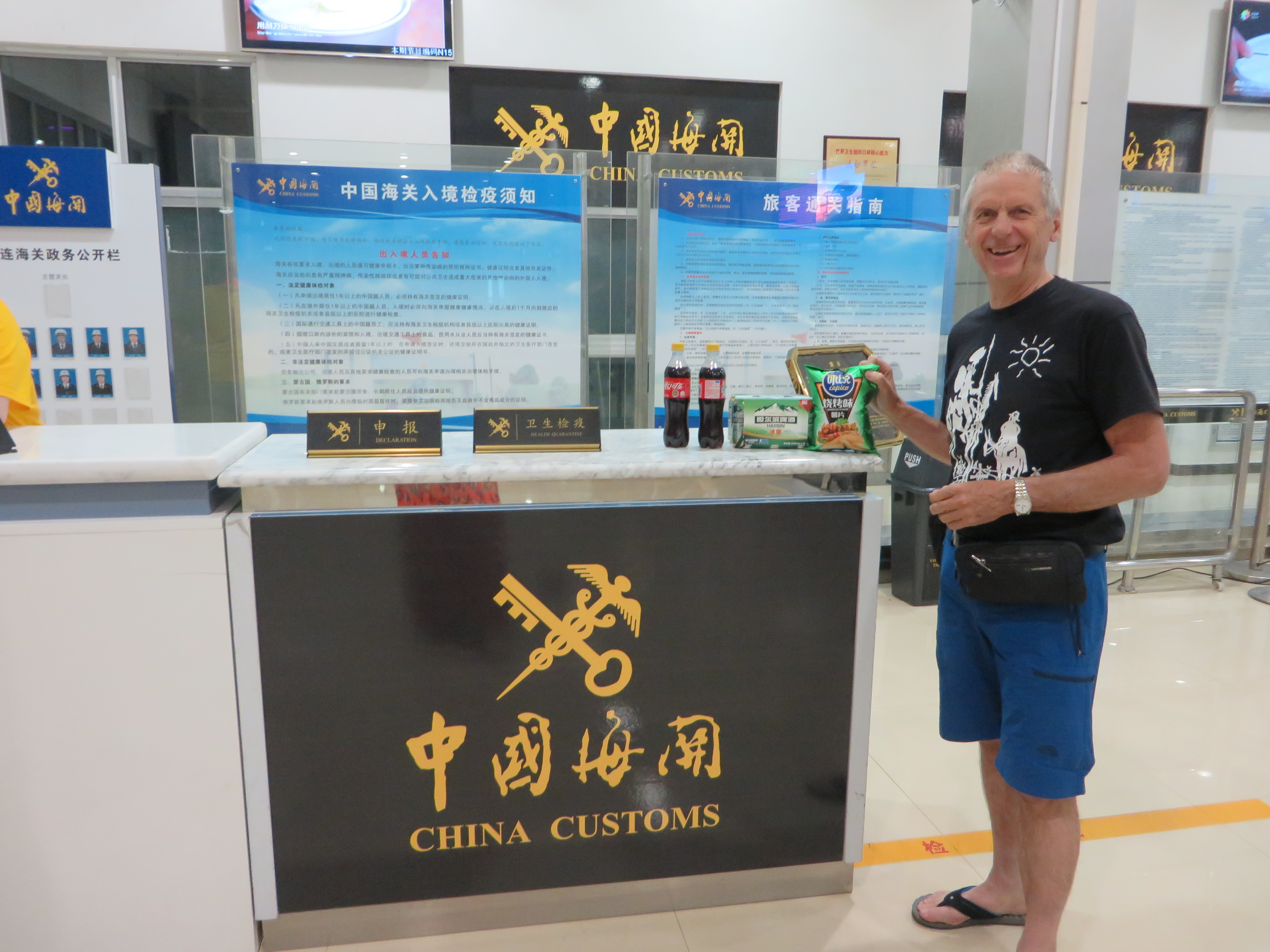
Then we drank our drinks leaning on the official counters, normally treated with so much trepidation and respect, as though we were in the local pub. It was so bizarre.
The wait went on and on. When we were finally reunited with our compartment and our ‘things’, we found everything all safe and sound. The Chinese immigration and customs officers came on board and checked our passports, and then the train crossed the border and stopped. The Mongolian officials then boarded and we went through the whole process again. It was a long train with a lot of people on board, so they had a lot of passports to check. We finally were left in peace at 3 a.m. The fierce looking ‘uniforms’ left, and we could sleep.
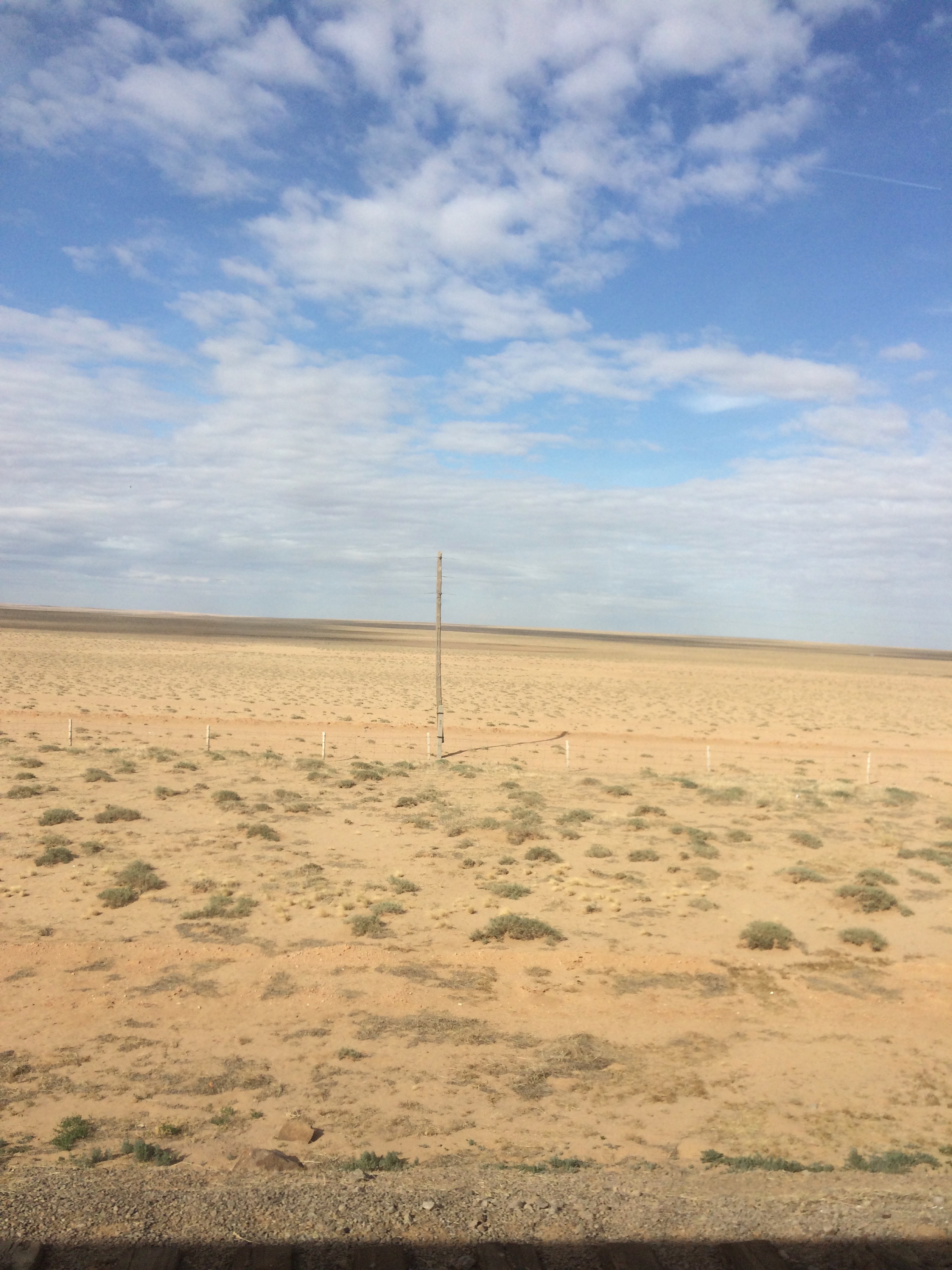
We awoke to the Gobi Desert. When I lifted the blind, my first view was of a camel, then a herd of wild horses.

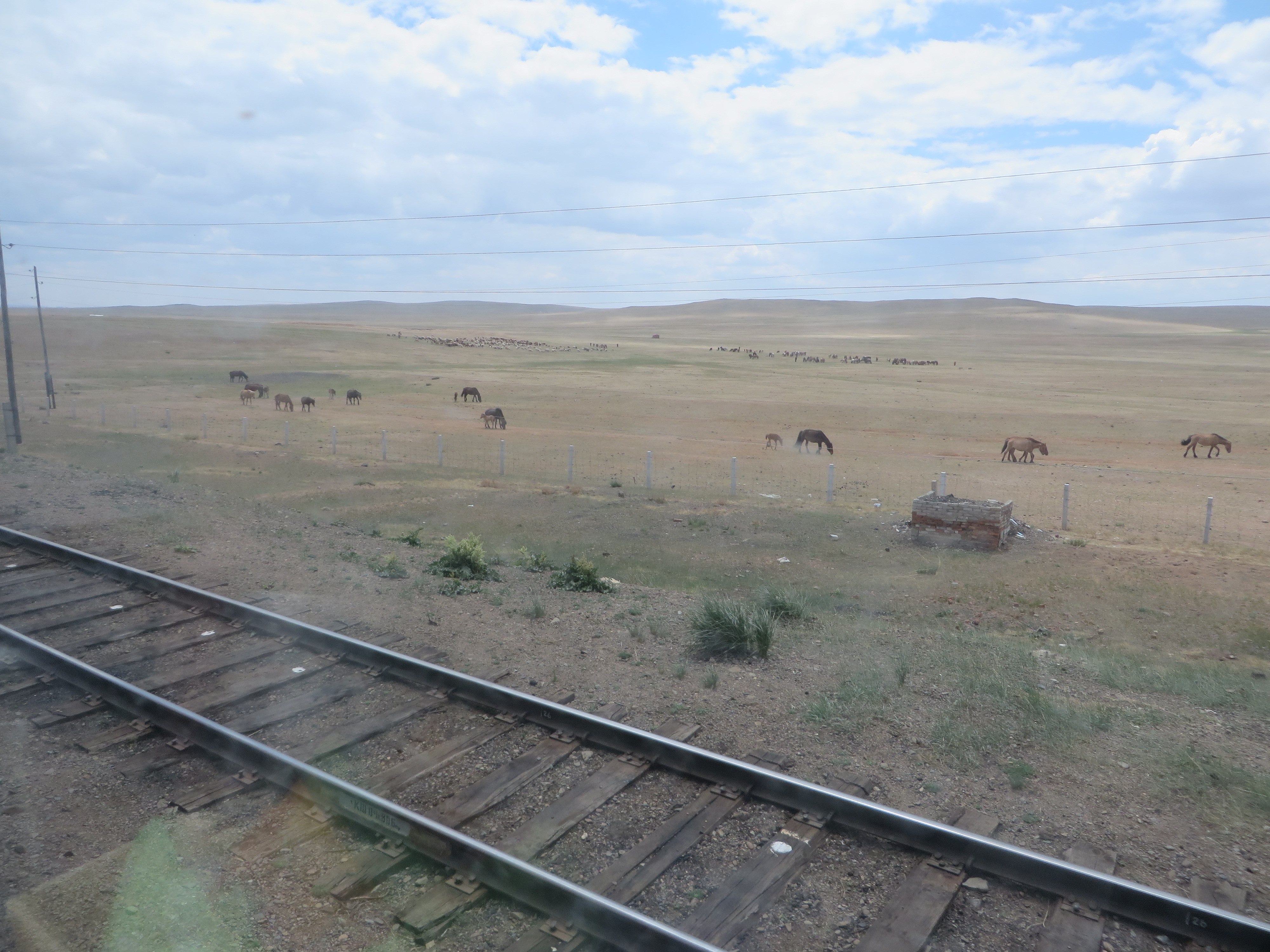
Deer the same pale yellow as the sand huddled in groups. A couple of cows looked lost. There were bleached bones and skulls lying on the sand. I was enthralled when the train passed a herd of deer on the run from some predator and there suddenly, framed by the window, I saw a desert fox. Its tail was brushed up. It stopped frozen and turned. I couldn’t believe my eyes.
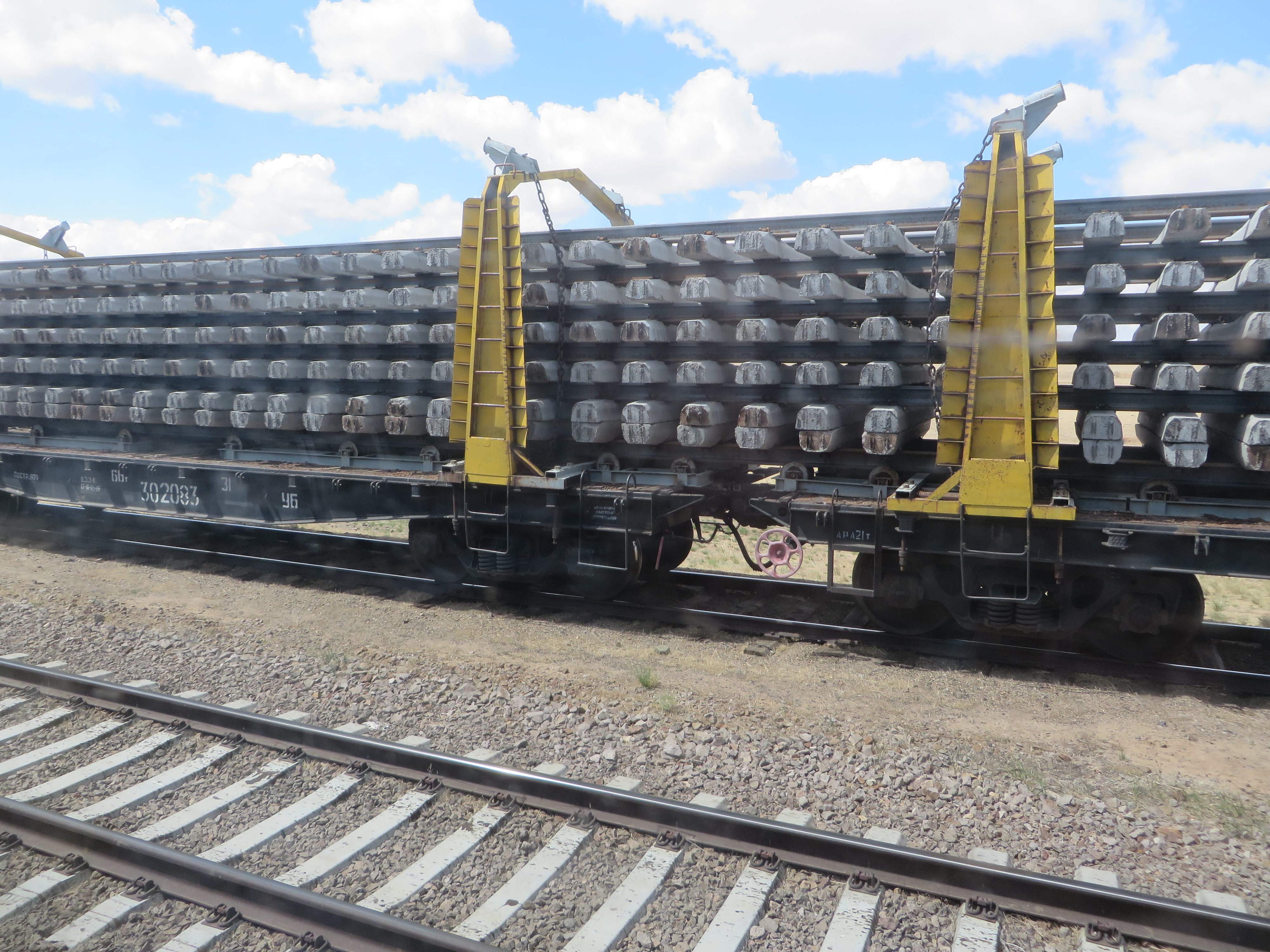
The desert went on and on. The dune-shaped hills were covered with dust and sometimes yellow grasses. Black goats gathered on pale washed-out green. Sheep, cattle, foals, calves, horses, deer, camels and yurts, or gers as they are called in Mongolia, whizzed by. We passed long snaky trains going or coming from Ukraine laden down with concrete railway sleepers.

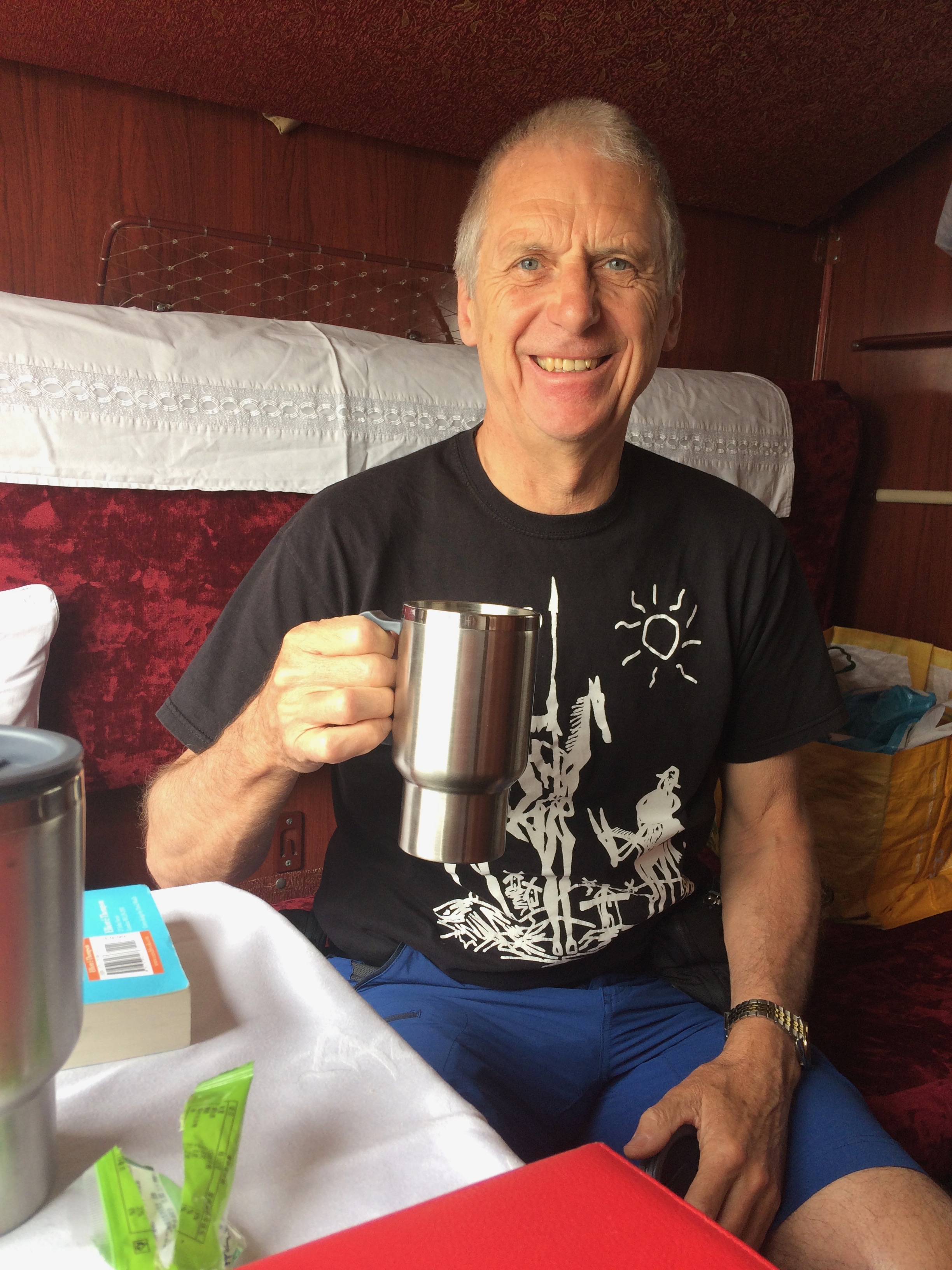
We ate oranges and bread and jam and drank coffee.
I dipped back into the Golden Lotus. The story continues with my hero’s continual seduction of the various concubines and women in his town. He has just summoned four singers to take their instruments and sing the 28 verses from the song, ‘Ten bolts of brocade’. Fascinating title, made me sleepy just reading about it. Jin Lian’s tongue hasn’t improved, it is as waspish as ever: ‘You shall see if I don’t tell Ximen to treat you like a mouldy sheep’s head’.
By coincidence, I look up and a dead sheep is lying by the fence, its belly is swollen, a victim of a fox or bird or thirst?
And finally, we arrive in Ulan Bataar.

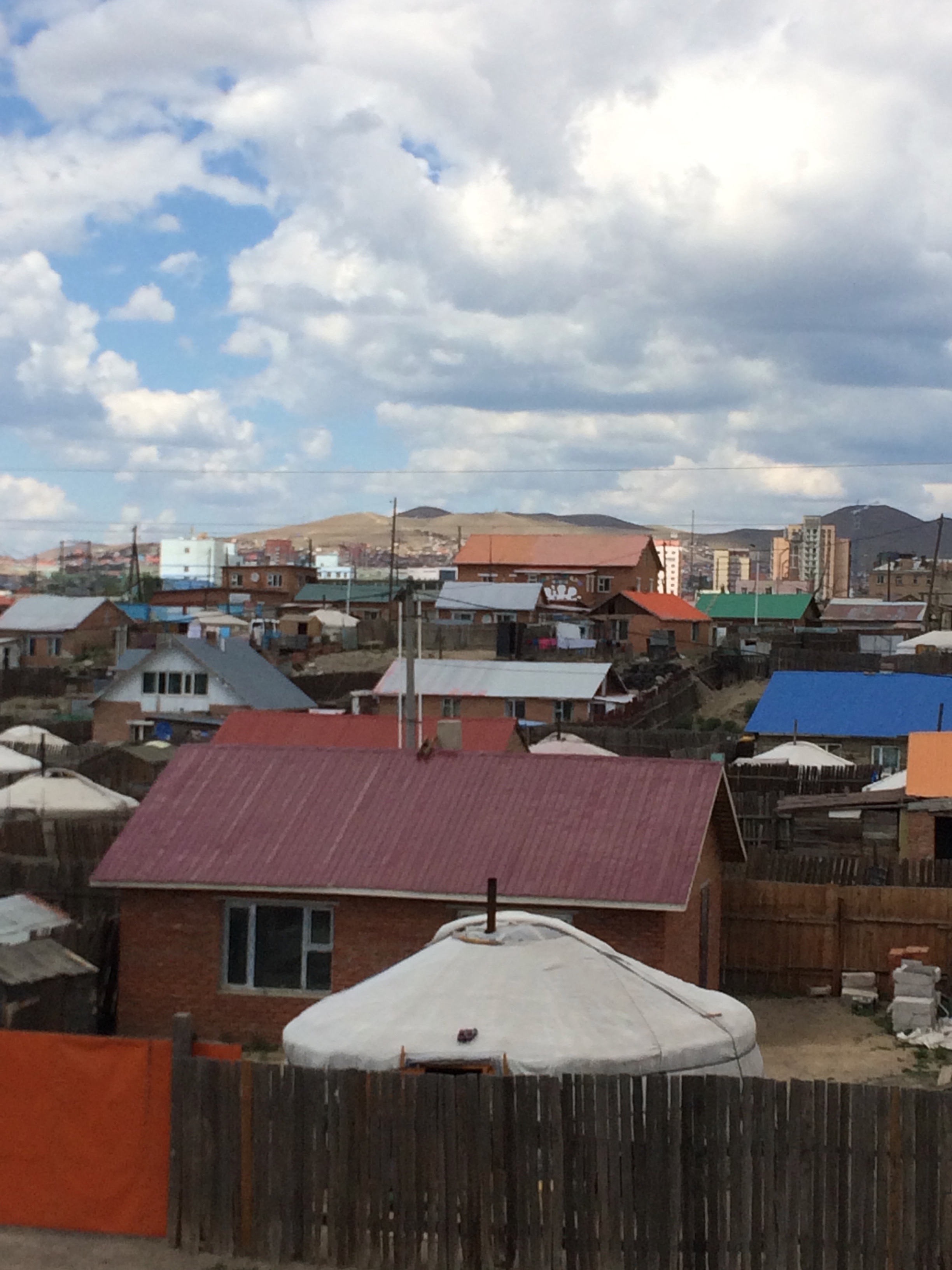

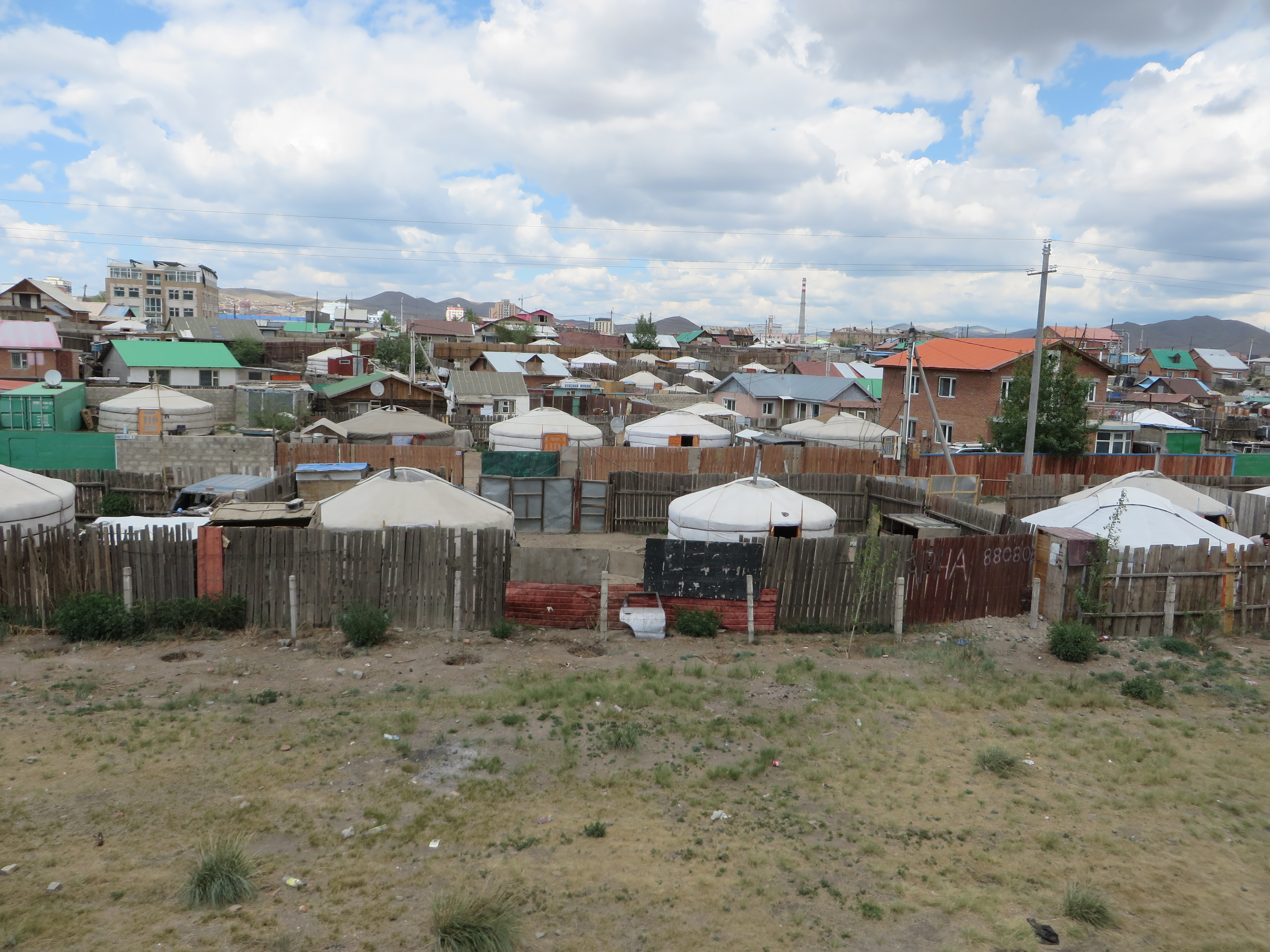
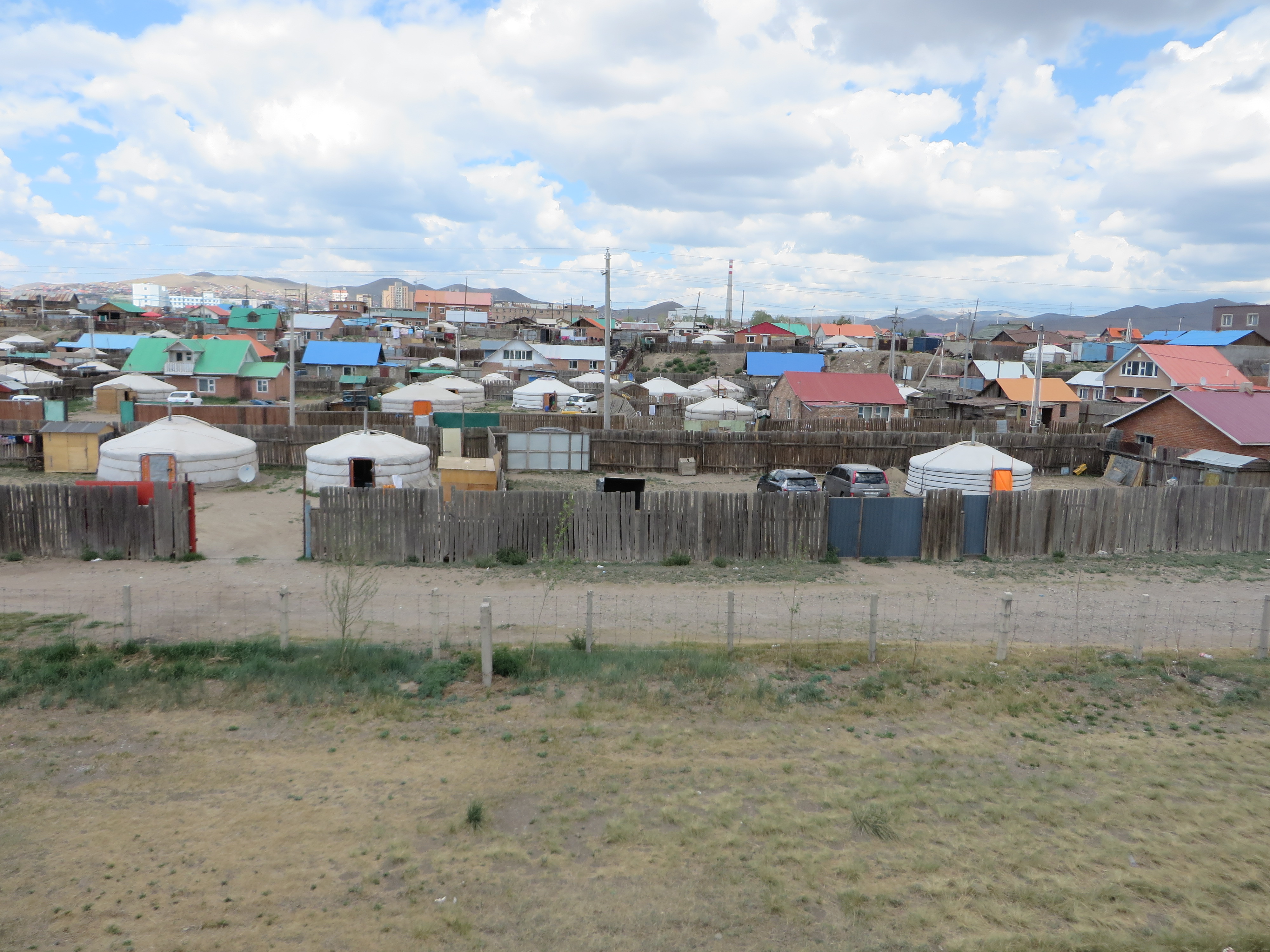
As the train approaches we see a city of contrasts, the traditional gers intermingled with modern houses sporting colourful roofs of cherry red, malachite green and searing orange. Today it is balmy, hot and sticky; I see children playing by the tracks, and cats sleeping on dusty steps.

Suddenly we are on the platform, milling with passengers joining and passengers leaving. And there are our names on a board, and a happy smiling girl approaches. ‘I am Dashka, I am your guide and here is our driver.’ A silent, gentle man with soft brown eyes took my case and we dutifully followed ‘Little Miss Enthusiastic’.
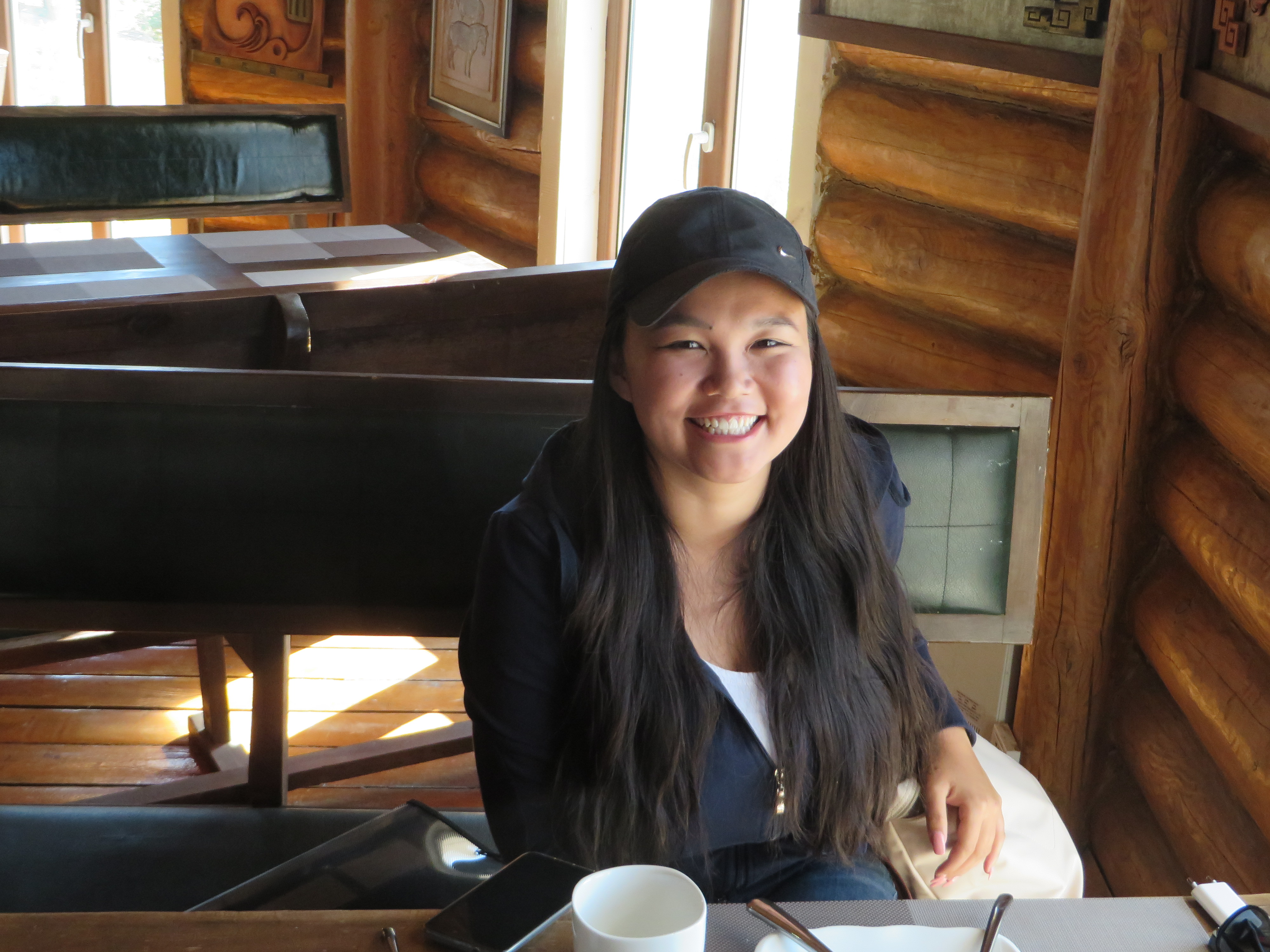
‘You are my first tourist, I only started this job but my English is perfect. I have been a nanny in Switzerland for five years!’
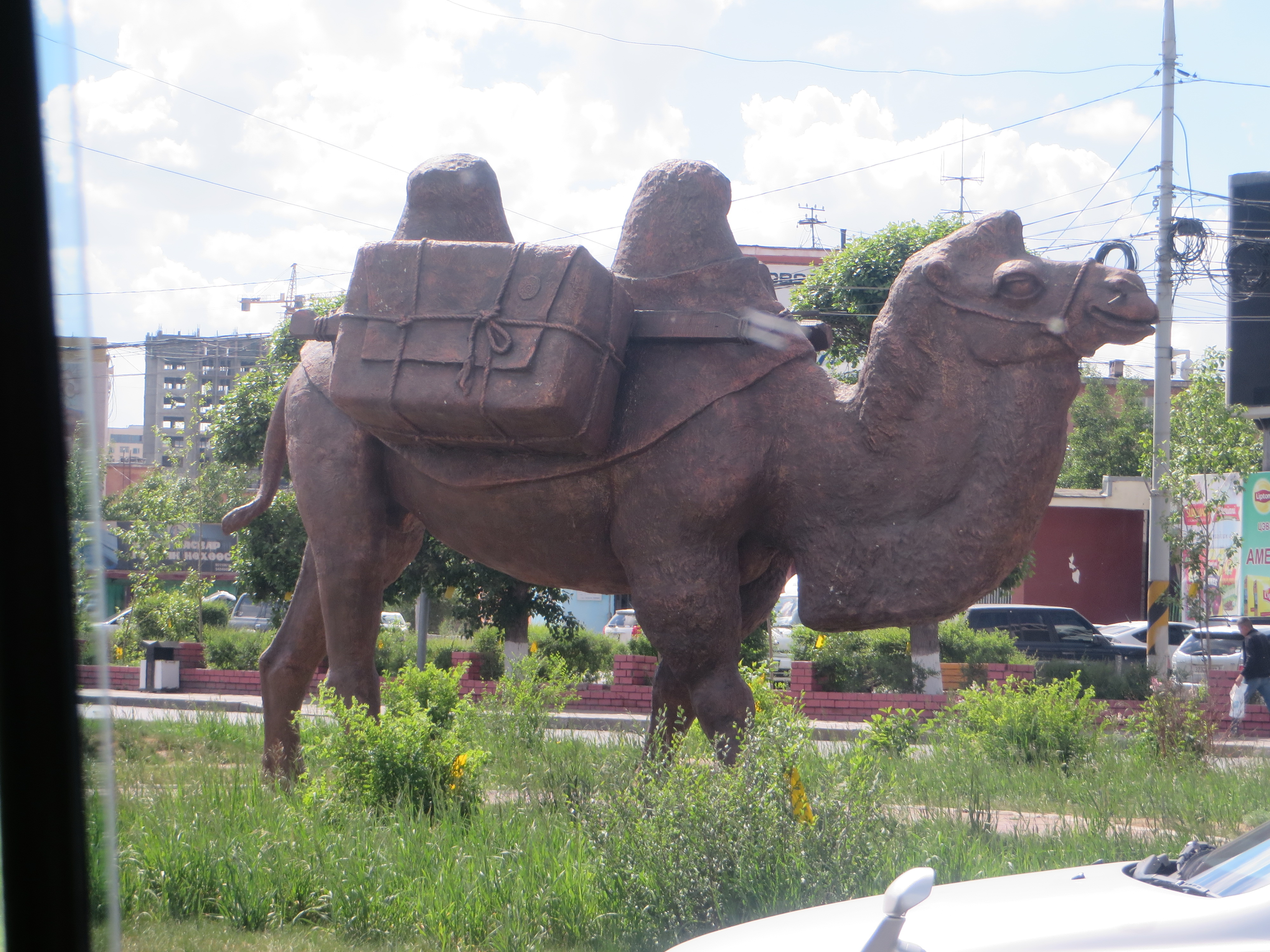
Driving through the city we saw high rises, posh hotels, and always the colourful roofs. I wondered where I might have worked if I had got the job with Save the Children back in 2001 and not gone to Vietnam. I did see gers and kindergartens – Who knows?
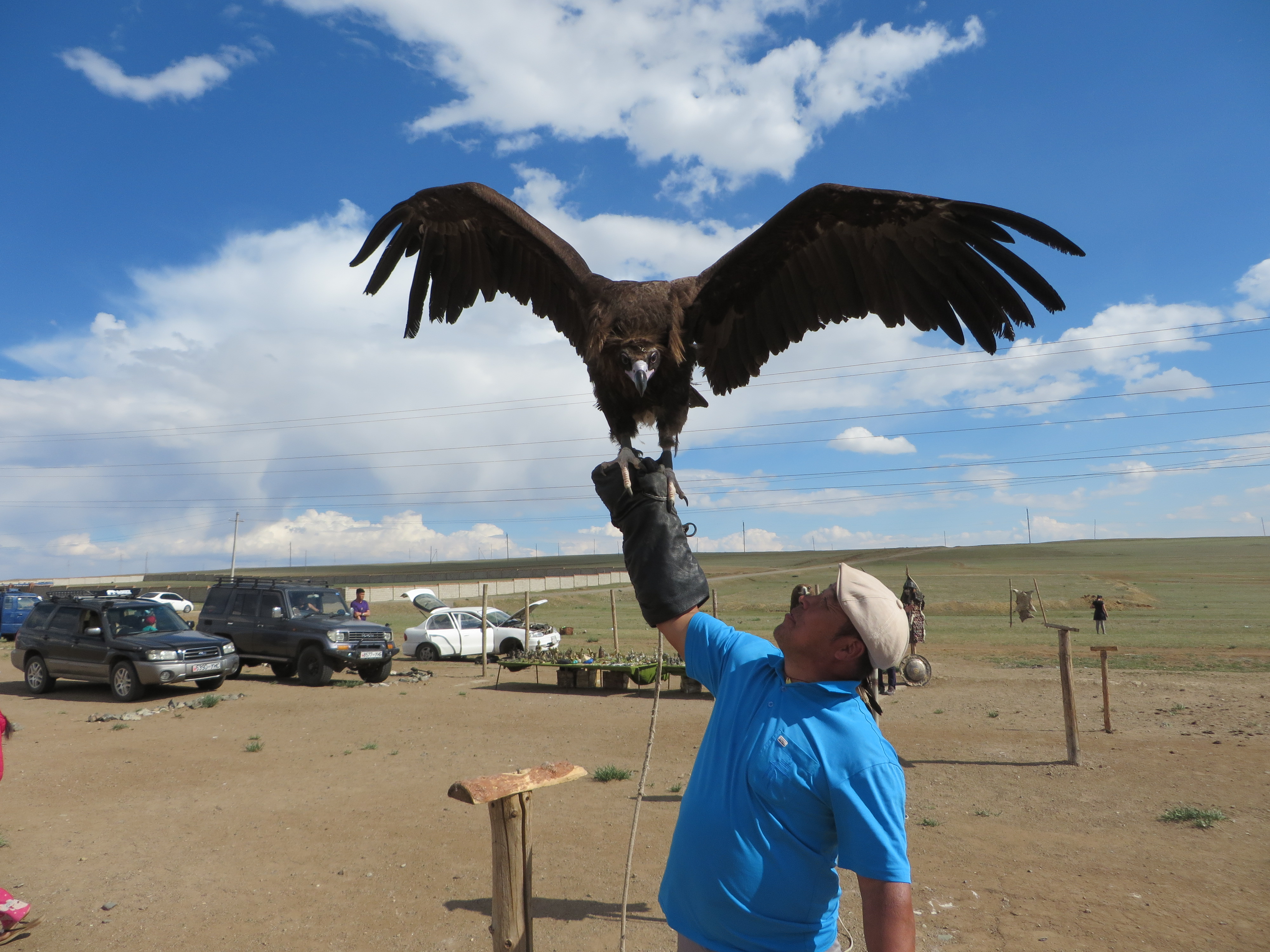
Dashka took us to meet a golden eagle and a vulture, tethered to posts, and the pride and joy of their happy smiling owner. Eyeing the smart new Landcruiser, Dashka snipped, ‘He is very happy, business must be very good, he is making lots of money.’ She swished her plait, ‘I intend to get rich now I am back. There are three things I need to get to be rich in Mongolia, a house, a car and a fur coat.’
Above us a free golden eagle soared. Dashka laughed, ‘He’s shouting down “loser” to these guys that are chained up – Ha Ha!’
John paid to hold the golden eagle. What a wonderful creature, it was just small money and worth every penny for when it spread its wings it was truly magnificent.

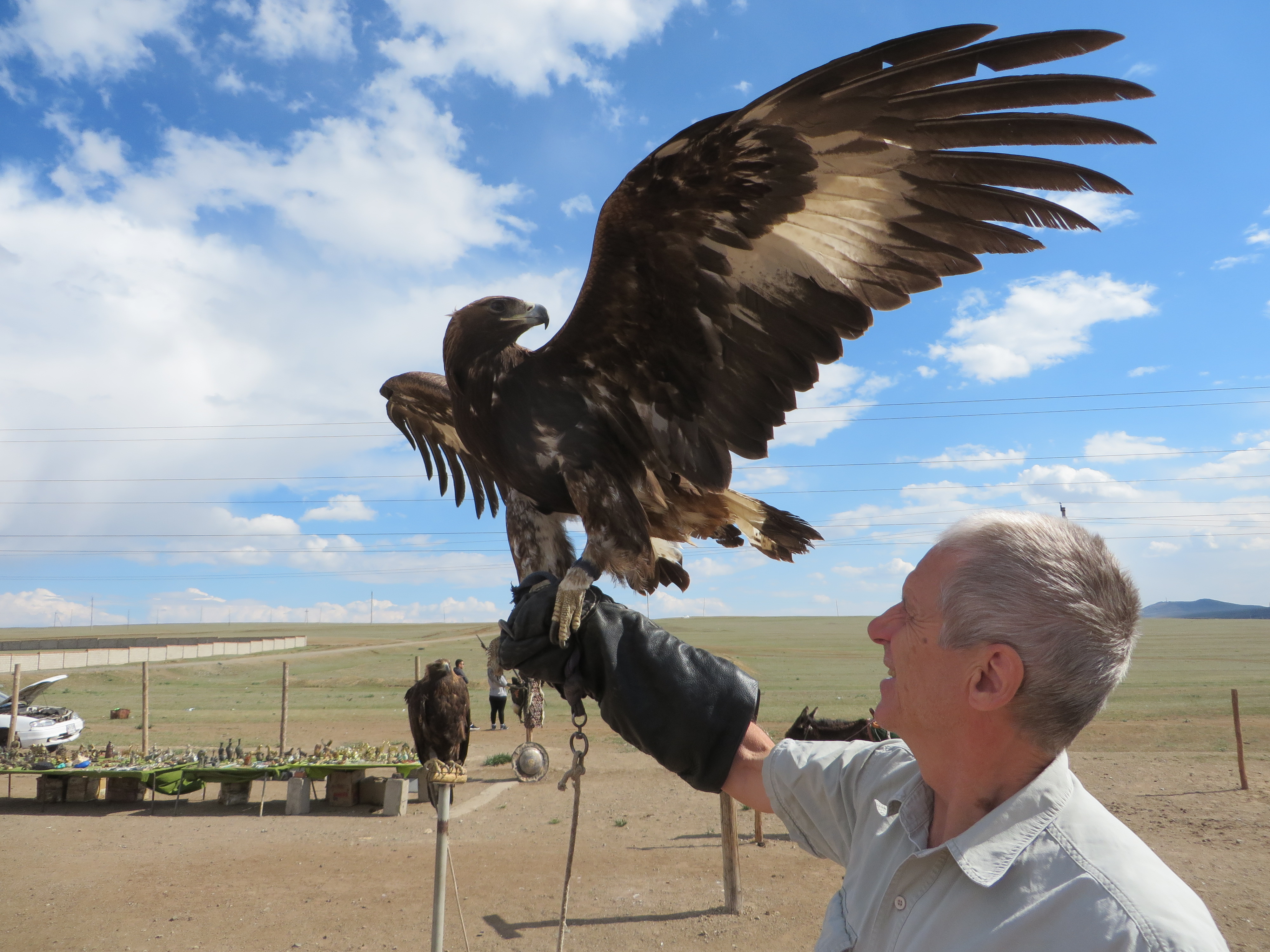

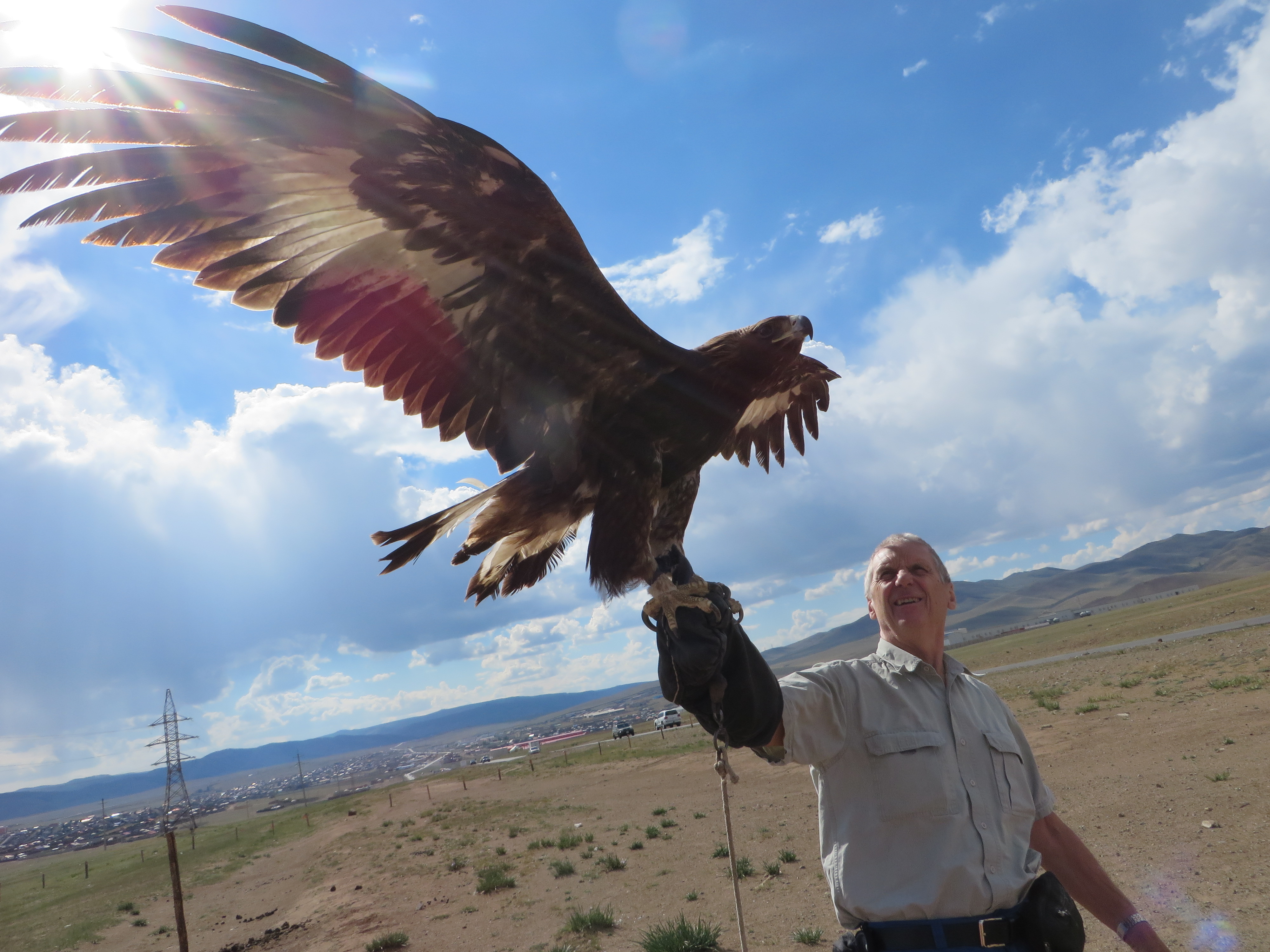
I was horrified when John suggested I do it too.
Gingerly I held out my arm, suitably gloved, and felt the 8kg of bird and looked into its black eye and studied its massive beak. I looked at its sharp talons gripping my arm, the skin dry and leathery. Frankly I was terrified but at the same time exhilarated. Would it be like a horse, can it sense fear? On my tomb stone would it read, ‘Pecked to death by a Golden Eagle?’
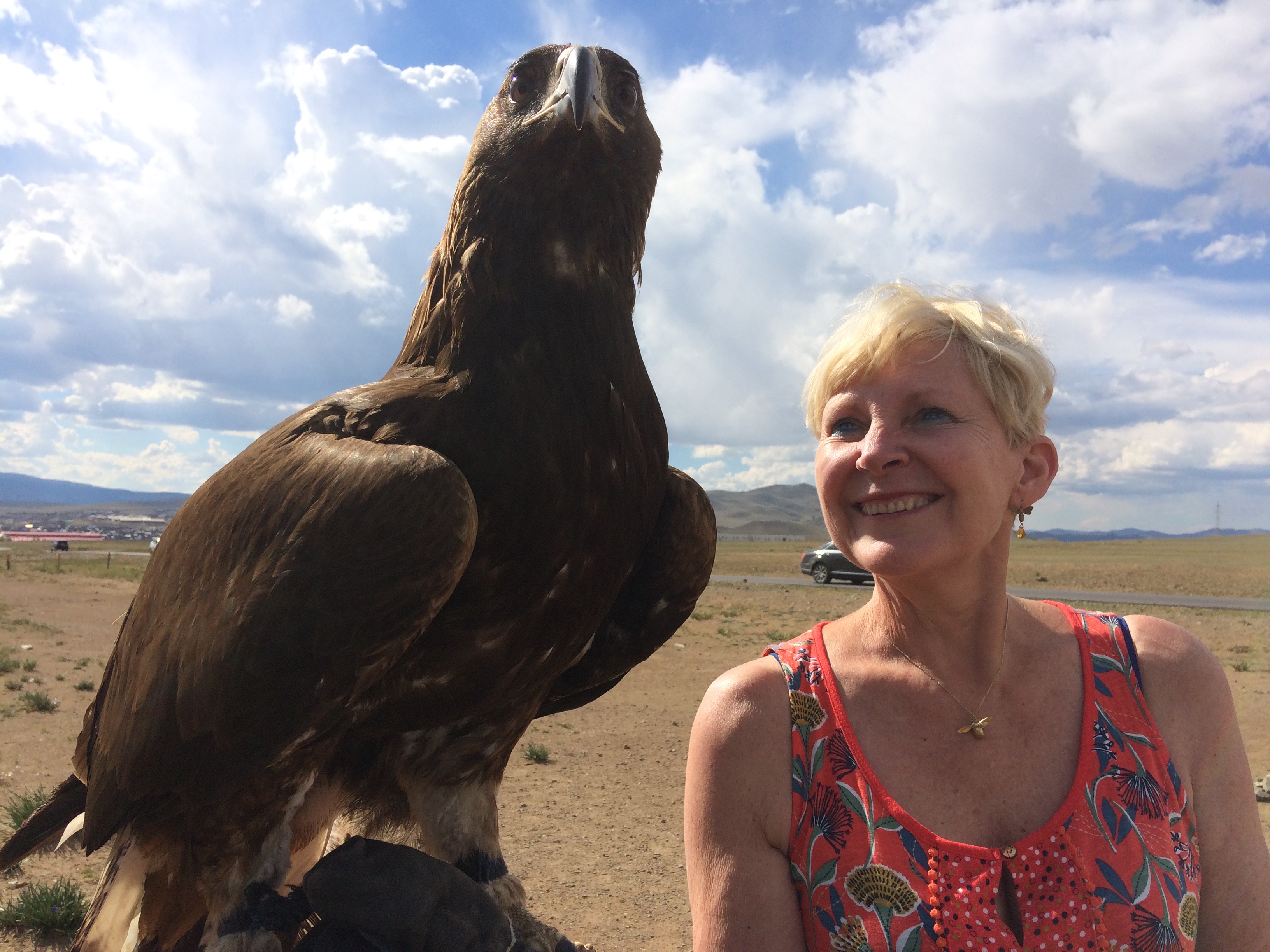
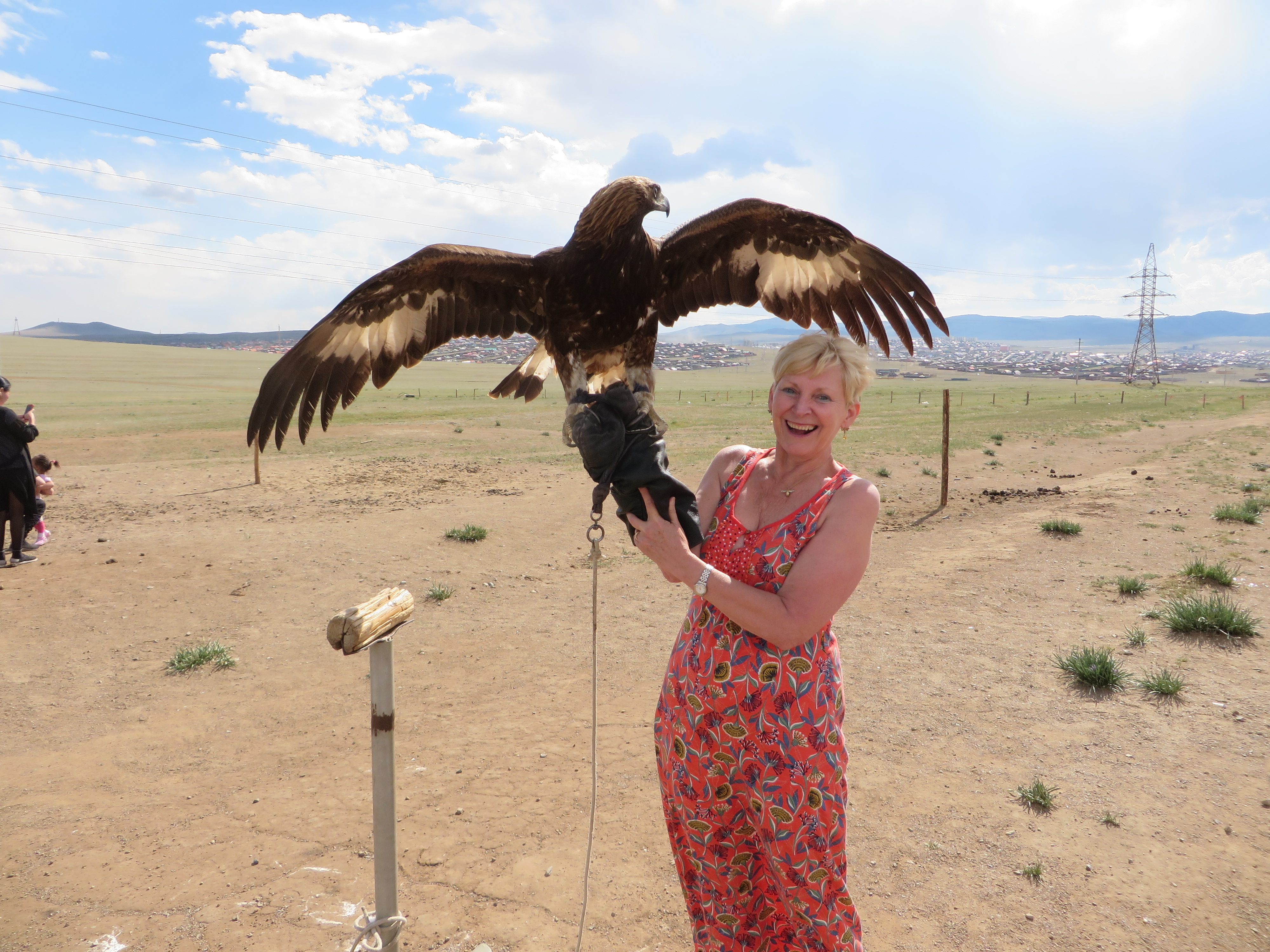
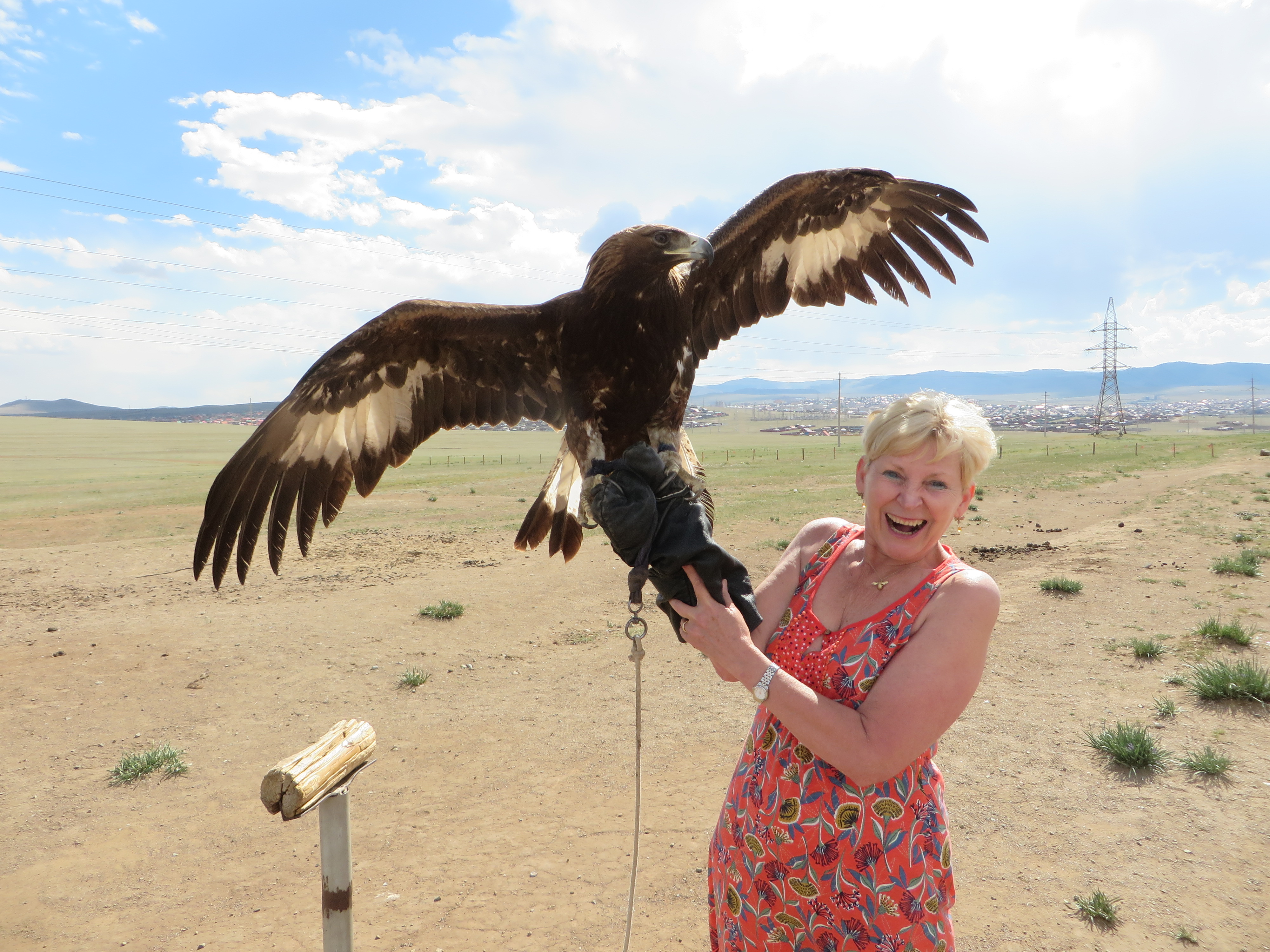
Neither of us held the vulture, it weighed 22kg. His wingspan was enormous. We let the owner perform for us.
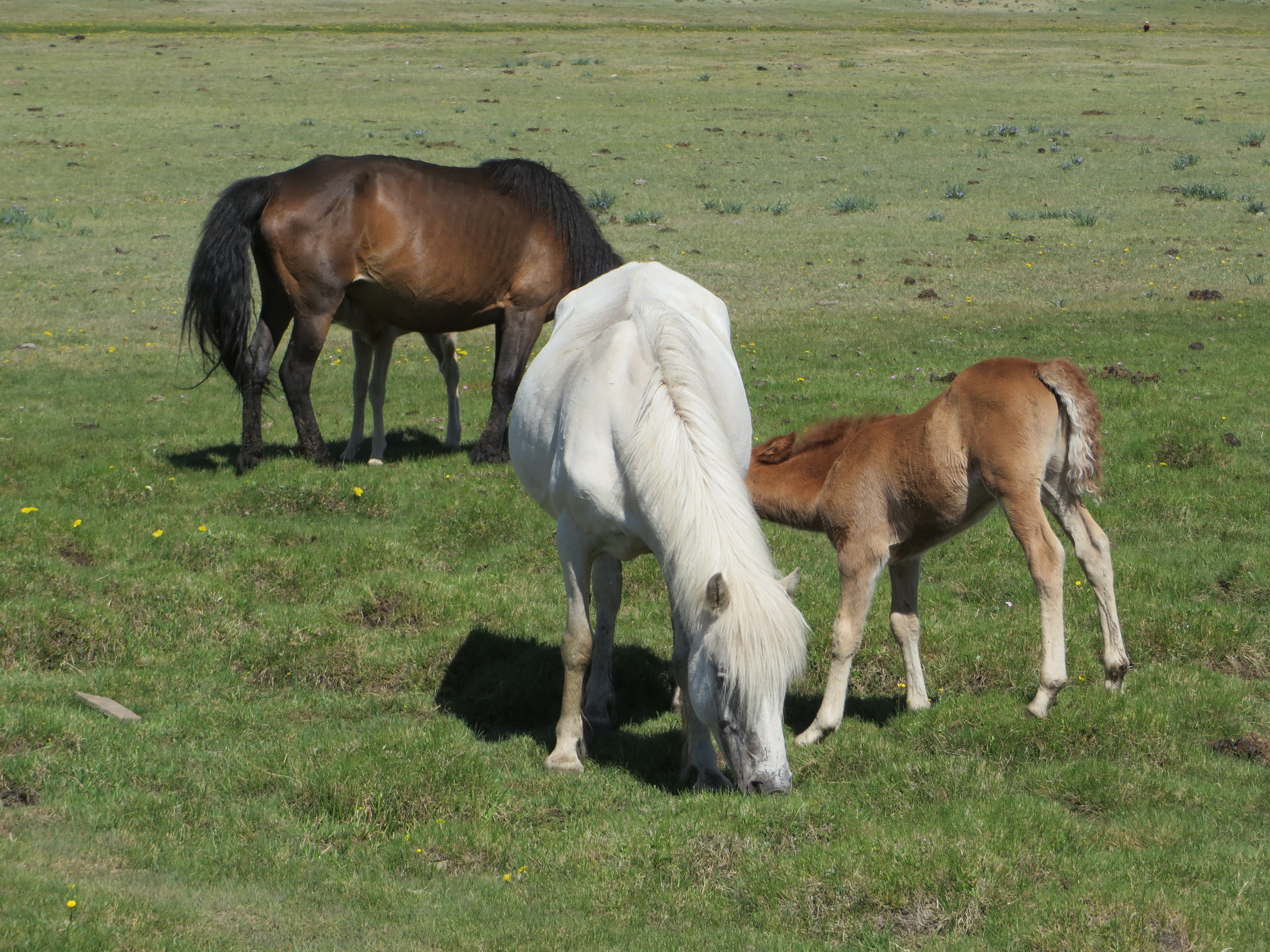
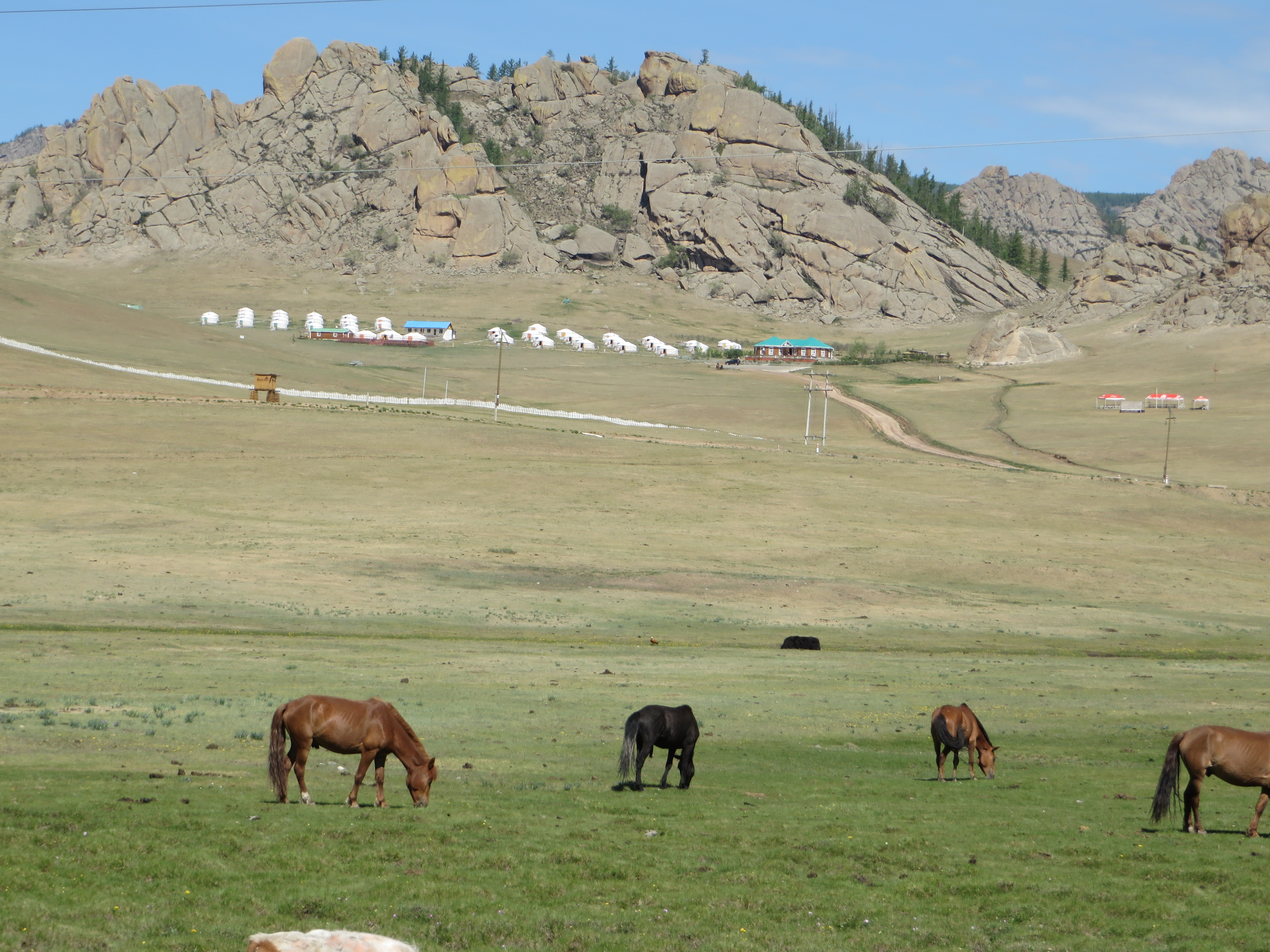
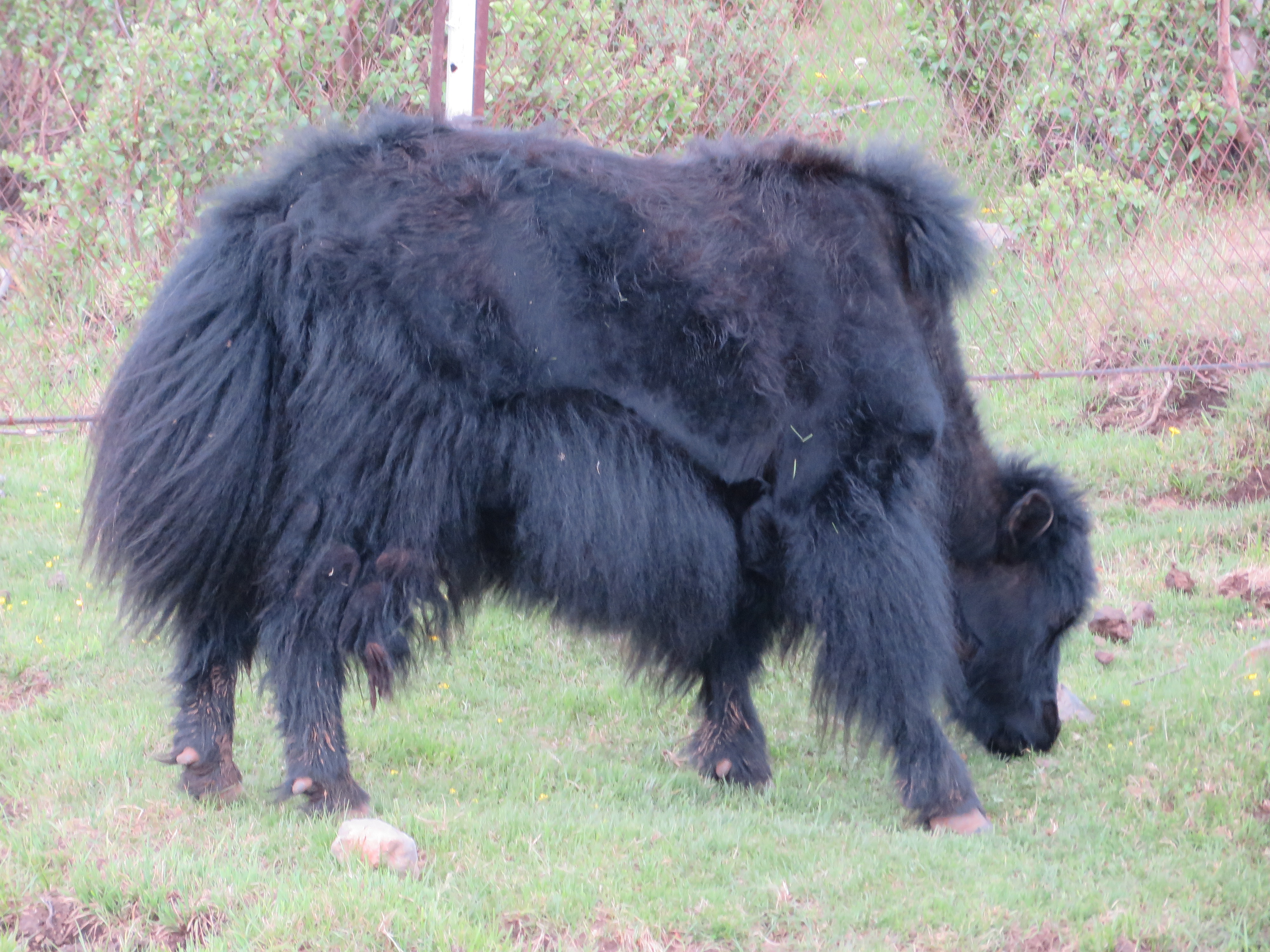
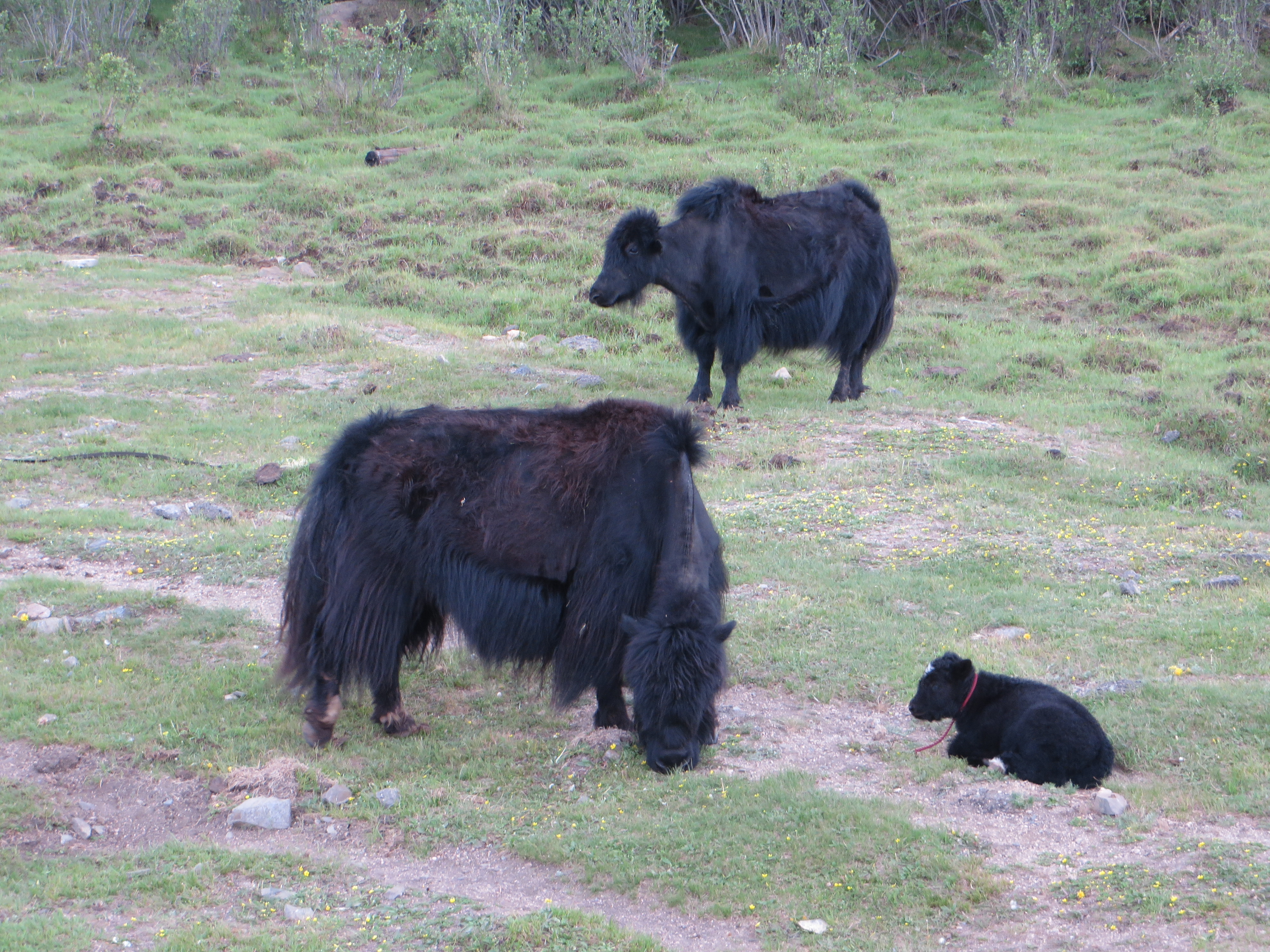
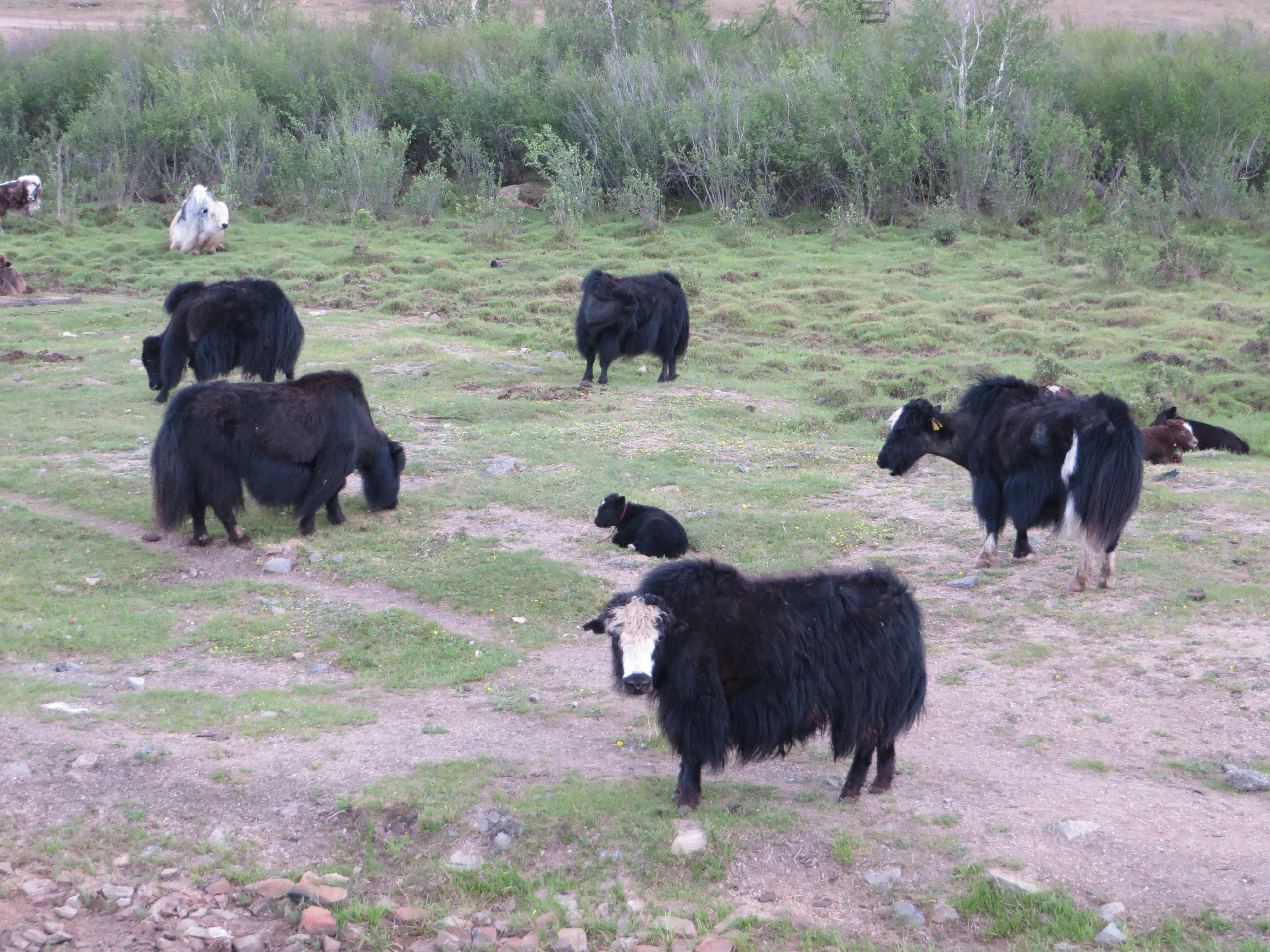
Our driver drove us for three hours, away from the town, and well into the loneliness of the countryside. Only the wide blue sky above and massive rock structures framed the grazing yaks and their babies and the mares and foals. I really thought this might be heaven.

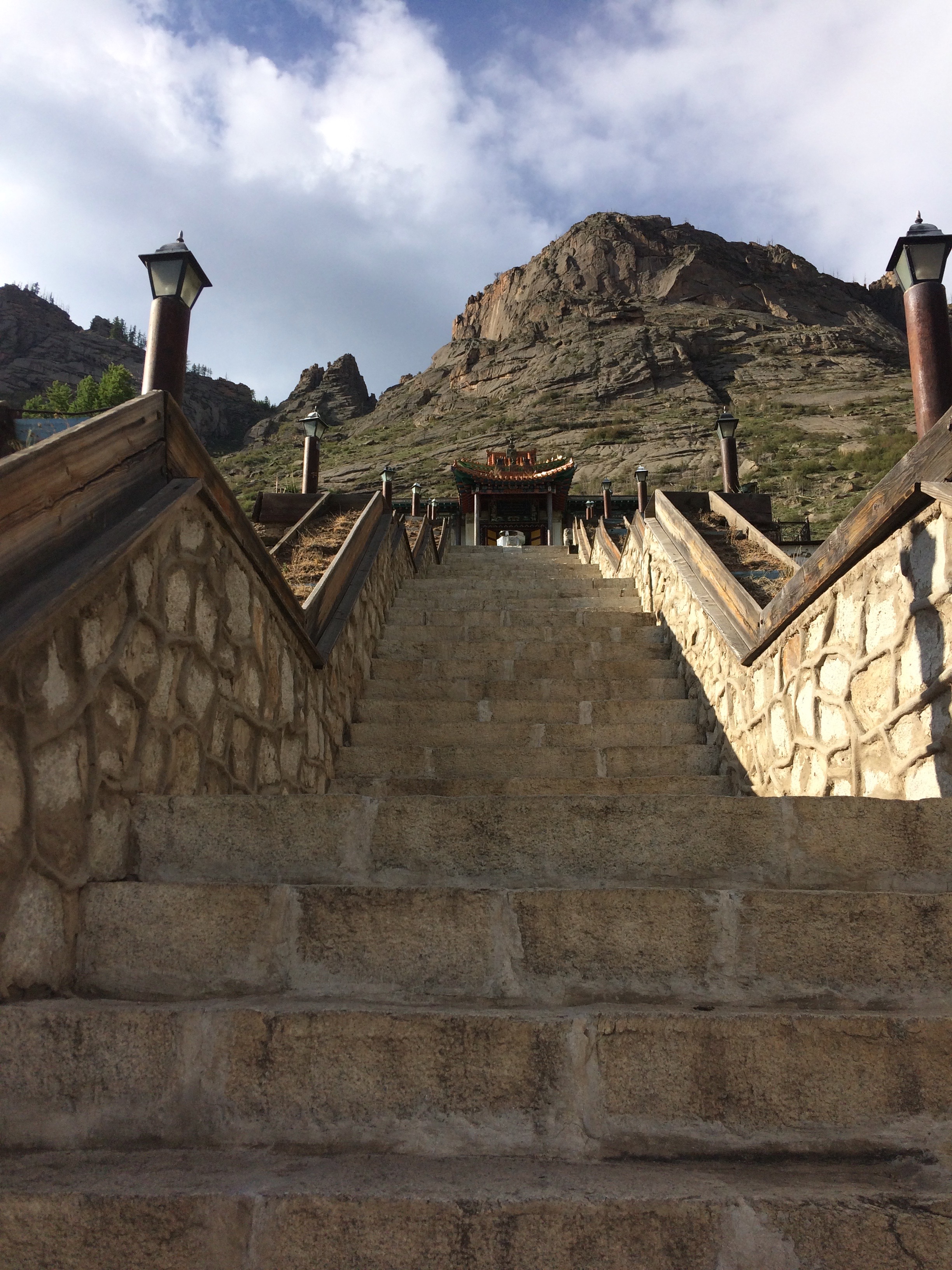
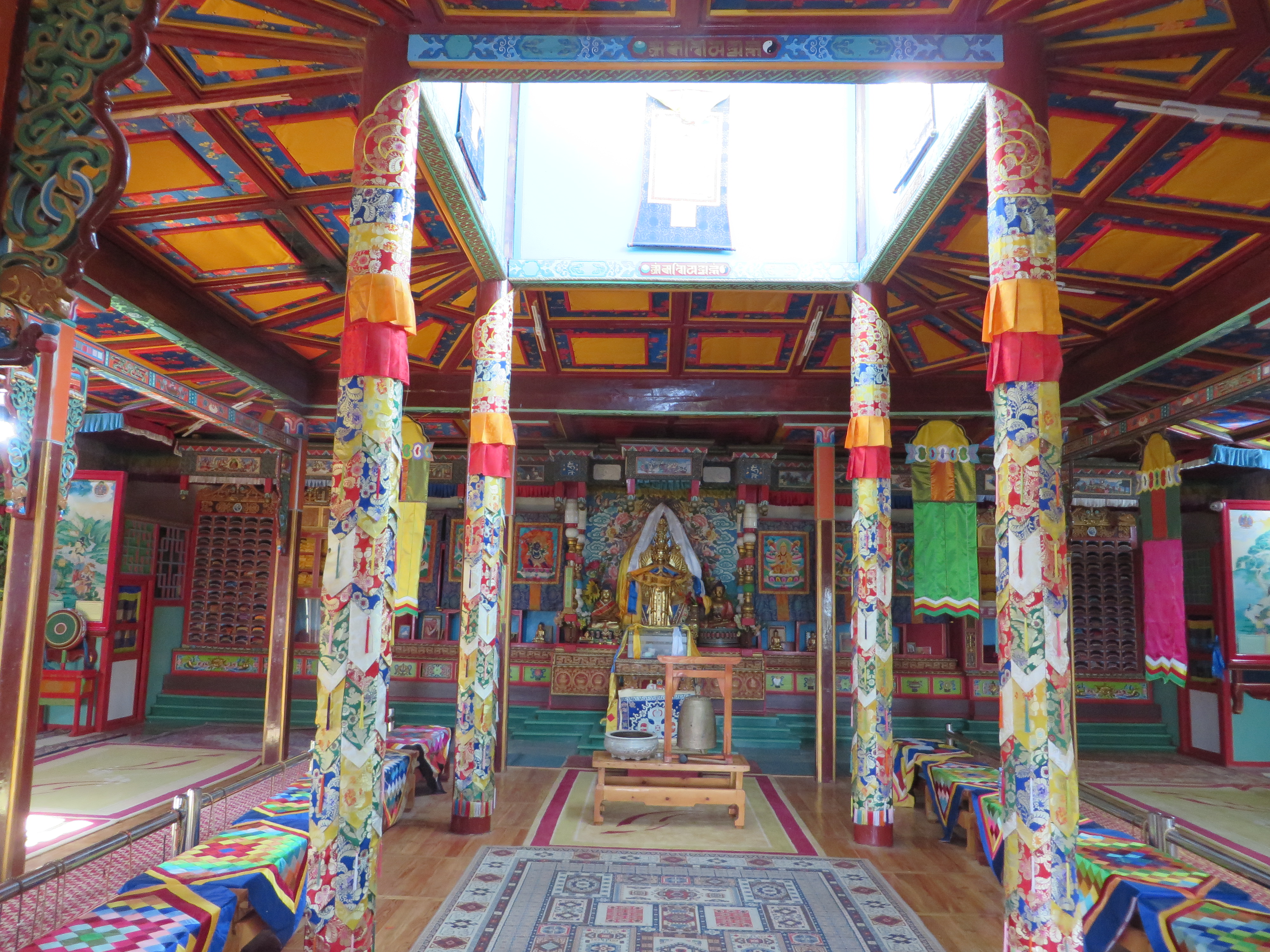
We climbed 184 steps up to a Tibetan Buddhist temple and smelled the freshness of pine and saw strange squirrel/chipmunk creatures and listened to the silence.



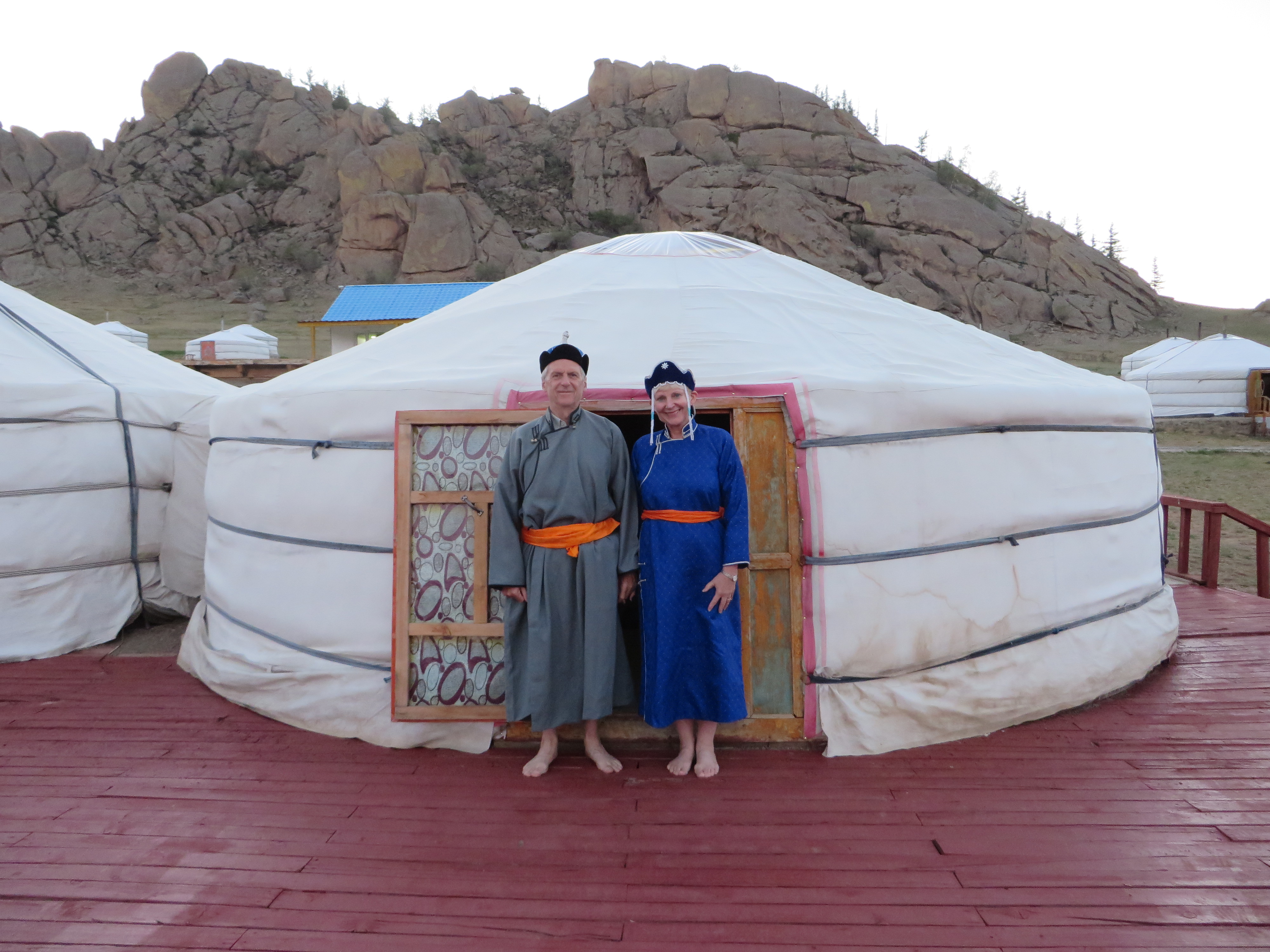
Our ger camp was beautiful, perched alone on a hillside.
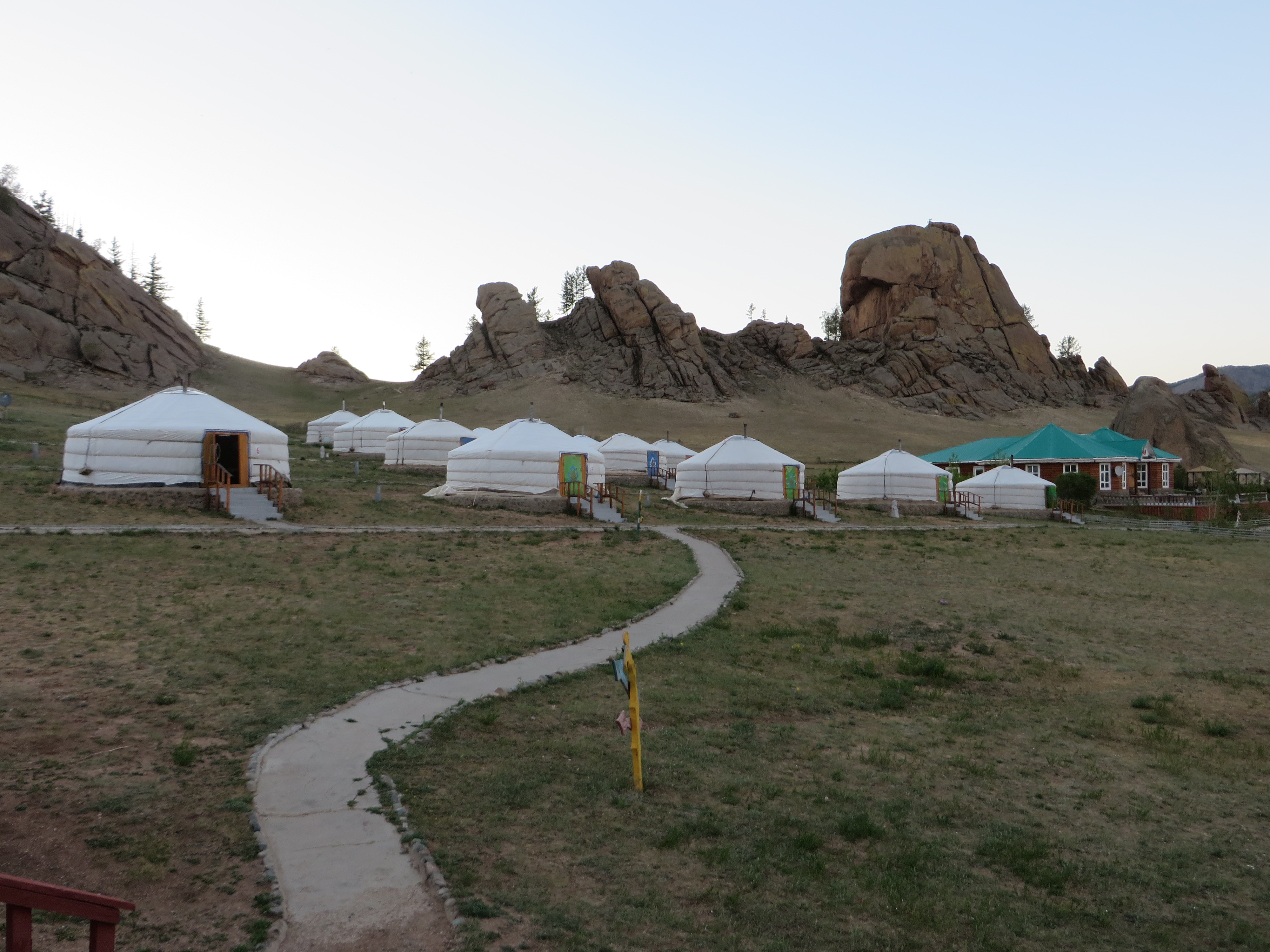
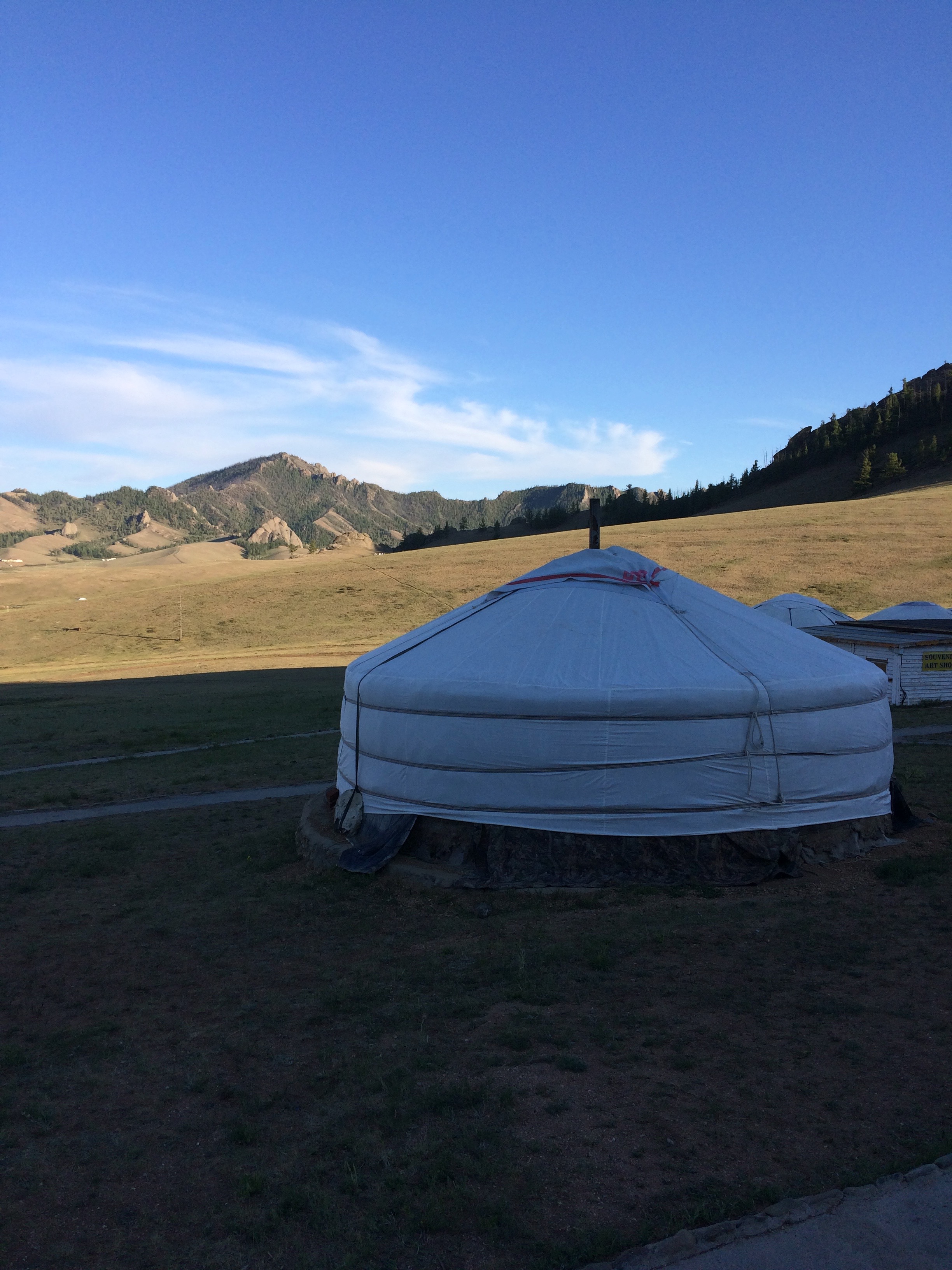

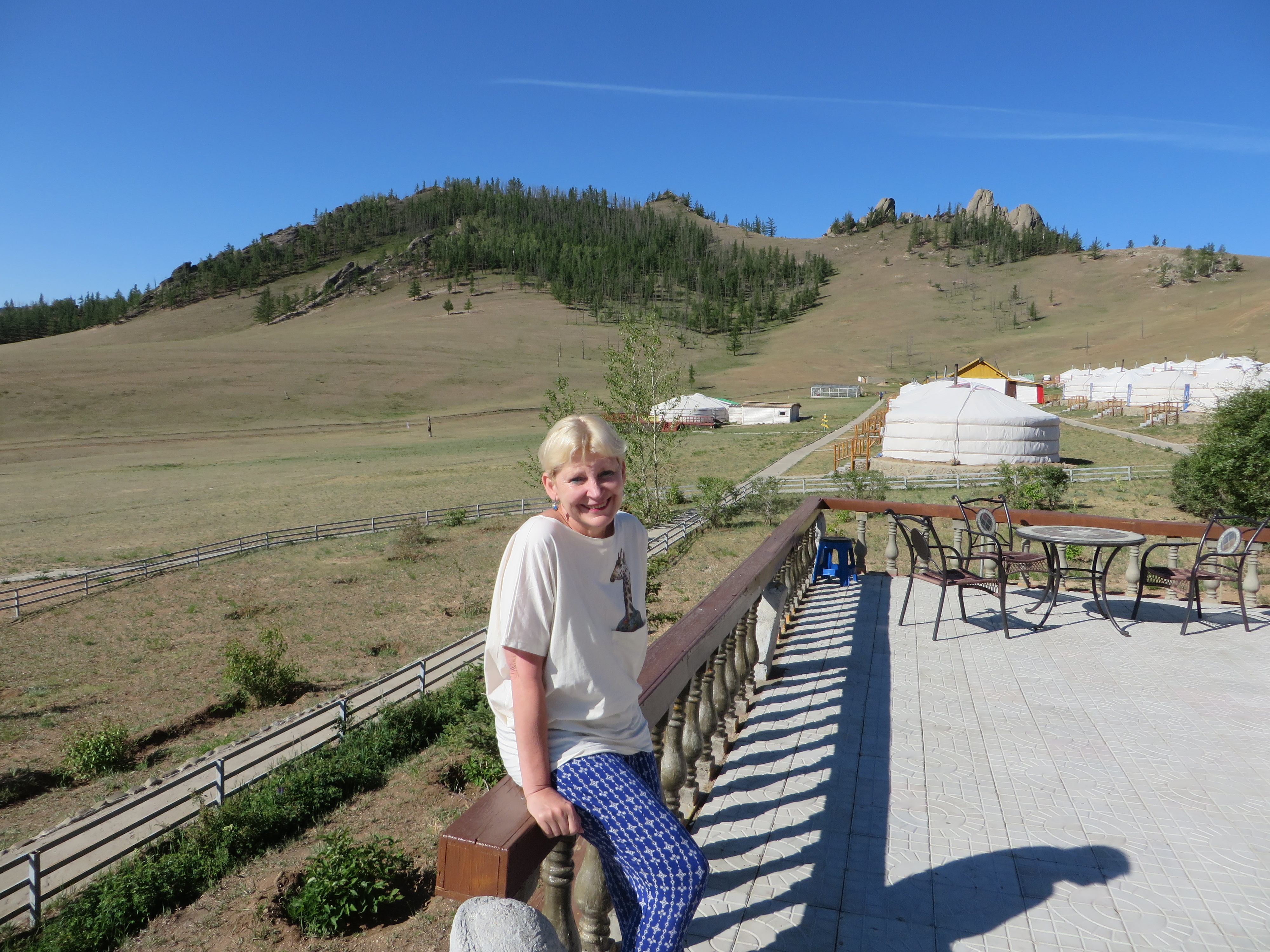
As night drew in the cuckoo sang and sang and Dashka decided we should go and play games and dress up.
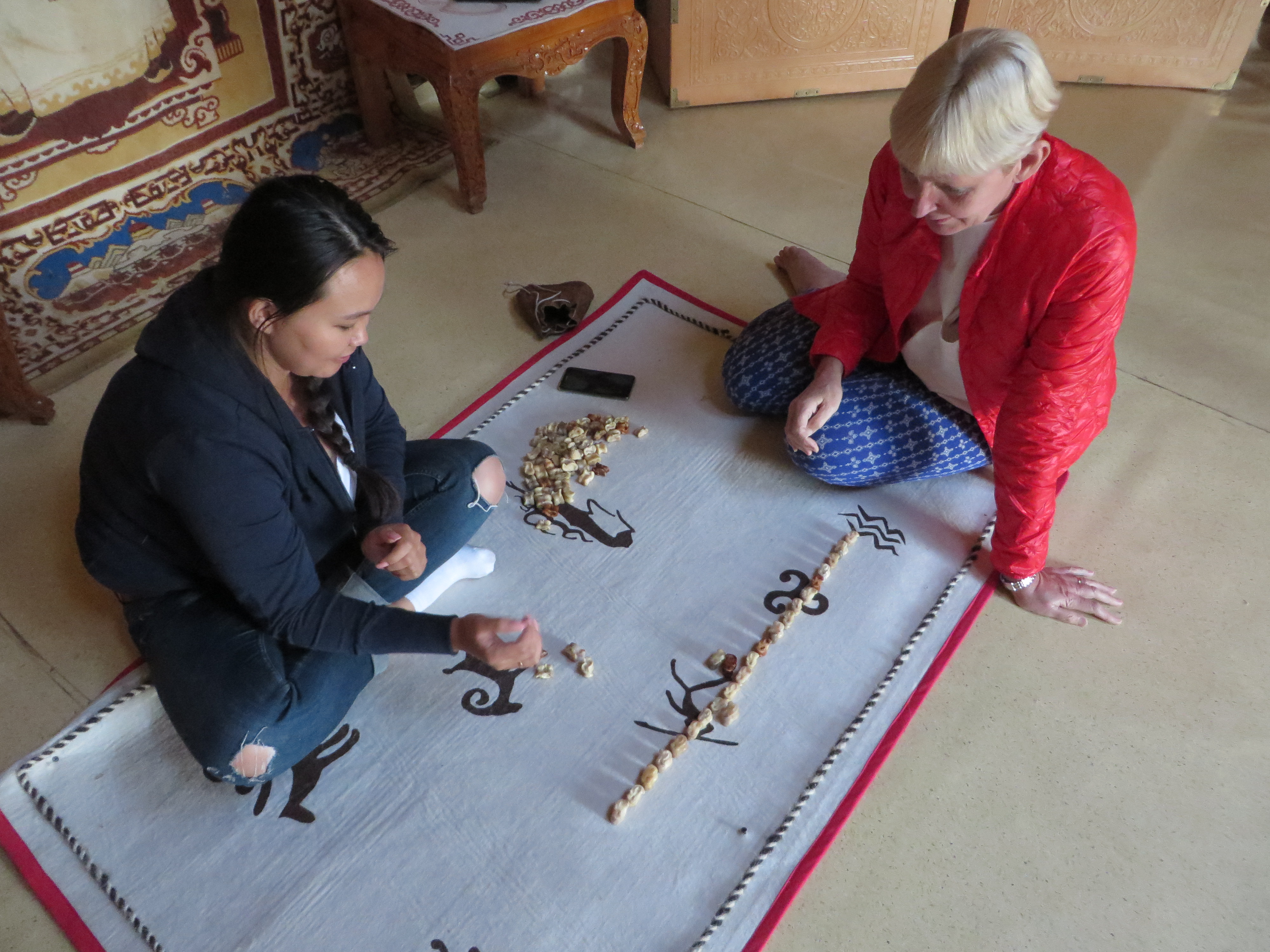
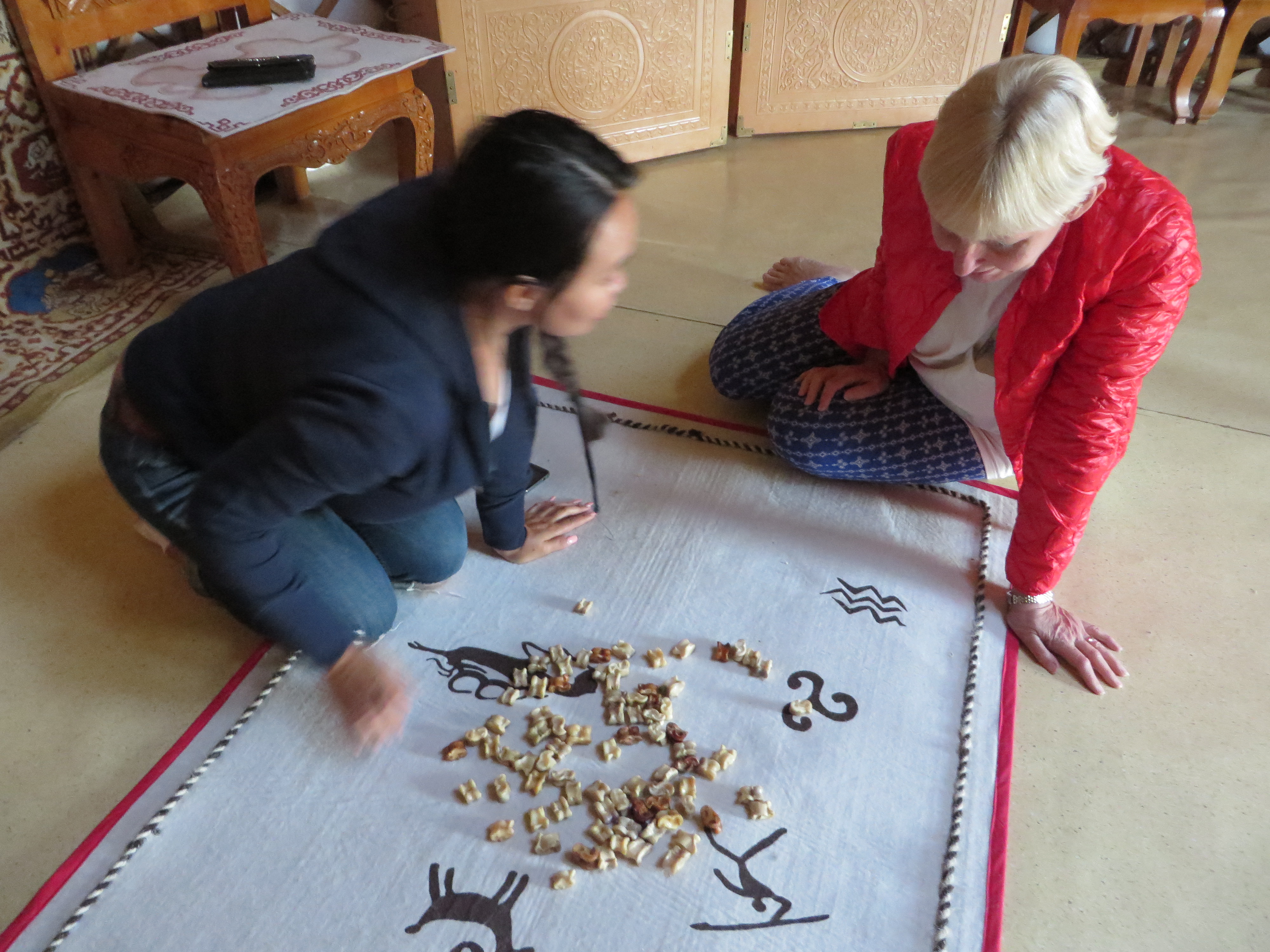
We sat on the floor of a communal ger tent and played with sheep or goats’ ankle bones. She had a whole bag of them.

Bemused we played and got totally involved in a game that has been played for over 500 years. Who knew that an ankle bone has four different ‘faces’ rather like a dice has numbers. There is a ‘horse’, a ‘camel’, a ‘sheep’ and a ‘goat’. I looked out through the doorway at the distant mountain and could hear John exclaiming, ‘Oh no! – I hit the camel, I thought it was a goat!’
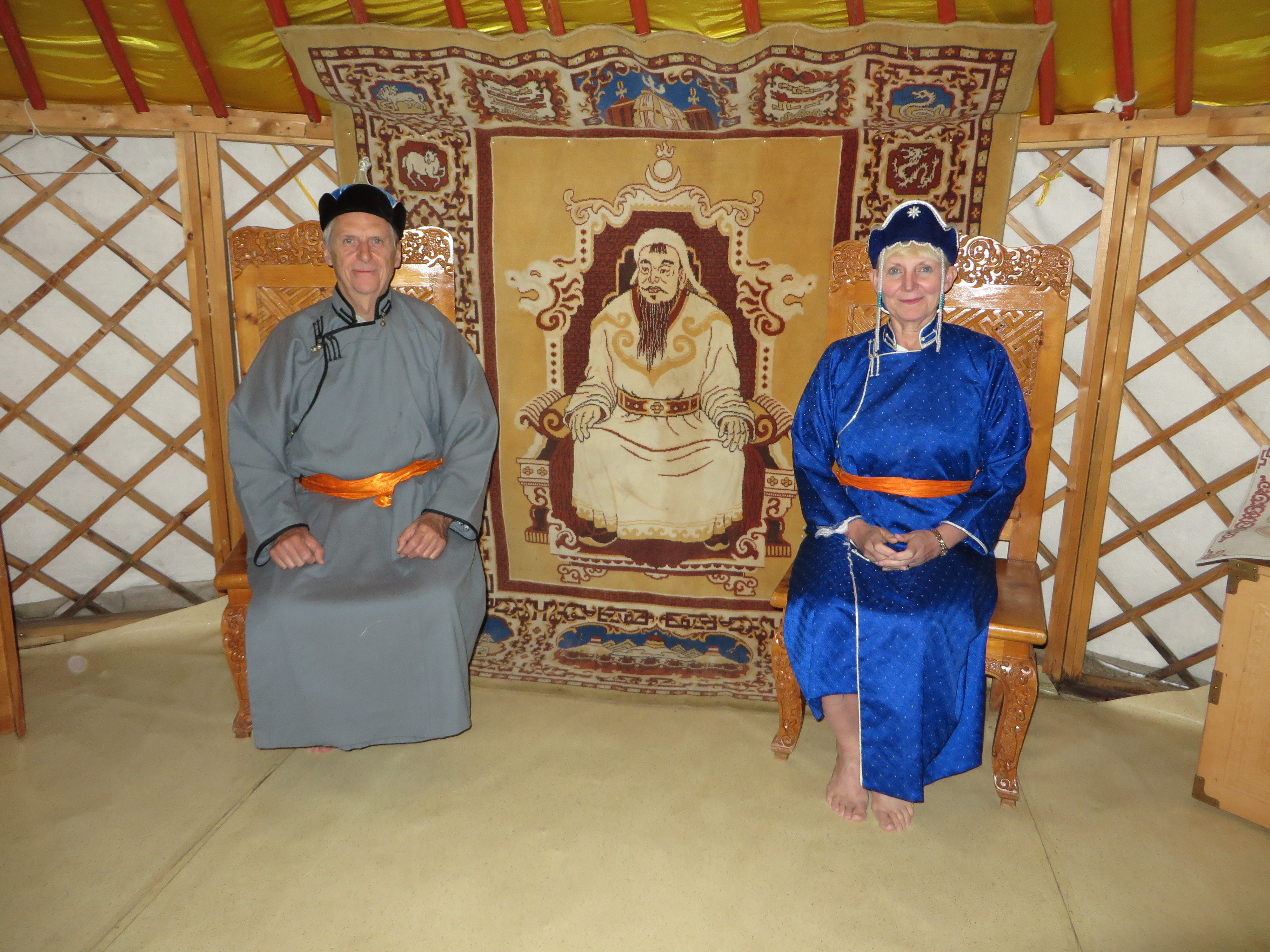
Then our hostess dressed us up in traditional gear and we posed. Actually the gown was very comfortable. In winter it is lined with lamb’s wool.
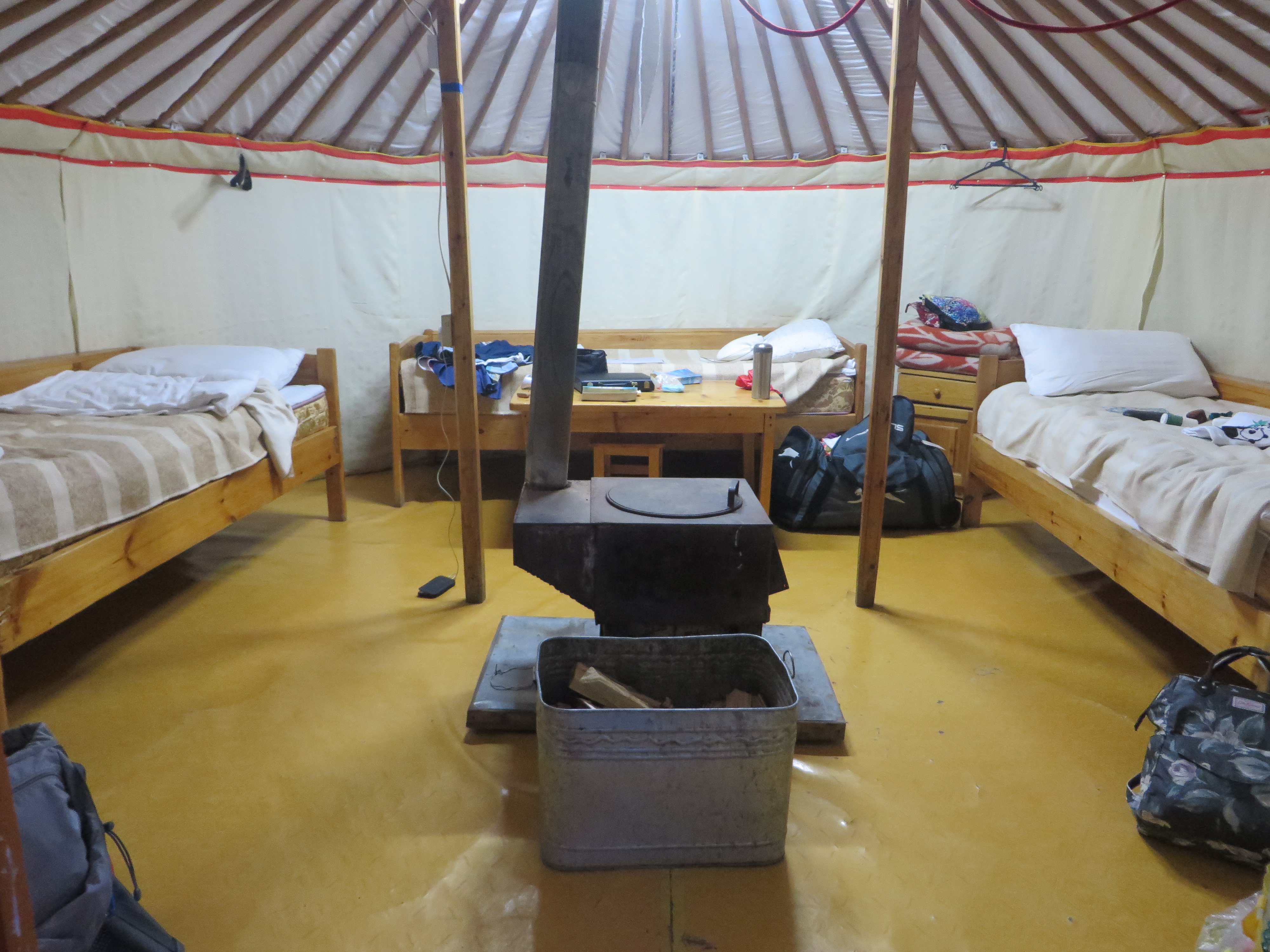
When we turned in, we found the stove had been lit in our ger; it was so cosy and we slept like logs.
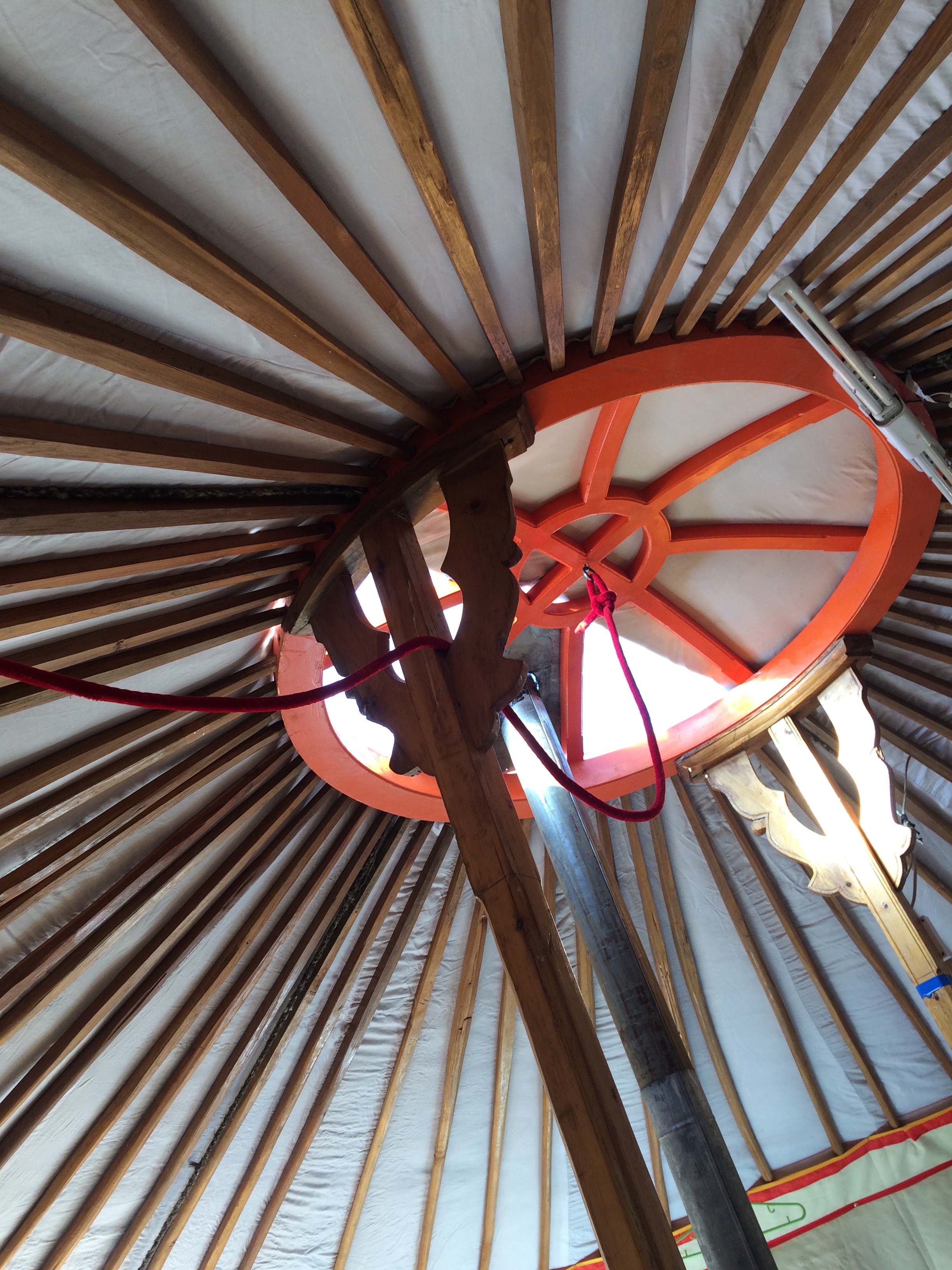
In the morning we visited a nomadic family. The old woman of 75 had been up since 5 a.m. milking her cows and making dishes in preparation for our visit. We gave her a gift of Liquorice Allsorts. Hope she liked them.
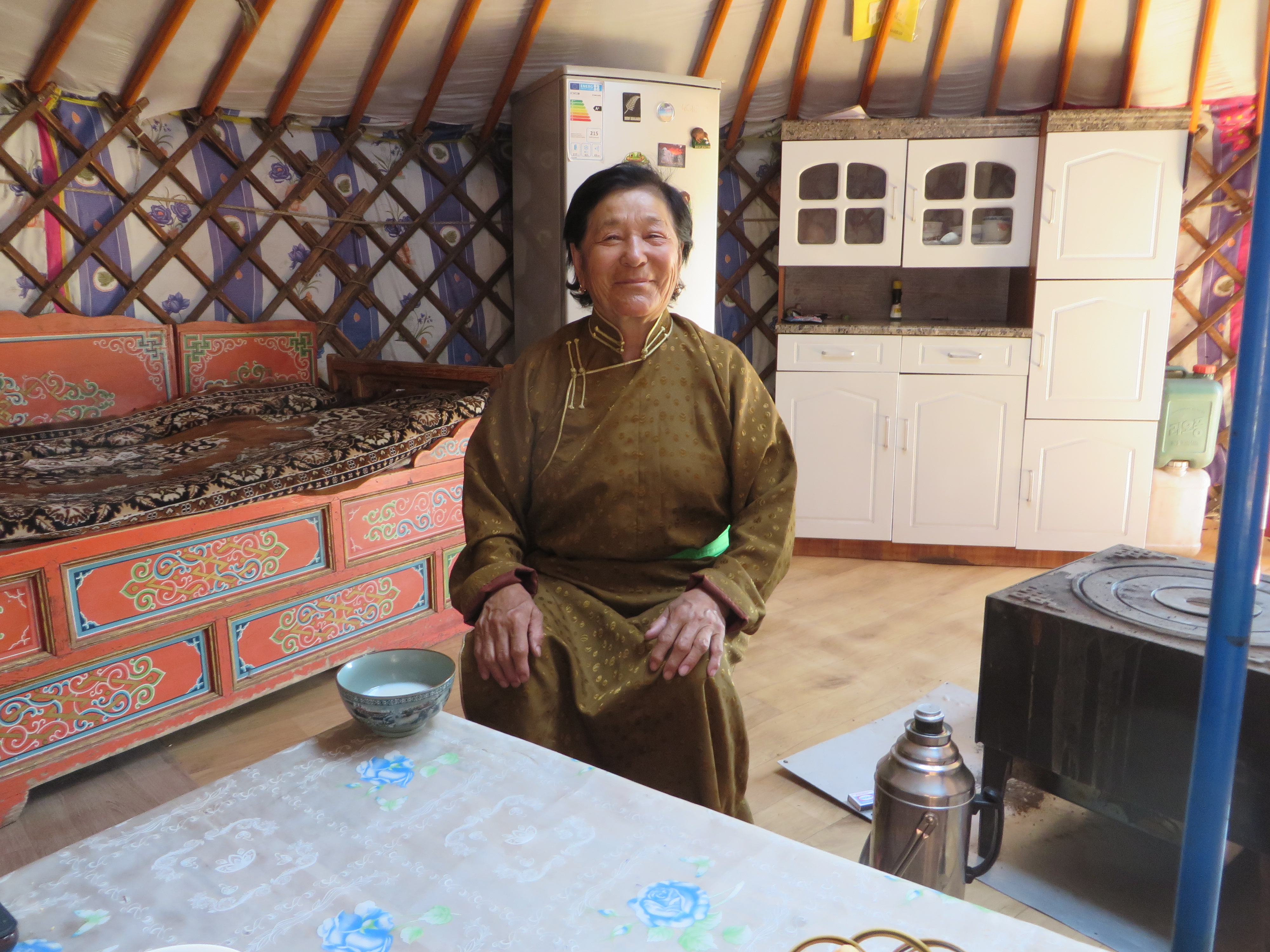


She was very proud of her home and her way of life and we sort of enjoyed her snacks. The tea was interesting. Black tea with salt, then boiled in milk. I valiantly drank two bowls and nibbled the creamy cheese and strange chips of yogurt. John was a little more circumspect and kept eyeing the Liquorice Allsorts!
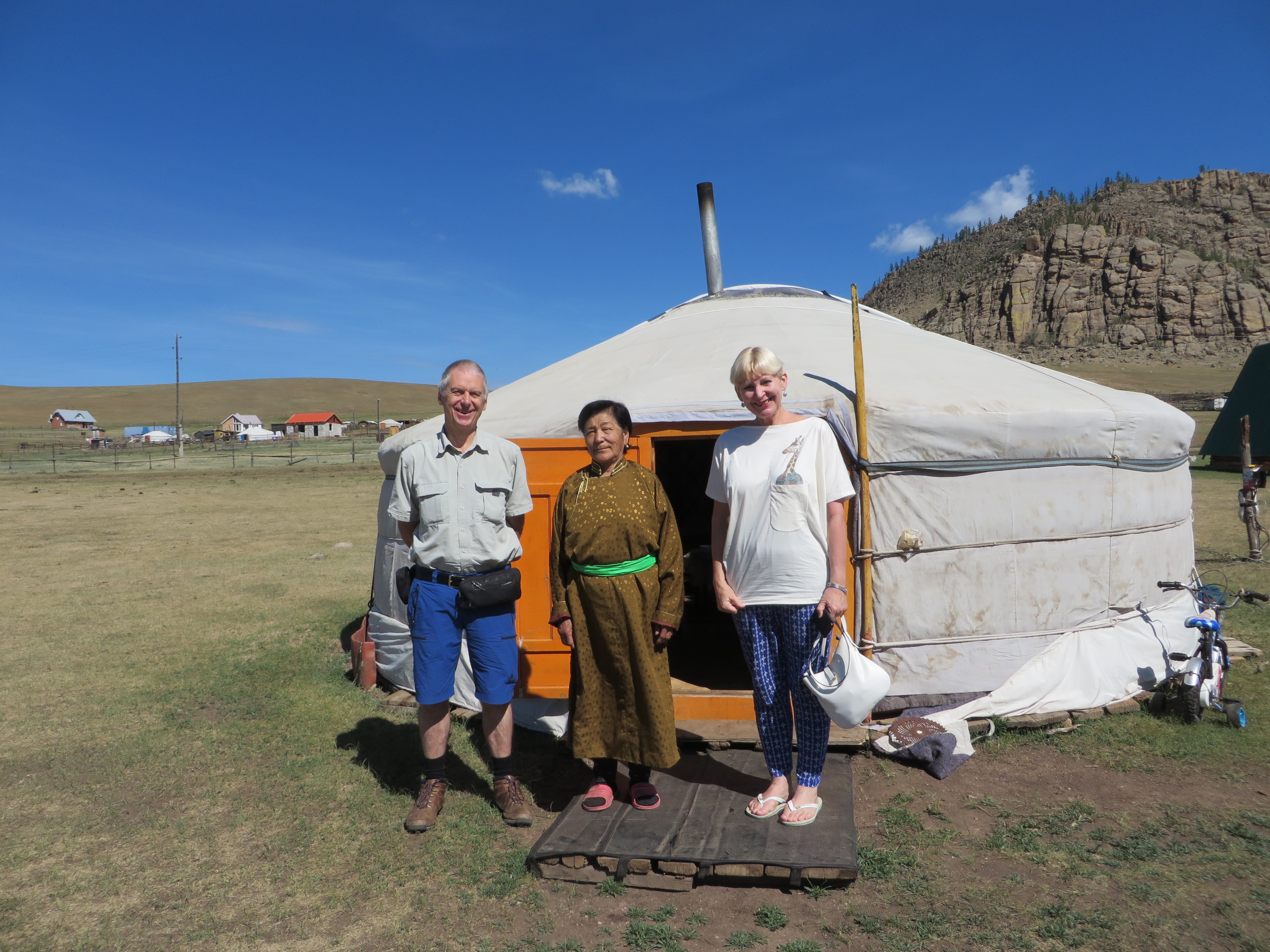
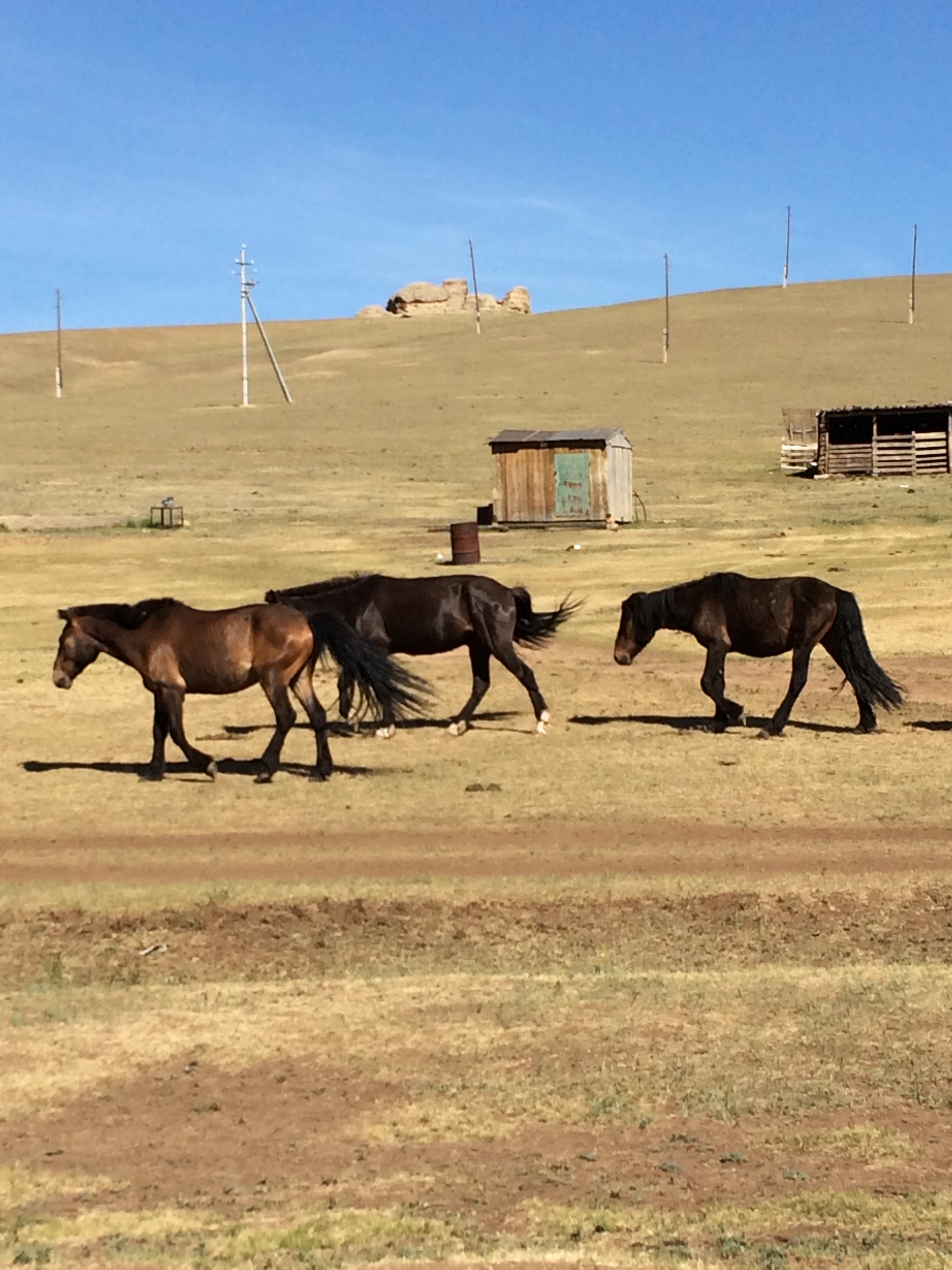
Sadly our driver ushered us away. I couldn’t help contrasting the experience with China. China was so busy, so noisy; its vegetation was wet and humid, leaves dripped with moisture and there was life and colour and vibrancy. People were tactile and always shouting, and liked living in close proximity to one another. Here in Mongolia I was struck by the immensity of space, the emptiness of a sky so blue and a land green, dry, empty and wild. Animals were not tethered, but free. People with high cheekbones and flat impassive faces seemed to have a sense of quiet contentment, and I liked the humour I saw in the deep wrinkles etching the nut brown skins. Ulan Bataar has the coldest temperatures of any city in the world, falling to between -26 to -40 in the winter, and in the countryside it is much colder.
Dashka raved about the meat and the diet, ‘No need to add marinade, just salt. In Mongolia the flavour of meat is very intense because the animals have a rich wild grazing land.’ I think she is right.
We visited the Gobi Cashmere shop, full of opulent luxury, and John bought me three jumpers made right here in Mongolia. (‘I could take you to the Black Market, prices much cheaper, but everything is made in China and only 30-40% true cashmere, here is much better.’)
I modelled one jumper for the driver (John was busy talking to Dashka), and when he smiled his approval I felt like a million dollars!
We boarded another train, and sadly said goodbye to our sweet guide. We were on our way to cross Siberia, five days and five nights to Moscow.

9thJune
Last night the border crossing into Russia was painless, there were no aggressive officials going through our things, as we had been led to expect. Instead they were courteous but thorough, and a dog patrolled the corridors. Endless officials looked at our passports and around our compartment and asked if we were going to the ‘Football’ I smiled and said, ‘No – Bolshoi’. She smiled back and said, ‘Harasho!’
And now, the lake. Four hundred miles of Lake Baykol.
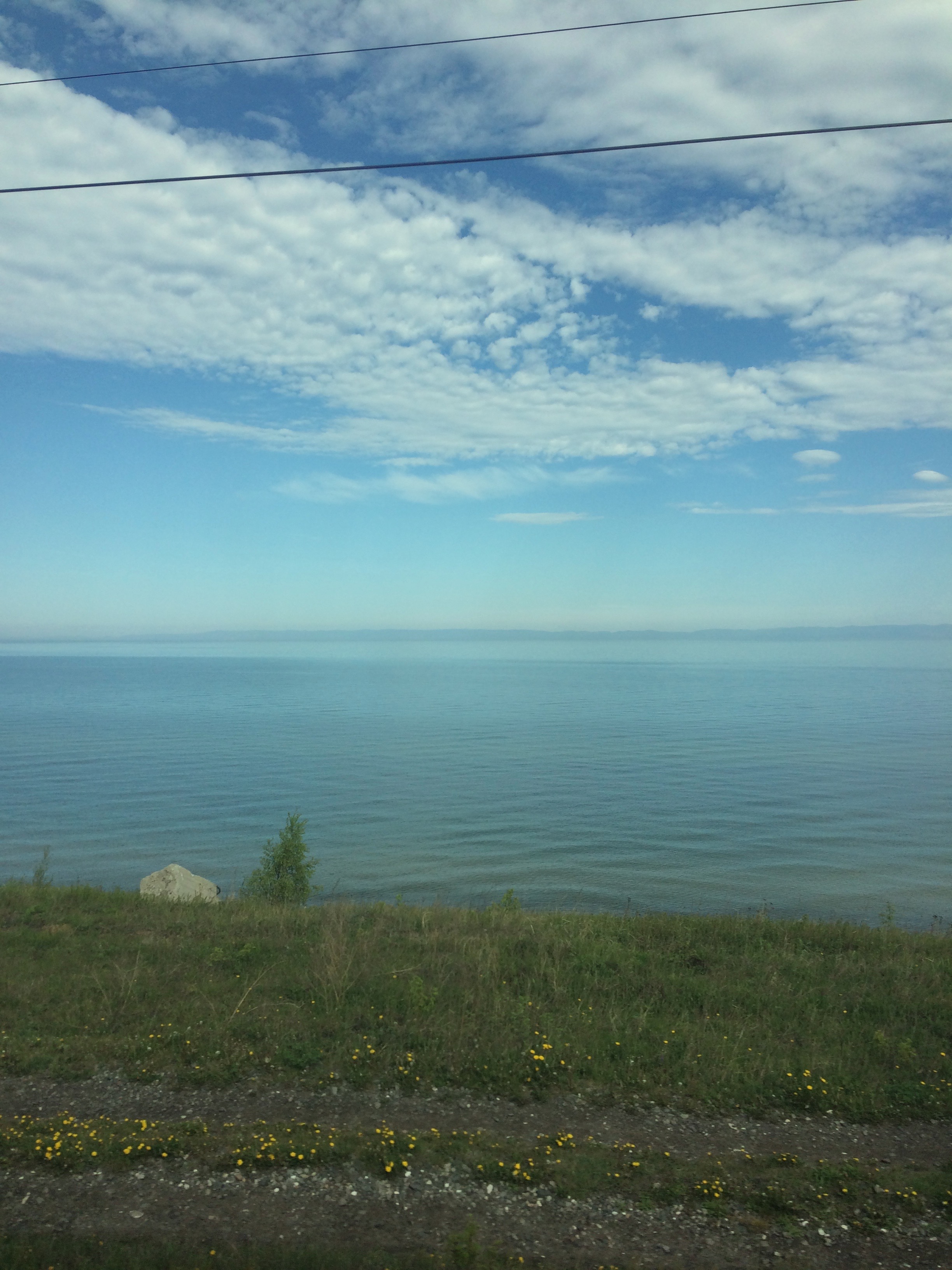
So so beautiful, with sunshine and birch trees, and colourful villages. We should get to Irkusk at 2.30 p.m. We shall go out and breath the air and stretch the legs. Then on on to Krasnoyarsk and then Novosibirsk.


 Tales from the Gael