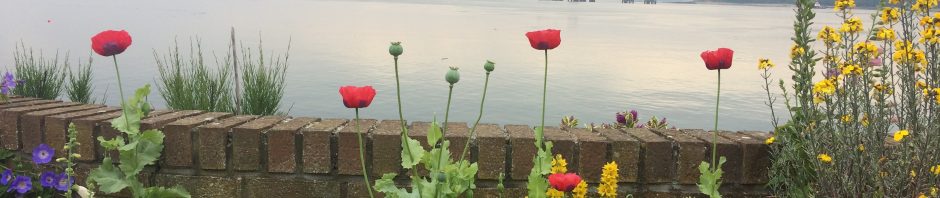
It is bucketing with rain, I can barely see the sea at the garden wall, and it’s hard to imagine we were attempting to fish there a week or so ago. Still, its melancholy and restful, especially as I don’t have to go out until 4.30 for a hot rock massage at Dalgety Bay. I do love such dates in the diary. It is also good to catch one’s breath. These last few days we have been travellers. So many times I have sped up and down the M6 motorway, whizzing past English towns and cities and wondering what they are like. Why do people go to Blackpool for their holidays? And what is the Peak District like? We decided to find out.
So much has been written about famous places, so many journals have highlighted others’ points of views. But each journey is unique, and packing the car, the suitcase, the backpack is just the beginning, the bridge to something new.
When we walked the West Highland Way, I was intrigued with Dorothy Wordsworth’s impressions of some of the local Inns that she encountered back in 1803. I found her journal of when she visited Jedburgh in the Scottish Borders:
The churchyard was full of graves, and exceedingly slovenly and dirty; one most indecent practice I observed: several women brought their linen to the flat table-tombstones, and, having spread it upon them, began to batter as hard as they could with a wooden roller, a substitute for a mangle.
I love it, and love the simplicity of the observation. In contrast I read of Elizabeth Smart travelling in Rotorua in NZ:
How I hate sightseeing and admiring undigested facts and never having time to meditate and dream!
What is this life?
I’ve been looking at one of those Round the World prospectus pamphlets – it’s vulgar and disgusting and sounds interminably dull. Dull, dull, dull, sightseeing, dutifully, never any time to breathe, to live, to enjoy, to revolt, to be vulgar, to philosophise, to digest, to be flippant, to be irrelevant and to feel, to know, to understand.
I hate facts. And I am bored with New Zealand.
Oh dear. Well we climbed Mount Snowdon, together with John’s son and daughter and their partners.
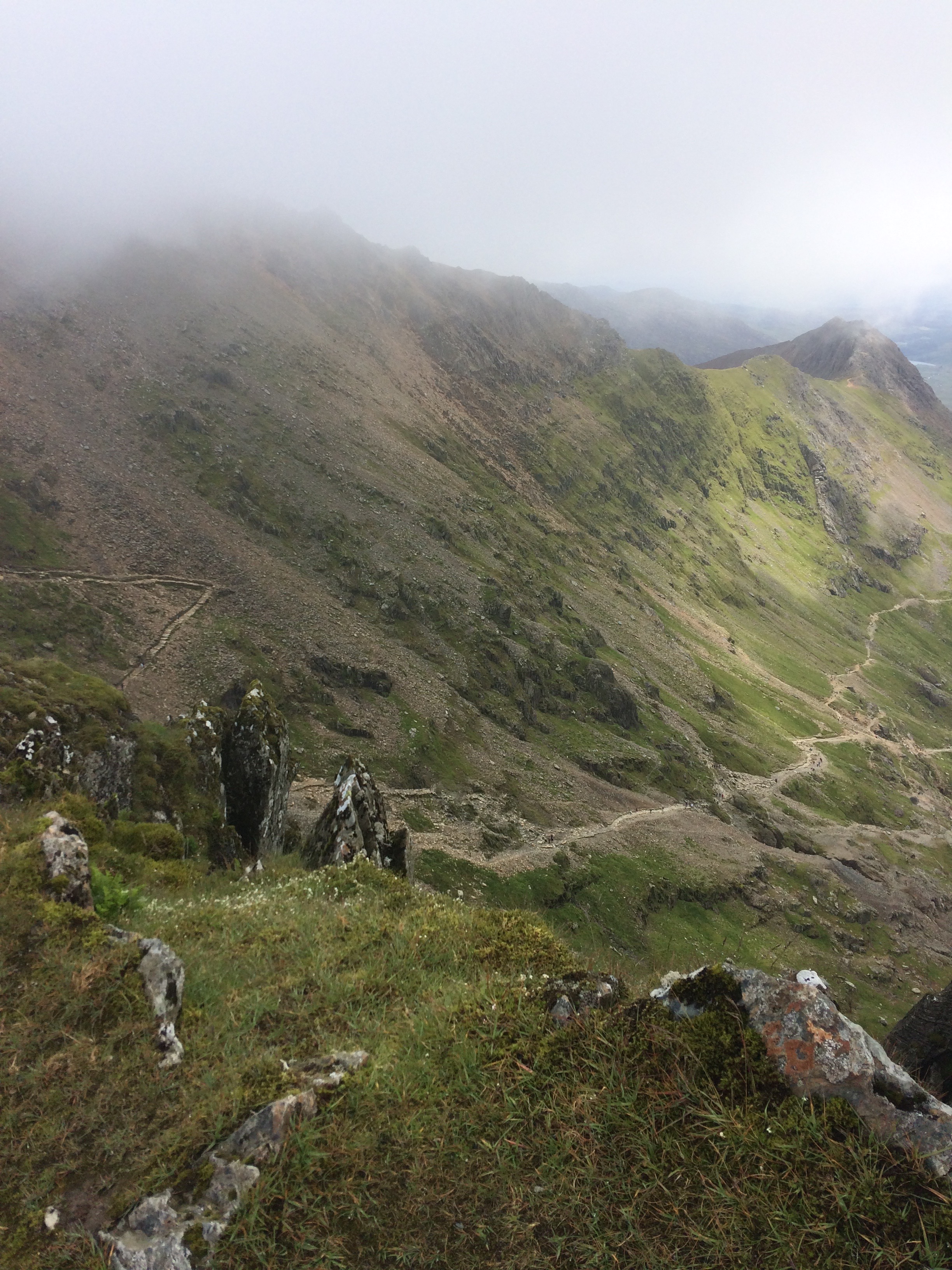


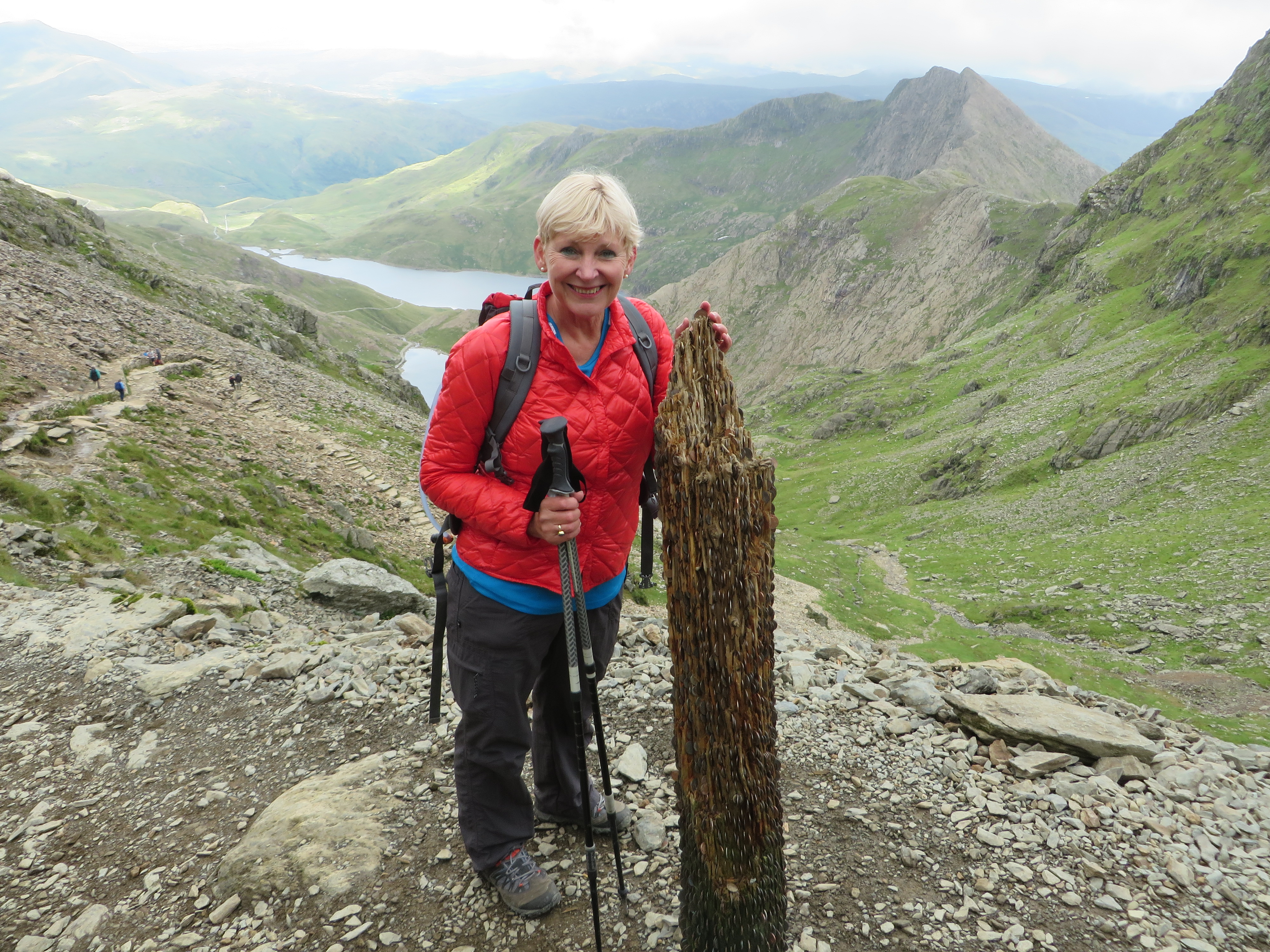

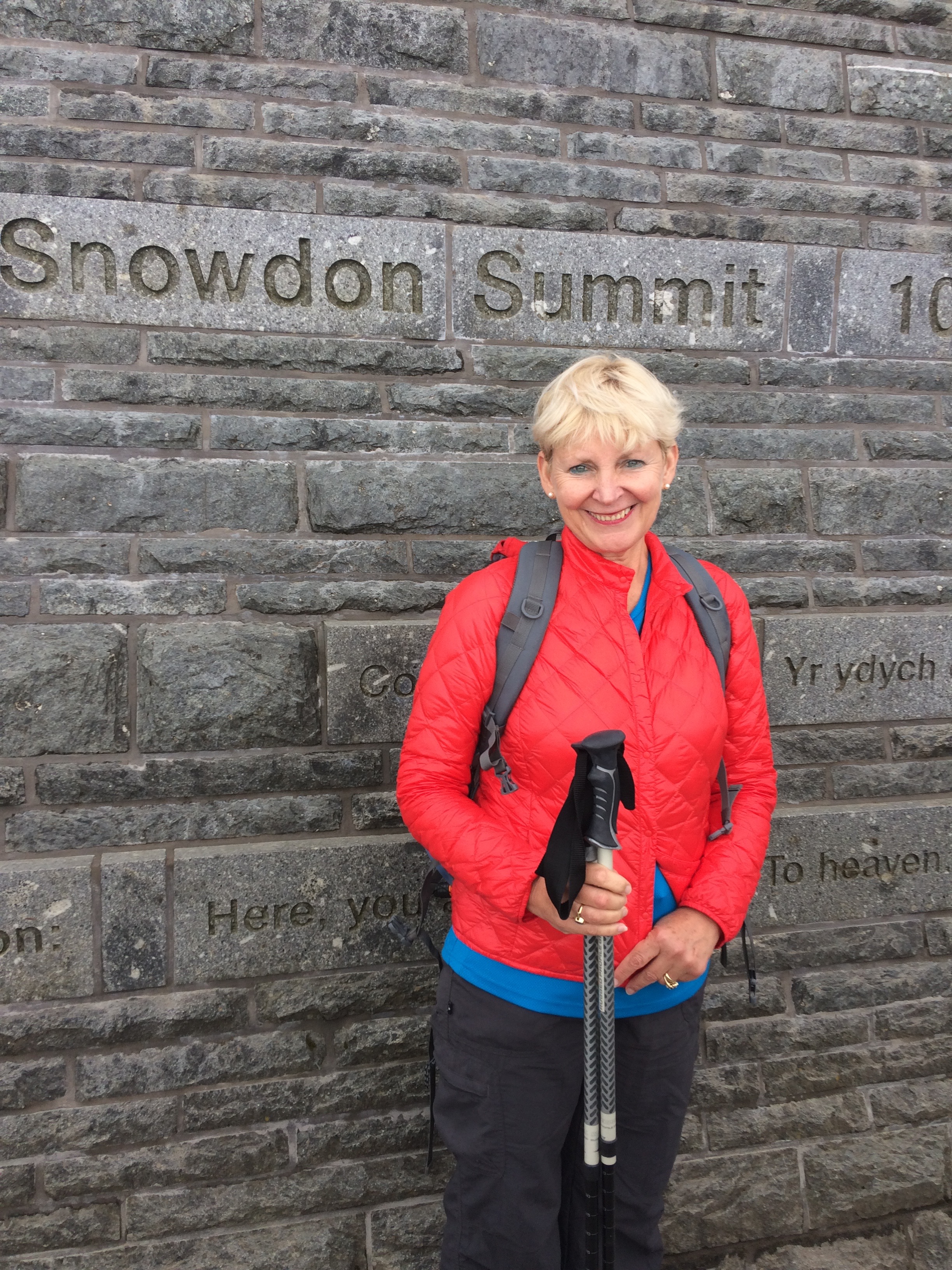
The mists were down, the Miners Track busy with trippers, the students young and brave and in shorts, and at the top the air was freezing, 2C and a cold wind. But then, the clouds lifted and the views unfolded, the sea in the distance, the mossy green dips of the crevices. Suddenly I was transported to the world of George Mallory yet again. I remember the last time I was there I couldn’t get him out of my mind. He and those intrepid climbers who scorned the beaten paths and clung to vertical rocks in preparation for the challenge of the Himalayas. We visited the Welsh Slate Museum the following morning and learnt of the hardships of blowing up the rock to find this precious material. Good to know and good to appreciate. John will never forget the vile curry he had on the evening of the descent. His Korma was a swimming mass of yellow with desiccated coconut floating on top. It was like a sweet pudding with chunks of boiled tough hen.
We had a Carluccio lunch in Chester.

What heaven! – proper delicious food. After the wilds of Snowdonia, we had landed into the prettiest city, walled with a castle and cathedral. Buildings were Tudor in style and we stopped to listen to the plaintive sound of a guy singing The House of the Rising Sun. Inside the cathedral there was an art exhibition. It seemed quite irreverent to see a gorilla in the nave, skulls at the altar, and at the entrance a raven standing on Noah’s head. Apparently it had its claws in his eyes to prevent him from seeing the heavens where the dove might appear.
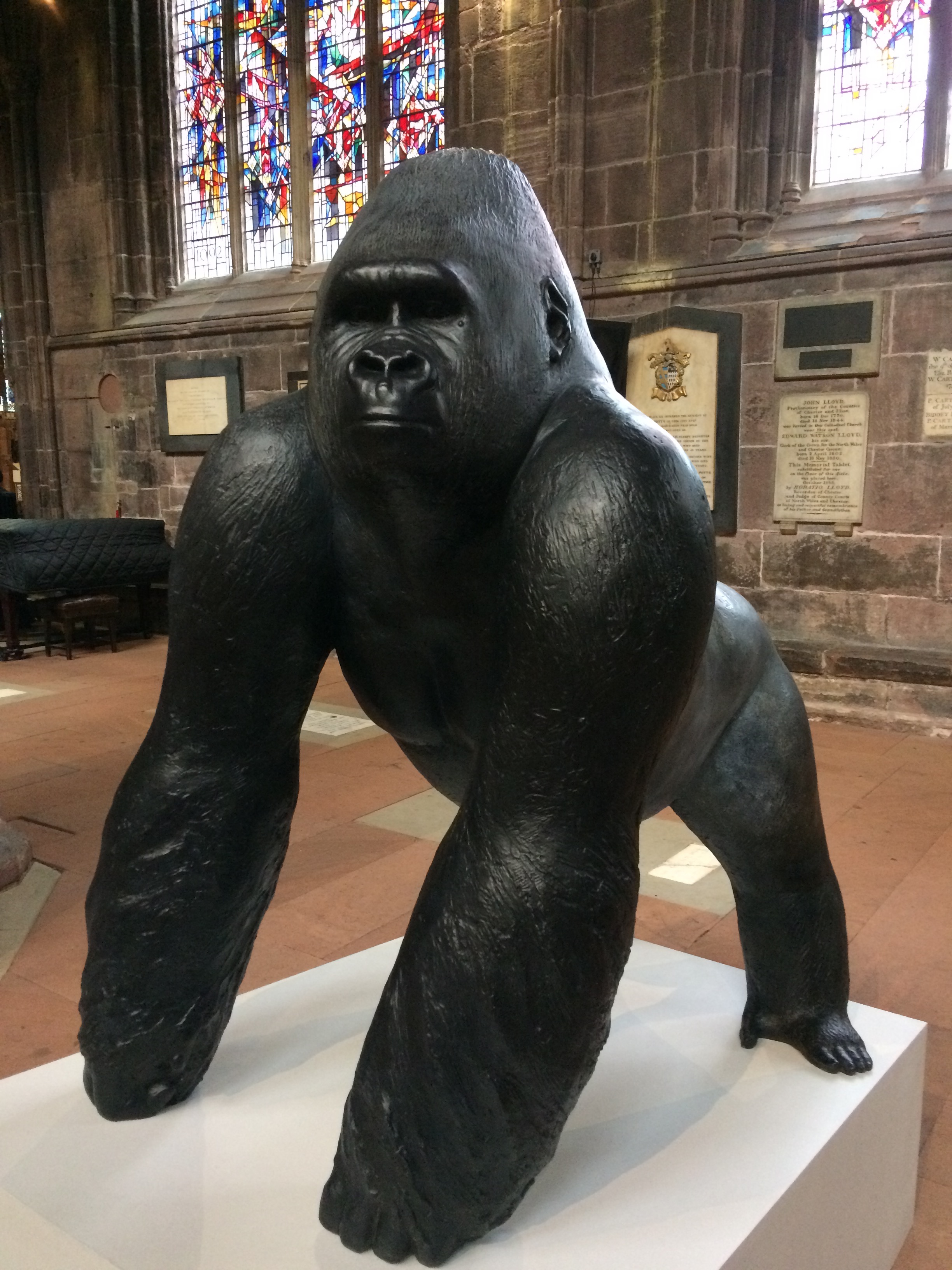
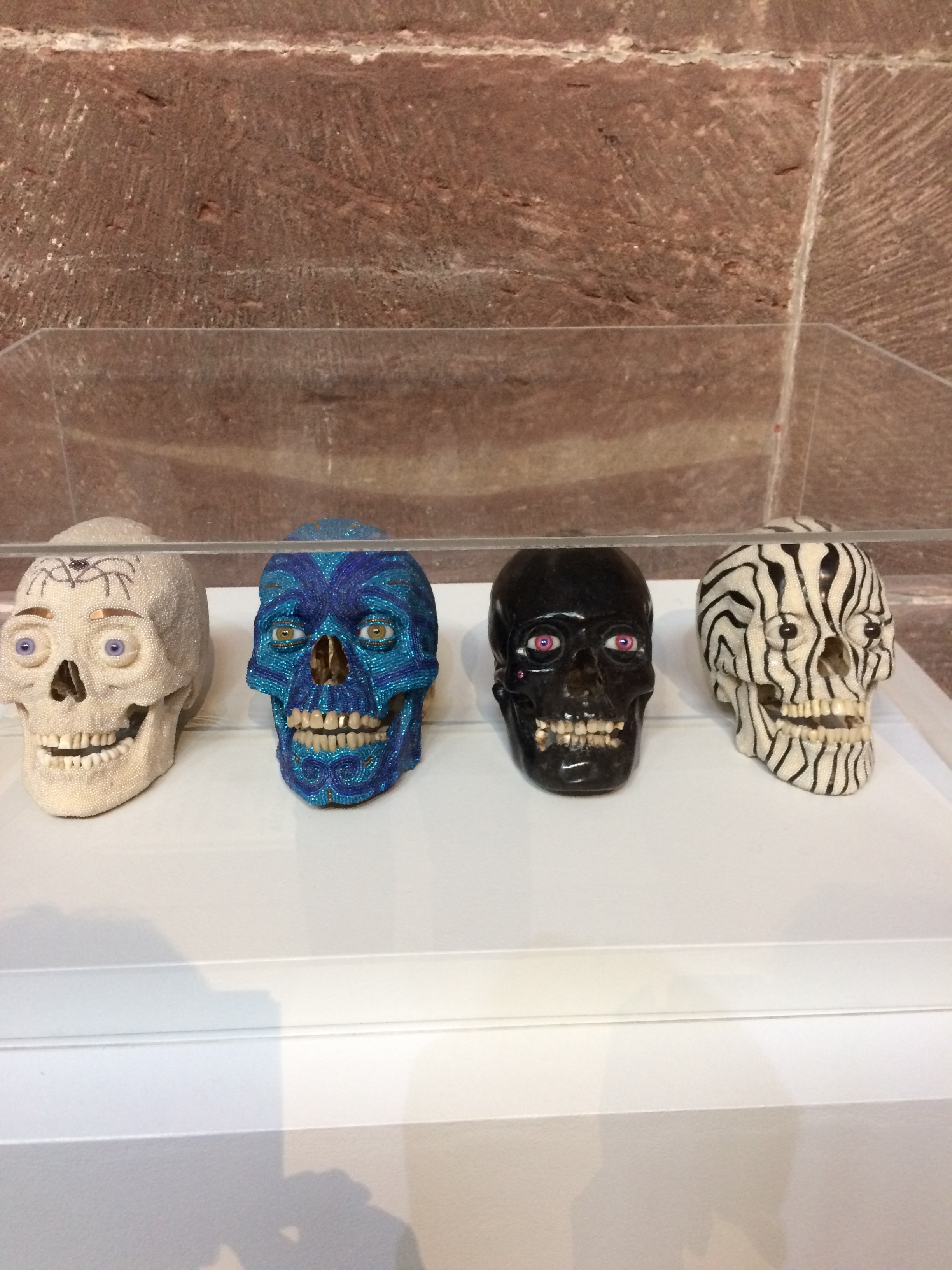


Not dull at all.
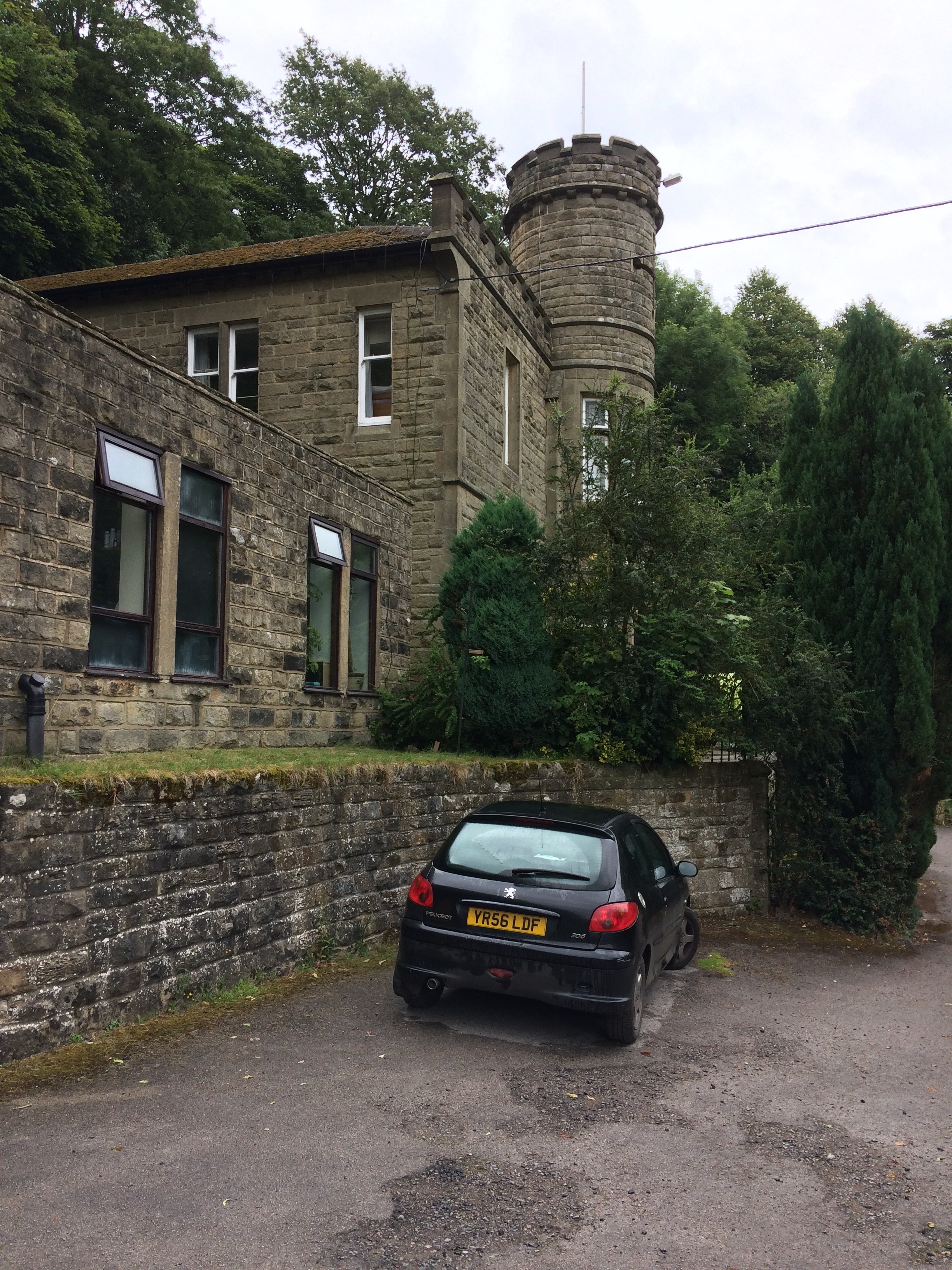
And on on to the Youth Hostel in Eyam. The building was once a folly perched on a hill above a quaint village, whose history is flagged on each house. ‘Here is the house where 10 died of the plague in 1665, their names are …’
We lay in our bunk beds listening to the rain, and sheep and a persistent blackbird.
From the simplicity of the Youth Hostel we made our way to Bakewell and duly sampled a tart,
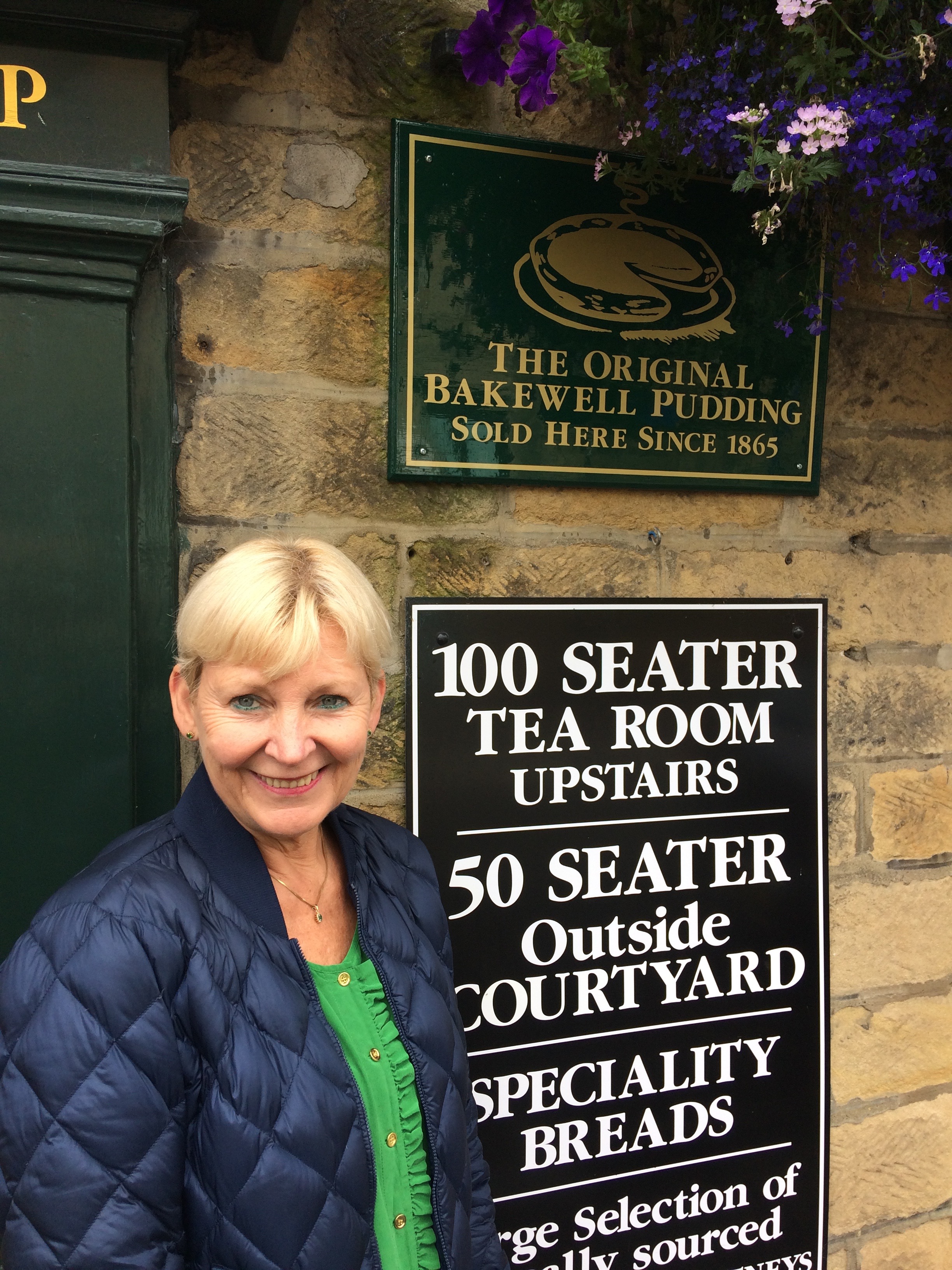
before going on to Chatsworth House in Derbyshire. Oh my.

I was once besotted with the Mittford sisters, and read everything I could about them. I loved the letters they wrote to each other. They were seriously NOT dull.
Deborah, the youngest, became the Duchess of Devonshire and did much to restore the house to its former glory.
John and I walked around, relishing the opulence, the paintings (6000 in total, all grand masters, and the private collection second only to Buckingham Palace). I loved the exhibition of Five centuries of Fashion at Chatsworth. Mannequins lounged in chairs at the dining table, Duchess Louise’s ballgown, designed by the House of Worth was glittering as though it had been made yesterday.
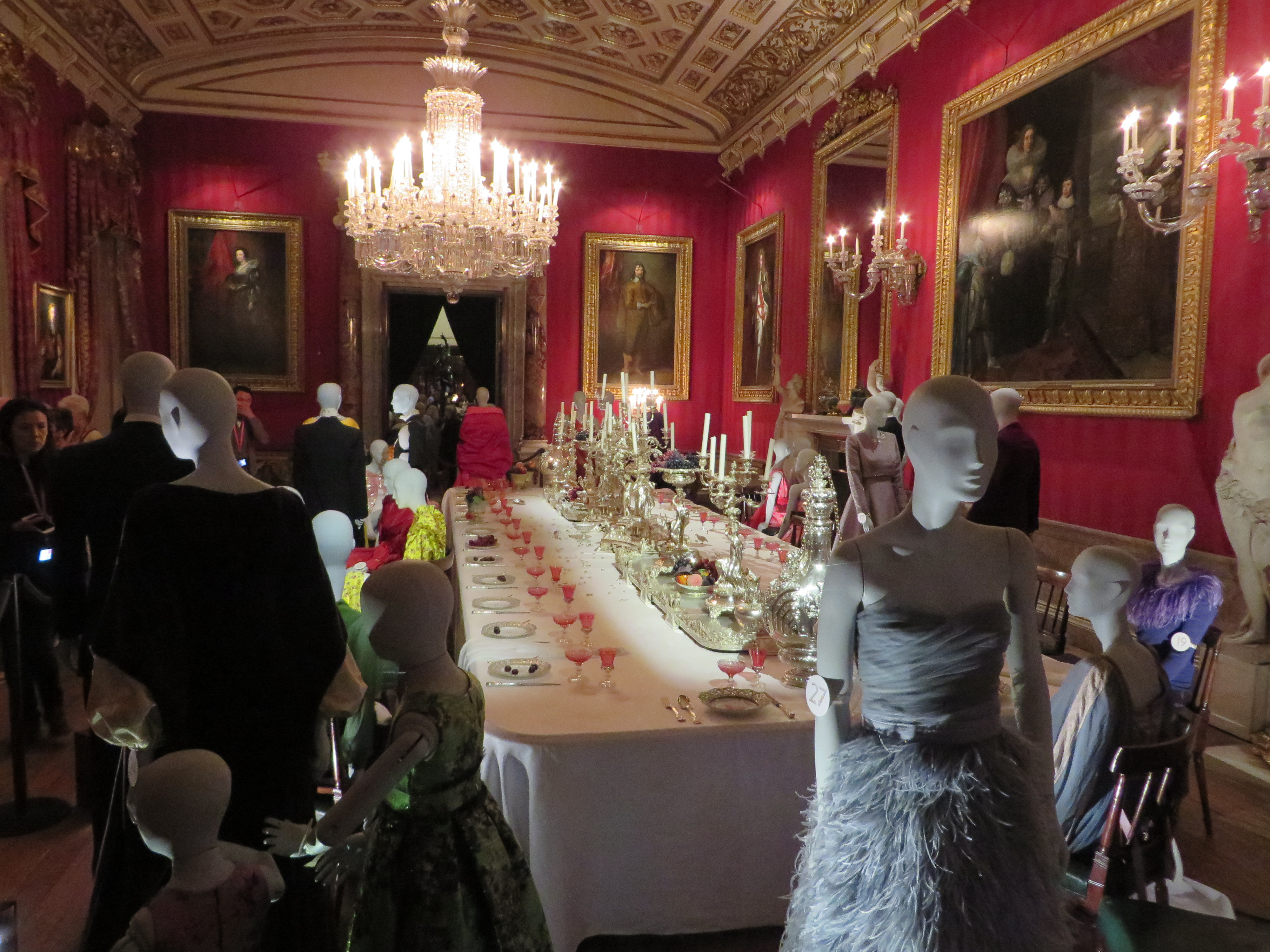
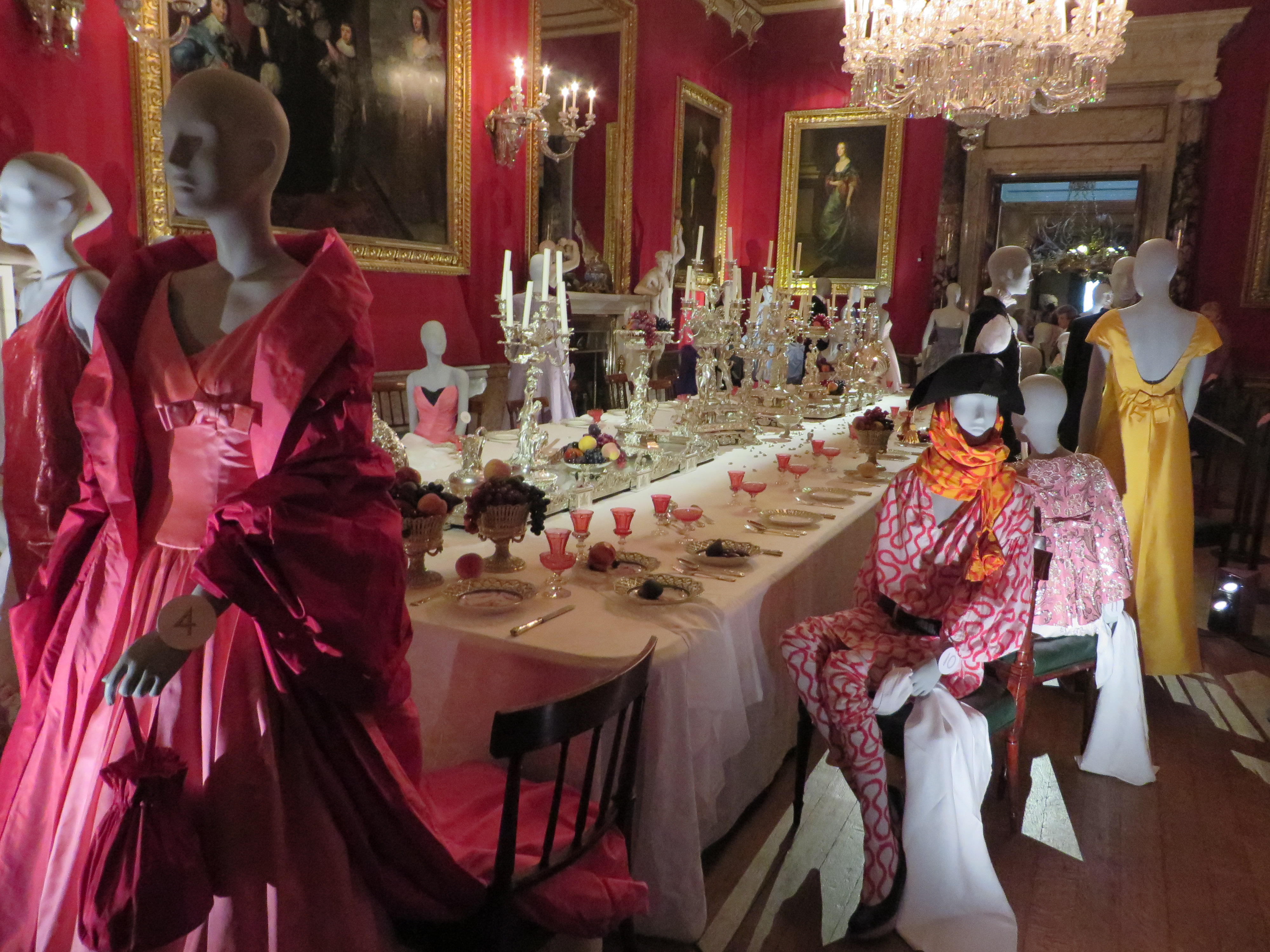
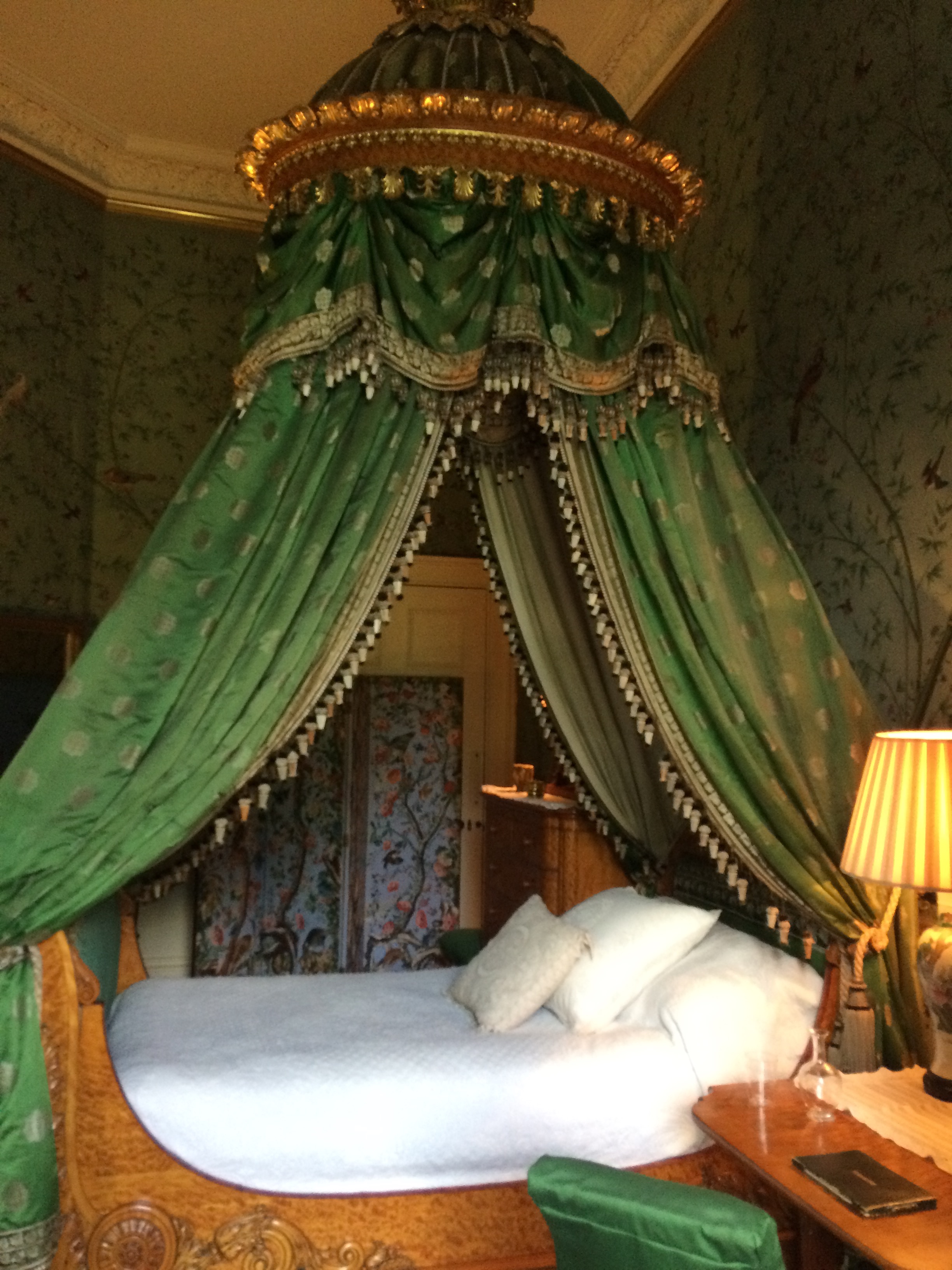
Bedrooms were sumptuous. Not a bunk bed in sight.


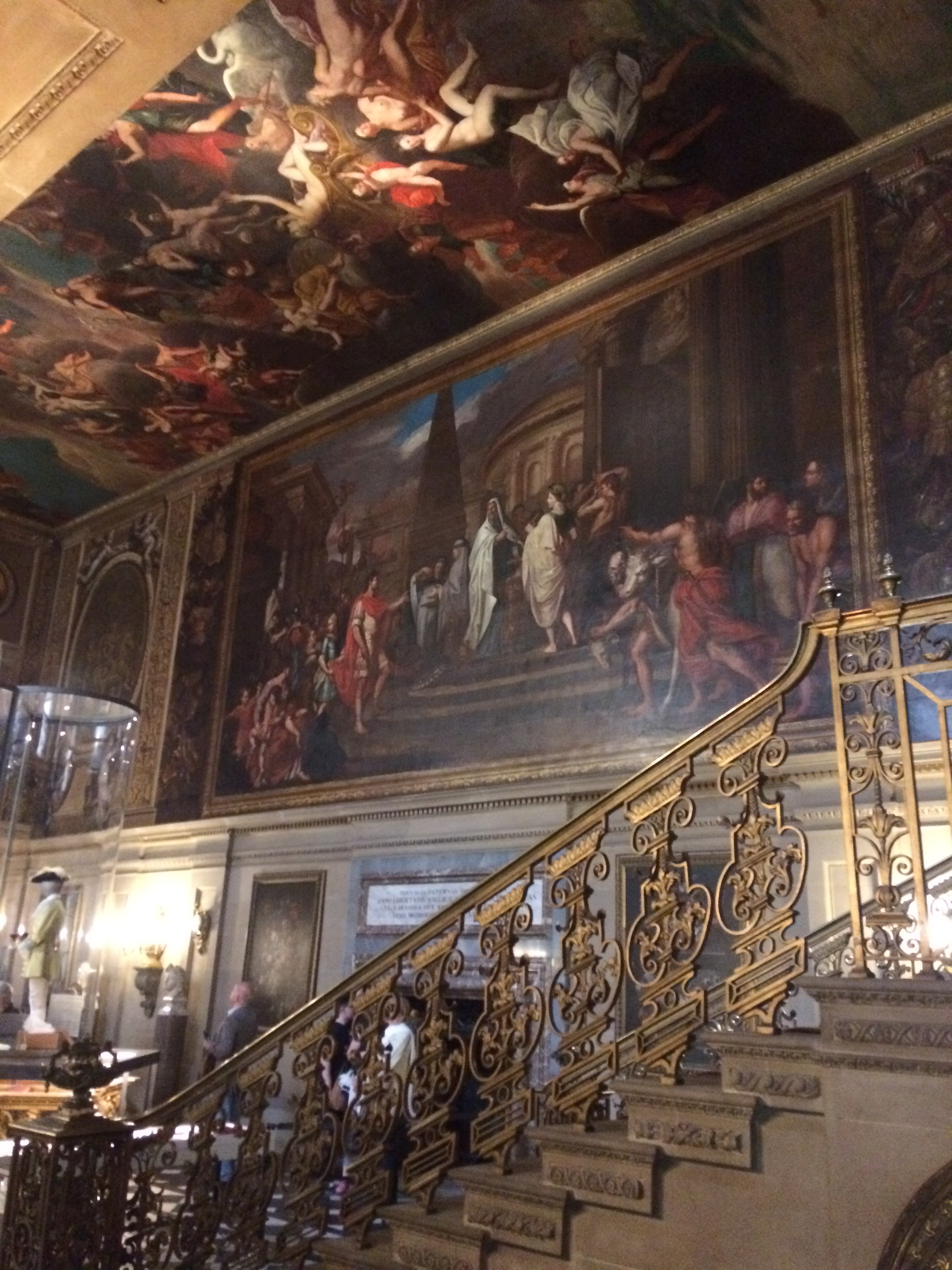
John got lost in the maze but so did I. We walked in the afternoon sunshine through the gardens, marvelled at the rock garden and tried not to compare my once hard attempt at a more modest rockery.
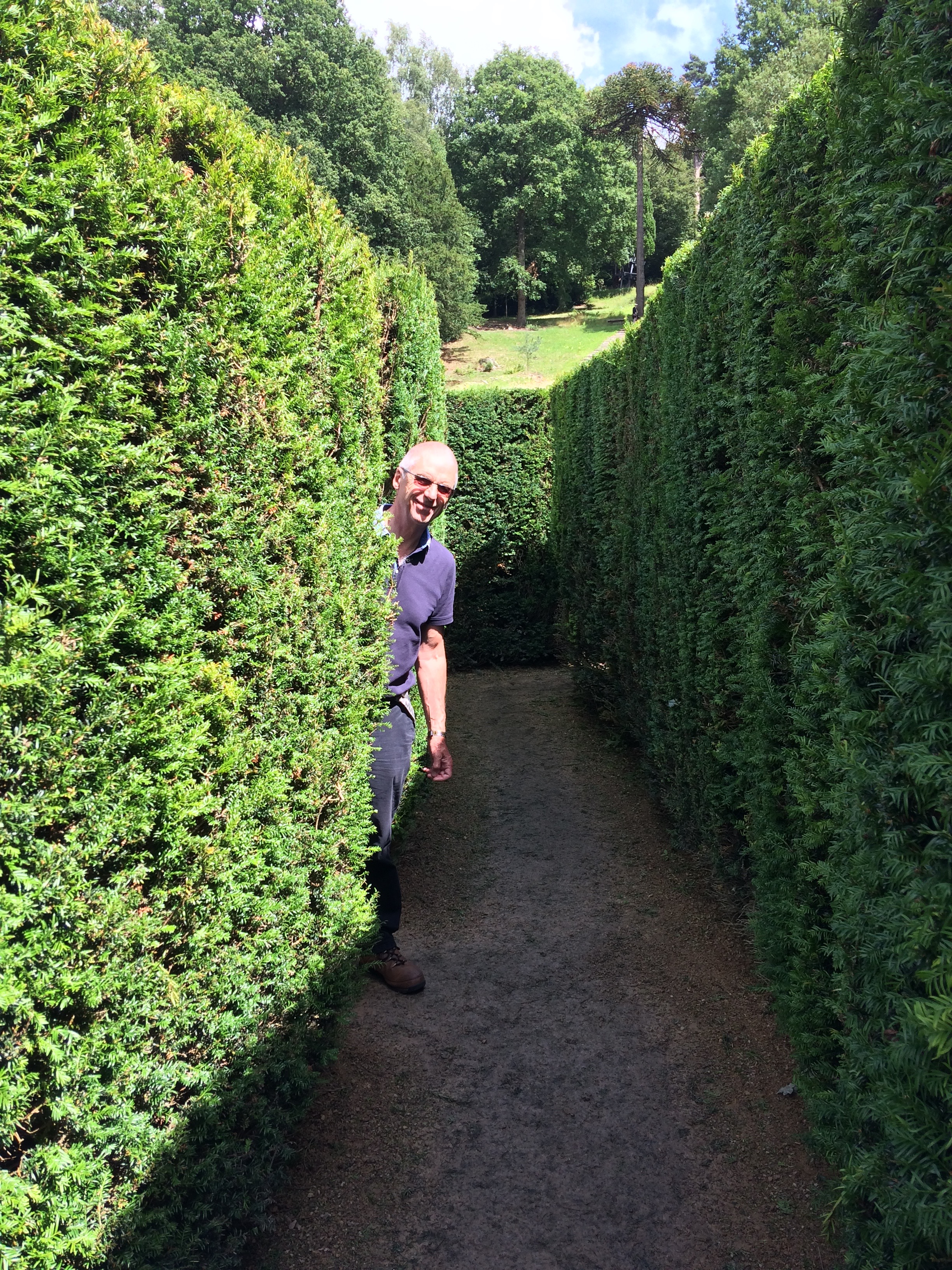
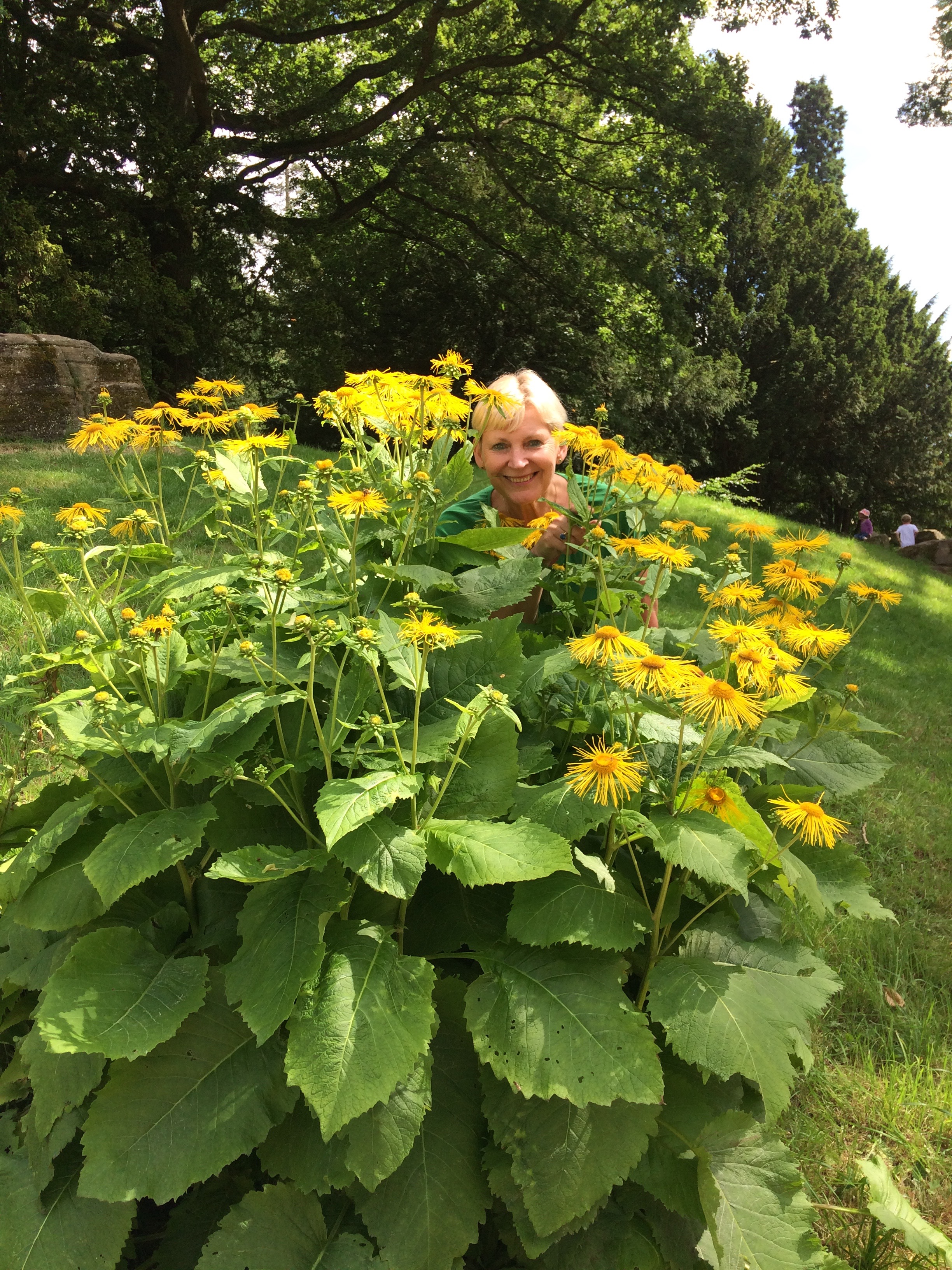
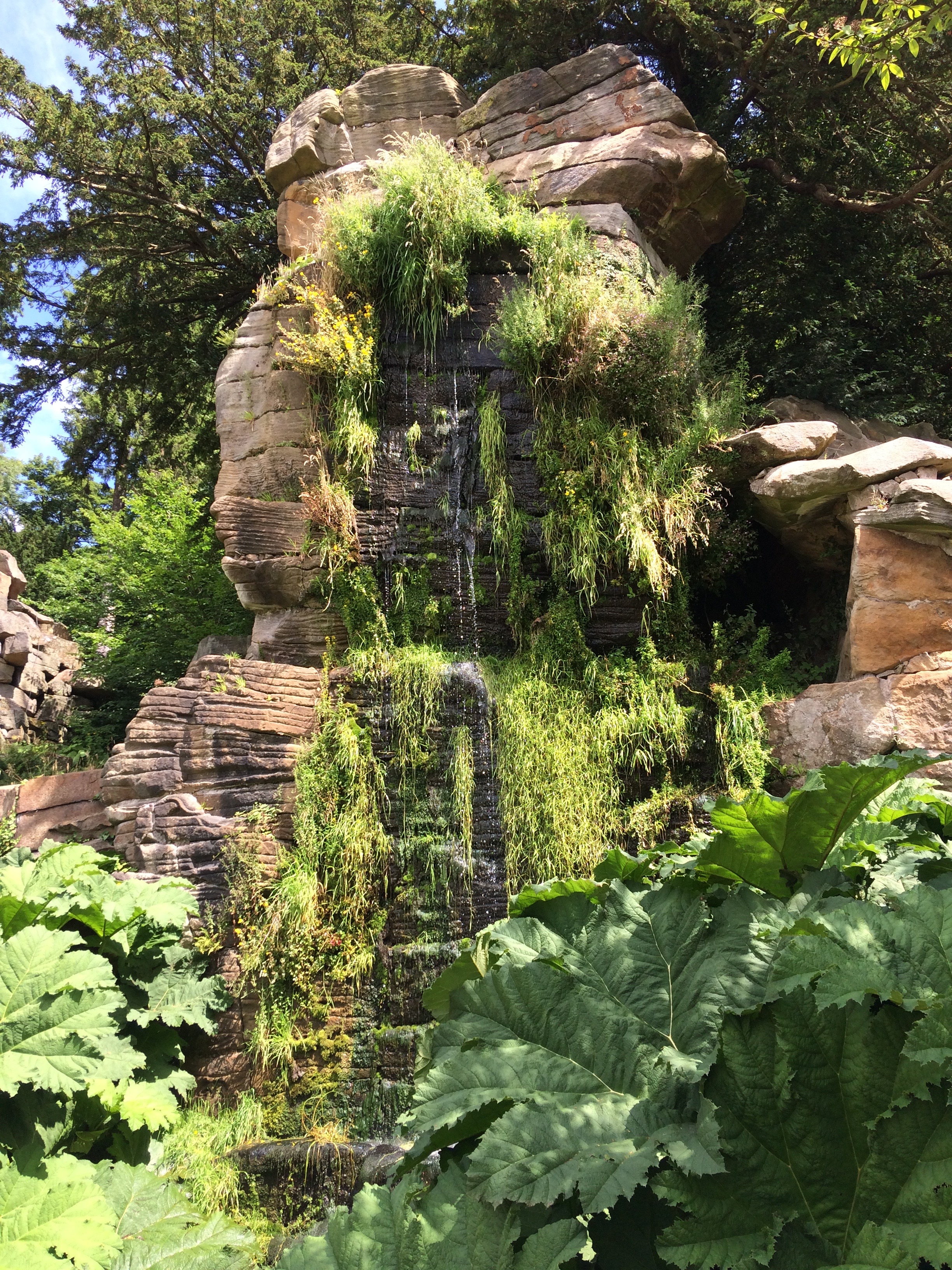

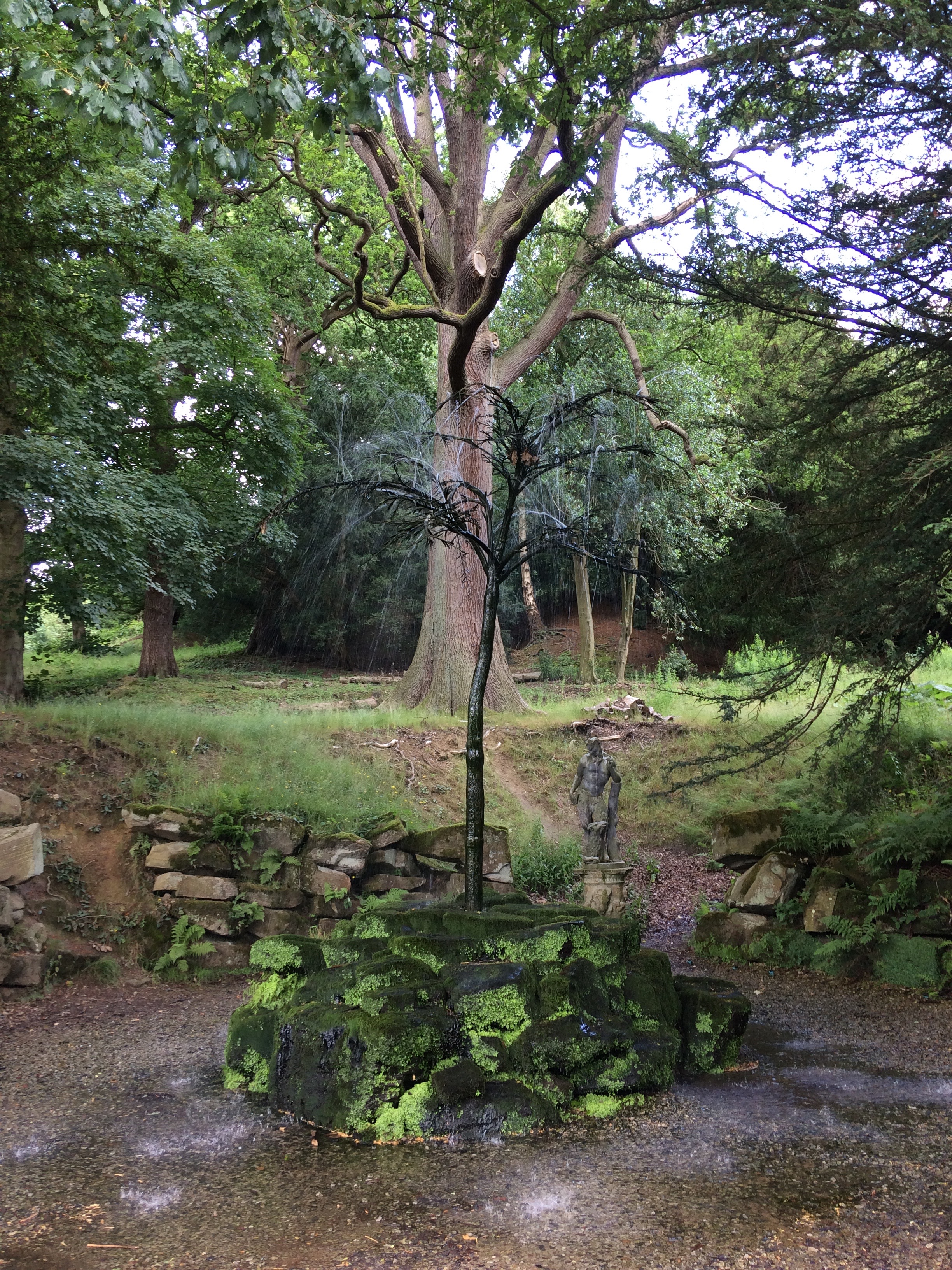
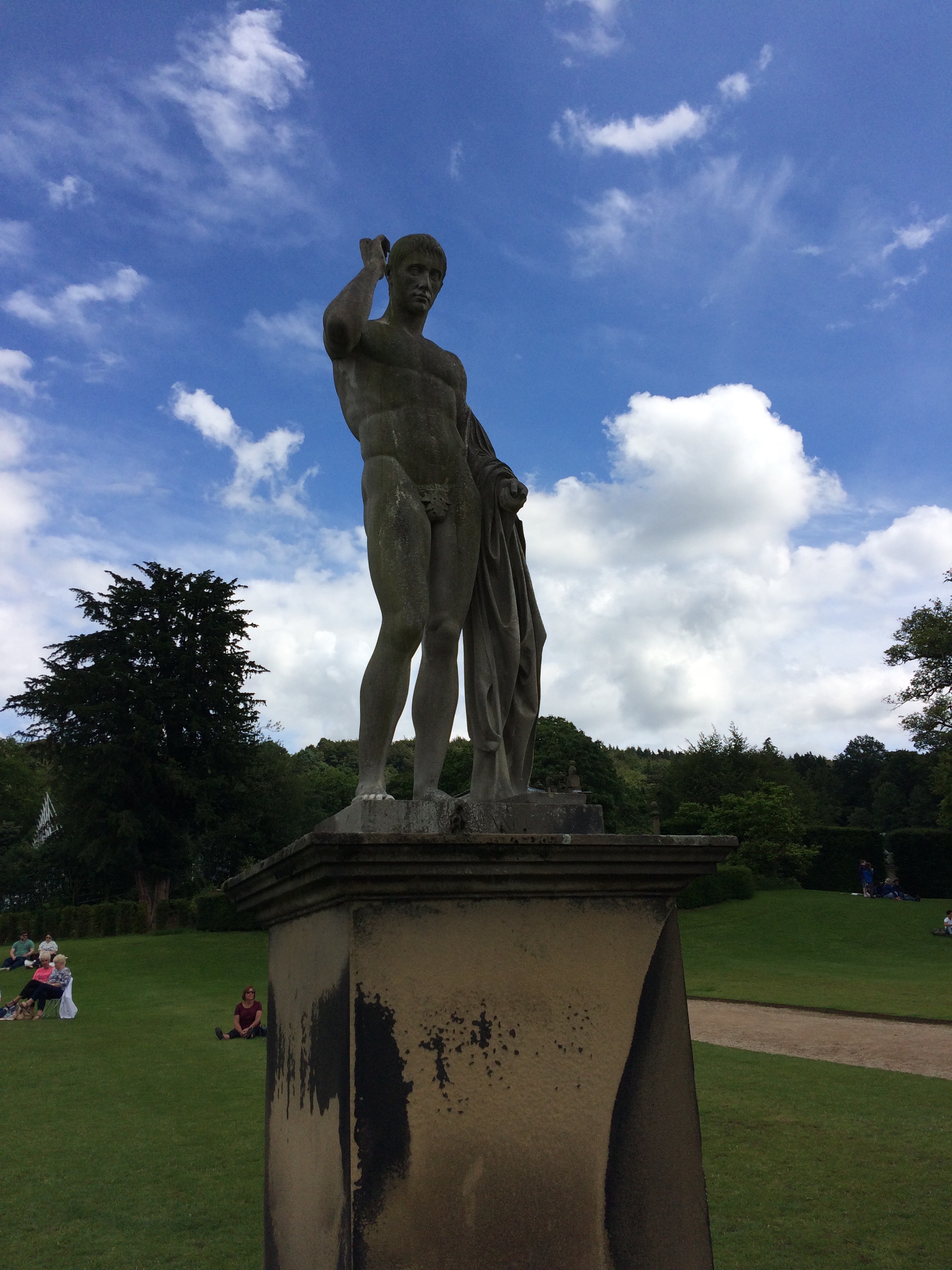
Leaving Chatsworth we drove over the hills and down the valleys, and the landscape was a picture-book tapestry. Stone dykes were pristine, hedges were thick with beech and hazel, clumps of willow herb and buttercups intermingled. Suddenly we had left the Peak district and were in a wilderness of moorland, heather and heath, wide empty spaces of blurred colour. We were in the Yorkshire moors, and drove on until we came to Scarborough. I sang the Simon and Garfunkle song about ‘parsley, sage, rosemary and thyme’ but walking through the wide high street, seeing the brick red houses and the signs for B&B, I think the romance died.
The beach was long, the sea blue and glittery, and we saw a plaque on the Grand Hotel stating that this was the spot where Anne Bronte had died.

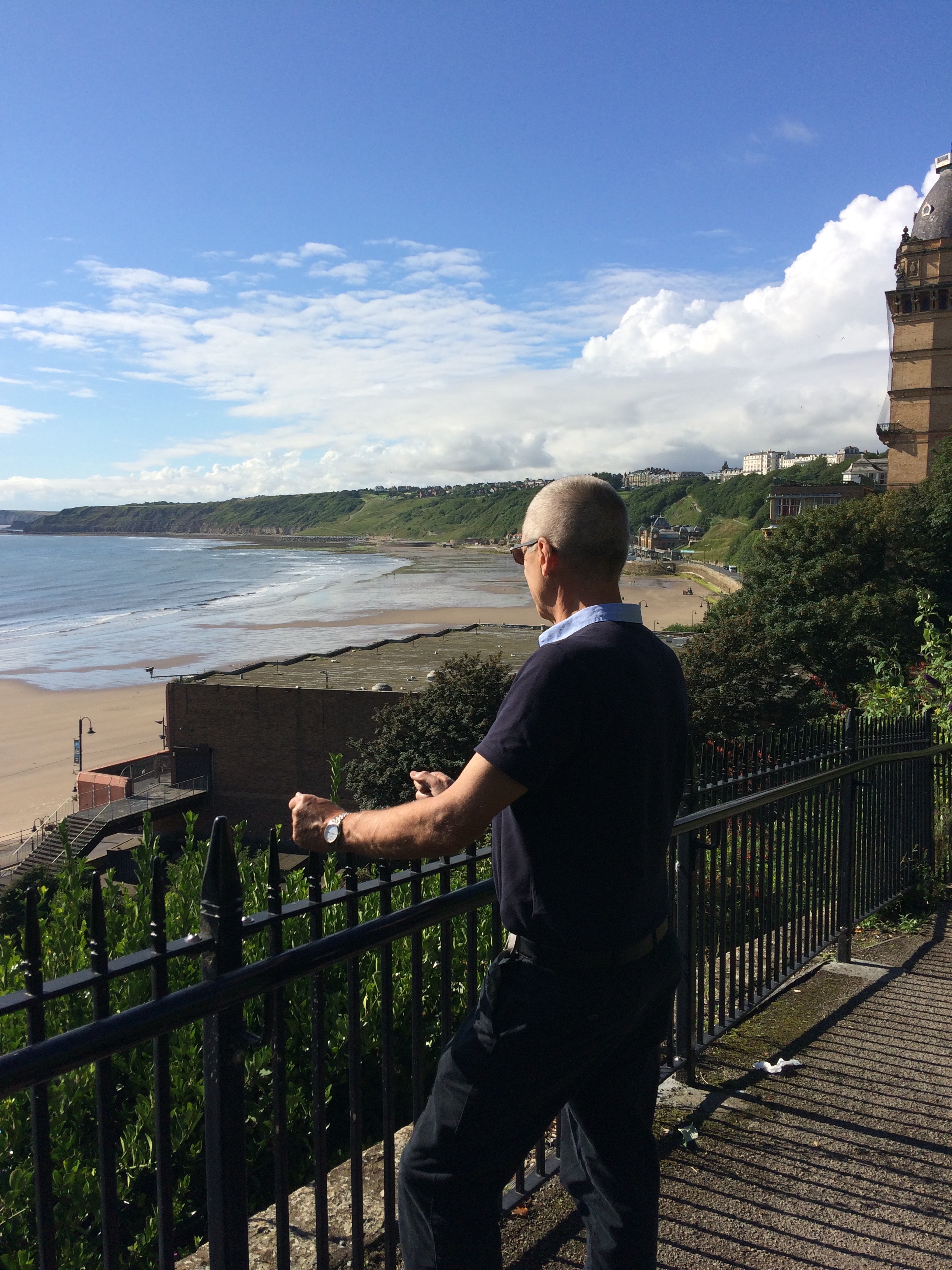
The hotel was dreadful. It was full of fat people. There were queues to register at reception. The evening meal was supposed to be turkey but everywhere smelt of fish. Our room was no bigger than that of the Youth Hostel, but the view was splendid. We ventured out and ate at a Greek restaurant. Thank God we did. It was fabulous. However, the hotel breakfast was fried eggs on platters looking about a week old, bacon all stuck together and tomatoes straight out of the tin. Coffee came from an urn. It tasted as though three teaspoons of Nescafe had been mixed with three gallons of water. We paid, reluctantly. This was supposed to be our treat after Snowdon. The Grand is only a memory of itself. When it opened in 1870 it had an orchestra playing Haydn, the grand staircase was wide enough for two crinolines to pass. Now there are machines where you can get a robot to pick up a teddy. There is Bingo every night.
The road took us away. And we came to Whitby.

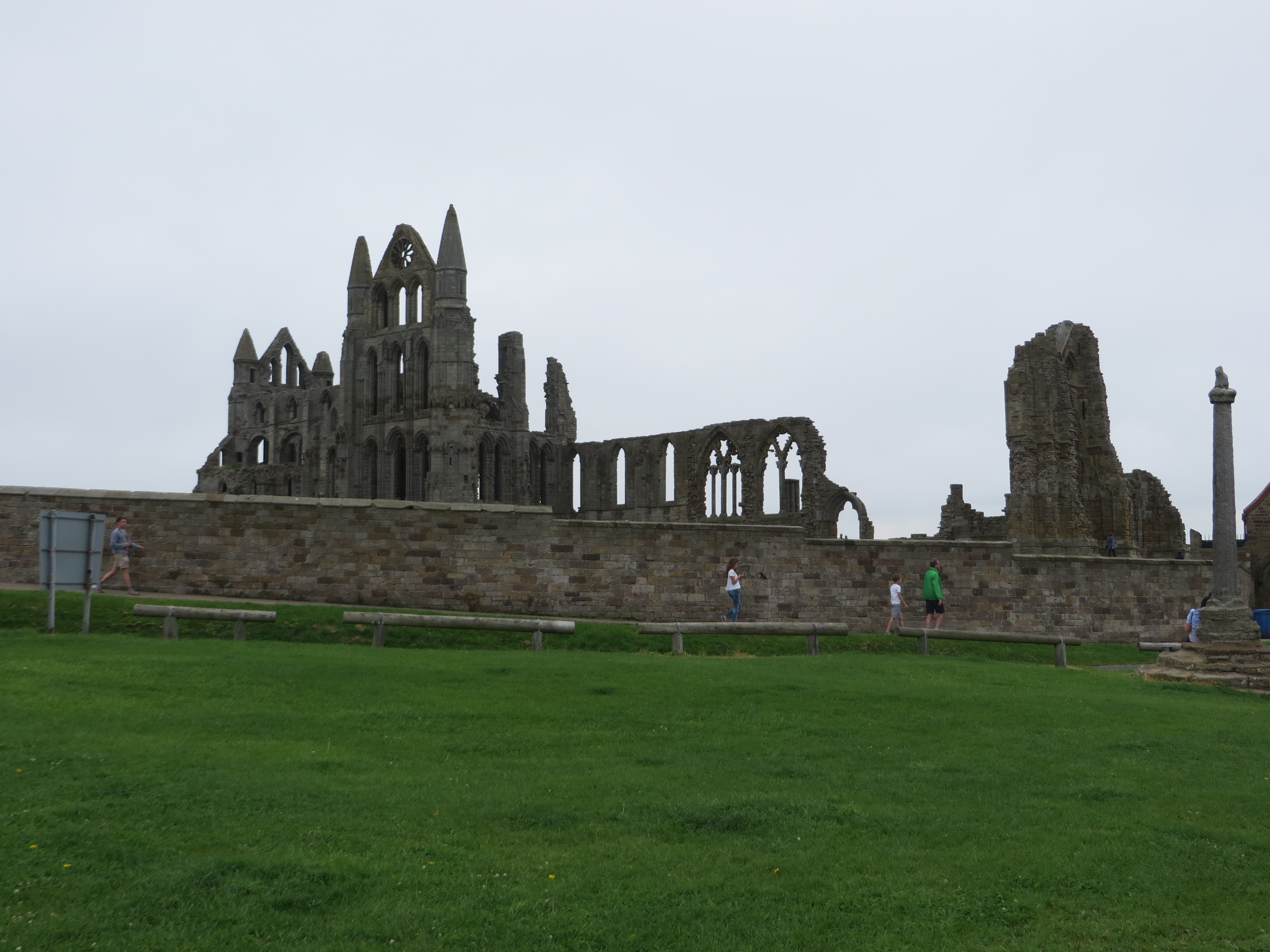
I have wanted to come here for years, since reading A.S. Byatt’s novel, ‘Possession’. The lovers met there and bought jet and it was all very gothic and quaint. I was not disappointed. There was an abbey, a graveyard that was hiding in a hay field (no one was washing their clothes on the stones),
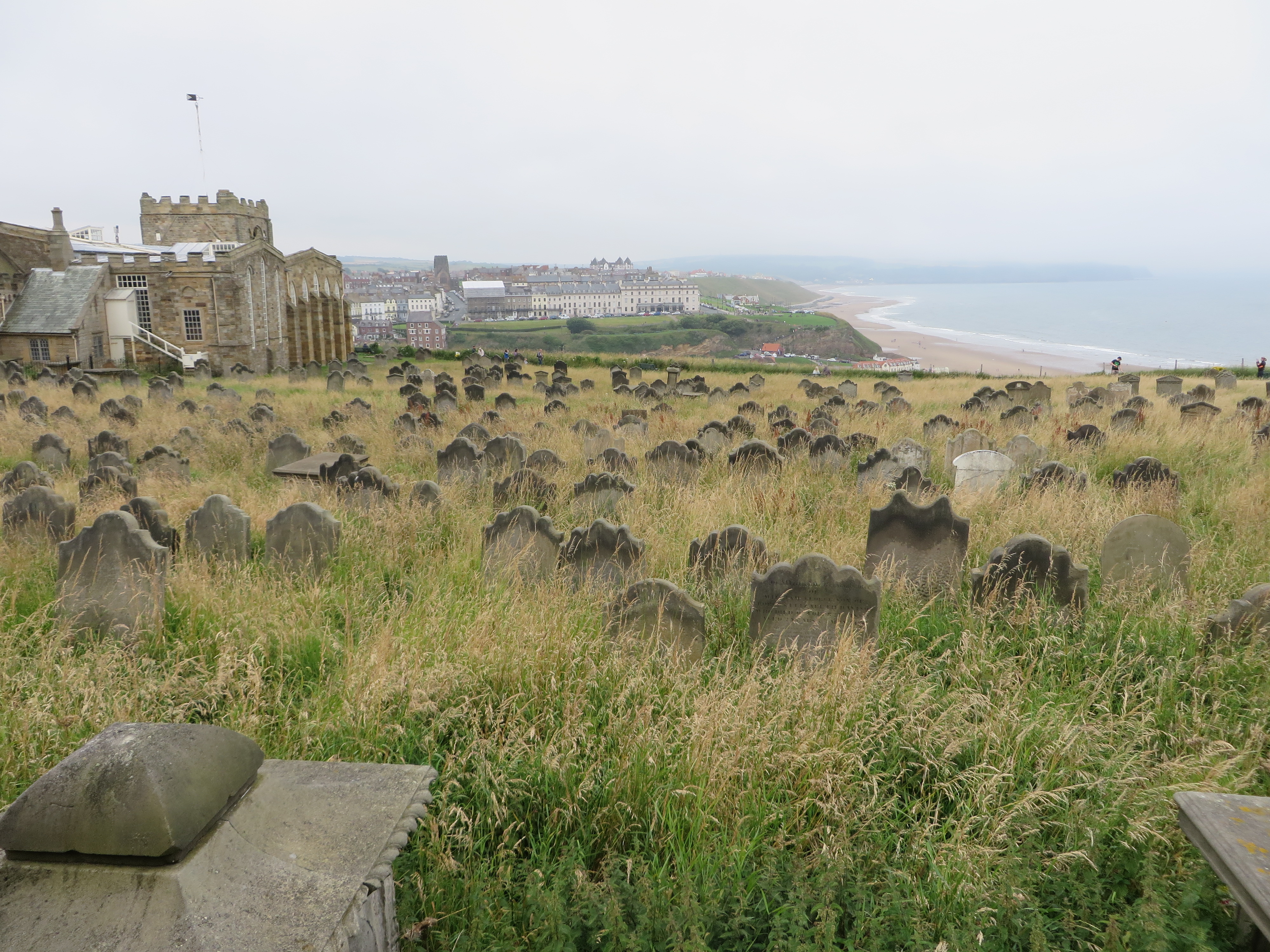
and grown up people walking about dressed as pirates. I asked the lady in the tea room what that was all about. Was there a show or something? ‘Oh no, that’s what they do, if it’s not pirates, they dress up as Goths, that’s just Whitby.’
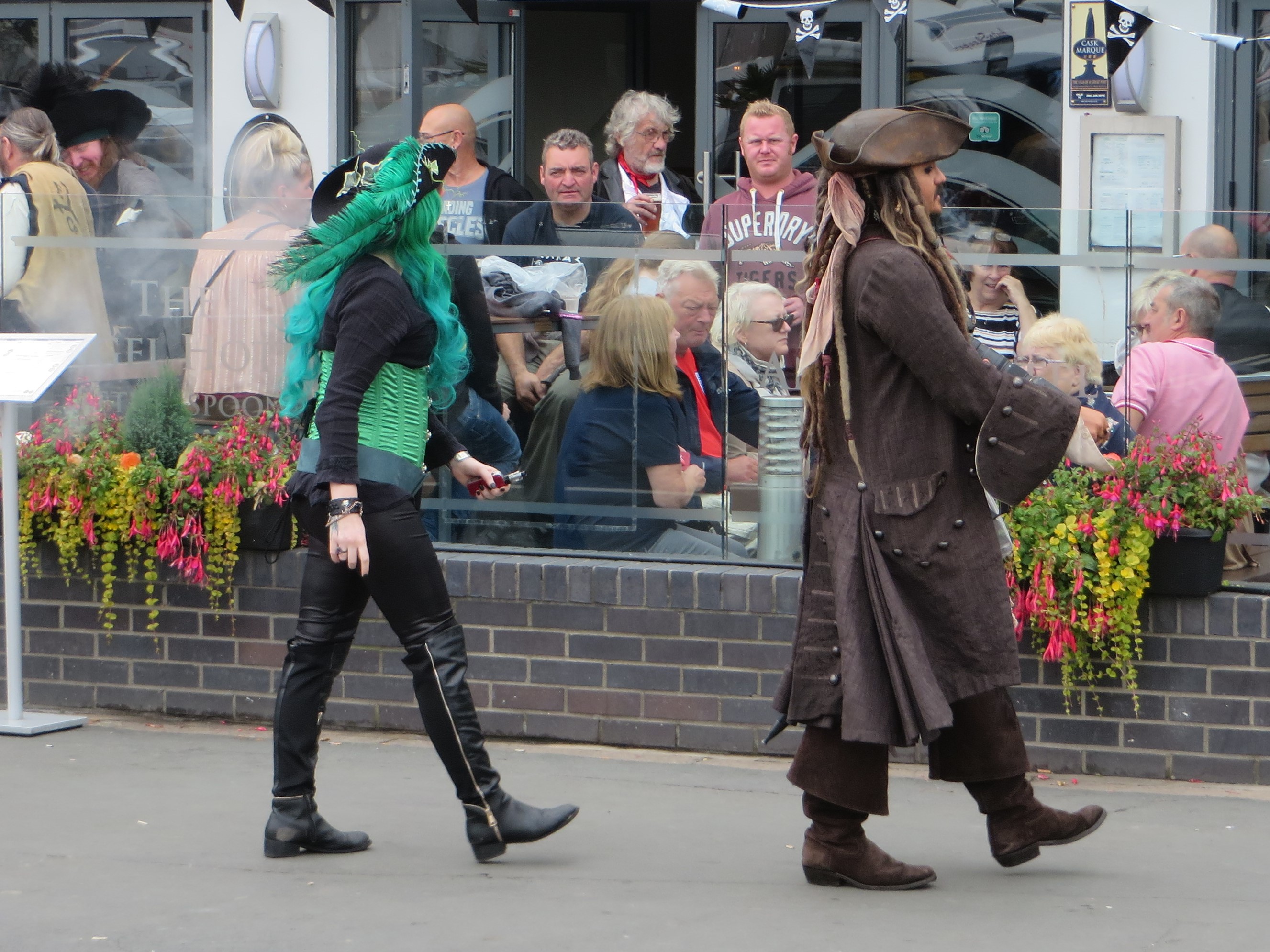

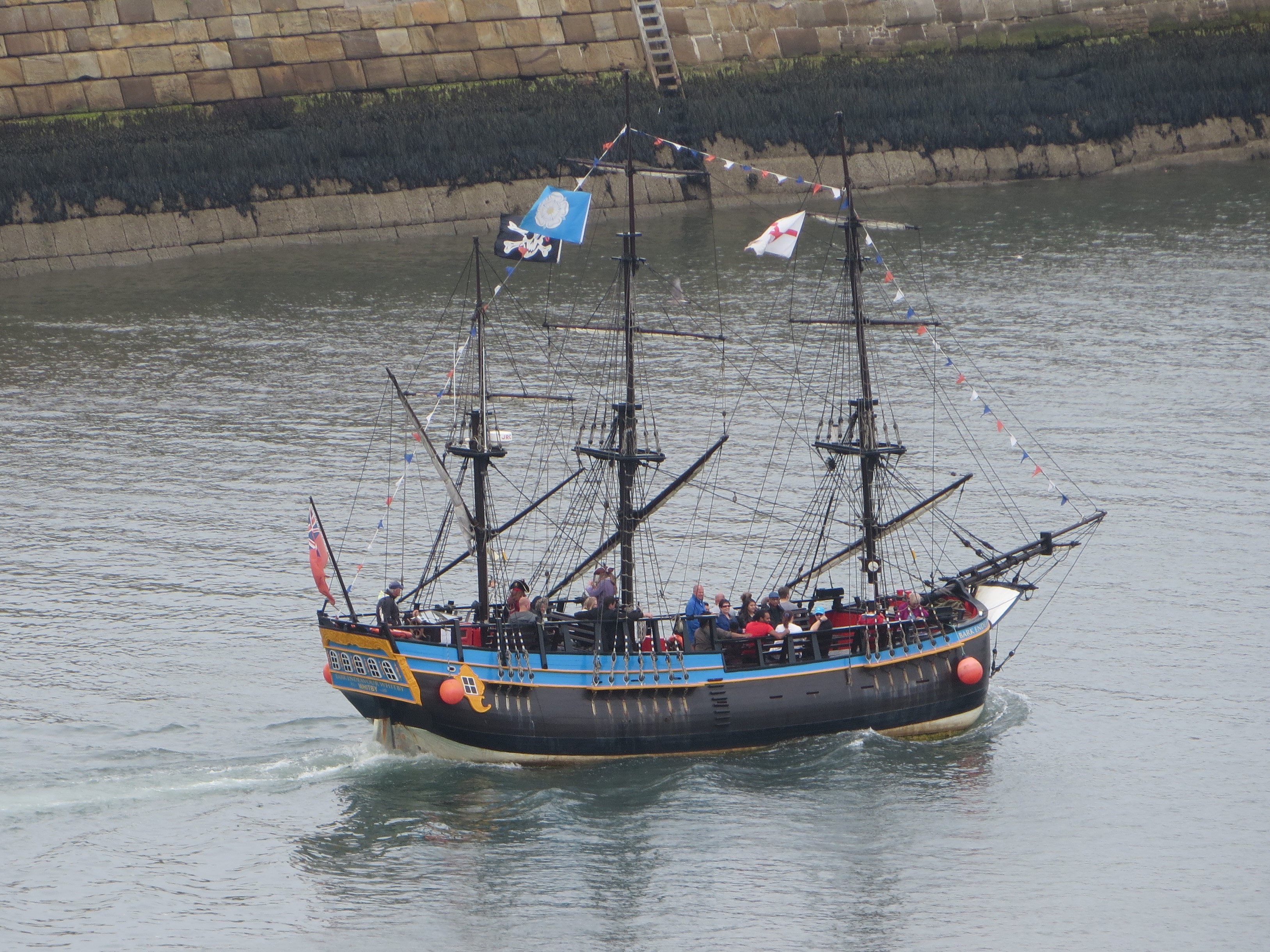
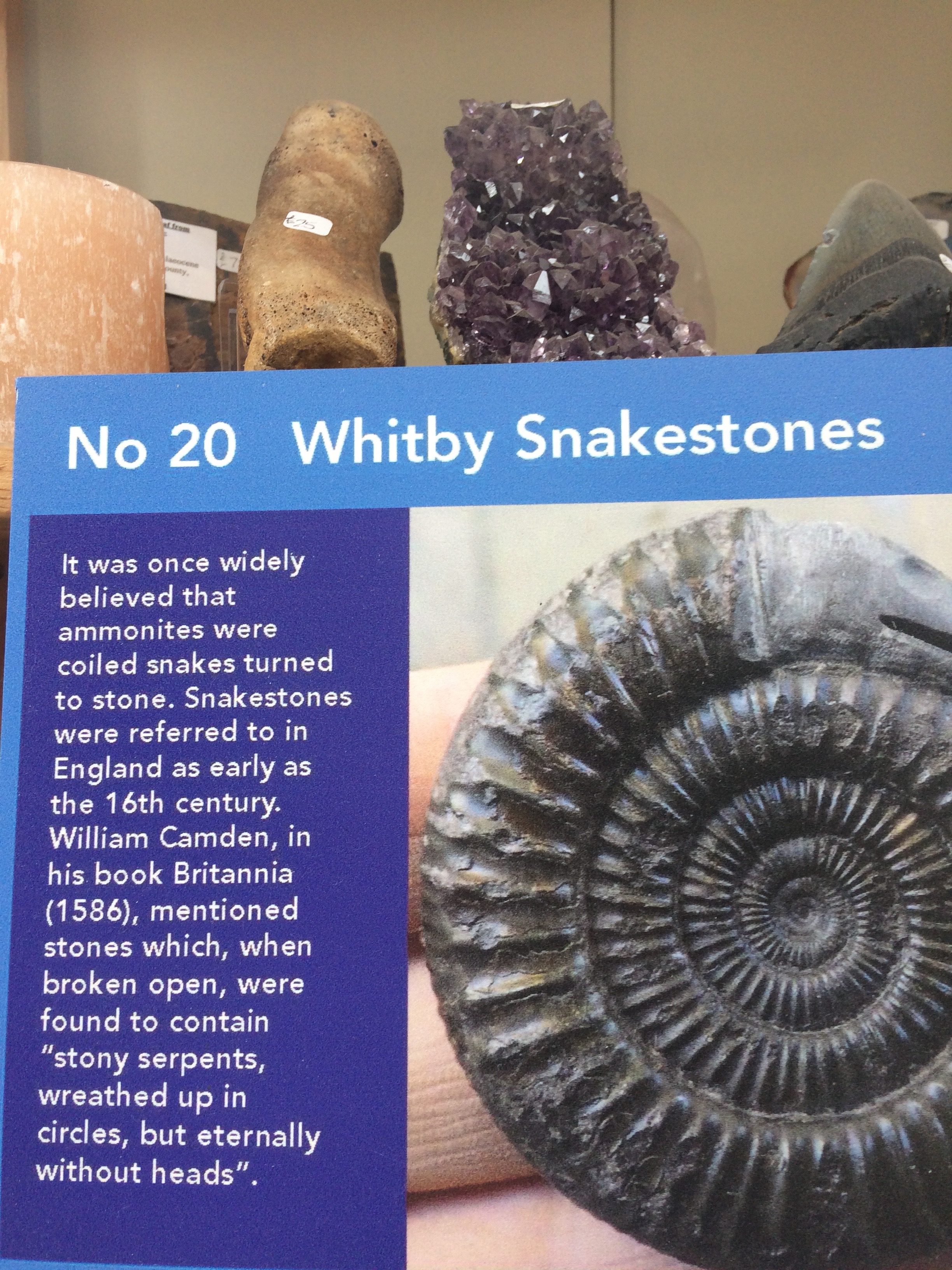
We did look at fossils, queer serpent like things, millions of years old, and jet jewellery. John proudly presented me with a bracelet that cost £1.75. Good souvenir!
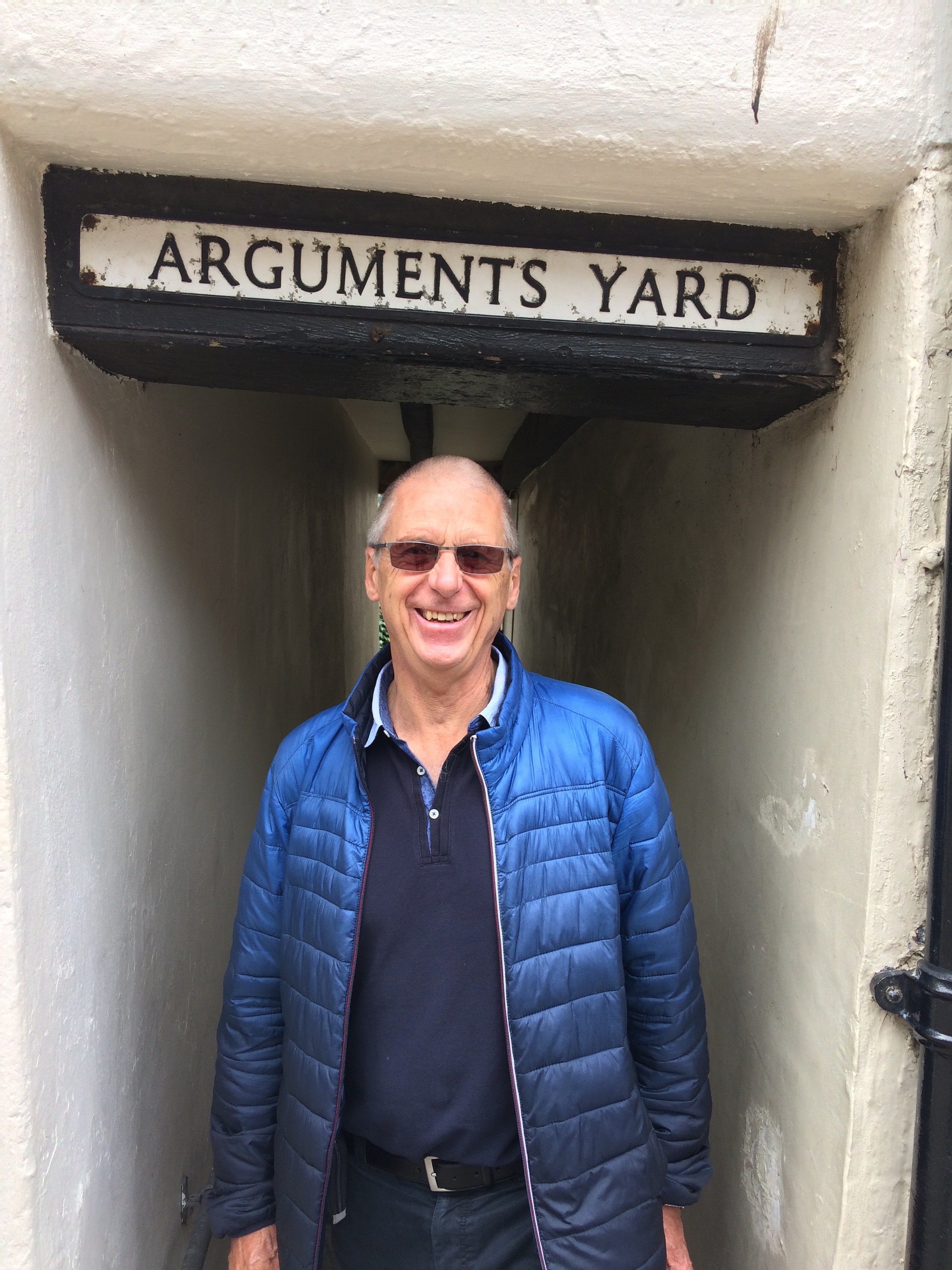
I’m glad we came, I’m glad I saw places that have only been names in novels or on the News. But most of all I loved the huge swathes of landscape. Maybe we should walk the Pennine Way, and really be part of it for a while. I don’t think I am that ‘lady that walks through a field wearing gloves, missing so much’ but whizzing past in a car only gives you a fleeting impression.
We are home. The suitcases unpacked, the photos stored to be remembered. I still have the bruises from where I fell on the mountain, I still have the memory of sunny Blackpool and the golden empty sands and the famous ballroom where elderly ladies and gents fox-trotted around the room in net and high heels.
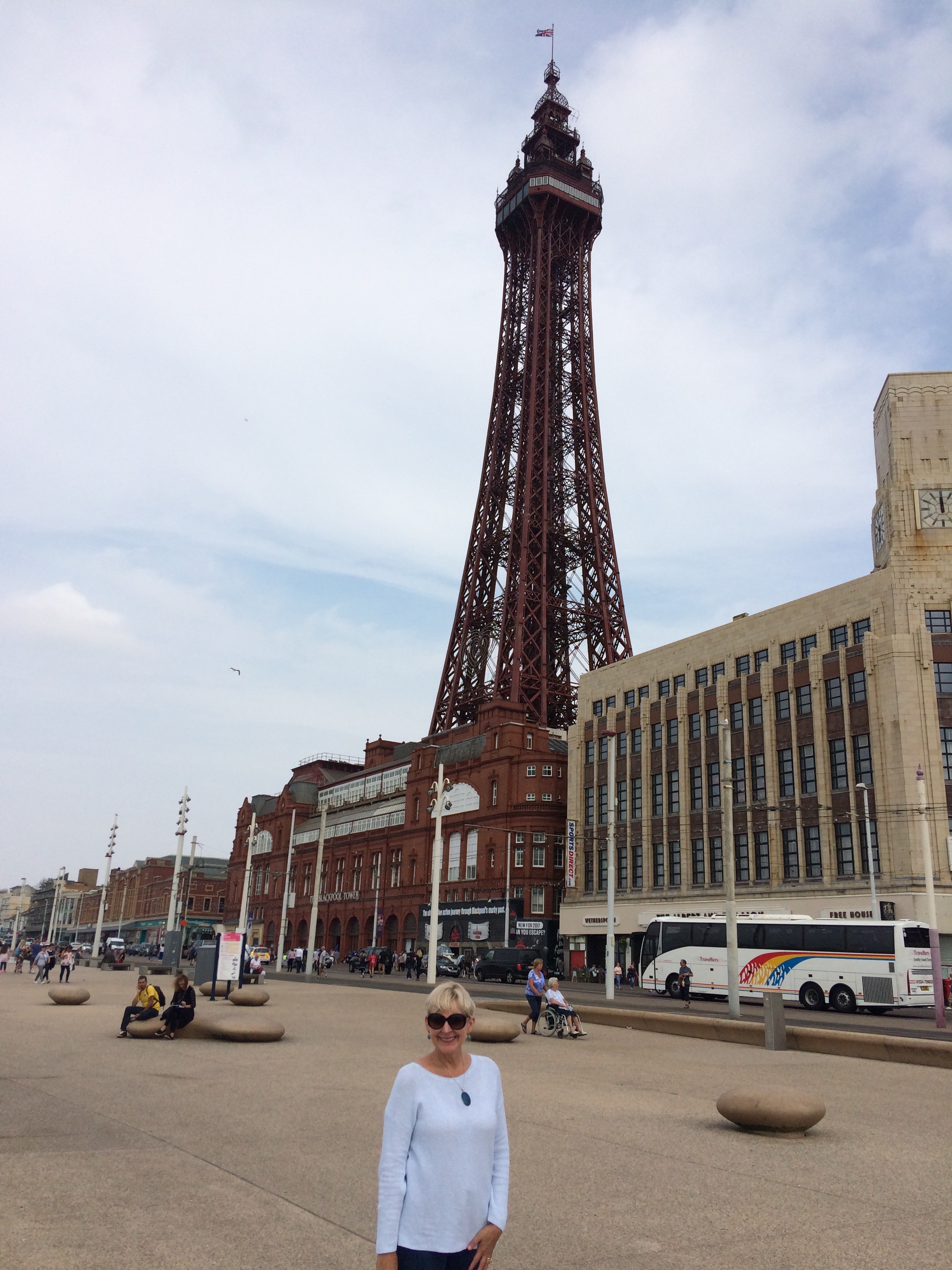

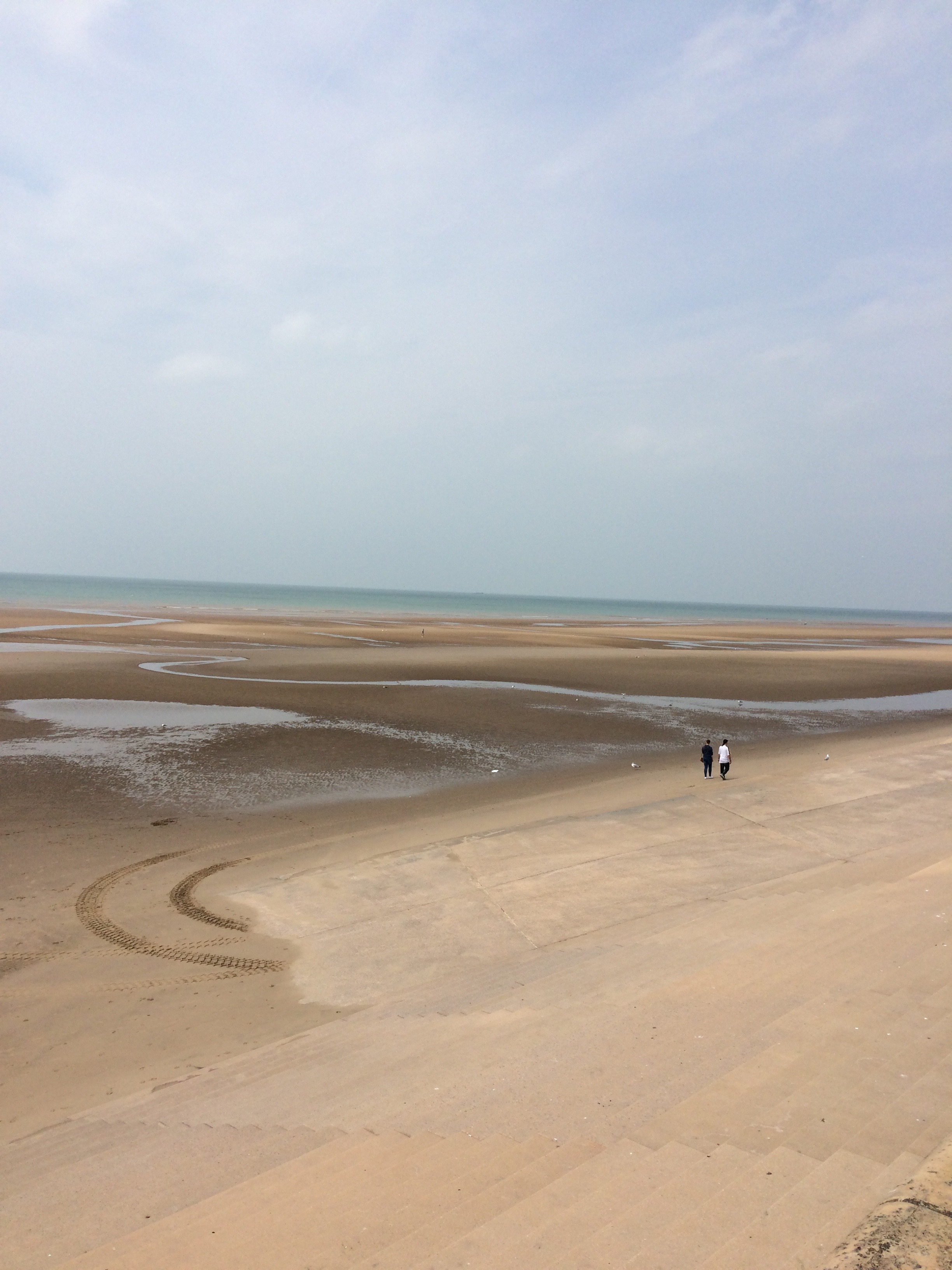

It sort of blots out the cardboard-tasting fish and chips. And Chatsworth, and Whitby and the pretty village of Eyam – I will remember walking down the road at dusk, under the drippy trees, and seeing a sign on the village shop, ‘The shop will be closed on Saturday as it’s Lyn’s birthday and I am taking her out for a slap-up dinner.’
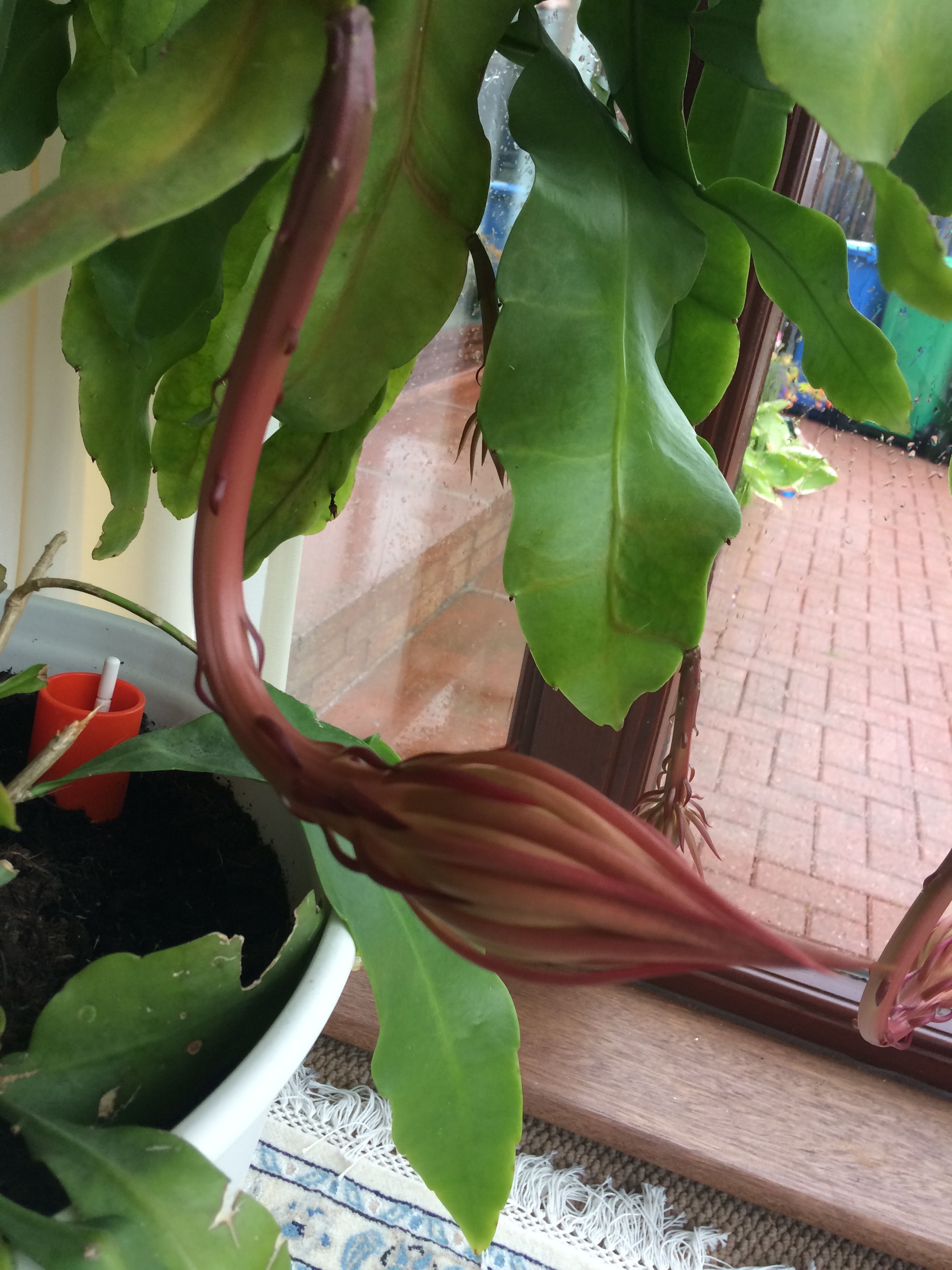
No, not dull. It’s good to see and learn and it’s good to have time to reflect. And look at my King Wa plant. It has 10 buds all waiting for the full moon to open and flower. How magical is that?


 Tales from the Gael