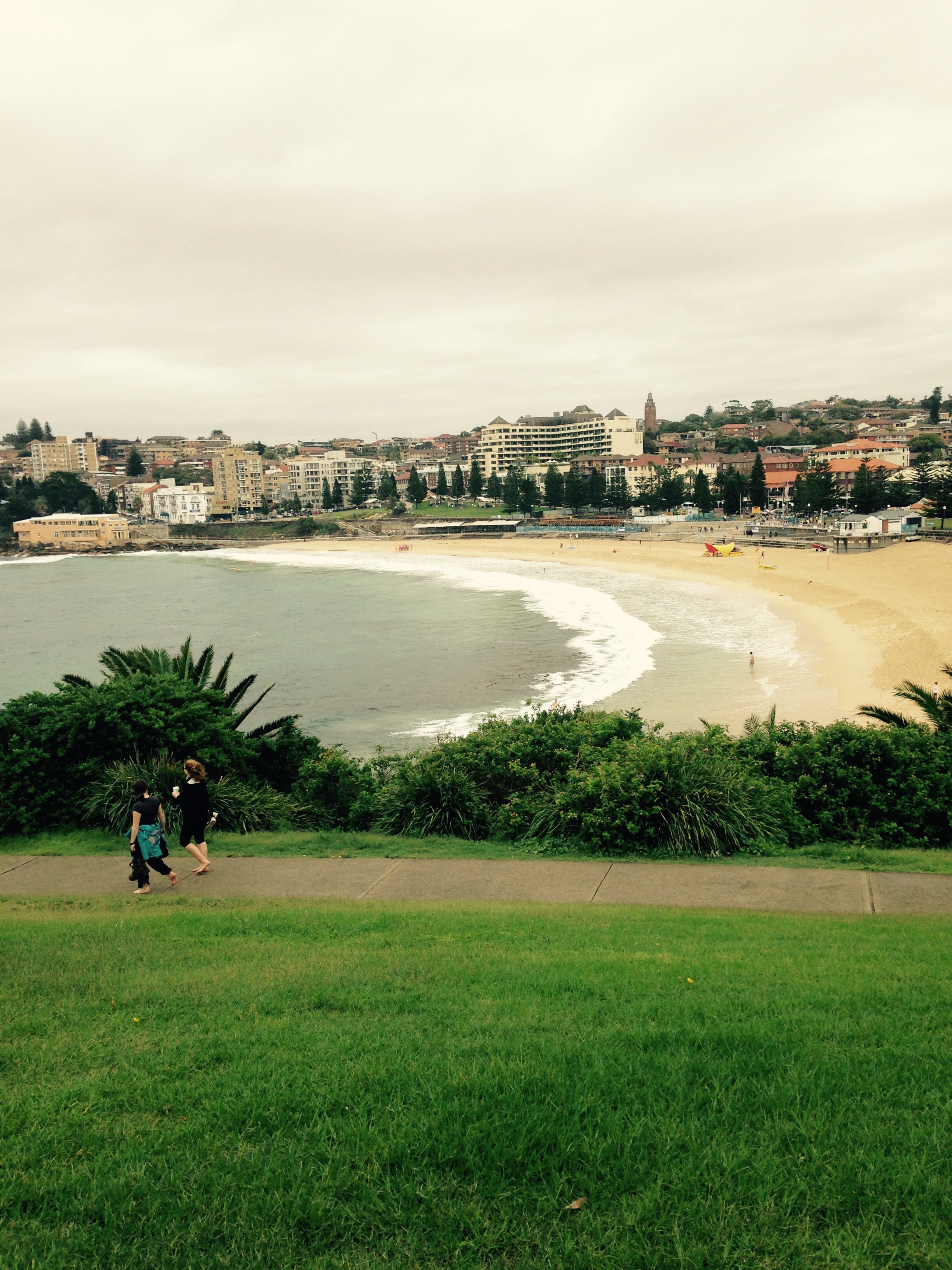
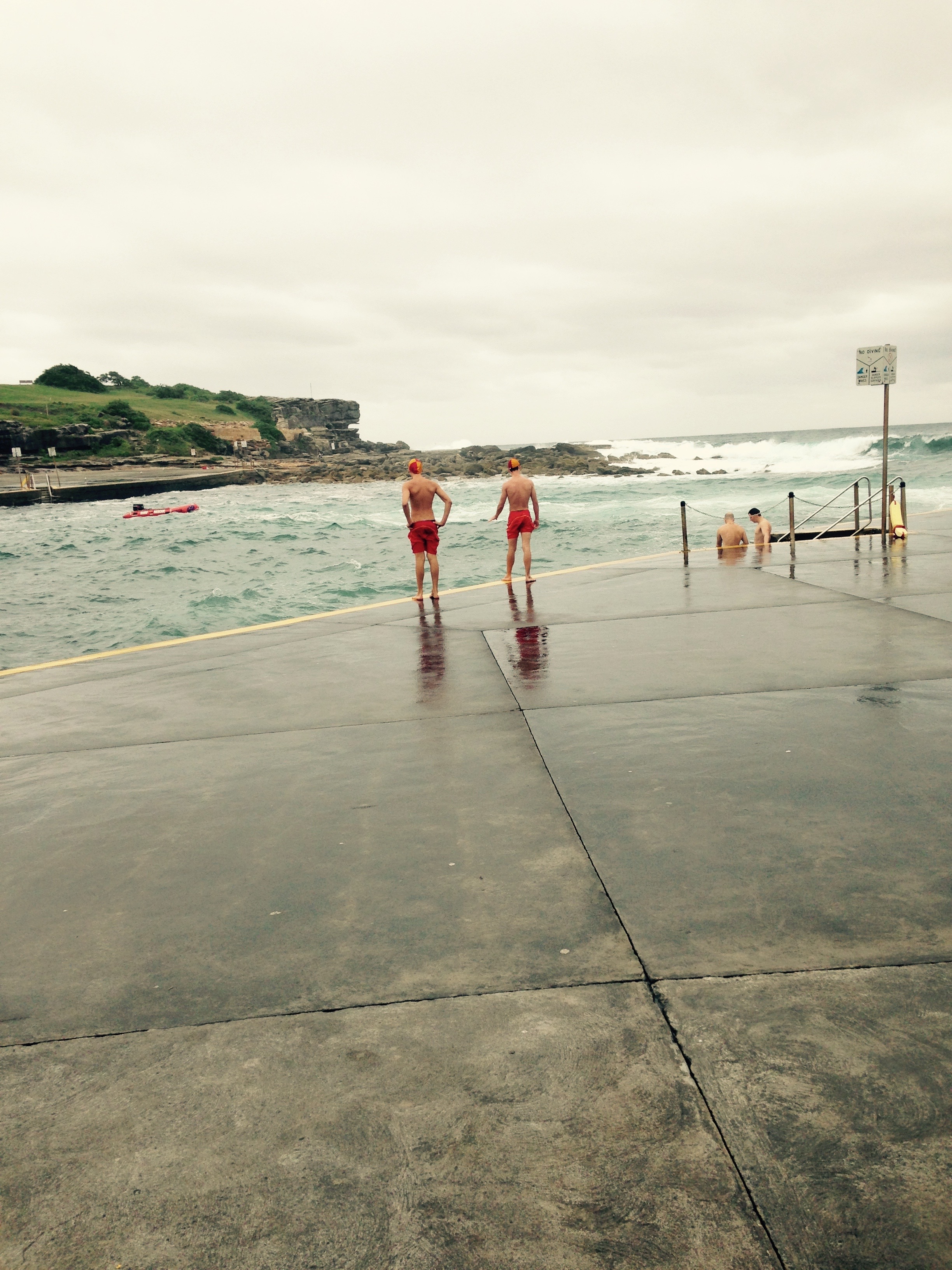
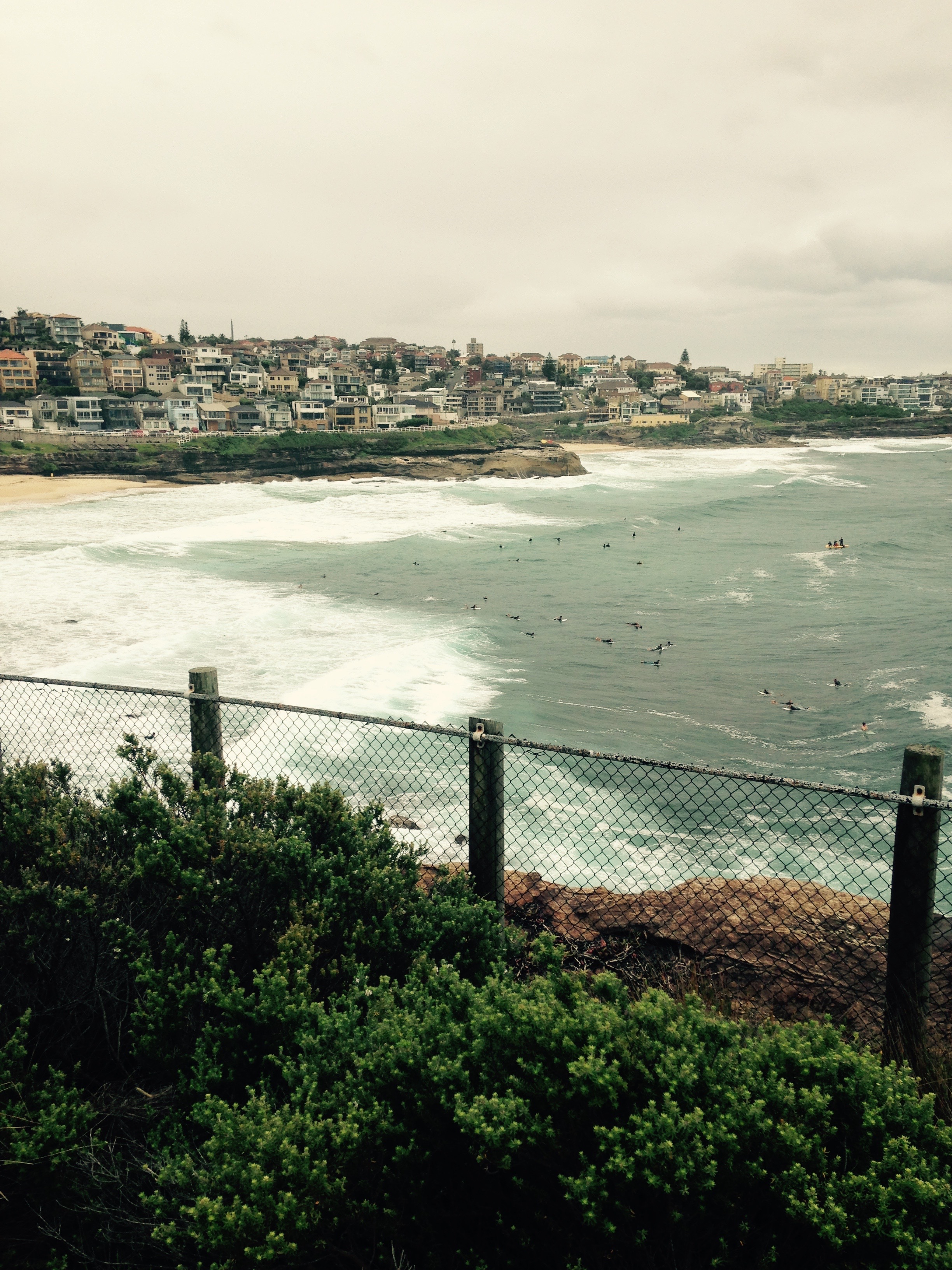
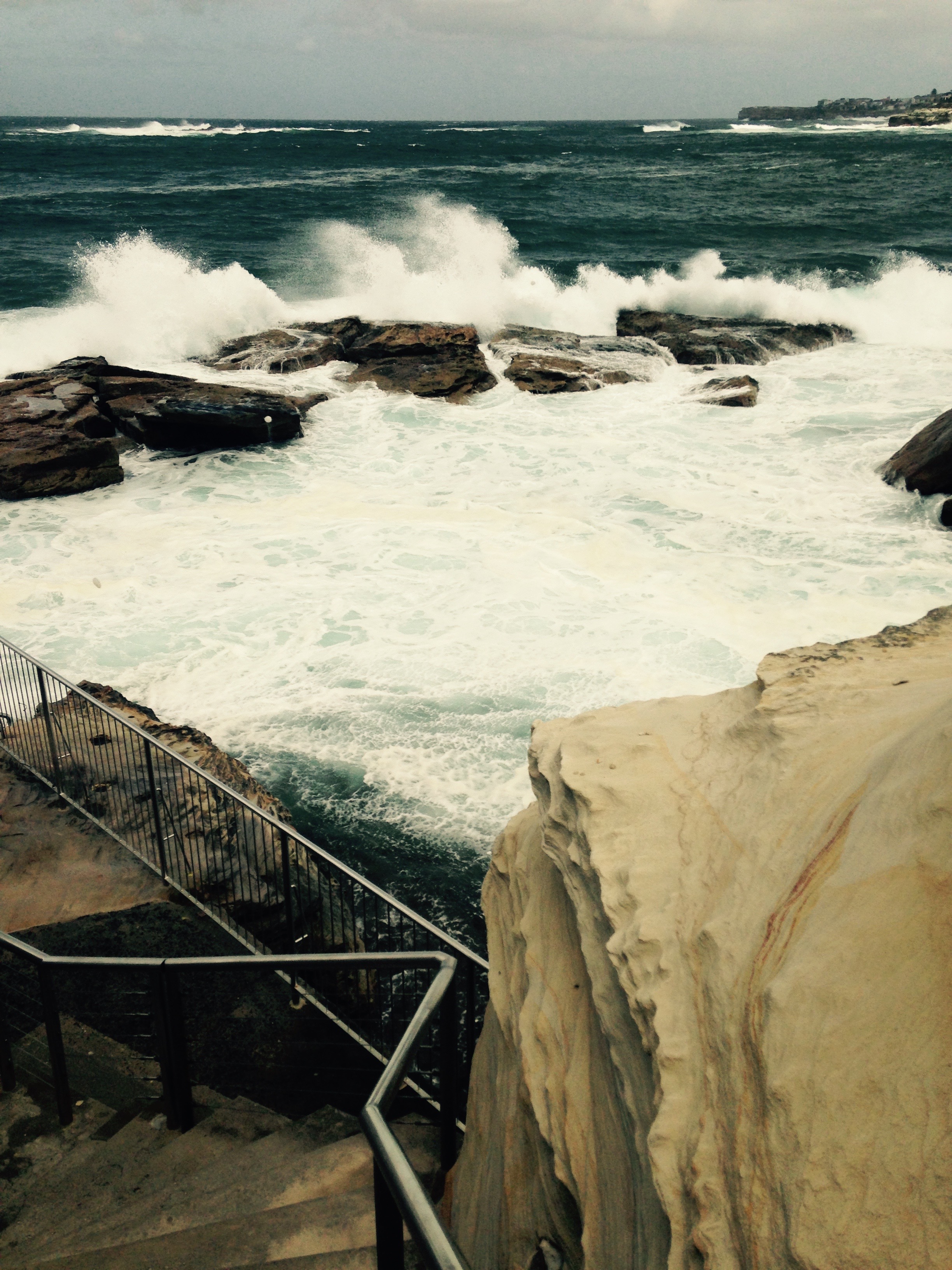
Once again I sit here in Coogee, overlooking the ocean, and watch the surf hammering the shore. Boards are lined up on the waves waiting for the next ‘big one’, and the lifeguards are poised, waiting to rush in, like intrepid fools to sharks and rip tides when no one else would dare.
This morning I walked the 7 km walk along the Eastern Beaches Walkway from Coogee to Bondi, and marvelled at the waves, the pretty inlets, the wild flowers and bushes that lined my way.

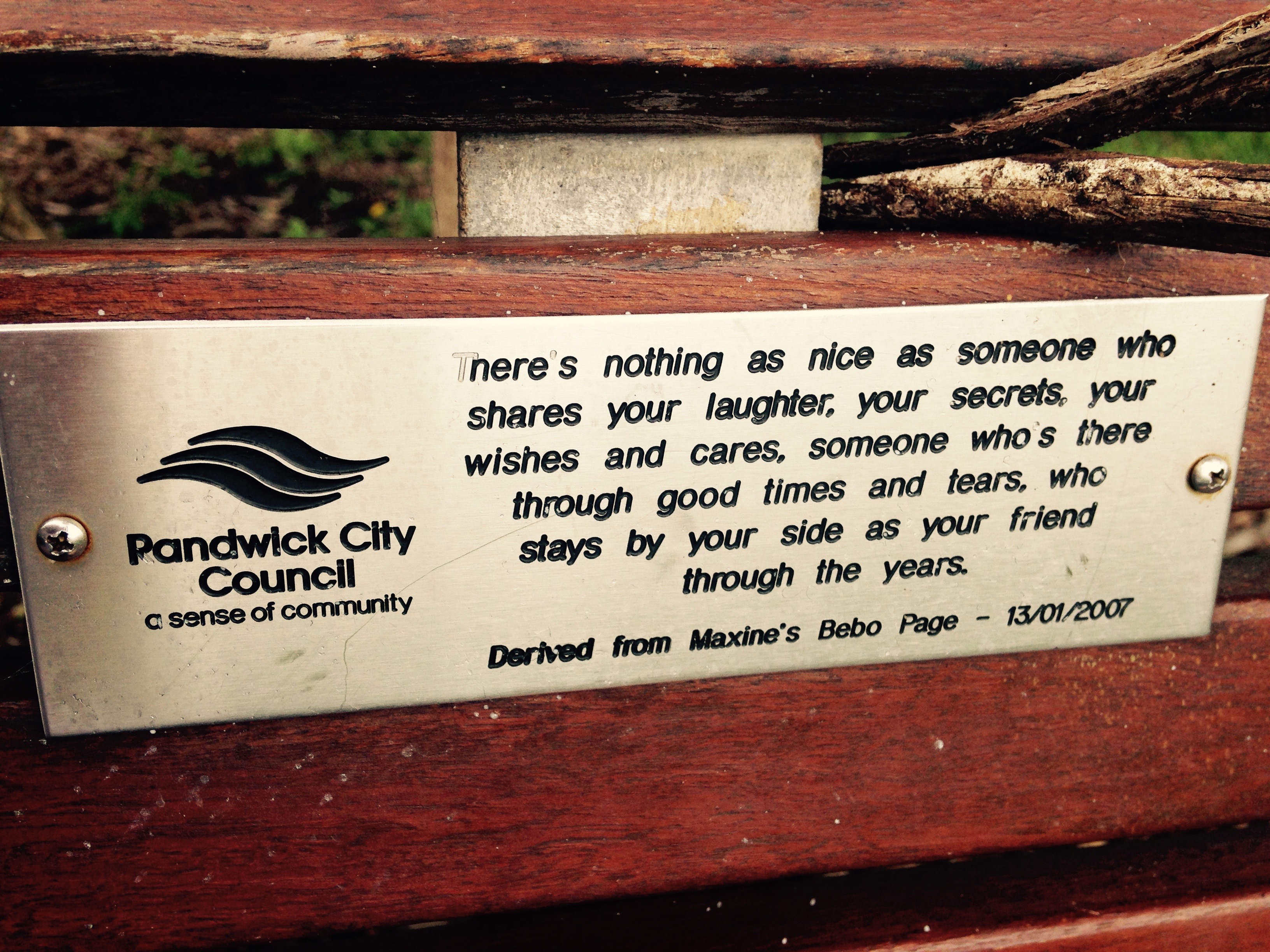
I read inscriptions on benches,
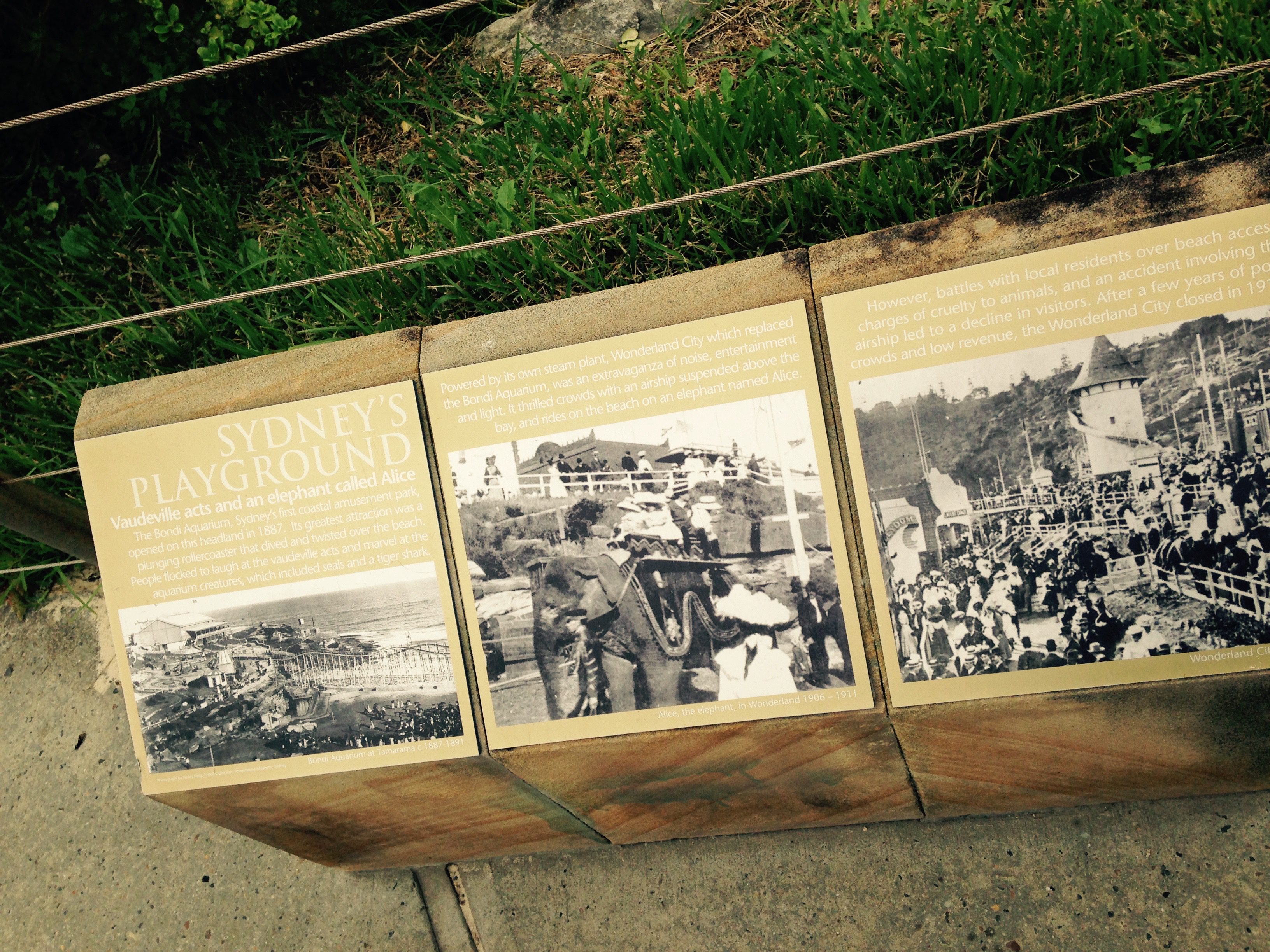
learnt about piers that had been built as reminders of an English way of life, only to be dashed and splintered in the wild storms of the Pacific Ocean, seen follies where elephants once gave rides, and all the time I marched along until finally I viewed Bondi Beach.
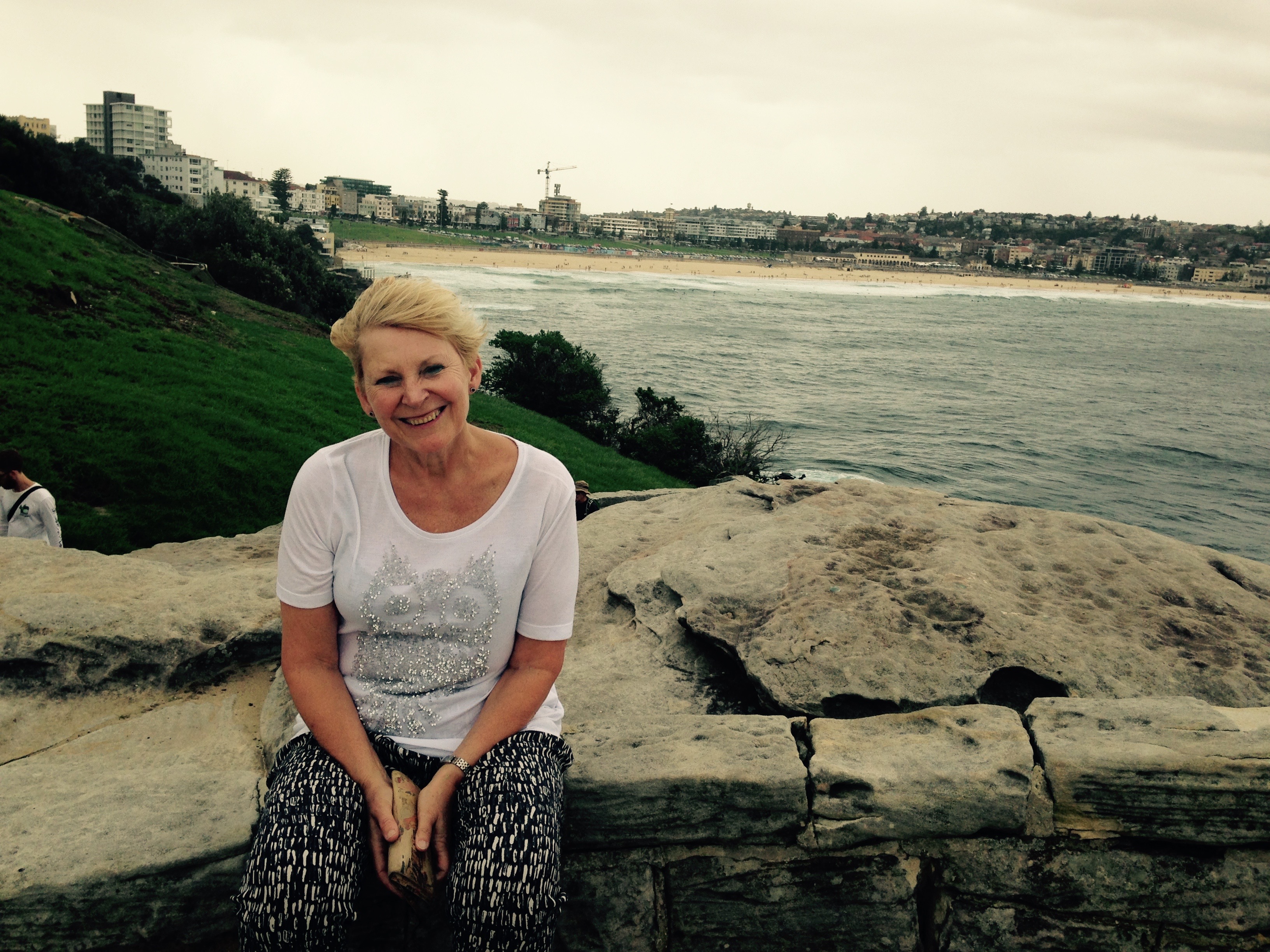
It used to be THE name that epitomised Australia for tourists around the world. I liked passing the rather enviable ocean view houses, and passed through Bronte, Tamarama, and of course Coogee. I came back worn out and lay and listened to the surf.
I am quite tired. Nick and I have driven close to 4000 kms in the last few weeks.
We flew down to Hobart in Tasmania, and landed in the evening sun. We sipped a Cascade beer in the rather select Battery Point area and I was quite taken with the Georgian buildings, the cute cottages covered in roses, the old world feel, and an elegance and sophistication. Well dressed ‘yachty’ types came in to sip a wine or two, and I imagined them polishing their giant yachts ready for the big Sydney-Hobart race. Above us Mount Wellington towered and we drove down to Sandy Bay where more well-heeled citizens strutted about, and sipped drinks in Salamanca Place.
I had no idea what to expect. Both Nick and I knew the history and the tragic stories of the convicts and of the appalling extermination of the aborigine population, but we didn’t really know what to expect from this island just south of the mighty mainland of Australia.
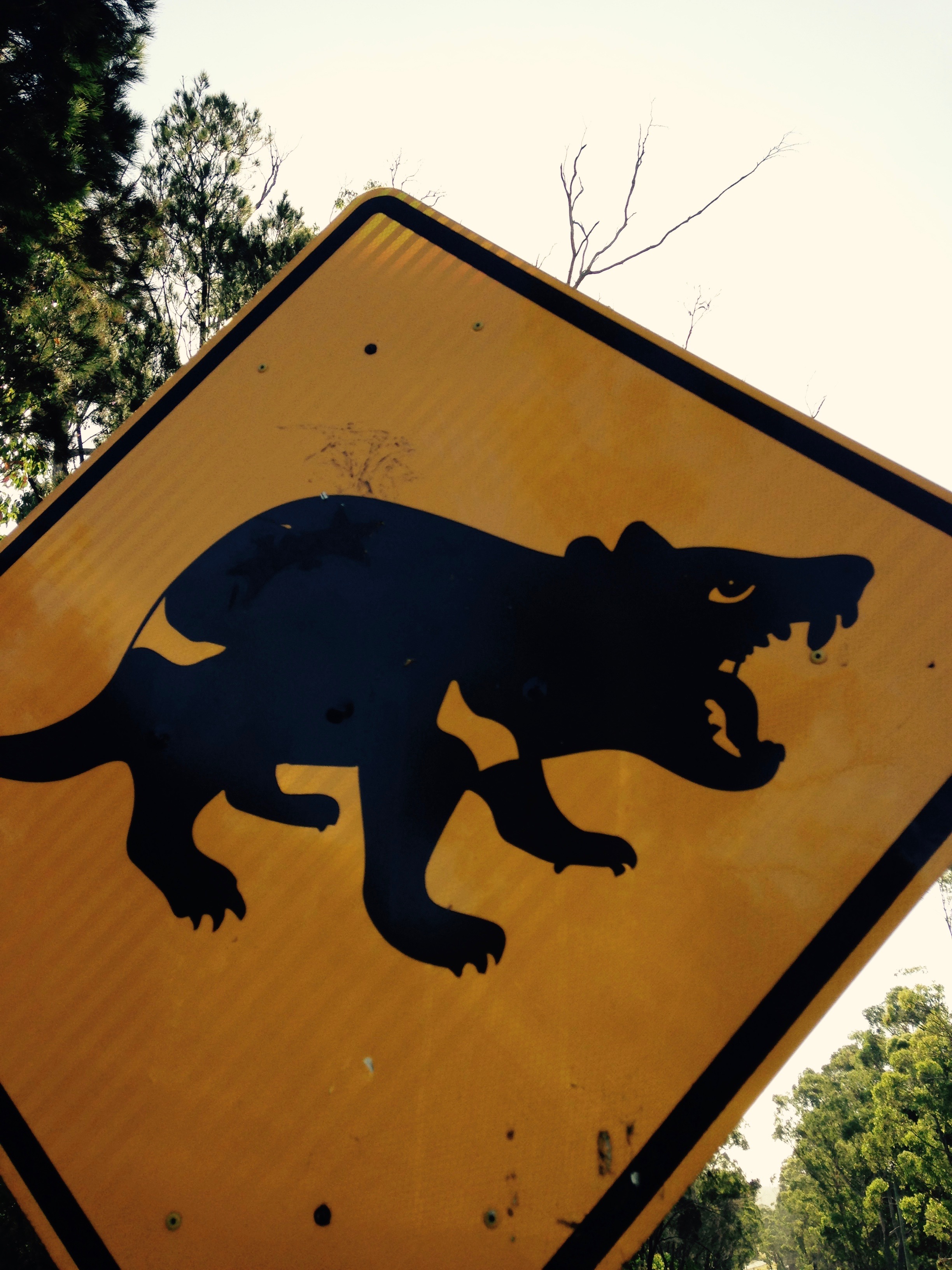
The next morning, with map on my knee, almonds and sweets at the ready, we set off up the East Coast Highway, and were at once horrified at the amount of road kill. Dozens of possums, wallabies, wombats and goodness knows what else had dared venture out on the road, presumably at night. There were no roadmen to remove the bodies, so crows pecked happily and we kept a wary eye on the bush at each side of the road.
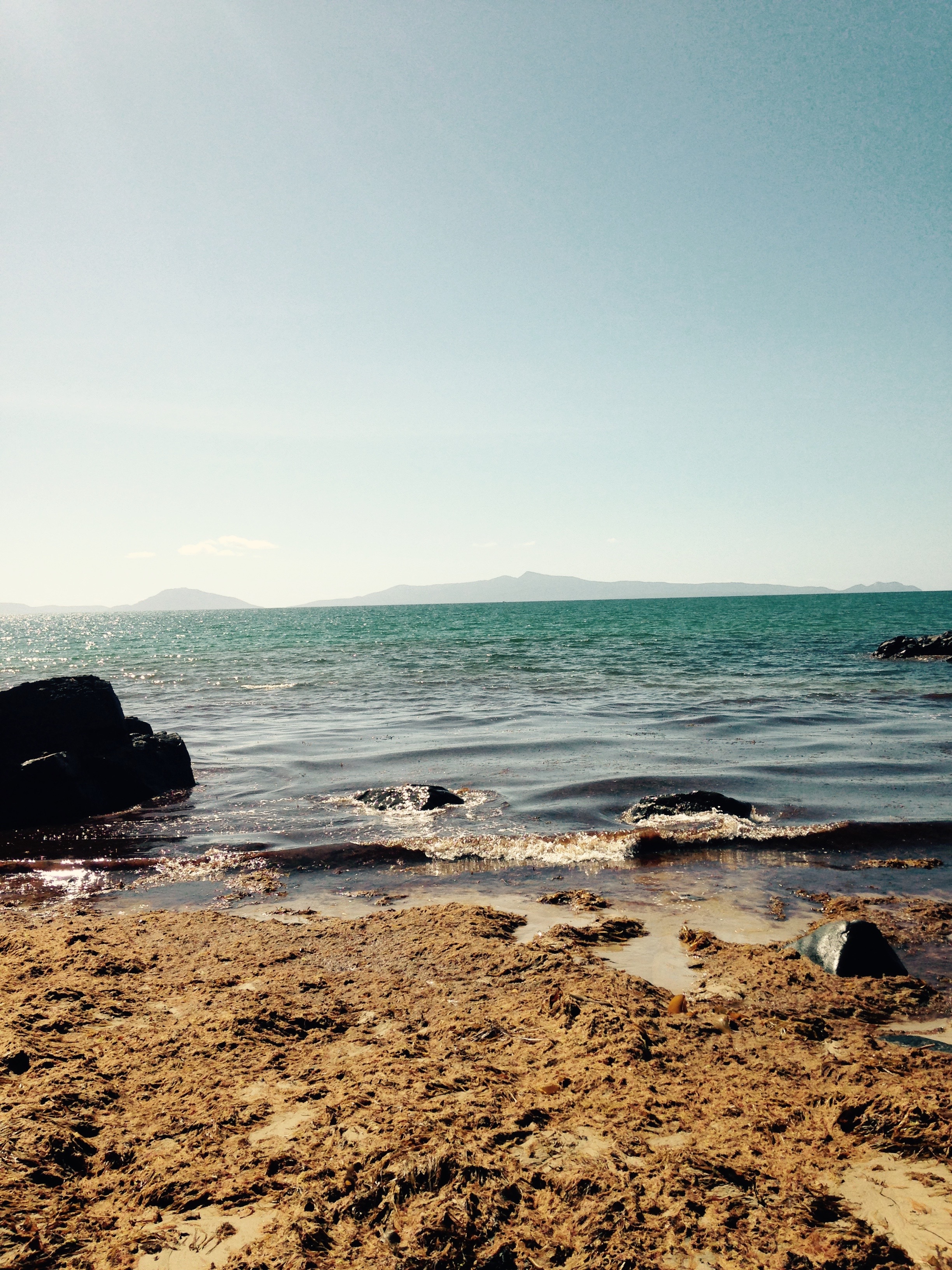
We came to turquoise beaches, with islands framed in the sunshine. I felt that I was at home, gazing at Skye or Eigg or Rum. But the fronds and ferns made you think you might be in New Zealand. It was so confusing. Then on round the corner we were back with the gum trees and we had to be in Australia.
We whipped off the road to the left and drove for about 20 kms to the Freycinet Peninsula and Coles Bay where we left the car in a disabled spot, and I worried that the rangers would come back. Nick said he saw them leave for their lunch and we would be fine. We weren’t that fine, for we set off in the full midday sun with half a bottle of water, and we climbed up and up and up into the pink granite rocks, where boulders balanced on mightier boulders, and the sun beat down on our hatless heads.
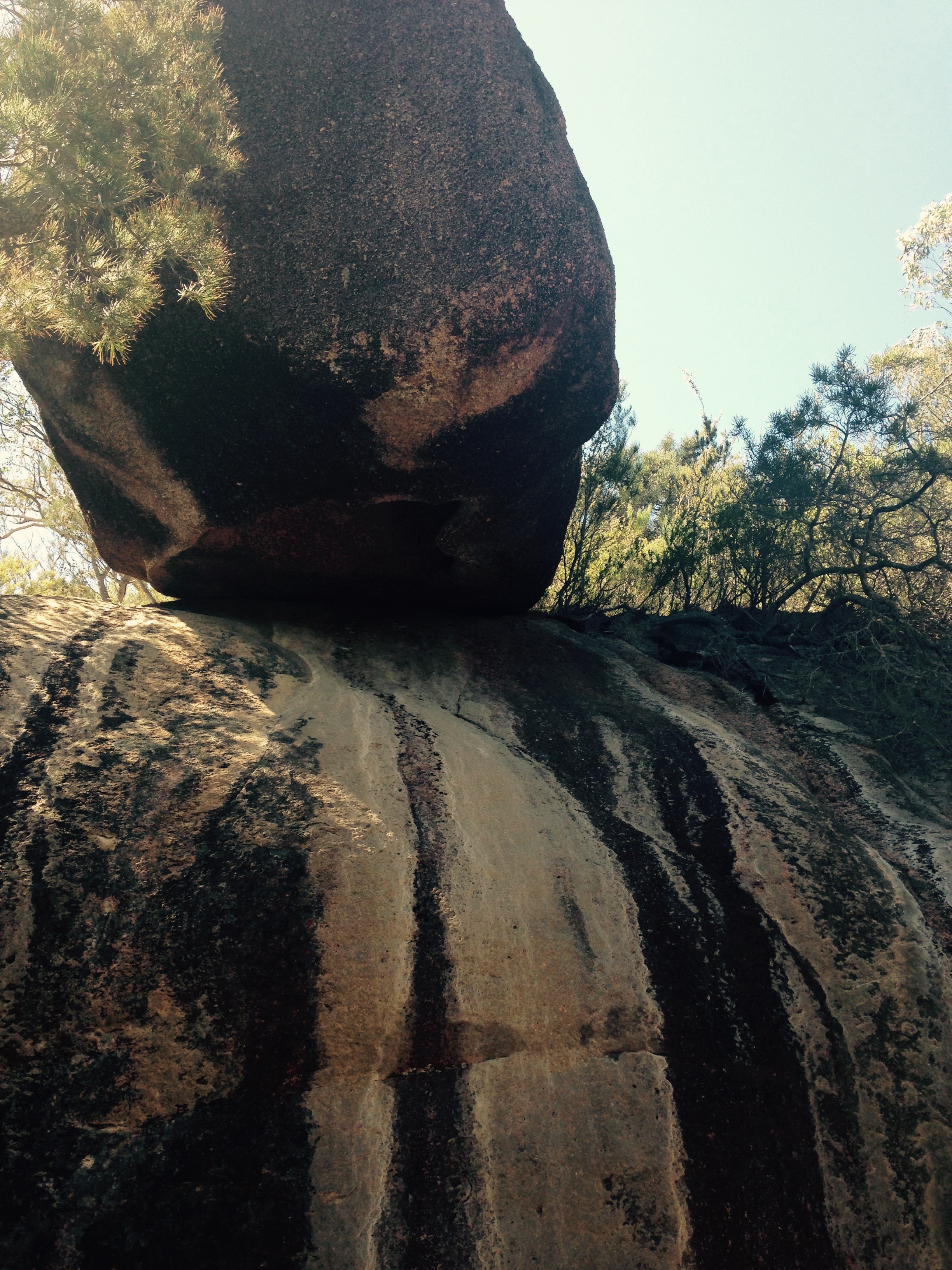
After about an hours climb we reached the lookout point, and below in the most perfect arch was ‘Wineglass Bay’.
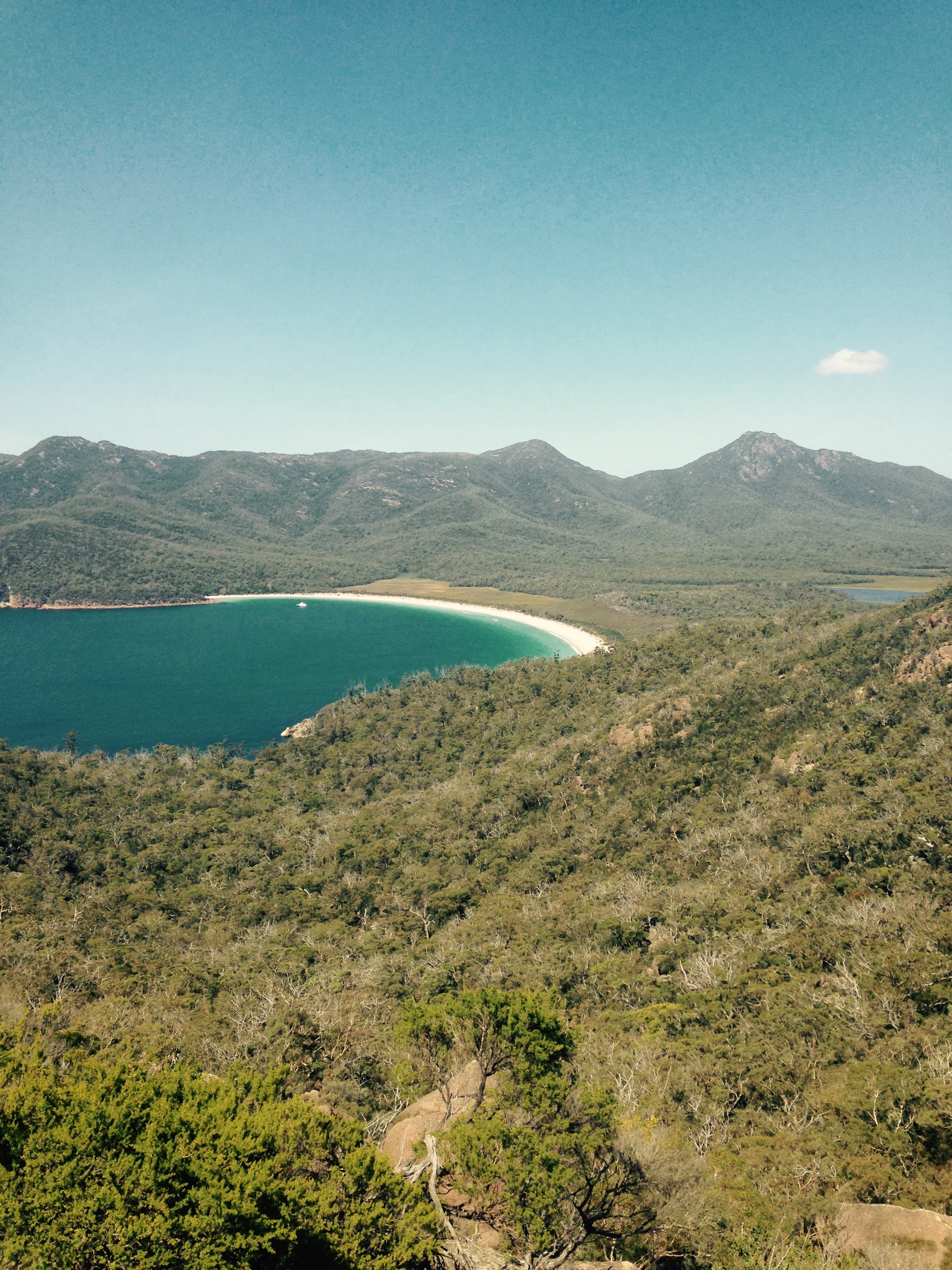
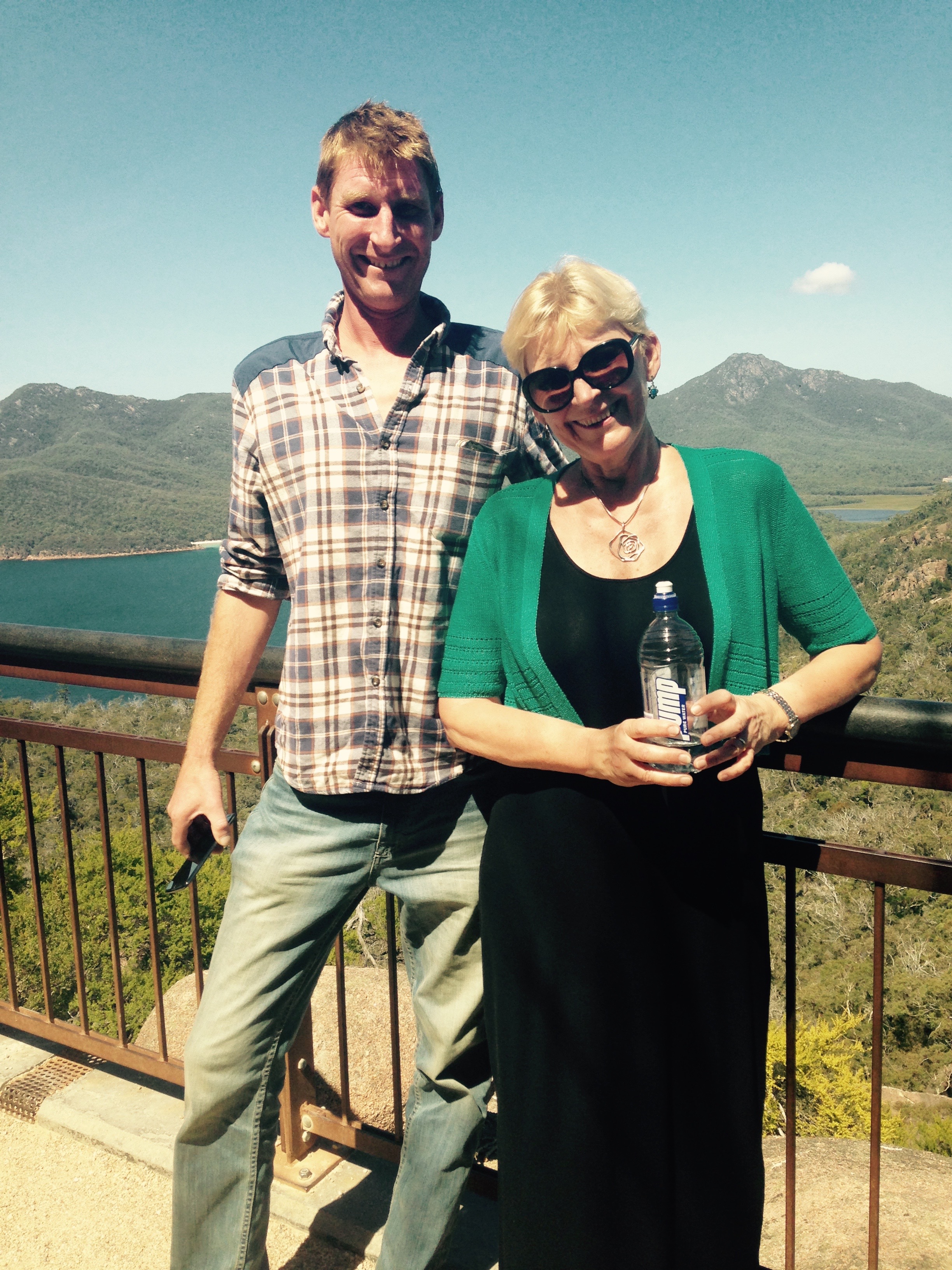
The sea was royal, the sands were white, it was so tempting to go down and dip a toe into the cool water. Maybe another time. We got back, and out, and waved to the ranger who was returning for duty. Phew. We bought water and ate cheese and tomatoes, and watched a kookaburra dive-bomb a crab for his lunch.
We drove on, and came to a turning leading over the hill, called the Elephant Pass, where motorbikes zoomed dangerously almost skinning their elbows on the corners. I was very pleased to be upright and safe, chomping almonds.
We drove on through the ever changing landscape, now becoming increasingly farmed and domestic until we reached Launceston. I was just thrilled to meet up with Colleen, my head teacher from UNIS in Hanoi. She and I talked and talked, drank fizzy wine, looked at old photographs, and remembered all the fun times and old friends. Nick and her partner Rod went to bed with cotton wool stuffed in their ears! Years pass, and yet there is that wonderful link between friends: ‘It could have been yesterday!’
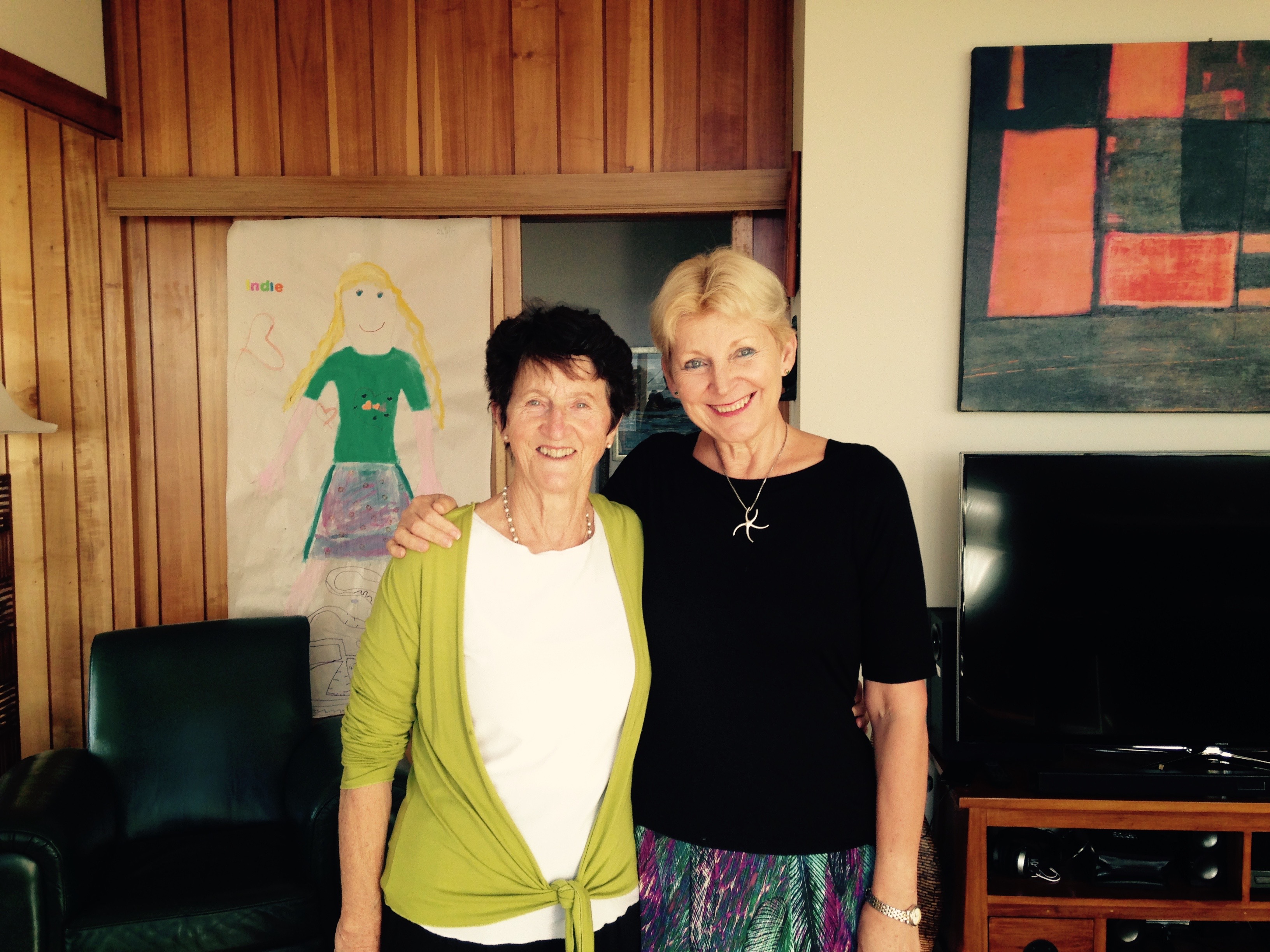
We left and drove along the north coast, the Bass Strait washing the shores, and we stopped for coffee in a small town called Penguin. We passed the Bluff Lighthouse, and Devonport, the terminal for the Spirit of Tasmania – the ferry that runs between Victoria and Tasmania.
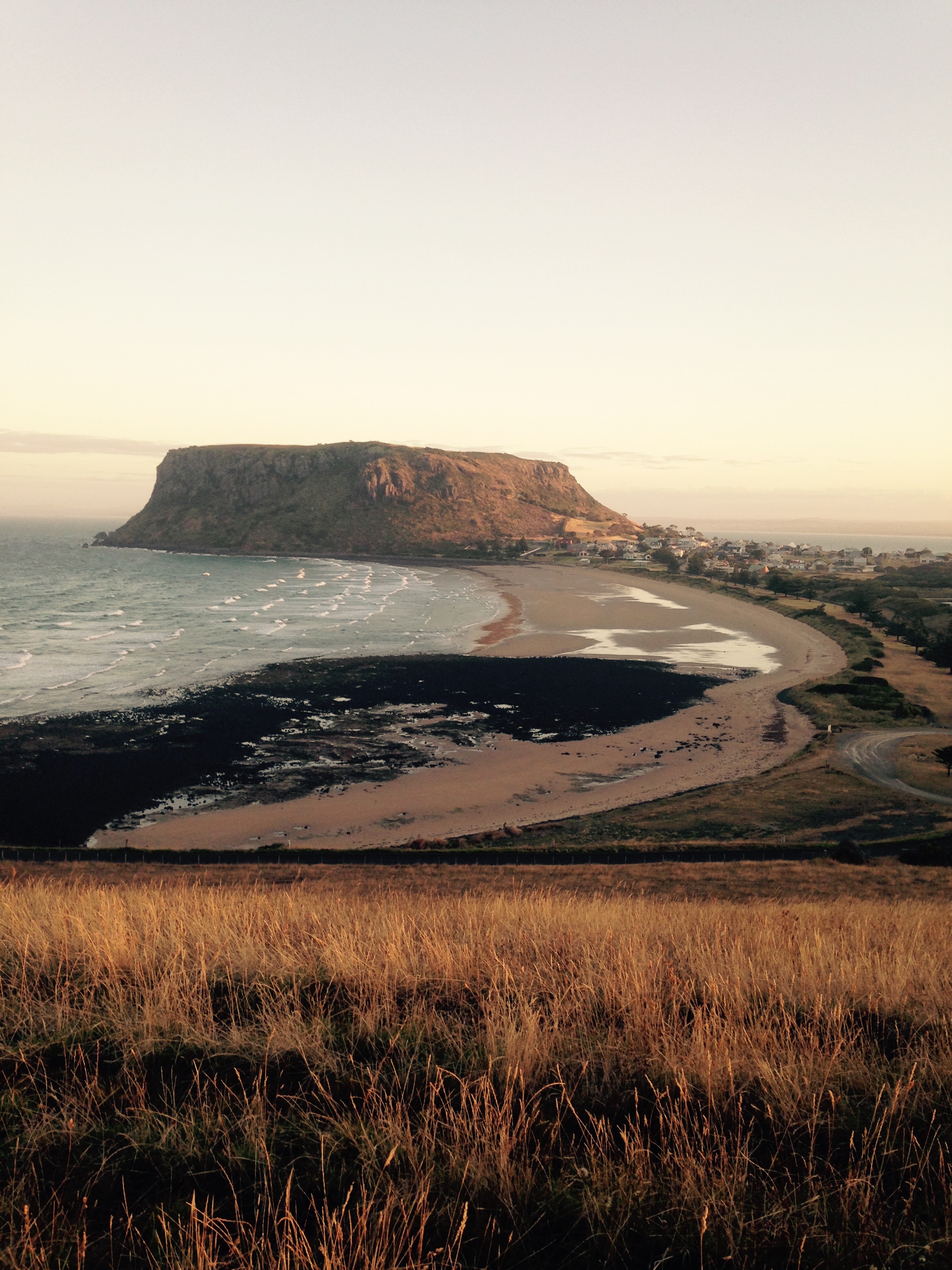
We stayed in Stanley in the NW corner, where the striking volcanic rock, the Nut dominated the town.
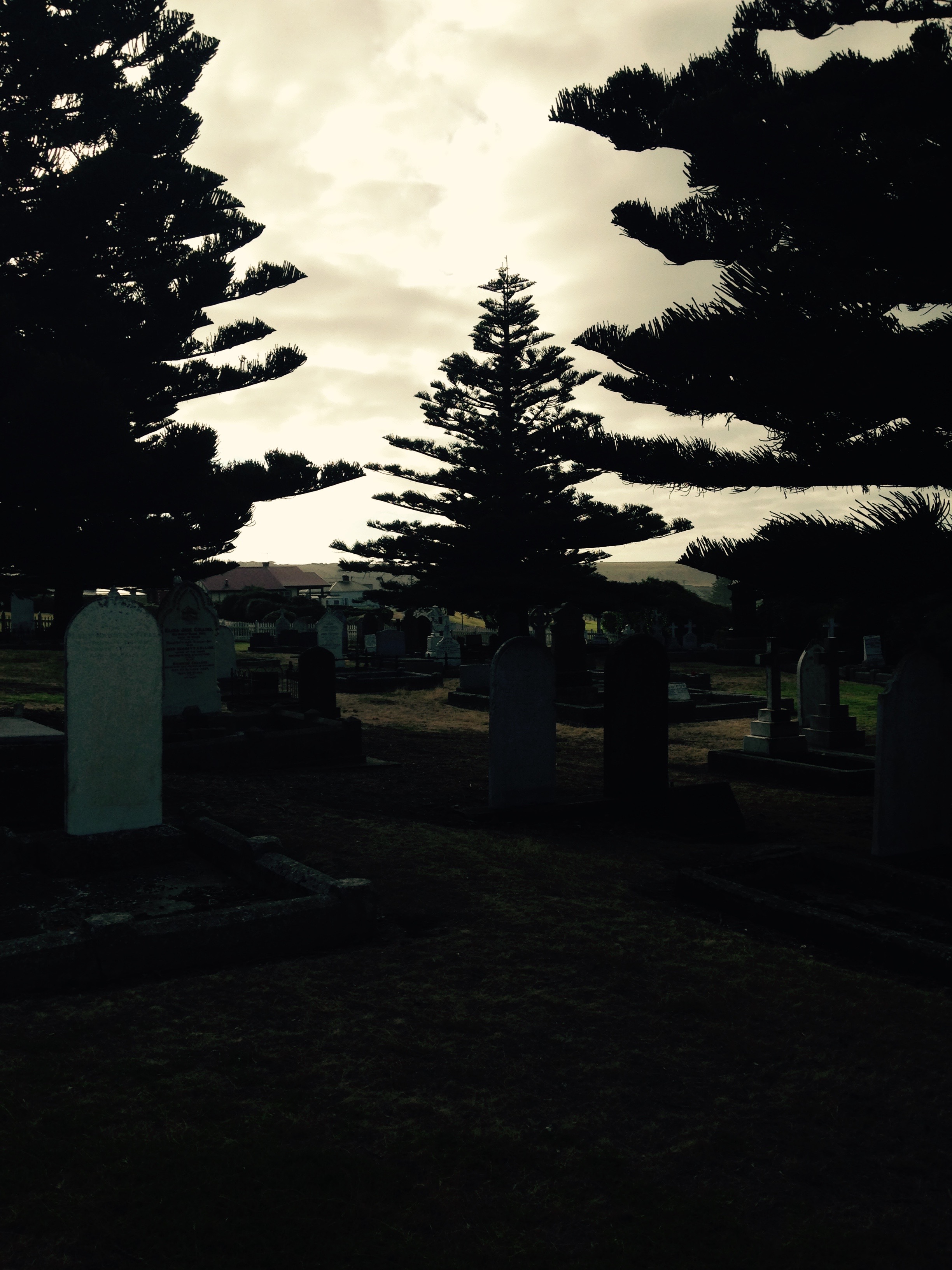
I so wanted to eat lobster, it was being advertised everywhere, but the prices were a bit steep. I settled instead for gummy shark and chips. With salt and vinegar! In the evening we visited the graveyard and came across all of Colleen’s relatives, all nestled together under a striking pine on the edge of the ocean.
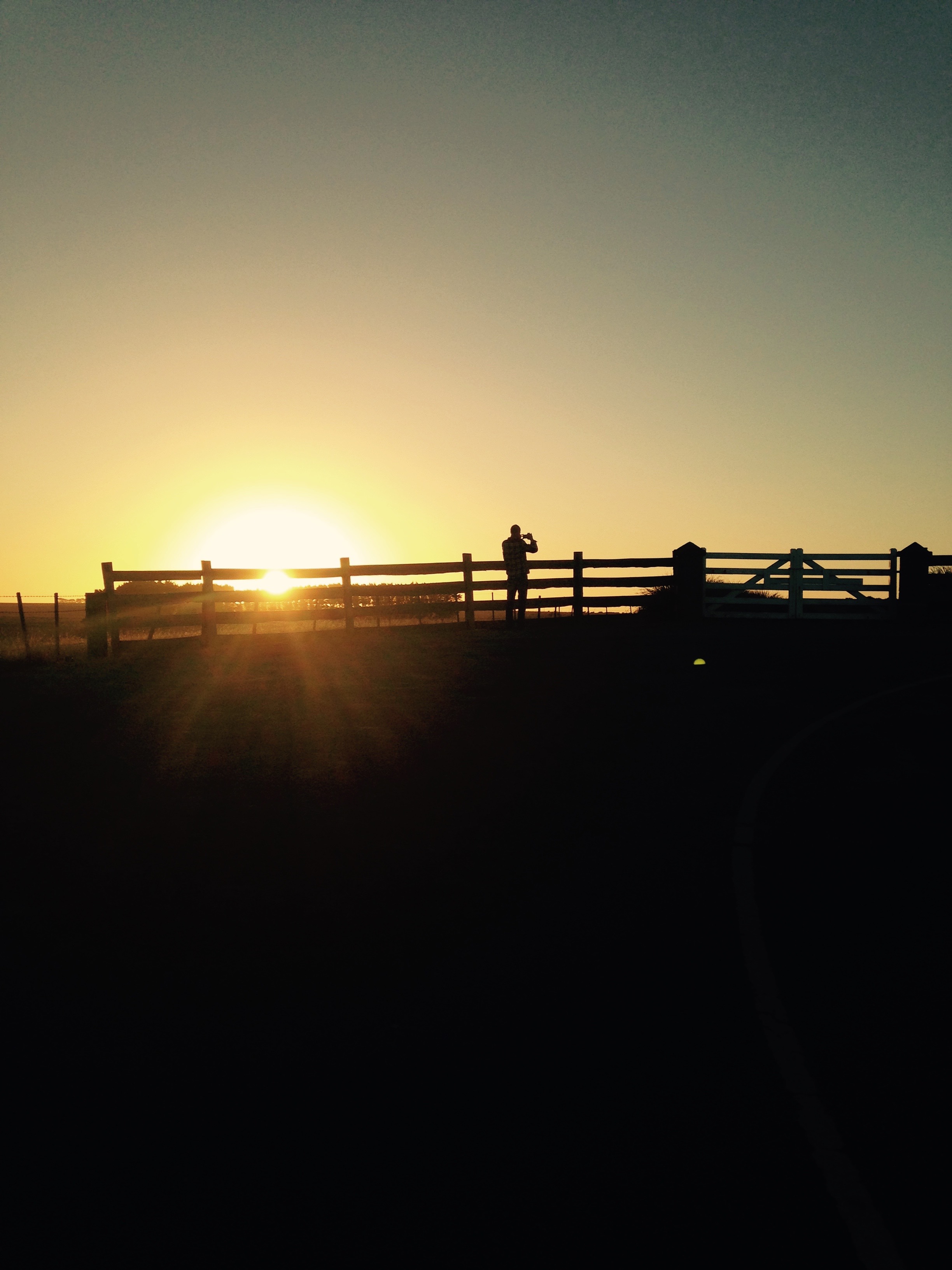
Beneath the graveyard miniature penguins strut up to the sand bank every evening. We waited, but perhaps they preferred it when the sun had truly set.
I later saw the film, The Light between Two Oceans set in Stanley. It was fabulous to see the Nut, in glorious Technicolor, a sumptuous film, beautiful and poignant.
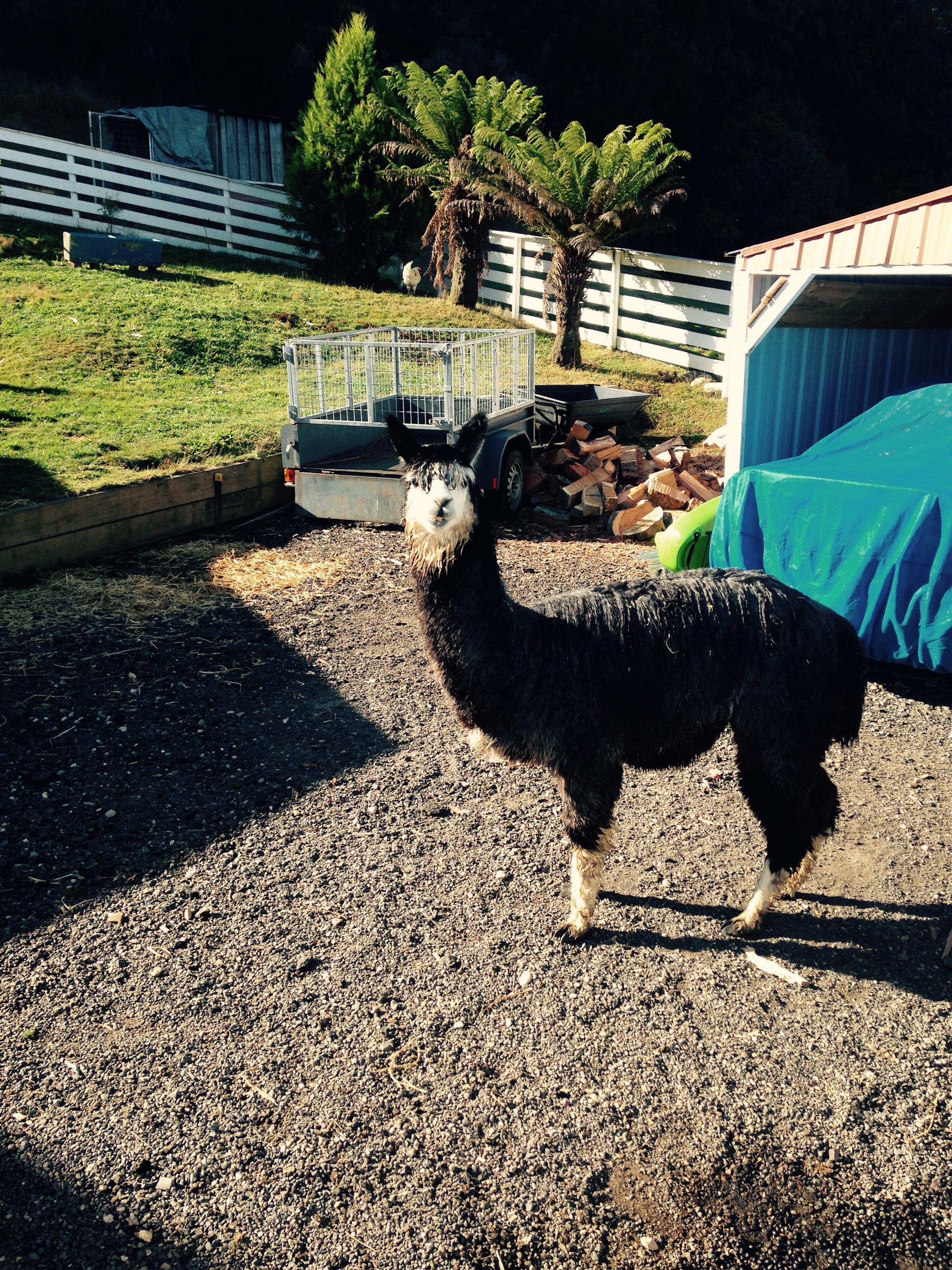
Then down down the road, away from the Bass Strait, into the hinterland, where we stopped for coffee served by a guy who had just bought an alpaca called Cleveland to mow his lawn. I suggested he might be able to sell the wool in time. ‘Nah, I don’t knit myself, he’ll be good for the grass though.’
We stopped to take a break and saw there was a walk through the bush.
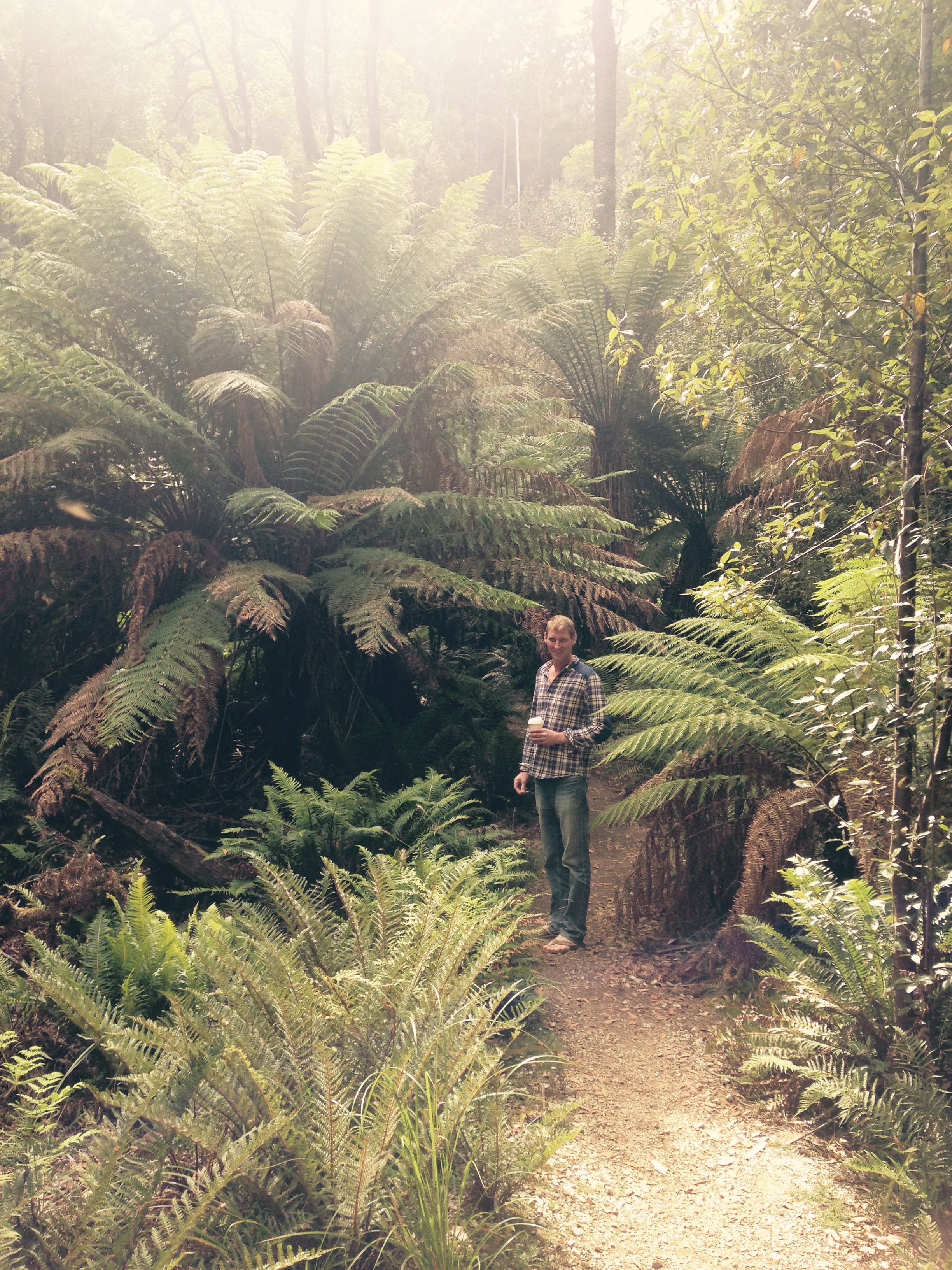
It seemed a good idea. I was a little apprehensive, I had heard of the ferocious Jumping Jack ants that can kill. I knew that all the snakes were poisonous. My posture was appalling as I walked with my head constantly bent down to see where I was treading. As we came out of the forest, we saw a couple with a dog. Suddenly they leapt back, as one: ‘Snake!’
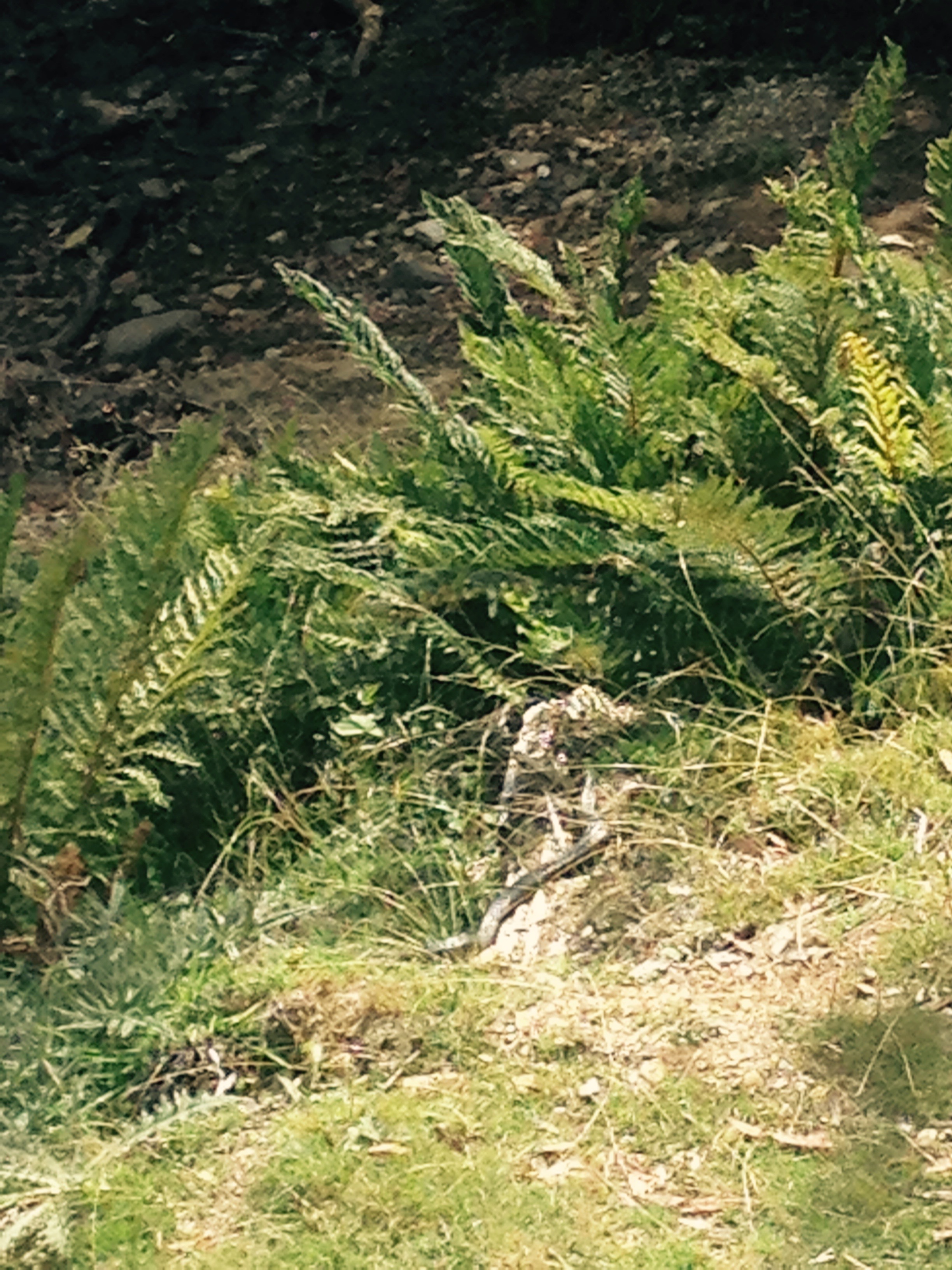
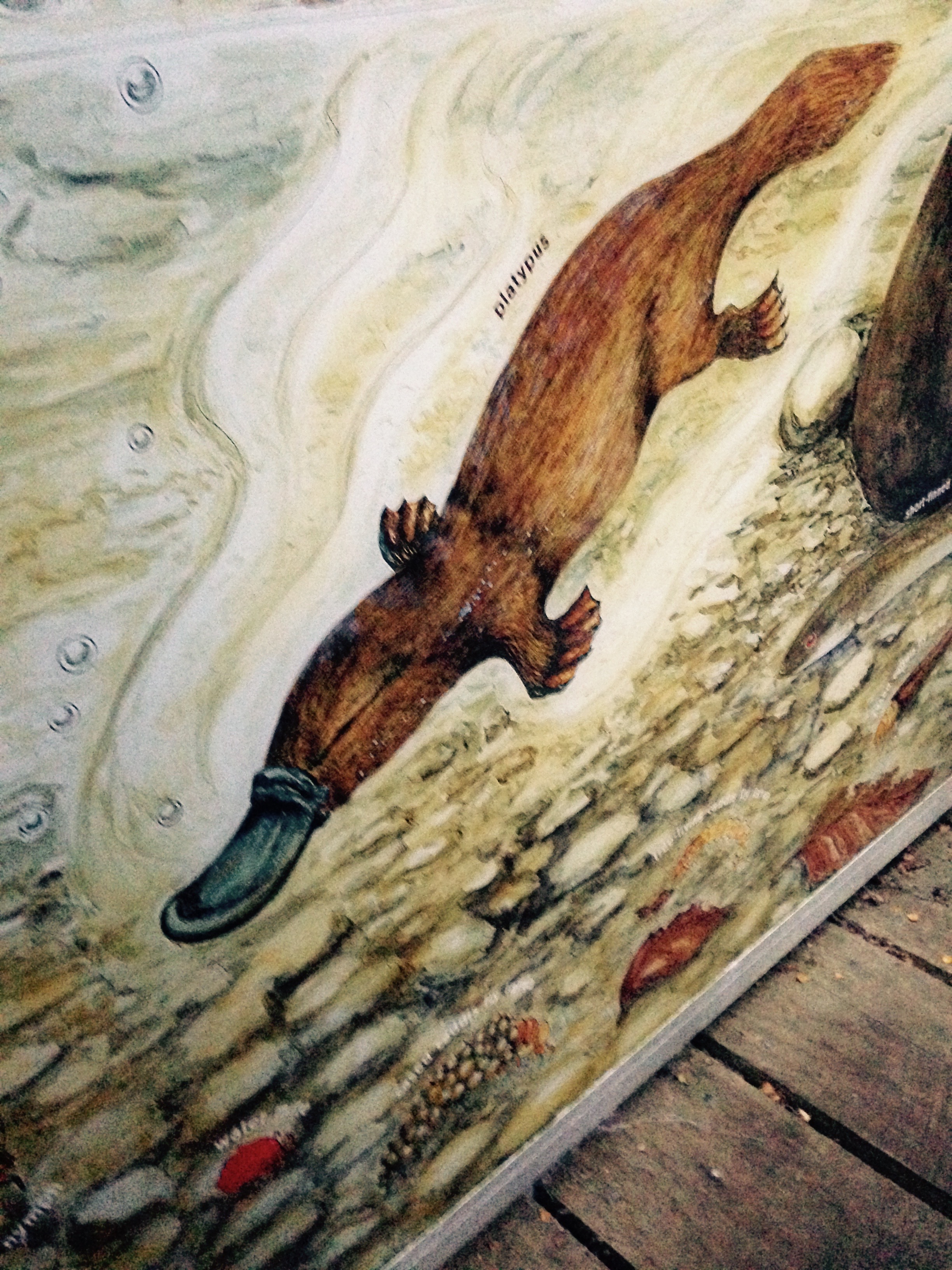
Nick and I ran over and saw the snake – it had just missed the dog. The couple were clearly shaken. We snapped some pictures, and discovered it was a tiger snake. Very lethal. Cautiously we edged back. The lady told me they had stopped to inspect under the bridge. It was reputed that a platypus lived there. We went up to the bridge, and noticed the couple were walking away, so I shouted, ‘Are you not going to look for the platypus?’
‘Bugger the platypus.’
Right.
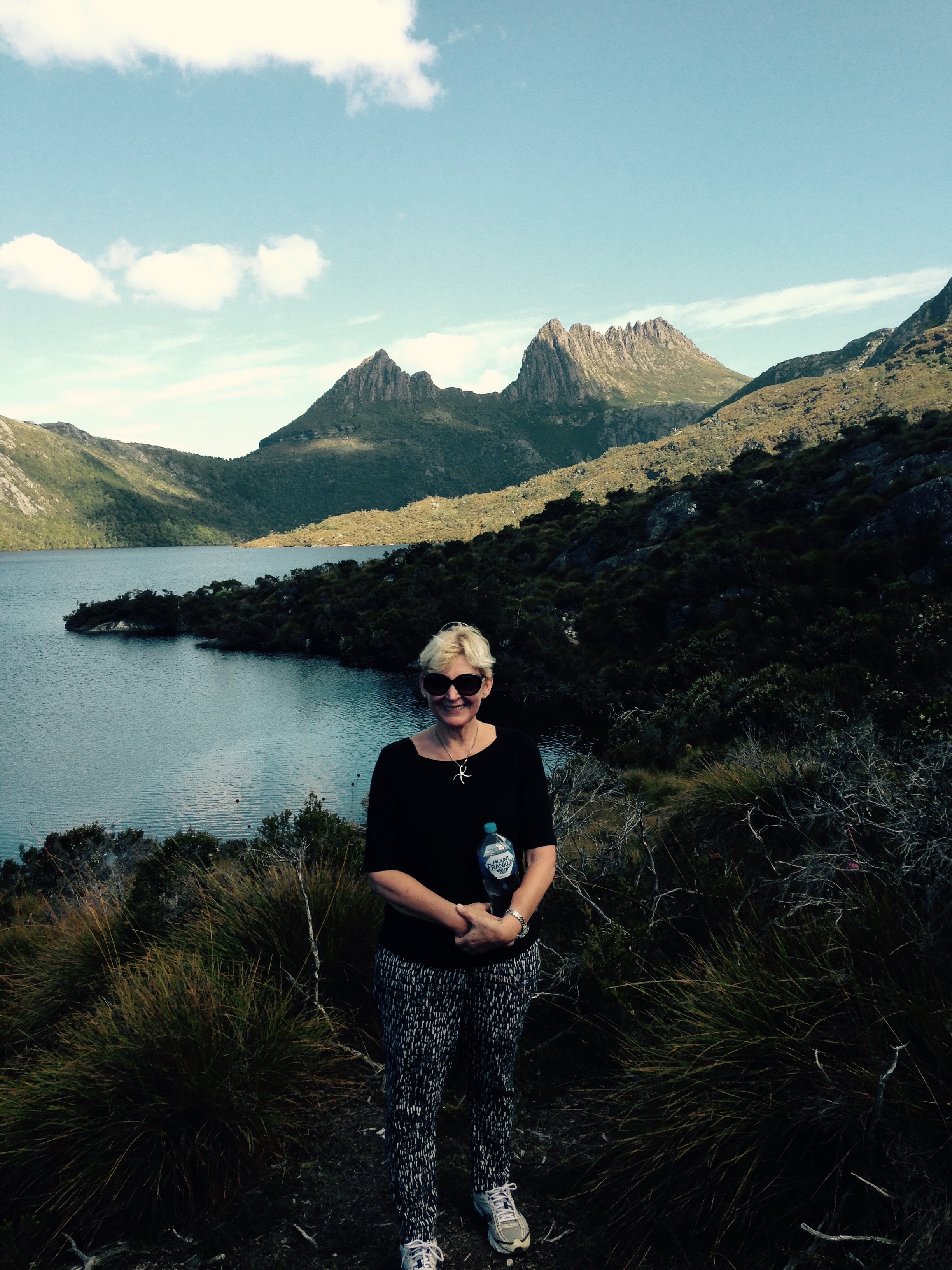
We drove on, avoiding the road kill, that now also included a long black snake and more furry creatures. In the distance Cradle Mountain soared, a jagged impressive lump of rock amidst a sea of button grass and sphagnum moss. We had booked into a campsite, and it was all very basic. We met a couple touring Australia in their camper van, and were taking a year to do it. They had come from Perth, across the Nullarbor and at present were the ‘roadies’ for a bunch of cyclists. They cooked the meals and snacks along the way, and made sure the big timber lorries didn’t mow the bikers down.
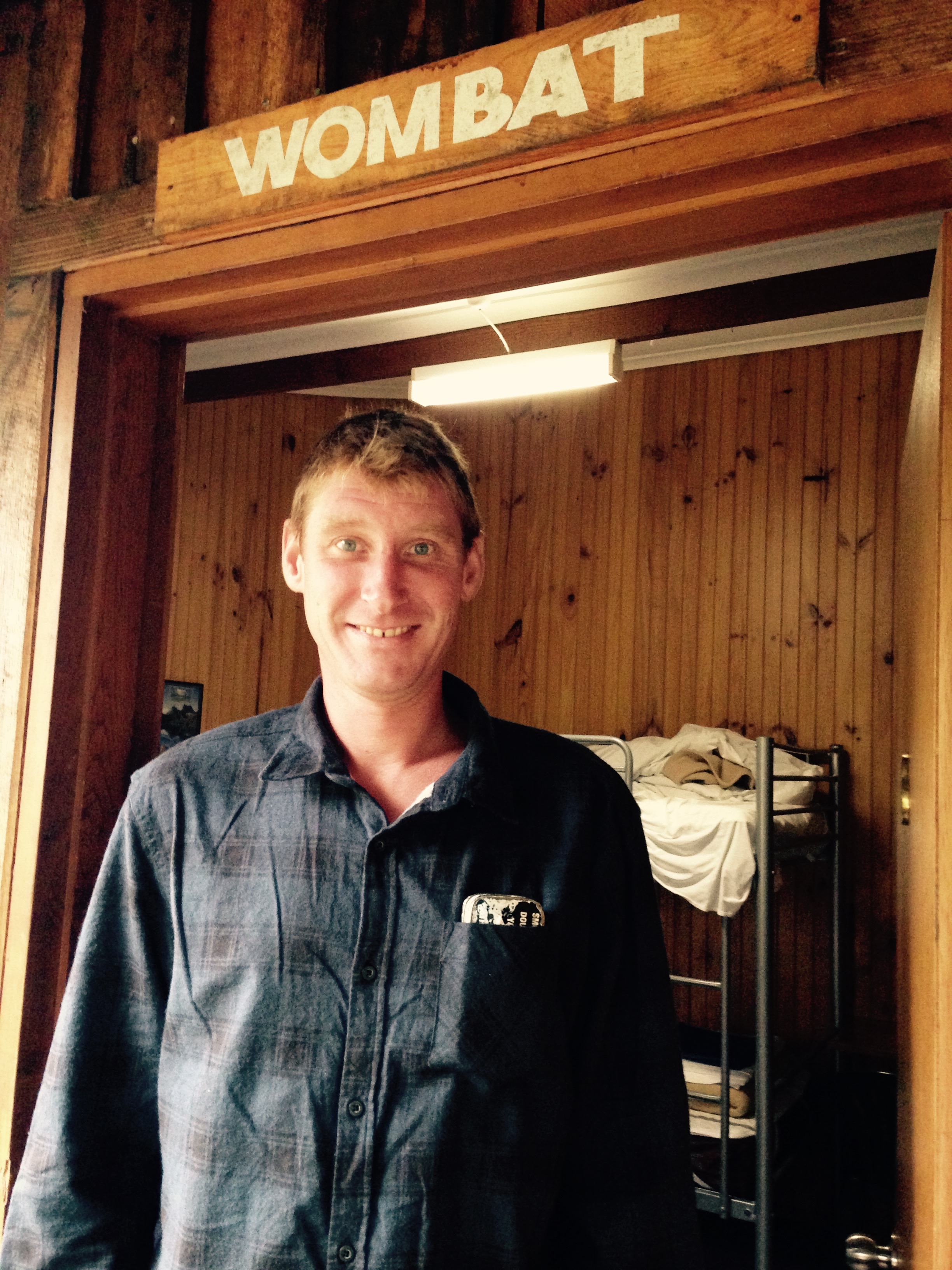
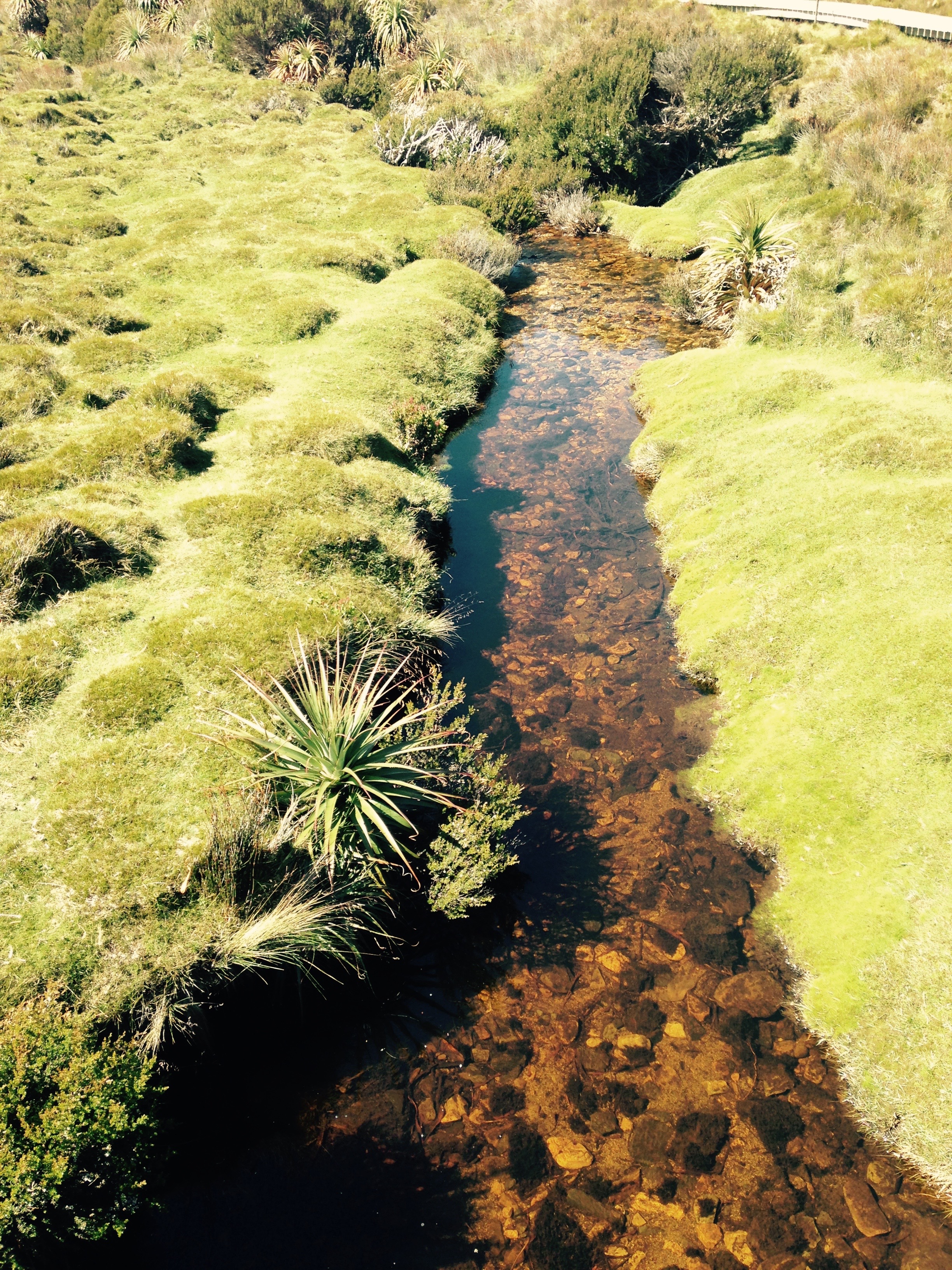
Nick and I jumped on the shuttle bus, taking us into the park and round the twisty roads to Dove Lake. We got out at some creek, signed the book (in case we got lost, or eaten), and the bus left us in the wilderness. We headed off on the boardwalk, and all around was perfection. The sun was hot and we came across a wombat.
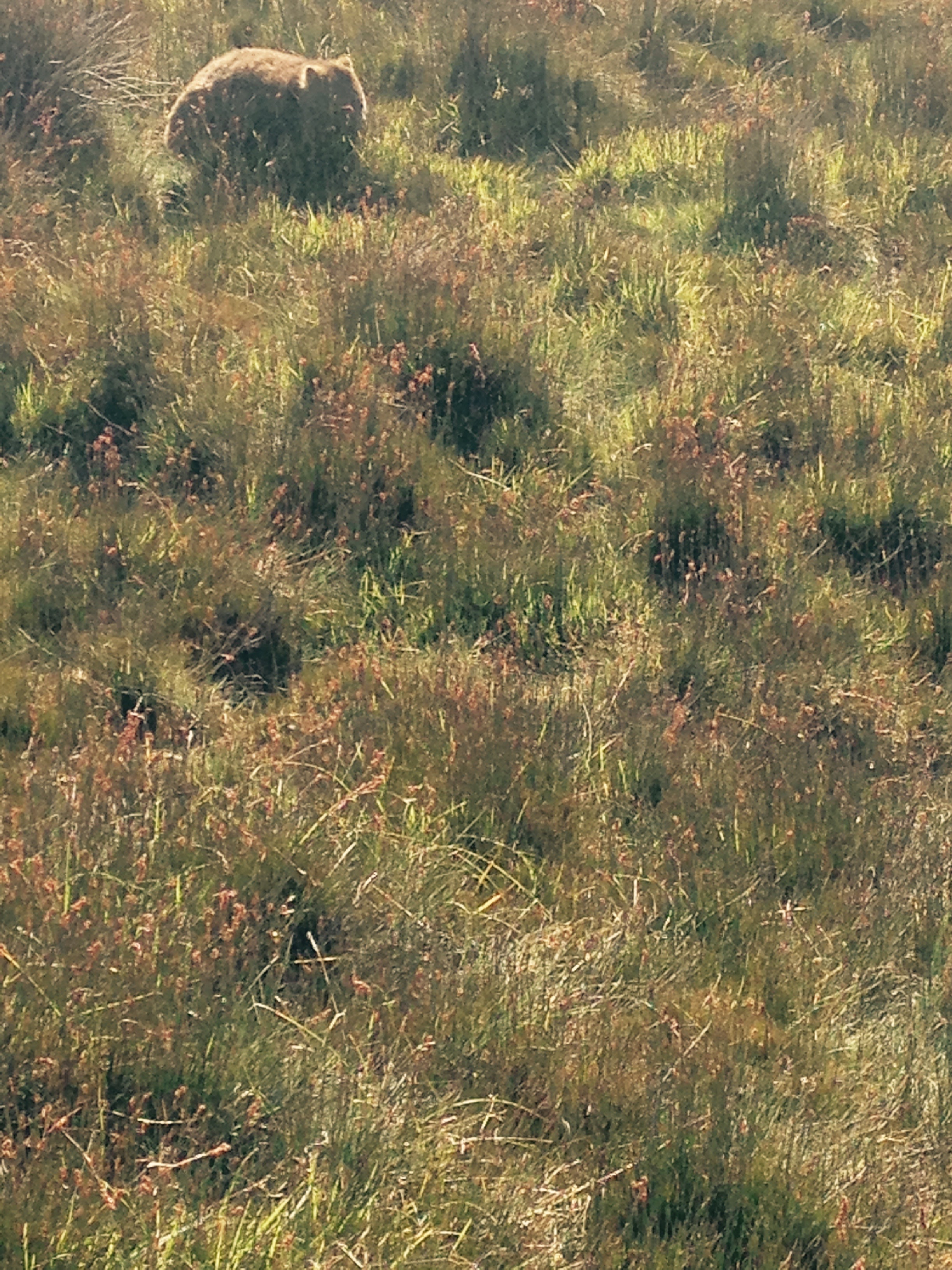
Nick forgot about the snakey grasses as he tried to get a good close up. I was more worried about the Jumping Jacks.
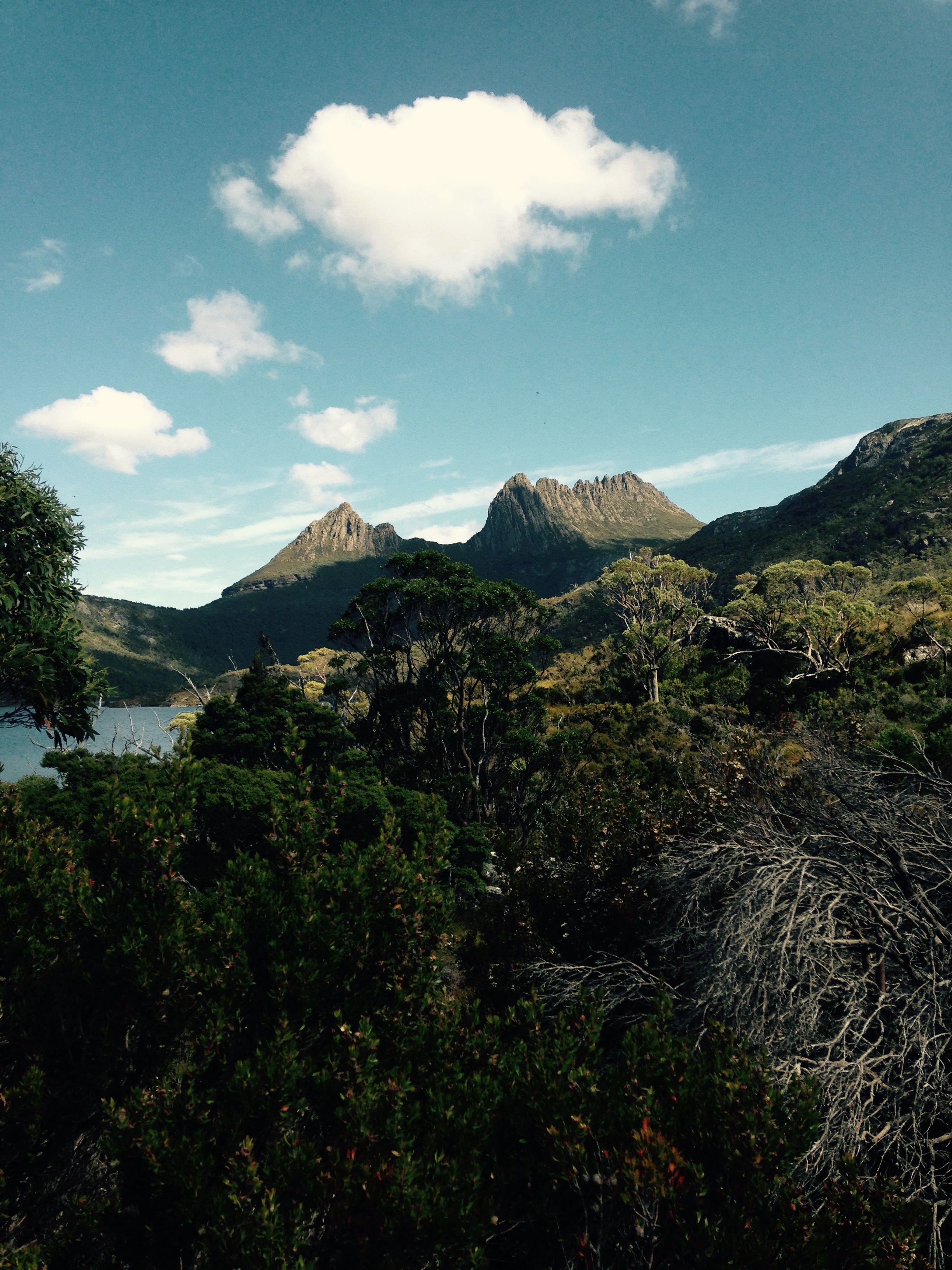
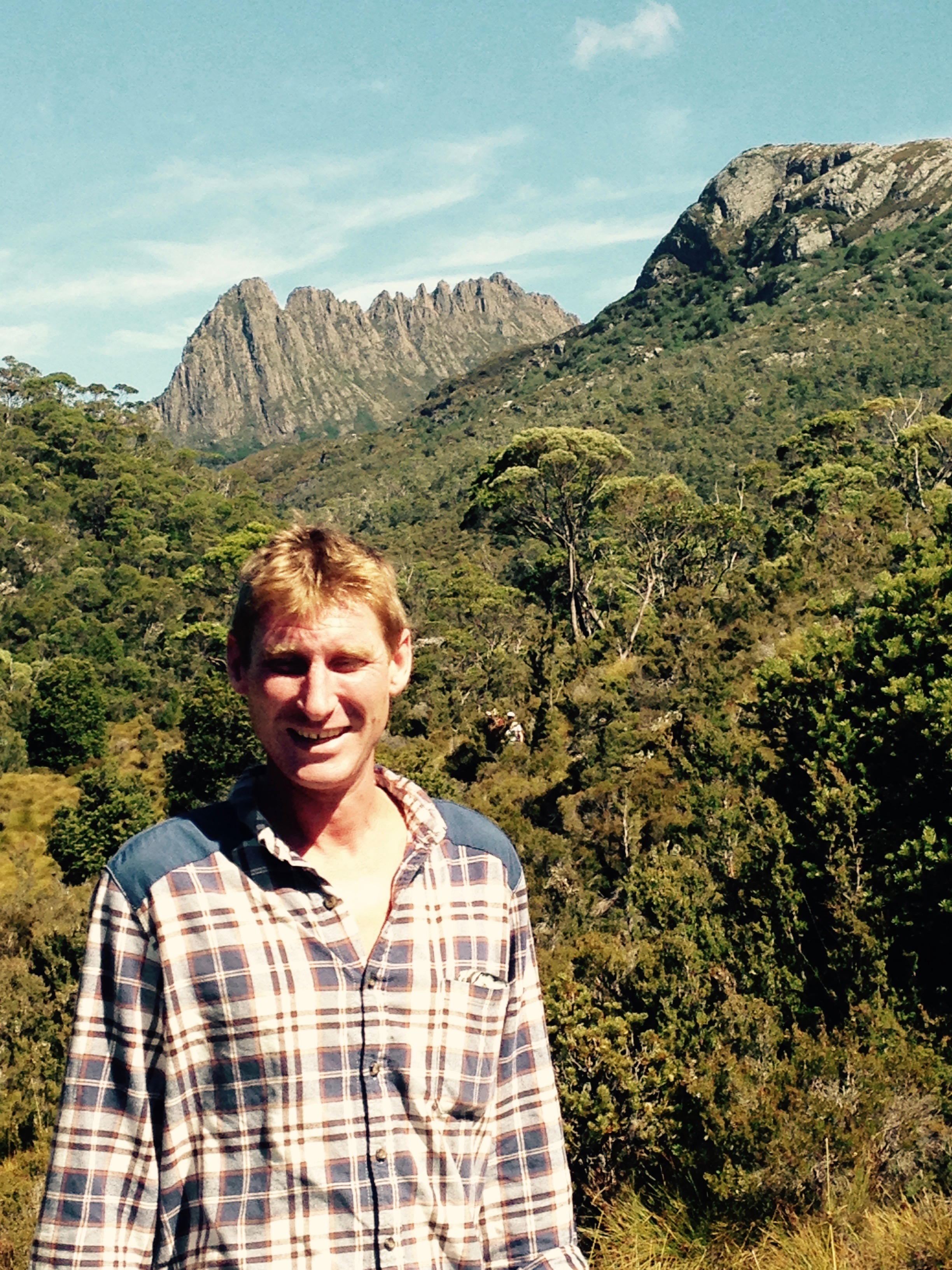
Cradle Mountain soared up into a blue sky. We later learnt that it is very rare to get a sunny day in this spot, in fact only thirty-eight days of the year are sunny. In the winter the whole area is treated to a metre of snow. Symbols on our walking map warned of the hazards of wind and snow. That night as we lay in our cabin, I was very wary about making a midnight visit to the facilities.
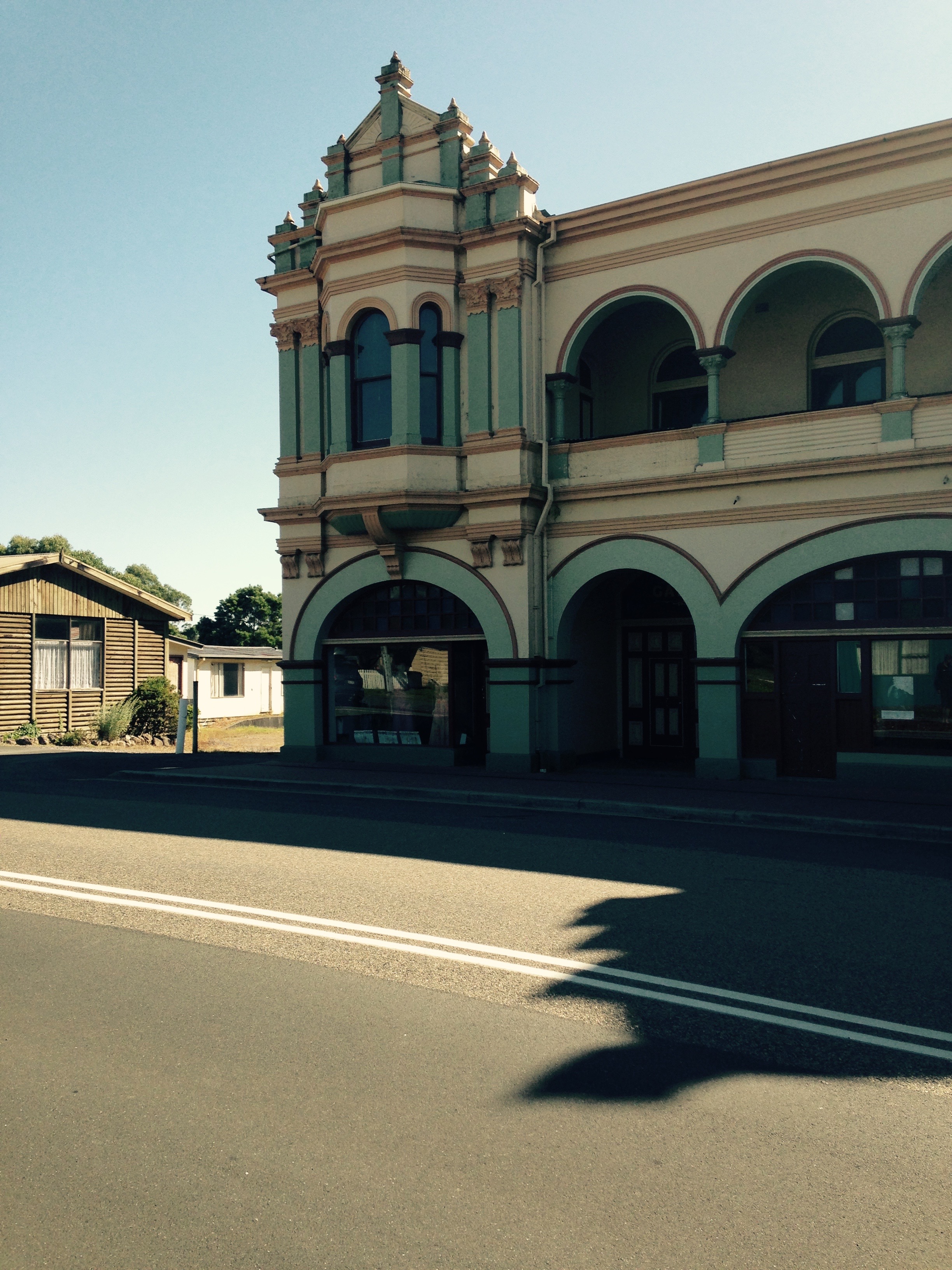
And on to Zeehan, once the booming mining centre known as Silver City. The Gaiety Theatre once seated 1,000 people. Hard to imagine. Quite gracious buildings.
We drove on to Strahan. This was the town dominated by another pine tree – the huon pine. Treacherous seas and no harbours made Strahan impossible. But for the greed of this tree, found washed up on shores on southern beaches, sailors were determined to search for a way through the narrow Macquarie heads.

When they got through they established the penal colony of Sarah Island, and they used the worst convicts to work up river, for twelve hours a day, often in leg irons, to harvest the pines. I was amazed by this wood. They say it is the oldest tree in the world, it grows just 1 mm a year, and no insects, sea water or fire can penetrate it.
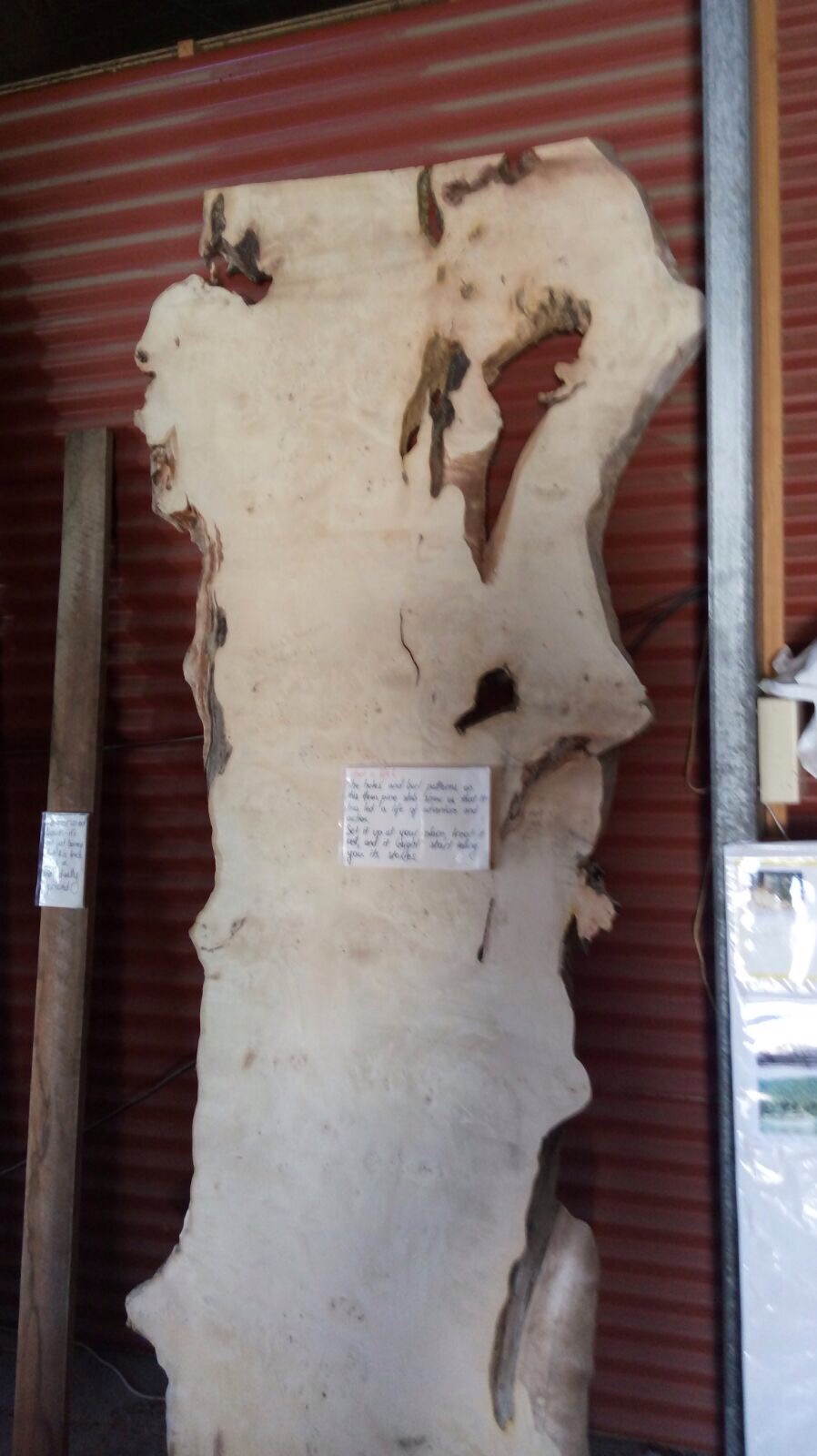
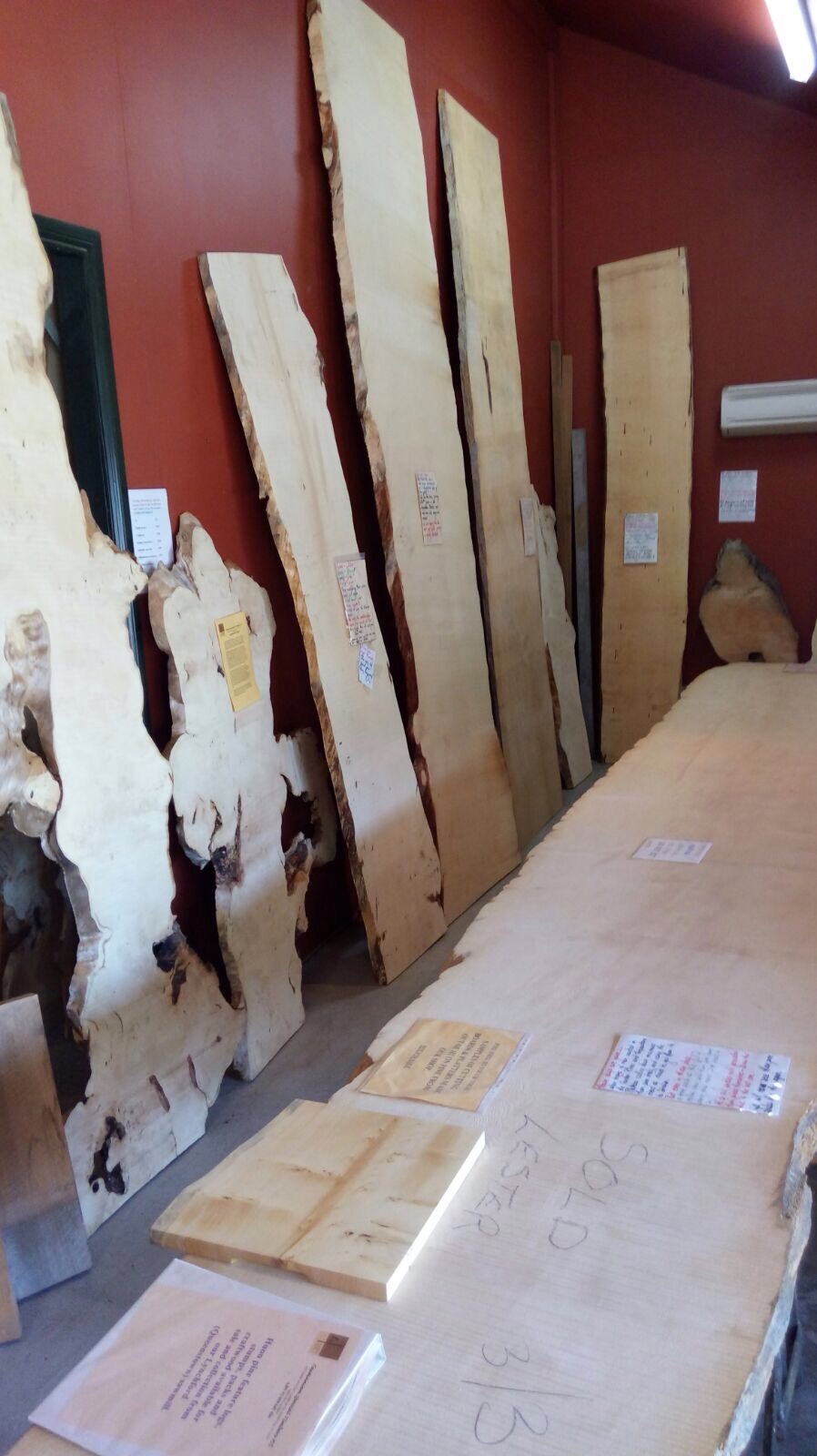
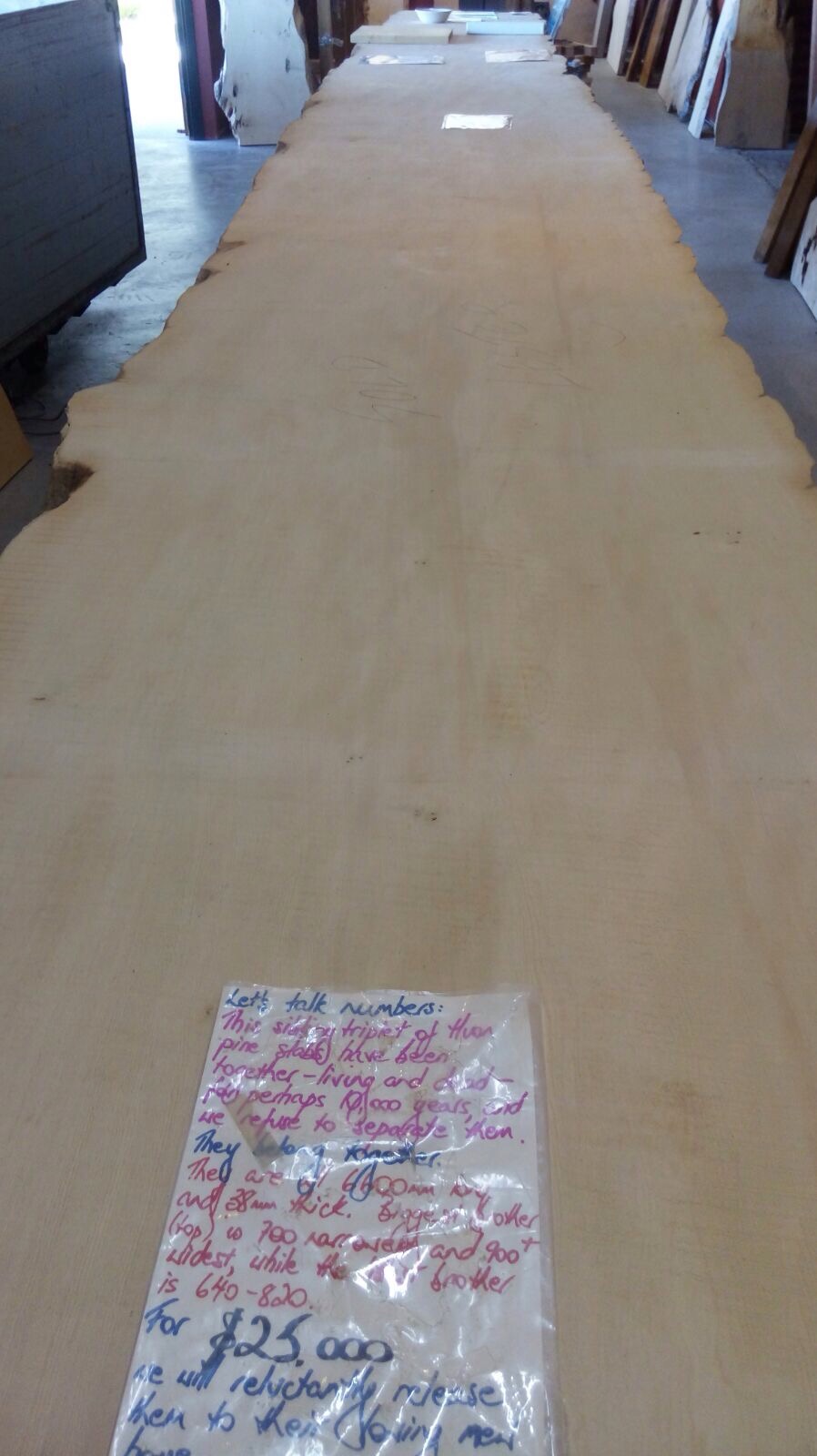
I just loved the shops selling it. Was quite impressed with one huge piece marked as sold for 25,000 dollars. I bought a cheese board and a wooden apple. Nick bought an off-cut and is going to turn that into a bread board. The things you learn when wandering about with an open mind. Nick pointed out the white gum tree. ‘That’s the widow maker, apparently.’ The tree’s branches often just snap and fall and lo and behold if you are lurking underneath: RIP.
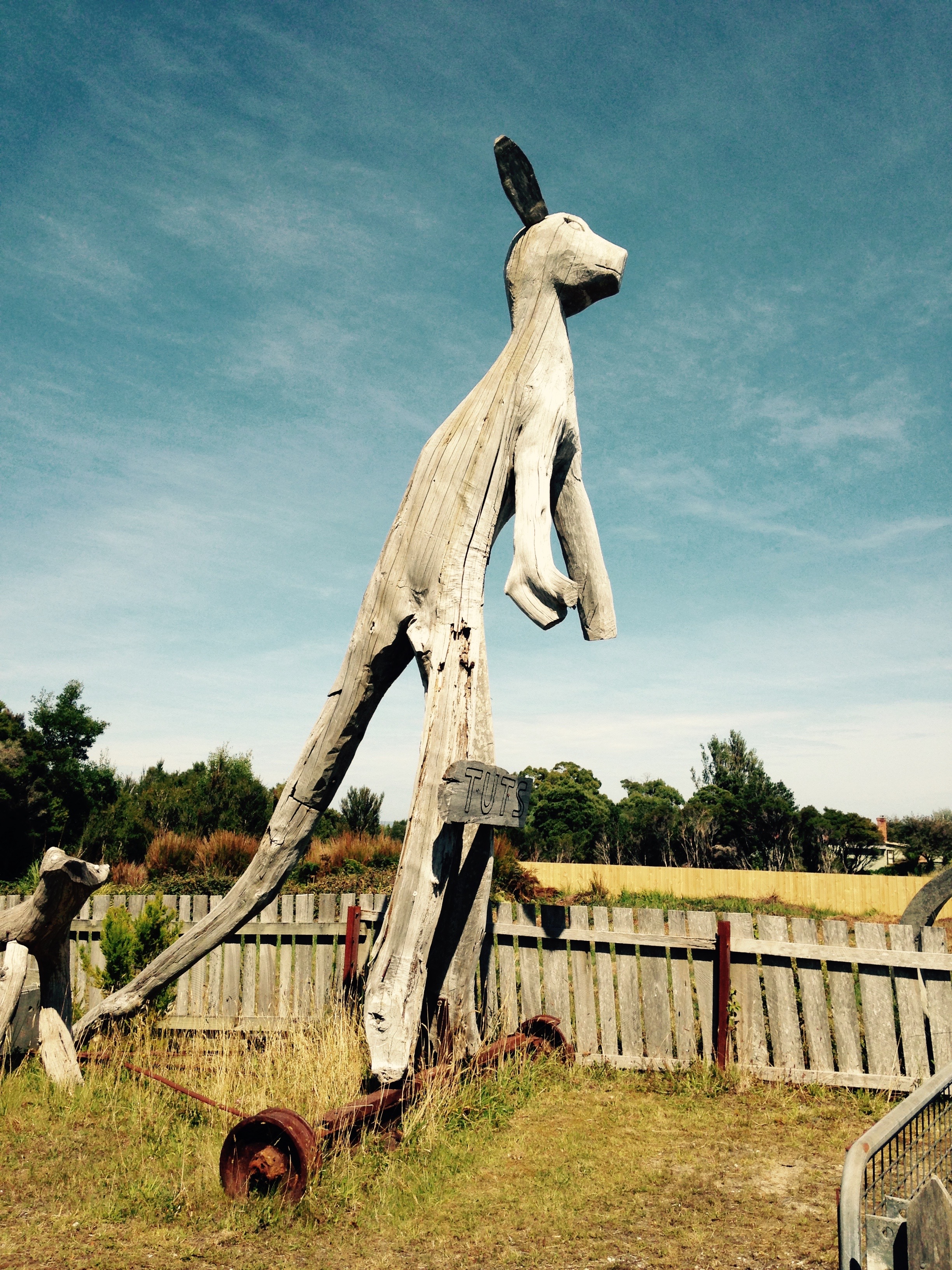
I did love the random gallery we found by chance. Again the subject is wood, but it was all turned from forest finds and broken timber, and with a lot of imagination transformed into all sorts of creatures. The old fellow who had spent forty years whittling and carving and creating was more interested in telling us about the black ants in his electric plug.
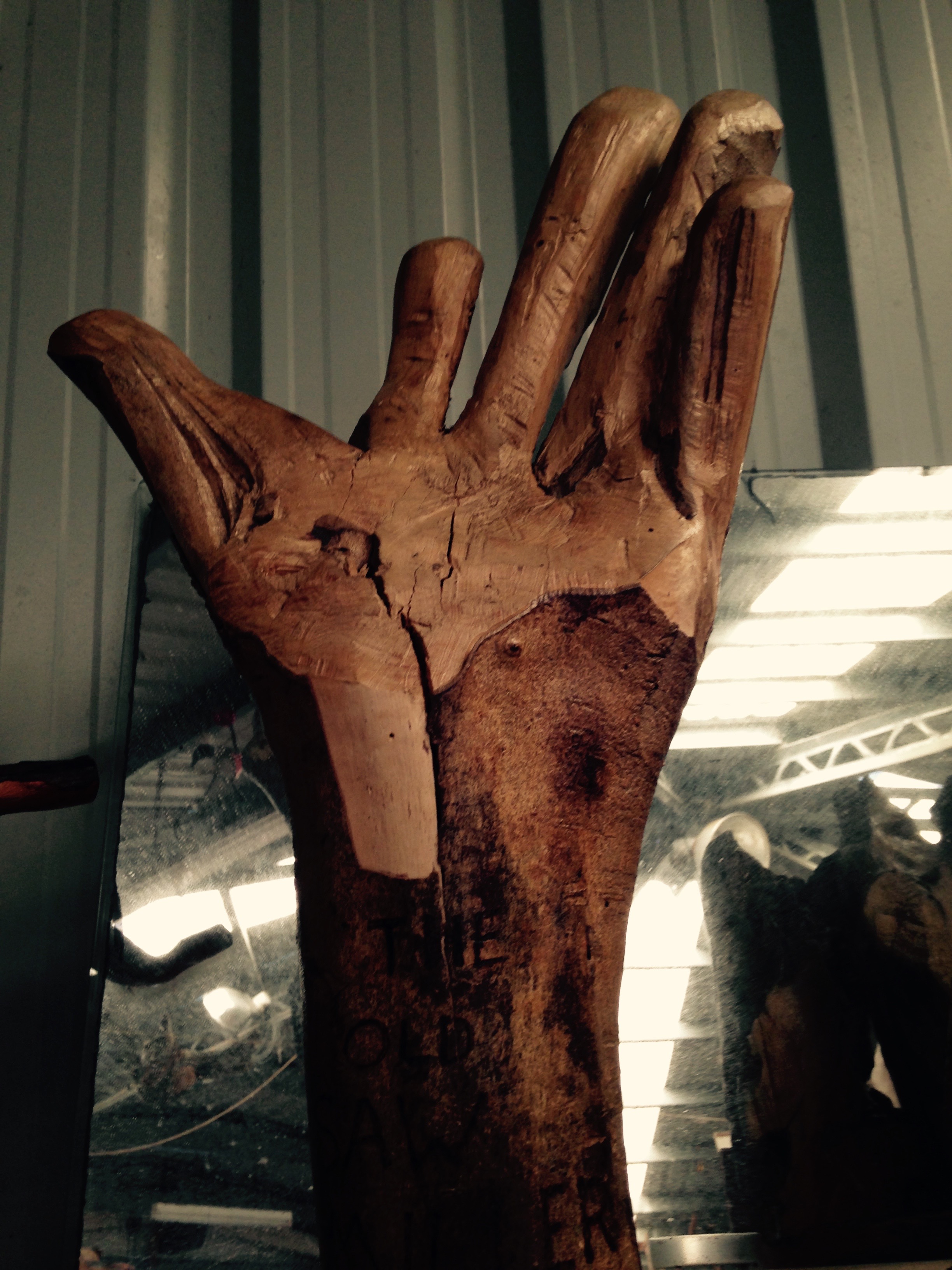

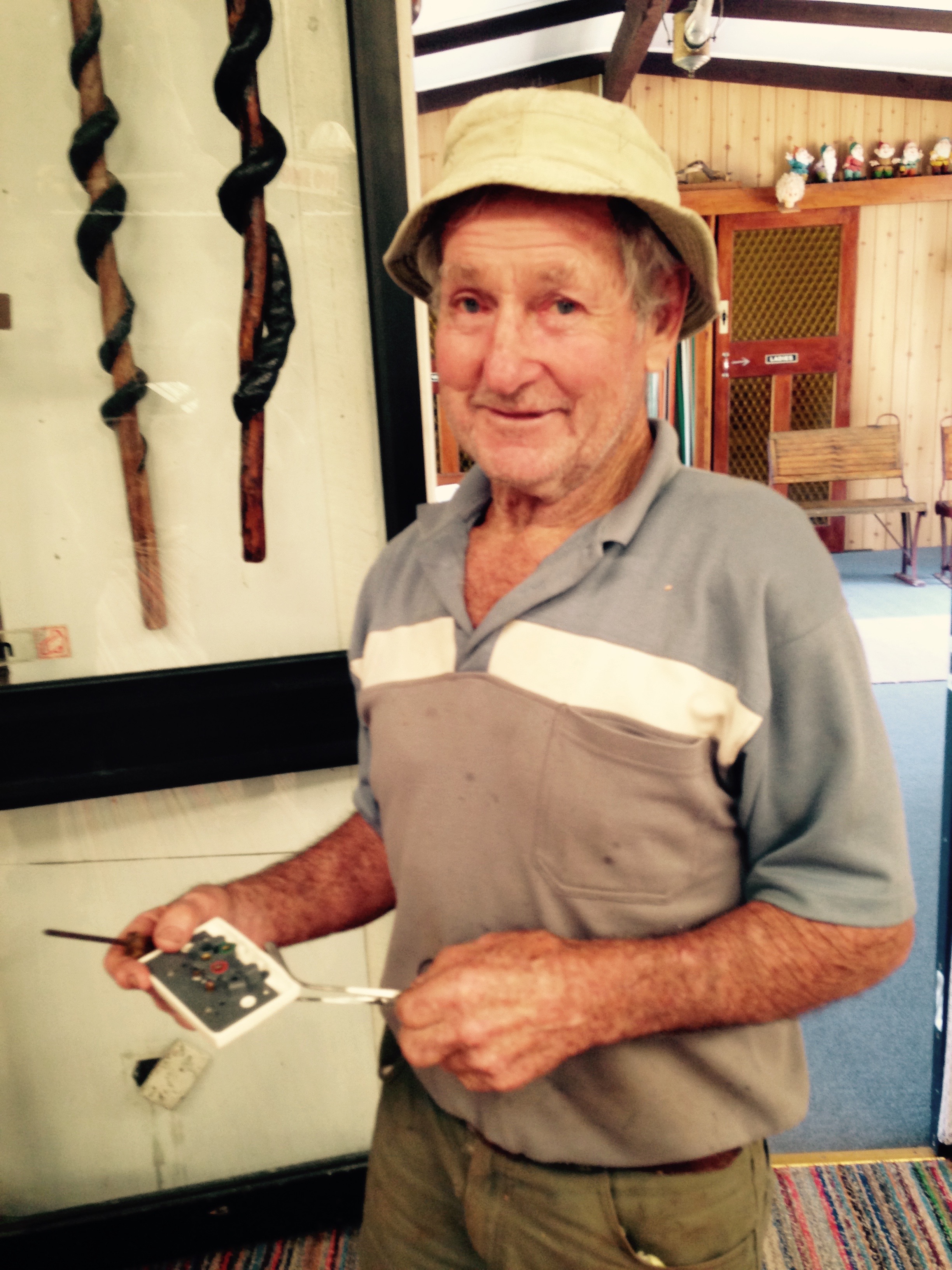
In the morning, he went out to take his tea in the garden and a wolf spider saw that as an invitation to come in. I thought of Geoff, ‘You don’t want to come in here, mate, things might go bad for you, just toddle off out again!’
The roads of Tasmania, apart from the road kill were delightful to drive. The population of the country is the same as Edinburgh, so we meandered along with no pressure. I couldn’t imagine the same on the M6.
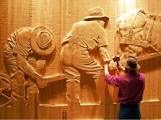
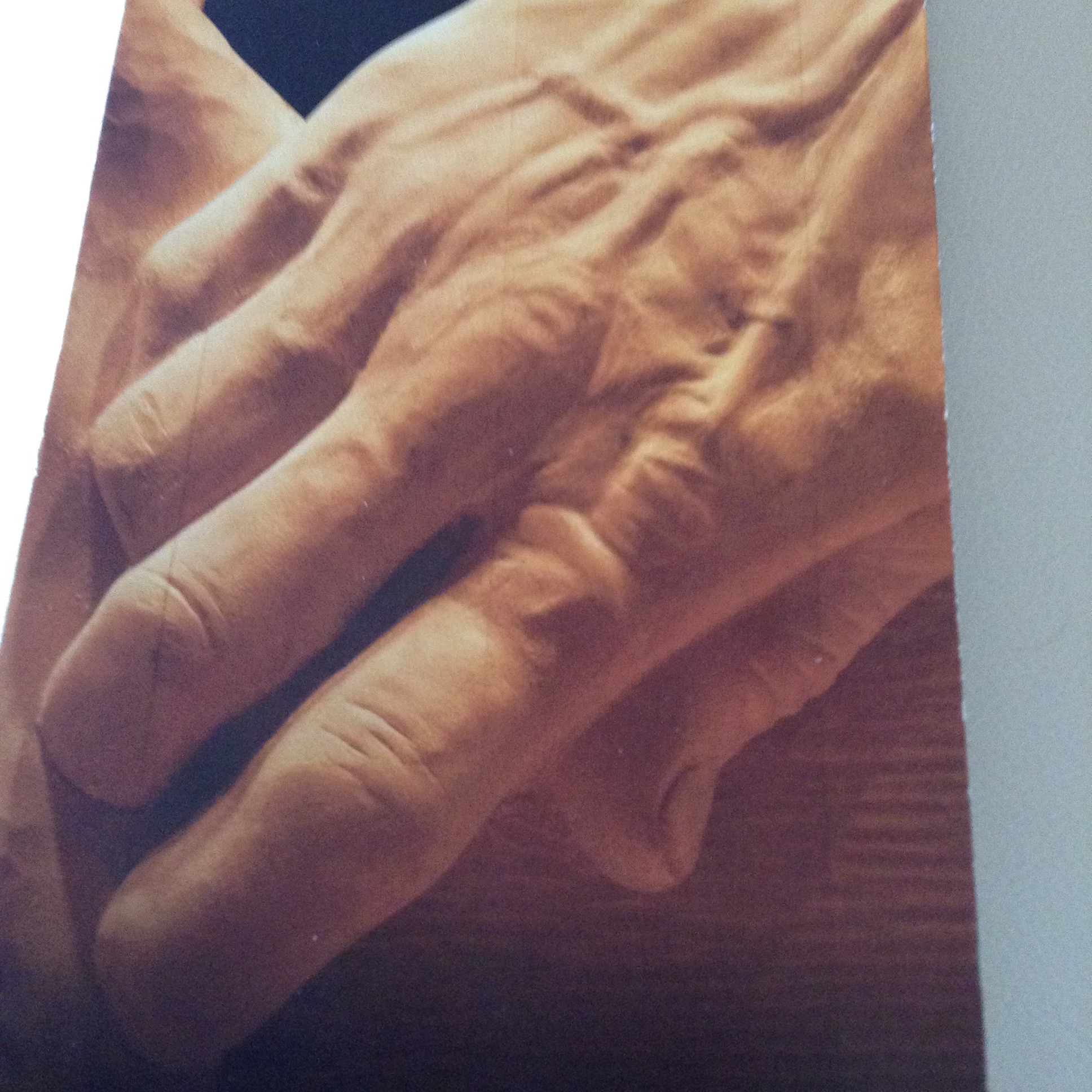
One of the best things I saw was in Derwent Bridge. It is called The Wall. It consists of 100 hand-sculpted timber panels, many in huon pine. Each panel is one metre wide and three metres high. The scale was staggering. It was all done by one man, Greg Duncan, and he took a year to do it. There are scenes of farming, animals, dancing, each one telling a story about Australia. Everywhere there were signs, No touching, No photographing, NO this, No that. They should have had a piece at the door which you COULD touch. Everyone has that tactile instinct – you just want to TOUCH! What looked like soft chamois leather was wood, but you would never guess. Amazing.
We passed through Bothwell, where the first golf course was created. I had to smile as it had hay bales on it. Very rural. Must have made it difficult to golf around.
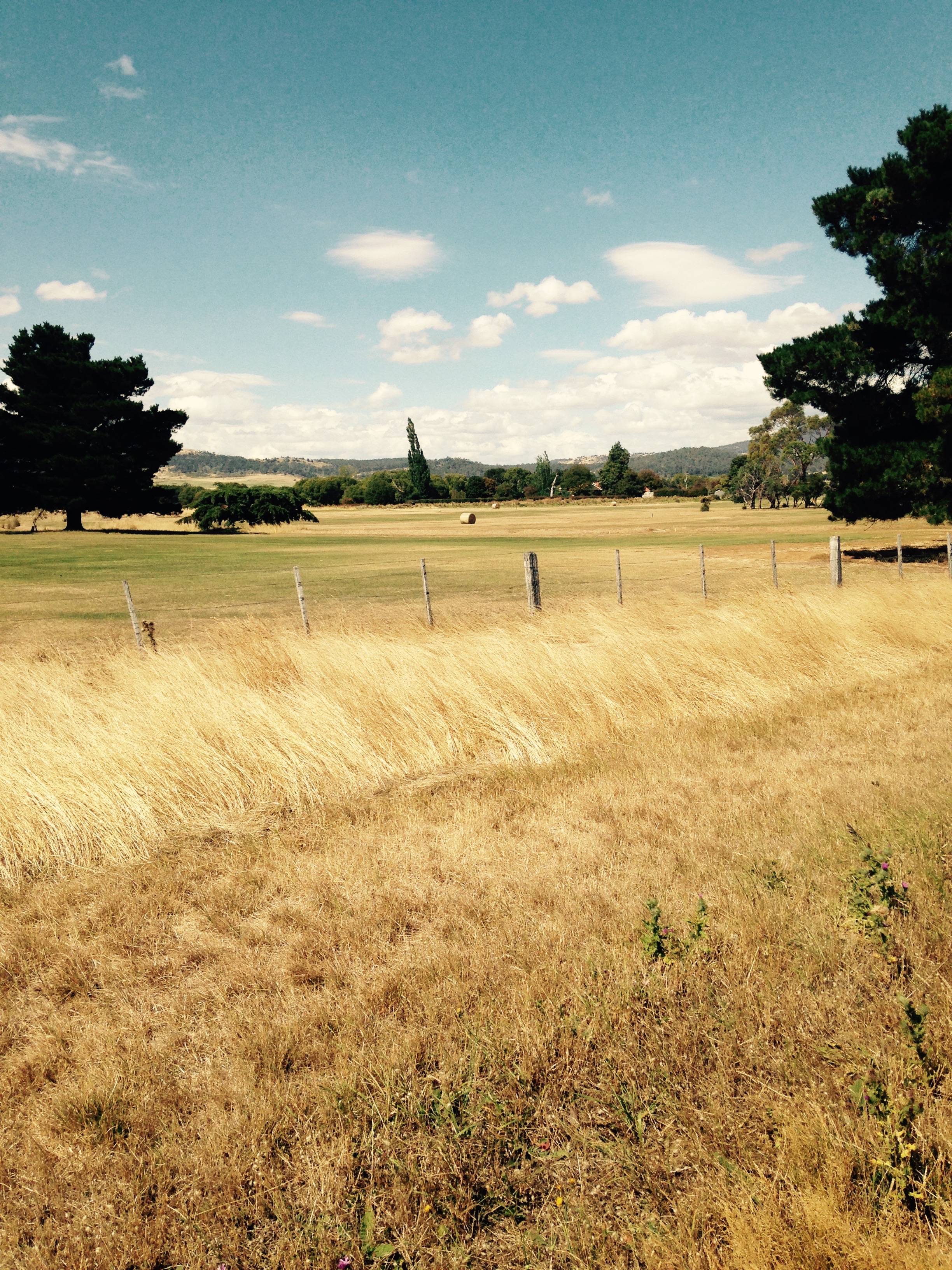
And finally back to Hobart. The sun was still hot, the country had basked in sunshine the whole week, so we were truly blessed.
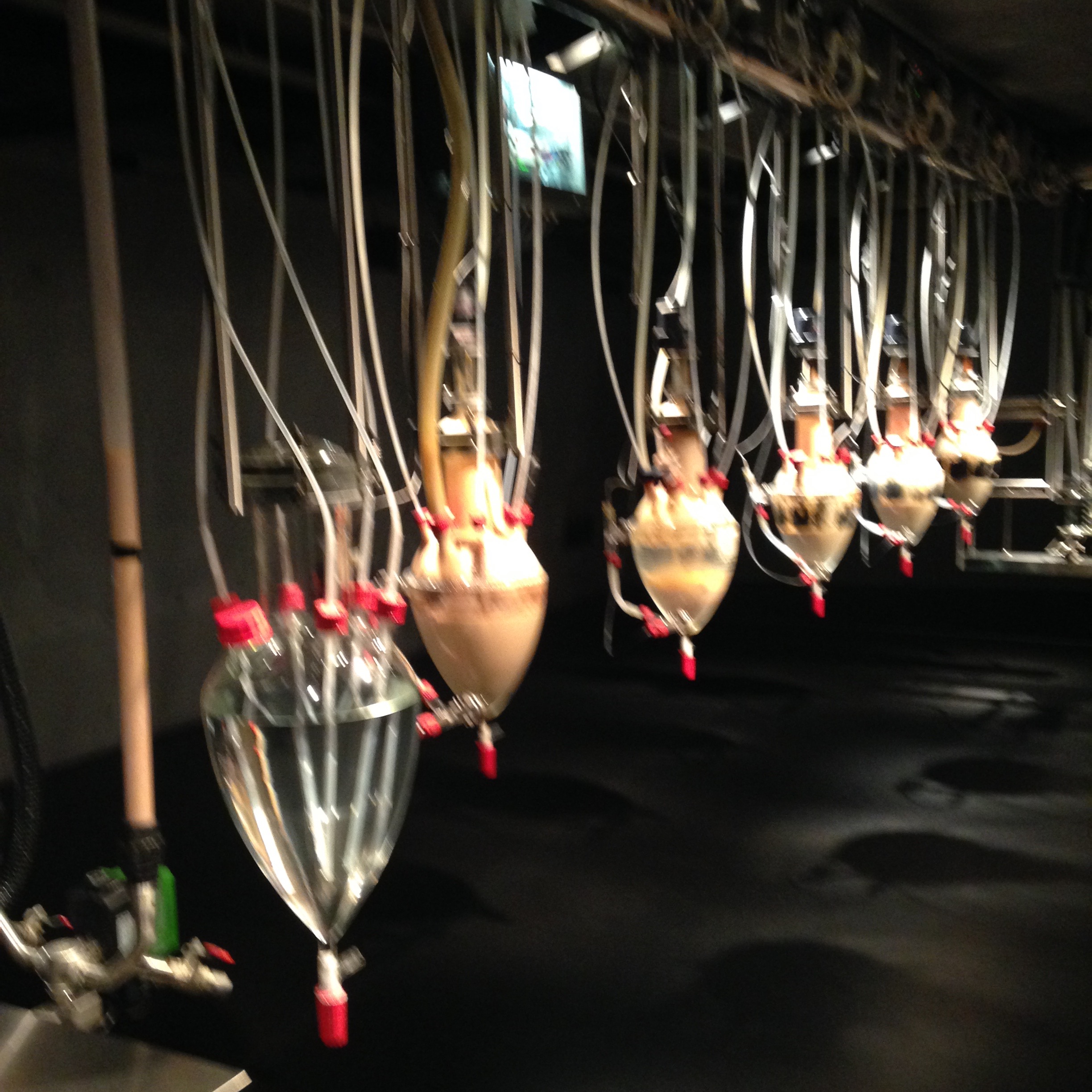
On our final day we visited the Mona Exhibition. I have never seen anything like it! One man said, ‘This exhibition scares me. It’s science being conducted as live art and vice versa.’
We spent three hours submerged in the depths of the building that took a year to excavate down to the depths. We were in rooms where we saw the craziest things. One was a poo machine, or Cloaca Professional…. you watch it being fed, then at 2 p.m. it was poo time. It’s like a Frankenstein monster, an impotent monster of Frankenstein.
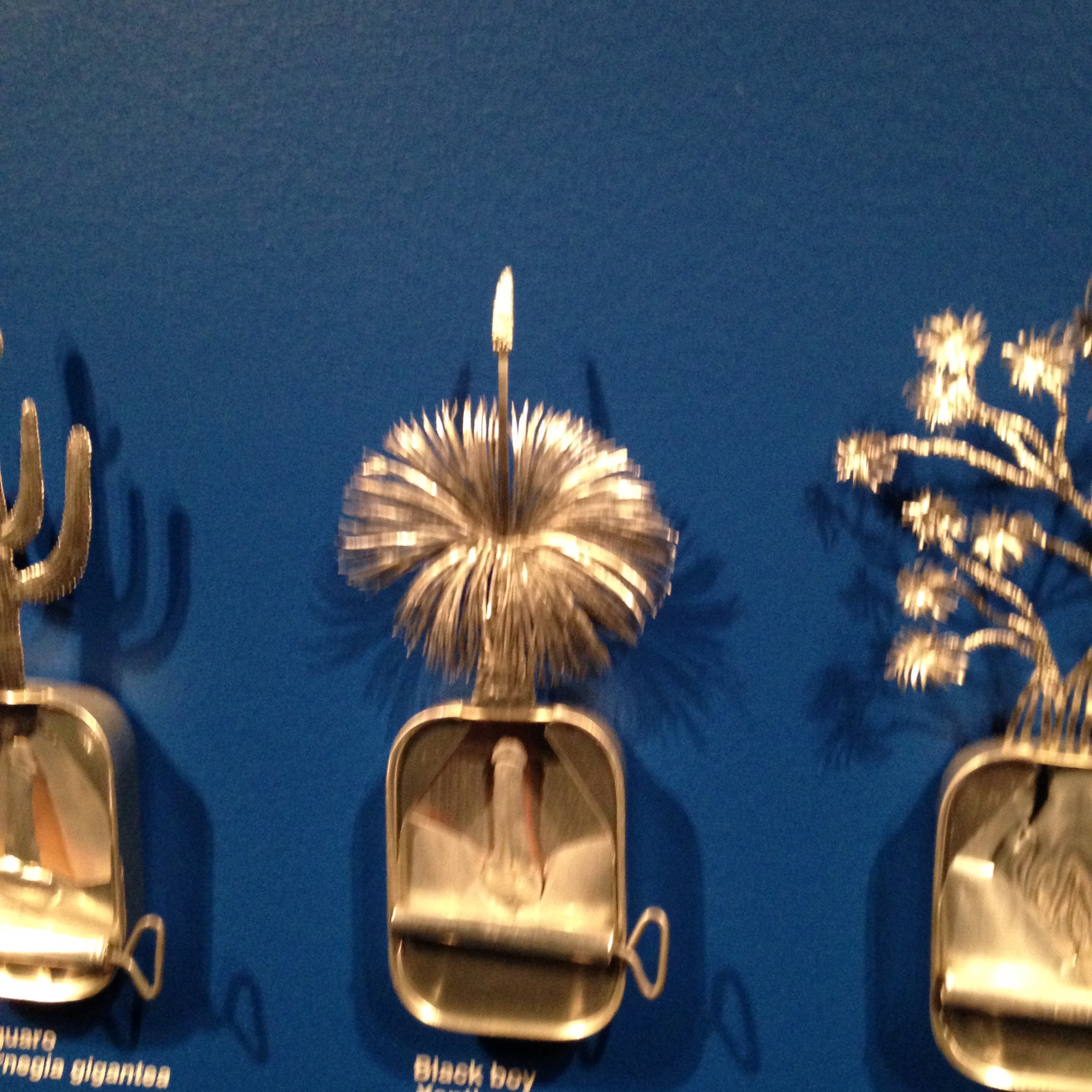
There was a room full of pornographic art where I saw trees emerging from sardine cans, exquisite in their construction until you see the phallic symbols. Not to be hung on the wall really.

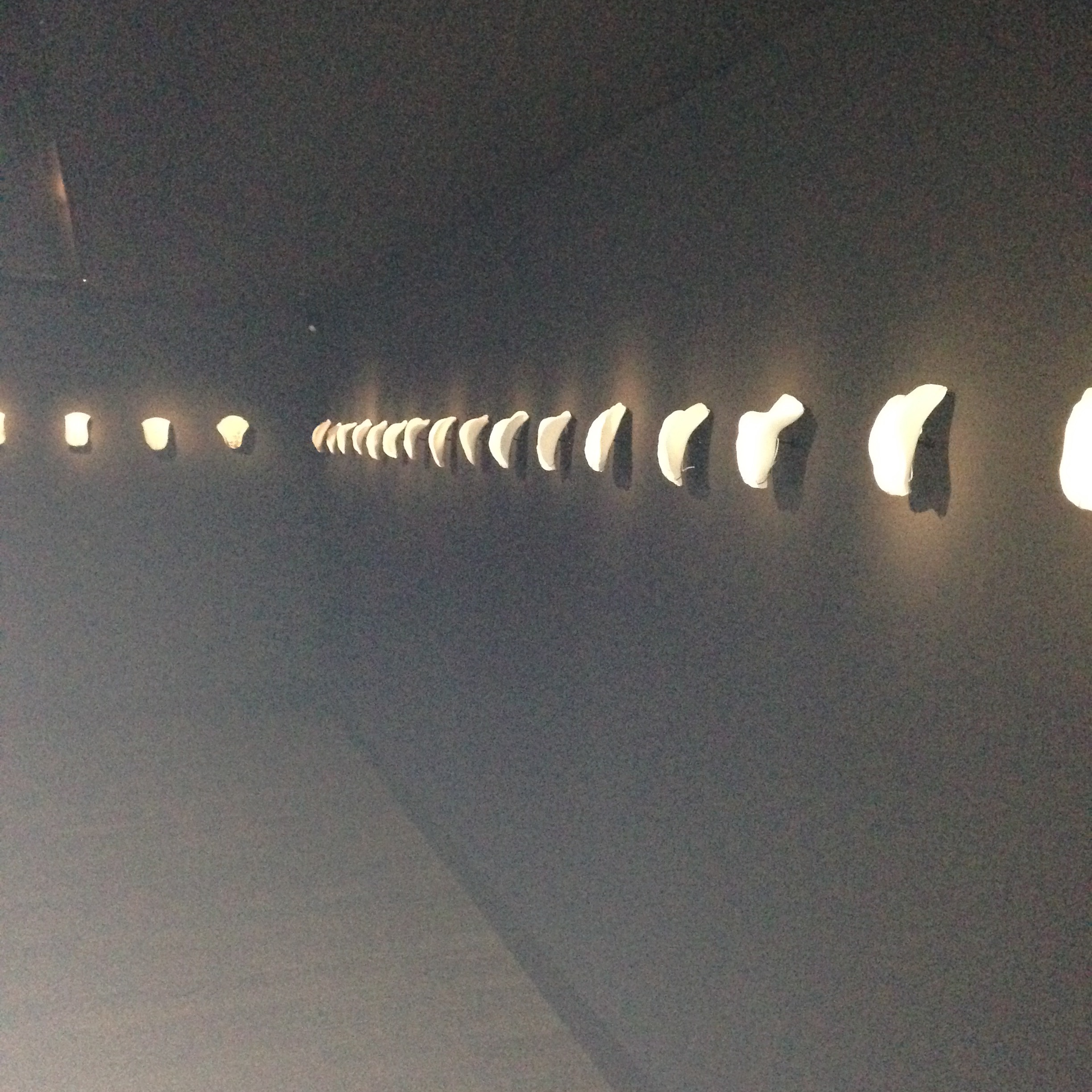
We saw Renoir, Asian art, traditional art, all alongside the crazy. There was a wall which I sort of wish I could ‘un-see’. There were hundreds of plaster casts of women’s private parts.
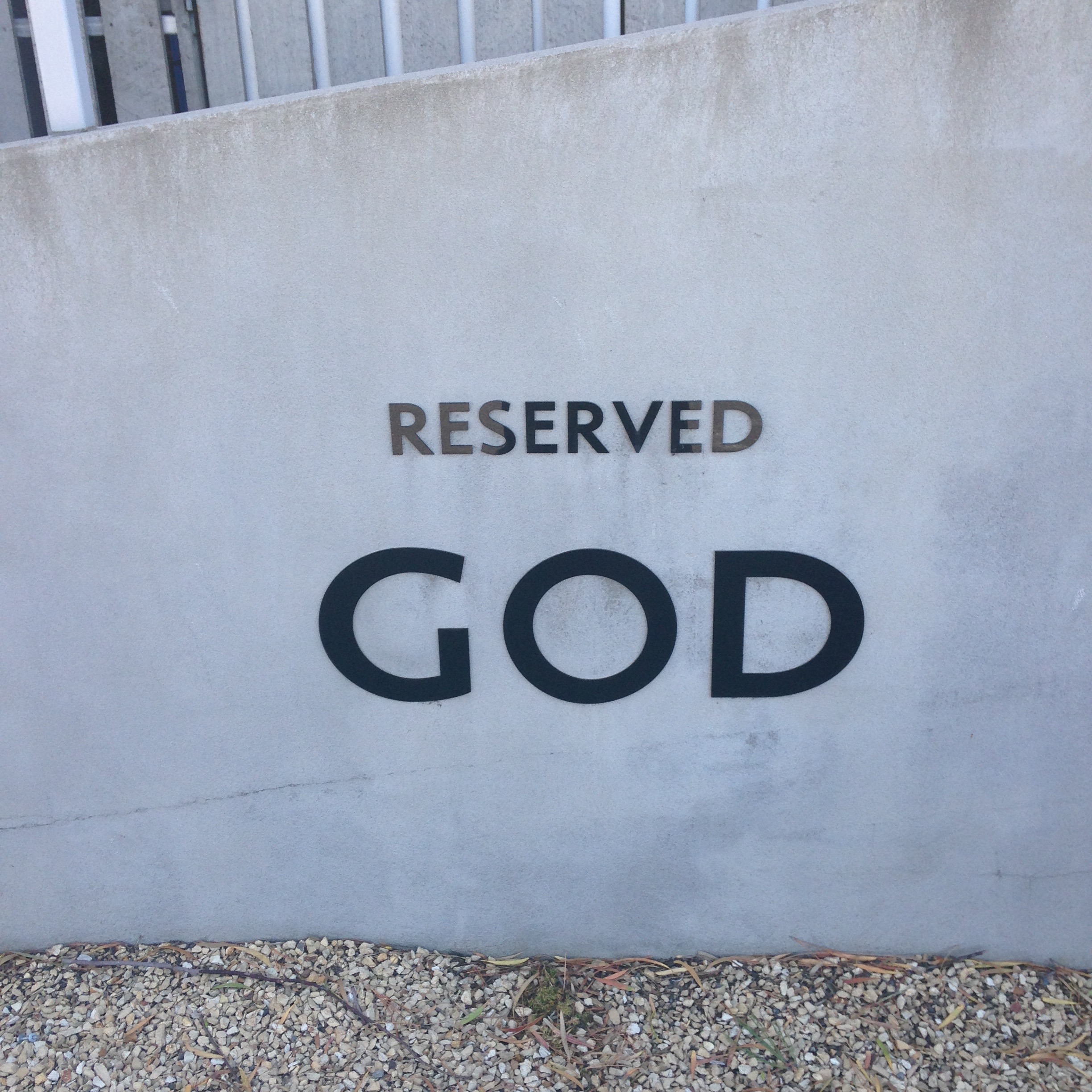
The whole concept was devised by David Walsh, a Tasmanian Gambler/art collector. He used his money to fund this crazy/wonderful/unique gallery. I had to photograph his personal parking space.

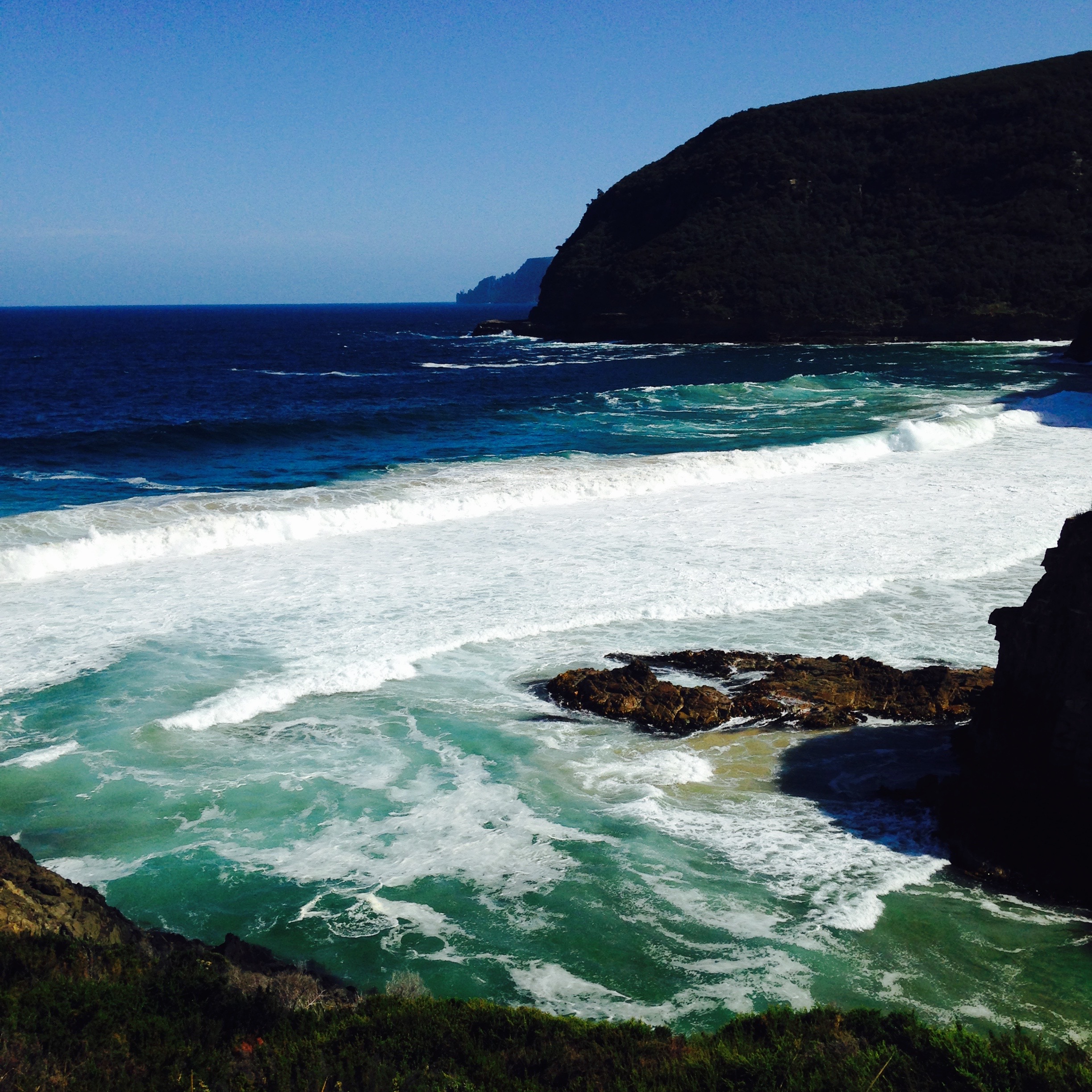
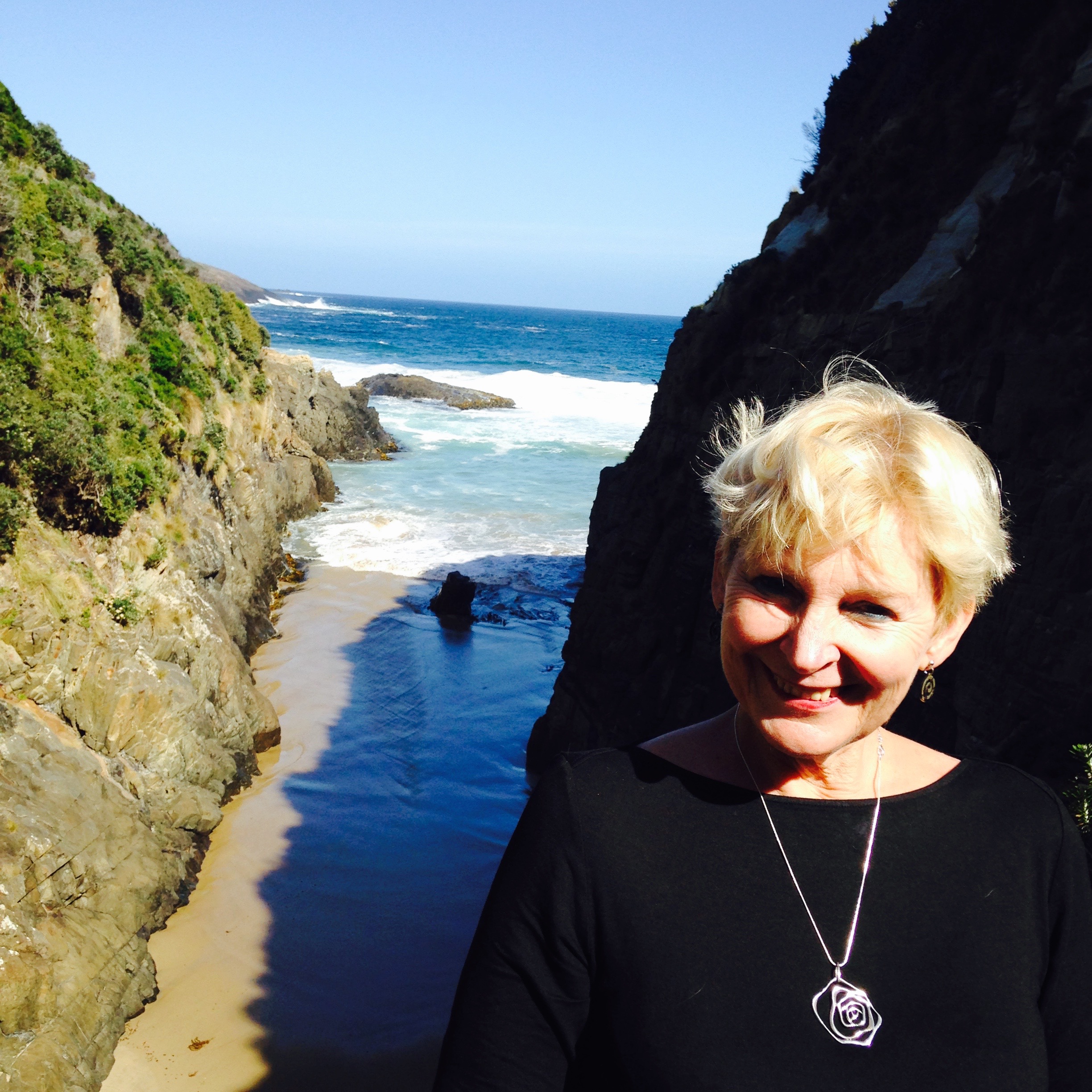
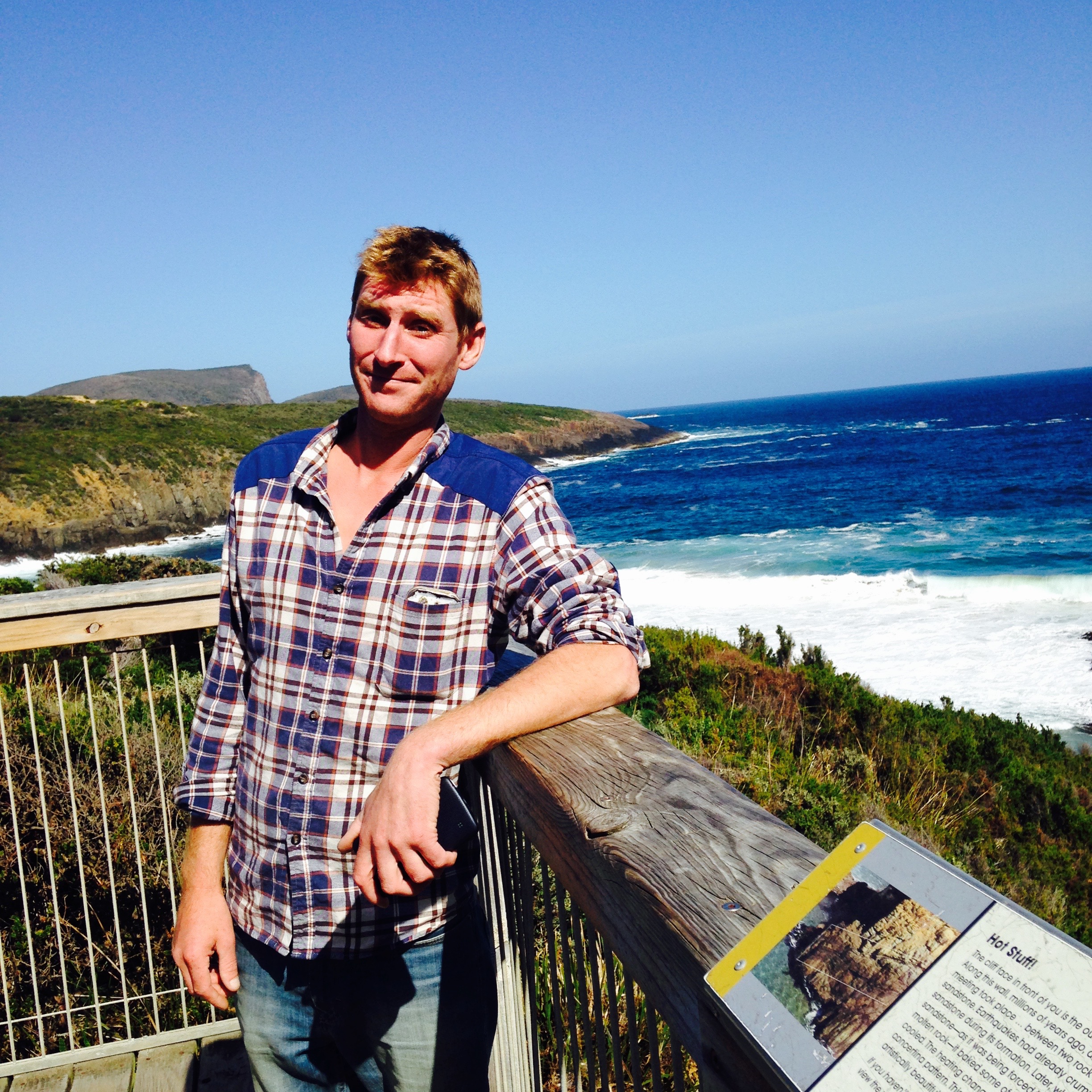
We needed to get some fresh air, so took to the highways and drove down to the Tasman Peninsula. We didn’t visit Port Arthur Penal Colony, instead we went to the Remarkable Cave. The Tasman Sea has shaped an opening to resemble Tasmania. A perfectly beautiful afternoon to remember.

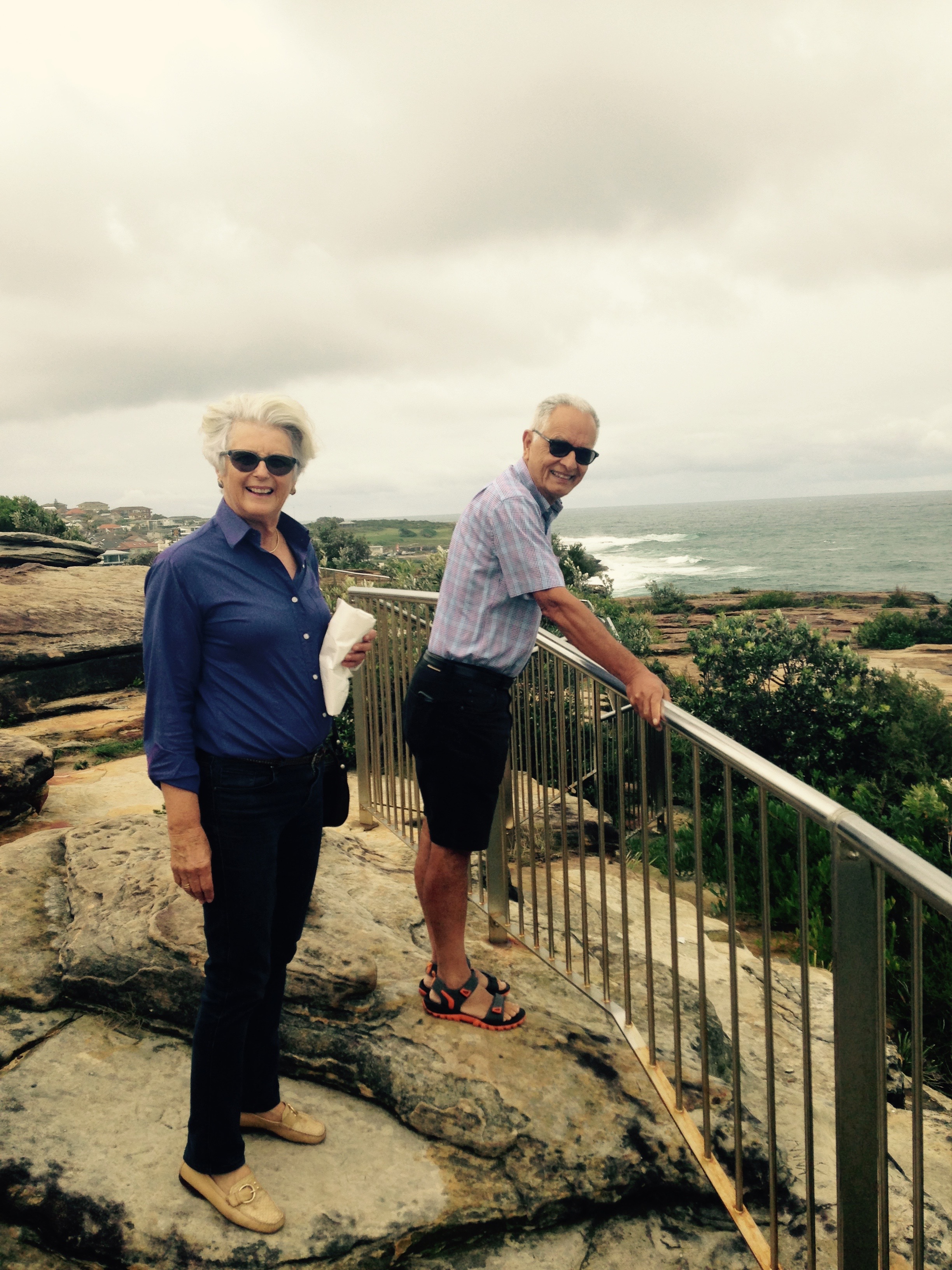
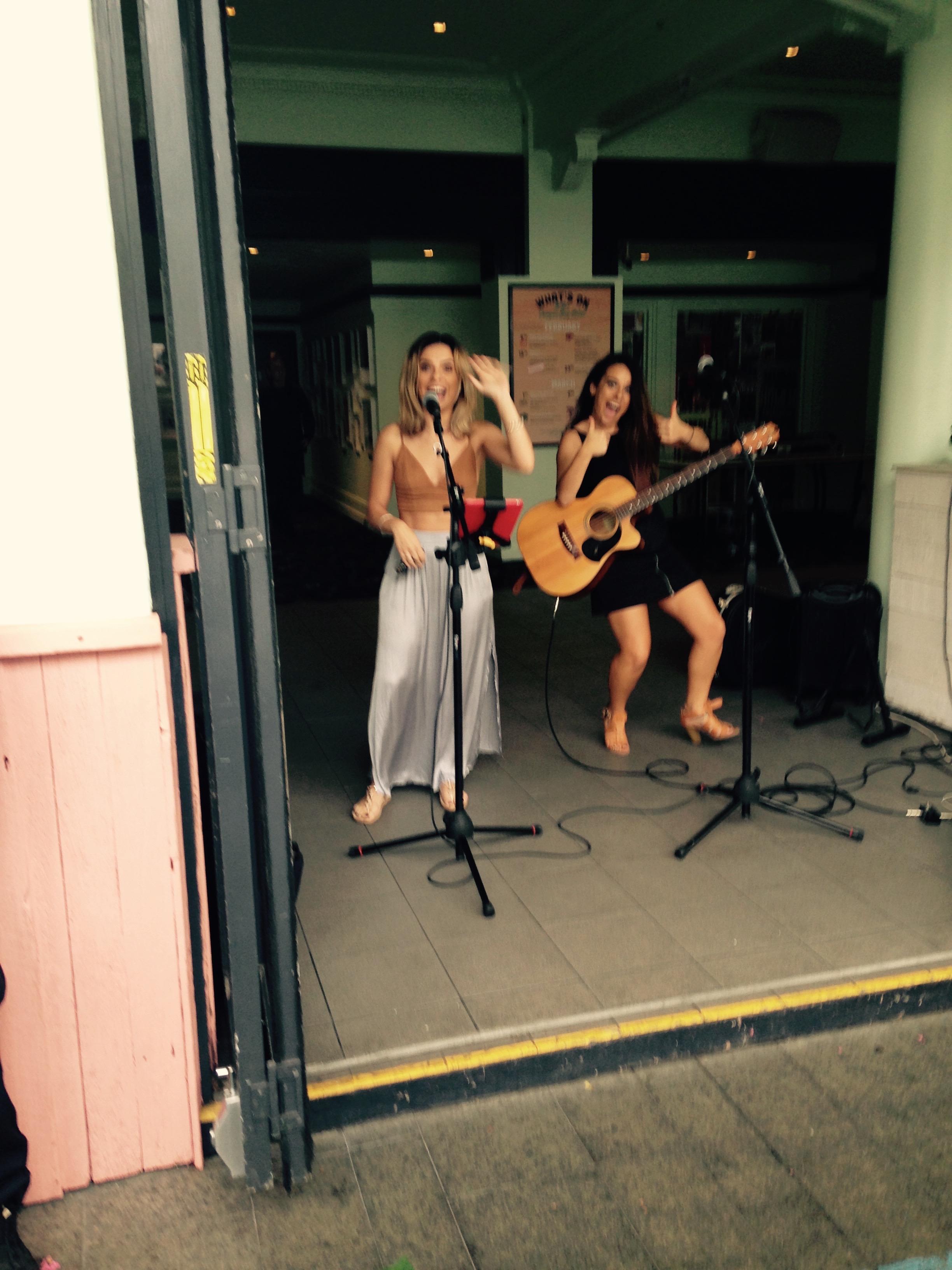
We returned to Sydney and Helen and Henry came and walked with me in Coogee, and it was good to share the experiences of our trips. We drank fat Yak beer and listened to the Sweet Young Things make a racket on a Saturday night!

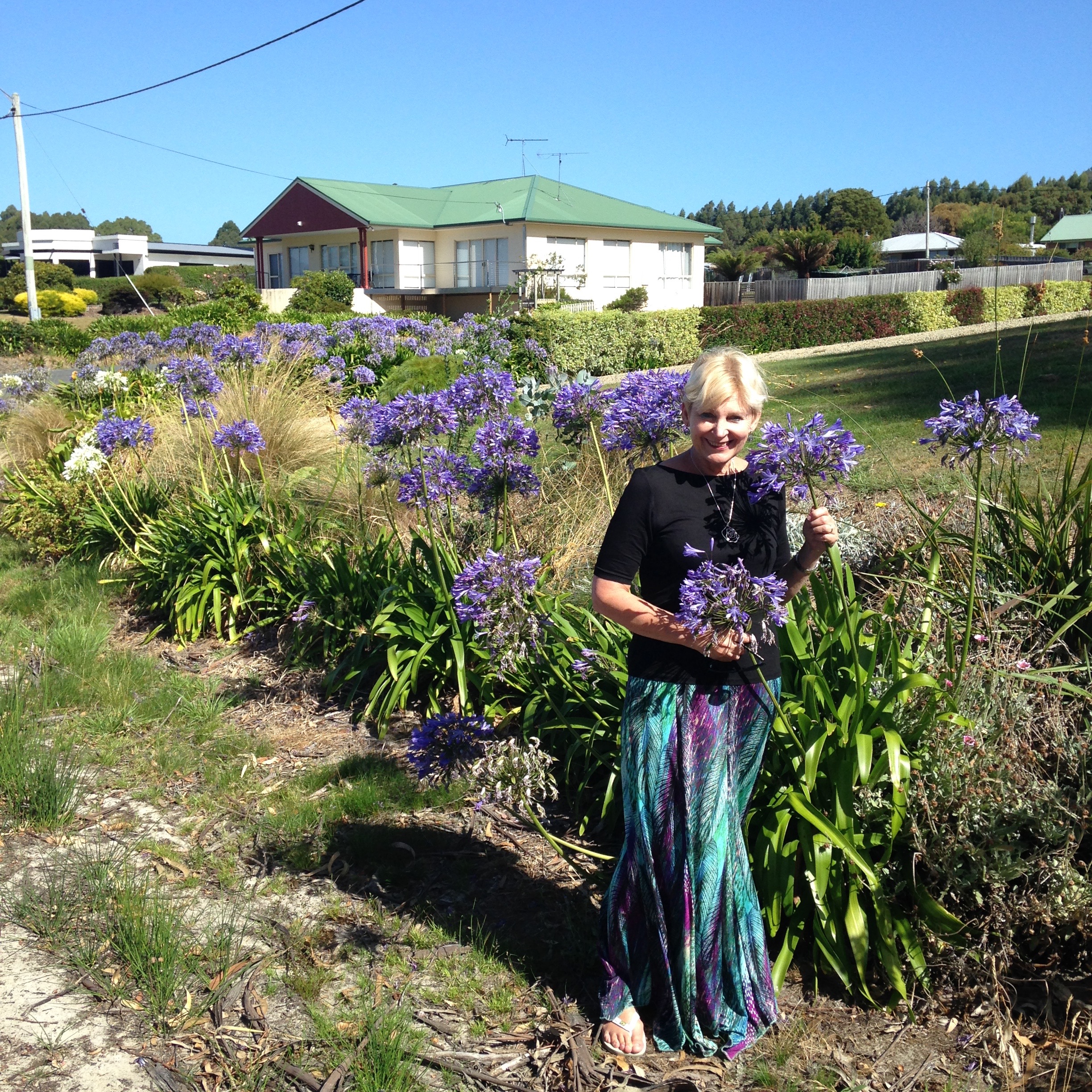
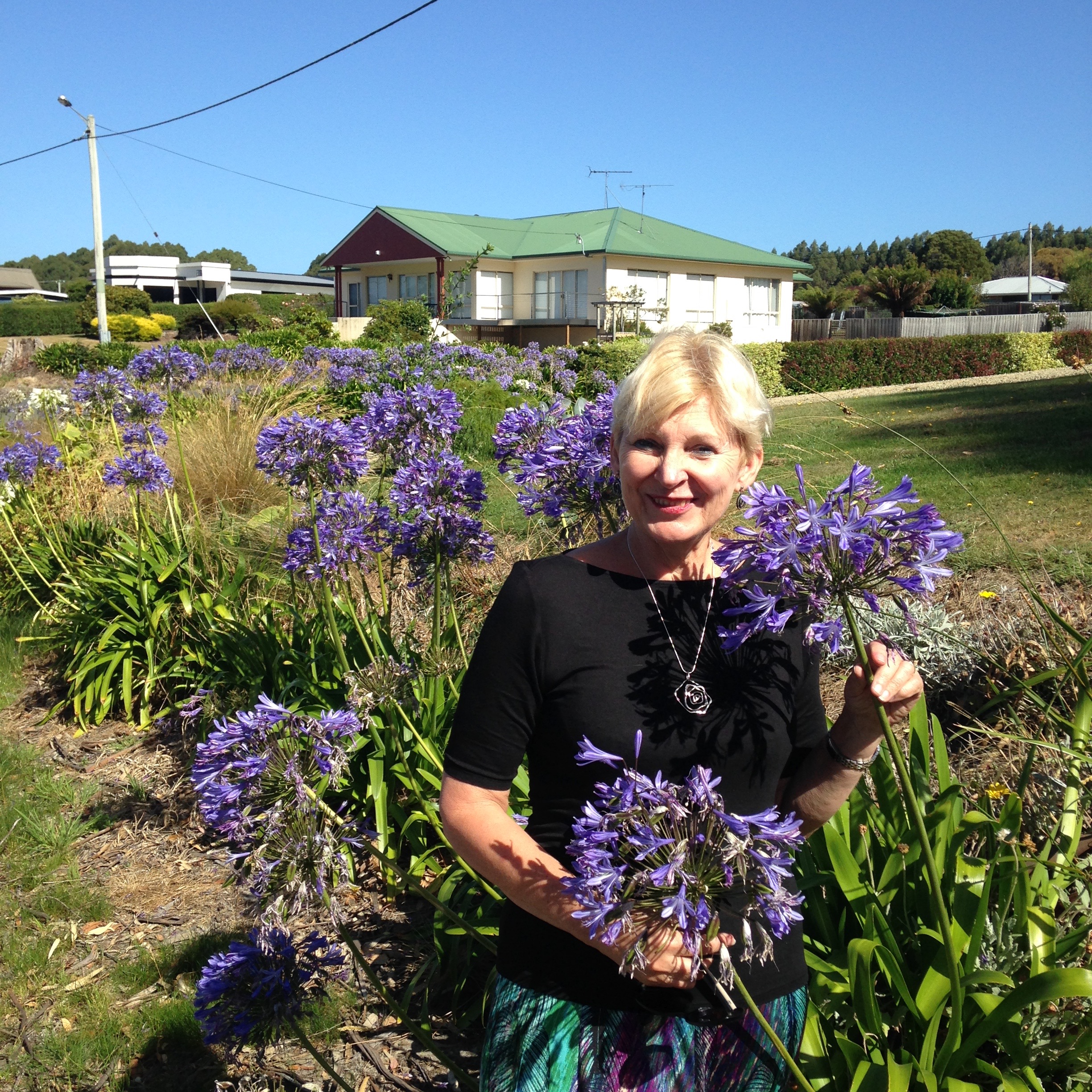
On my last day before leaving Australia, I sat and watched the surf break, and the people mill about, and looked up at the Norfolk pines that fringe the shore. It had been quite a trip.
I am now at home in Scotland, sitting here by the Firth of Forth, and Nick is ten thousand miles a way. Good to see John and visit with Gerry and Darcey, and best of all, getting the news of Natasha and Leo’s second little daughter, Hazel – born just yesterday. A sister for Bonnie.
G’day!

 Tales from the Gael