Zambia – The River Lodge Hotel
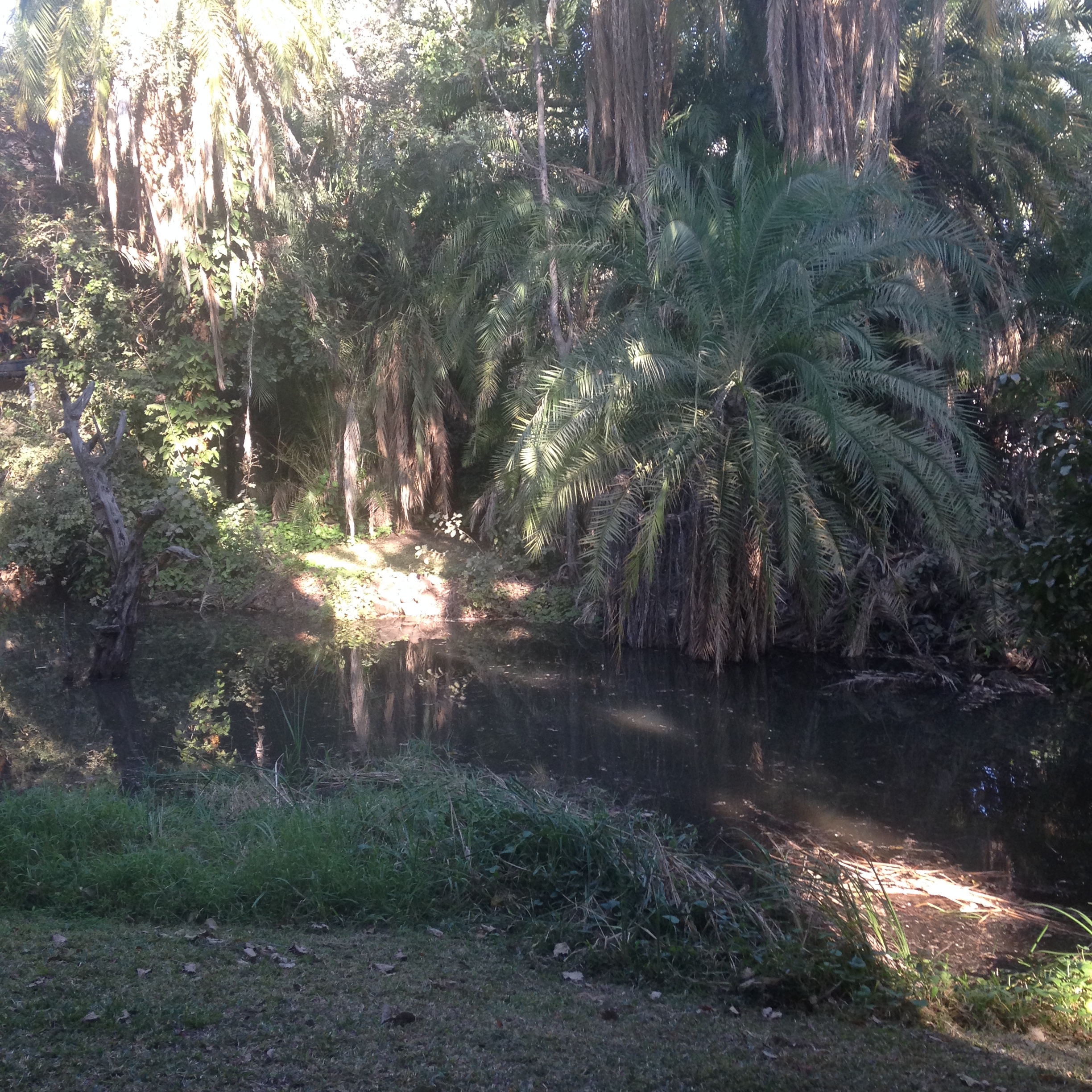
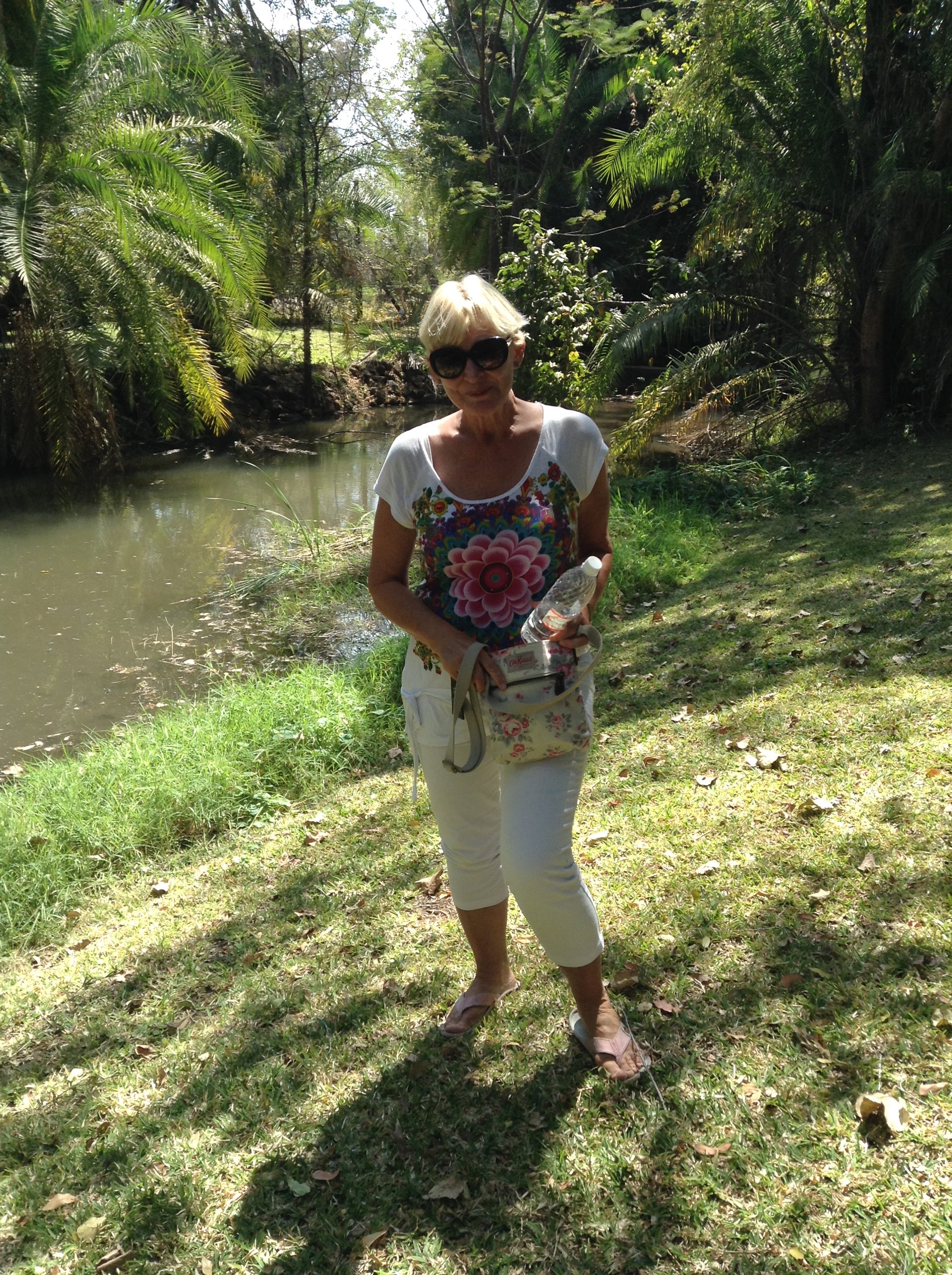
What bliss, a lovely room, hot shower and a beautiful tropical outlook.
We were glad to relax, as we had endured an epic ten and half hour journey through Namibia. The road was so straight that there were signs depicting an arrow to indicate a gentle turn left or right. Probably to remind those on auto drive to turn. The scenery was dull, prickly bushes and trees lined the way, and it was not until we had crossed the border with Zambia that we all woke up. We endured a 100km of hell. There were pot holes the size of small cars, and Bibi had to constantly veer off the road itself in order to have some surface on which to drive. We held on, as we were jiggled about and everyone was just so relieved to see the sign for Livingstone.

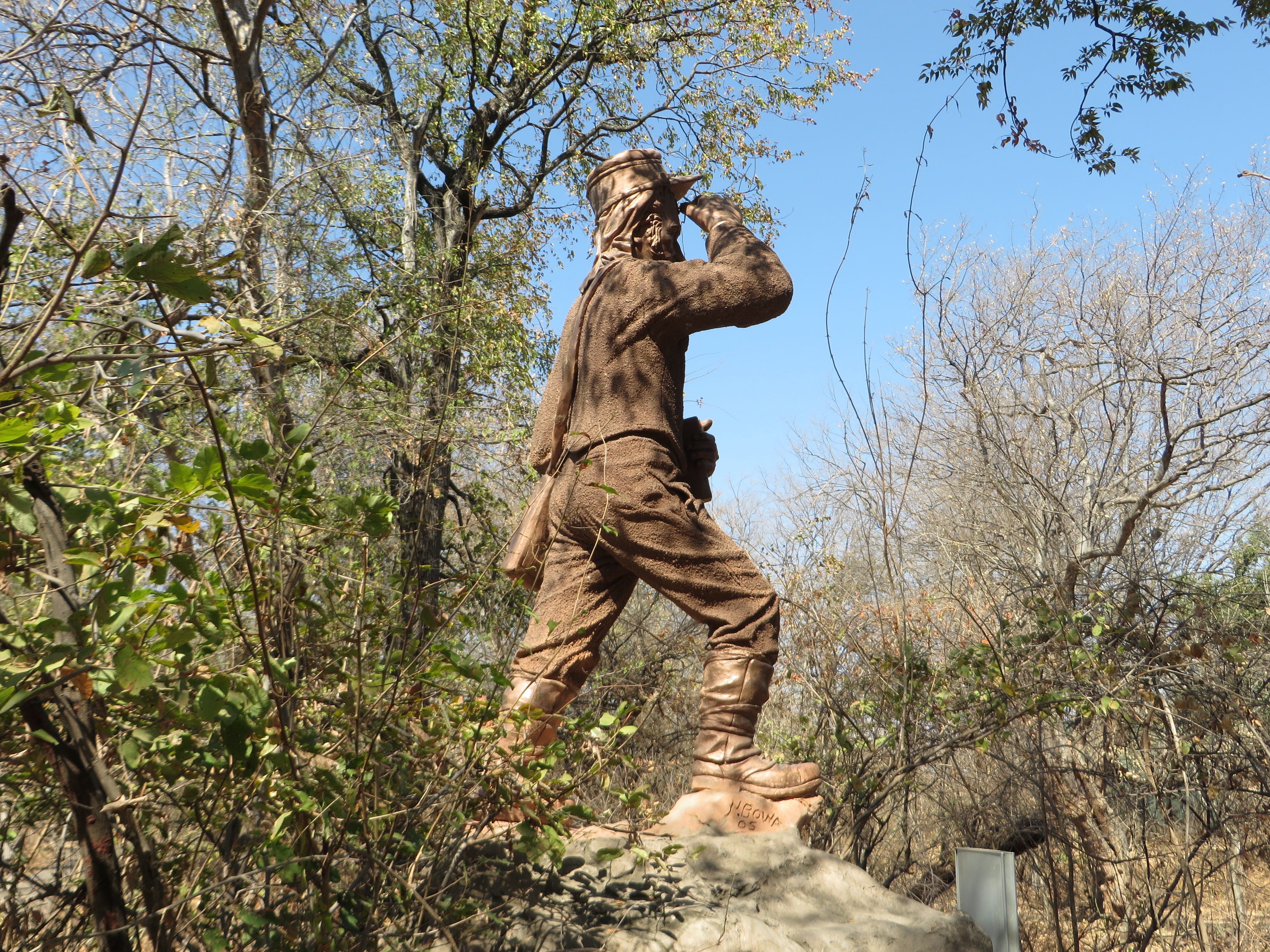
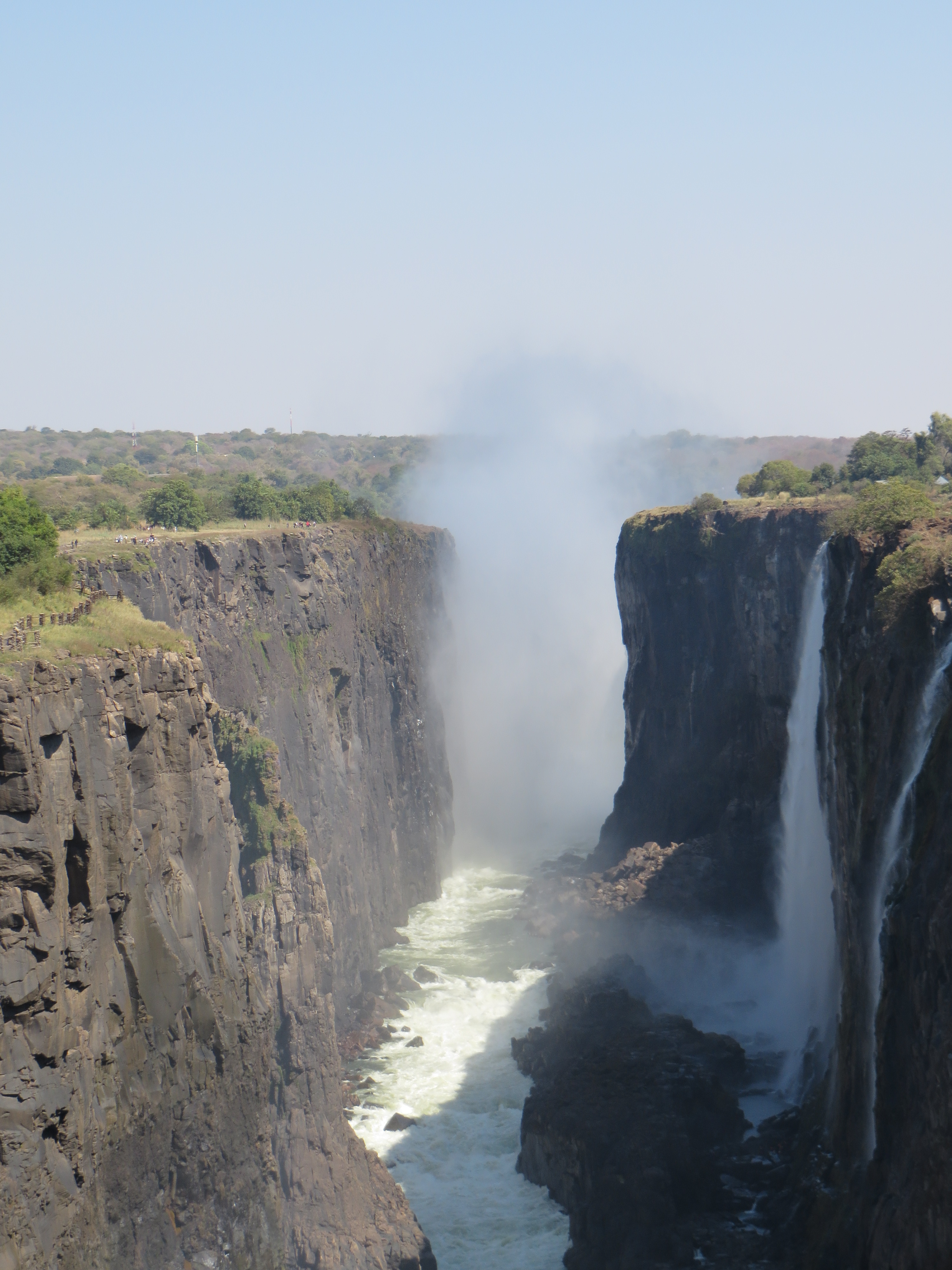
We ate breakfast by the Zambezi River with silly monkeys in the tree fronds above us. The others in the group had elected to take helicopter rides but John and I decided to give that option a miss and instead went on the more traditional tour of the Victoria Falls. We gaped at the sheer splendour of it and read of how David Livingstone had seen it first from afar, huge plumes of spray. He declared that until man discovered it, it was there for only the angels to share.
We saw the bridge built across the gorge, where many had lost their lives during the construction.
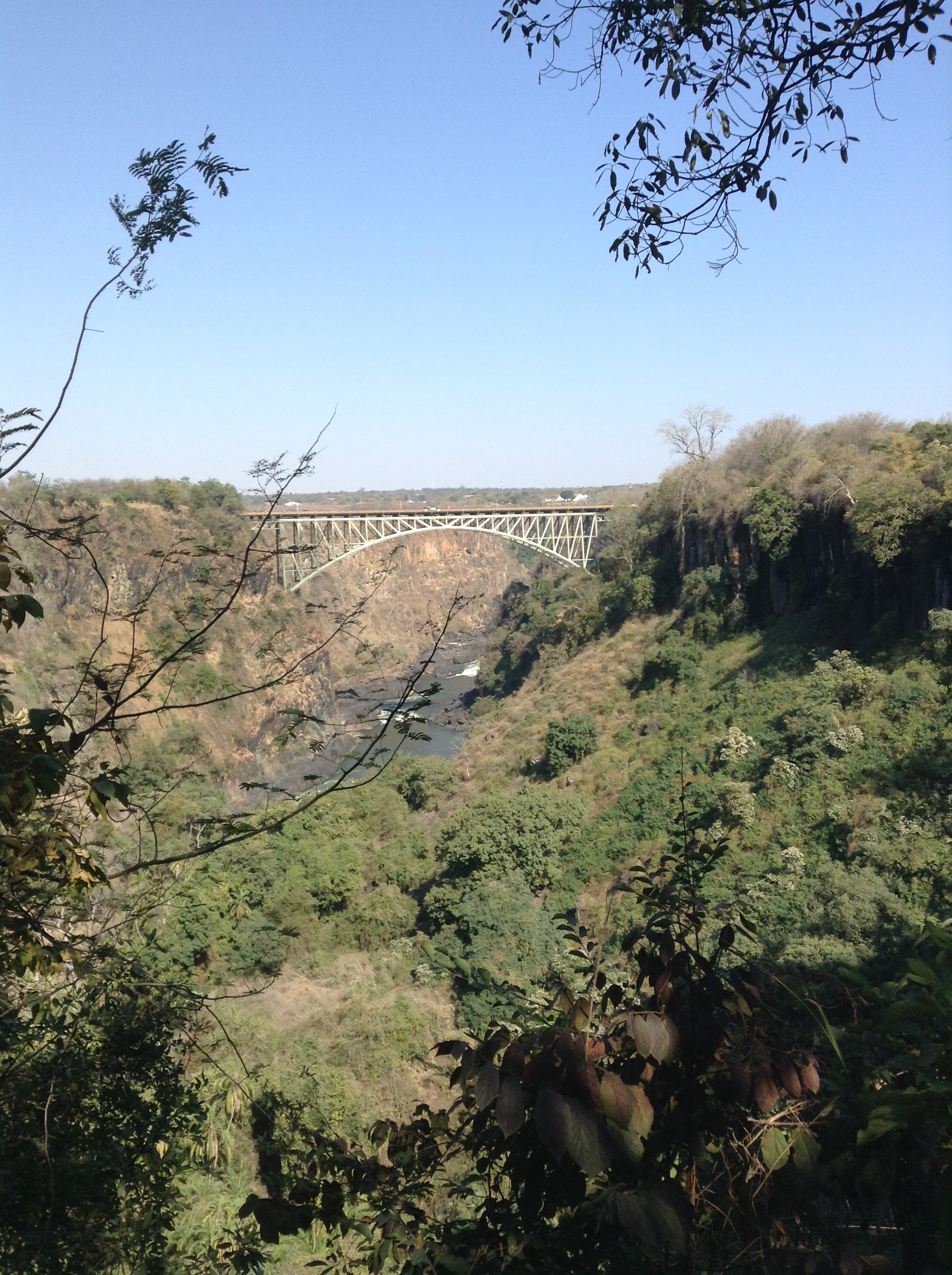
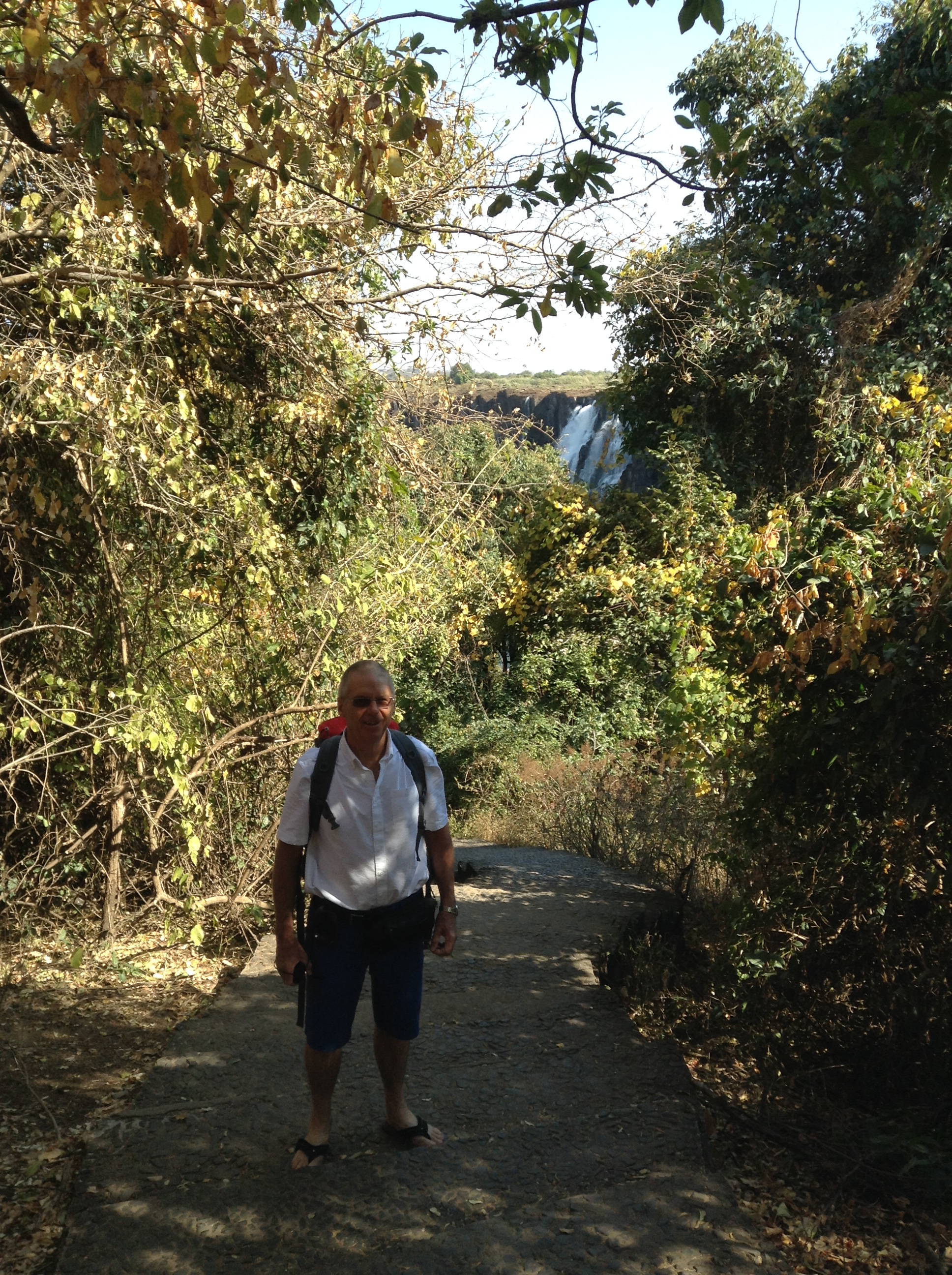
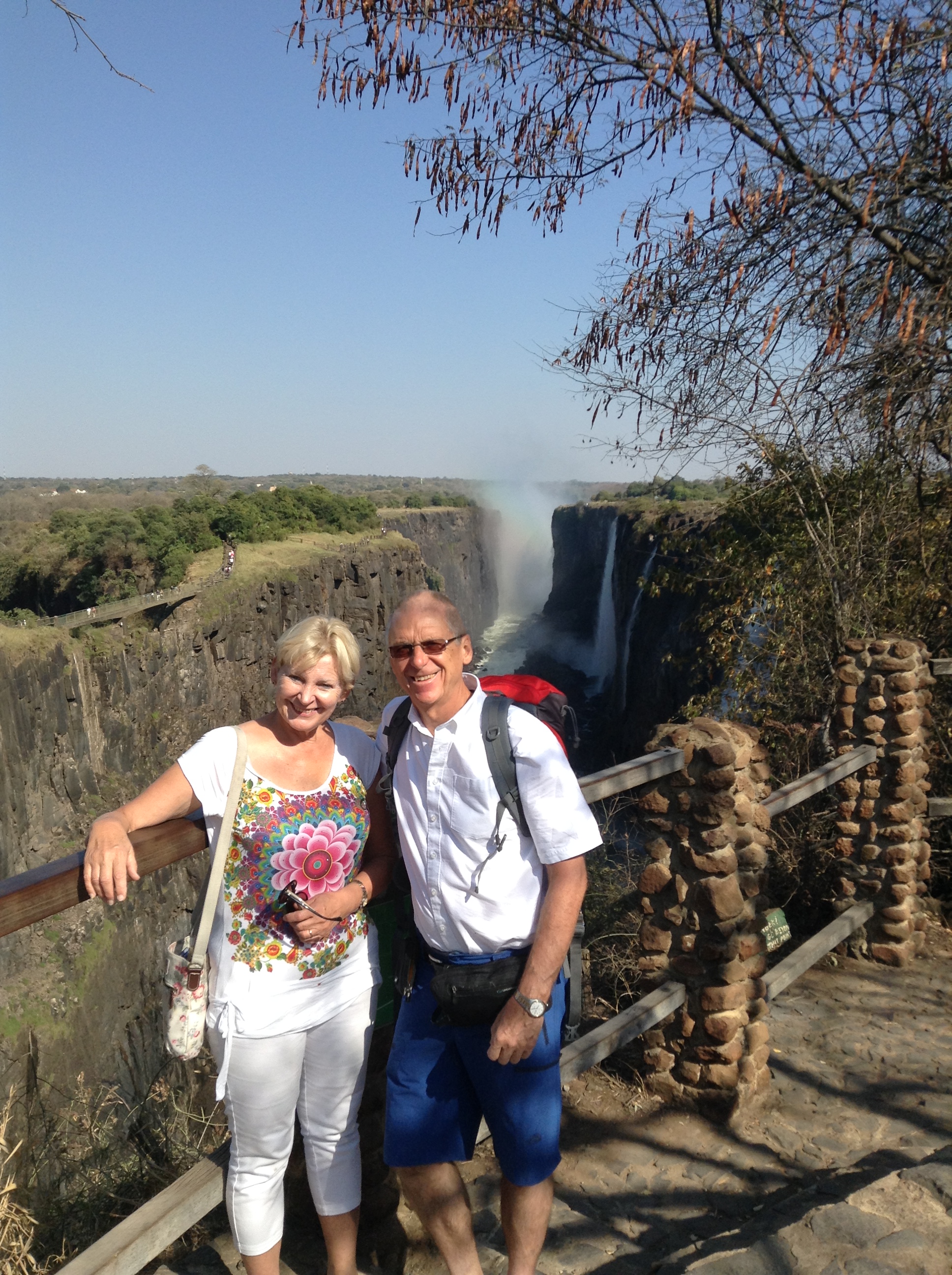
The falls themselves were magnificent but for us in the late winter/early spring season we did not see it in its full glory. I imagine the full deluge would be quite a different spectacle.

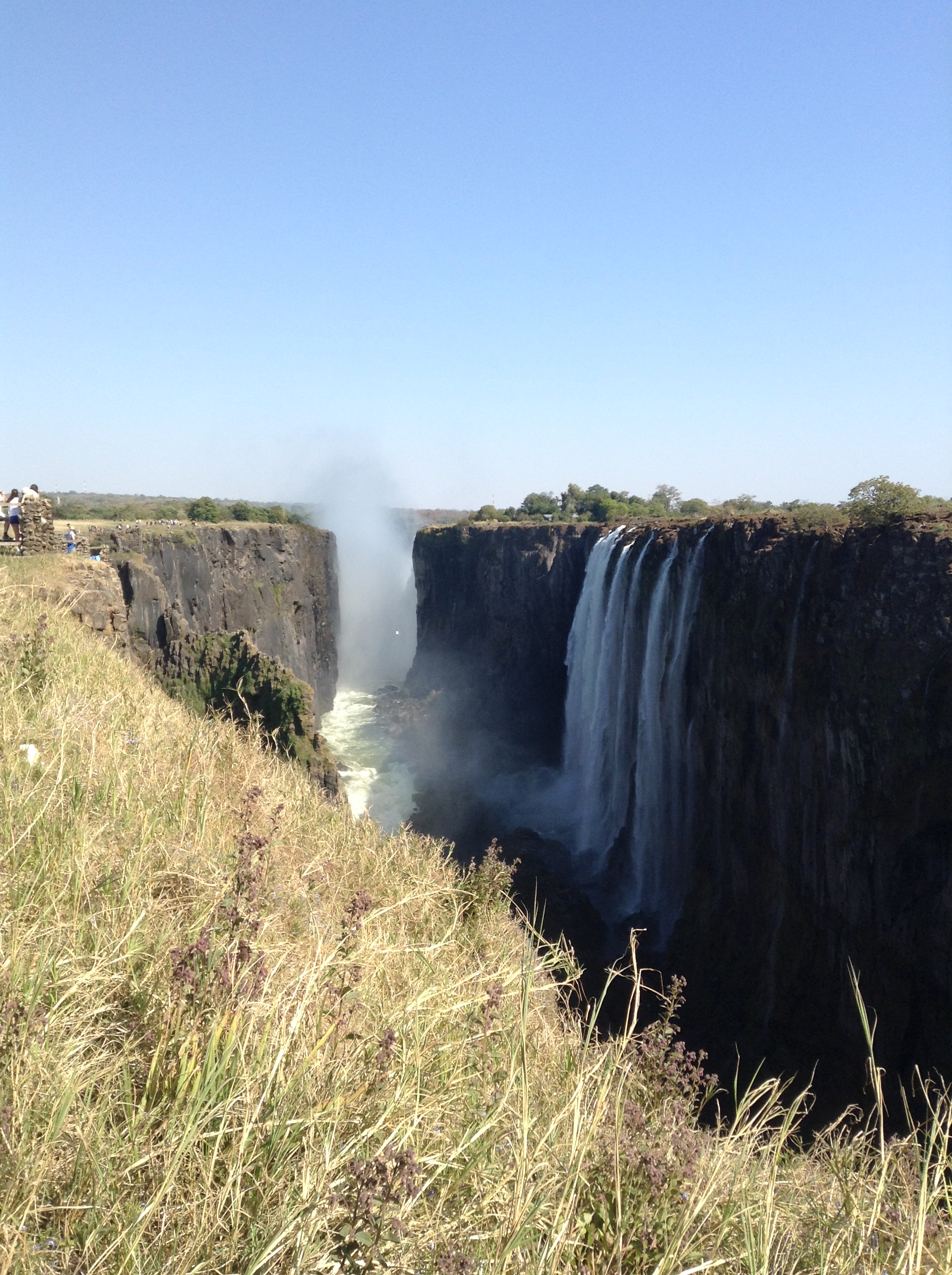

Back at the hotel we rested until it was time for the rhino tour in the Mosi-Oa-Tunya reserve. It is one of the smallest reserves and does have elephants, but no lions. Apparently they need miles and miles in which to wander about in.
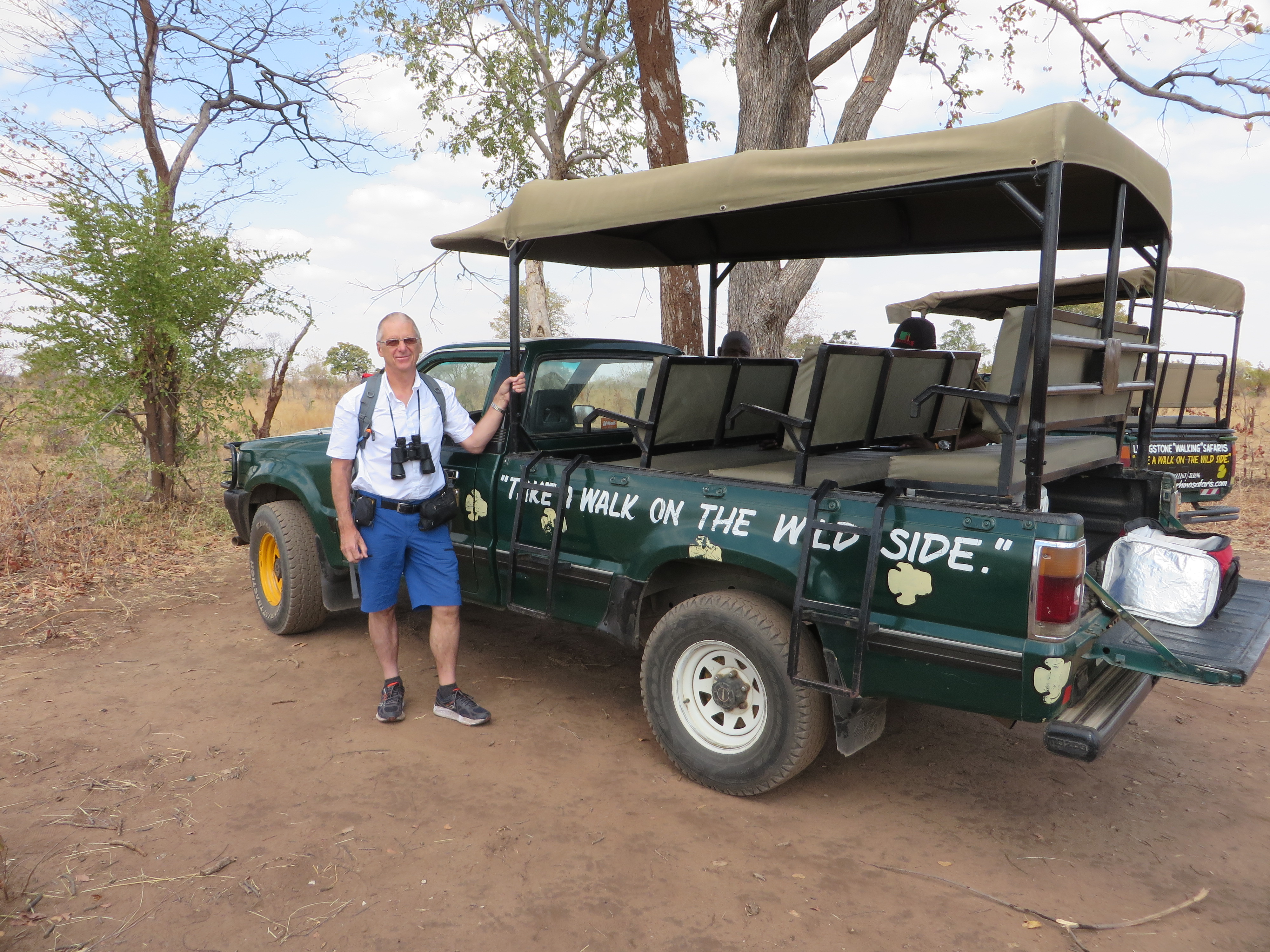
Our guide for the afternoon was a lovely enthusiastic fellow called Mukwesa, who, as we discovered, was an absolute fount of knowledge.
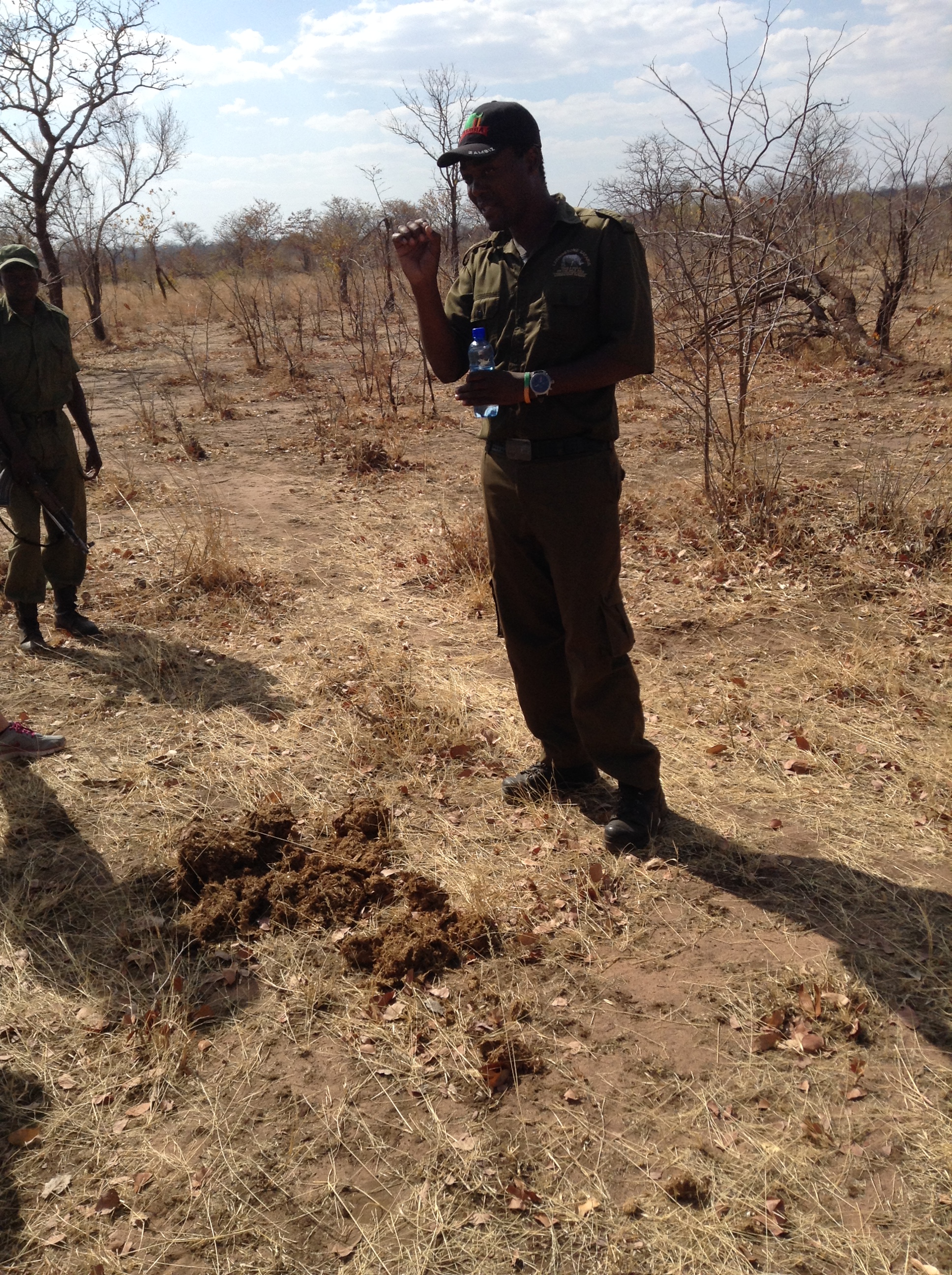
Before going on this walking safari we were joined by ‘our protector’, a conscientious chap in a dark green uniform and armed with an AK47 slung over his shoulder.

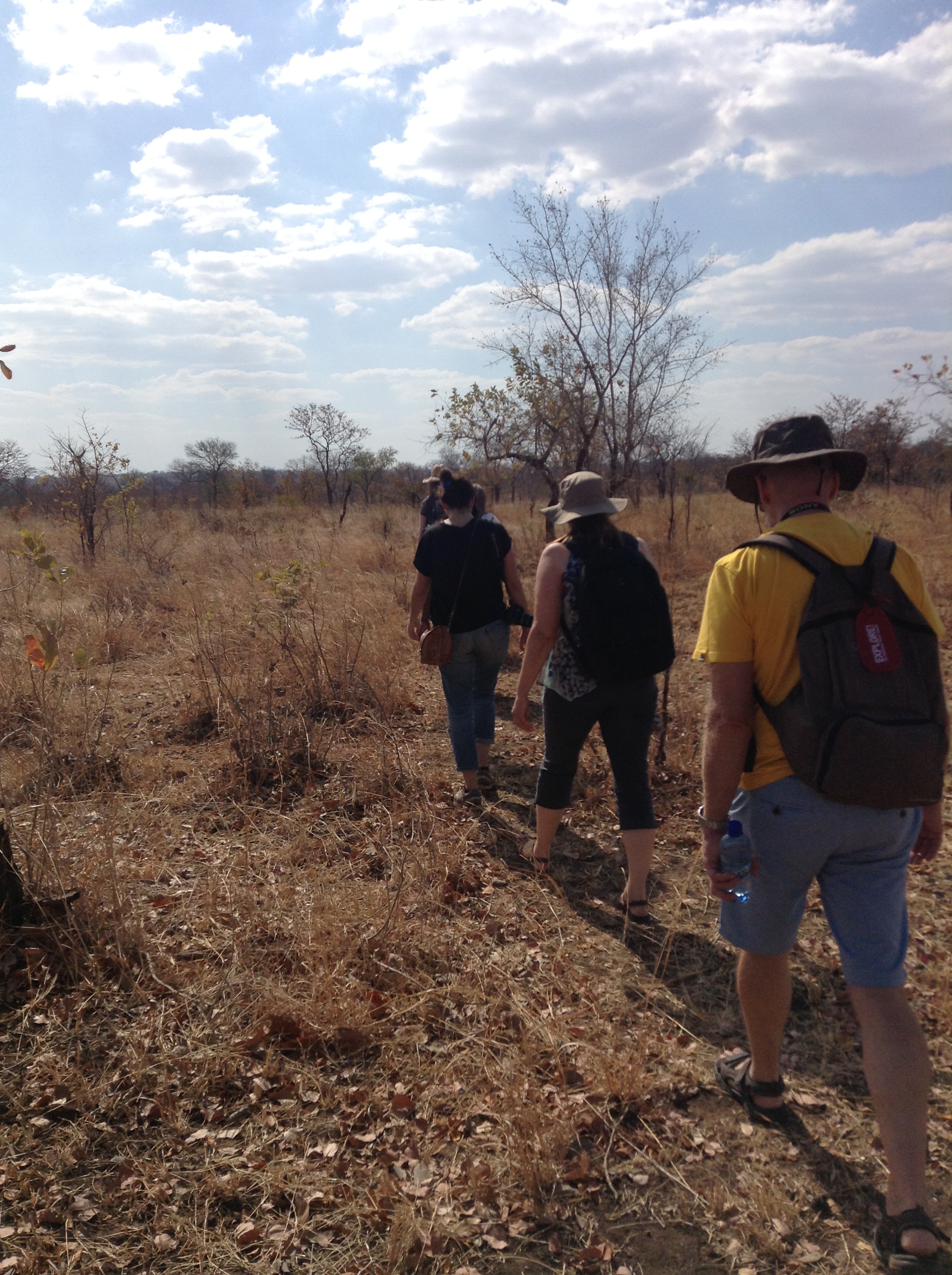
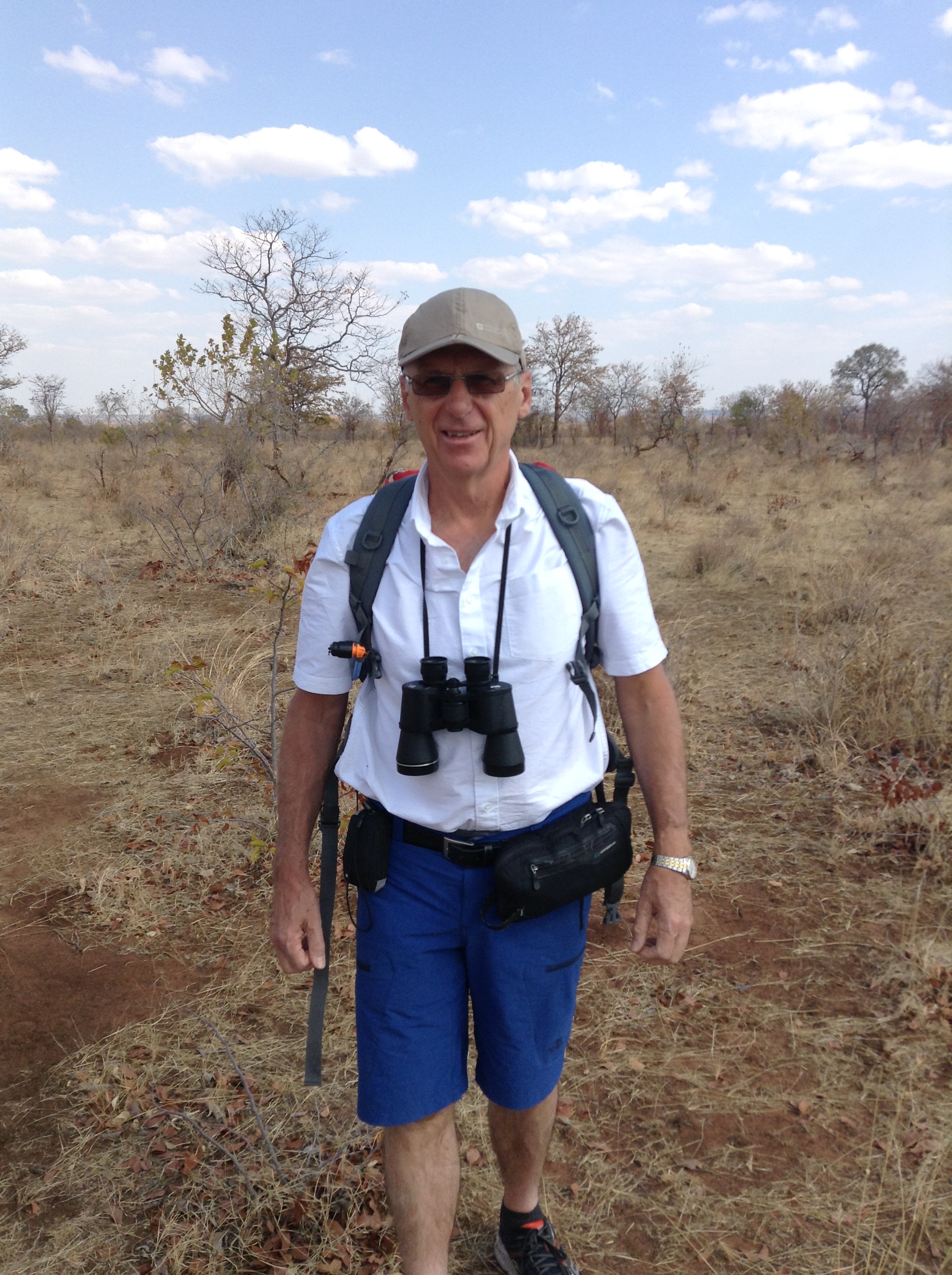
He led us all in single file as we marched through the reserve. The ground was dry and dusty, evil thorny plants threatened every step and all the time Mukwesa lectured us on the various properties of the animal dung that we were passing. He waxed lyrical about elephant dung and we hung on his every word. Who knew that a spoonful of elephant dung, mixed up with water was the answer to a baby’s colic and would provide peaceful sleep? Who knew that the natural anti bacterial traces in all the leaves it eats helps combat many stomach ailments? Who knew that it is good for nosebleeds? Poachers unfortunately know that slathering themselves in the dung of a female in season will attract a bull in an amorous mood. He would not be aggressive and so of course would be much easier to kill.
As for zebra dung, well you can just forget firelighters for the barbecue, the zebra poo is the one for you. Perfect shiny black stones and very inflammable.
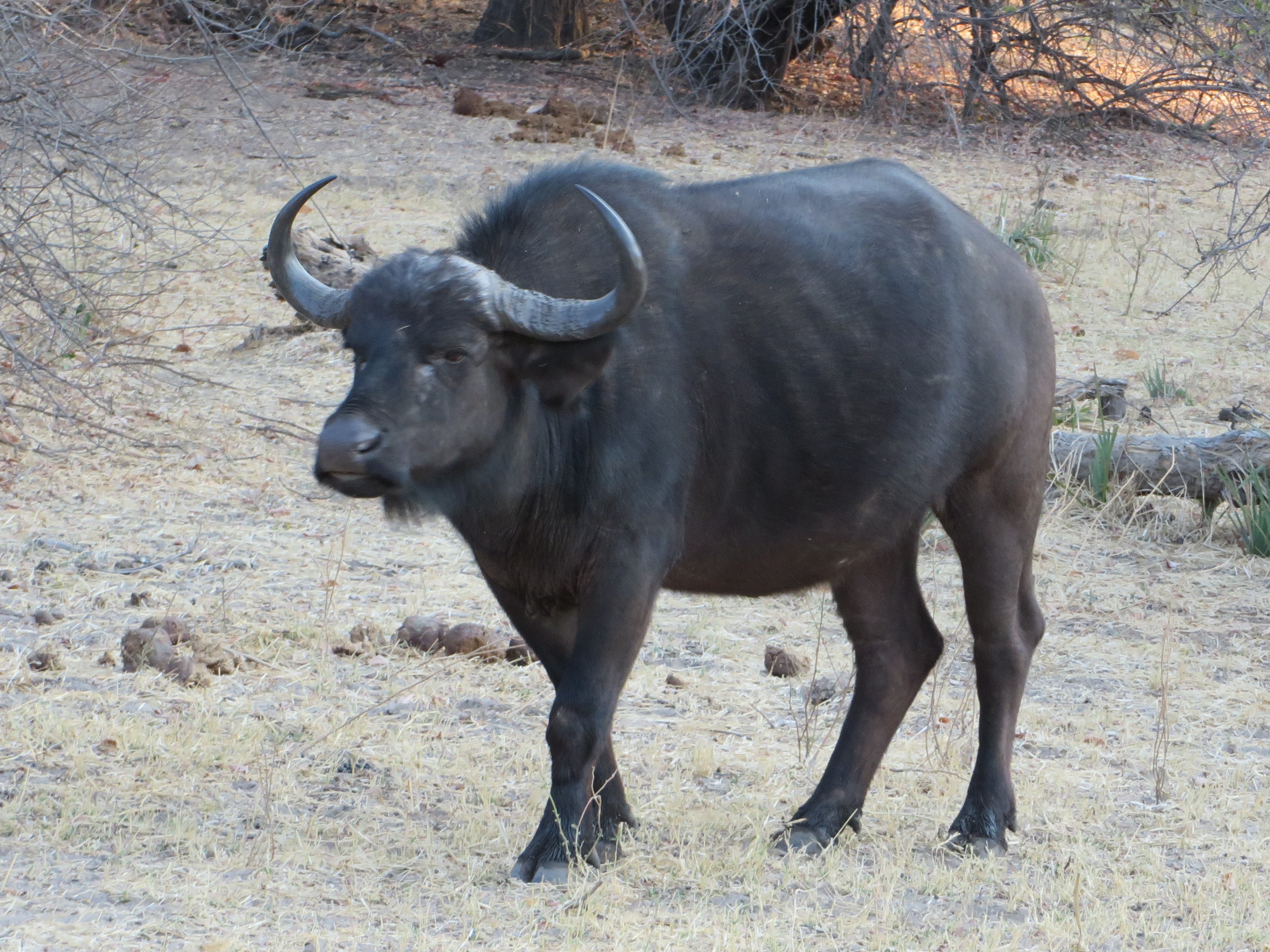
Anyway we trooped along, and looking about me I suddenly felt very vulnerable out in the wild with only the AK47 to protect me from mambas and puff adders as well as rampaging elephant, or worse, the Cape Buffalo. Mukwesa informed us that this buffalo is extremely aggressive, takes no prisoners and the only way to escape is to shin up a tree and stay there. Seeing some of the trees about I had my doubts of ever clambering up any of those very nimbly.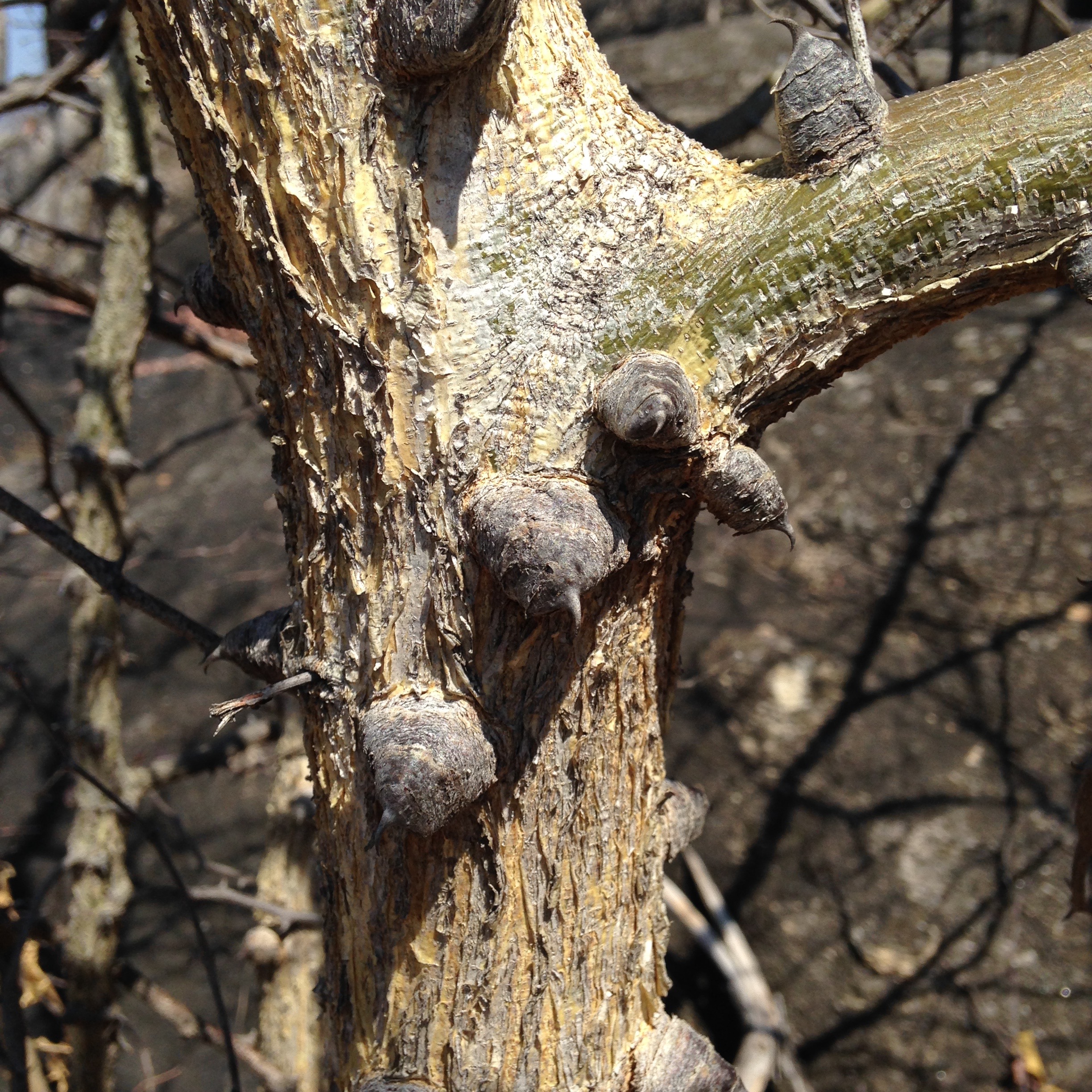
The Cape Buffalo is one of the Famous Five, a ‘trophy animal’ that hunters would shoot and hang the head above their fireplaces.
The sun was high and it was hot. We stopped to look at a funnel web spider’s nest, a lion ant’s hole, and he gallantly shooed away a spider hunting wasp.
All the time he would punctuate his observations with ‘need to know’ information. I was fascinated to learn the little-known facts about the Mopani tree, with its butterfly shaped leaves. It is a great favourite with the elephants but the tree has evolved a cunning plan with which to protect itself. When the elephant starts to munch on the leaves, the tree produces tannin, and the bitterness makes the elephant quite sick. Then the tree sends the tannin through the root system to the next tree that might be targeted. It is like a well rehearsed conspiracy. As a result, the Mopani tree stands full of foliage, quite protected.
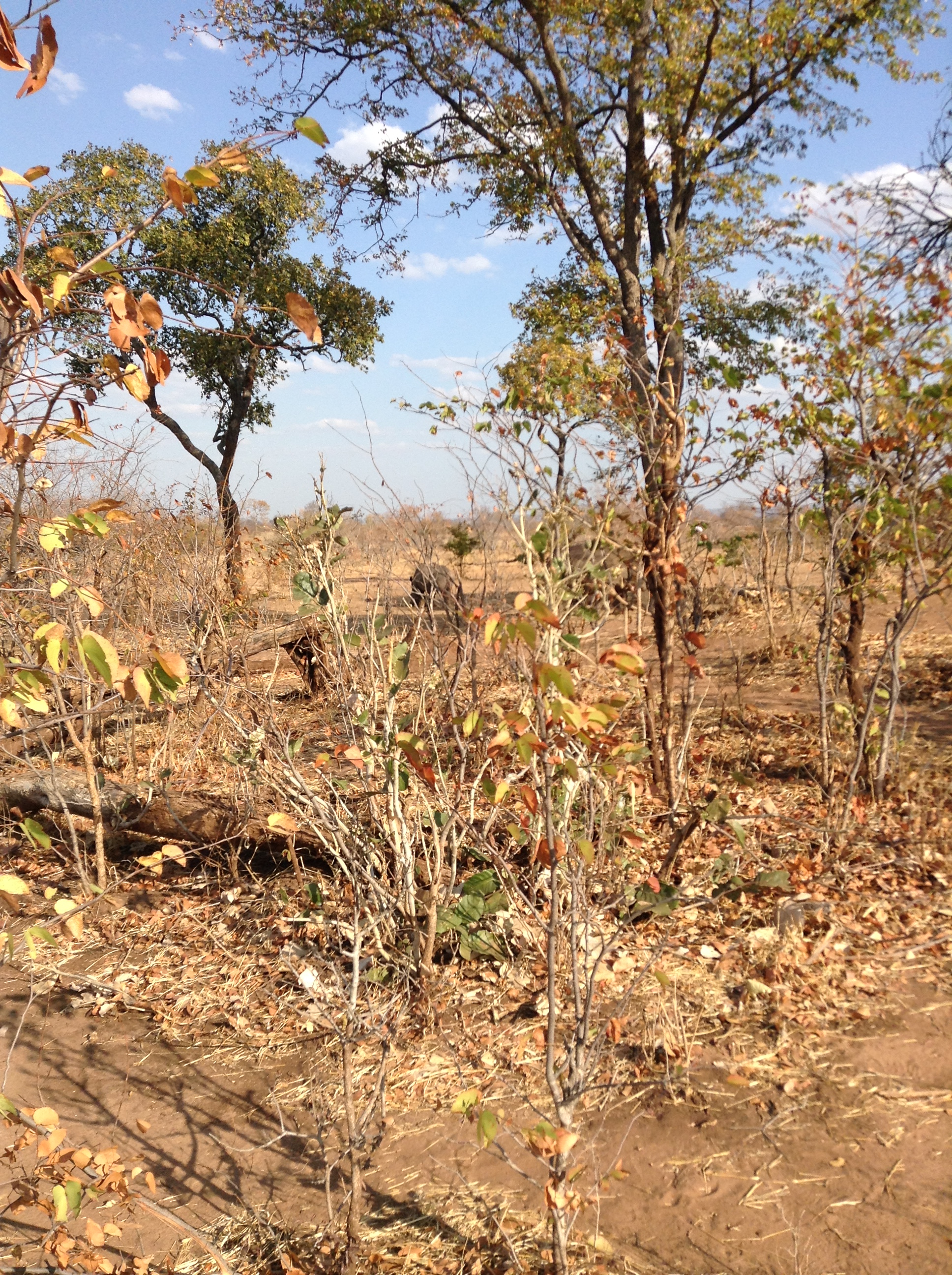
Local men make use of the Mopani tree as well. They cut the thin sinewy branches, scrape off the leaves and bark and then pound the pulp to paste. They mix it with water and drink the mixture. It has a wonderful effect on their virility, and is commonly known as the ‘Is it really you?’ potion! HA HA!!
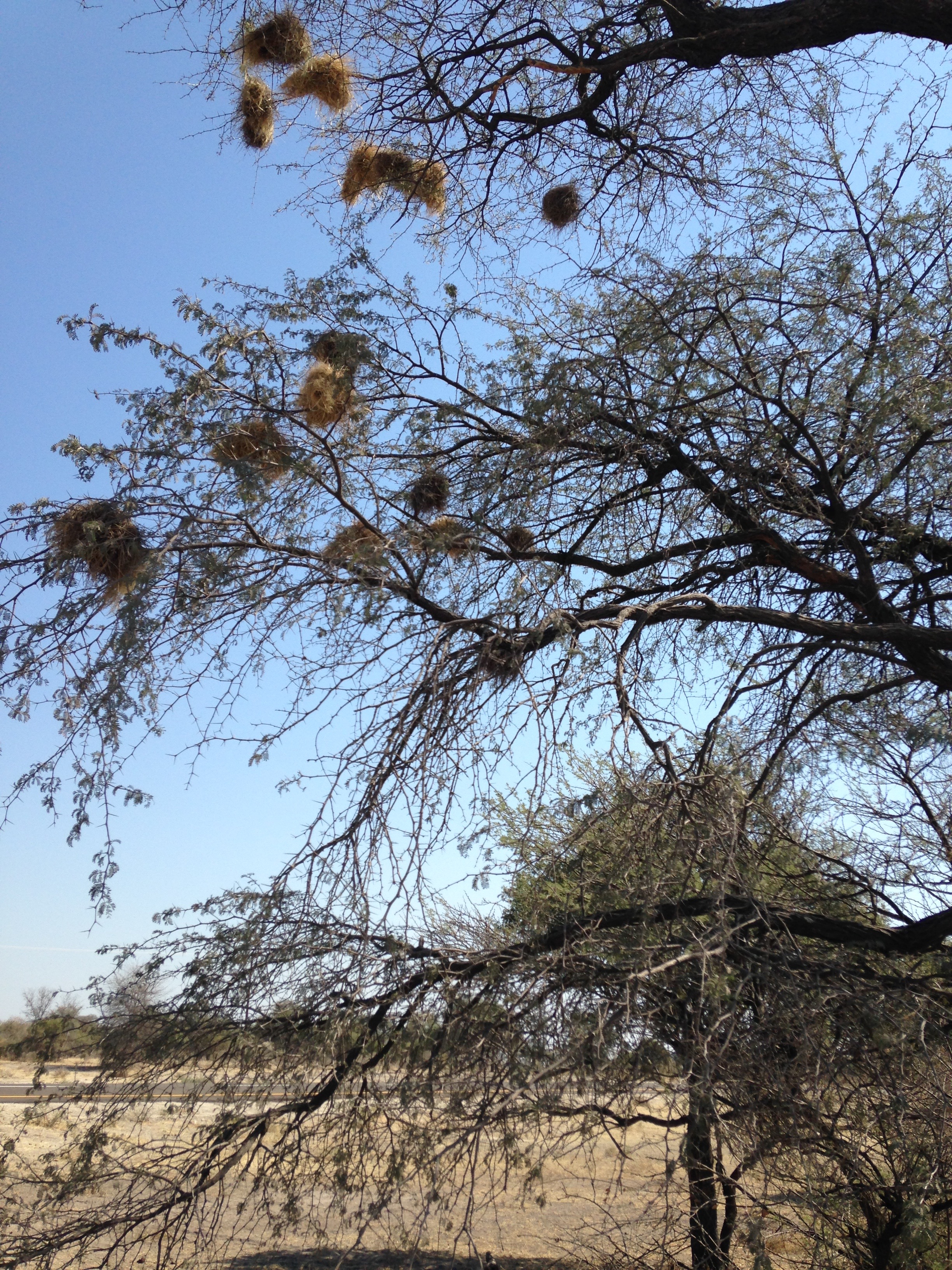
A herd of zebra galloped past, followed by a group of breeding impala. We learnt from our knowledgeable friend that if we got lost we need not worry but should just consult the weaver birds’ nests. They always build on the west side of the tree. I kept my eye on the numerous natural markers and plodded on.
Suddenly we came upon a load of fresh dung and dutifully huddled around it listening to Mukwesi. What story would he tell?
But no – he whispered instead, and pointed, and there behind us were two white rhino. Oh my God! As close as 20’ and we could make out every inch of them, every crinkle and even stare into their peering eyes.


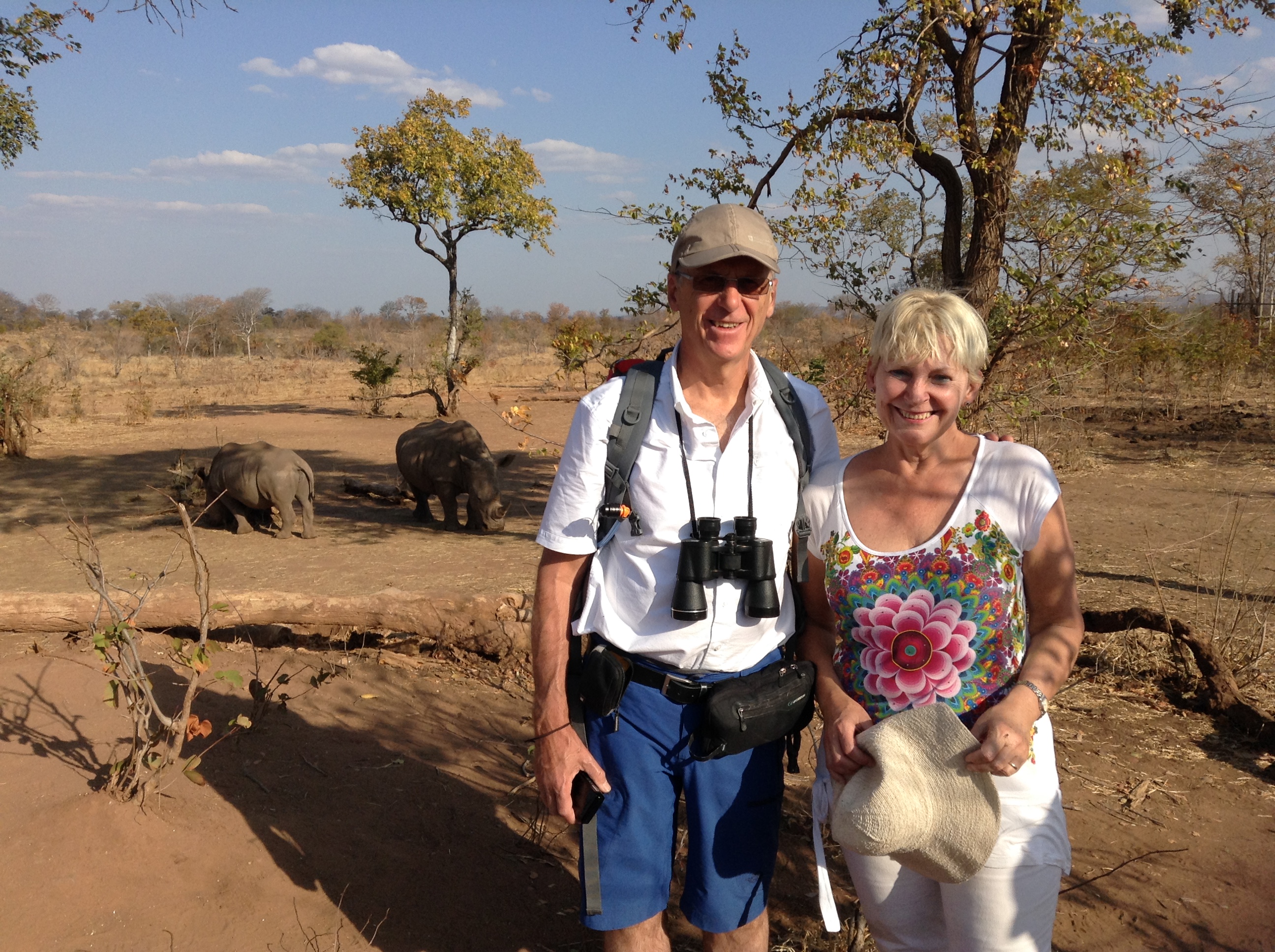
Quietly we watched them and snapped photos and then moved away, only to see six to eight more, but not so close. Mukwesi pointed out a baby born in March this year. He did stress that these rhinos were not as aggressive as their black counterparts.
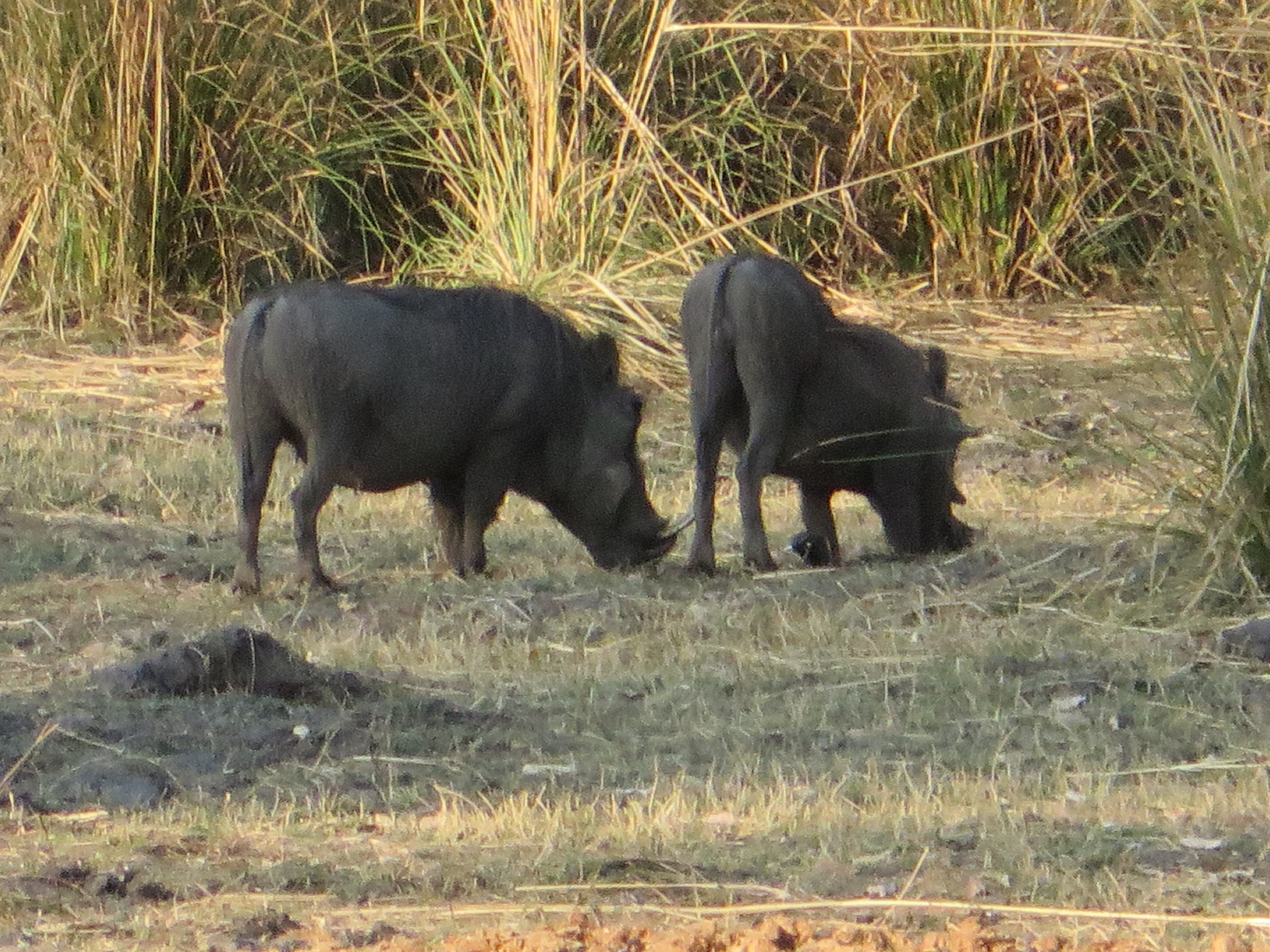
How wonderful. We drove back along the Zambezi passing giraffe and a couple of ugly little warthog and a herd of Cape Buffalo.
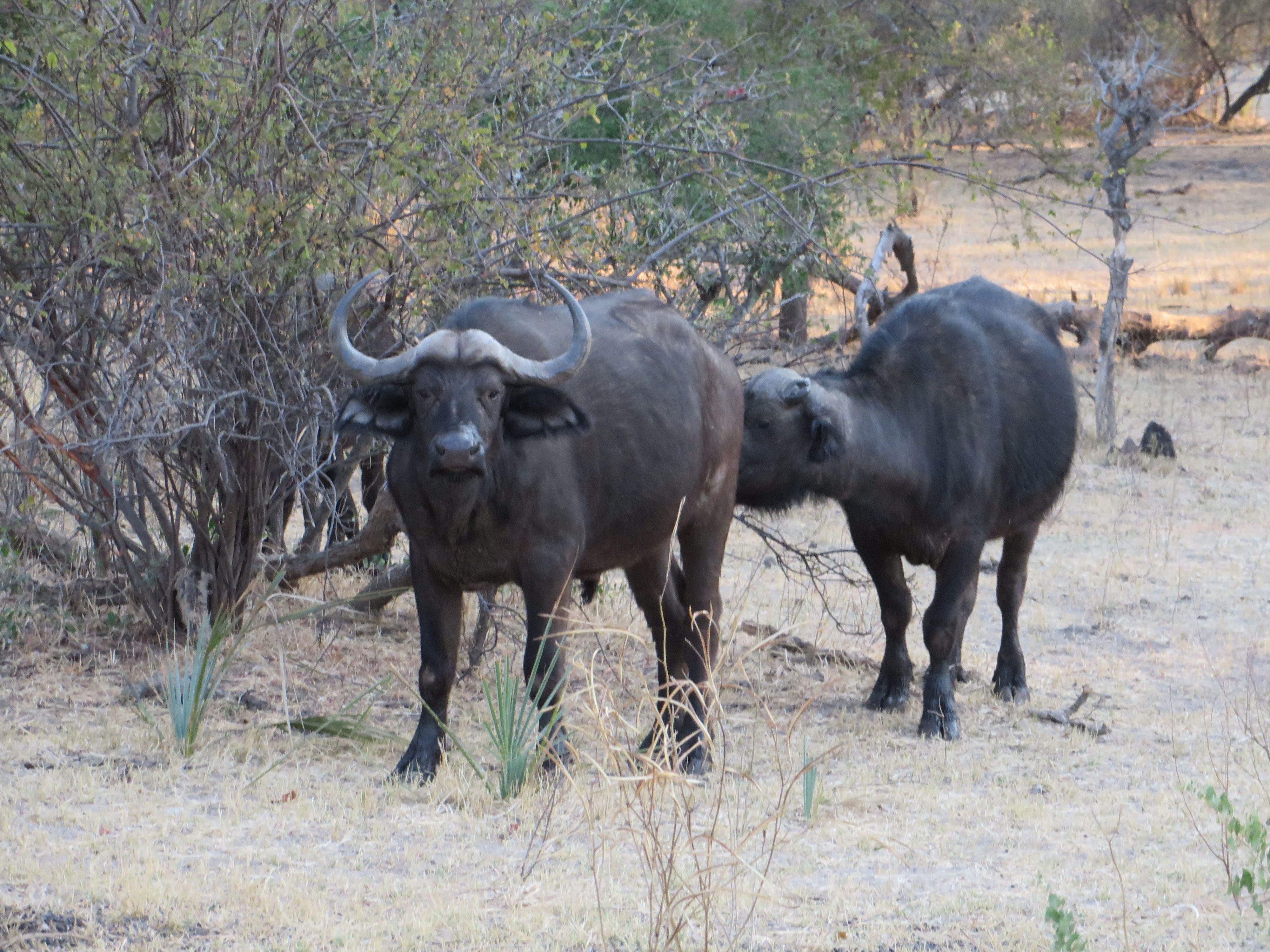
Fortunately, we were in the jeep so no need to shin up a tree. We passed a graveyard that held the bones of Englishmen who perished in building the bridge at the Falls in 1905.
Mukwesi leapt down from the jeep and plucked some wild basil seeds and the perfume was pungent, reminiscent of lavender and eucalyptus.
Just before we left the park Mukwesi spied a water monitor lizard and advised us, very seriously, to avoid eating its bones as they are toxic. We were quite bemused by this, but apparently the creature itself is a delicacy here in Zambia. Water monitors are a great asset to the river eco system, as they eat the eggs of crocodiles, so are very important in keeping the population of crocs in proportion.

Just as we were turning away from the river, Mukwesi spied the most beautiful bird, a lilac breasted roller. It is the national bird of Botswana, so like us it was on its holidays in Zambia for a couple of days.

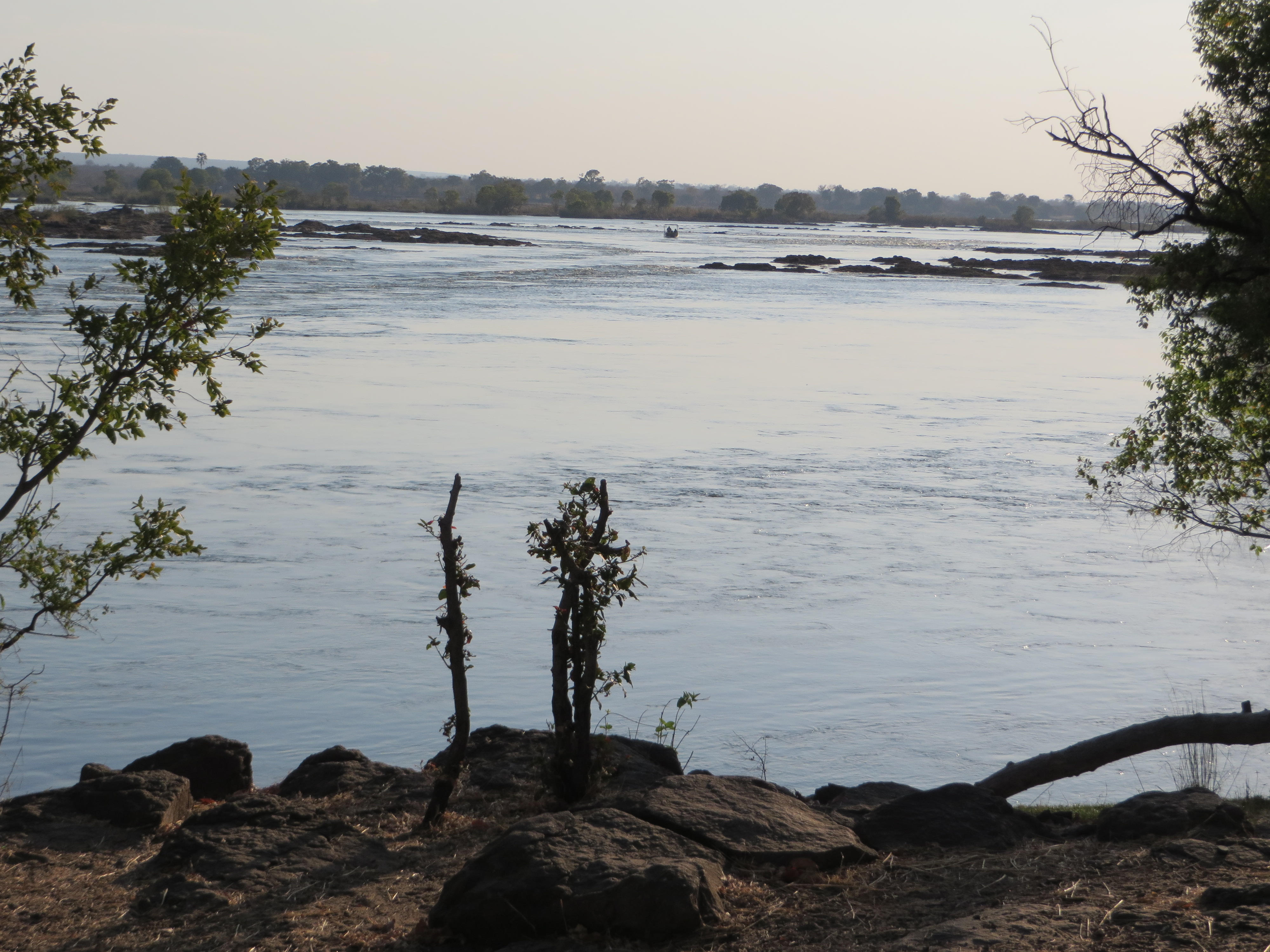
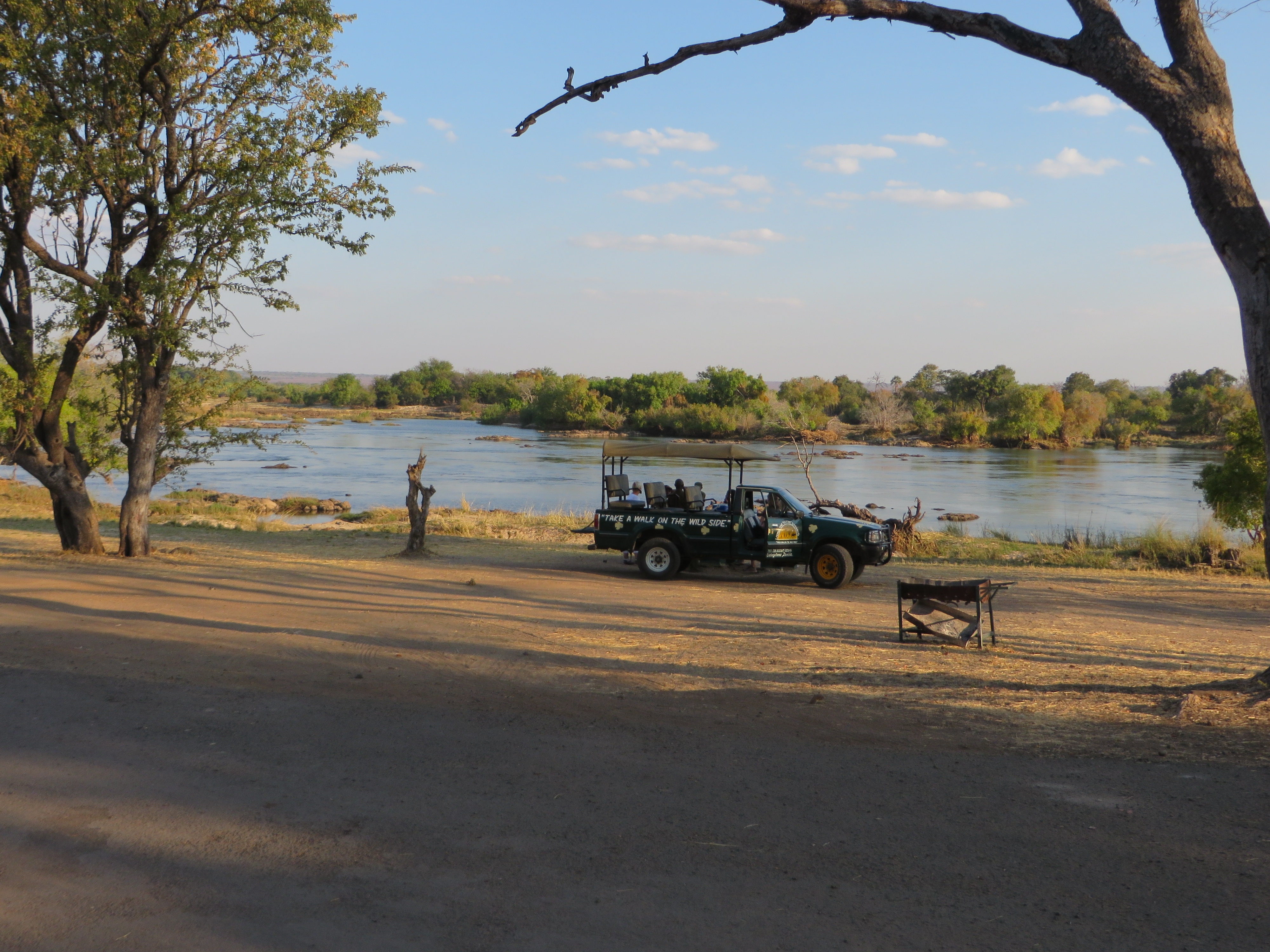
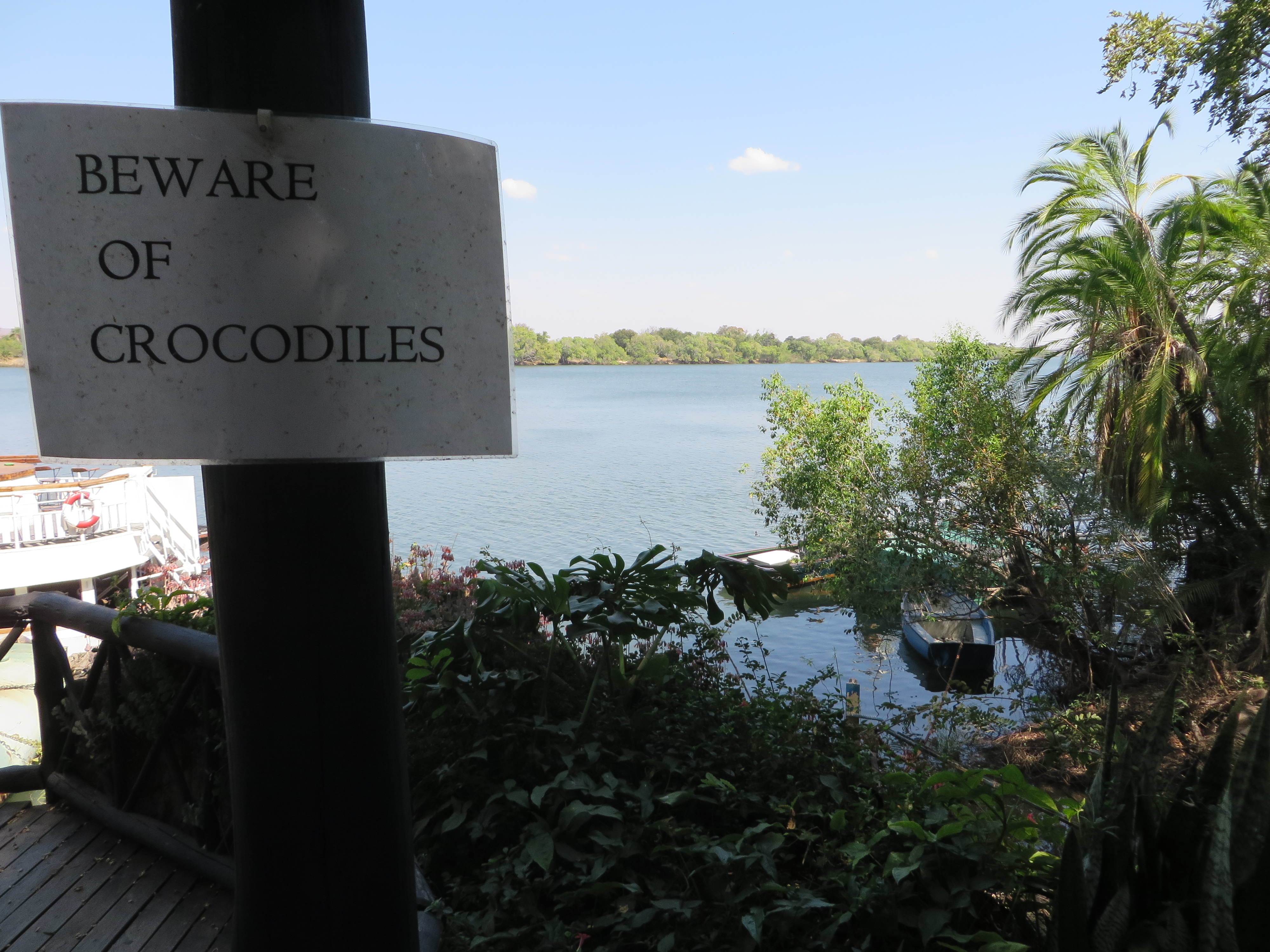
Night fell. We showered and washed the sand and dirt from our feet, passed the signs of ‘Beware of Crocodiles’ beside our chalet, and made for the restaurant. Cold beers and fillet of bream awaited, then finally the mosquito net.
Goodnight white rhino, goodnight Makwesi, the boy who learnt all his knowledge from his tracker grandfather. Goodnight.

 Tales from the Gael