This morning, I left my newly cemented-in veneer of a tooth in my mango. So I am back to the cobra fang for a couple of days. I went to a sweet dentist somewhere here in the backwoods, and she assured me that the repair job would not last. Her surgery was in her back room, up a stair and I have committed myself to a new crown on Monday. In the meantime I have been a regular washer-woman. I have felt at one with the womenfolk of India as I toiled over my blue bucket and suds. There is always a certain feeling of satisfaction as you hang the washing up to dry, but how I miss my clever machine back home. I remember the women in the slum in Bombay, and how they felt empowered when the NGO group had given them a camera to take pictures and share their stories.
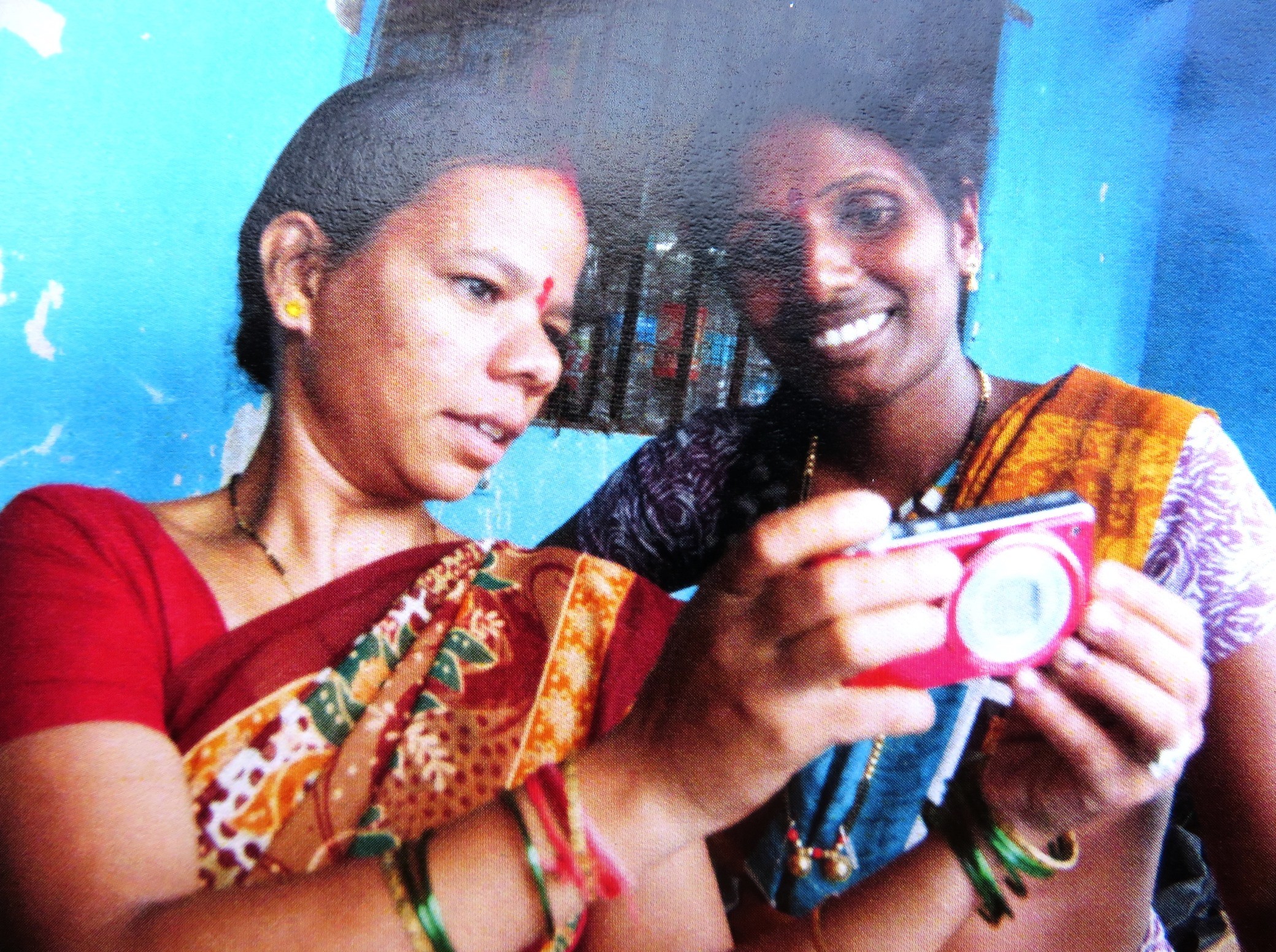
One woman said: ‘What is it that I haven’t endured, ask me that?’
And another: ‘Since I got married I lost my name, nobody calls me my name, I am either Bhabi (sister-in-law) or Mummy.’
Others said:
‘I have no friends, no one to talk to, the only thing I did for myself was listening to music.’
‘Visitors come and get to see our world, but we don’t get to see theirs.’
‘There was a time I could not take it anymore… death was the ultimate resort.’
One of the comments that made me think of those women this morning was: ‘What does being a woman mean? Was I born to wash clothes?’
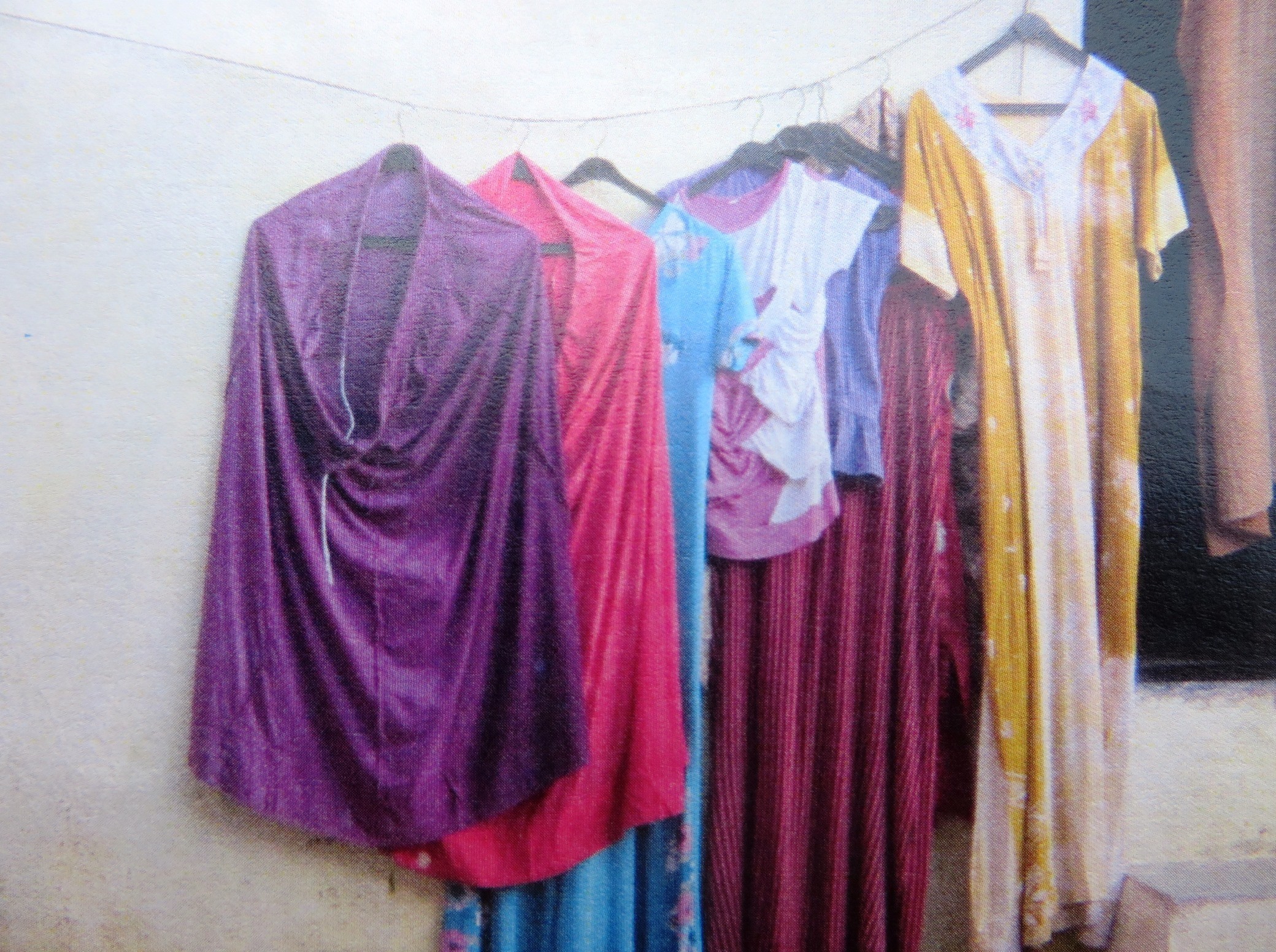
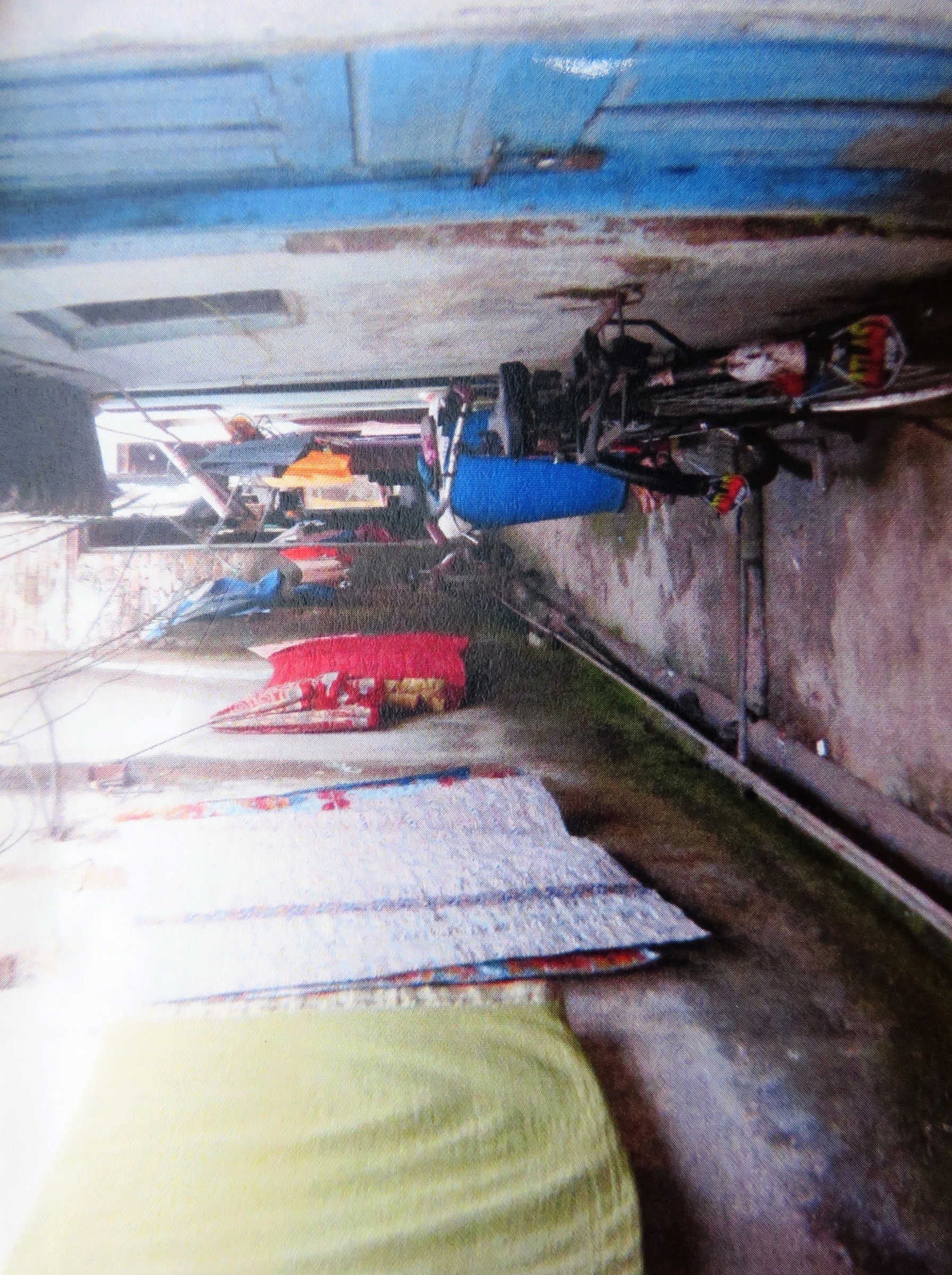
And looking at their display of photographs, one woman said, ‘It feels like I am back to being single; when I see my friends here and when I hold my camera I forget all the pain, all the bondage, feels like I am young again.’
But now we are back in Benaulim on the silvery sands of the Arabian Sea. We were hugged by Fay, and hugged by Shiva; the jewellery man and the beach shack guys were as happy to see us as we were to see them. What a relief to relax. What a joy to wake in the morning and look out on a perfect garden, and see the birds as though they had flown out of the pages of an exotic book.
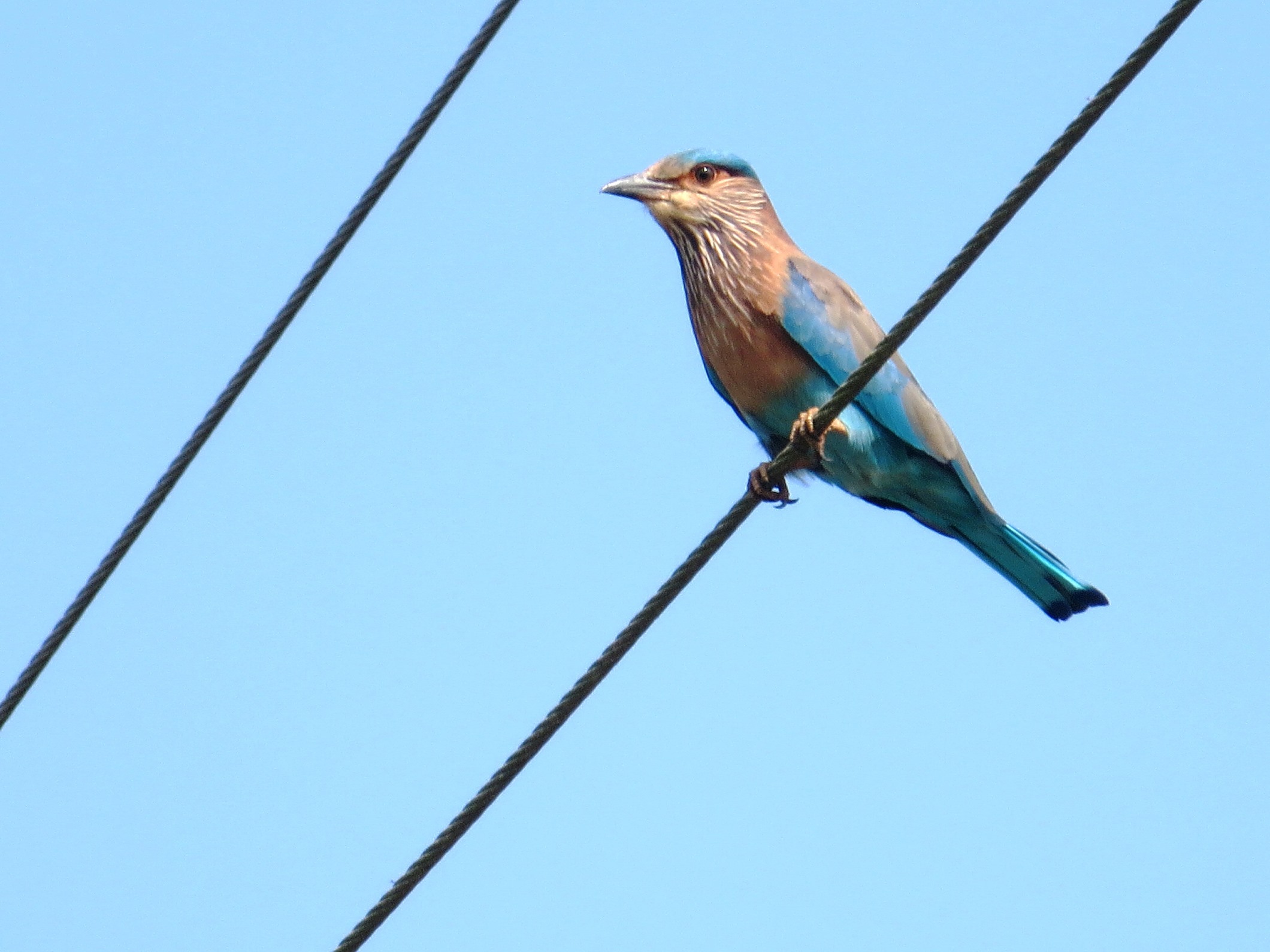

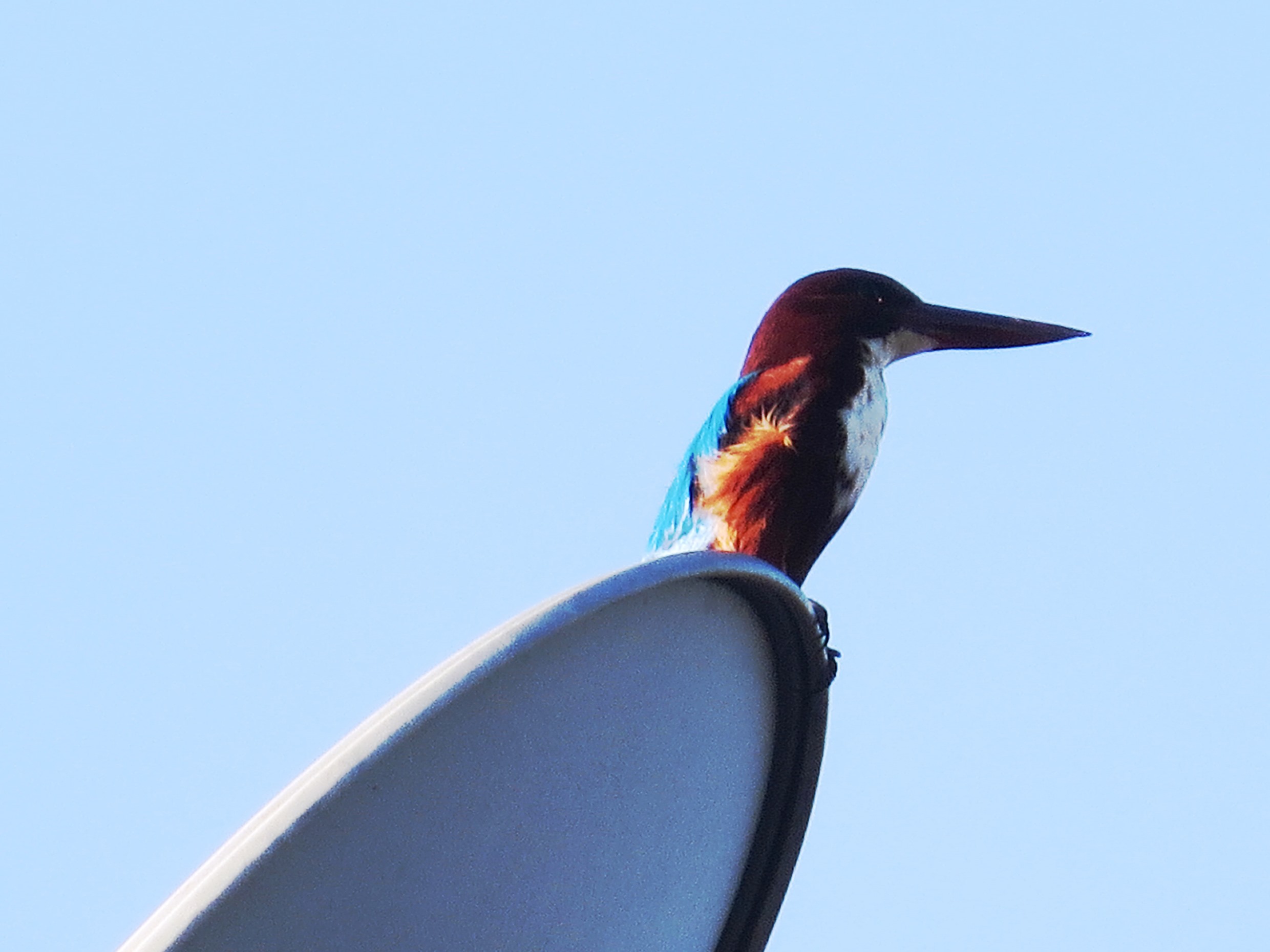

The tour was brilliant; it took us places off the beaten track, and we saw parts of India that until now were just names on a geography atlas. Poor poor Chennai. We arrived there in the middle of a storm and three weeks later it is still raining. The words ‘Rescue and Relief’ are a constant headline in the newspapers, and stories of flooding and loss of life fill the columns. Even Pondicherry where we visited the Ganesh temple is underwater.
We left Mysore on the night sleeper, and sat for a while in splendid isolation on the dirty blue bunk beds, with cream paisley curtains, and amazingly spanking new blankets. What a treat. All was peaceful, until Bangalore when our carriage and the two neighbouring ones filled up with an assortment of humanity. We settled down for the night, amidst the chattering of families, the snores of the fellow above me, and the continuing passage of people making their way past to use the Indian or Western convenience. Somehow I slept and we arrived in Hospet and got ferried off in taxis to Hampi. We zipped past wet rice fields and acres of sugar cane; no field was empty, it was as though this was the Promised Land, and it was all so lush and fertile.
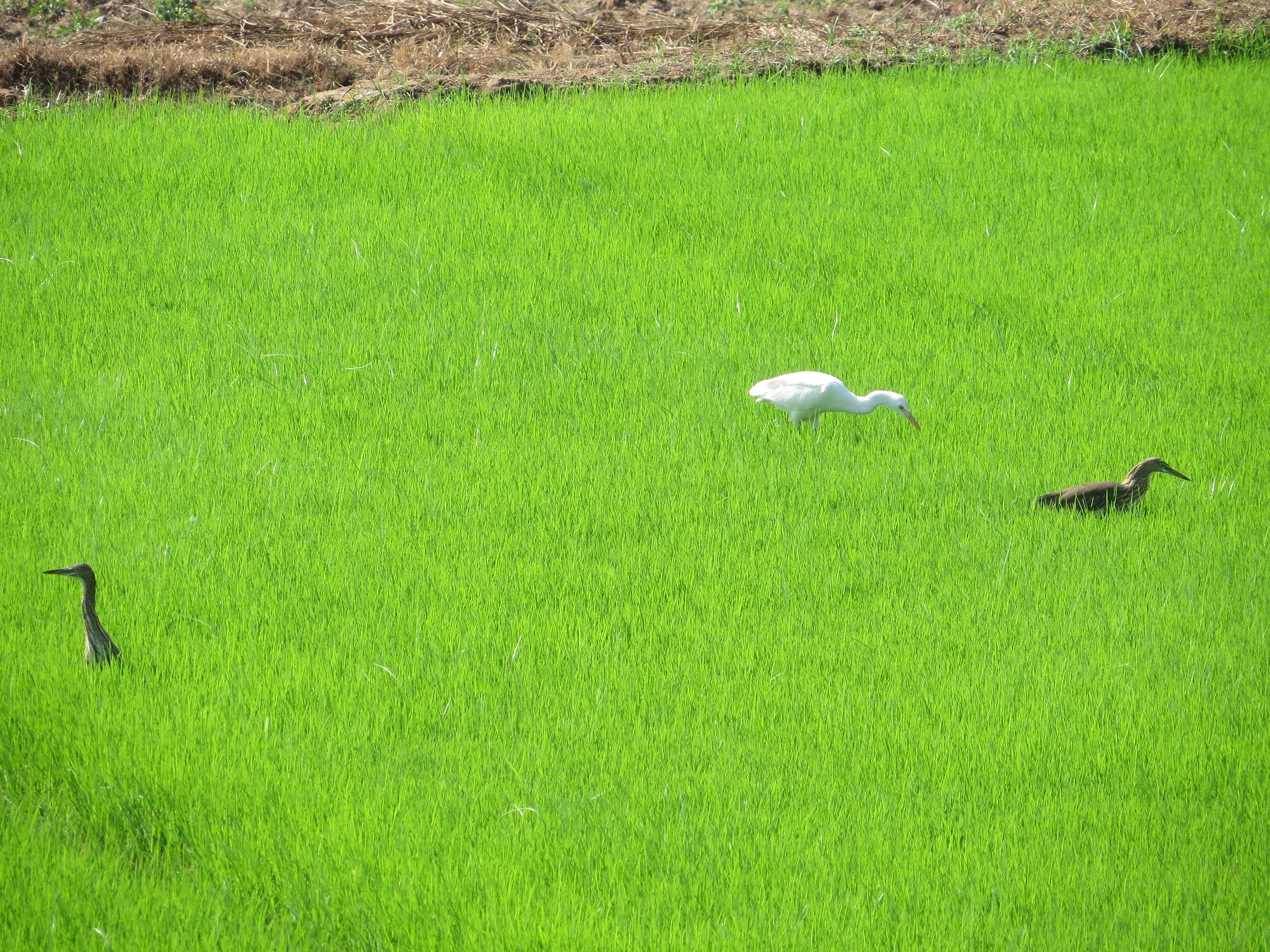
Buffaloes seemed bigger, horns bent like love hearts with bells and decorations hanging from their tips, and we watched children all fresh and tidy waiting for busses to take them to school. There was a smell of jasmine and coconut and the rich pungent aroma of rice ready to harvest. The taxi swerved to narrowly avoid head-on collisions with trucks, cars and slow-moving tractors. I just tried not to look ahead. We noticed that the back seat belts had been snipped off, so we felt as vulnerable as eggs being tossed about from speed bump to pothole. We finally arrived at the Shantah rest house, looking limp and filthy and exhausted.
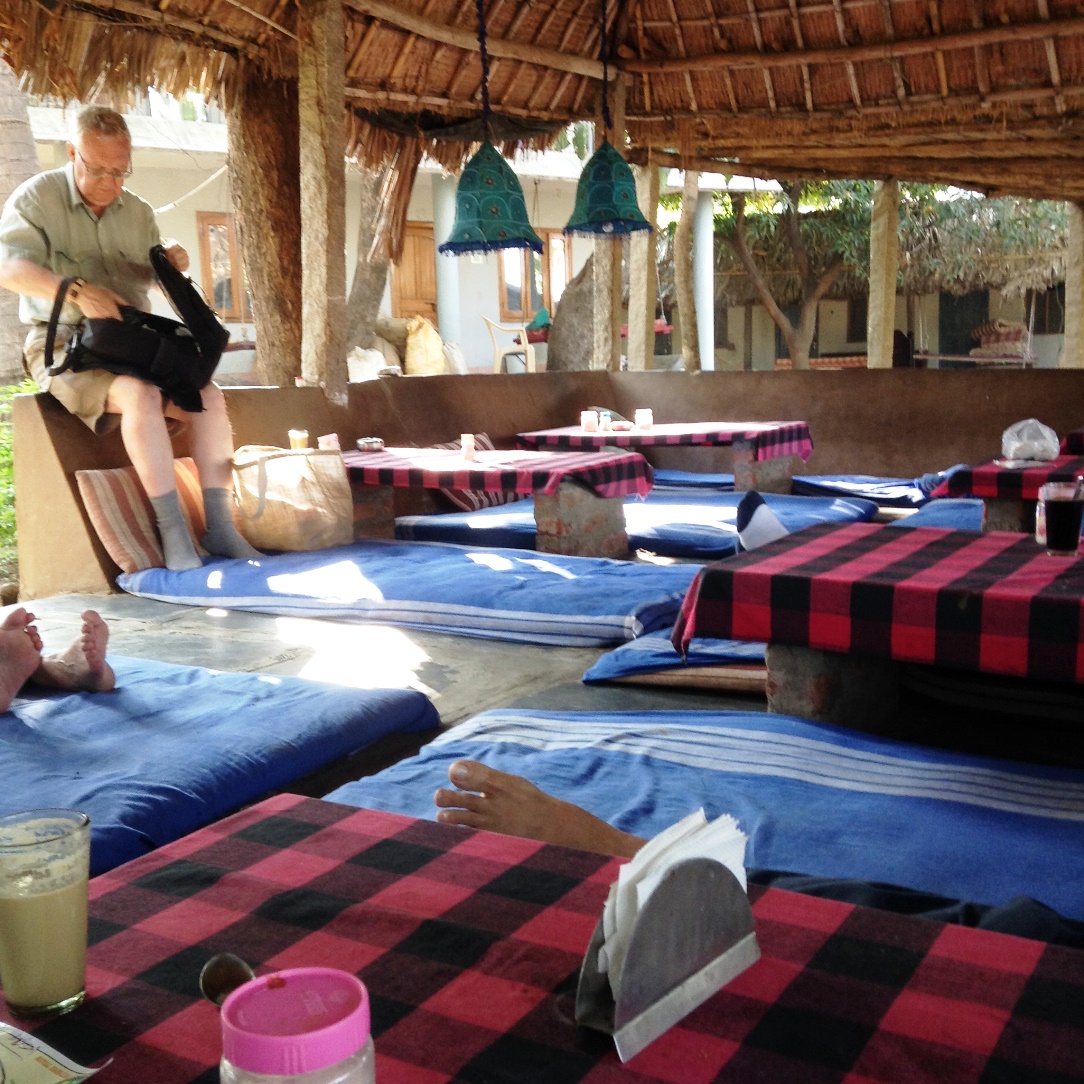
The breakfast was omelettes, water melon juice and black coffee. We lay about on mattresses on the floor and took in the emerald fields, the river and the boulder-strewn landscape. What bliss to relax for a few hours.

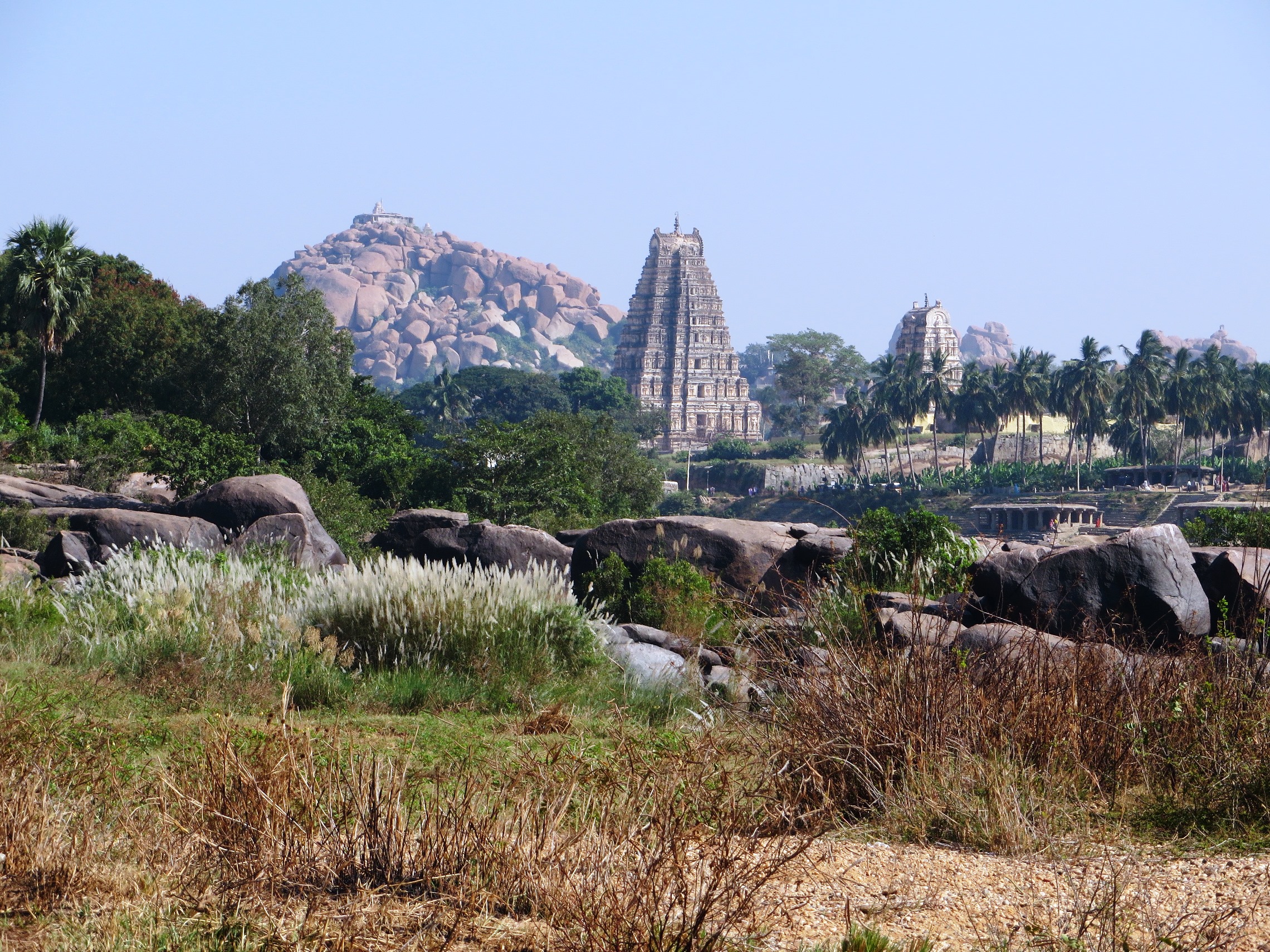
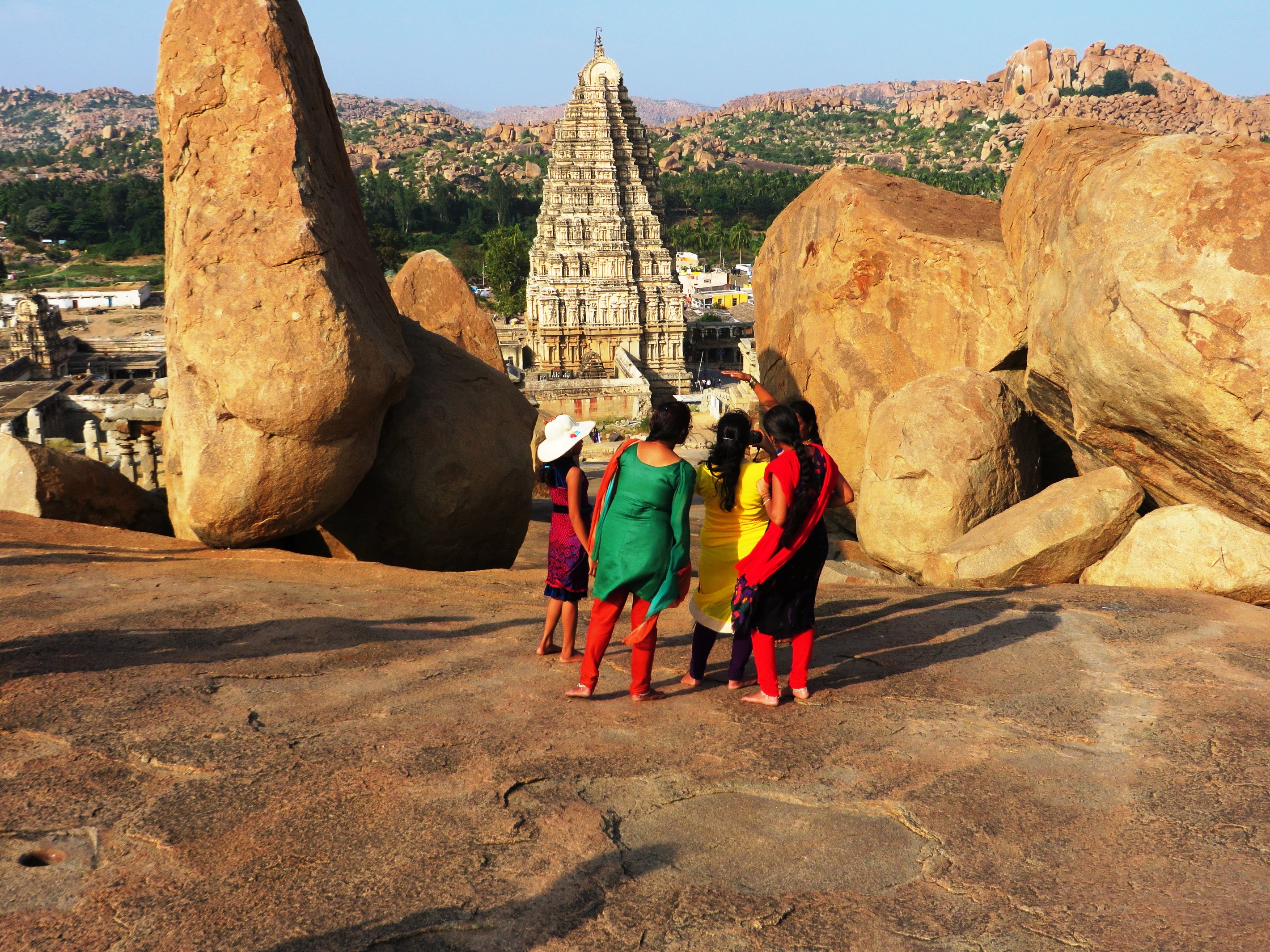
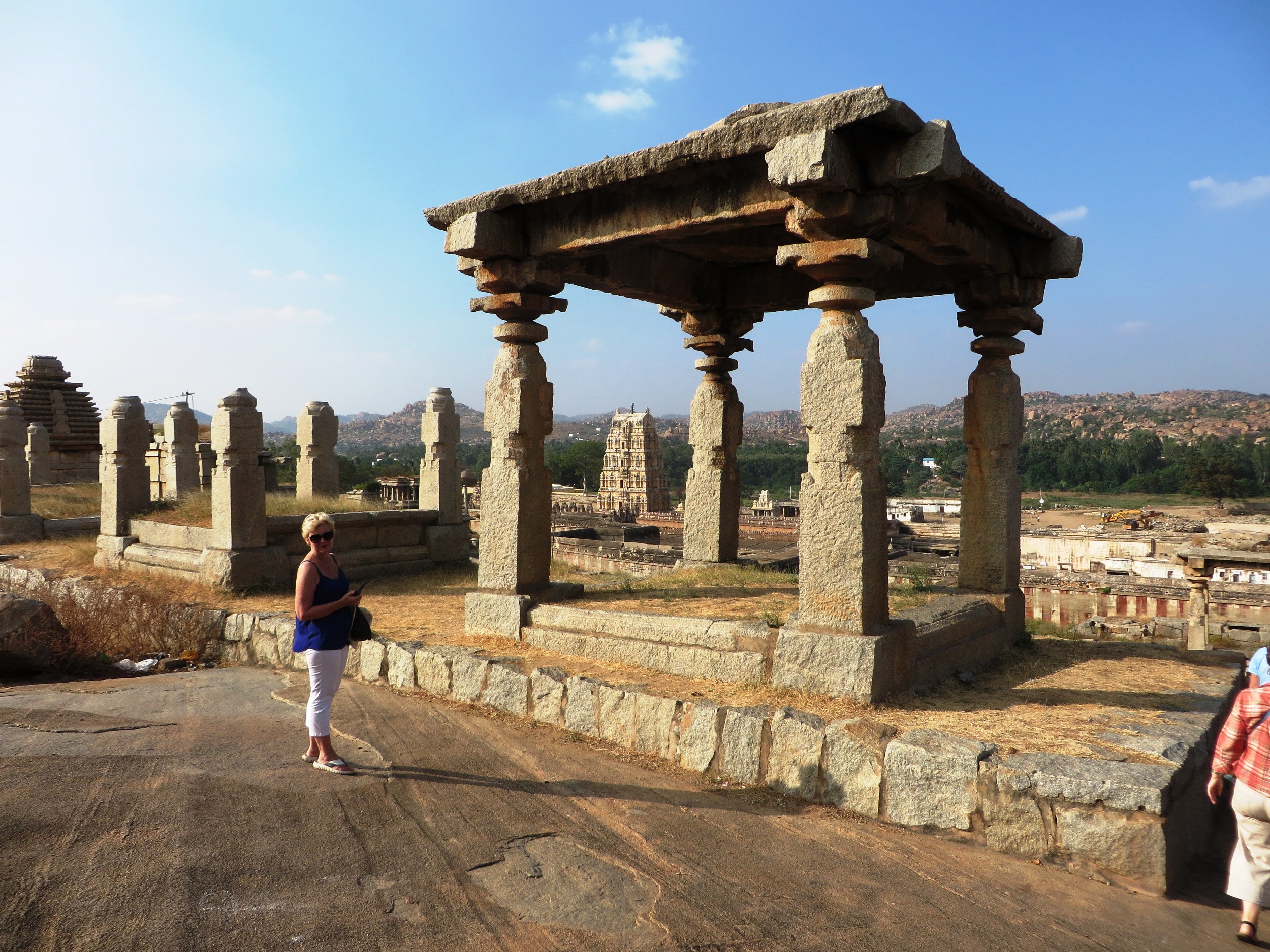
Hampi is bewitching and wonderful. Millions of years of volcanic activity and erosion have resulted in the most fascinating scenery. Heaps of giant boulders stand precariously all around, ruined temples rise up against the skyline, and that first evening we trudged up a hill, feeling like Jesus in the wilderness, and came to a temple with beheaded gods and goddesses.
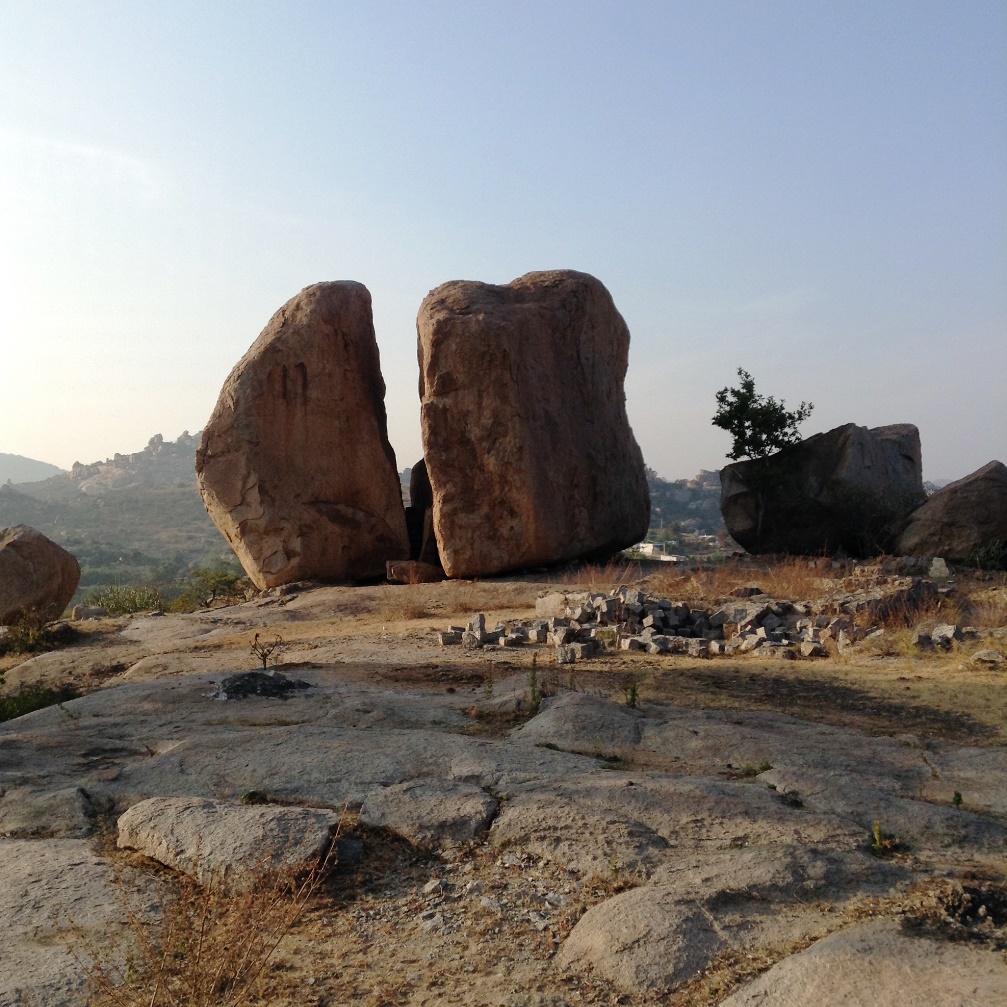

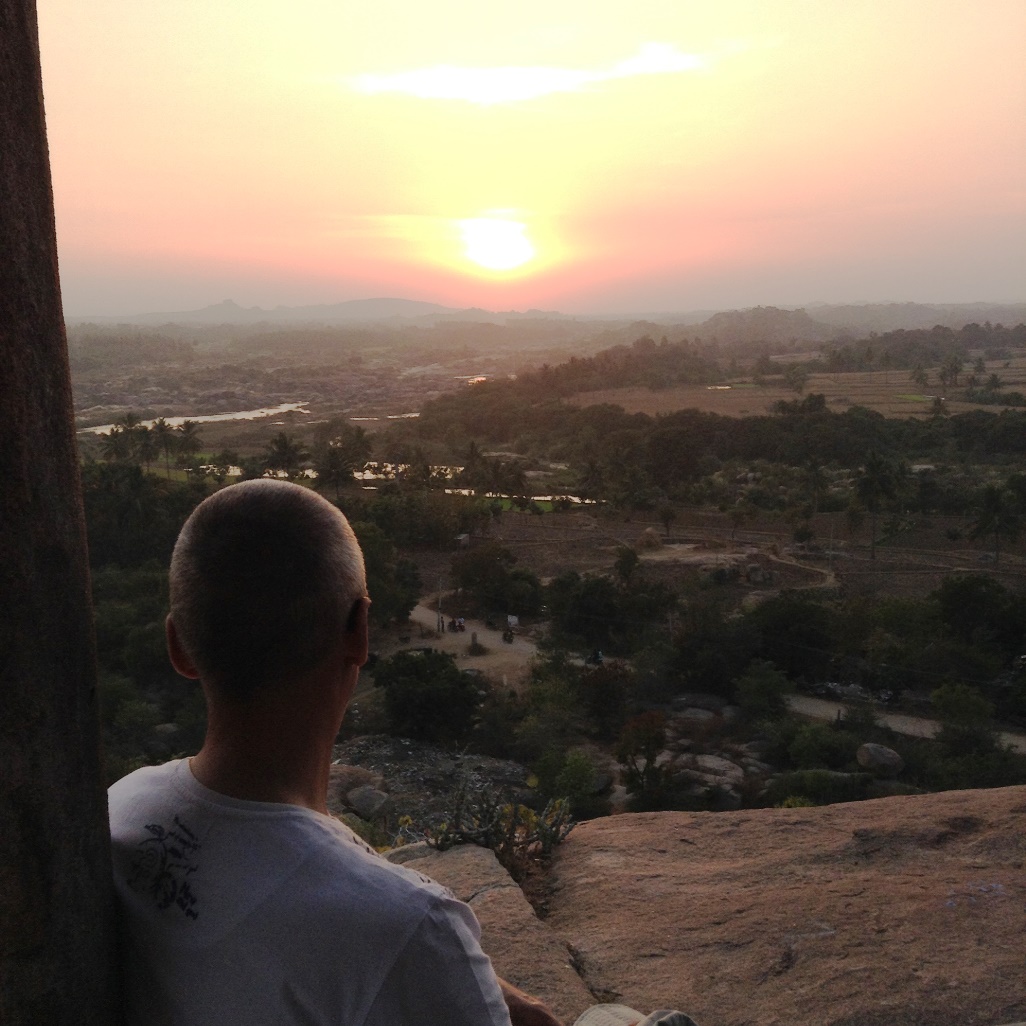
We came to view the sunset. It was calming, but disturbing. I knew very little about Hampi, just that it was a destination that was a ‘must see’ in India. But slowly all the little facts came together and with the guide we got the next day I began to understand a little of its history. The facts and the myths seem to intertwine, and with a good storyteller, it soon doesn’t matter what is the real truth.
The following morning we came to the ticket office that issued tickets for the little ferry to cross the river.

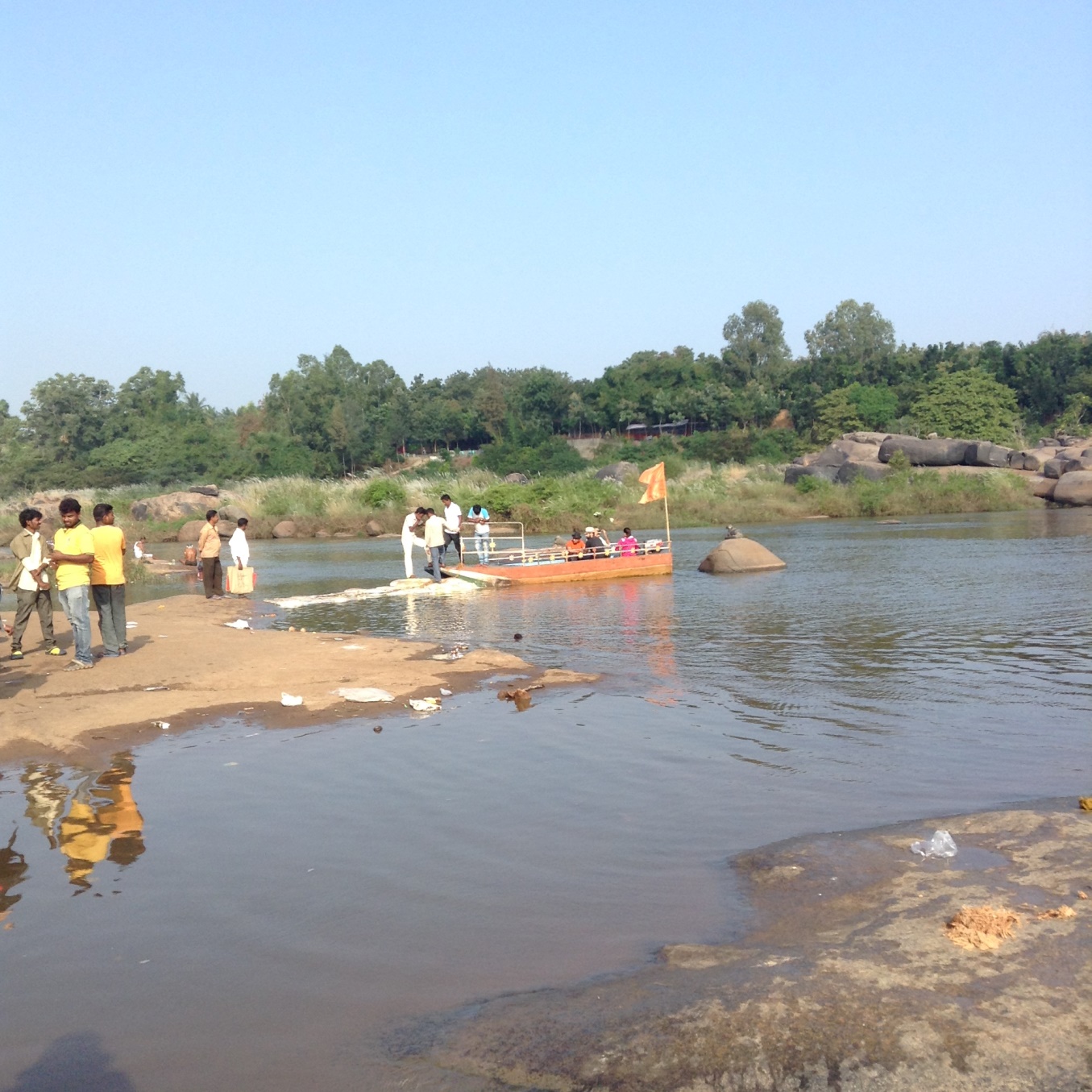
I did like the broken chair and desk! Morning rituals were observed, baths and washing all taking place on the ghats or steps leading down to the river,

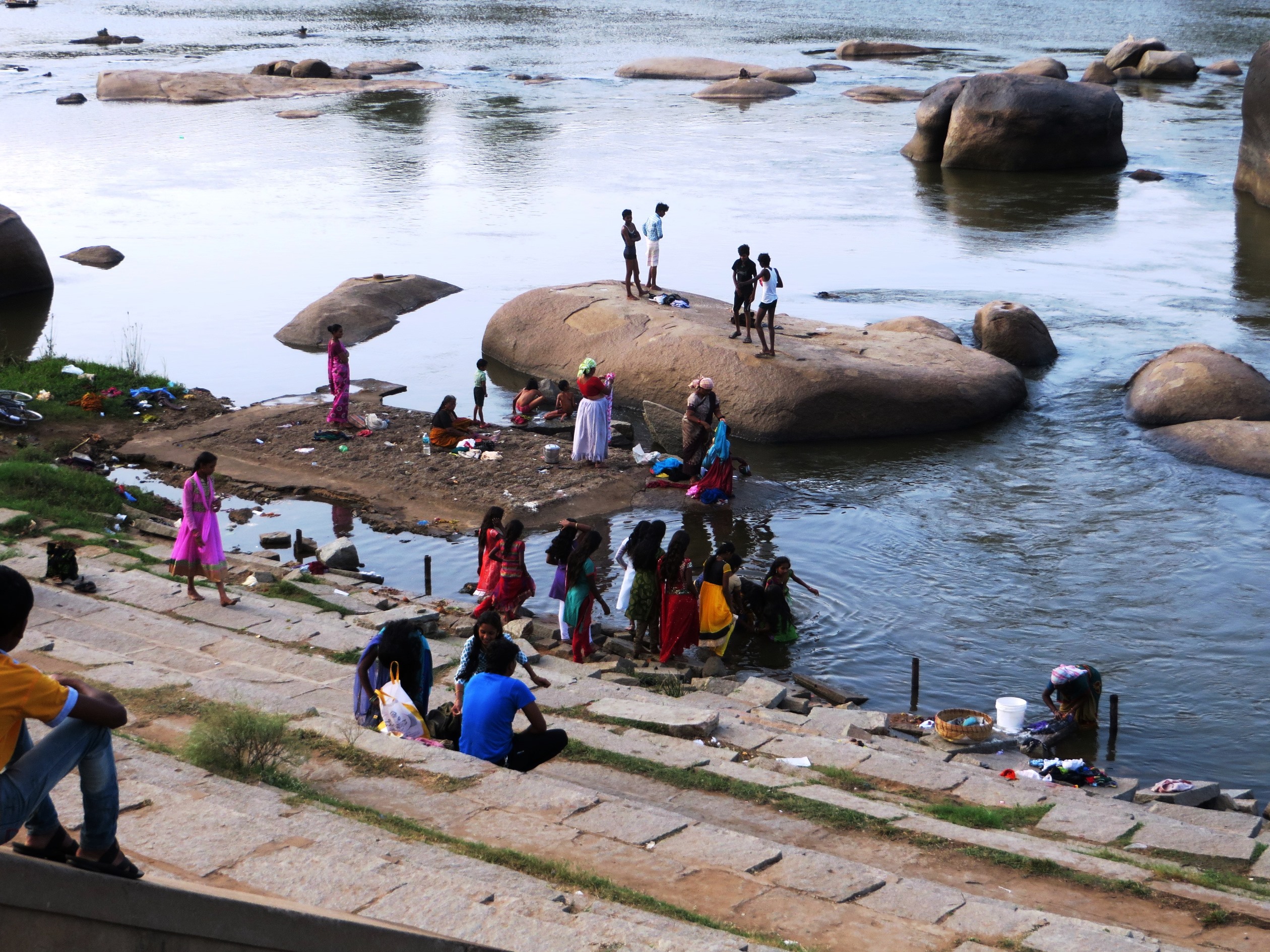
and we set off to see this wonderland that somehow resembled a film set from Indiana Jones.
I couldn’t help feeling a feeling of deja vous as we arrived at the Vijaya Vittala Temple. We were instructed about the musical pillars, and listened to pieces of music by our guide as he tapped and slapped the various pillars and different notes sang out pure and sweet.


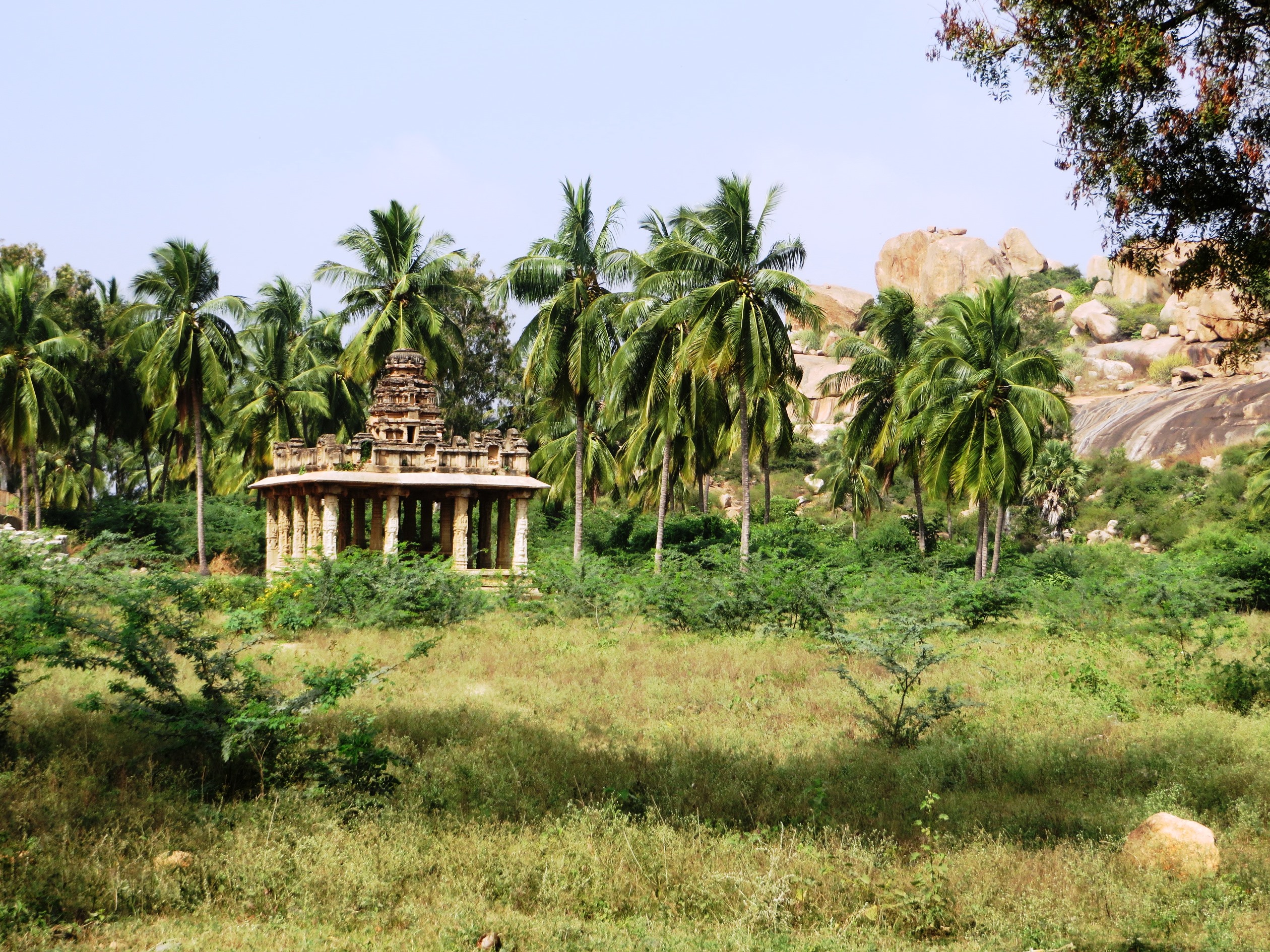
Was it Mowgli? Had Rudyard Kipling been here? The scene seemed so reminiscent of the film ‘Jungle Book’, but minus the forest. The buildings of the monkey’s palace were the exact replicas of this temple. ‘I’m the king of the swingers, the jungle VIP,’ I couldn’t help humming, ‘I want to be like you oo oo’.

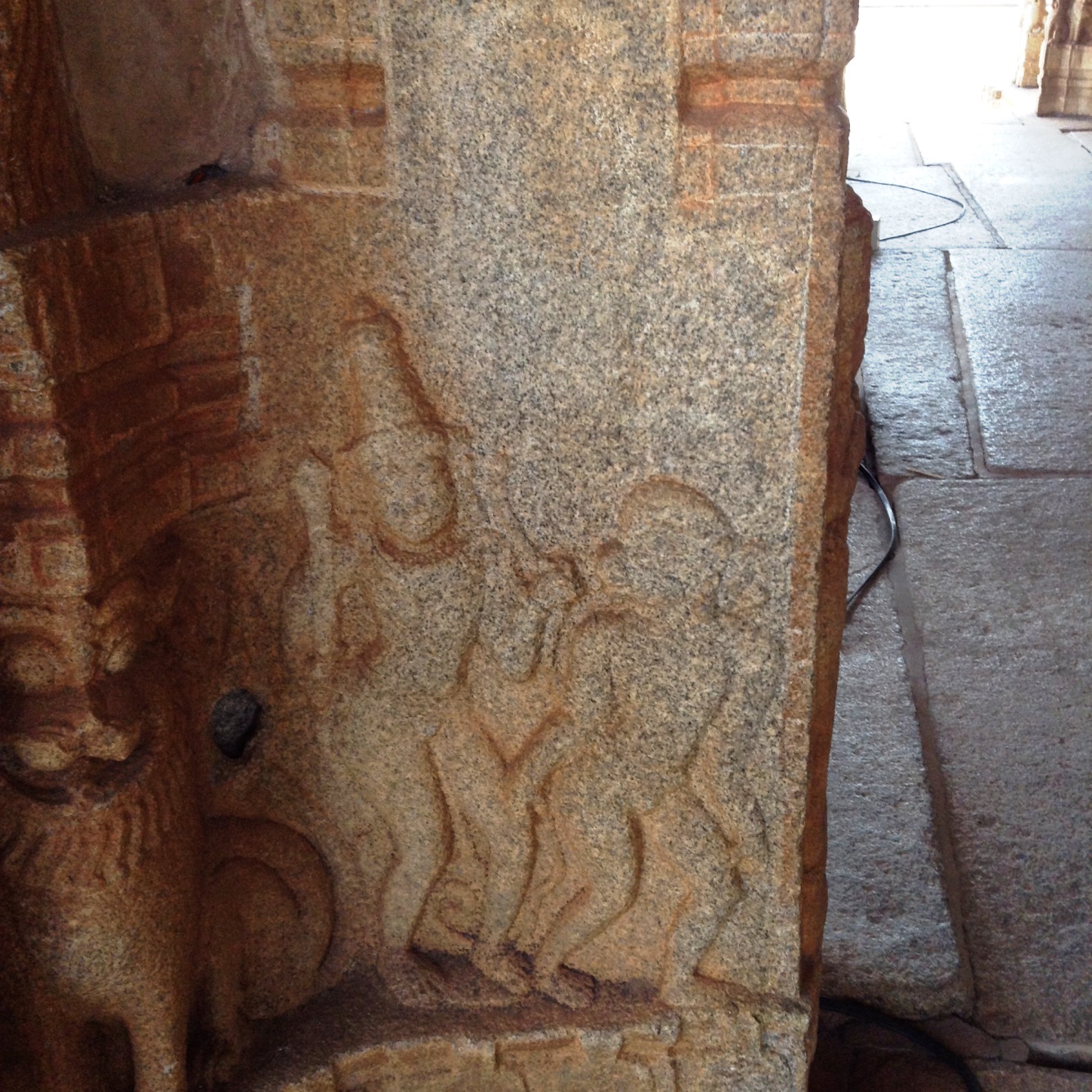
The guide confirmed my thoughts, and said, ‘Yes, this was the monkey god temple, and engraved on the pillars was the tale of Rama and Sita, cartoons carved in stone. There in one panel was Sita being kidnapped by the evil demon king of Sri Lanka, and Rama the monkey god going off in hot pursuit.
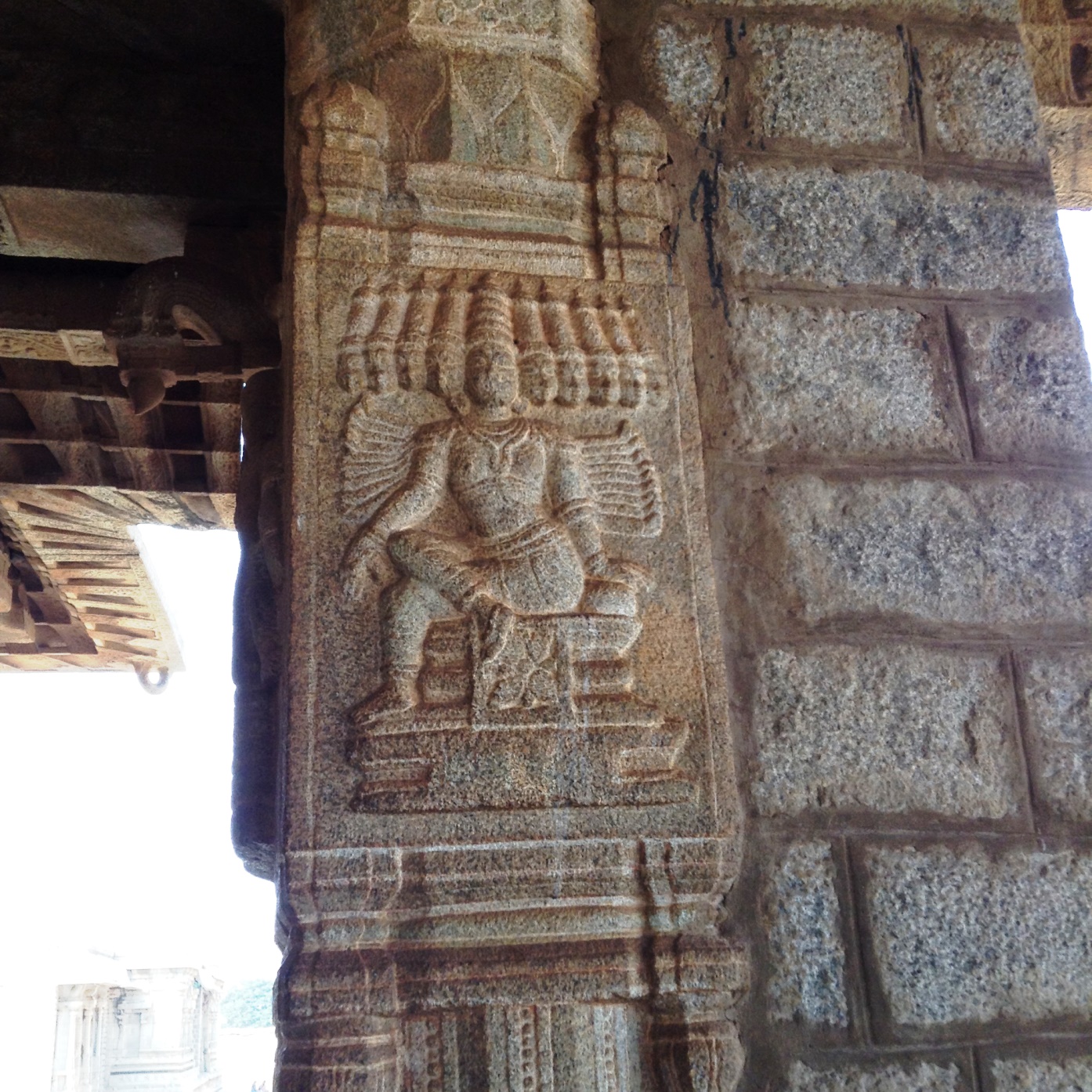
In another was the evil devil with ten heads,
and in another the scene where Rama winds his tale like a coil of rope and sits on it to make himself taller than the king on his throne.
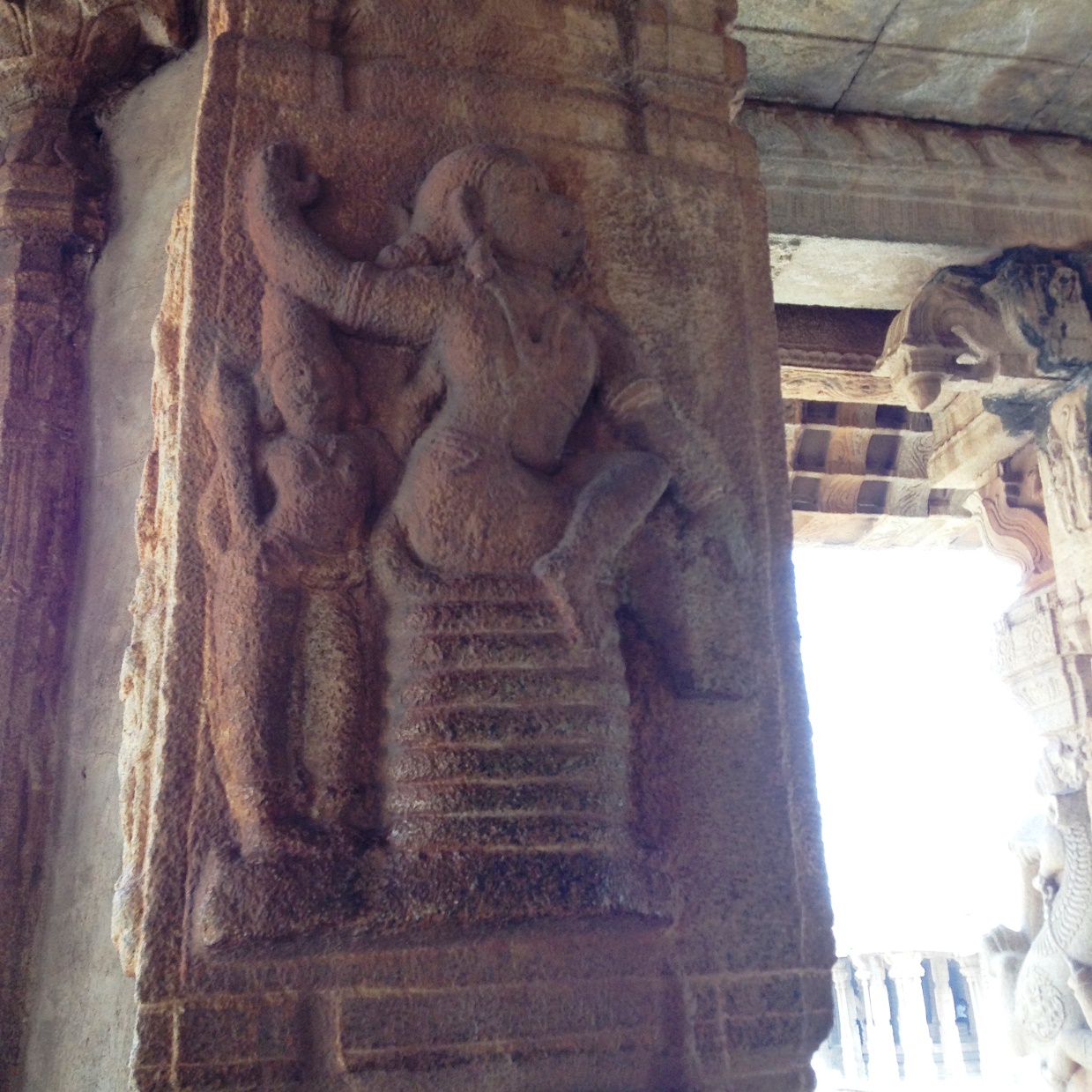
There in stone carved in the 14th century is someone pouring oil on the tail and burning it, and Rama flying off with his torch of a tail and dropping flames on his enemy’s palace, then finally the rescue of Sita. It was all so graphic. Our guide had us all enthralled. It was like Blue Peter or a tale from Jackanory!
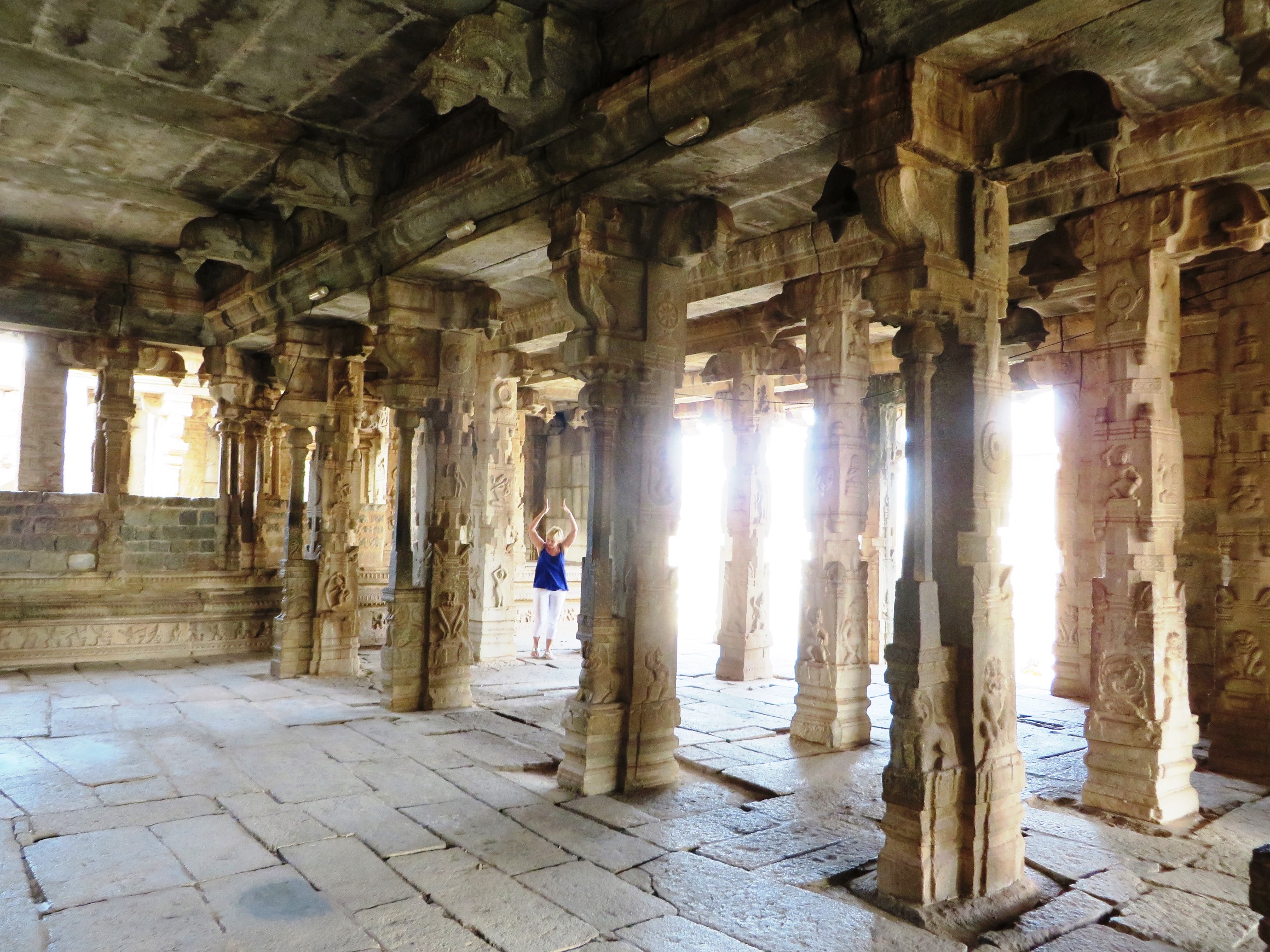
In truth, Hampi is mentioned in the Hindu epic, Ramayana, the realm of the monkey gods.

In 1336 a prince chose Hampi as the site for his new capital, Vijayanagar, which, over the next couple of centuries grew into one of the largest Hindu empires in Indian history. By the 16th century it was as big as Rome, with about half a million population. Bazaars were international, with traders from China and Arabia,
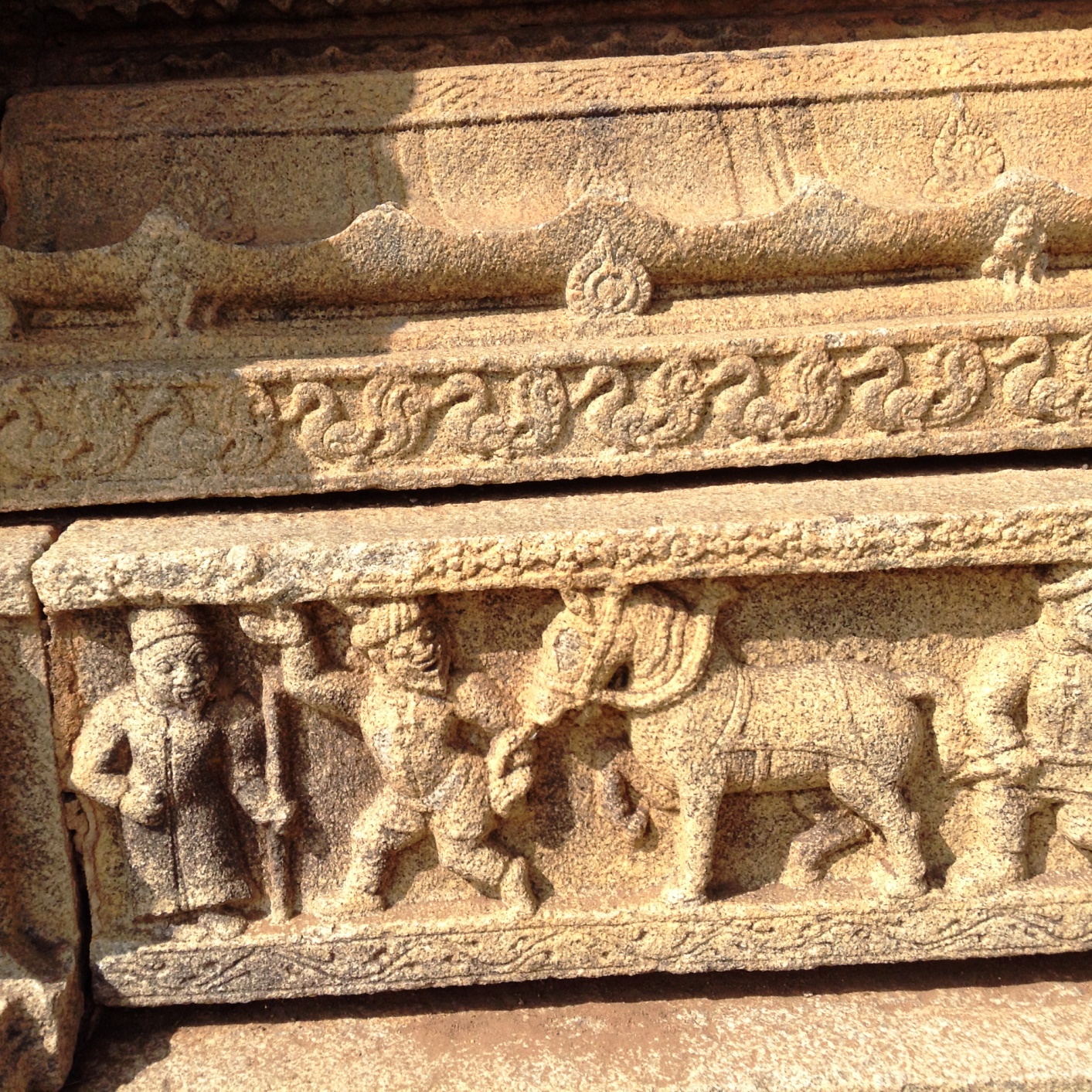
and where rubies and diamonds were sold in kilo bags. Everywhere I went, when I saw something new, it was ‘Oh wow!’

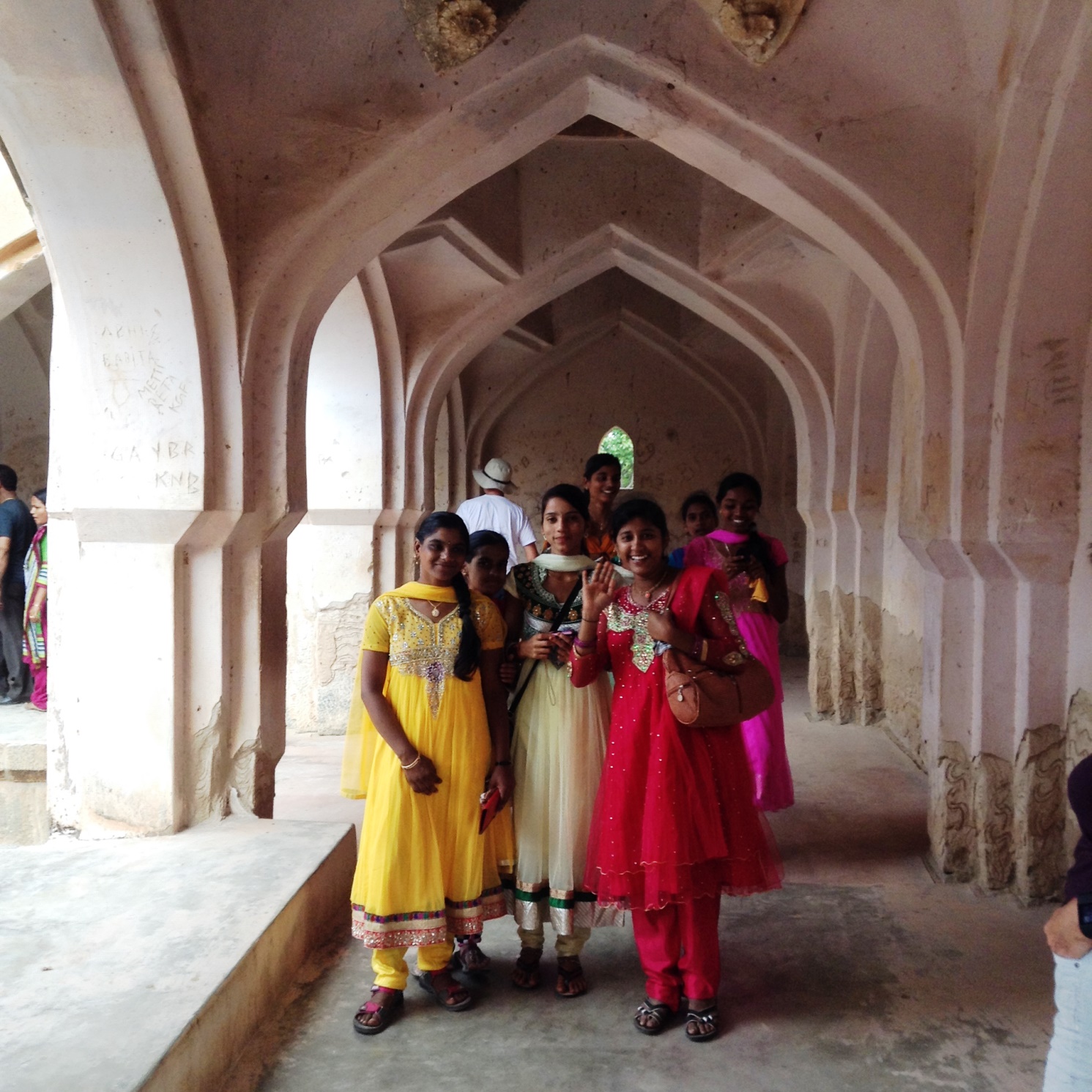
I loved the lotus palace,

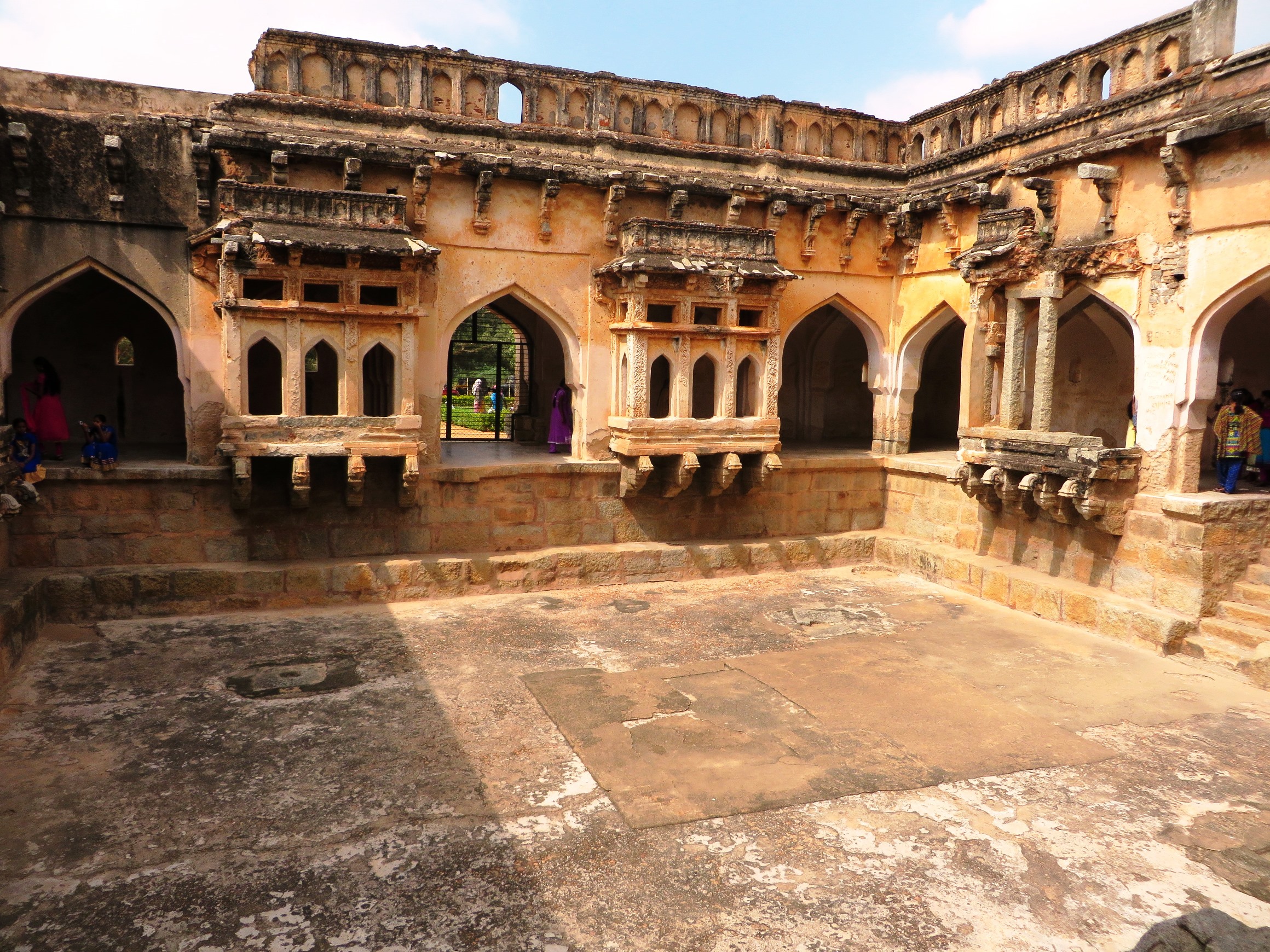
as perfect and as beautiful as the Taj Mahal, built for the queen when the king went off on his tour of his land, (the whole of south India). I marvelled at her bath,where her ladies sang to her as she bathed,
but best of all was the elephant house.
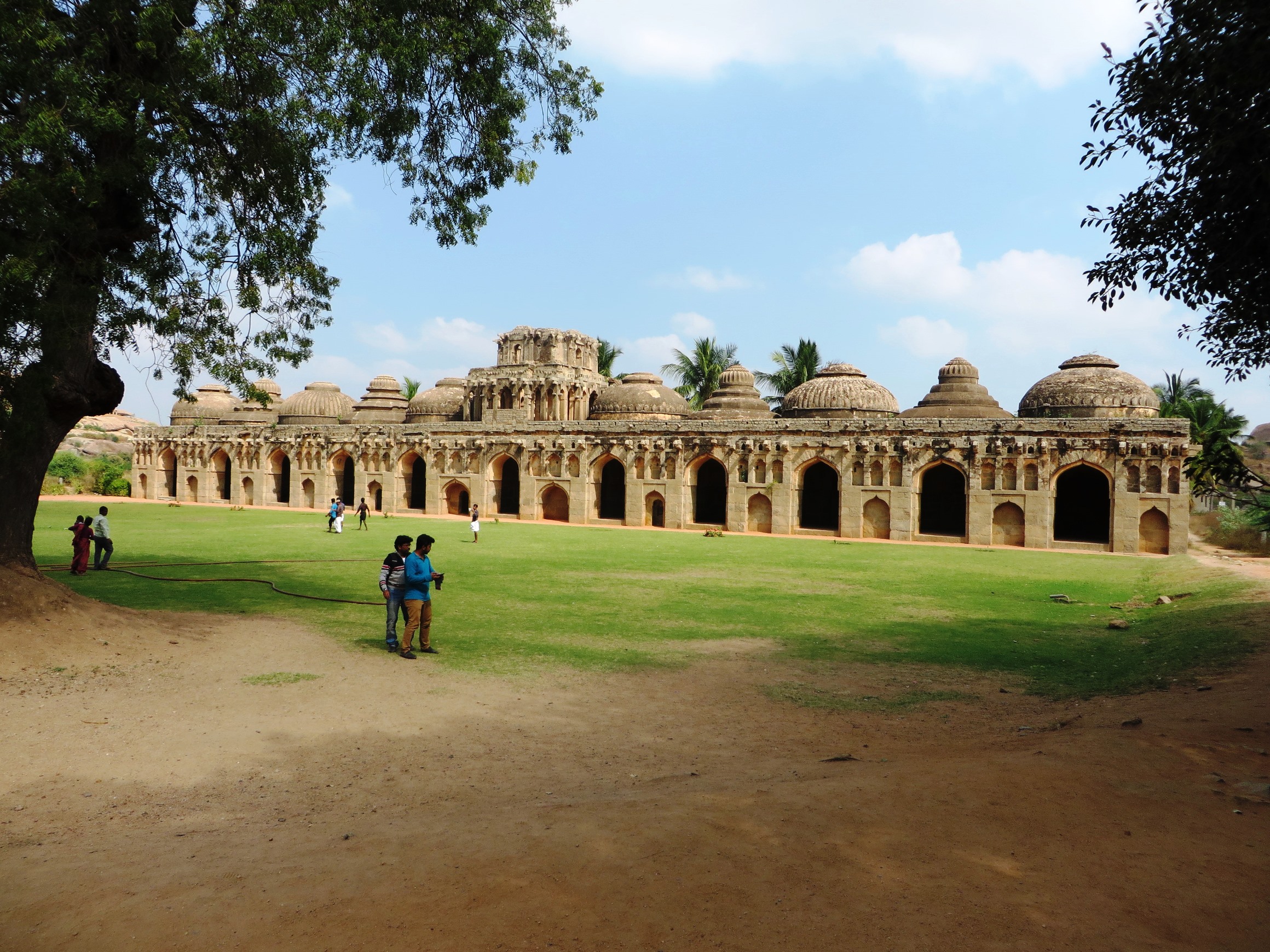
The king actually had over 2000 elephants which he used for war and protection, but he selected 11 for his own ceremonial use. These were housed in their own bed and breakfast mini palaces. I did a big ‘Oh wow!’ when I saw them. Even the ceilings were carved out of solid stone, and they had interconnecting doorways.


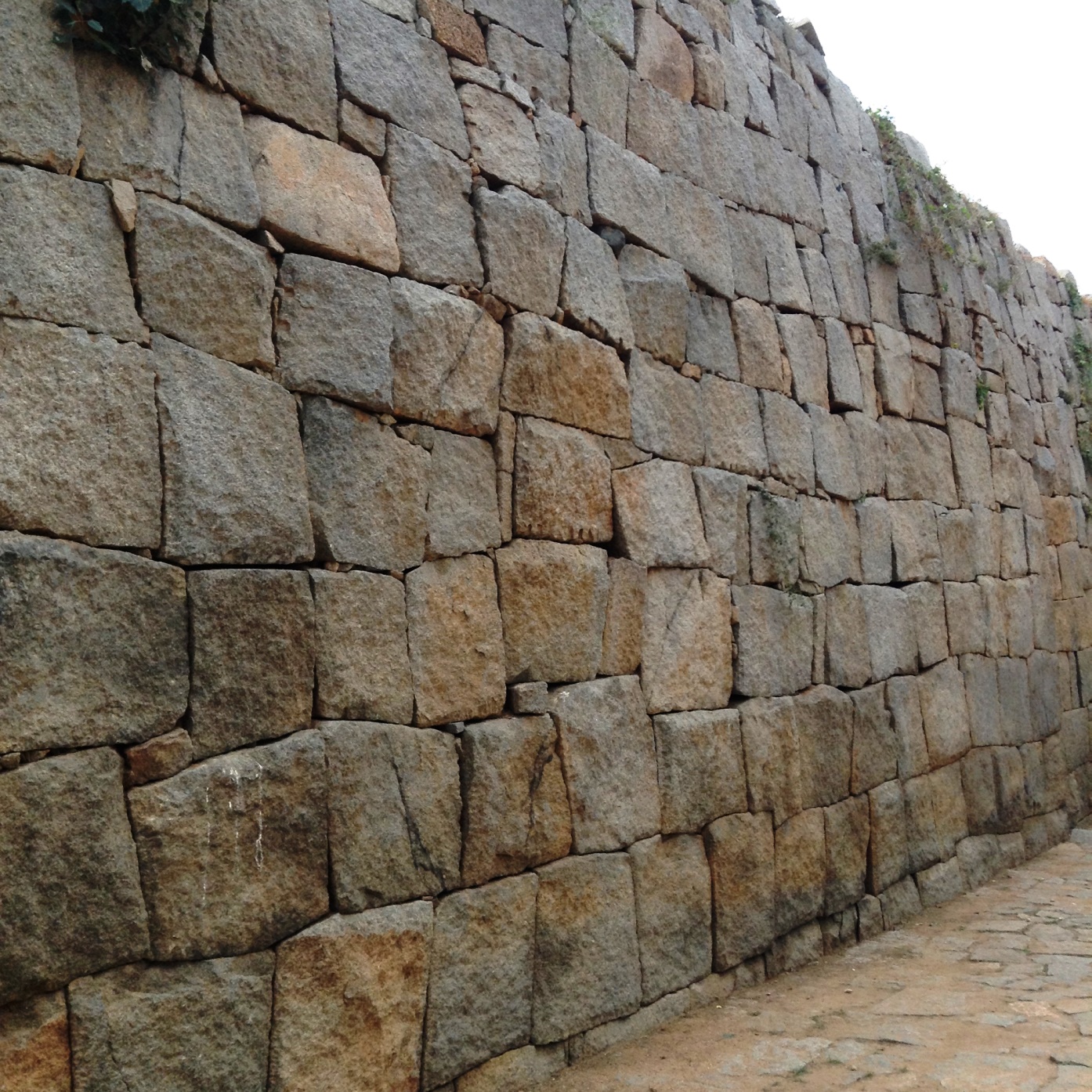
Around the queen’s palace was a wall built from granite blocks. It looked as perfect now as it must have done then.
We saw stone statues of Vishnu with little Lakshmi on his left thigh. She used to sit there and keep him calm. This large carving of Vishnu, together with his yoga belt, and large staring eyes, is minus his true love. Only her arm is left. The marauding conquering Moghuls desecrated all the statues, slicing heads, arms and even noses in order for them to be useless as things of worship. Poor Lakshmi was one of their victims.

But our guide waxed lyrical when he told us the story of Ganesh, the elephant god. Eat your heart out Jackanory.
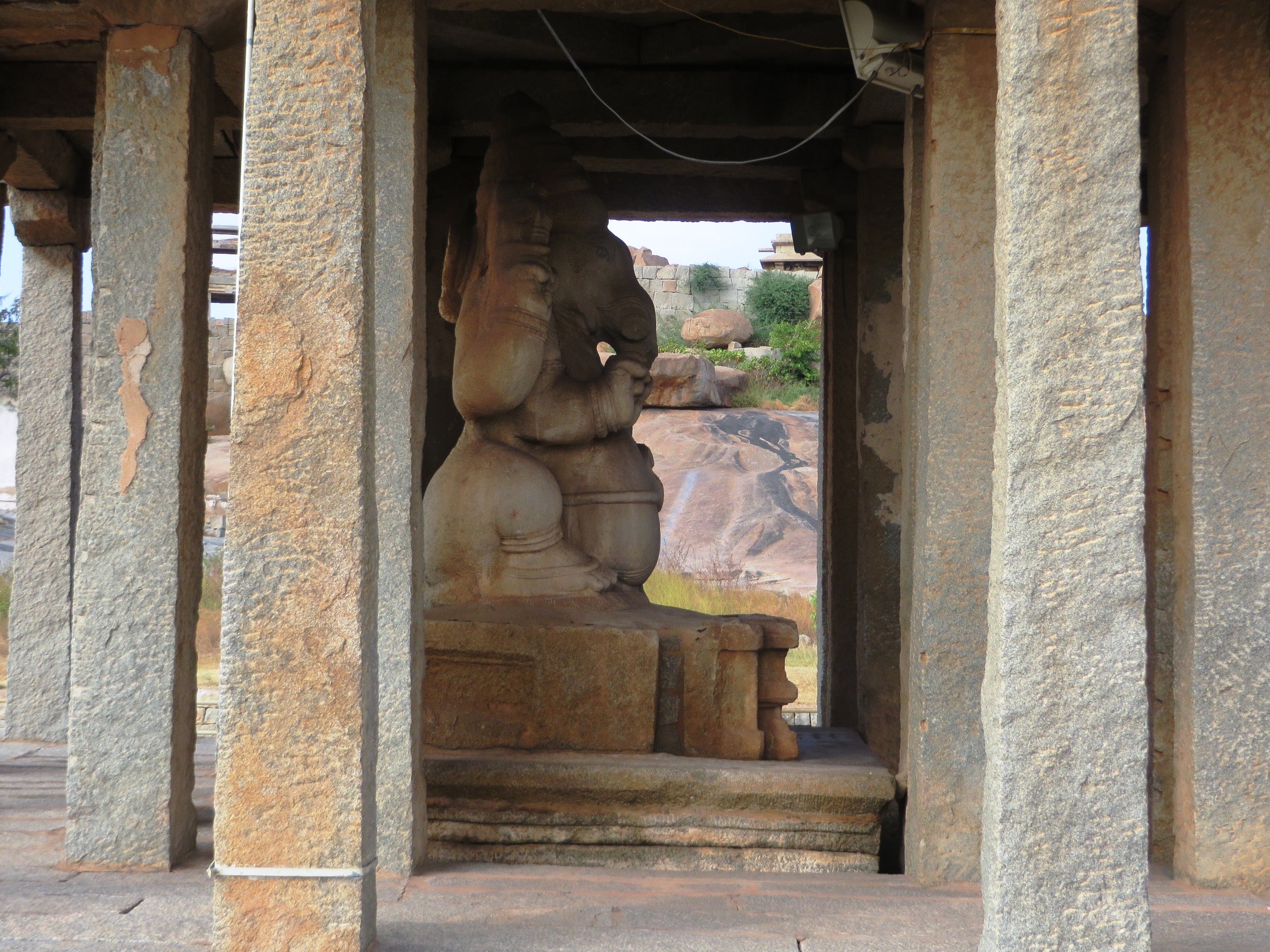
Here it is in a nut shell. Shiva went off for a long long time, leaving his wife Parvathi alone. She passed the time meditating. She meditated for days without washing, and finally she noticed that a substance like clay was oozing out of her pores. There were handfuls of the stuff, so she modelled the clay into a man.
Shiva came back and found this man in his house and immediately swiped his head off.
Parvathi was distraught and told him how she had invested her spirit into this new being, that was indeed the essence of herself.
Shiva, properly contrite ordered his hunters to bring him back the head of the first animal they saw. They dutifully brought back the head of an elephant, and Shiva stuck it on to the body, thus Ganesh was born. Ganesh to this day is the symbol of luck, prosperity and happiness and adorns all the front doors of peoples’ houses in India.
Parvathi never wanted to be apart from her husband again, so she and Shiva cut their bodies in half and joined them into the lignum: the symbol of male and female. The End.
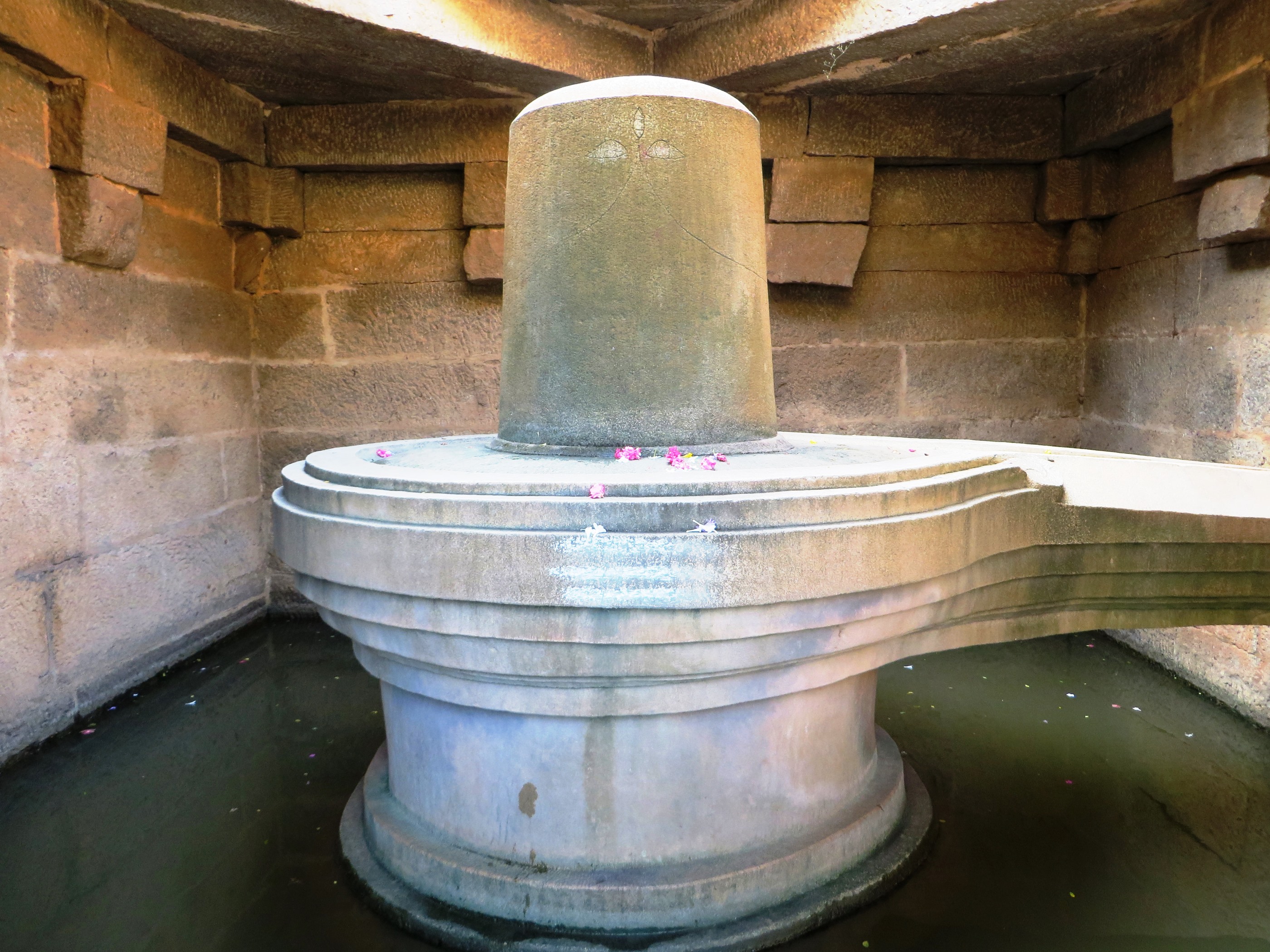
But the wonderful reign of two centuries came to an end, with the Muslim kings from the north, uniting and bearing down on Hampi. The war was fought on Tuesday, 23rd January 1565 and lasted six months.
“With fire and sword, with crowbars and axes, they carried on day after day their work of destruction. Never perhaps in the history of the world has such havoc been wrought, and wrought so suddenly, on so splendid a city, teeming with a wealthy and industrious population in the full plenitude of prosperity one day, and on the next seized and pillaged and reduced to ruins, amid scenes of savage massacre and horrors beggaring description. The enemy had come to destroy, and they carried out their object relentlessly. They slaughtered the people without mercy, broke down their temples and palaces”.
There is still a feeling of desolation. I felt haunted by so much destruction.

Our train to Goa was long and tedious. We shared a carriage with an Anglo Indian gentleman from London, visiting relatives in Panjim. He had been on the train since Hyderabad, so was suitably bored and wanted to talk to everyone. He had been a carpenter in the Science Museum in London for the past fifteen years, and interspersed all his comments with, ‘my darling,’ or ‘my sweetheart’. It was quite disconcerting! At Hubli the train stopped for ten minutes so our gent got a porter to fetch him such delicious yogurt or curd made in terracotta cups, and matured in straw in the ground. Apparently it is quite the thing to get in Hubli and is very famous. I did taste it, and it was delicious.
Imagine my surprise when I read in the paper yesterday, that a young man called Mohammed Kureshi was arrested on charges of treason. He had been travelling all over the state of Karnataka providing vital information to certain terror groups in India and Pakistan. The Bangalore express was being targeted. Photographs of railway stations had been sold for 5,000 rupees each to ISIS linked groups,and yes, Hubli was one of the top targets.
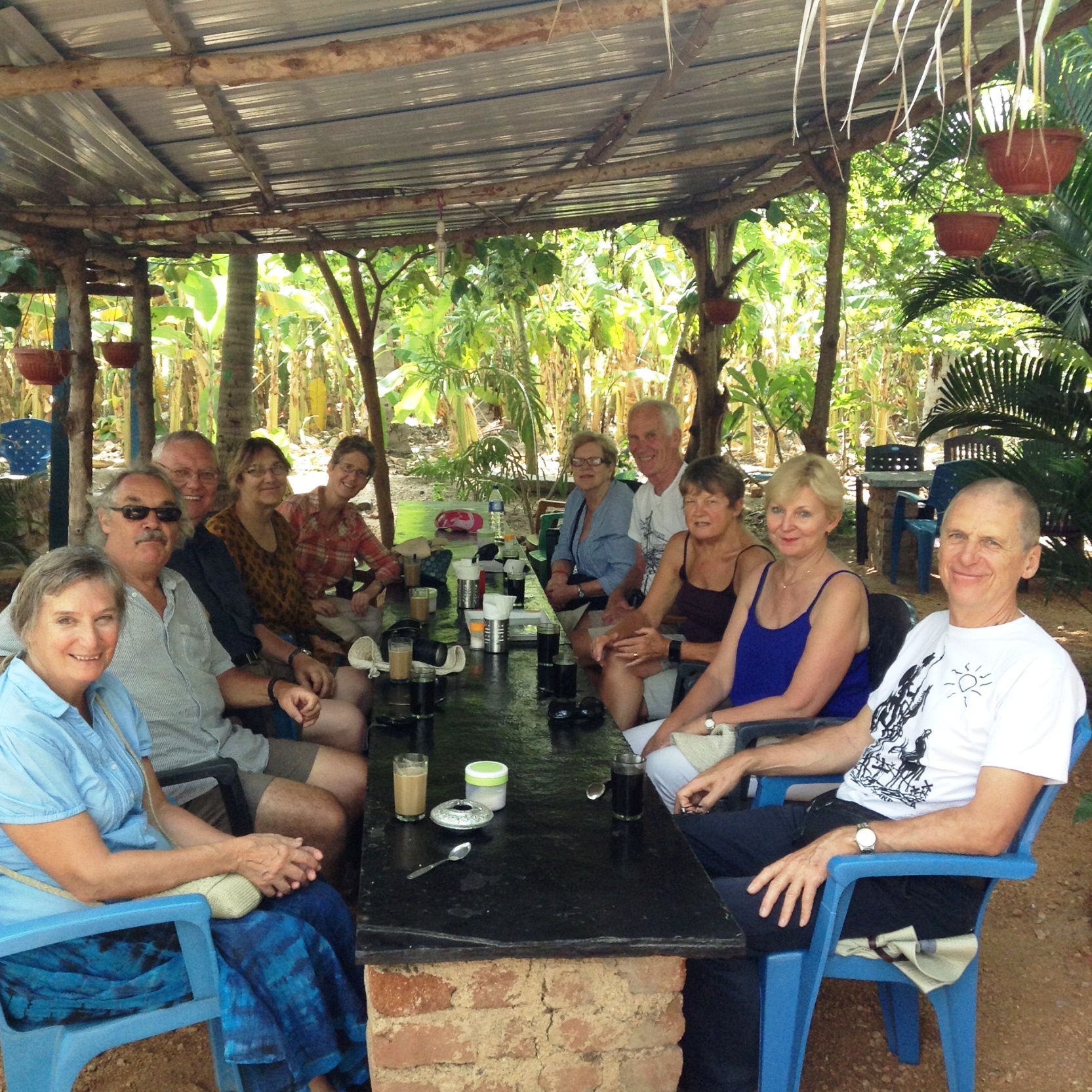
So the tour is over, the rest of the gang all returned to England, Tinu , our guide, away back to Kerala, and John has just returned from having a wet shave and head and shoulder massage. He is in holiday heaven. No more trains, no more busses or long long journeys. Just the beach, fresh fish and Kingfisher beer.
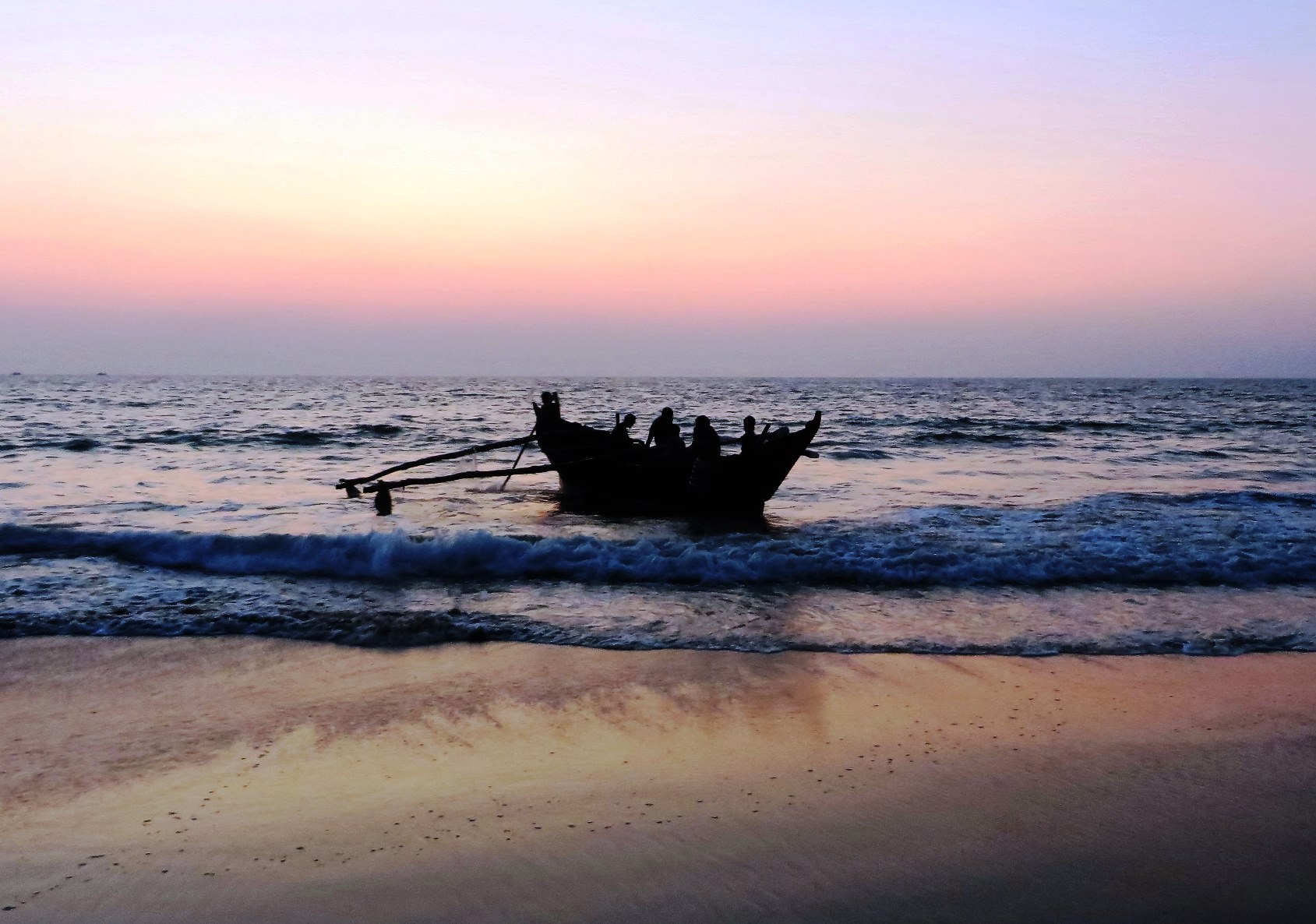

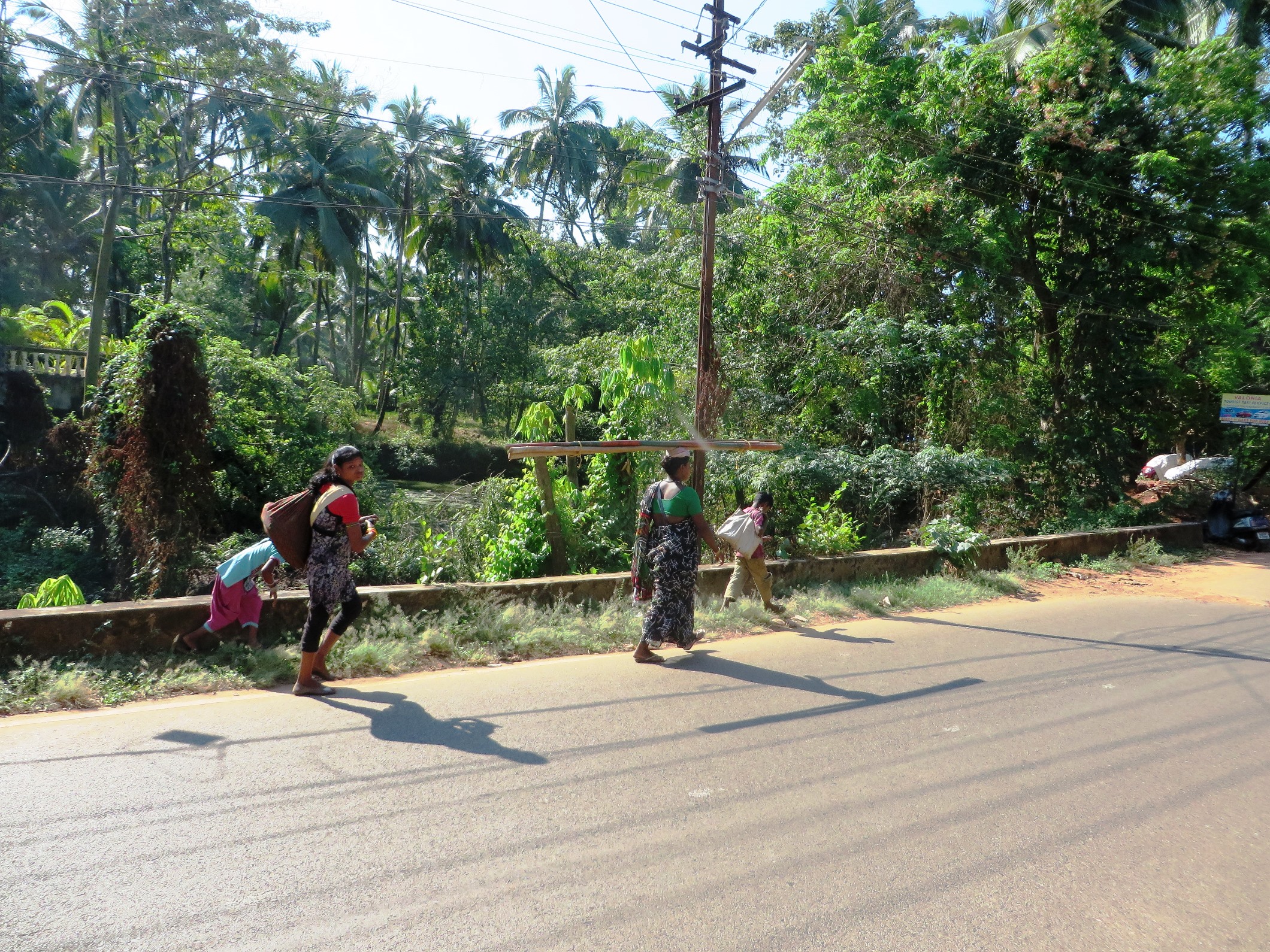
I can’t wait now to go and lie by the sea, read my book and have a fresh lime soda. It has all been amazing and interesting, but sometimes it is just good to relax!
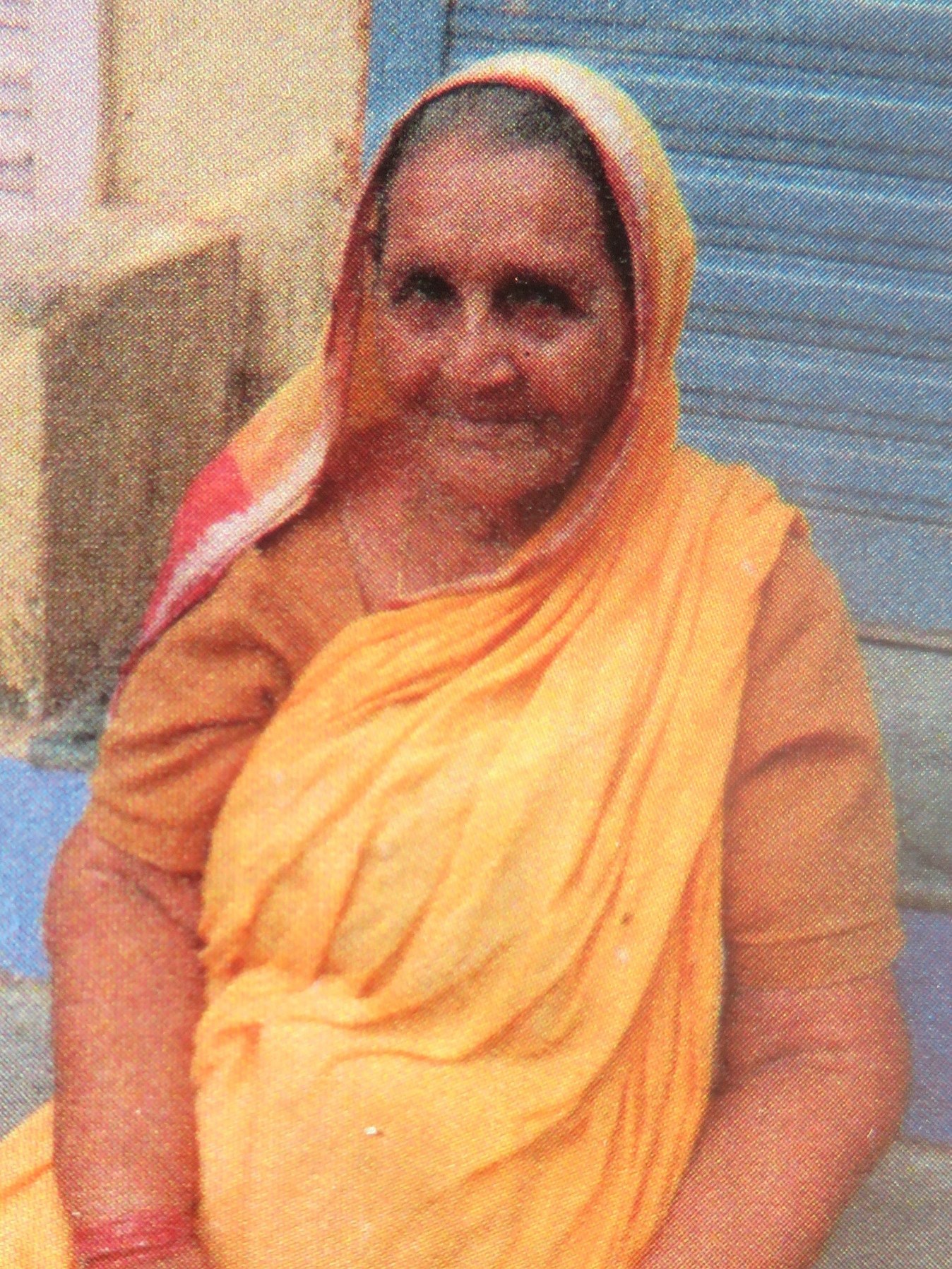
But before I go, just one more thought from a lady in the Dharavi slum in Mumbai,
“I saved up all the money I could for a year form the money my husband used to sometimes give me and bought myself this nose ring, someday my daughter will wear it.”
Namaste.

 Tales from the Gael