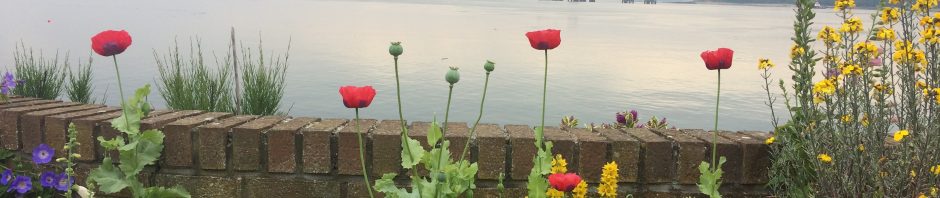
The last time I wrote I looked down on the twinkling lights of this hill station, and in the morning I woke to a view that was just beautiful.
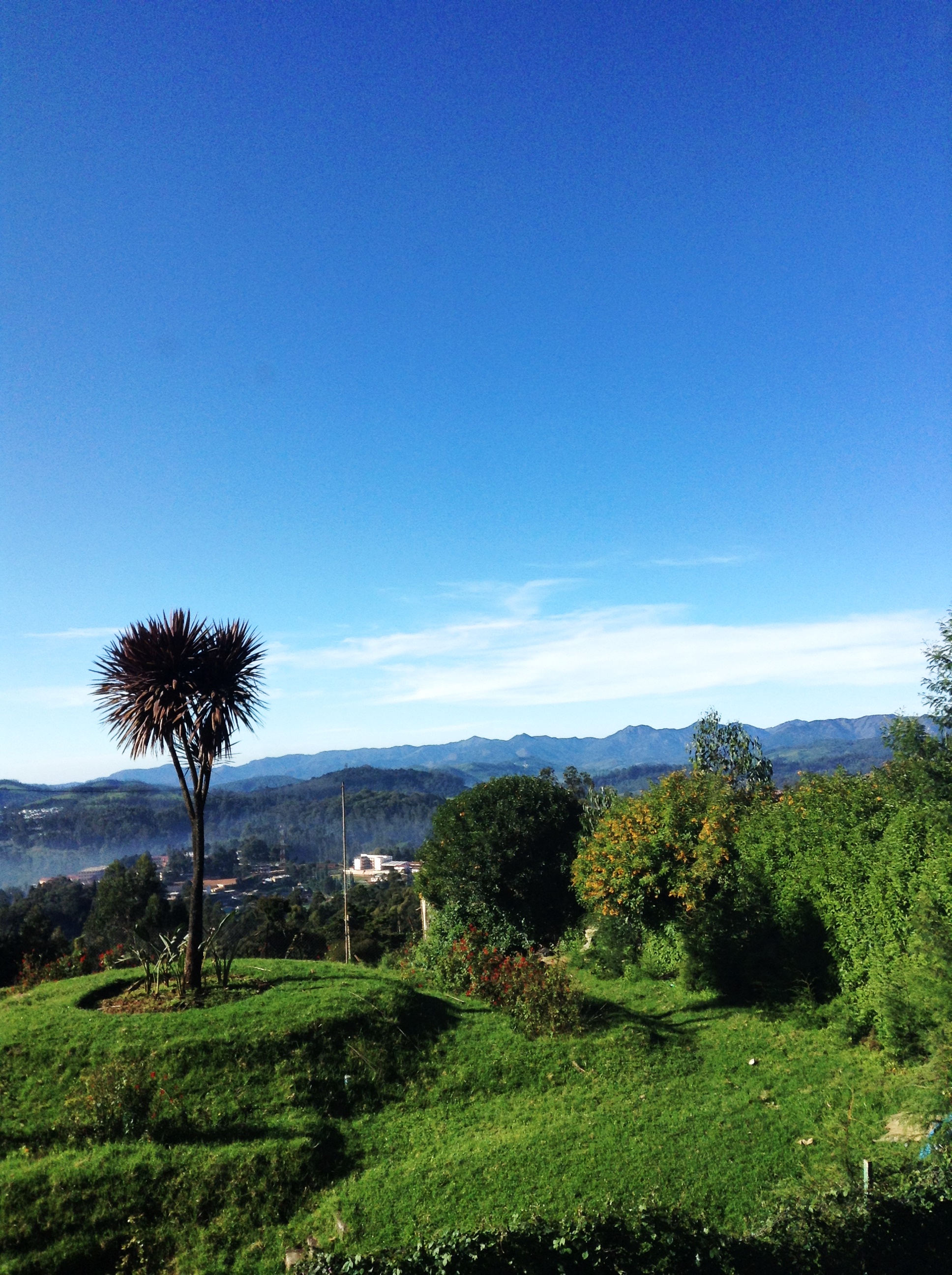
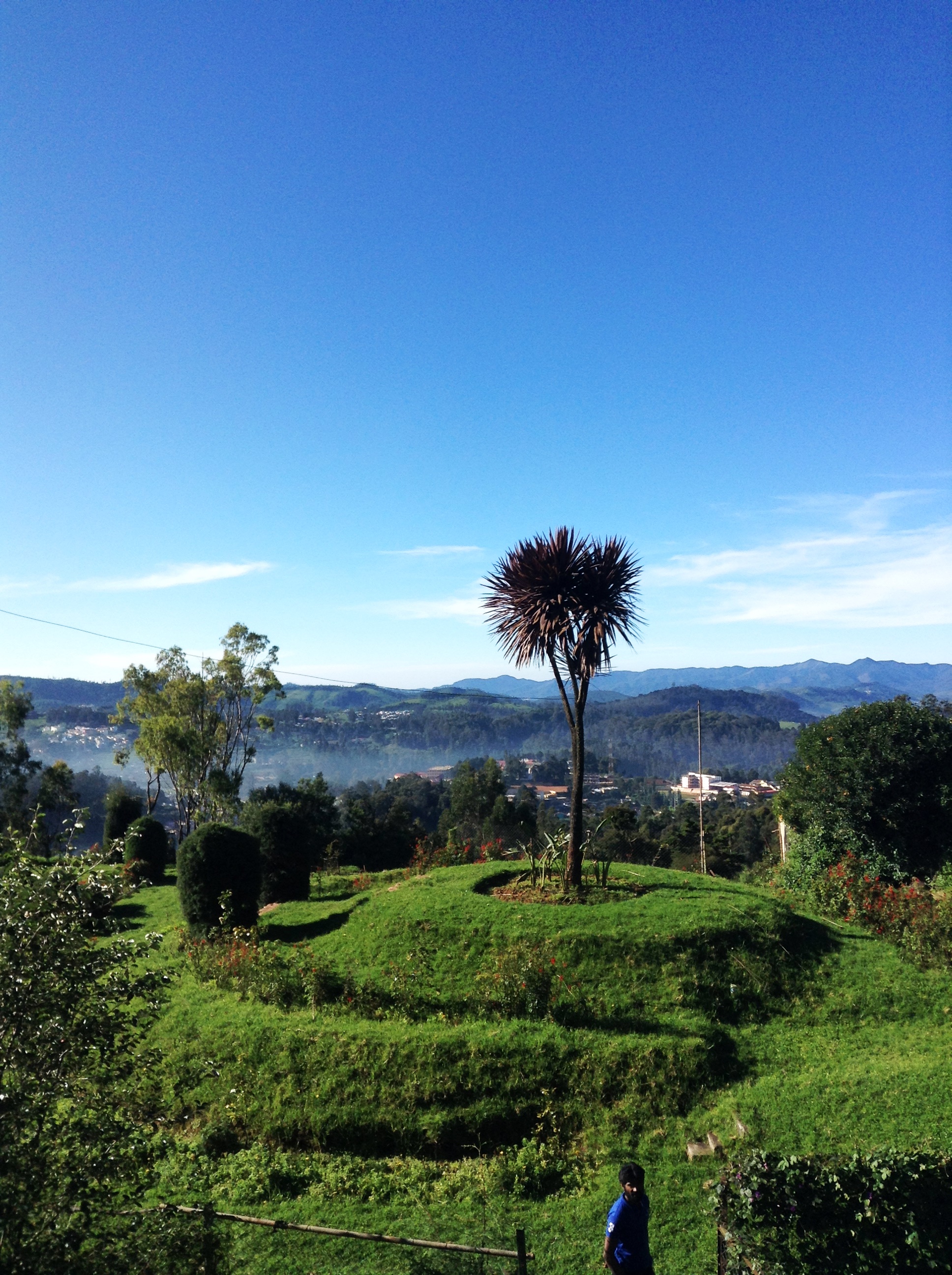
Pockets of mist soon dissolved and the contours of the Western Ghats stretched ahead, pleated with coffee and tea plantations. I could see why the British, wilting from the heat of the plains, decided to build their summer residences up where the air is cut with the smells of pine and eucalyptus.
Sadly the town itself is not what it was must have been like, way back then. It was a sprawl of shacks, some gaudily painted pea green or hot pink, but mostly we saw tumbledown shop-houses selling cheap plastic, and the inevitable rubbish was strewn around like a squat. It was a blessed relief to take the Toy Train for a trip to Coonoor.
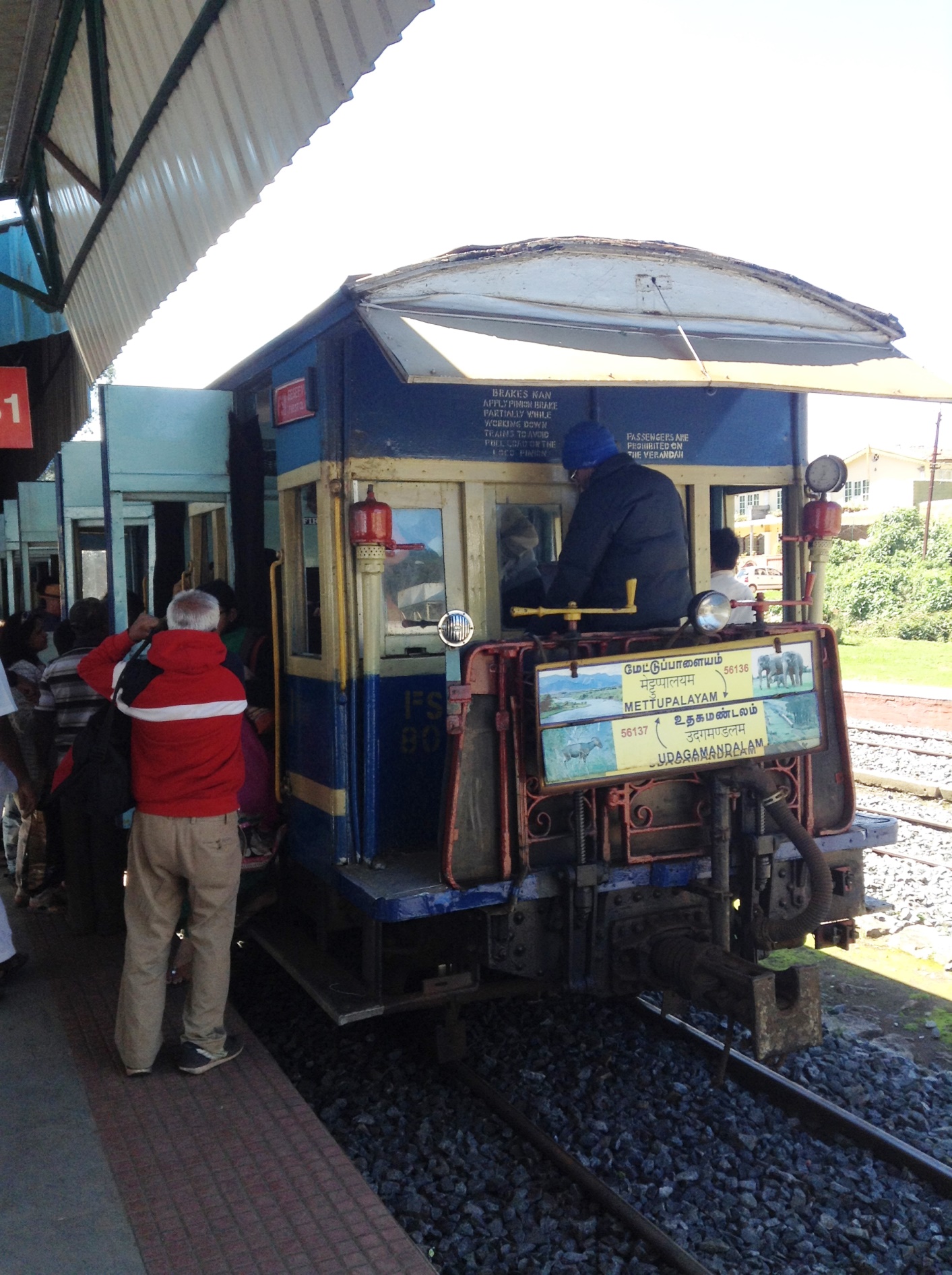

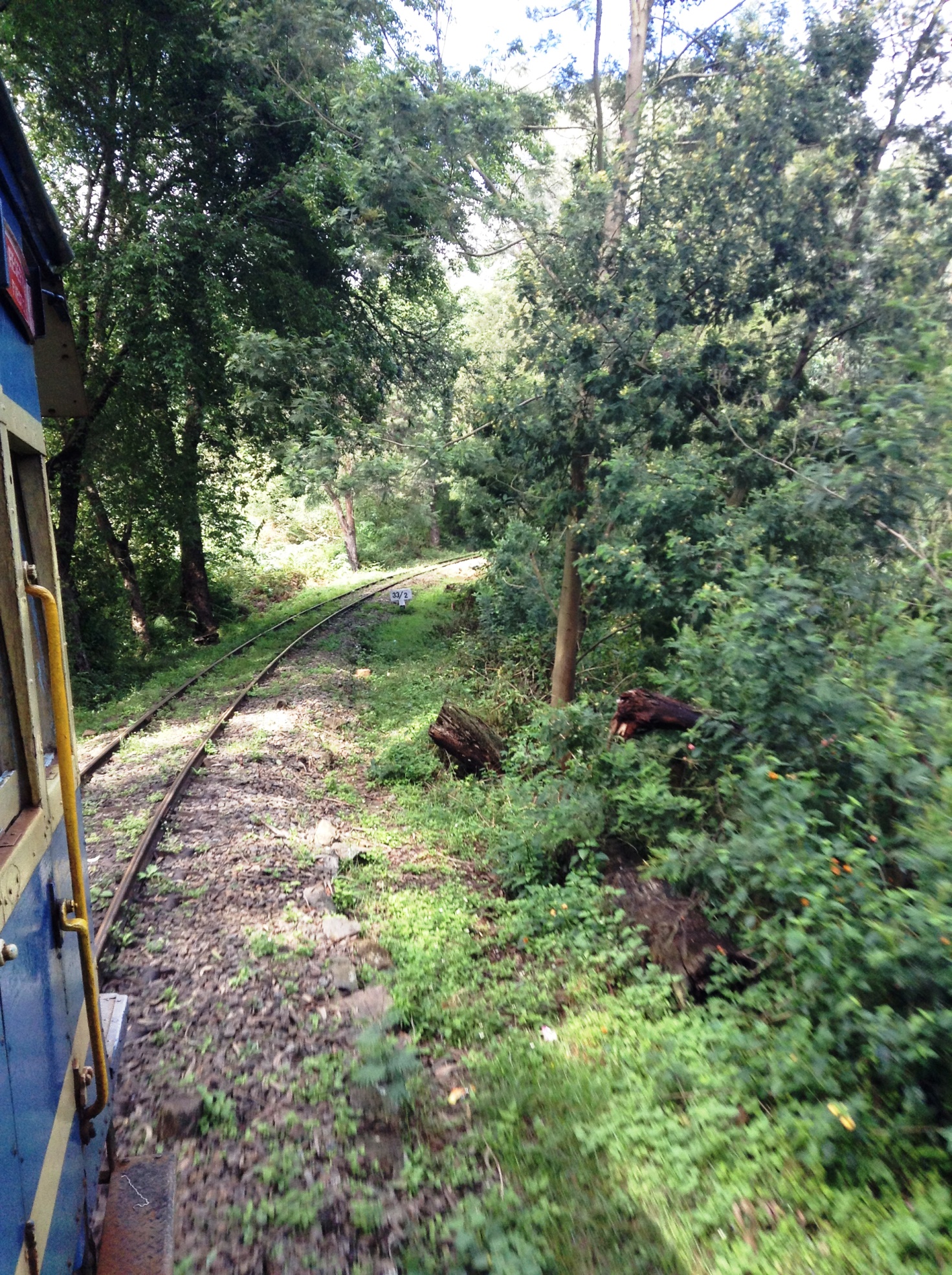
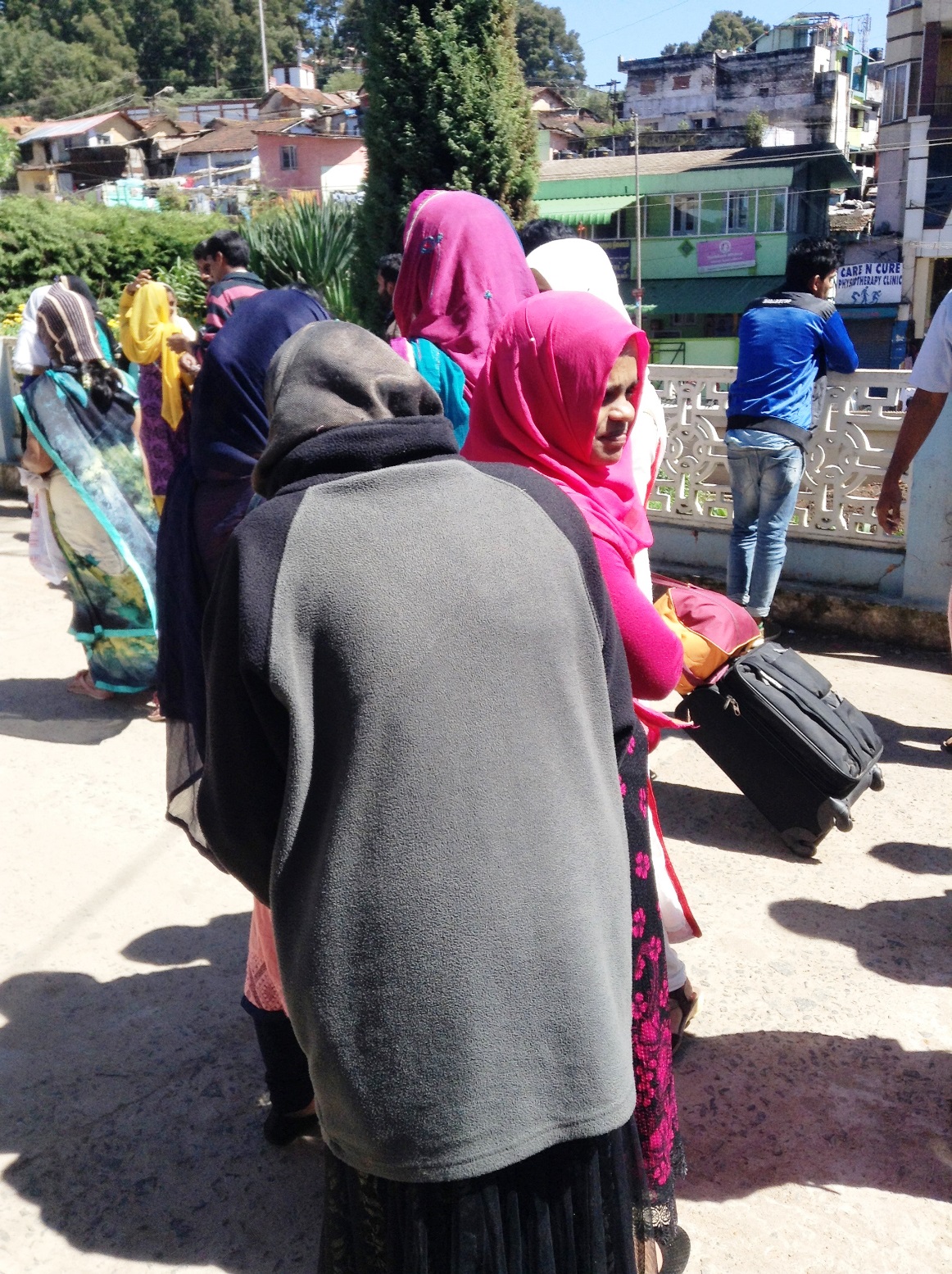
It is quite amazing, built in 1899, and it chugs along at 2193m above sea level. We gazed at the tea and flowers and marvelled at the high bridges we crossed. It was nice seeing the ladies in their saris and salwar kumises with bobble hats and cardigans. Some of the men were in thick padded jackets, for the air was cool, and I was glad of my fleece as well.
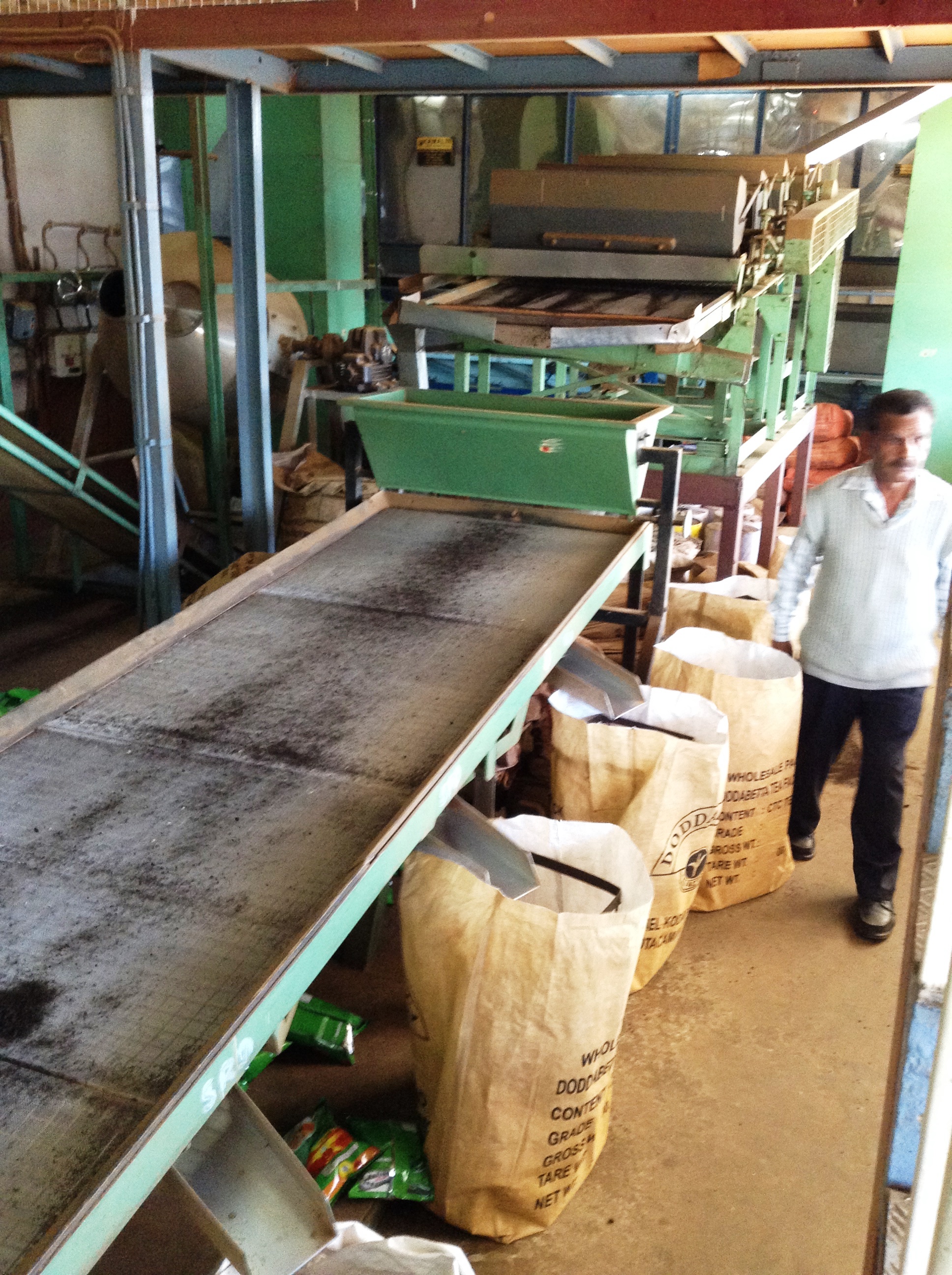
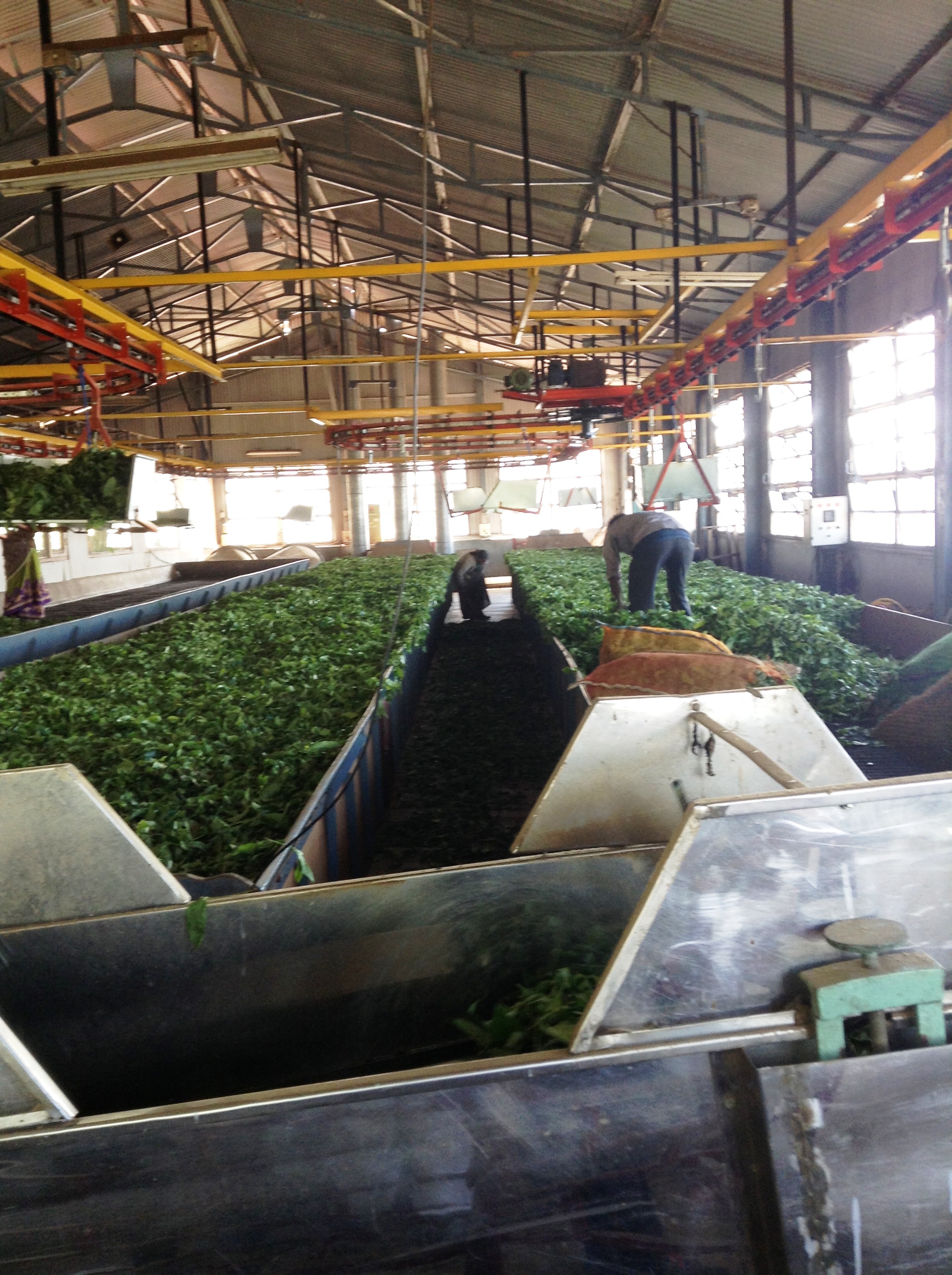
I did enjoy the mountain viewing and the tea factory visits, and bought lovely oils and potions.
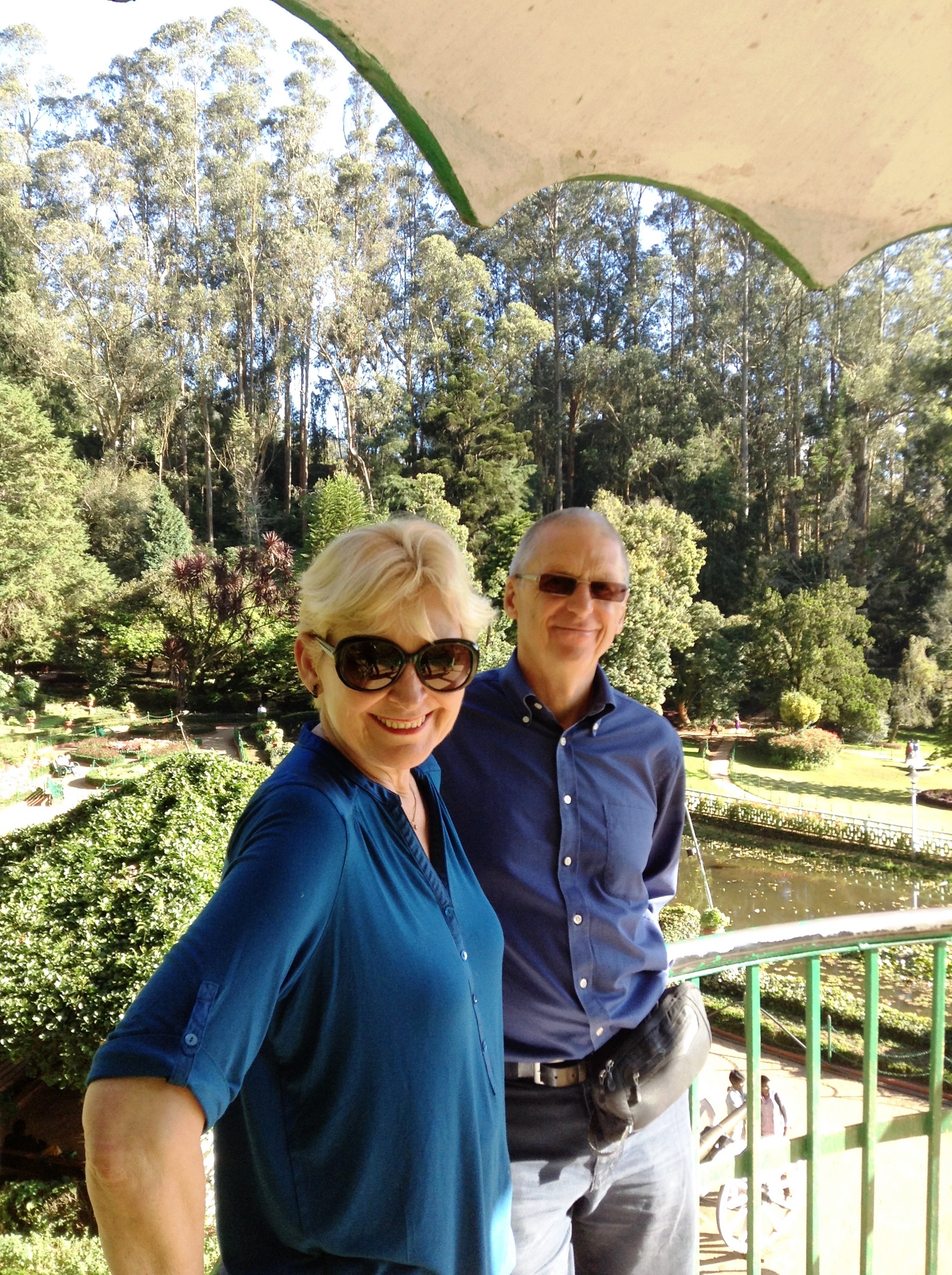
We meandered through the very English Botanical Gardens, and loved the Italian garden created by prisoners of war brought over especially.

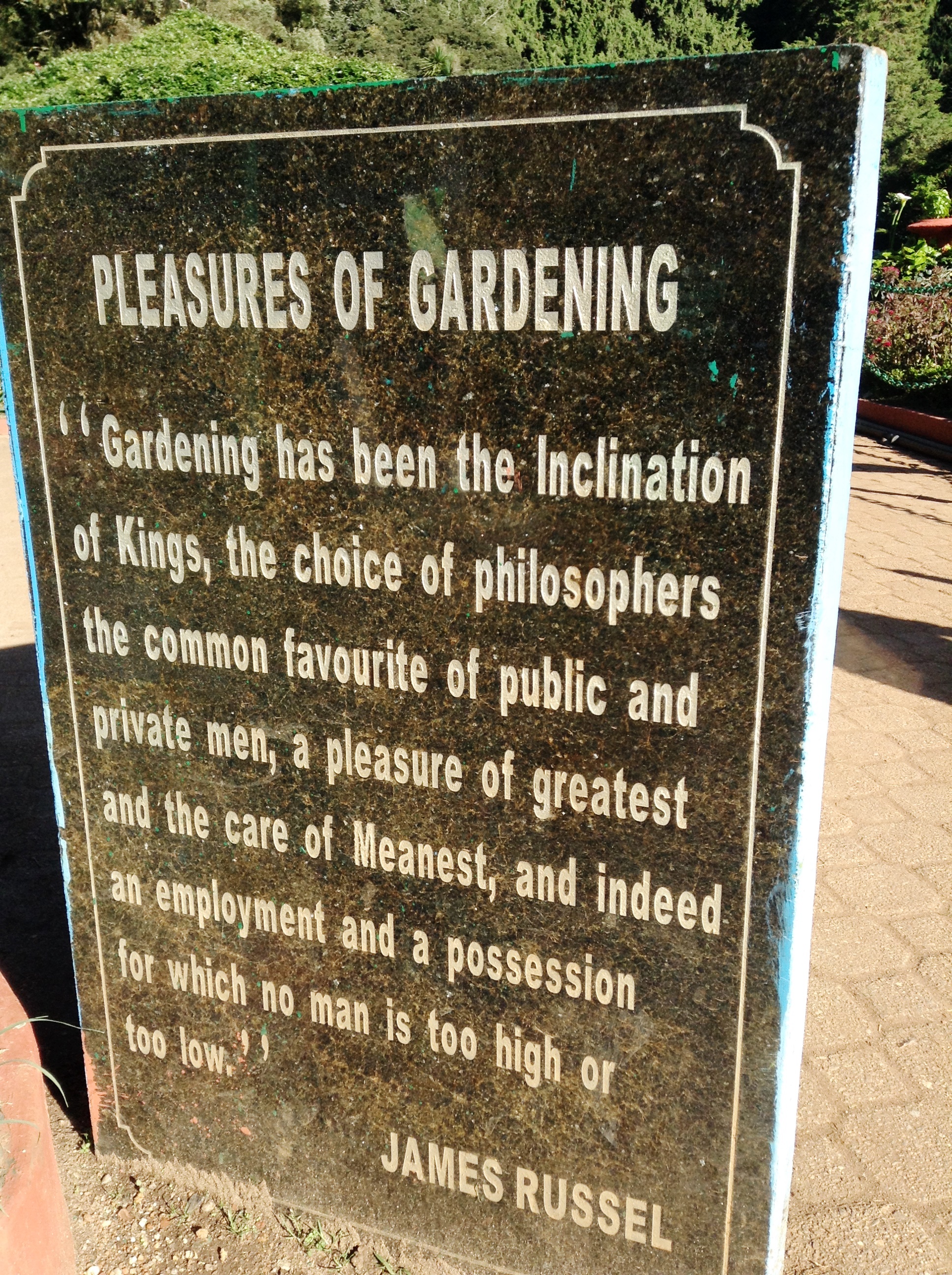
Not a bad way to serve your time. I loved the notice, and thought of those Italian men, creating their pretty classical designs.
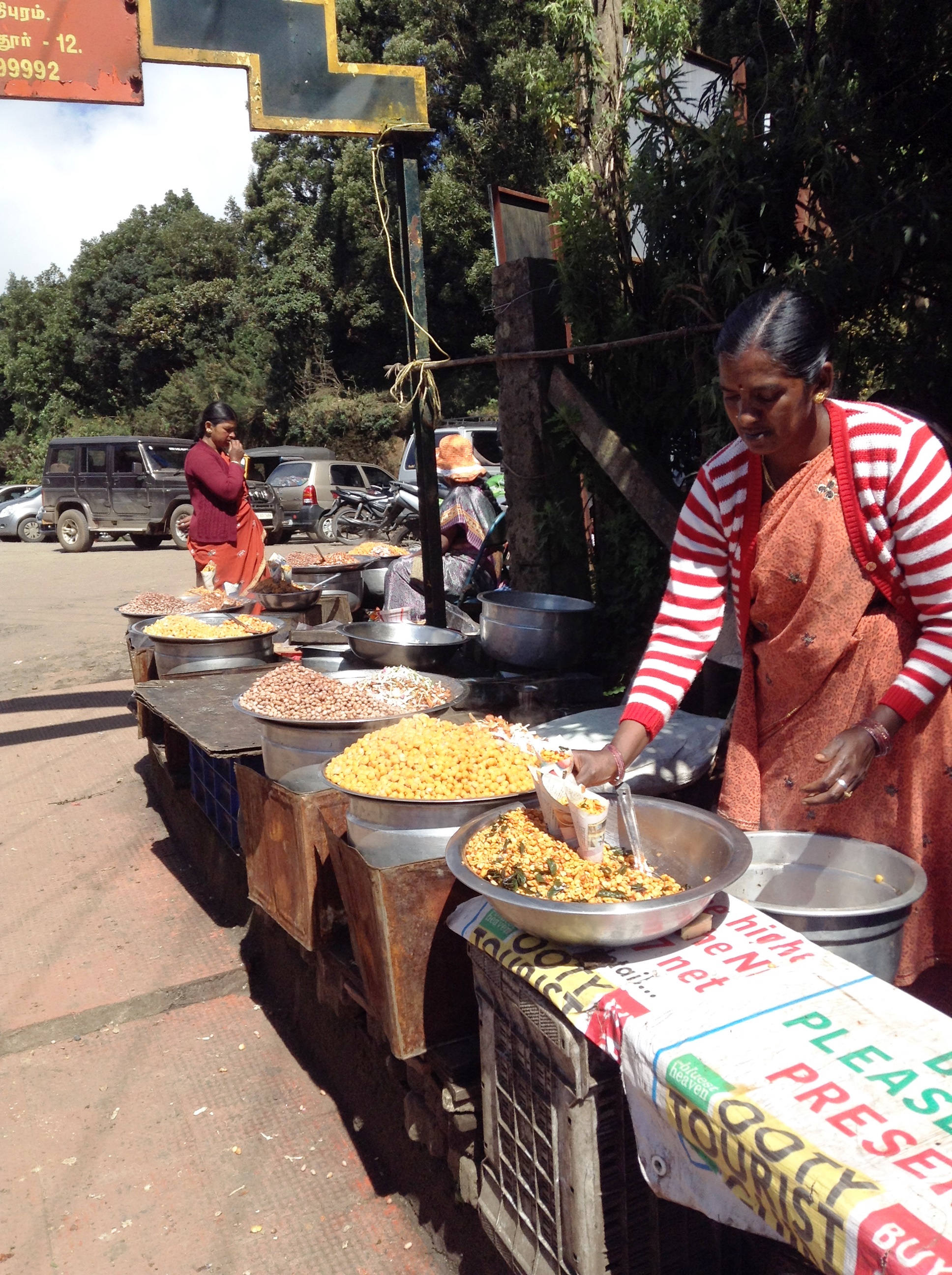
The evening was spent with the group, drinking beer in the conference room, out of sight of the hotel staff, who charge a small fortune for Kingfisher beer. I stupidly ate some chilly nuts and the result was the first bad tummy of the holiday.

The drive from Ooty was terrifying. We hurtled through zig zag bends, and people were throwing up into plastic bags that they then swung from a hook on their seats. John went deathly pale at one point and I did have visions that we too might have had to use the horrid plastic bags that we had all been given. Some poor Indian ladies had to stop and hurl out their regurgitated breakfasts in the true style of ‘Keep India tidy’ – bags were left draped on branches by the side of the road. Why am I not surprised? Anyway, John cheered up a bit when we passed through the tiger reserve and everyone’s eyes were peeled. I thought of the lady I met at Port Kochi who had spent three weeks in a tiger reserve and they had seen six tigers. The last one came dangerously close as the guide had managed to get his wheels stuck on a tree root. The tiger came closer and closer, too close for comfort.
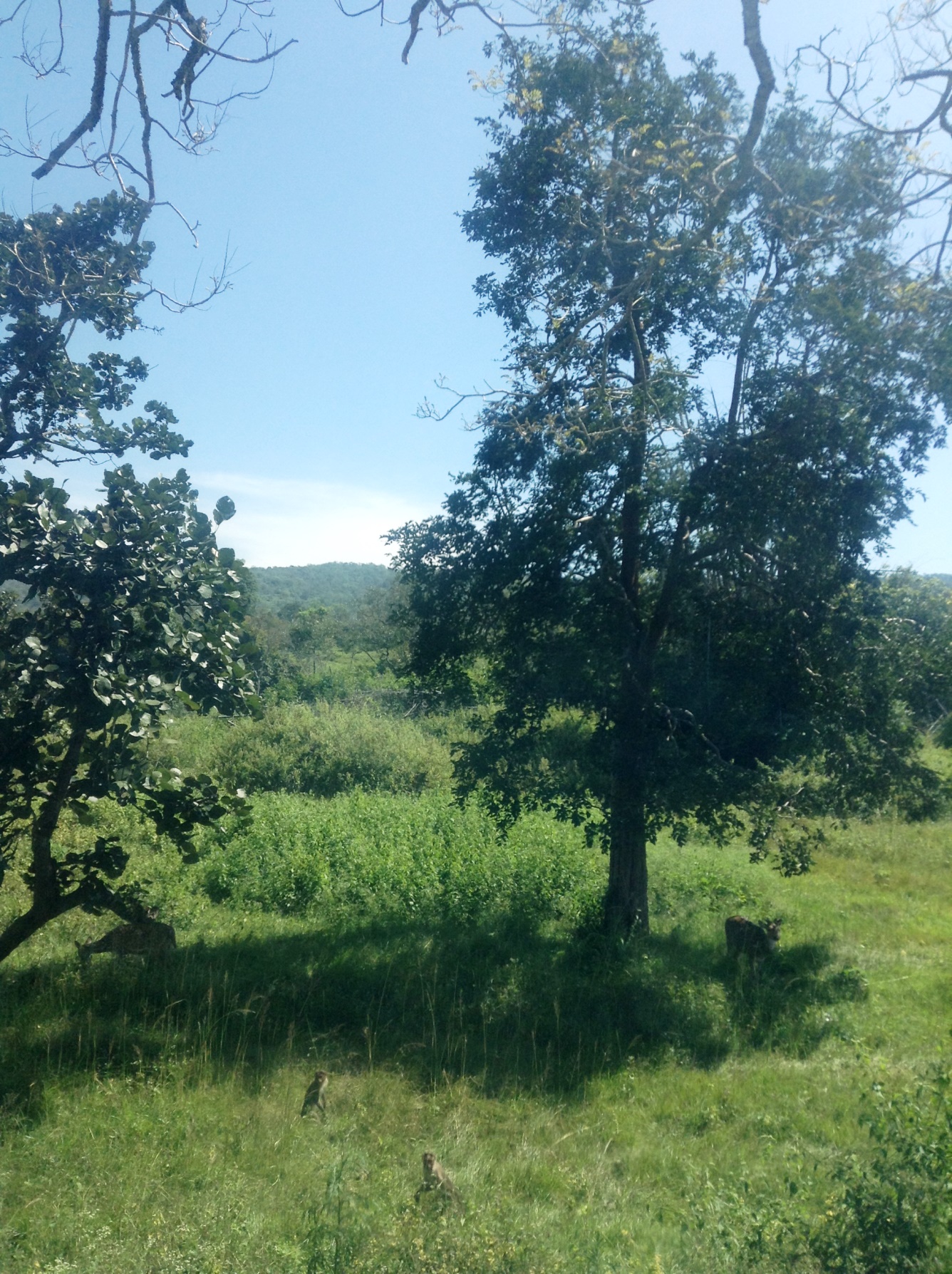
Anyway we just saw spotted deer, wild pigs and monkeys. We stopped at some Godforsaken place for lunch, and ordered coke only. Avril offered me a wine gum; I accepted, and suddenly, I felt a sharp thing on my tongue and half of my second-from-front tooth had broken off (not done by the fabulous Doha dentist I might add). I was SO upset. When the others in the group saw what had happened they reeled back in fright as though I had sprouted the fangs of a cobra. Not good for my self-esteem.
We left Tamil Nadu and arrived in Karnataka state, and the city of Mysore. The capital is actually Bangalore (IT capital of India), but Mysore is the cultural capital and boasts palaces galore, and a real maharajah, though with no power, but he is to be married next year, so I imagine it will be quite a lavish Bollywood extravaganza.

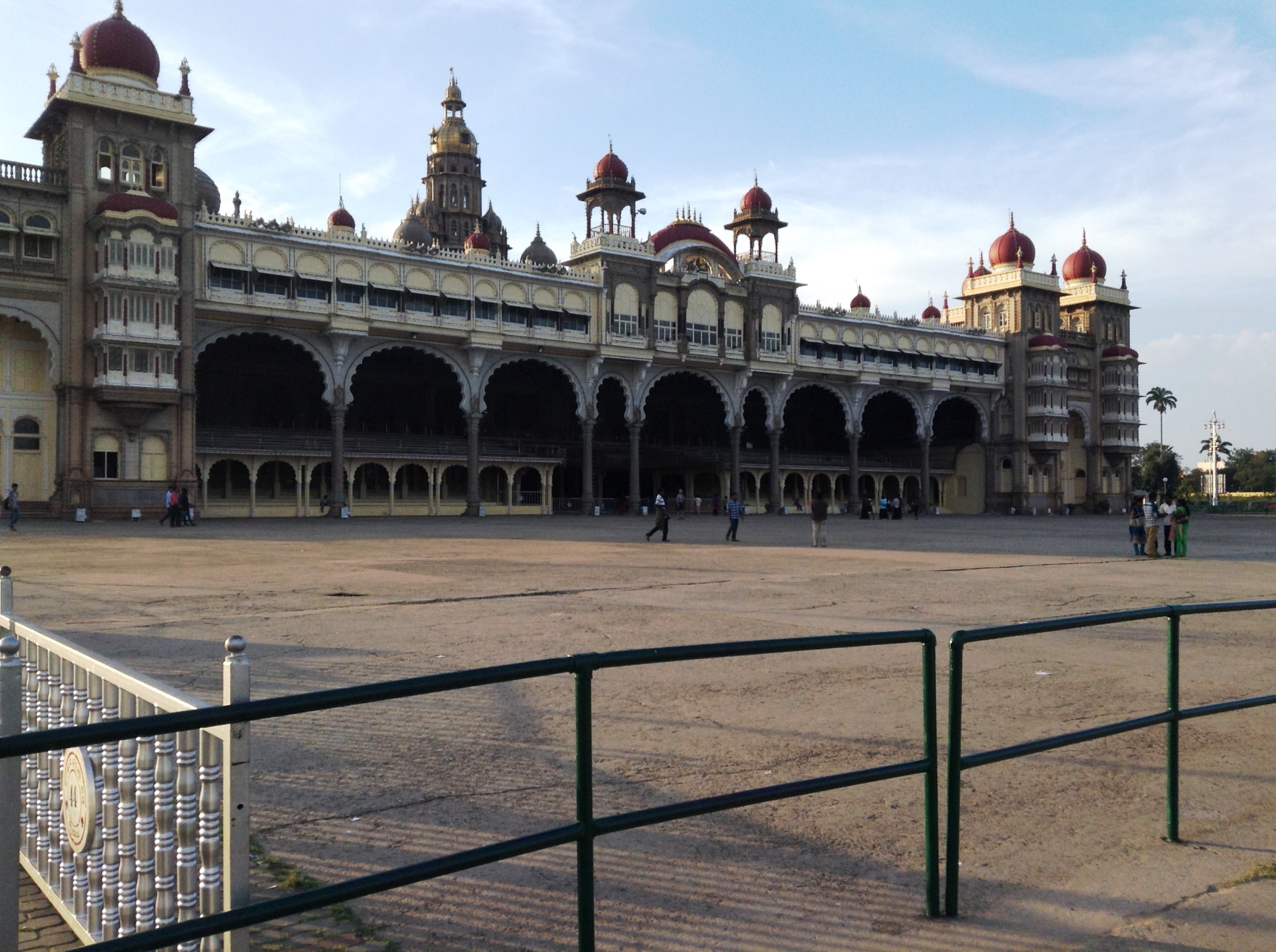
We saw his palace, and although grand and imposing and picturesque, with so much glass and columns in gold and turquoise (stained glass came from Glasgow, plus the floor tiles) I couldn’t help thinking that, from outside, it reminded me of a railway station, the kind the Victorians built to reflect their civic pride.
That evening I was rushed off in a tuk-tuk to go to a dental hospital, to see if they could glue up my tooth. John and I had a private hour of sheer terror as we whirled around roundabouts, up alley ways, missing busses, nearly killing jaywalkers, and inhaling lungful’s of black exhaust fumes. All to no avail. They shut up shop at 4 p.m. so we hurtled off again with our kamakazi driver to find a private dentist, only to find he had gone to dinner. I decided to persevere with my cobra fang and wait till Goa. Maybe there, I will find someone to restore my happy smile.

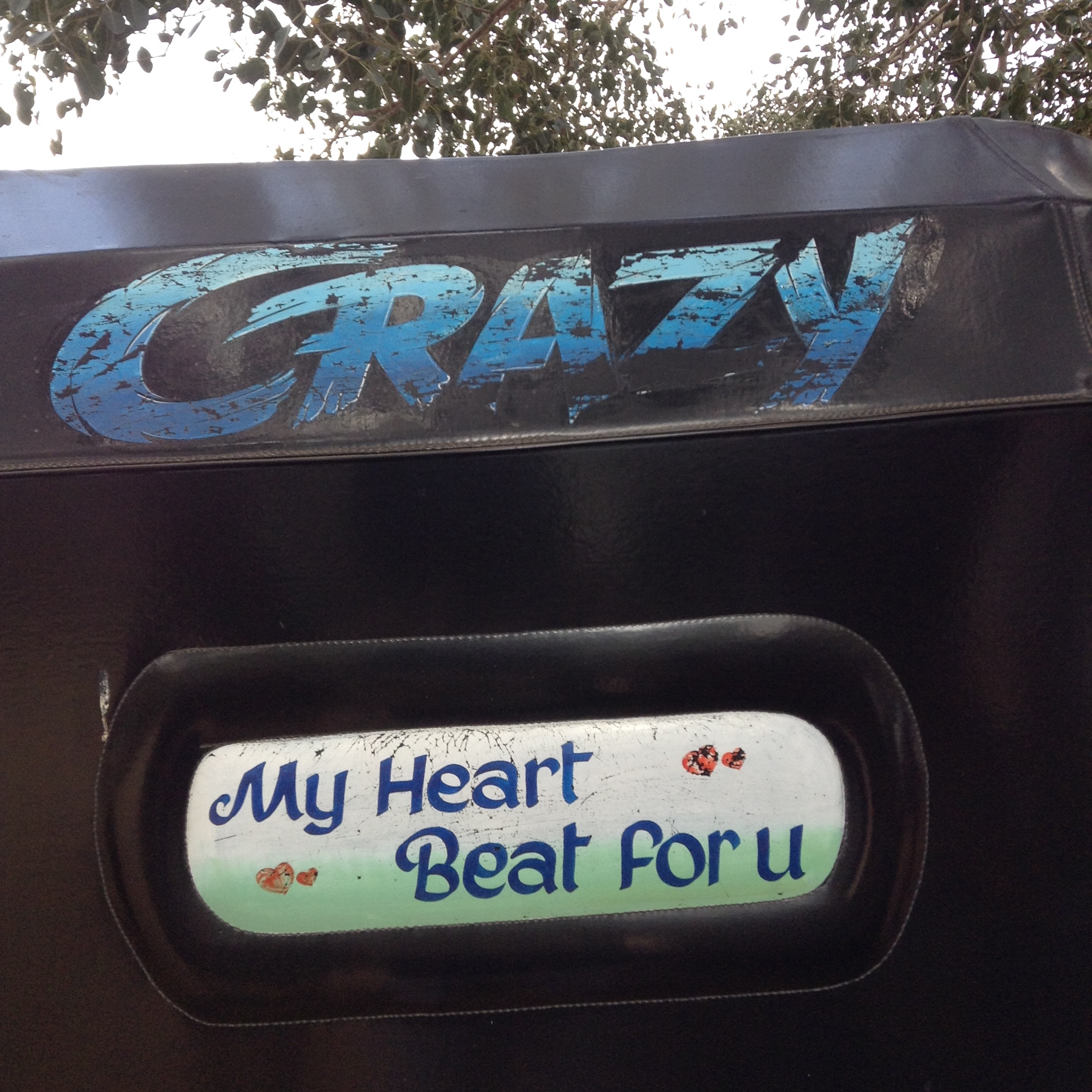
I will always associate Mysore with tuk-tuks. On each one was a message written boldy above the driver’s window, such as ‘Jesus is my Daddy’ or ‘The Lord is my Shepherd’ or ‘Rose of Sharon’. Perhaps it made them feel protected. I wish it made us feel safer.
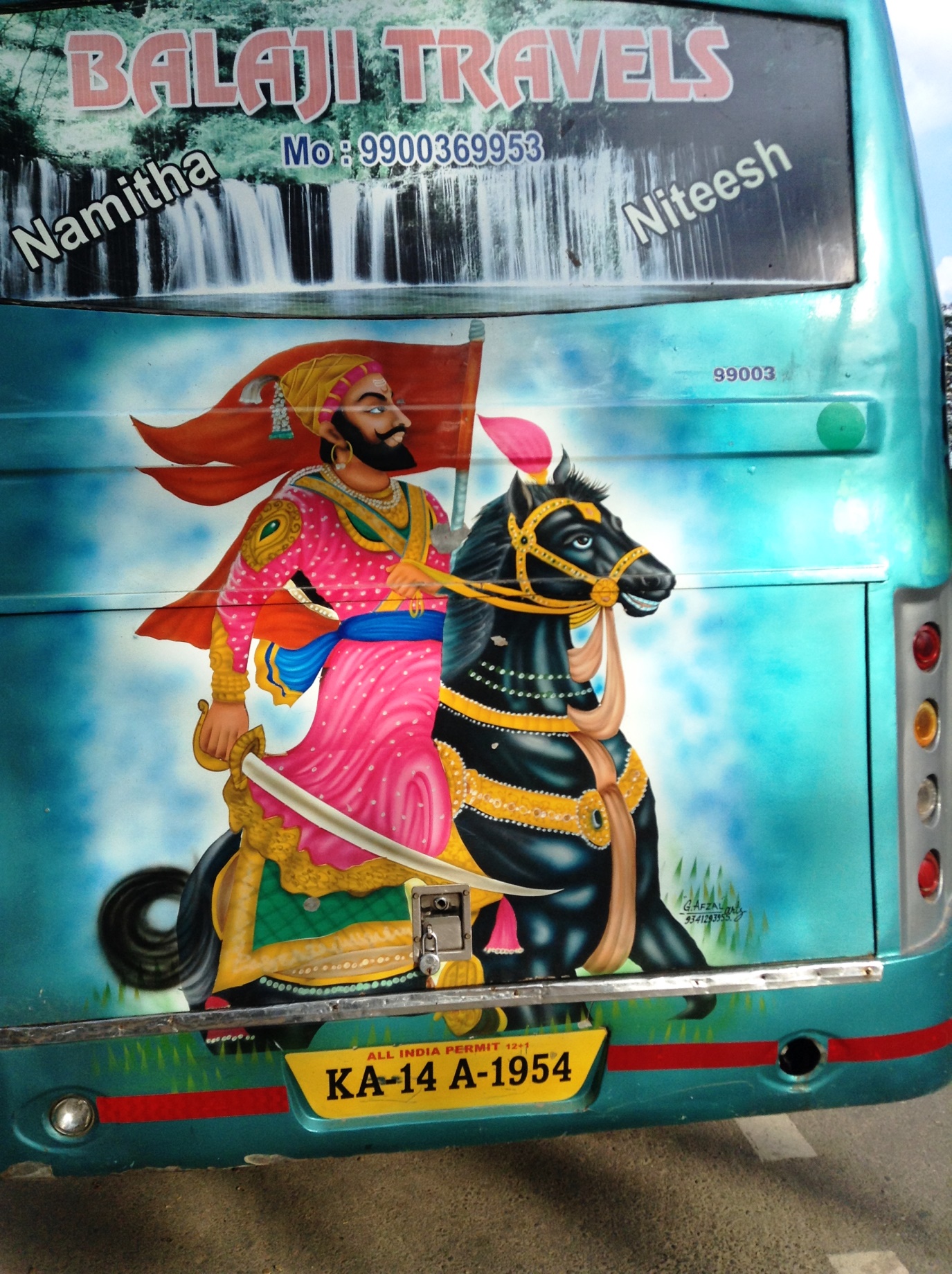
I did like the painting on the back of this bus.
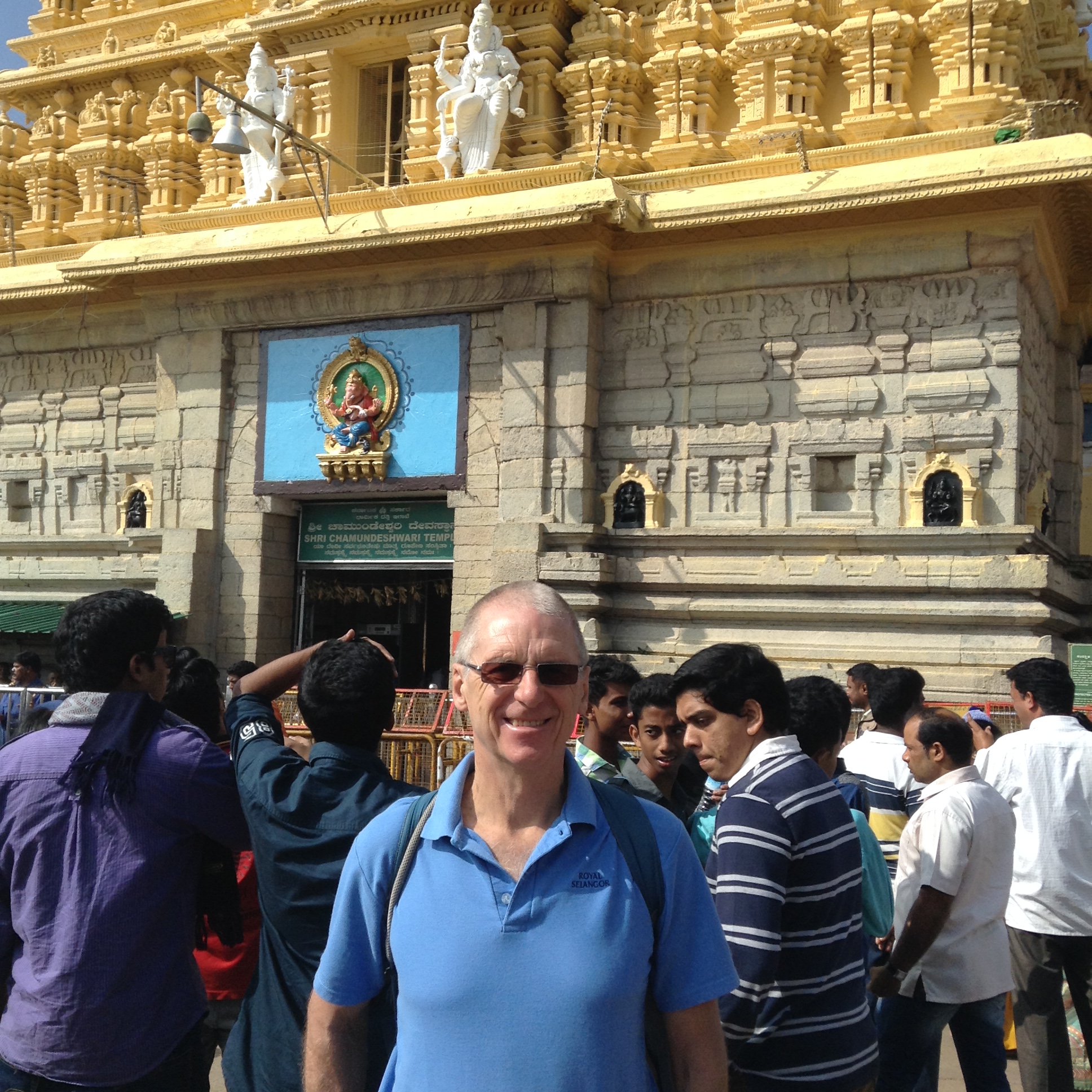
The next morning we were off again on a safari up the Chamundi Hills that overlook the city. Seventeen kilometres up we came to the towering Sri Chamundeswari Temple,

and the representation of Shiva’s bull, Nandi,

which was carved from a single piece of rock in the 17th Century.

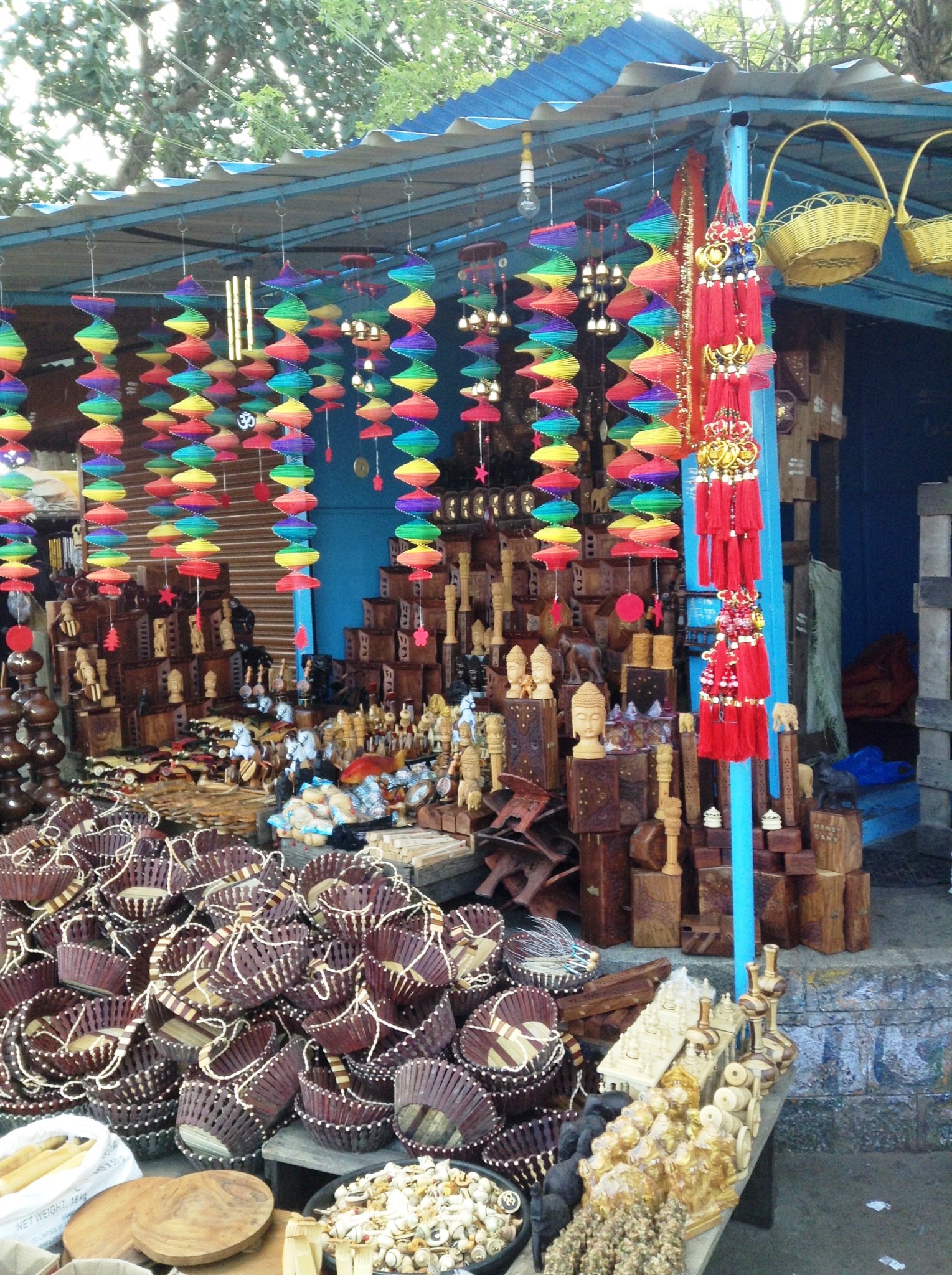
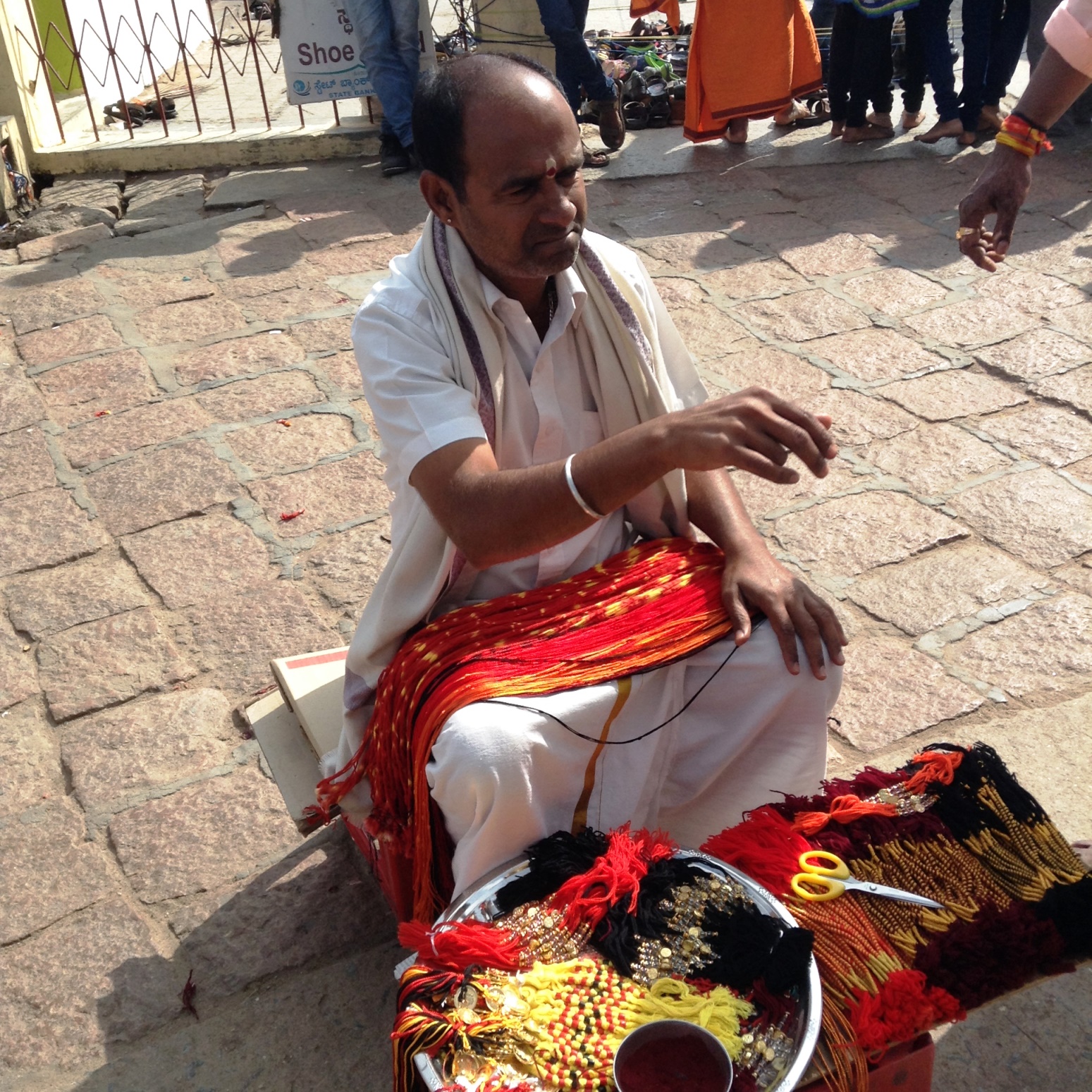
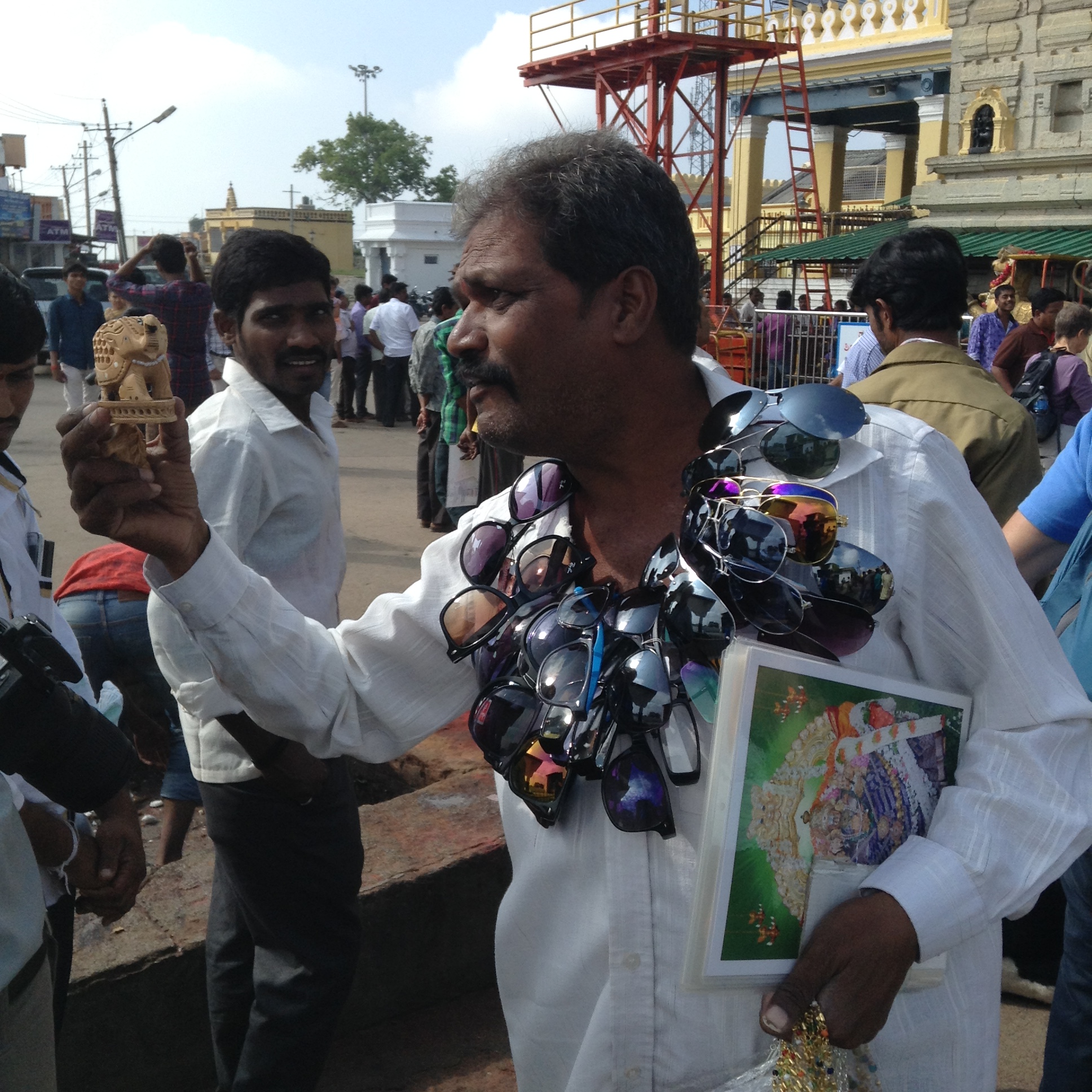
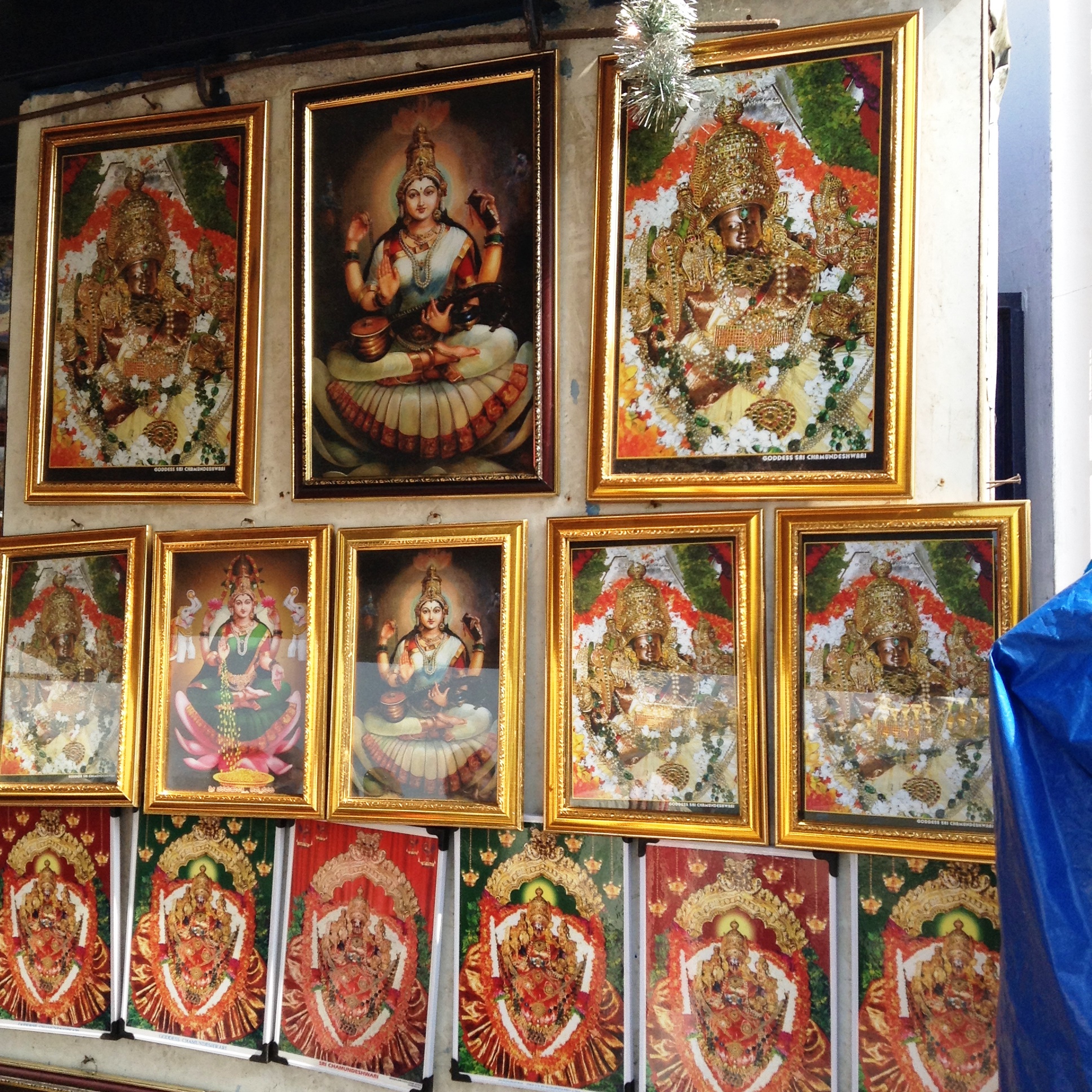
All that was fine, but it was the colour that was so amazing, the temple flowers, the pictures you could buy, the annoying hawkers, the beautiful saris, and the crazy statue of a demon with our funny guide Tinu.

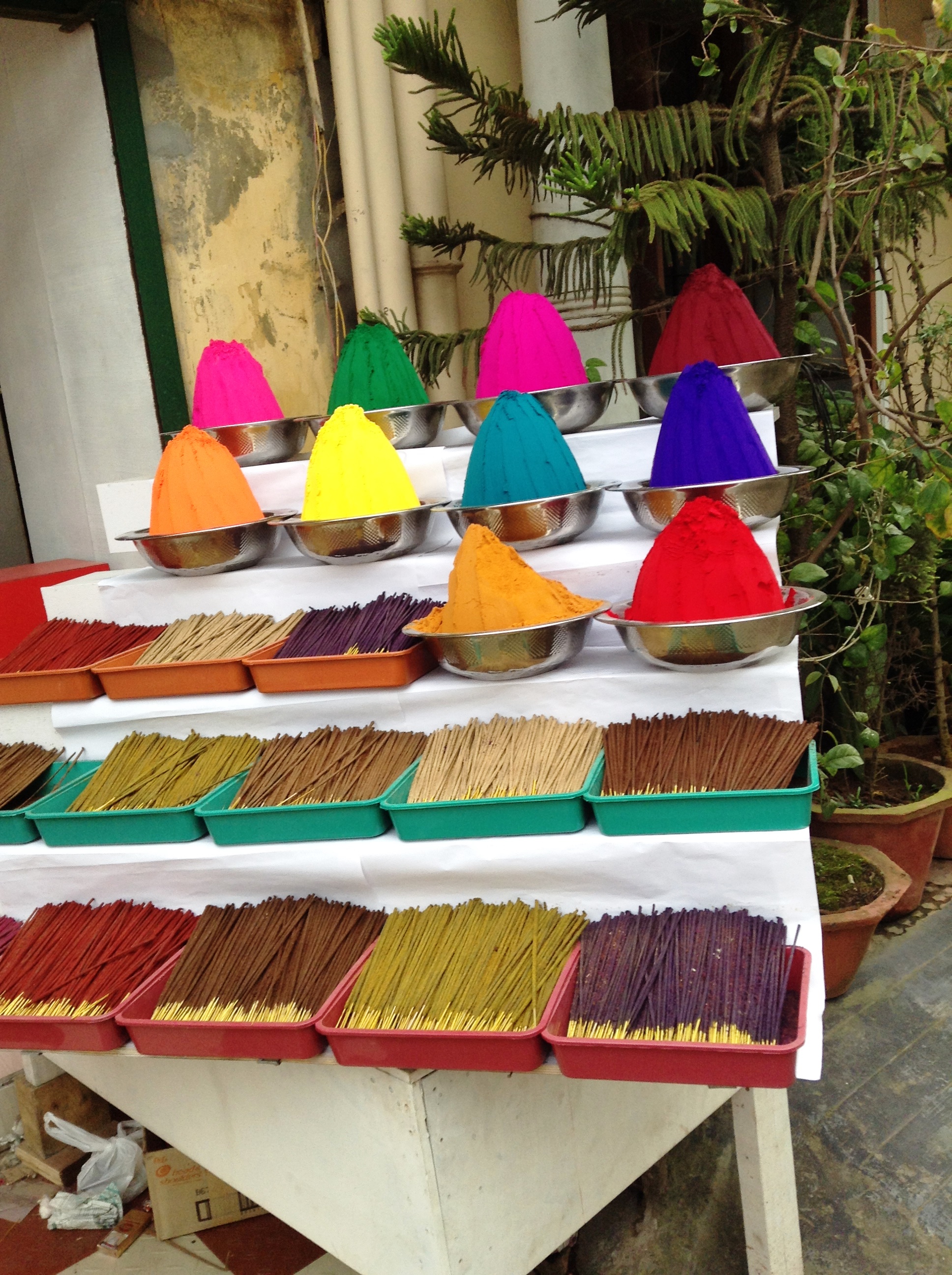
Later we careered down the 1000m into the hot hustle and bustle again, and visited an incense workshop and a silk shop.

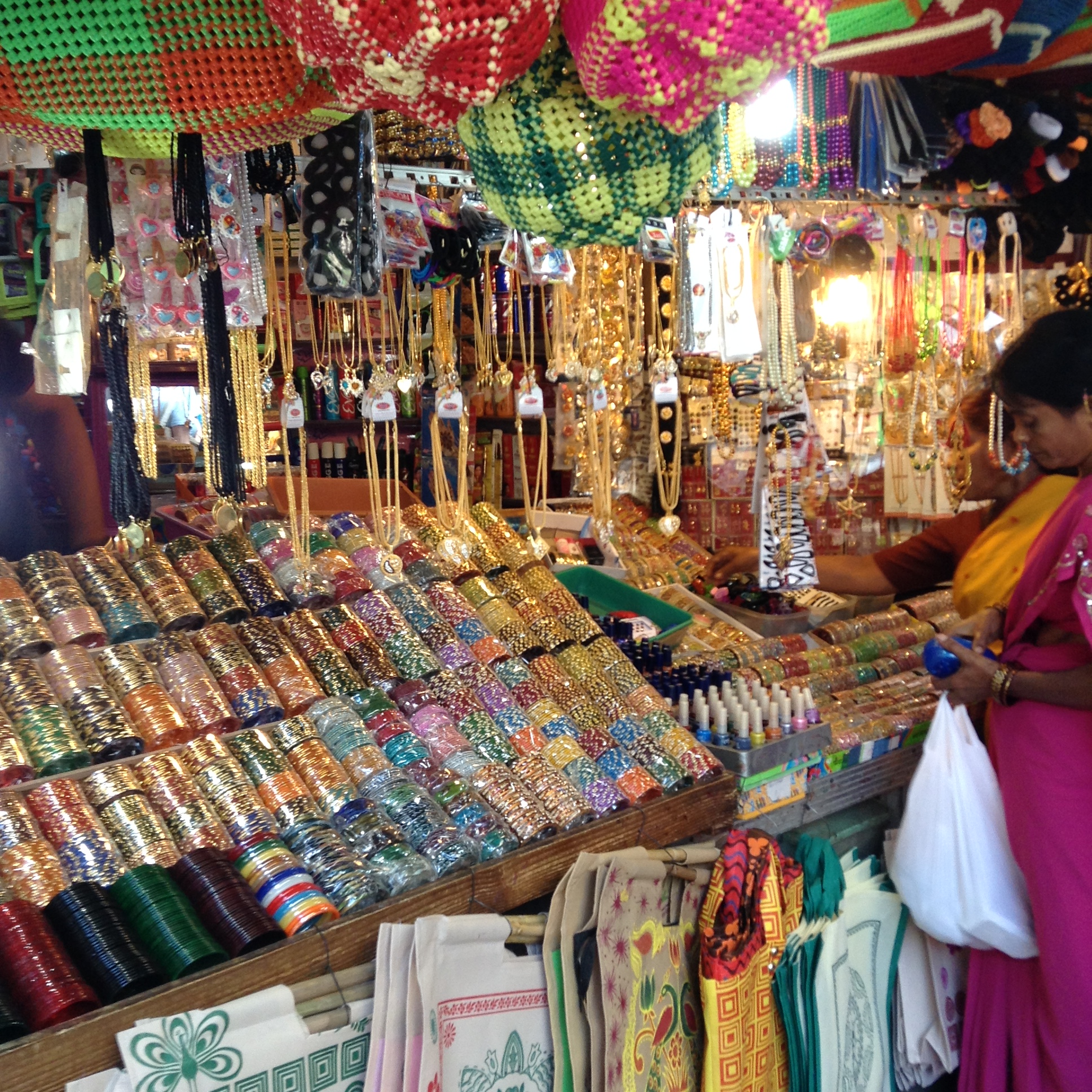
Mysore is famous all over India for its silks; beautiful whimsical washes of colour were spread over the counter. They were hard to resist. The other great export from Mysore is sandalwood. We did buy some oil and soap, so I feel we have some memories of this hectic town. Finally before we left we took a trip to the fruit and vegetable market and my photos just do not do it justice. The colour and busyness, the noise, the precision of the arrangements of apples and fruit were better than anything you could get at Harrods. A pure joy.


And finally the night train.
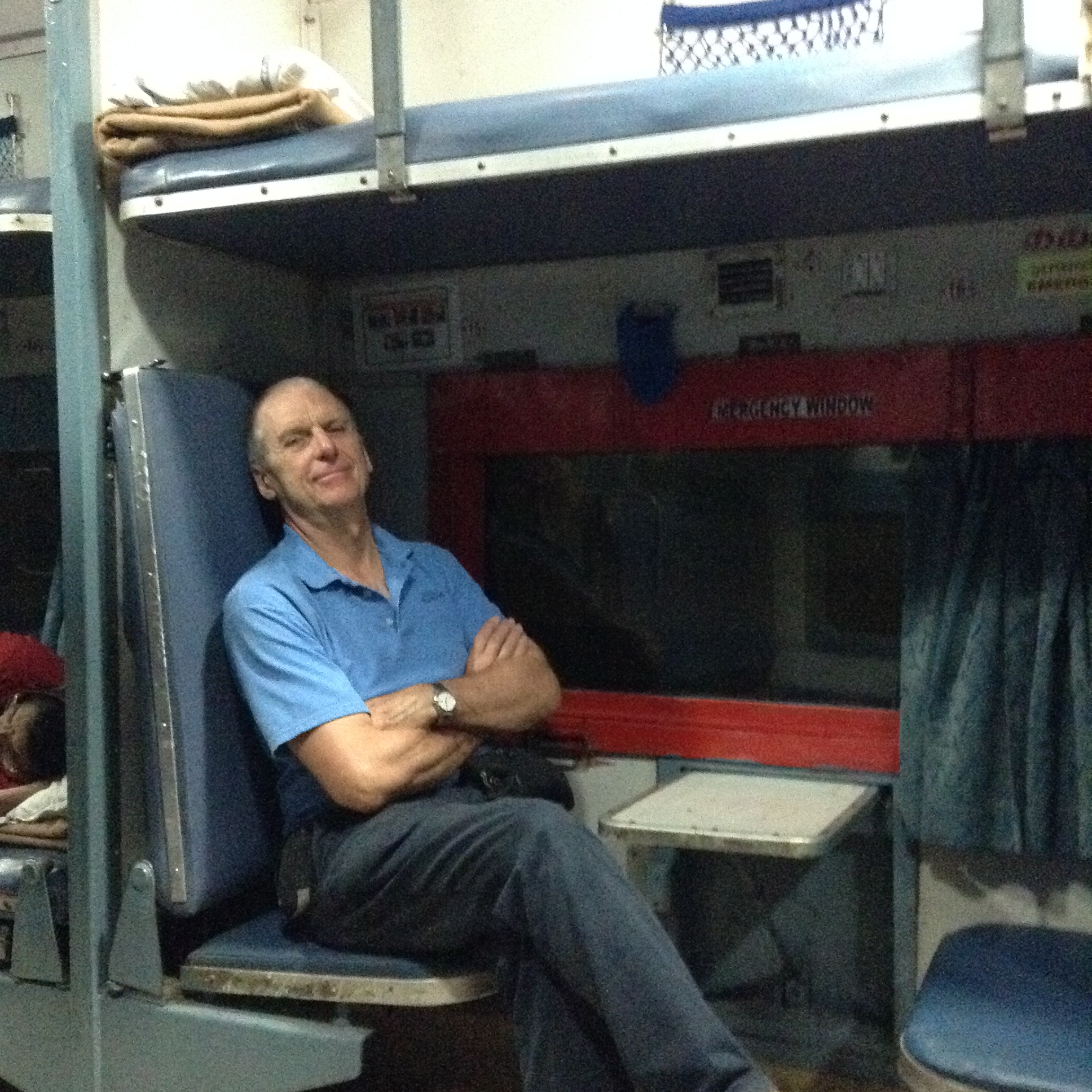
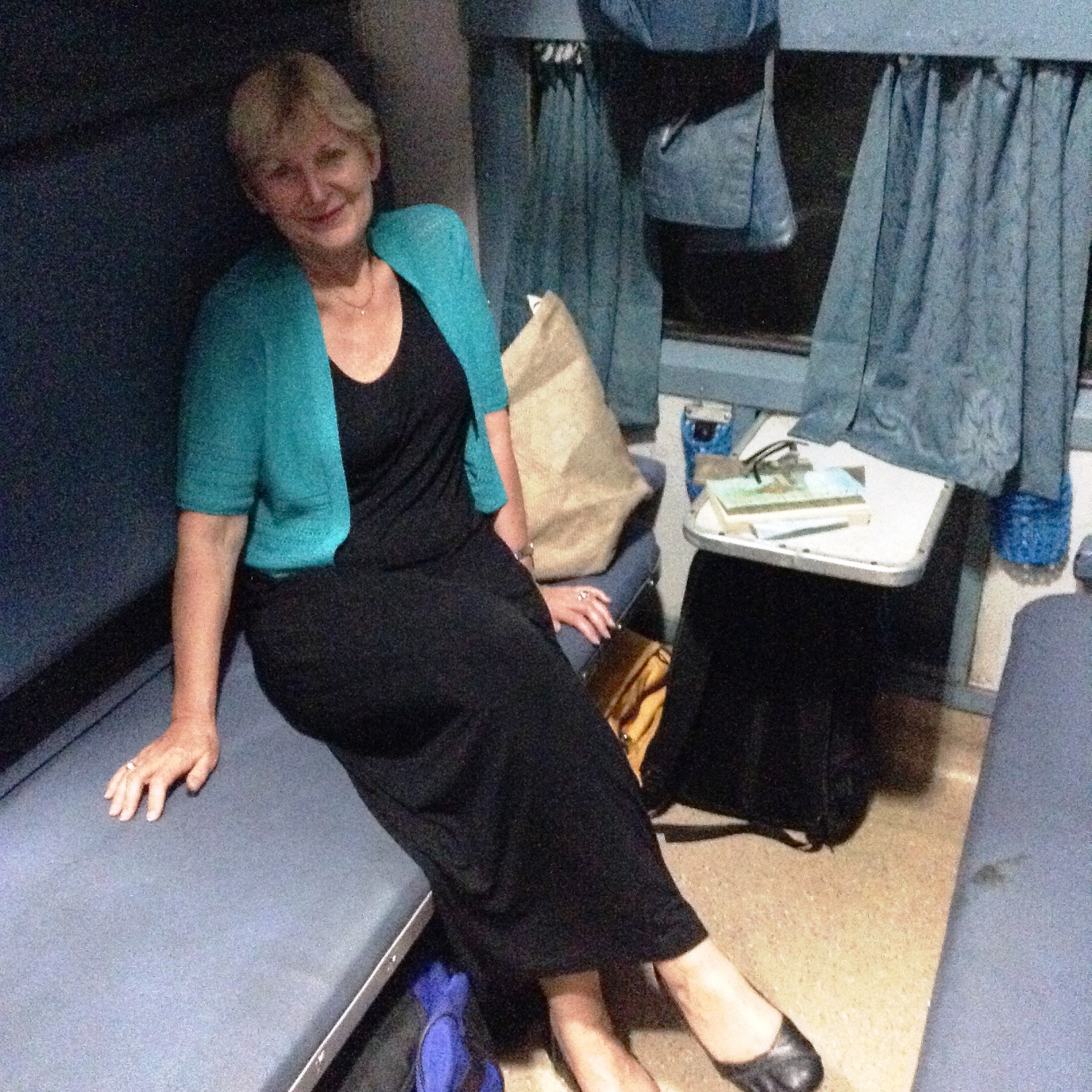
We boarded and settled for the night. John and I were in a compartment with a lot of Indian travellers. It was fine. We all slept and amazingly we were treated to new blankets. This morning we arrived in Hospet and got a taxi to Hampi. The guide book tells me that between the 14th and 16th centuries, Hampi was once the powerbase of one of the largest Hindu empires in Indian history. At its peak it was the size of Rome. Today it is in ruins, but I haven’t seen them yet. John is asleep on a hammock. I am sitting in a wooden hut beneath an attap roof. Everything is basic like an African mud hut. We drove past the most idyllic rice fields, and huge piles of boulders, rivalling mountains. It is as though a giant had tipped his dumper truck full of rocks and driven away.
I am looking out at a harvested rice field, and beyond is a river, where the crocodiles come out at 11 a.m. apparently. It is now 11.35, and all is quiet. Only birds and crickets can be heard. I am in a hippy world of peace, pure paradise for the weary traveller. Later we shall explore but for now I shall have a banana and relax.

 Tales from the Gael