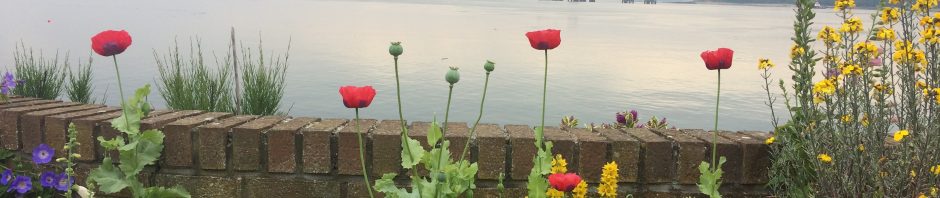
On a glorious Saturday last week Dilly and I drove through the Fife fields to Crail. I wore yellow and she wore blue, the sun shone and the East Neuk was like a gleaming jewel. We saw wide skies and a glittering sea, and poppies were profuse amongst the cornfields.
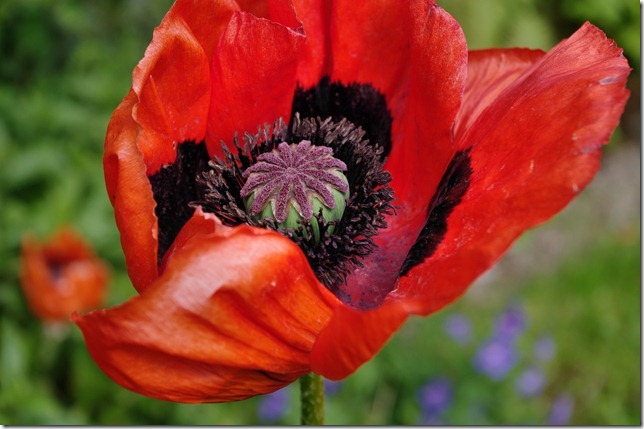
She had booked us in for the Littoral part of the Festival, a mini-festival of ideas, writing and art focussing on our profound relationship to the natural world and the ways in which great writers and artists encapsulate it. It felt a little like being back at college as we rushed from venue to venue for a reading or talk, and it was just nice to have a breather sitting in the sun with our sandwiches.
I loved the talk on The Living Mountain by Nan Shepherd.
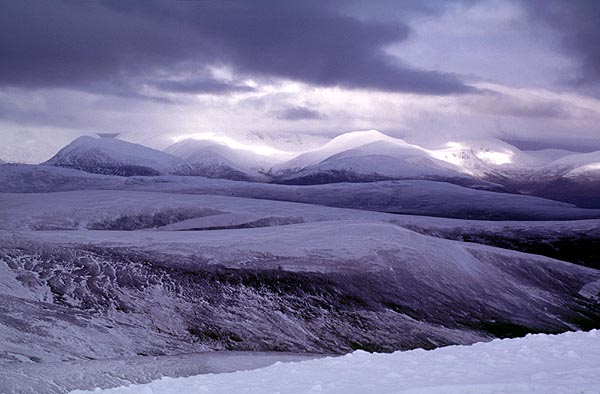
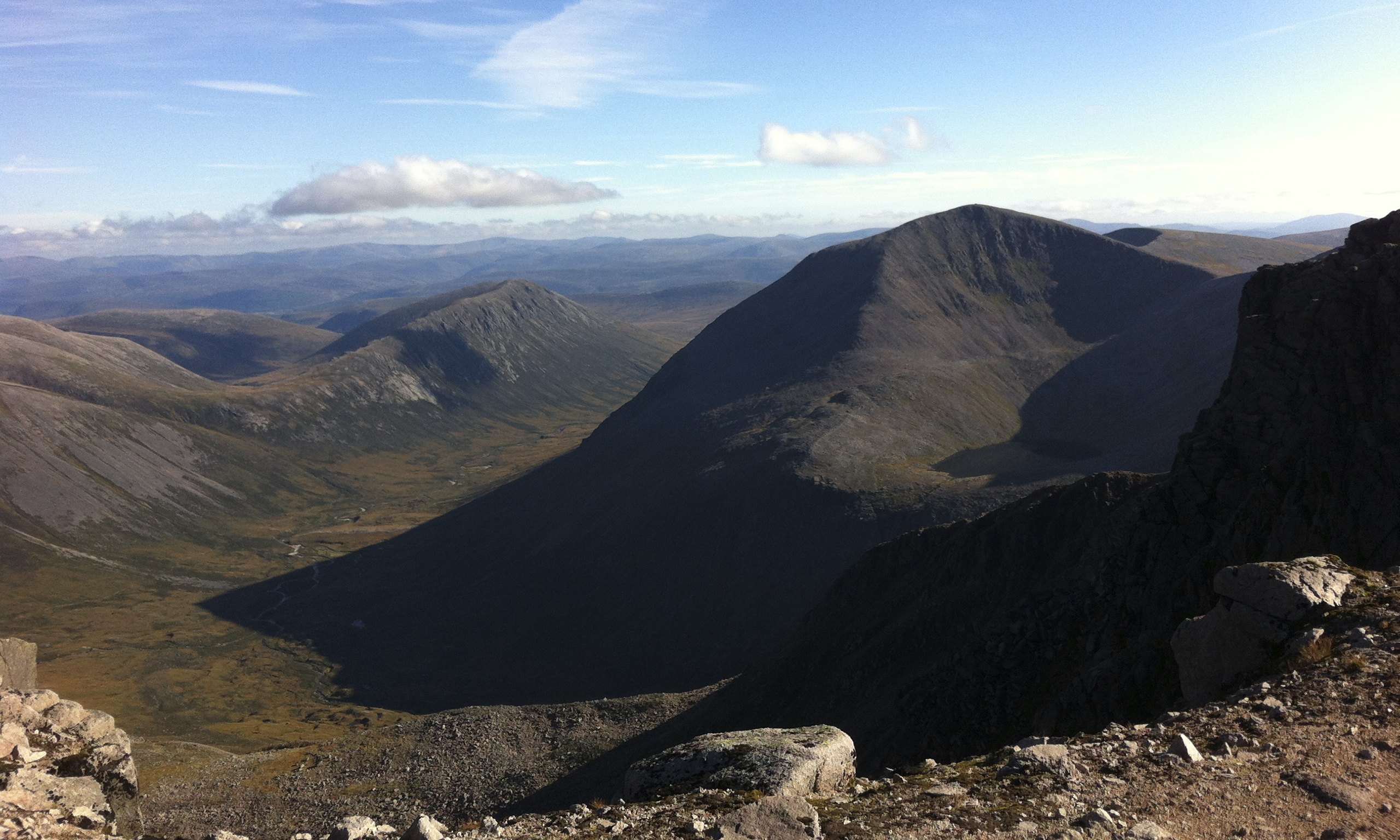
The lady wrote the book way back in the 1940s, was rejected by the publishers so the manuscript languished in her drawer for thirty years before it was snapped up in the 1970s. Now it seems we are not worthy of touching the literal hem of her dress. A friend who knew her from his birth, Erlend Clouston, talked with humour about the lady who loved to bathe naked in mountain streams, walk barefoot along the tracks of the Cairngorms and as she writes about the mountain, ‘… for as I penetrate more deeply into the mountain’s life, I penetrate also into my own. For an hour I am beyond desire. It is not ecstasy, that leap out of the self that makes man like a god. I am not out of myself, but in myself. I am. To know Being, this is the final grace accorded from the mountain.’
But for me, the trigger that twanged my heart strings was listening to Sir John Lister-Kaye.
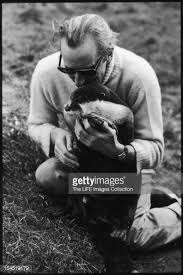
He too was promoting his latest book, about his home in the Highlands, Gods of the Morning. He has the kind of voice that is given to poetry or readings, you are transported, hang on every word, and for an hour I listened to tales of birds and wild things, and reminiscences of his time with Gavin Maxwell back in the 1960s. I came home, and persuaded John to return to Cambo the next day to hear Sir John talk about The Ring of Bright Water.

Like so many others I fell in love with this book and the idea that such places exist on this earth, and I later read the two follow up books, The Rocks Remain, and Raven Seek Thy Brother which told of the disasters that befell Maxwell and the death of his otters, Mij and Edal and the loss of house in a fire. I also read biographies by Sir John Lister-Kaye, The White Island and Richard Frere’s Maxwell’s Ghost which adds an extra understanding to Gavin Maxwell and his home, in Sandaig by the village of Glenelg, where I once lived.


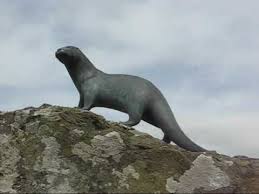
Last Sunday Sir John told us how the title of the book comes from the poem, The Marriage of Psyche by Kathleen Raine. Kathleen was besotted with Gavin, but their relationship never developed beyond friendship. Kathleen despaired of Gavin’s homosexuality and is said to have laid her hands on the rowan tree beside the house and cursed him: “Let Gavin suffer in this place as I am suffering now.” Not long after Gavin and his otters were to suffer a number of accidents. Firstly, Mij was killed while Gavin was away and Kathleen was looking after him, and the other otter, Edal bit the end off two fingers from Gavin’s assistant, Terry Nutkins. Gavin himself was injured in a car accident, and then the house was destroyed by a fire in which Edal, the otter, died. Kathleen blamed herself and her curse for the lung cancer which killed Gavin in 1969 in his mid-fifties.
Val Doonigan died this week; he who is so famed for his ballads, gentle charm and his jumpers. He is also famous for singing the title song of the film, Ring of Bright Water, but the lyrics are quite different.

Here is the original and I am blessed to have heard Sir John Lister-Kaye recite the words so movingly. I had tears in my eyes.
The Marriage of Psyche by Kathleen Raine
He has married me with a ring, a ring of bright water
Whose ripples travel from the heart of the sea,
He has married me with a ring of light, the glitter
Broadcast on the swift river.
He has married me with the sun’s circle
Too dazzling to see, traced in summer sky.
He has crowned me with the wreath of white cloud
That gathers on the snowy summit of the mountain,
Ringed me round with the world-circling wind,
Bound me to the whirlwind’s centre.
He has married me with the orbit of the moon
And with the boundless circle of the stars
With the orbits that measure years, moths, days, and nights,
Set the tides flowing,
Command the winds to travel or be at rest.
At the ring’s centre
Spirit or angel troubling the still pool,
Causality not in nature,
Finger’s touch that summons at a point, a moment
Stars and planets, life and light
Or gathers cloud about an apex of cold,
Transcendent touch of love summons my world to being.

Winding our way back through the small, picturesque fishing villages that huddle on the shores of the east coast of Fife, we thought of those books and stories written by men and women who have lived in wild places, captured the very essence with joy, humour and compassion. We can only follow in their footsteps, and remember, with humility that all the seemingly important tragedies and outrages that befall the magnificence of the ancient mountains like the Cairngorms, be it a ski lift, a plane crash, planting of forests or reintroducing a species – when all is gone, the rocks alone will remain.
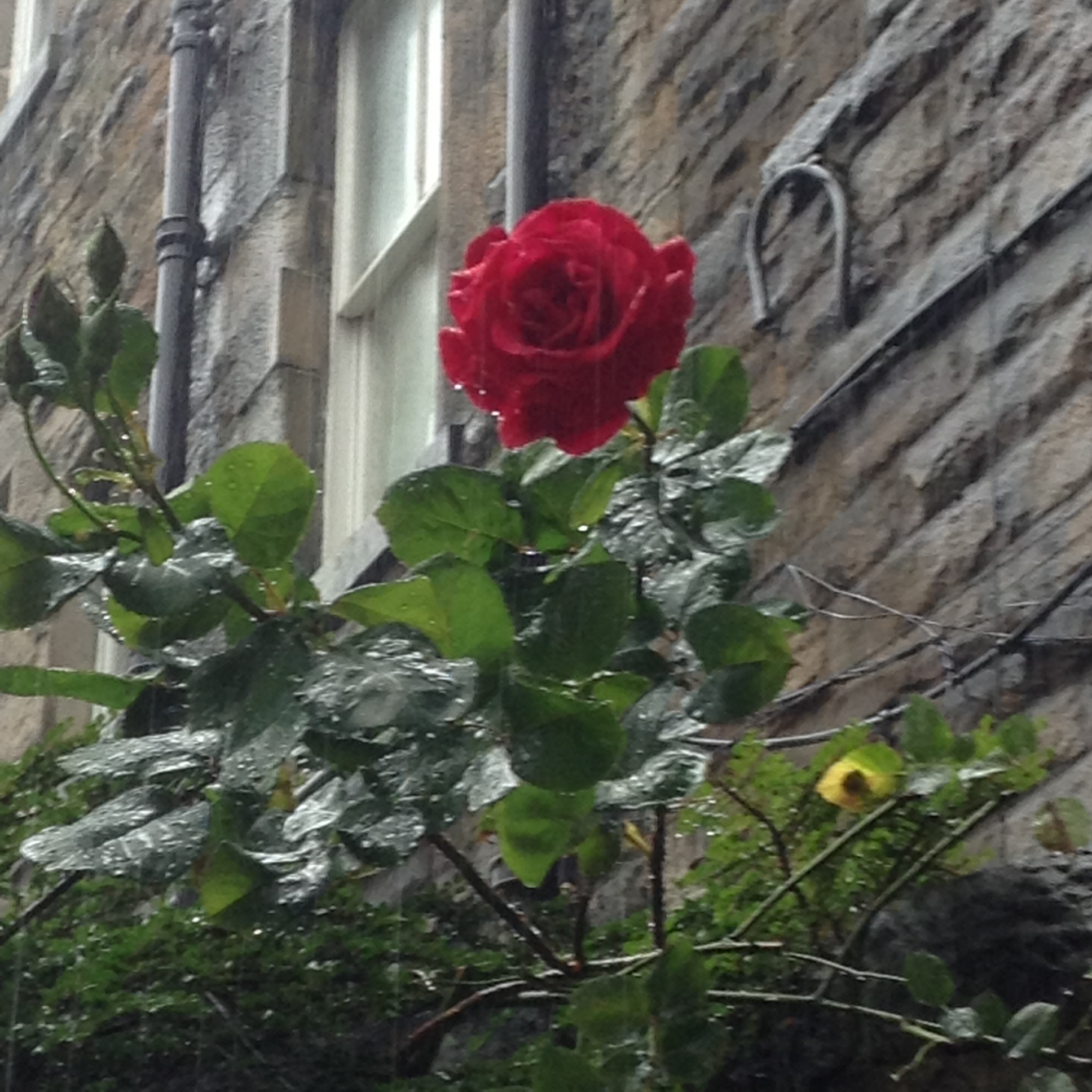
And here in Edinburgh is a rose, dripping in the morning rain with the old walls of the city behind.

 Tales from the Gael