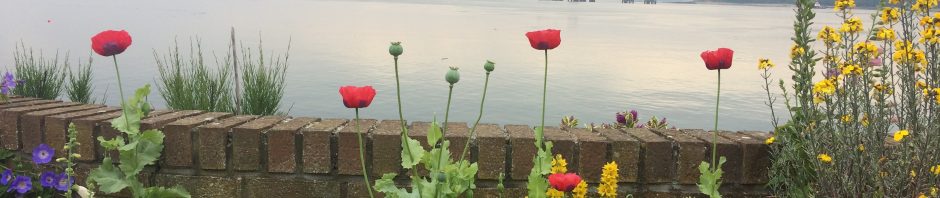
The night train to Allahabad in Uttar Pradesh was good. I really do like the rock and roll of the movement, and so I stretched out on my top bunk, the miles sped past and we arrived at dawn to a new city. The porter wallahs did their trick with our luggage at ridiculously low prices, and deposited our now shabby, dusty, torn cases at the side of the road ready for the bus.
I was saddened at the sight of a beggar man with two enormous, misshapen feet, the result of elephantitis.
Masala omelettes, black coffee and lots of plain white toast and bright red jam set us up for the bus trip to the sacred Ganges. By now we were used to the terrifying lack of traffic rules, and the constant near misses, but when we saw a white truck come tearing down the dual carriageway towards us on the wrong side of the road and having the audacity to peep at US…, that had to take the biscuit!
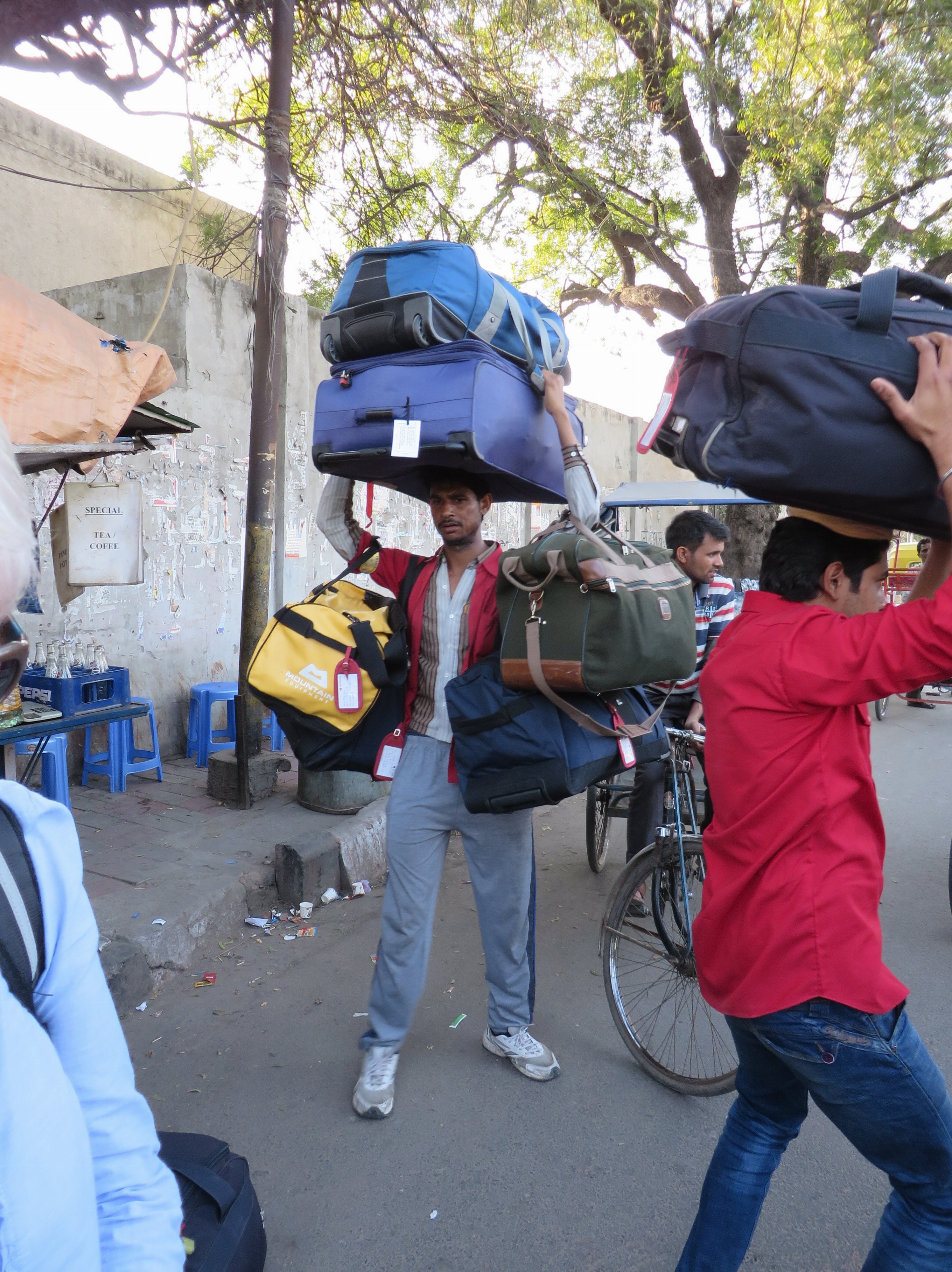
We were loaded on to small traditional crafts, (4 of us to a boat), given bright orange garlands, and we lay back on cushions as two stringy youths with hard muscles rowed us down the river for six hours.
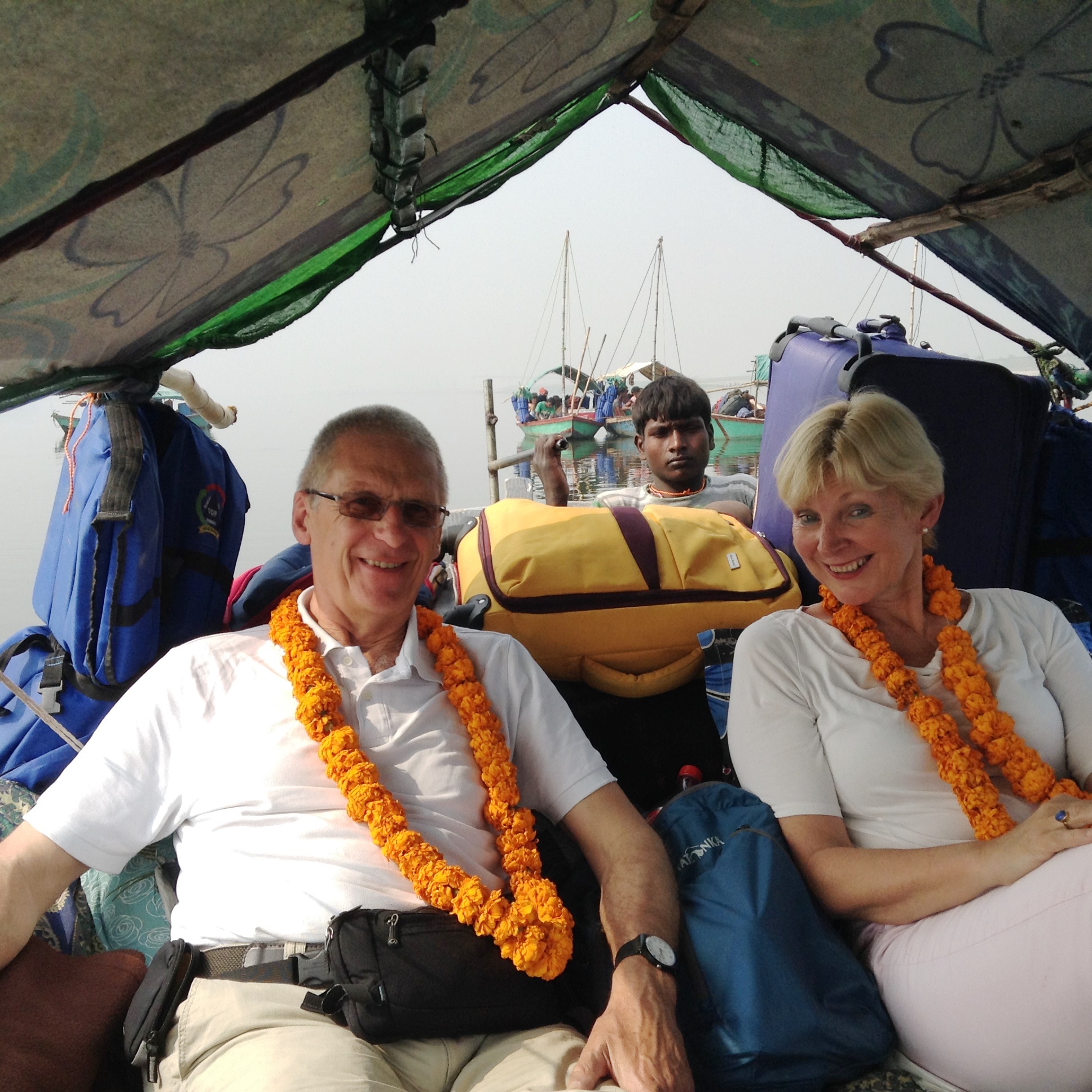
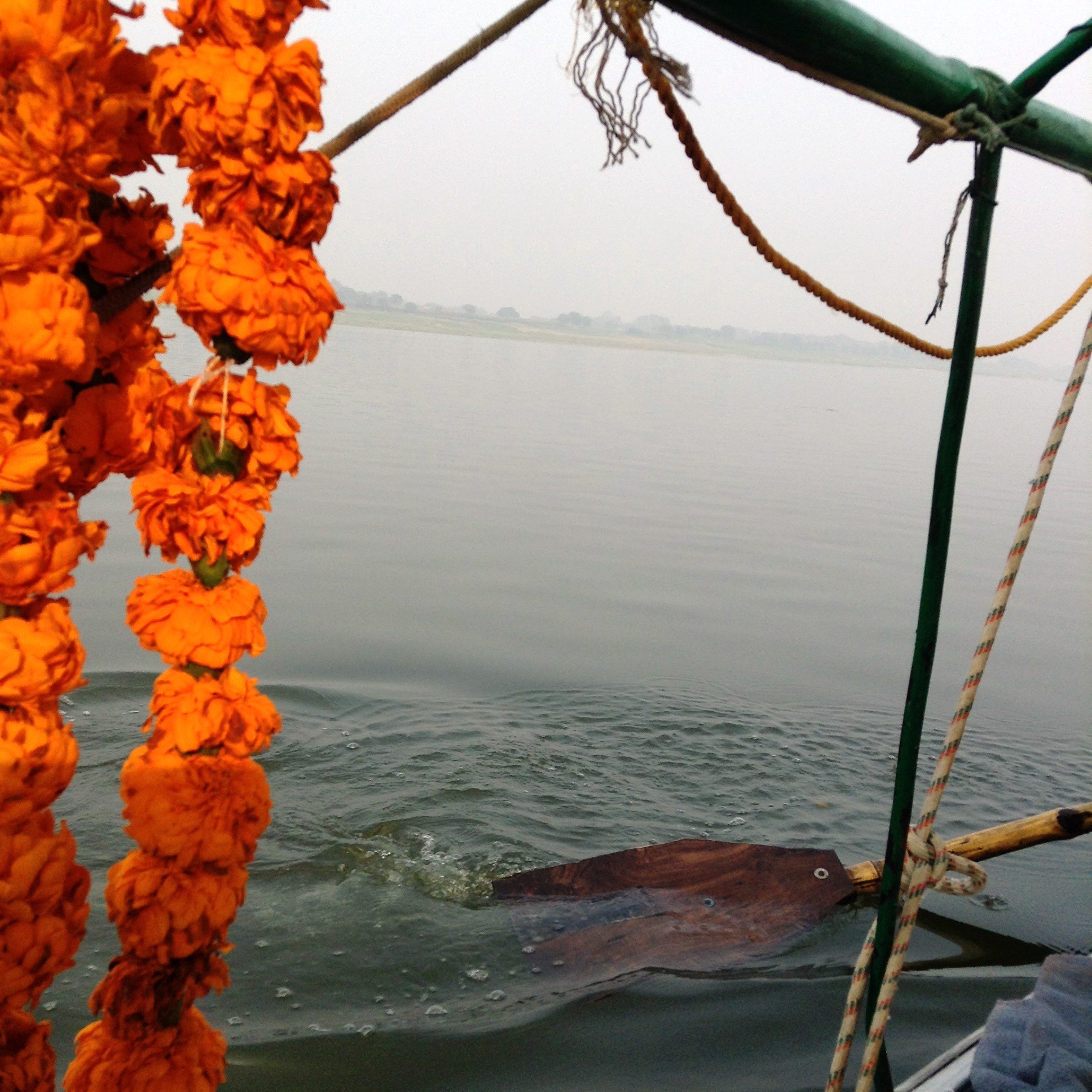
It was bliss. Not a horn or hooter to be heard, only the soaring black kites and egrets and ducks for company.
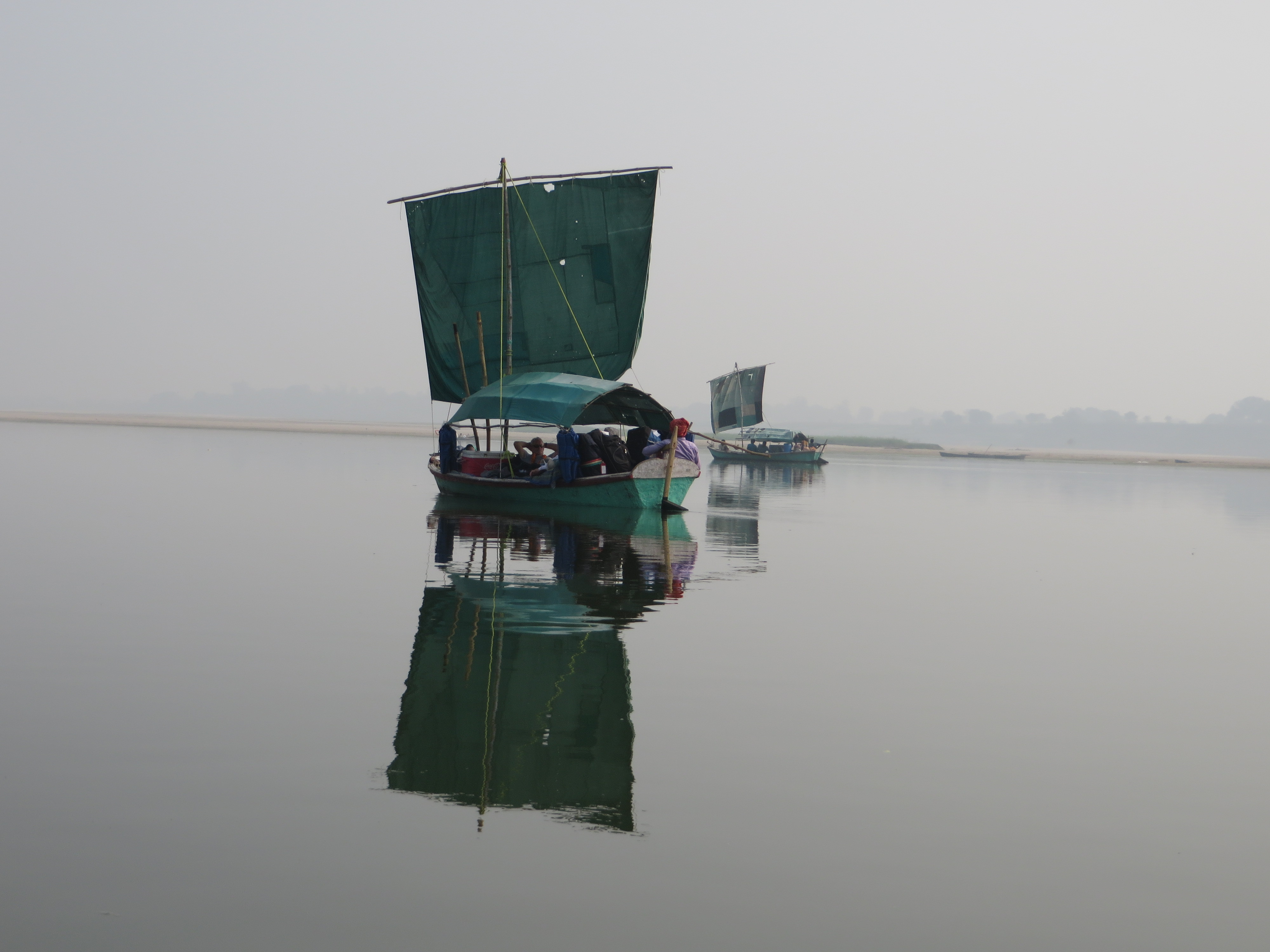
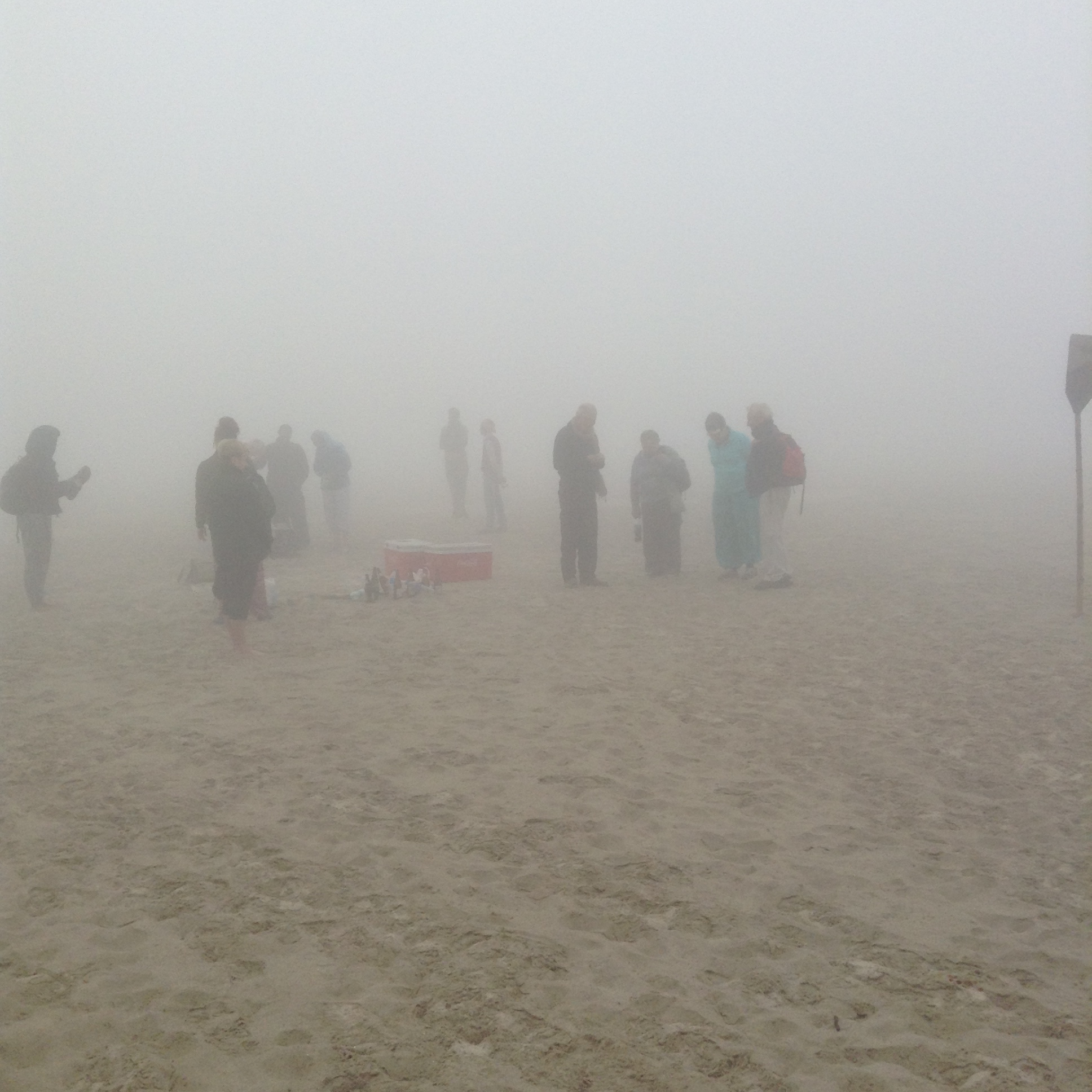
As night fell, so did the fog and we all got lost and couldn’t find the sand bank that we were supposed to be camping on. Mosquitos arrived in their millions, and we did have a mild moment of panic.
When eventually we were unloaded, the camping wallahs had the tents up, the cooking stoves in action and the beer served. It was amazing. John and I felt like aliens in our mosquito net headdresses, but I am so grateful we had them. It was disconcerting struggling out of the tent at 3 a.m. to go to the loo and then try to find your way back to our own tent… they all looked the same.
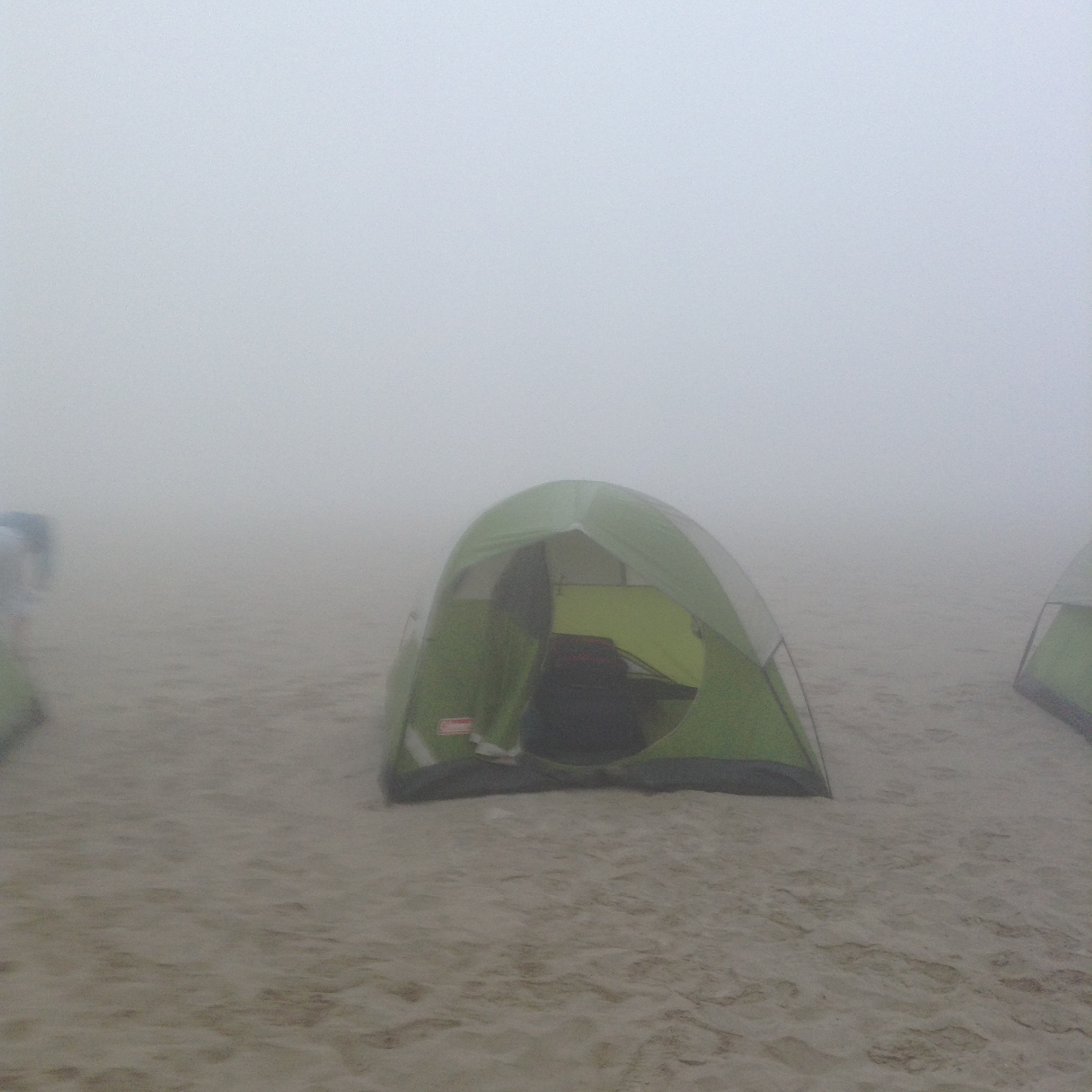
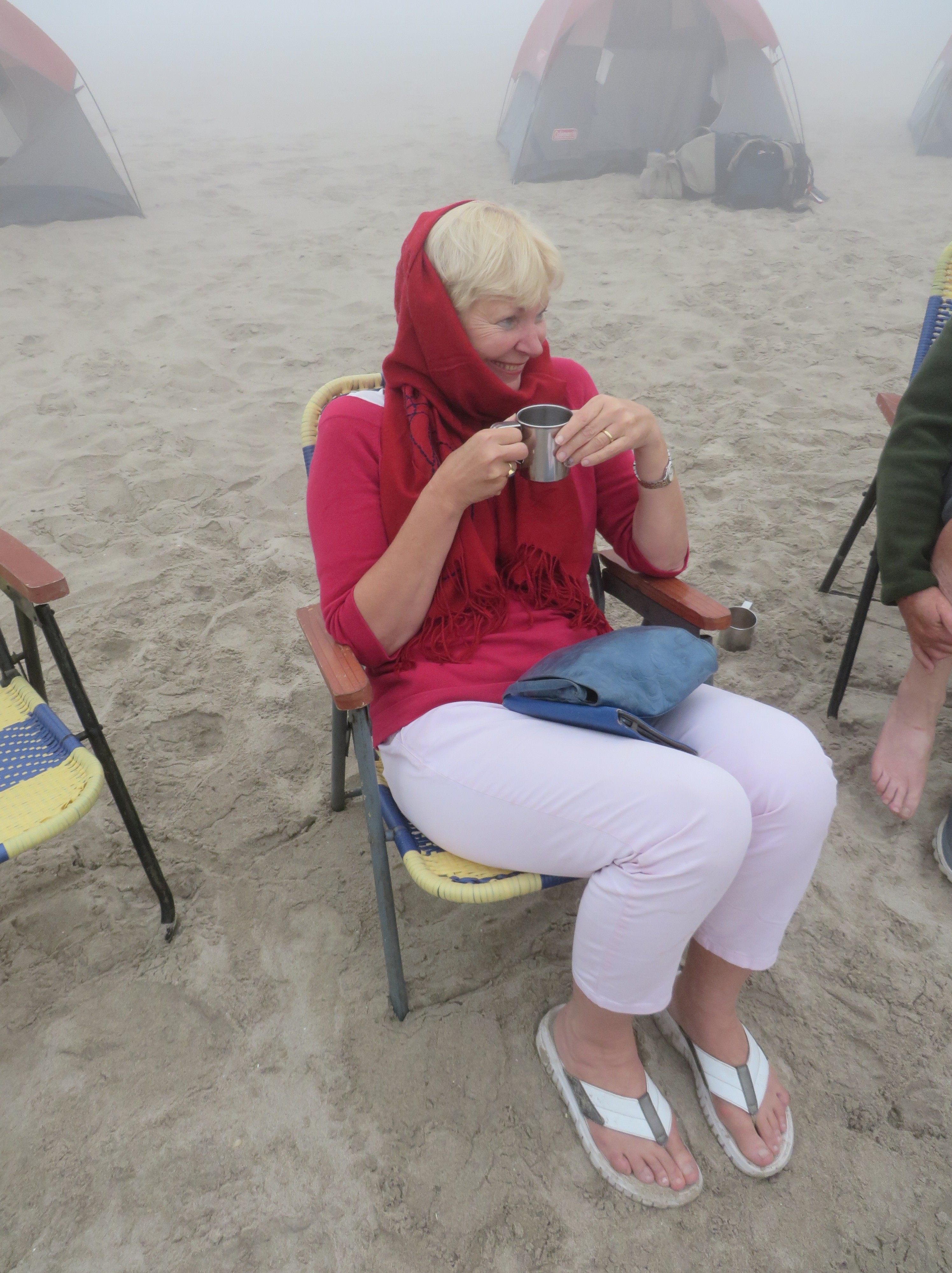
Morning came, and the fog took a while to lift, but finally the sun shone and we were well on our way down the river.
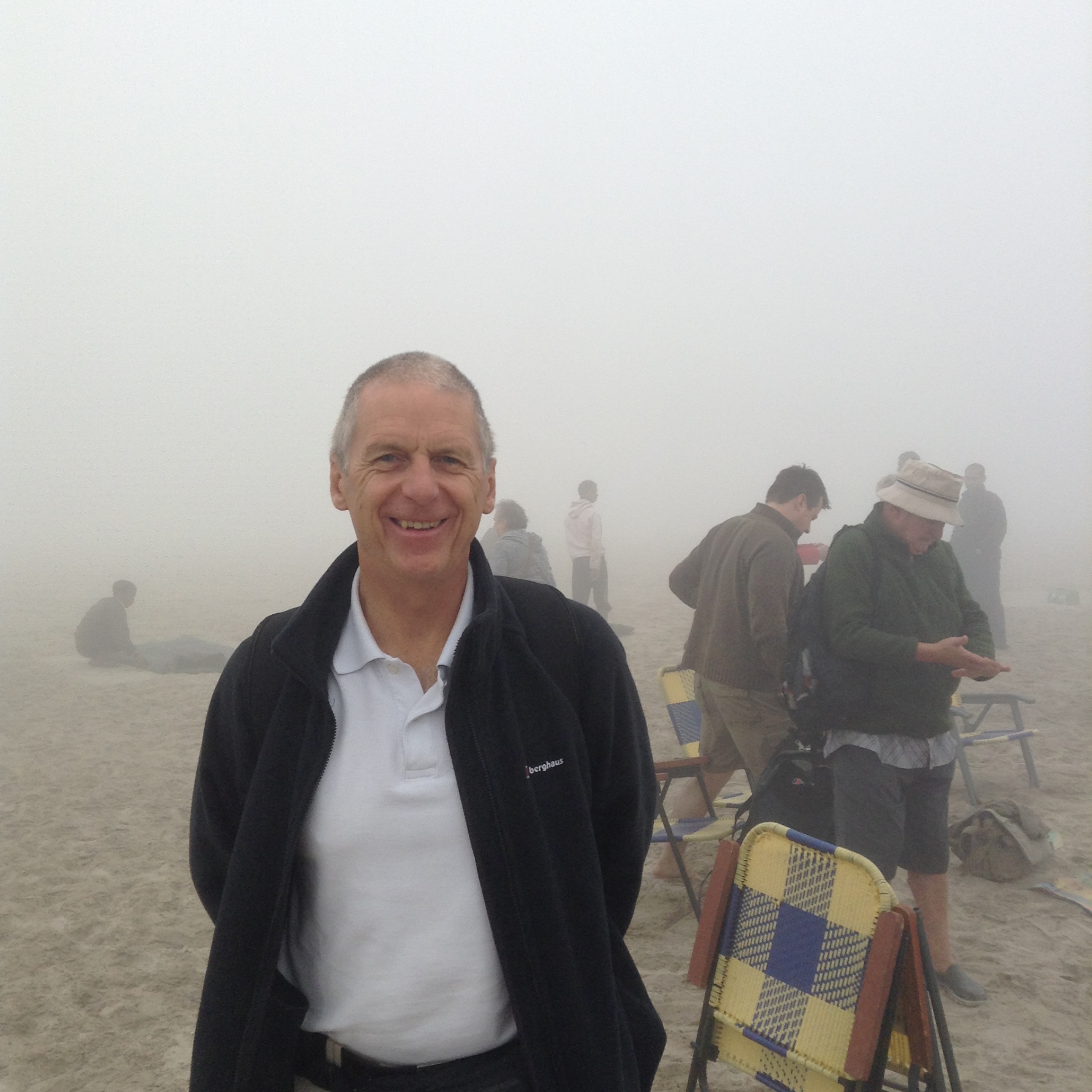
We stopped at a riverside village and visited a school. It so reminded me of my time in Tien Yen in Vietnam.
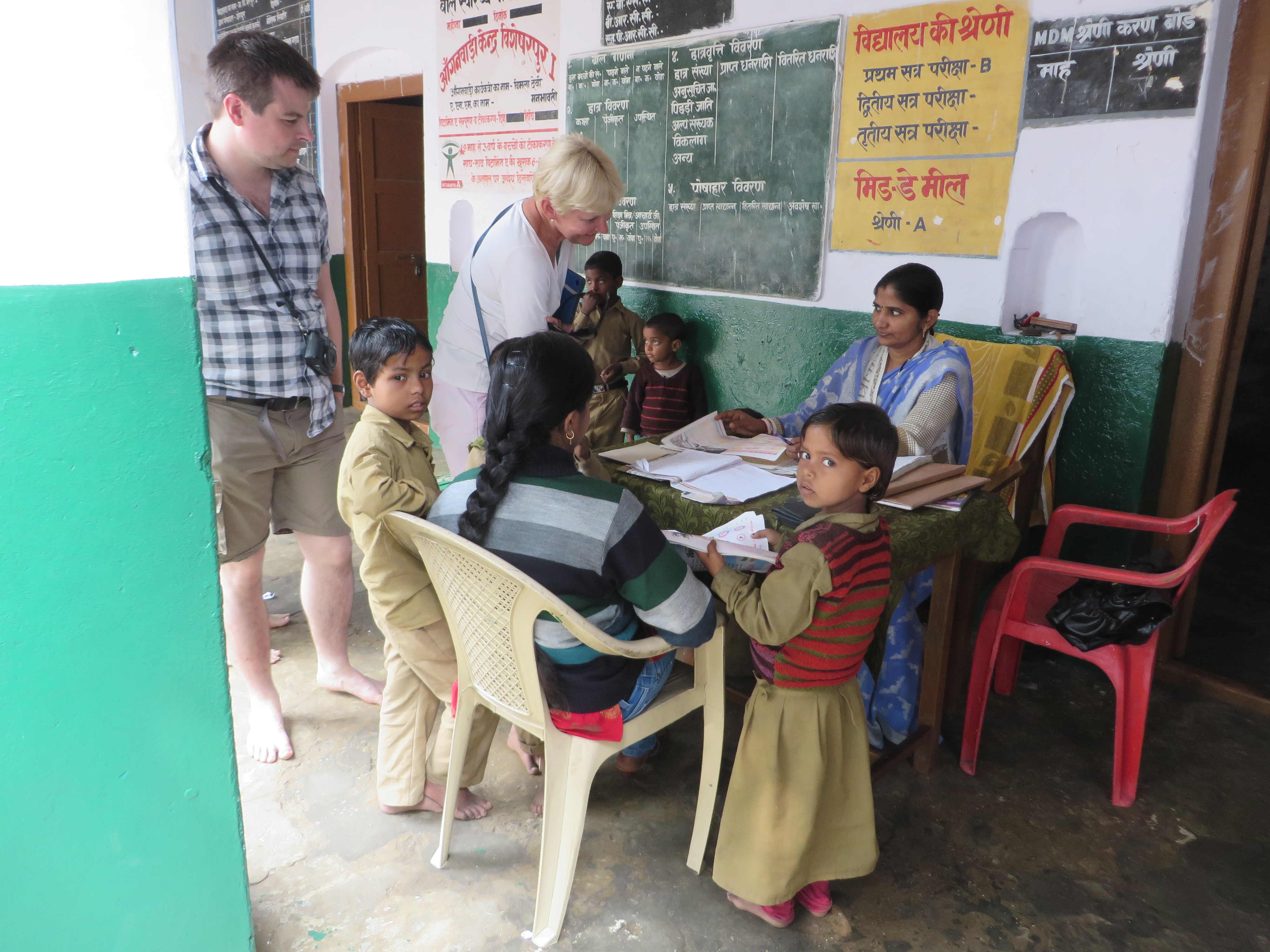
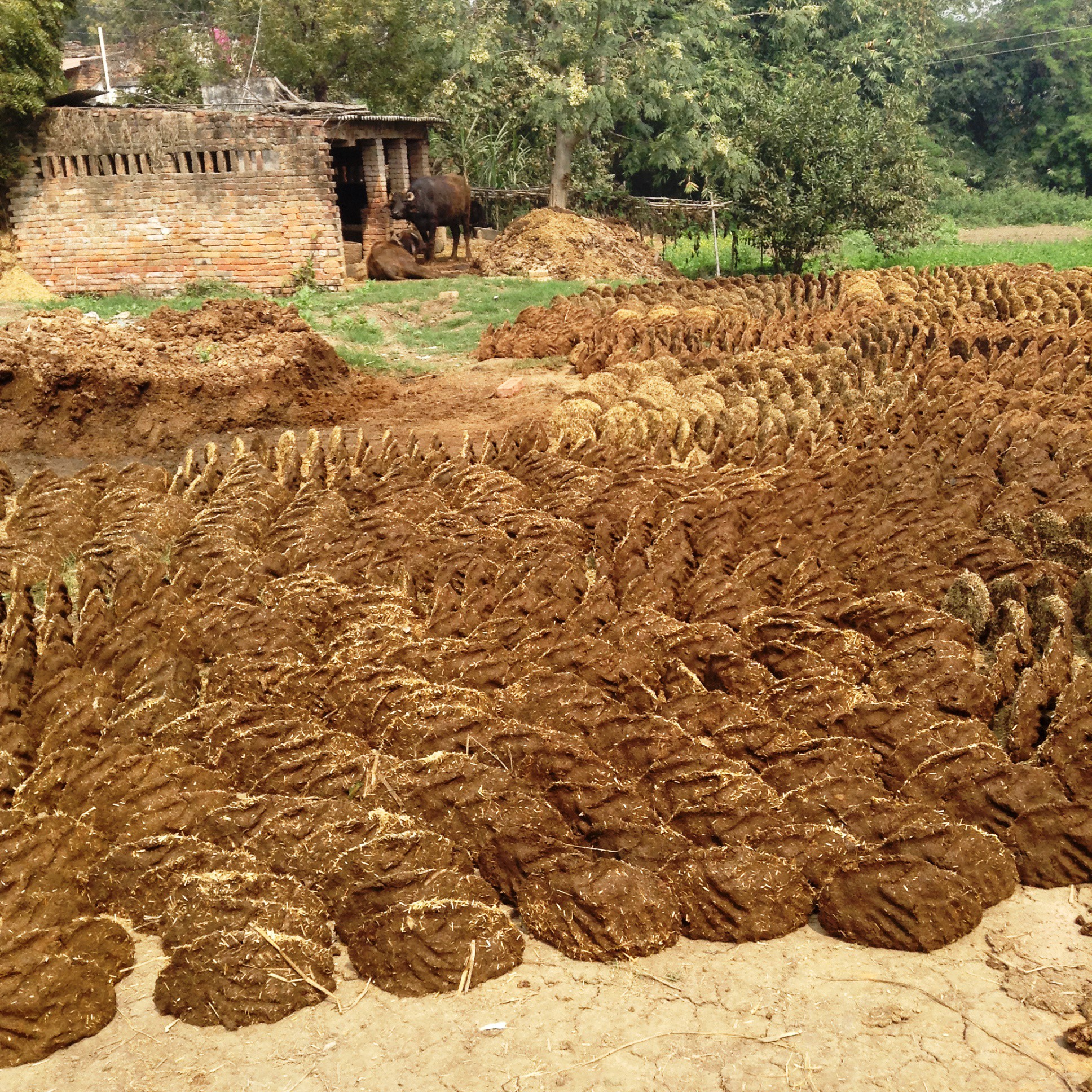
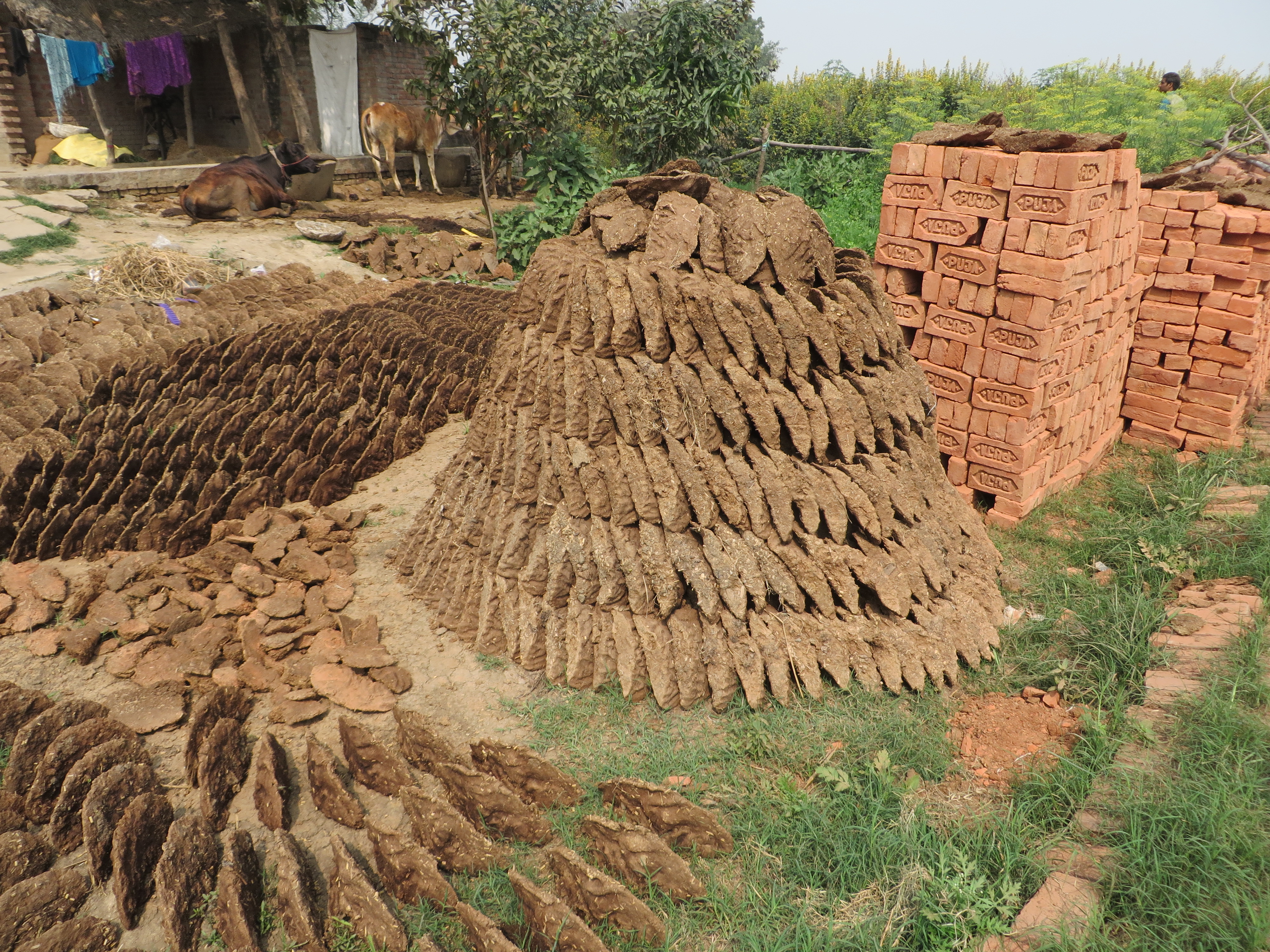
The children were so poor, and they had so little. They also only had about 3-4 years education. We wandered about admiring the cows, and the cow patties that the ladies create so artistically, mixing the poo with straw. On the edge of the road are stacks of cow patties modelled into little storehouses for hay. The dried chalets of poo are beautifully carved with patterns of swirling loops and flowers. Other poo patties are used as a plaster material for house walls. God Bless the Holy Cow.

We carried on sailing past through the rural landscape and came at last to the holy city of Varanasi or, as it was once known, Benaras. It is the earthly home of the god Shiva, and it is a main pilgrimage site for all things to do with death. Here more than 250 public cremations are performed daily. Many people come to hospices to die, and many just have their ashes brought to be transferred into the river. George Harrison did this. At first I thought he was cremated here, but he was done in Los Angeles.
Varanasi is also one of the oldest cities on earth, and going through the narrow streets you can truly believe it.

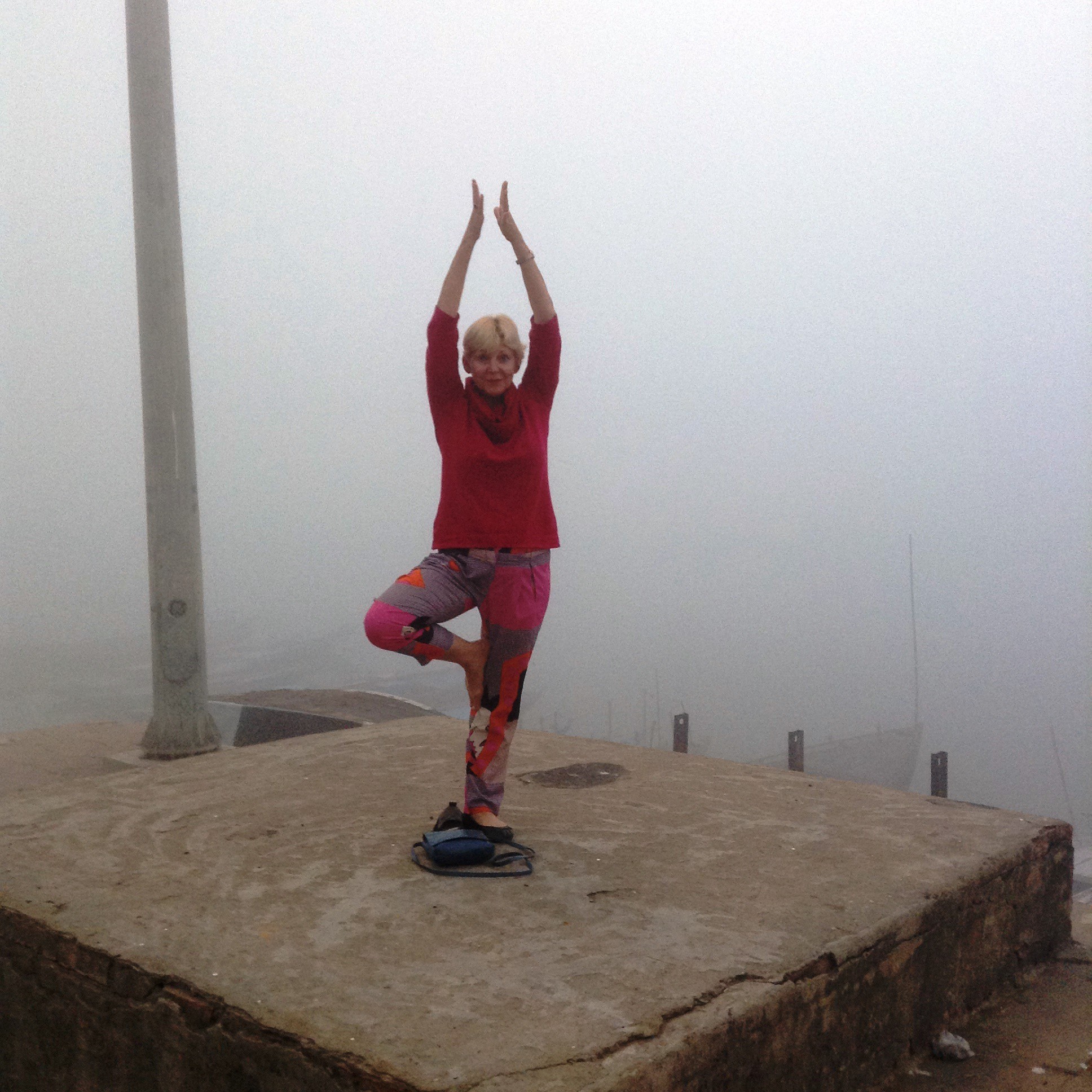
We went down to the ghats in the morning but the fog was thick so I took the opportunity to do some yoga on a holy plinth,
and then we made our way through some dubious passageways for a cup of black coffee.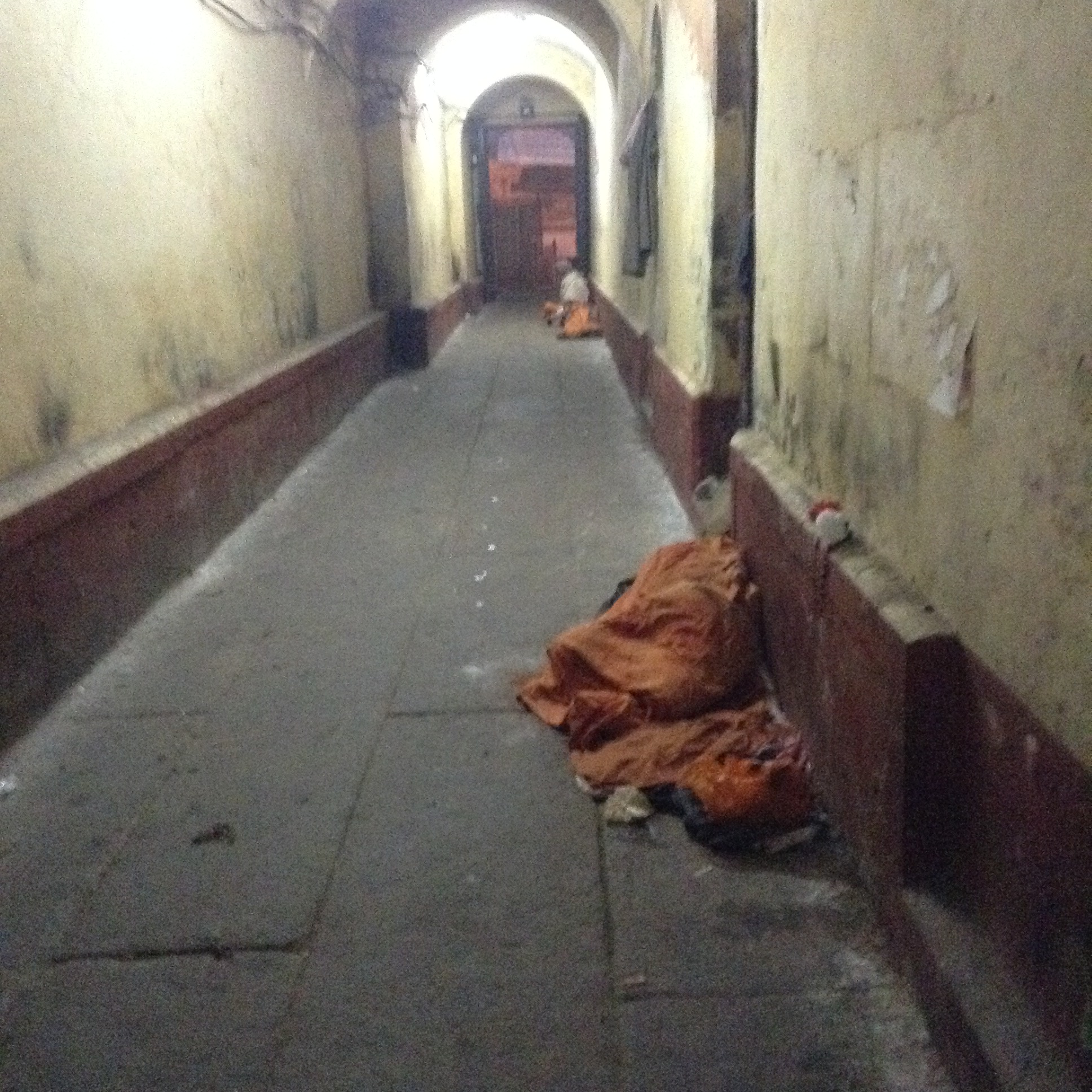
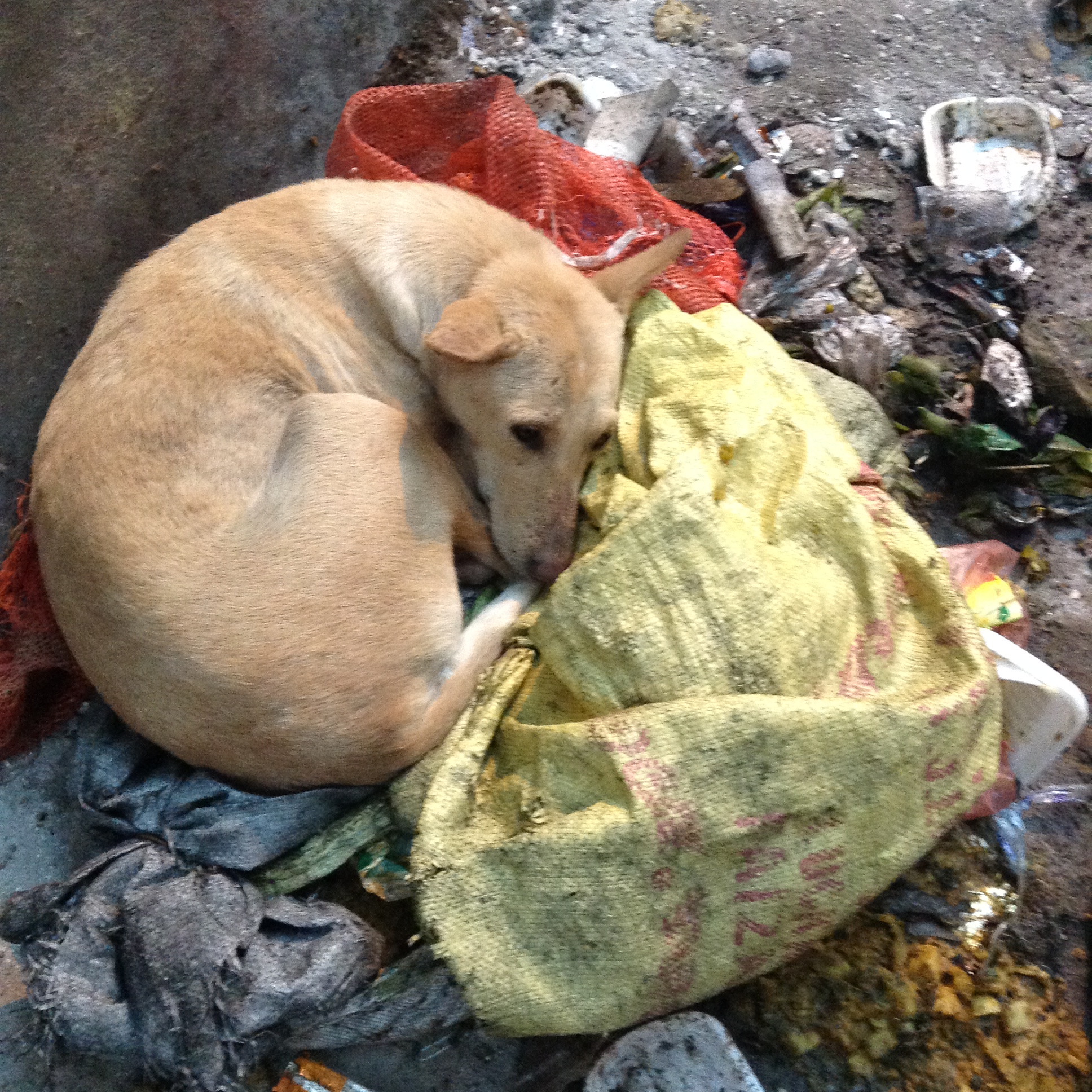
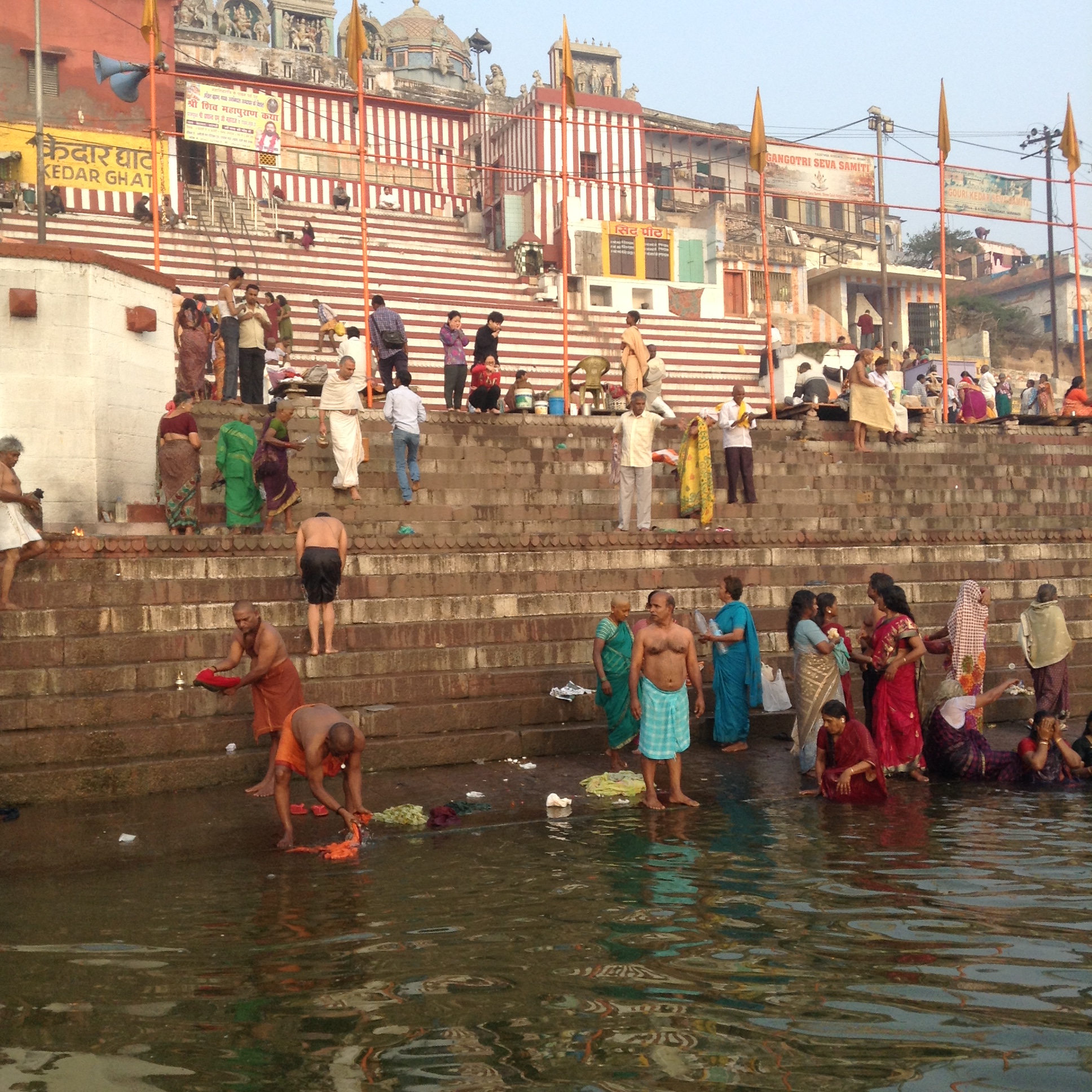
When we returned the fog hadlifted and we saw the sun rise

and people come and perform the puja ceremony, where they wash and commune with the river.
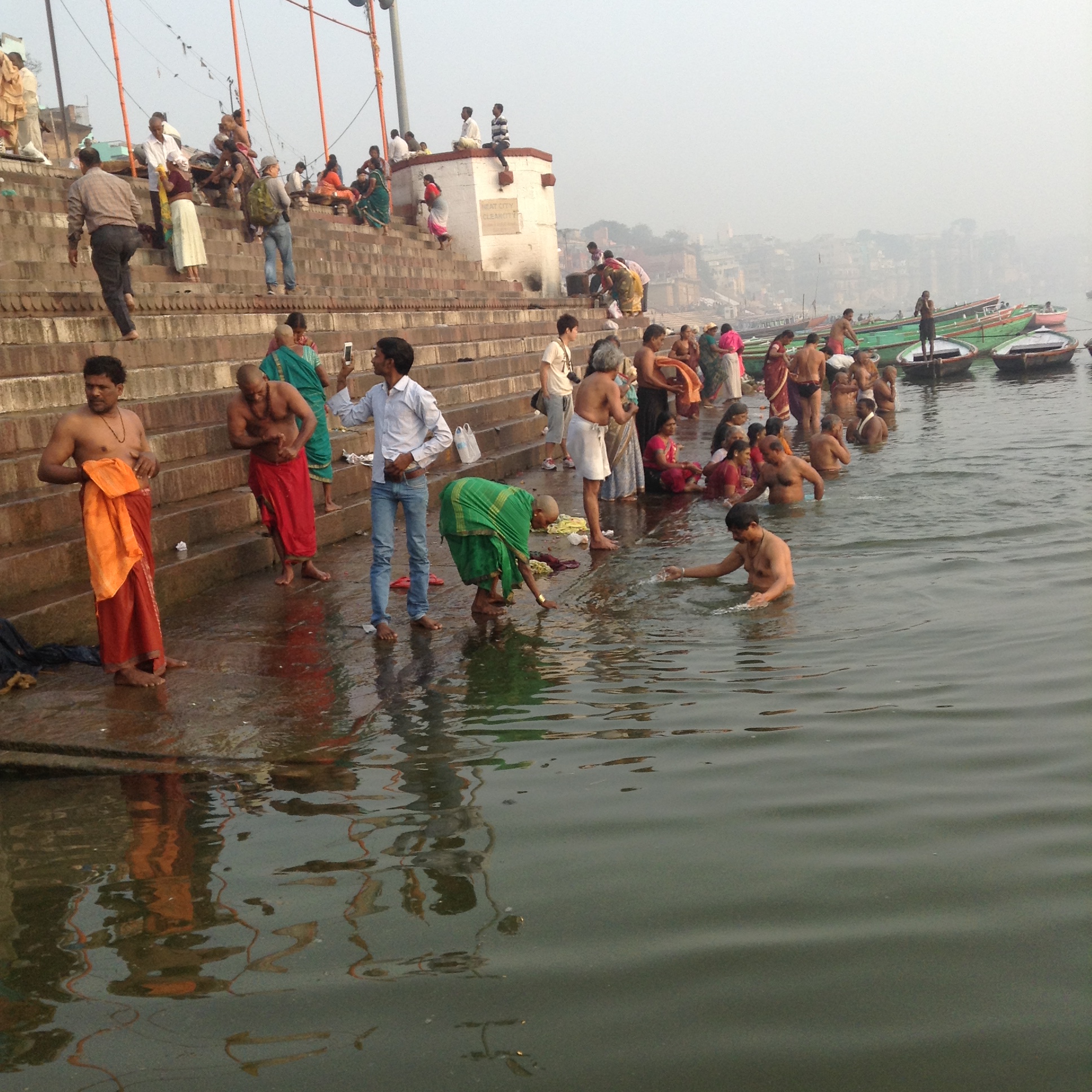
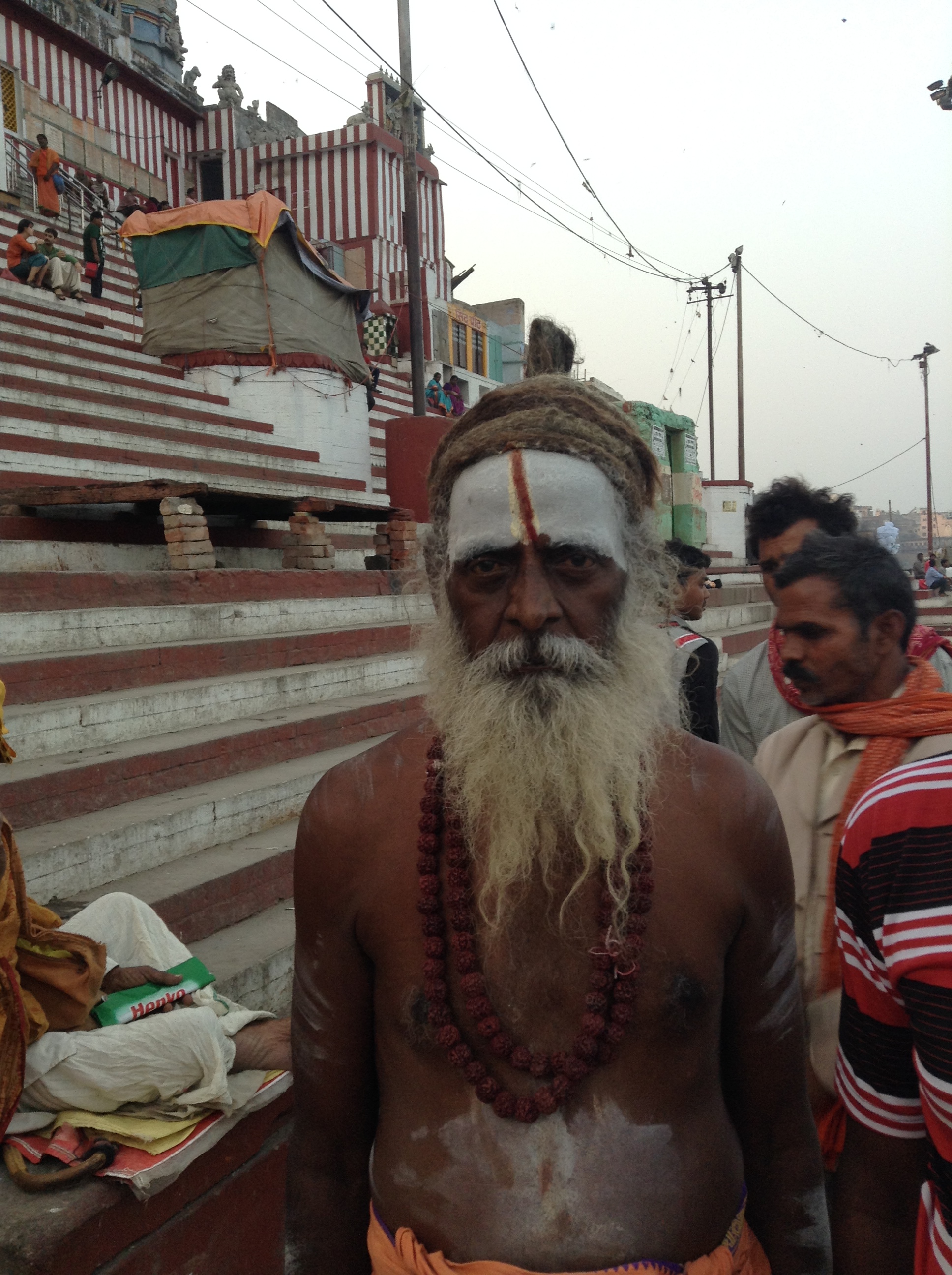
Holy men covered in ash (some human) and totally naked were walking about, also some with dreadlocks; orange robes looked at me with eyes as cold and dead as a reptile. It was a little disquieting.
Later that afternoon, we took a boat to watch the priests perform the evening ceremony of putting the Ganges to bed.
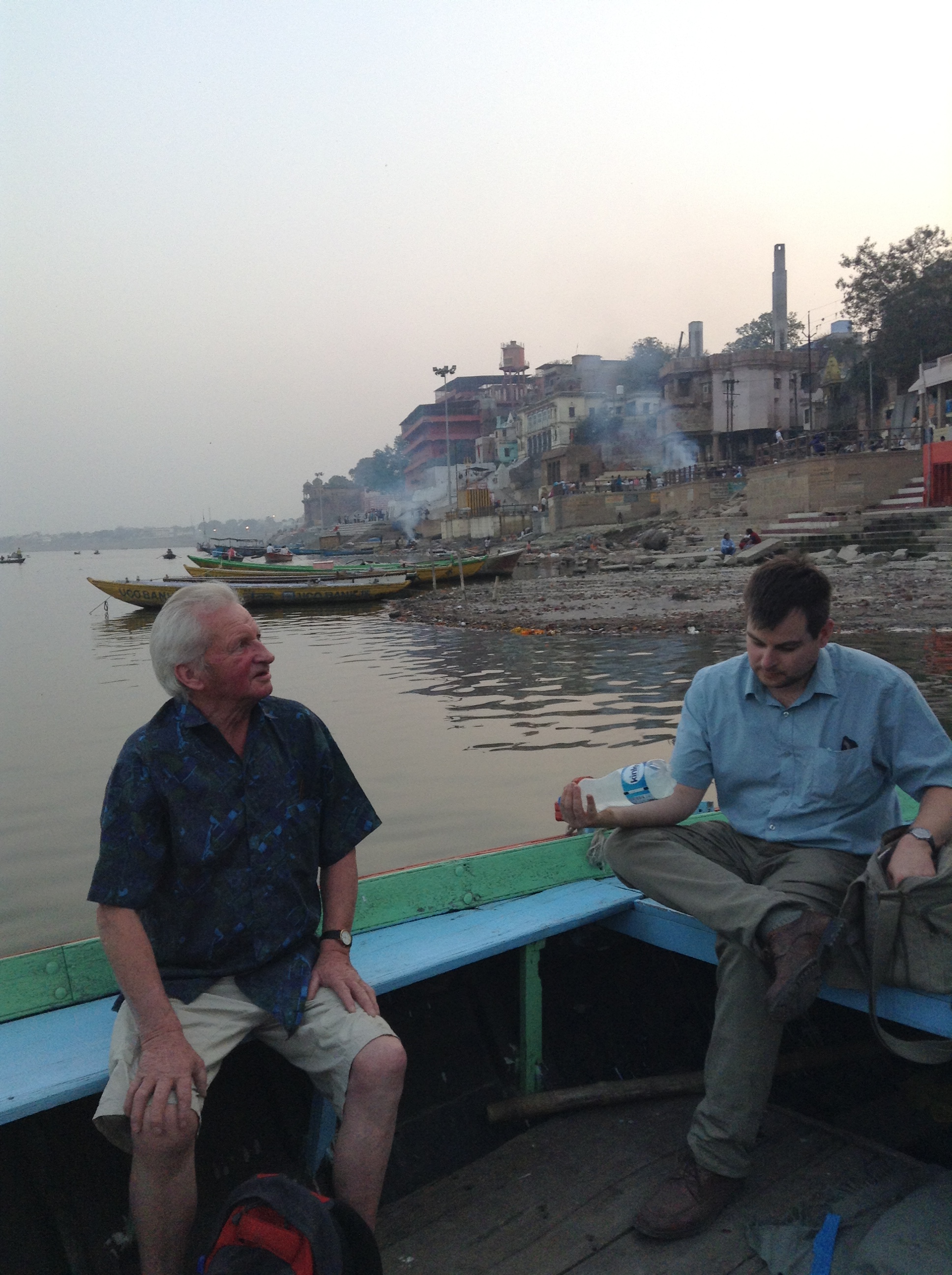


It was bright, musical and noisy and is performed 365 days of the year. Along from the ghat where the gongs and banging and the chanting is going on, the funeral pyres burn incessantly. We sailed along to have a closer look and we saw several bodies laid up waiting to be cremated.
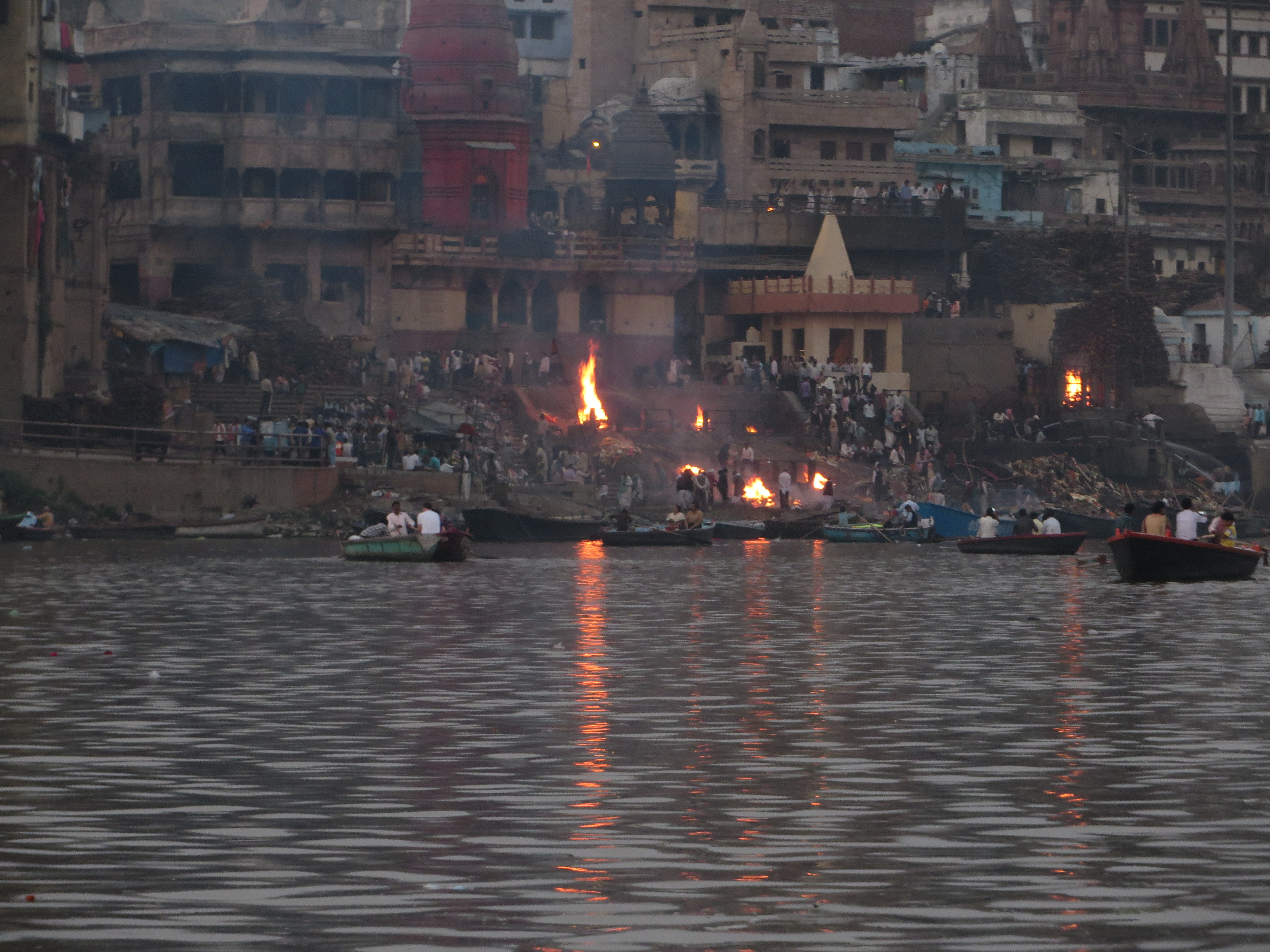
First they are dunked in the river to absolve all sin, then they are covered in ghee to make them burn, then finally they are put in the pile of wood (about 800kg of wood is used per cremation),
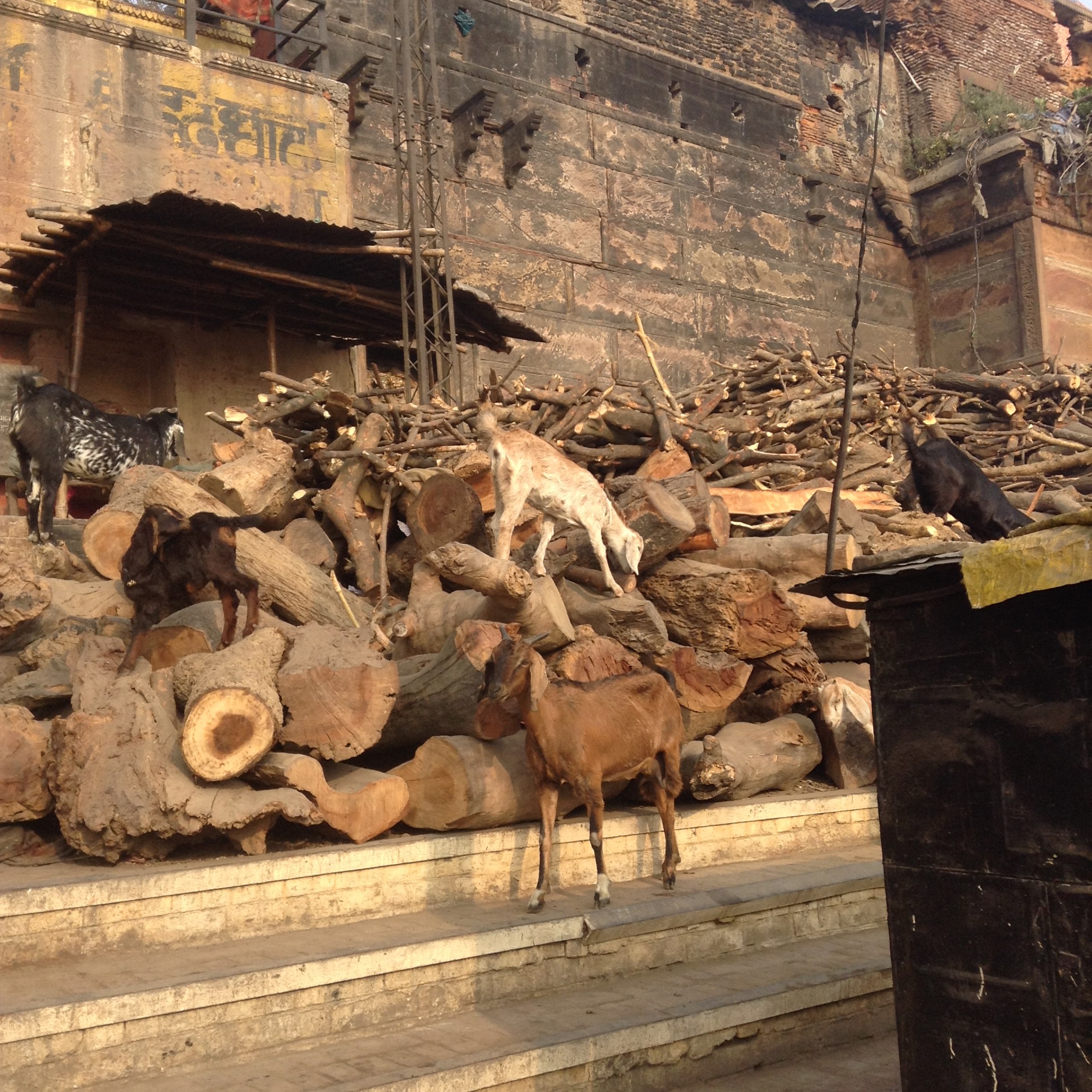
and then they are burnt. It takes about three hours. The eldest son must strike and break the skull to release the soul. Later the relatives deposit the ashes in the river. The place is quite a test for the Westerner, all expectations and priorities are challenged; nowhere else is India so radically different from what we are used to. For those visitors who have plenty, and where death is disguised and religion optional, Vanarasi may be too powerful. It is not for the faint hearted. Getting nudged out of the way by a sacred cow, or clothes being tugged by beggar children, may be just tolerable, but seeing a corpse crackle as it is devoured by flames can be too much reality to take. The impact of the place was overwhelming. Whether you love or loathe the city, you cannot remain indifferent.
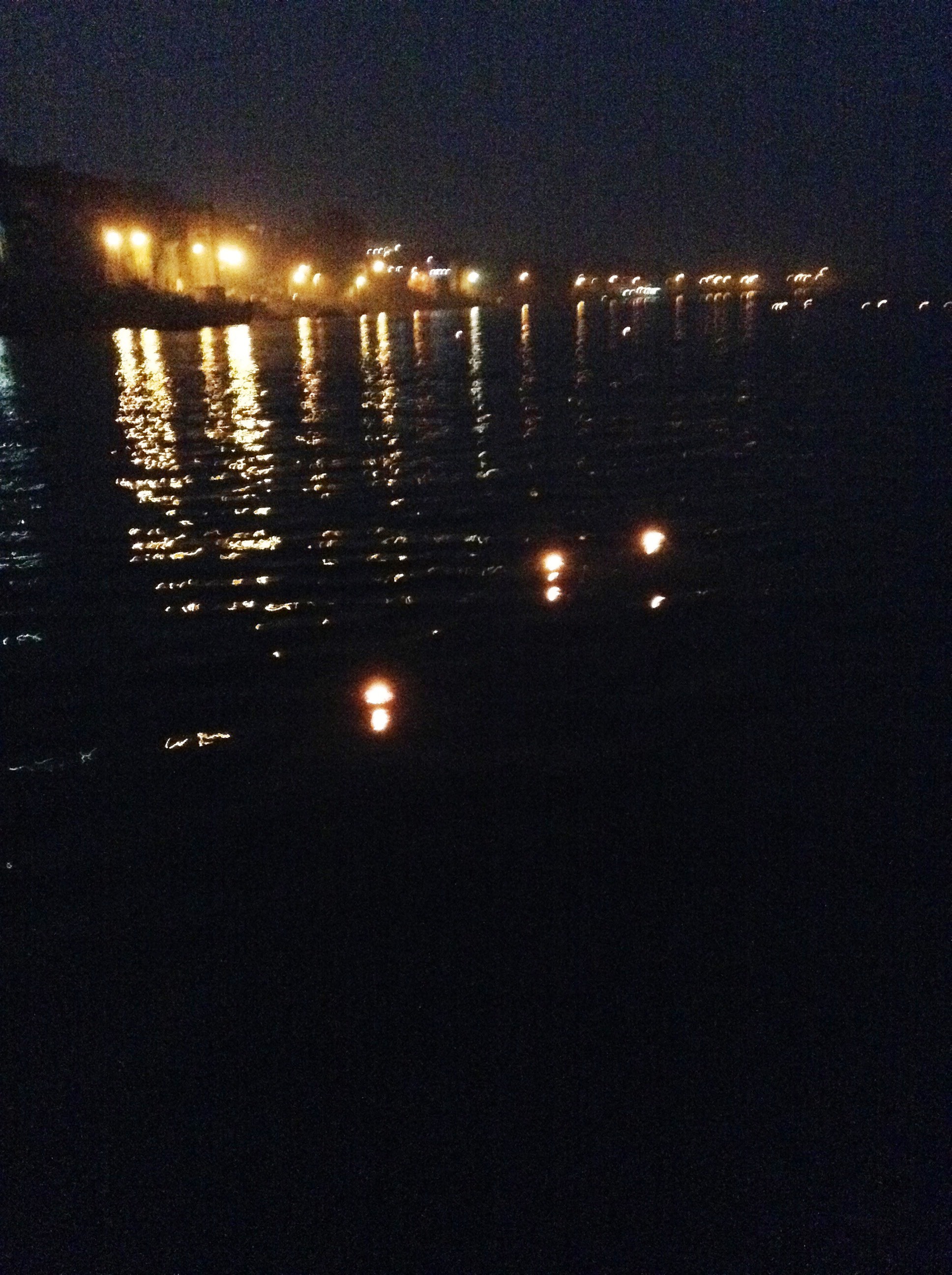
Here are our little candles full of hope and human wishes sailing off down the sacred river.
The following day we went to Sarnath, where the Buddha preached his first sermon following his enlightenment. To be honest we were all a bid subdued. The onslaught to our senses the night before needed time to recover. We were all quiet and needed some light relief.
Fortunately this came from Gerald, an elderly sheep farmer from the Yorkshire Dales, who had gone out for a pint on his own. Wandering back to the hotel he was beguiled into a shop and came out clad in a purple salwa kameez and a baby pink silk scarf. His wife said nothing, but we all laughed and laughed. I think Gerald might have rather liked his new clothes! He retired rather sheepishly and packed his new booty away.
We took the overnight train to Calcutta in West Bengal. As we waited on the platform we saw a body being transported along the platform on a cycle rickshaw, just wrapped up in a white cloth with feet protruding.
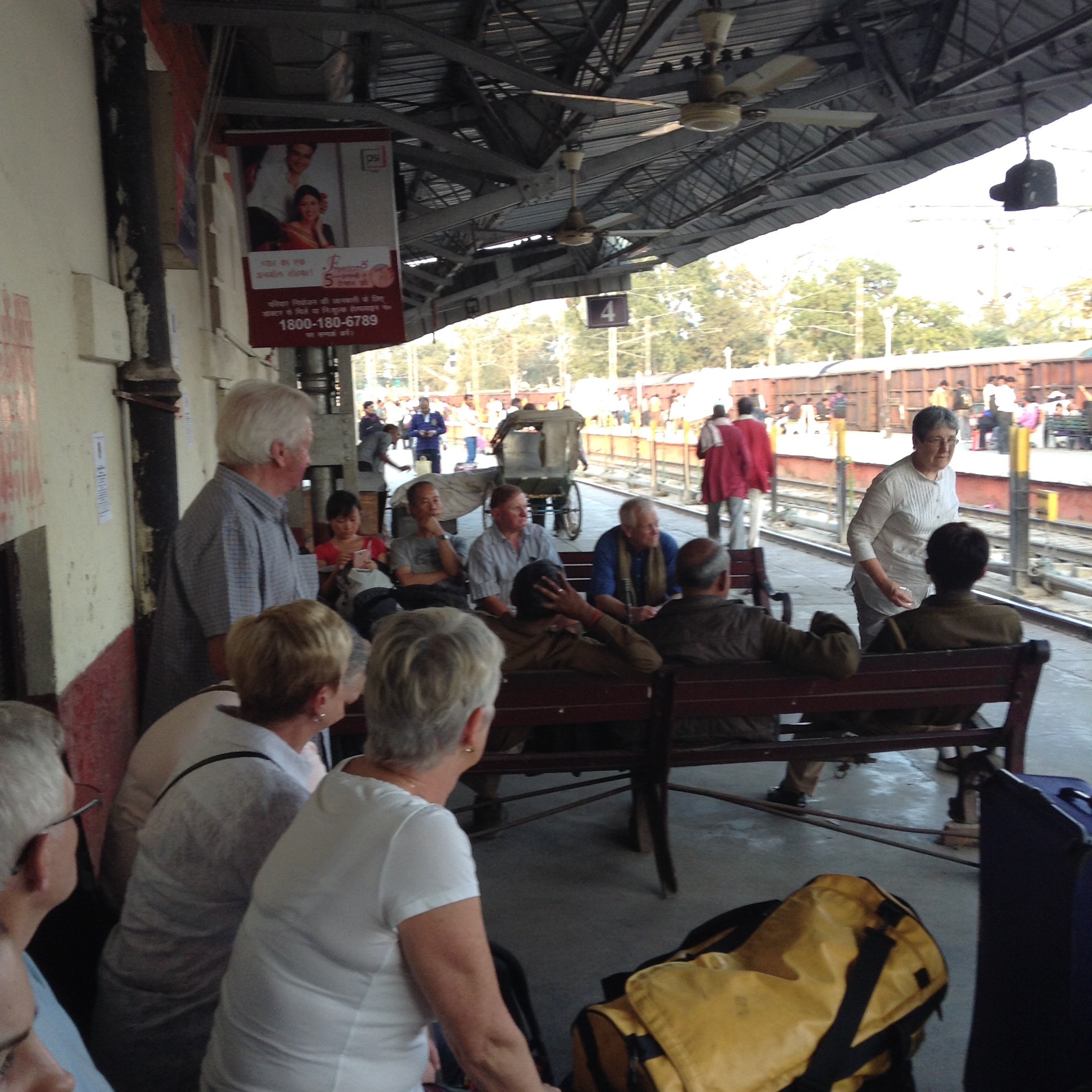
We hoped he would not be in our carriage, and wondered why he was not staying to be put in the holy river. Questions questions. Anyway we finally got on board the train, and the journey ended up taking fifteen hours.
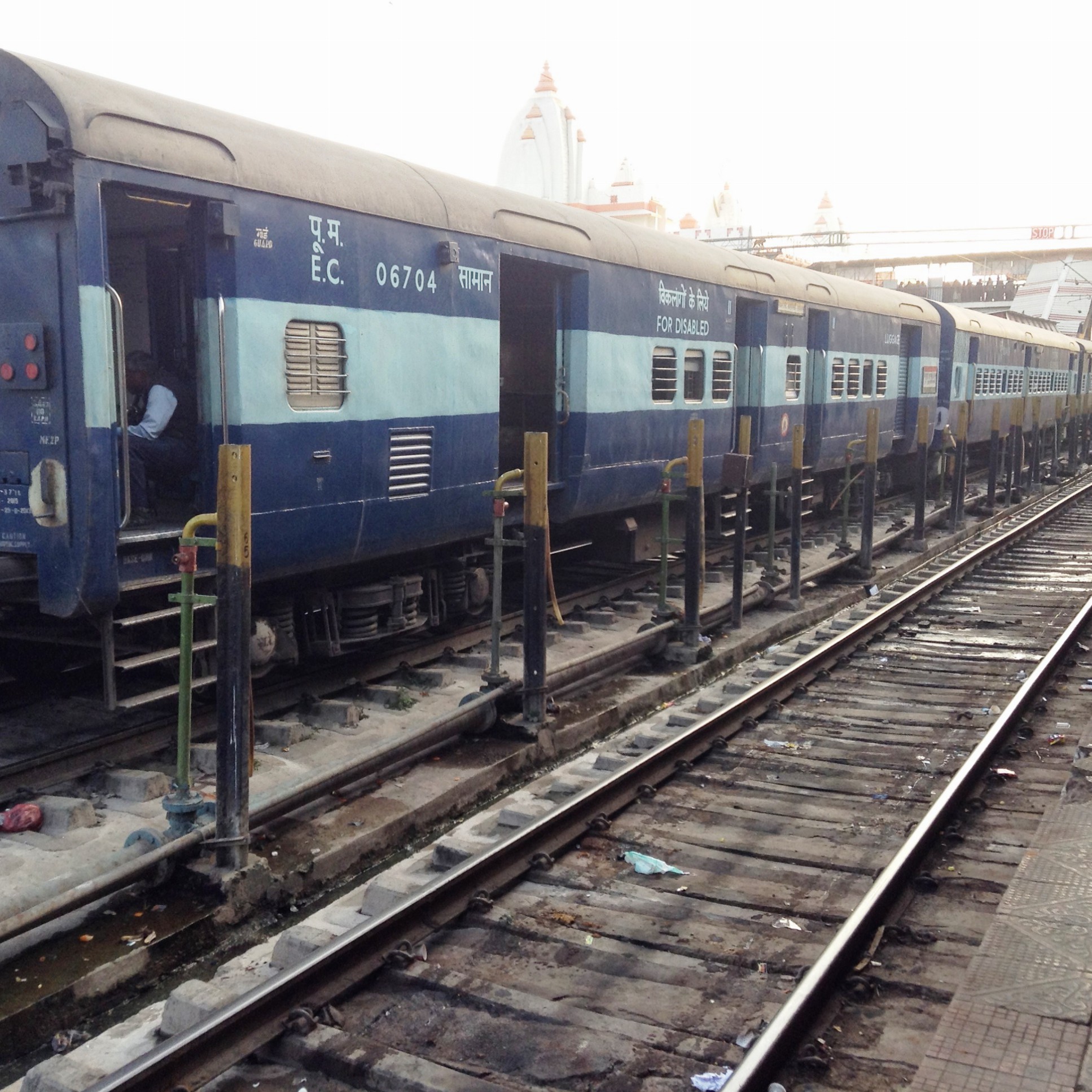

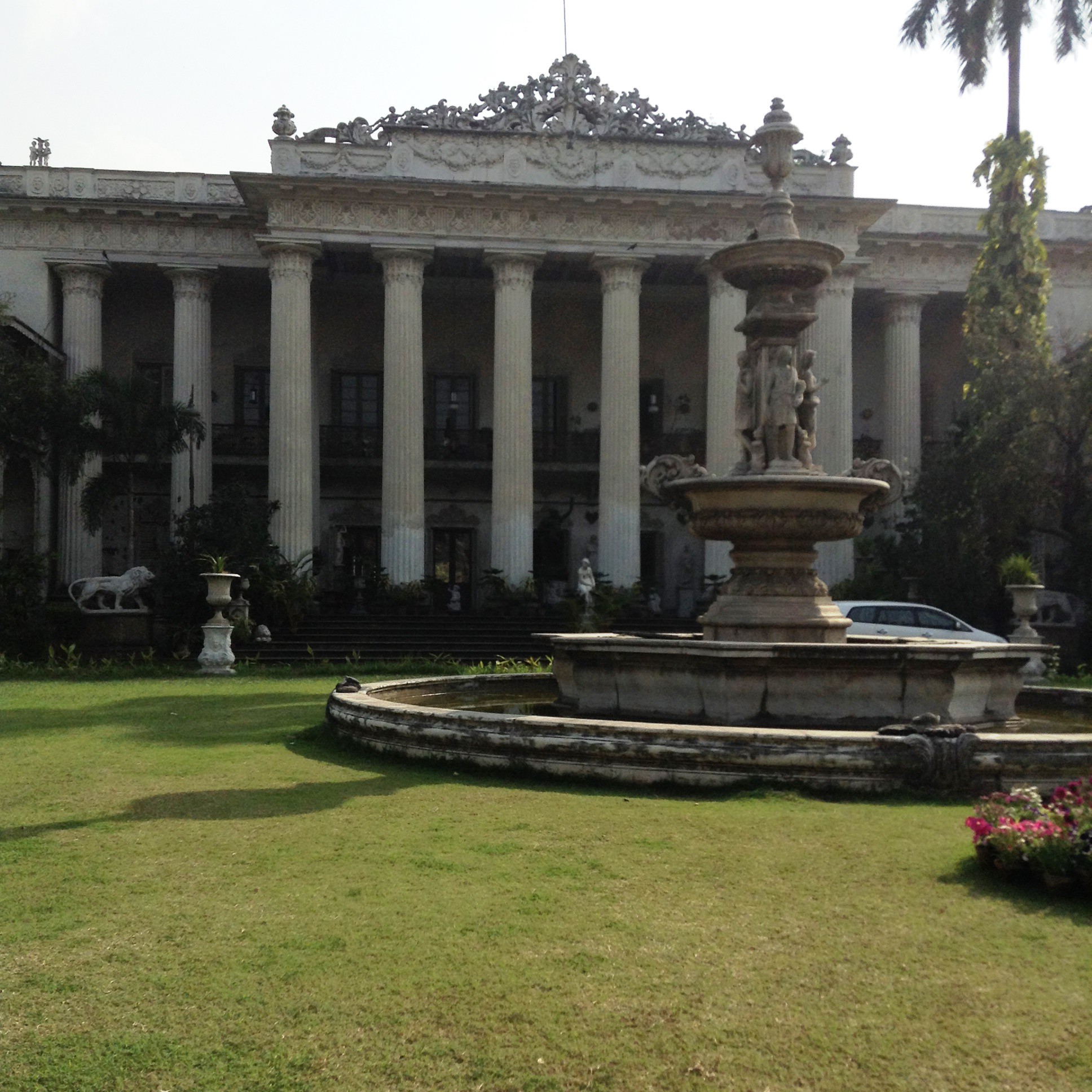
When we arrived we saw a different city. Modern in parts and with a more tolerable traffic system. We were whisked around old relics of the Raj, monuments to Queen Victoria, the High Courts of Justice, St Mary’s Cathedral, but the best was the white marble palace of some Raja who was intent in collecting amazing things from around the world. It was the most beautiful place with chandeliers, and musty brown walls groaning with fine art, including an exquisite Rubens and a baby Hercules by Turner. There were Greek statues, bronzes, carpets; the place was a fairy tale of riches and there was not one postcard or shop to be seen, and we were refused permission to photograph. I wish I was rich and could do it up and take tea on the immaculate lawn.
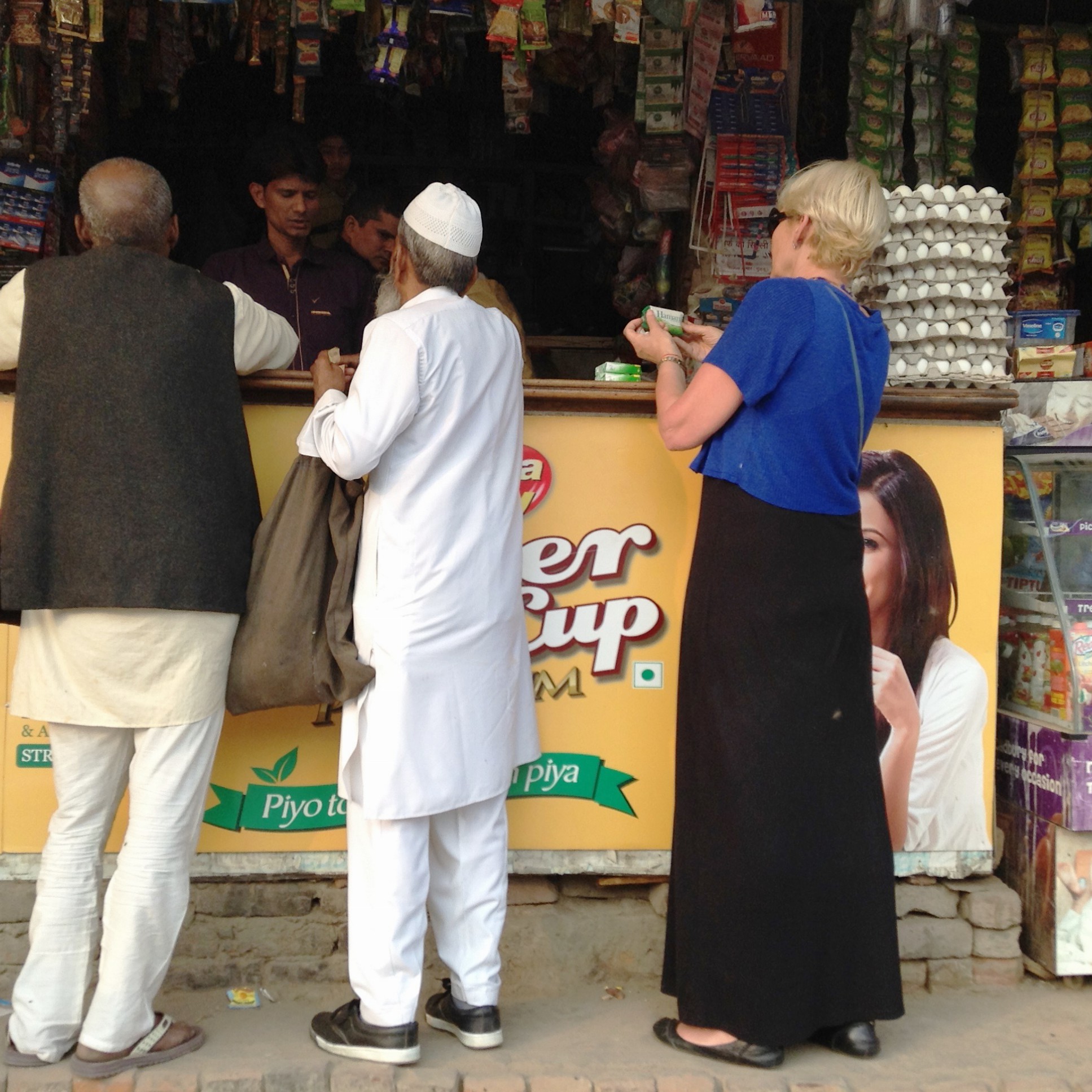
And finally we flew to Goa, and have settled into this lovely house. The sea is heavenly, the beaches white and shacks along them sell fantastic food. Last night we met three men with the look of Michael Palin, with leather brown bodies and very bright budgie-strangling swim suits! John bought me a bottle of Honeybee brandy for £2 and thinks we should stay here forever! Compared with the try dusty northern parts, Goa is lush and green with rice paddies, frangipani trees and bougainvillea. It is quite lovely. We have been washing with Neem soap, from the Neem tree, and it is quite the miracle worker. We have seen small twigs for sale to clean the teeth. We were told that if you boil up the leaves you can use them to wash mange from your dog. It is also a natural mosquito repellent. Here I am trying to buy a bar of soap, with a very friendly cow looking on!
But one final thought for the day. I have been thinking about India’s national emblems. The animal, bird and flower that they feel represent them as a nation.
Well, the national animal of India is the tiger (there is a terrible man eating problem at the moment, especially in the Bengal mangroves. Tigers have really acquired a taste for fishermen and villagers.)
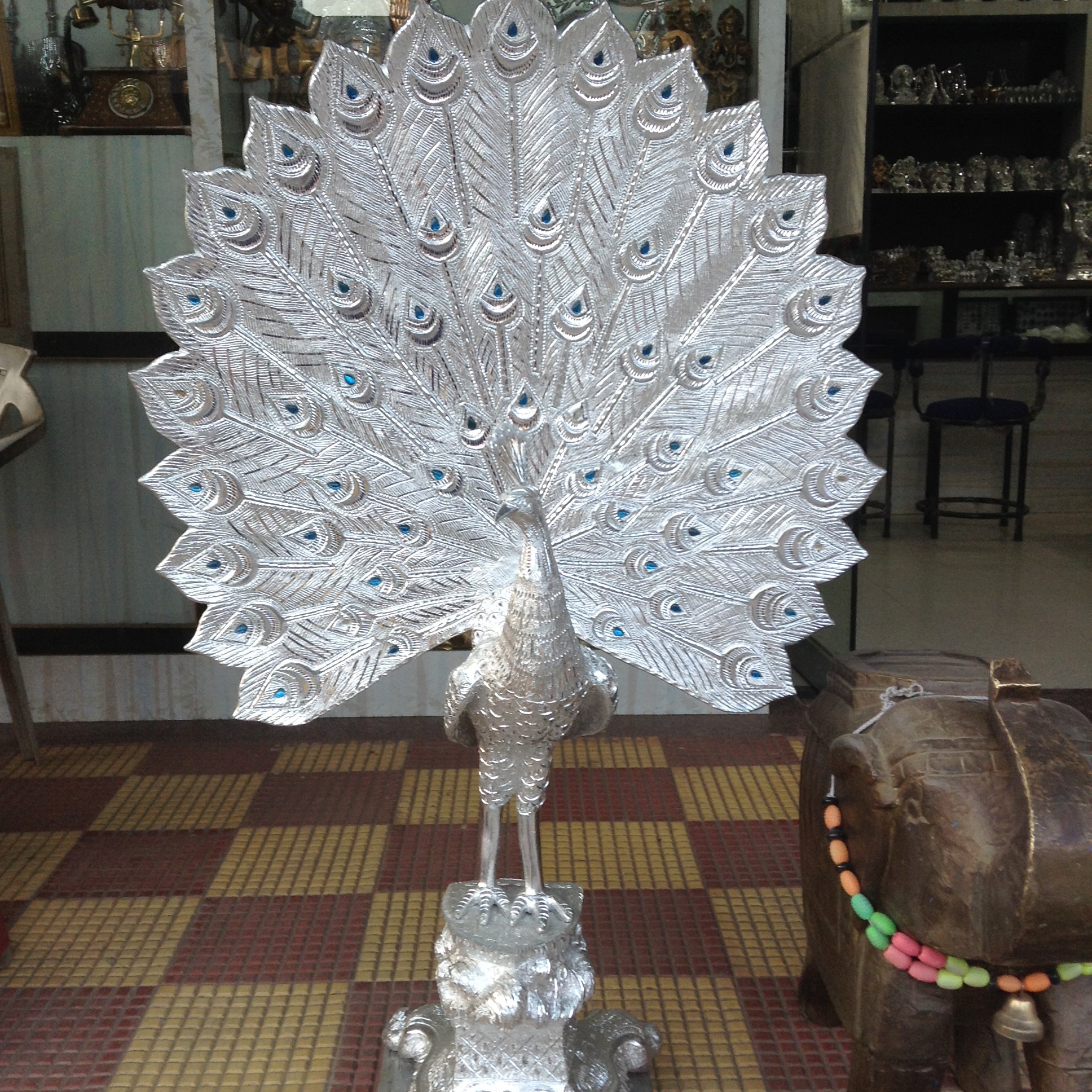
The national bird is the peacock (we did see two live ones in Udaipur) and of course we see them on thrones and art work,
but really I feel it should be the ever present wheeling black kite. Circling and swooping over city rubbish heaps and countryside alike. John has had such fun photographing them.
And the national flower is the lotus. It is the perfect symbol of this country. Out of the slime, out of the shit, out of the crowded, worn land rises exquisite, glorious perfection.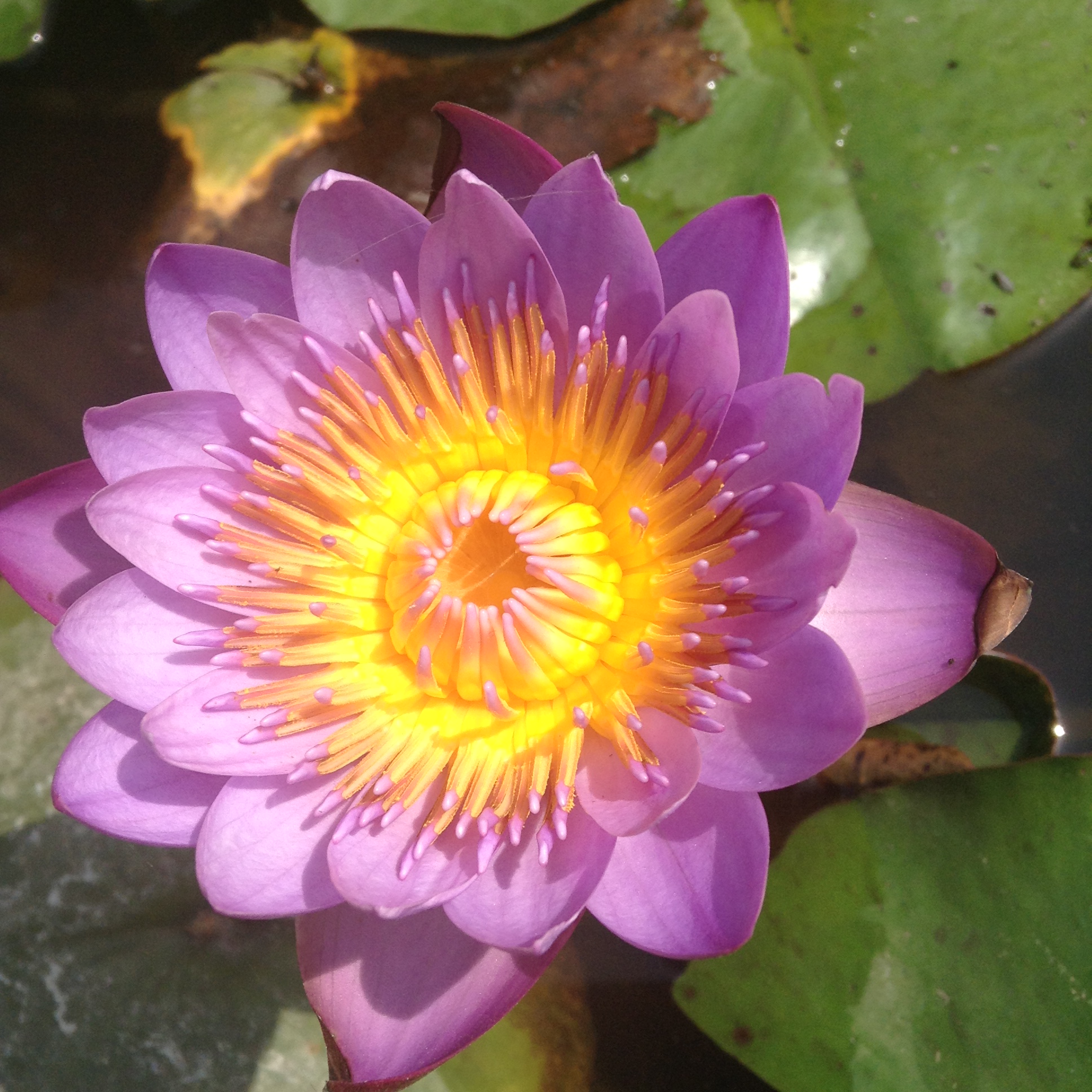
Enough, I am off! The honeybee awaits!
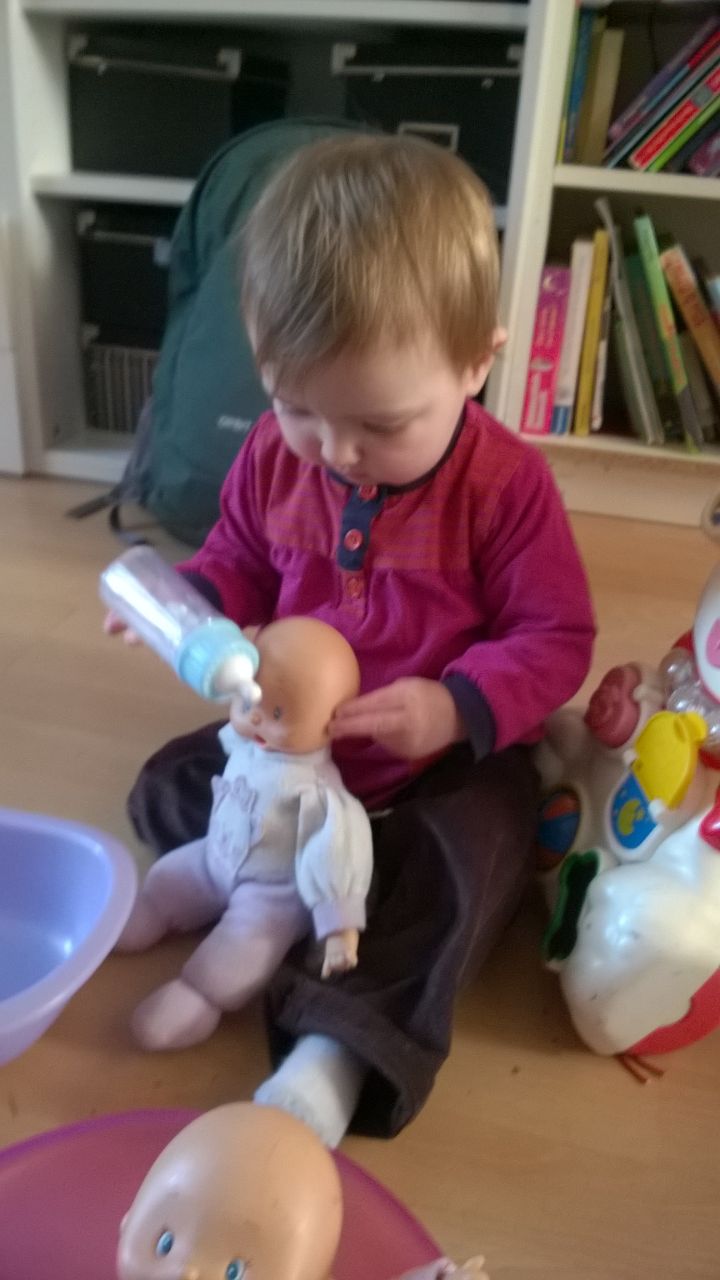
But before I go, it is my lovely Bonnie’s first birthday today!


 Tales from the Gael